
How to Identify Gossamer-Wing Butterflies: Easy Guide

Have you ever seen a tiny, shiny butterfly? It might have looked like a jewel. These small butterflies could be gossamer-wing butterflies. They are special because of their size and colors. Learning how to identify gossamer-wing butterflies can be fun. Let’s explore their world together.
These butterflies are not always easy to spot. They love sunshine and flowers. They flutter around gardens and fields. Sometimes, they even land on you. Wouldn’t it be cool to know which one you saw?
We will learn about their colors and shapes. We will also talk about where they live. This will help you become a butterfly expert. Are you ready to start the adventure? Let’s discover how to identify gossamer-wing butterflies!
Key Takeaways
- Gossamer-wing butterflies are small and often have bright, shiny colors.
- Look for unique wing patterns and small tails to identify them easily.
- Their size (usually under 1.5 inches) helps distinguish them from others.
- Knowing their common habitats aids in spotting these pretty butterflies.
- How to identify gossamer-wing butterflies involves observing their behavior around flowers.
How To Identify Gossamer-Wing Butterflies: Size & Shape

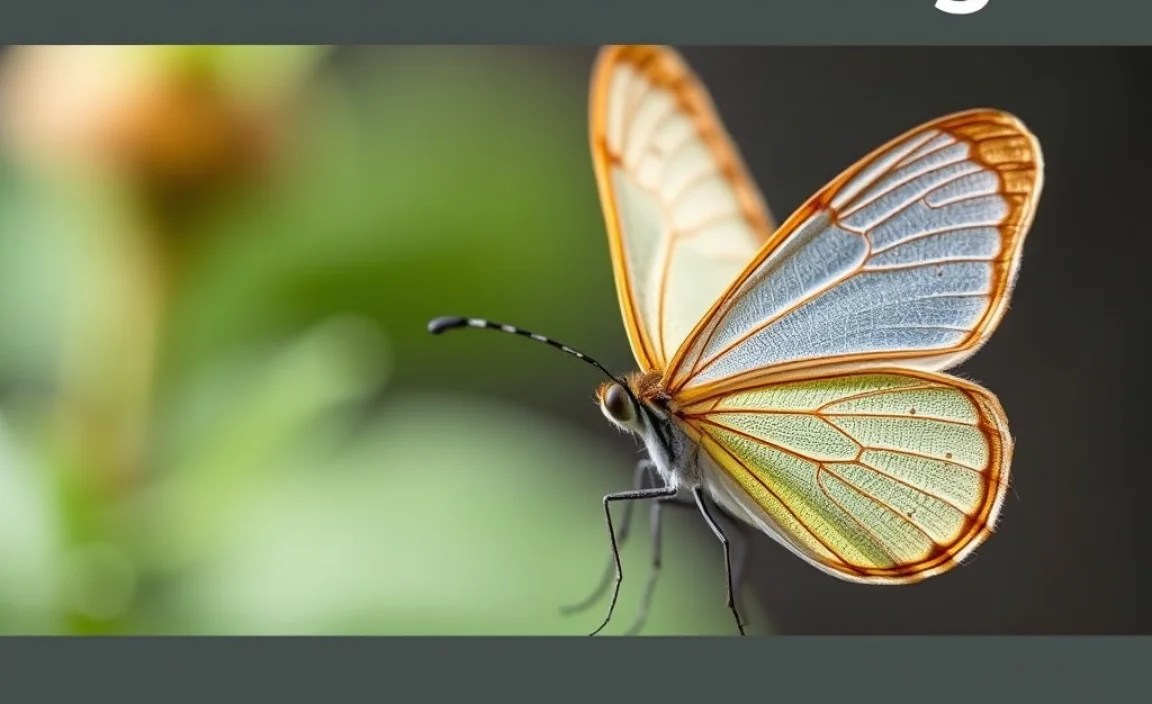
Gossamer-wing butterflies are known for their small size. They are often smaller than your thumb. Their wings have unique shapes. These shapes can help you tell them apart. Most gossamer-wing butterflies are less than 1.5 inches wide. This small size makes them different from other butterflies. Look closely at their wings. Are they rounded or pointed? Do they have little tails? These details matter when you are trying to figure out what kind of butterfly you see. Even the way they fly can be a clue. They often flutter quickly from flower to flower. Their delicate wings catch the sunlight. This makes them shimmer as they move. Remember to be gentle when you watch them. They are fragile and beautiful creatures.
- Check for a small size (under 1.5 inches).
- Notice the wing shape (rounded or pointed).
- Look for small tails on the hindwings.
- Observe their fluttering flight pattern.
- See if their wings shimmer in the sun.
Think of a tiny, colorful airplane. That is what a gossamer-wing butterfly looks like. They are like the jewels of the butterfly world. Imagine you are a tiny explorer. You are walking through a field of flowers. Suddenly, you see a flash of color. It is a gossamer-wing butterfly! Its small size makes it seem like a fairy. The shape of its wings is perfect for dancing in the wind. These butterflies are a reminder of the beauty of small things. Next time you are outside, keep an eye out. You might just spot one of these tiny treasures. Knowing their size and shape is the first step. Now you know how to identify gossamer-wing butterflies by looking closely at them.
What Is the Average Wingspan?
Have you ever wondered how small these butterflies really are? The average wingspan of a gossamer-wing butterfly is quite tiny. It usually ranges from about 0.5 inches to 1.5 inches. That’s smaller than many coins! This petite size is one of the key things that sets them apart. Many people are surprised by how delicate they appear. Their small wings seem almost too fragile to carry them through the air. But these butterflies are surprisingly strong fliers. They can travel quite far in search of nectar and mates. The wingspan can also vary depending on the species. Some types are a bit larger than others. So, if you see a very small butterfly, it might just be a gossamer-wing!
Do They All Have Tails?
Not all gossamer-wing butterflies have tails, but many do! These tails are small extensions on their hindwings. They can look like tiny threads. The tails are not just for show. Scientists think they might help the butterflies trick predators. When a bird tries to grab the butterfly, it might go for the tail instead of the body. This gives the butterfly a chance to escape. Some gossamer-wing butterflies have very long, noticeable tails. Others have tails that are barely there. So, if you see a small butterfly with tails, it is likely a gossamer-wing. But remember, no tails doesn’t mean it can’t be one. Always look at other features too!
How Does Wing Shape Vary?
The wing shape of gossamer-wing butterflies can be quite diverse. Some have rounded wings, while others have more pointed ones. The shape can even vary within the same family of butterflies. Some gossamer-wing butterflies have wings that are almost perfectly round. These butterflies often fly more slowly and gracefully. Others have wings that are more angular. These butterflies tend to be faster and more agile fliers. The wing shape can also be related to where the butterfly lives. Butterflies that live in open areas might have different wing shapes than those that live in forests. So, pay attention to the wing shape when you are trying to identify a gossamer-wing butterfly. It can give you important clues.
Fun Fact or Stat: The smallest gossamer-wing butterfly, the Western Pygmy Blue, has a wingspan of only about half an inch!
Colors And Patterns: A Butterfly’s Palette

Gossamer-wing butterflies come in many colors. You can see blues, oranges, browns, and even shiny metallic hues. The colors and patterns on their wings are like tiny works of art. Some have spots, stripes, or bands. These patterns can help them hide from predators. They also help them attract mates. The colors can be very bright and bold. Or they can be soft and subtle. Blue is a very common color among gossamer-wing butterflies. The blues can range from light sky blue to deep indigo. Orange and brown butterflies often have intricate patterns. These patterns can look like tiny mosaics. The shiny metallic colors are the most dazzling. They can shimmer and change color in the sunlight. So, when you see a small, colorful butterfly, take a closer look. It might be a gossamer-wing!
- Look for bright blues, oranges, and browns.
- Notice any spots, stripes, or bands on the wings.
- Check for shiny, metallic colors.
- Observe how the colors change in the sunlight.
- Compare the patterns to pictures in a butterfly book.
- Remember that colors can vary greatly.
Imagine you are an artist. Your canvas is the wing of a butterfly. What colors would you use? Gossamer-wing butterflies seem to have used every color imaginable. Their patterns are just as varied. Some have simple spots. Others have complex, swirling designs. It is like each butterfly is wearing its own unique outfit. These colors and patterns are not just for show. They help the butterflies survive. They can blend in with their surroundings. Or they can startle predators with a sudden flash of color. Learning to recognize these colors and patterns is key. Now you know how to identify gossamer-wing butterflies by their vibrant hues and unique designs.
What Makes Their Colors So Bright?
Have you ever wondered why gossamer-wing butterflies have such bright colors? It’s all about how their wings are made. Butterfly wings are covered in tiny scales. These scales reflect light in different ways. In gossamer-wing butterflies, the scales are arranged in a special way. This arrangement makes the colors appear very vibrant. Some scales contain pigments, which are like tiny paint particles. Other scales reflect light like tiny mirrors. The combination of pigments and light reflection creates the dazzling colors we see. The structure of the scales is so precise. This is why their colors are so much brighter than other butterflies. It’s like nature has its own way of painting with light!
Do Males and Females Have Different Colors?
Yes, in many species of gossamer-wing butterflies, males and females have different colors. This is called sexual dimorphism. The males are often more brightly colored than the females. This is because the males use their bright colors to attract mates. The females are usually more camouflaged. This helps them hide from predators when they are laying eggs. For example, in some species, the males are a vibrant blue. The females are a duller brown. This difference in color can be a helpful clue when you are trying to identify a butterfly. So, if you see two gossamer-wing butterflies of the same species with different colors, you will know that one is male and one is female.
How Do Patterns Help Them Survive?
The patterns on gossamer-wing butterflies’ wings help them survive in many ways. Some patterns help them blend in with their environment. This is called camouflage. For example, a butterfly with brown and green patterns might be able to hide on a tree bark. Other patterns help them startle predators. These patterns might look like eyes. When a predator sees the eyes, it might think the butterfly is a larger, more dangerous animal. Some patterns even help butterflies attract mates. The males might have bright, colorful patterns that the females find attractive. So, the patterns on their wings are not just pretty. They are essential for survival. They help them hide, scare, and attract.
Fun Fact or Stat: The iridescent colors on some gossamer-wing butterflies are created by the structure of their scales, not by pigments!
Habitat and Location: Where Do They Live?
Gossamer-wing butterflies live in many places. You can find them in gardens, meadows, and forests. They like warm, sunny areas. They need plants for food and shelter. Some gossamer-wing butterflies live in specific habitats. For example, some live only near oak trees. Others live only in wetlands. Knowing where they live can help you find them. Look for them near their favorite plants. They often lay their eggs on these plants. The caterpillars eat the leaves. This is how they grow. So, if you want to see a gossamer-wing butterfly, you need to know its habitat. Think about what kind of plants and trees are around. This will increase your chances of spotting one. Remember to be respectful of their home. Do not disturb their plants or caterpillars.
- Check gardens, meadows, and forests.
- Look for warm, sunny spots.
- Find their favorite plants and trees.
- Explore areas near oak trees or wetlands.
- Avoid disturbing their habitat.
Imagine you are on a treasure hunt. The treasure is a gossamer-wing butterfly. To find it, you need to know where it likes to hide. These butterflies are picky about their homes. They need the right kind of plants to eat. They need sunny spots to warm their wings. They need shelter from the wind and rain. So, think like a butterfly. Where would you want to live? Look for places with lots of flowers. Look for places with trees and shrubs. Look for places that are sheltered and warm. If you find the right habitat, you are sure to find a gossamer-wing butterfly. Now you know how to identify gossamer-wing butterflies by searching in the right places.
Do They Live Everywhere?
Gossamer-wing butterflies do not live everywhere. They are found on most continents. However, they are more common in some areas than others. They tend to prefer warmer climates. You can find many different species in tropical and subtropical regions. In North America, they are common in the southern and western states. They are less common in the northern states and Canada. Some species are only found in very specific locations. This is because they depend on certain plants or habitats. So, while you might find gossamer-wing butterflies in your area, they are not evenly distributed around the world. Their distribution depends on climate, habitat, and food availability.
What Kind of Plants Do They Need?
Gossamer-wing butterflies need specific plants for food and shelter. The caterpillars eat the leaves of certain plants. The adult butterflies drink nectar from flowers. The plants they need vary depending on the species. Some species are very picky. They only eat one type of plant. Others are more general. They can eat a variety of plants. Some common plants that gossamer-wing butterflies use include milkweed, clover, and various wildflowers. Oak trees are also important. Some species lay their eggs on oak trees. The caterpillars eat the oak leaves. So, if you want to attract gossamer-wing butterflies to your garden, you need to plant the right kind of plants. Choose native plants that are known to attract butterflies.
How Does Climate Affect Their Location?
Climate plays a big role in where gossamer-wing butterflies can live. These butterflies are generally more common in warmer climates. They need warm temperatures to be active. Cold temperatures can slow them down. Very cold temperatures can even kill them. This is why you find more species of gossamer-wing butterflies in the tropics and subtropics. In colder climates, they may only be active during the summer months. They may also need to find sheltered areas to survive the winter. Climate change is also affecting their distribution. As temperatures rise, some species are moving to new areas. They are trying to find habitats that are more suitable for them. So, climate is a very important factor in determining where gossamer-wing butterflies can live.
Fun Fact or Stat: Some gossamer-wing butterflies can be found at high altitudes, even in mountainous regions!
Behavioral Clues: Watching Their Actions

Gossamer-wing butterflies have unique behaviors. Watching their actions can help you identify them. They often flutter quickly from flower to flower. They are very active during sunny days. They like to bask in the sun. This helps them warm their wings. Some gossamer-wing butterflies have interesting interactions with ants. The caterpillars of some species produce a sweet substance. Ants love this substance. The ants protect the caterpillars from predators. This is a type of partnership. The butterflies also have unique mating behaviors. The males often perform elaborate dances to attract the females. So, pay attention to how the butterflies act. Their behavior can give you clues about what kind of butterfly they are. It also makes watching them more fun.
- Observe their quick, fluttering flight.
- Watch for basking in the sun.
- Look for interactions with ants.
- Notice any mating dances.
- See if they are more active on sunny days.
Imagine you are a detective. You are trying to solve a mystery. The mystery is: what kind of butterfly is that? To solve the mystery, you need to watch the butterfly closely. How does it fly? Where does it go? What does it do? Gossamer-wing butterflies have their own special ways of doing things. They might flutter around a certain type of flower. They might land on a specific leaf. They might even hang out with ants. By watching these behaviors, you can learn a lot about them. You can start to understand their world. You can become a butterfly detective. Now you know how to identify gossamer-wing butterflies by observing their unique actions.
Do They Migrate?
Most gossamer-wing butterflies do not migrate long distances. Unlike some other butterfly species, they tend to stay in the same general area. However, some species may move short distances to find better food sources. They might also move to escape harsh weather conditions. These movements are not considered true migrations. True migrations involve long-distance travel and a return trip. Gossamer-wing butterflies are more likely to stay in their local habitat. They adapt to the conditions in that area. So, if you see a gossamer-wing butterfly, it is likely a local resident. It has probably been living in that area for its entire life cycle.
How Do They Interact With Ants?
The interactions between gossamer-wing butterflies and ants are fascinating. The caterpillars of some species have a special relationship with ants. They produce a sugary substance that ants love to eat. In exchange, the ants protect the caterpillars from predators. The ants will guard the caterpillars and attack anything that tries to harm them. This is a type of mutualism, where both species benefit. The caterpillars get protection. The ants get a food source. This relationship is so important. The caterpillars cannot survive without the ants. You can often see ants crawling all over the caterpillars. They are carefully guarding their sweet treat. So, if you see a gossamer-wing butterfly caterpillar with ants, you know it is part of this special partnership.
What Is Their Basking Behavior Like?
Basking is an important behavior for gossamer-wing butterflies. Butterflies are cold-blooded. They need to warm their bodies in the sun to be active. Basking helps them raise their body temperature. This allows them to fly, feed, and mate. Gossamer-wing butterflies often bask in the early morning. They will find a sunny spot and spread their wings. They will angle their wings to catch as much sunlight as possible. You can often see them basking on leaves, rocks, or flowers. They might stay in the same spot for several minutes. They soak up the warmth. This behavior is essential for their survival. So, if you see a gossamer-wing butterfly sitting still in the sun, it is probably just basking.
Fun Fact or Stat: Some gossamer-wing caterpillars can communicate with ants using vibrations!
Diet and Feeding: What Do They Eat?
Gossamer-wing butterflies have different diets at different stages of their lives. As caterpillars, they eat leaves. They are very picky about which leaves they eat. They often eat only one or two types of plants. This is why it is important to have the right plants in your garden. As adult butterflies, they drink nectar from flowers. Nectar is a sweet liquid that provides them with energy. They use their long, straw-like tongues to sip the nectar. They also drink water and other fluids. These fluids help them stay hydrated. The diet of gossamer-wing butterflies is essential for their survival. Without the right food, they cannot grow and reproduce. So, make sure to provide them with plenty of flowers and host plants.
| Life Stage | Diet | Examples |
|---|---|---|
| Caterpillar | Leaves | Oak leaves, clover, milkweed |
| Adult Butterfly | Nectar | Wildflowers, garden flowers |
| Both | Water | Dew drops, puddles |
| Caterpillar (some species) | Ant secretions | Sugary substances provided by ants |
- Caterpillars eat leaves of specific plants.
- Adults drink nectar from flowers.
- They use a long, straw-like tongue.
- Water is important for hydration.
- Diet affects their growth and reproduction.
Imagine you are a gossamer-wing butterfly. You are hungry. What do you eat? If you are a caterpillar, you munch on leaves. But not just any leaves. You need the right kind of leaves. Your mom laid her eggs on these plants. So you know they are good for you. If you are an adult butterfly, you sip nectar from flowers. You fly from flower to flower. You taste the sweet nectar. It gives you energy to fly and find a mate. Food is very important for butterflies. Without food, they cannot survive. So, take care of the plants and flowers in your garden. The butterflies will thank you. Now you know how to identify gossamer-wing butterflies by understanding what they eat.
What Kind of Flowers Do They Prefer?
Gossamer-wing butterflies are attracted to a variety of flowers. They prefer flowers that are rich in nectar. They also like flowers that are easy to access with their long tongues. Some of their favorite flowers include milkweed, clover, and asters. They also like many other wildflowers and garden flowers. The color of the flower can also be important. They are often attracted to bright colors like purple, pink, and yellow. To attract gossamer-wing butterflies to your garden, plant a variety of these flowers. Make sure to choose native plants that are well-suited to your climate. This will provide them with a reliable food source.
How Do Caterpillars Find Their Food?
Gossamer-wing butterfly caterpillars find their food in a few different ways. The most important way is that their mothers lay their eggs on or near the plants that the caterpillars eat. When the caterpillars hatch, they are already close to their food source. They can simply start eating the leaves of the plant. Some caterpillars also use their sense of smell to find food. They can detect the scent of their favorite plants from a distance. They will then crawl towards the scent. The caterpillars are very good at finding their food. They need to eat a lot to grow and develop into adult butterflies. So, finding their food is essential for their survival.
Do They Eat Anything Else Besides Nectar?
While nectar is the main food source for adult gossamer-wing butterflies, they do drink other fluids. They drink water to stay hydrated. They can get water from dew drops on leaves or from puddles. They also drink fluids from rotting fruit or animal droppings. These fluids can provide them with minerals and other nutrients. Some gossamer-wing butterflies also drink honeydew. Honeydew is a sweet liquid produced by aphids and other insects. The butterflies will follow the ants to find the honeydew. So, while nectar is their main food, they do supplement their diet with other fluids. This helps them get all the nutrients they need to survive.
Fun Fact or Stat: Some gossamer-wing caterpillars are carnivorous and eat other insects!
Conservation Status: Are They Endangered?
The conservation status of gossamer-wing butterflies varies. Some species are common and widespread. Others are rare and endangered. Habitat loss is a major threat to many gossamer-wing butterflies. As forests and meadows are destroyed, they lose their homes and food sources. Pesticides can also harm them. Pesticides are chemicals that are used to kill insects. But they can also kill butterflies and other beneficial insects. Climate change is another threat. As the climate changes, their habitats may become unsuitable for them. It is important to protect gossamer-wing butterflies and their habitats. You can help by planting native plants in your garden. You can also avoid using pesticides. By taking these steps, you can help ensure that these beautiful butterflies survive for many years to come.
- Some species are endangered.
- Habitat loss is a major threat.
- Pesticides can harm them.
- Climate change is also a threat.
- Protect their habitats.
- Plant native plants.
- Avoid using pesticides.
Imagine you are a guardian of nature. It is your job to protect the gossamer-wing butterflies. They are small and delicate. They need our help to survive. What can you do? You can make sure they have a safe place to live. You can plant flowers and trees that they need. You can protect their homes from being destroyed. You can also avoid using harmful chemicals. These chemicals can poison the butterflies. By being a good guardian, you can help these butterflies thrive. Now you know how to identify gossamer-wing butterflies and how to protect them.
What Are the Biggest Threats?
The biggest threats to gossamer-wing butterflies are habitat loss, pesticide use, and climate change. Habitat loss occurs when their natural habitats are destroyed or altered. This can happen when forests are cleared for agriculture or development. Pesticides are chemicals that are used to kill insects. But they can also kill butterflies and other beneficial insects. Climate change is causing changes in temperature and rainfall patterns. This can make it difficult for butterflies to find suitable habitats and food sources. These threats are all interconnected. They can have a devastating impact on gossamer-wing butterfly populations. Addressing these threats is essential for their survival.
How Can We Help Protect Them?
There are many things we can do to help protect gossamer-wing butterflies. One of the most important things is to protect their habitats. This means preserving forests, meadows, and other natural areas. It also means creating butterfly gardens in our own yards. We can also reduce our use of pesticides. There are many alternatives to pesticides that are less harmful to butterflies. We can also help to address climate change. This means reducing our carbon emissions and supporting policies that promote sustainability. By taking these actions, we can help ensure that gossamer-wing butterflies thrive for generations to come.
Are Some Species Doing Better Than Others?
Yes, some species of gossamer-wing butterflies are doing better than others. Some species are common and widespread. They are able to adapt to changes in their environment. Other species are rare and endangered. They are more vulnerable to habitat loss, pesticide use, and climate change. The species that are doing well tend to be those that are able to use a variety of habitats and food sources. They are also more resistant to pesticides and other environmental stressors. The species that are struggling tend to be those that are highly specialized. They depend on specific habitats and food sources. It is important to monitor the populations of all gossamer-wing butterflies. This will help us to identify the species that need the most help.
Fun Fact or Stat: Some gossamer-wing butterfly species are protected by law in certain areas!
Summary
Gossamer-wing butterflies are small, colorful insects. They have unique features. You can identify them by their size and wing shape. Look for bright colors and patterns. Their habitats include gardens and meadows. Watching their behavior helps too. Caterpillars eat leaves. Adults drink nectar. Some species are endangered. Habitat loss and pesticides are threats. Protecting them is important. Plant native plants and avoid pesticides. Learning how to identify gossamer-wing butterflies is fun. It also helps us appreciate nature.
These butterflies are fascinating. They play a role in our ecosystem. By understanding them, we can help them. We can make a difference. So go outside and explore. See if you can spot a gossamer-wing butterfly. Use what you learned today.
Conclusion
Gossamer-wing butterflies are amazing creatures. They show us the beauty of nature. They are small but important. We learned about their size and colors. We also talked about where they live. Now you know how to identify gossamer-wing butterflies. Remember to protect their habitats. Plant flowers and avoid pesticides. Let’s help these butterflies thrive. They are a gift to our world.
Frequently Asked Questions
Question No 1: What exactly defines a gossamer-wing butterfly?
Answer: Gossamer-wing butterflies are a large family of small butterflies. They are known for their delicate wings. These wings often have metallic or iridescent colors. They belong to the family Lycaenidae. This family includes blues, coppers, hairstreaks, and harvesters. One key feature is their size. They are usually quite small, often less than 1.5 inches in wingspan. Many also have small “tails” on their hindwings. These tails can look like tiny threads. The term “gossamer-wing” refers to their fragile appearance. The best way to know how to identify gossamer-wing butterflies is by knowing that they are small and colorful.
Question No 2: Are gossamer-wing butterflies rare?
Answer: The rarity of gossamer-wing butterflies depends on the specific species. Some species are quite common. They can be found in many different habitats. Others are very rare. They are only found in specific locations. Habitat loss and pesticide use can threaten these butterflies. Some species are listed as endangered or threatened. This means they are at risk of extinction. Protecting their habitats is important. It helps ensure that these butterflies survive. Observing these butterflies can be a rewarding experience. Knowing how to identify gossamer-wing butterflies also ensures that they are protected.
Question No 3: What is the lifespan of a gossamer-wing butterfly?
Answer: The lifespan of a gossamer-wing butterfly varies depending on the species. In general, adult butterflies live for a few weeks to a few months. The entire life cycle, from egg to adult, can take several months. The caterpillar stage is usually the longest. During this time, the caterpillar eats and grows. It molts several times as it gets bigger. The pupa stage is next. This is when the caterpillar transforms into a butterfly inside a chrysalis. The adult butterfly emerges from the chrysalis. It then mates and lays eggs. Understanding the life cycle is part of knowing how to identify gossamer-wing butterflies.
Question No 4: How do I attract gossamer-wing butterflies to my garden?
Answer: Attracting gossamer-wing butterflies to your garden is easy. You need to provide them with the right food and shelter. Plant native plants that the caterpillars eat. These are called host plants. Also, plant flowers that provide nectar for the adult butterflies. Choose a variety of flowers that bloom at different times of the year. This will ensure that there is always a food source available. Avoid using pesticides in your garden. Pesticides can harm butterflies and other beneficial insects. Provide a source of water, such as a birdbath or a shallow dish of water. Make sure there are sunny spots where the butterflies can bask. By following these tips, you can create a butterfly-friendly garden. This will help you see more gossamer-wing butterflies. You will also easily learn how to identify gossamer-wing butterflies if they are in your garden.
Question No 5: Are gossamer-wing butterflies important to the environment?
Answer: Yes, gossamer-wing butterflies are important to the environment. They play a role in pollination. As they fly from flower to flower, they transfer pollen. This helps plants reproduce. They are also a food source for other animals. Birds, lizards, and other insects eat them. The caterpillars also play a role in the ecosystem. They eat leaves, which helps to control plant growth. Butterflies are also indicators of environmental health. If butterfly populations are declining, it could be a sign that something is wrong with the environment. So, protecting gossamer-wing butterflies is important for maintaining a healthy ecosystem. Knowing how to identify gossamer-wing butterflies is the first step.
Question No 6: What should I do if I find an injured gossamer-wing butterfly?
Answer: If you find an injured gossamer-wing butterfly, you can try to help it. First, check to see if it is still alive. If it is moving, it is probably still alive. If it is not moving, gently touch it to see if it responds. If the butterfly has a broken wing, you can try to repair it. Use a small piece of tape to hold the wing together. Be very careful not to damage the wing further. If the butterfly is unable to fly, you can provide it with food and water. Place it in a safe place, such as a butterfly house or a sheltered area in your garden. You can offer it nectar by placing a drop of honey or sugar water on a flower. If the butterfly does not recover, you can contact a local butterfly expert or wildlife rehabilitator for assistance. Always be gentle when handling butterflies. And remember what you know about how to identify gossamer-wing butterflies.


![Insect vs Butterfly: How to Tell [Easy Guide]](https://i2.wp.com/butterflyask.com/wp-content/uploads/2026/02/insect-vs-butterfly-how-to-tell-easy-guide-1-768x469.webp)

