
Skipper Butterfly Identification North America: Easy Guide

Have you ever seen a tiny, fast butterfly? It might have been a skipper! Skippers are small butterflies. They are often brown or orange. They zip around quickly. Skipper butterfly identification North America can be tricky. There are many kinds of skippers. They all look a little different. Learning about them is fun.
Key Takeaways
- Use field guides and online resources for skipper butterfly identification North America.
- Look at the skipper’s size, color, and markings on its wings.
- Note the shape of the antennae and how the skipper holds its wings.
- Observe the skipper’s habitat and behavior for helpful clues.
- Practice and patience are key to identifying different skippers.
Skipper Butterfly Identification: North America
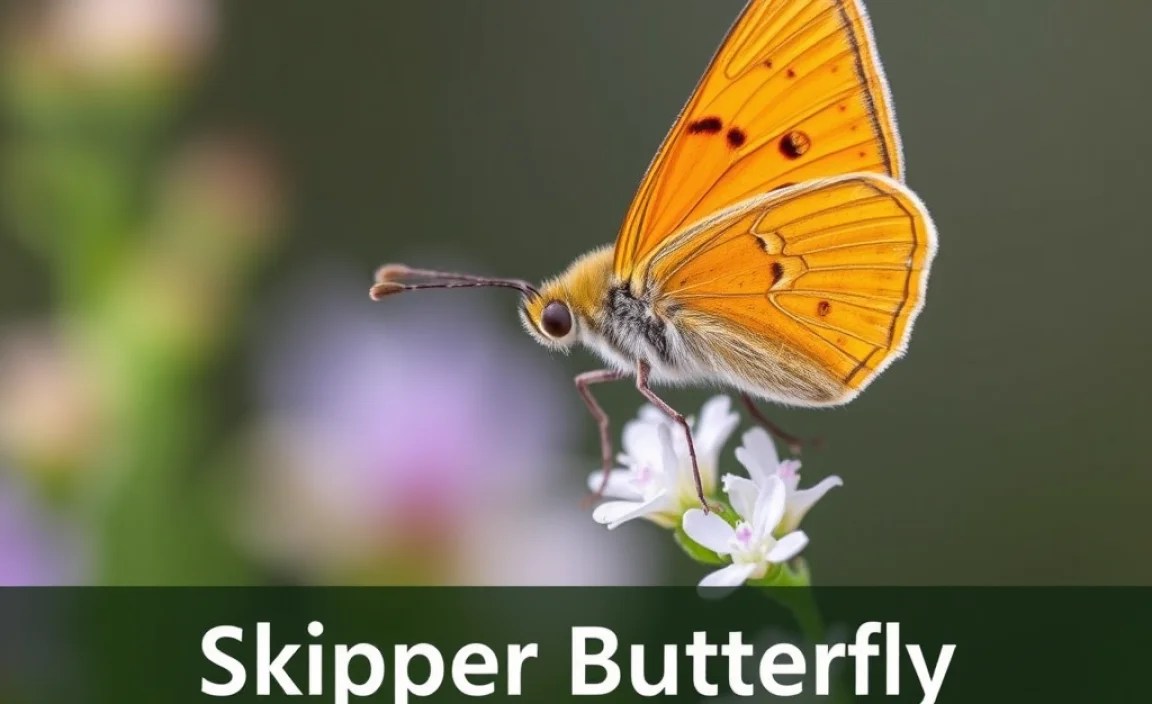
Skipper butterfly identification North America can be a challenge. Skippers are small and fast. Many species look alike. They belong to the family Hesperiidae. This family has over 3,500 species. North America has many different skippers. These butterflies are found in many places. They live in gardens, meadows, and forests. To identify them, you must look closely. Pay attention to their size. Notice the colors on their wings. Check for any unique markings. The shape of their antennae is important. How they hold their wings is another clue. Some skippers hold their wings open. Others keep them closed. With practice, you can learn to tell them apart. It takes time and patience. But it is a rewarding hobby. You will discover the amazing diversity of skippers.
- Skippers are small and fast butterflies.
- They belong to the Hesperiidae family.
- North America has many skipper species.
- Look for unique markings on their wings.
- Notice how they hold their wings.
Identifying skippers is like being a detective. You need to gather clues. The size of the butterfly is a start. Is it tiny or a bit bigger? What colors are on its wings? Are they brown, orange, or a mix? Look for spots, lines, or bands. These markings can help you narrow it down. The antennae are like tiny feelers. Skippers have hooked antennae. The shape of the hook can be different. Some hooks are long and thin. Others are short and thick. The way a skipper holds its wings is also key. Some hold them flat open. Others hold them partly open. Some keep them closed over their back. All of these details help with skipper butterfly identification North America. Keep practicing and have fun!
Fun Fact or Stat: There are over 300 species of skippers in North America!
Where Do Skippers Live?
Have you ever wondered where skippers live? They live in many different places. Some like open fields and meadows. Others prefer forests and woodlands. Some even live in gardens and parks. The habitat can give you a clue. Certain skippers like certain plants. If you see a skipper on a specific plant, that’s a clue. For example, some skippers like grasses. Others prefer flowers with lots of nectar. Knowing the habitat helps with identification. It narrows down the possibilities. It also helps to observe their behavior. How do they fly? How do they feed? Do they perch in the sun or hide in the shade? These clues can help you identify the skipper. Skipper butterfly identification North America is easier when you know where to look.
What Do Skippers Eat?
What do skippers eat? Skippers, like other butterflies, drink nectar. Nectar is a sweet liquid made by flowers. They use their long tongues like straws. They sip the nectar from the flowers. Different skippers like different flowers. Some prefer small, white flowers. Others like bright, colorful flowers. Some skippers also drink from other sources. They might drink from mud puddles. This gives them important minerals. They also drink from tree sap or rotting fruit. These things give them energy. Knowing what they eat can help you find them. Look for them near their favorite flowers. Watch them sipping nectar. Skipper butterfly identification North America sometimes involves knowing their food sources.
When Are Skippers Active?
Have you ever noticed when skippers are most active? Skippers are usually active during the day. They like warm, sunny weather. You’ll see them flying around in the sunshine. But, some skippers are more active in the morning. Others are more active in the afternoon. Some are even active at dusk. The time of year also matters. Some skippers fly in the spring. Others fly in the summer or fall. Knowing when they are active helps you find them. If you’re looking for a specific skipper, check when it flies. This will increase your chances of seeing it. The time of day and year are important clues. This helps with skipper butterfly identification North America.
Identifying Skipper Wing Markings
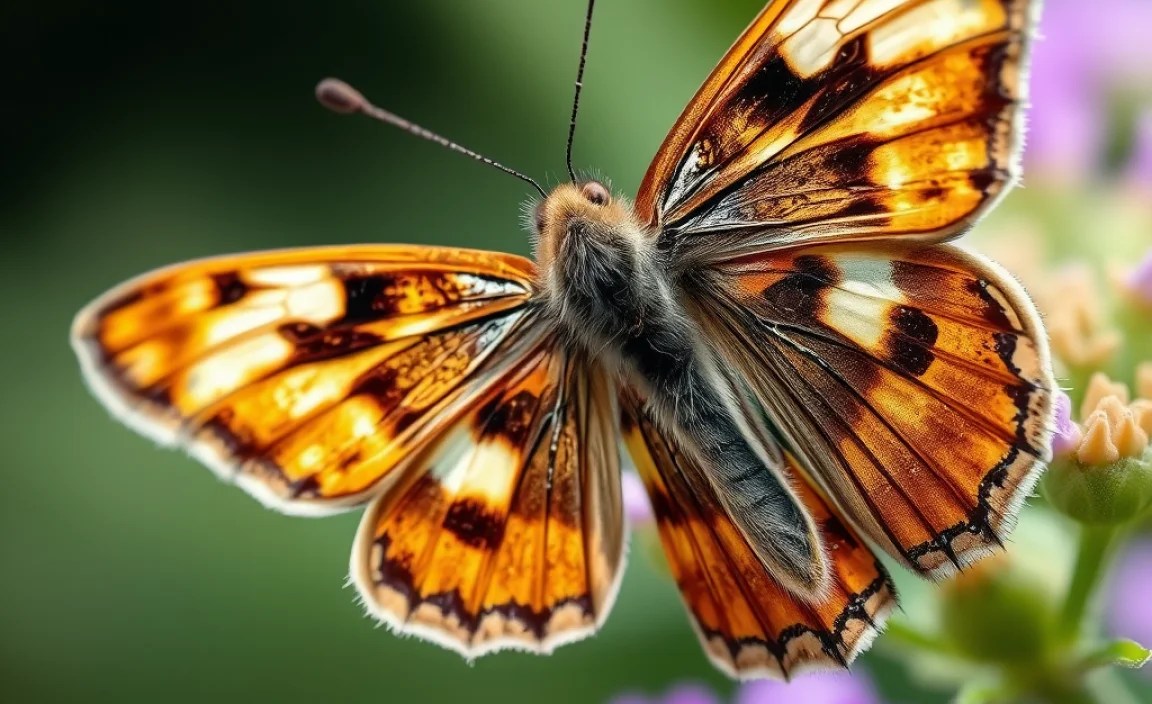
Wing markings are super important. They help with skipper butterfly identification North America. Skippers have different patterns on their wings. Some have spots. Others have lines or bands. Some have a mix of markings. The color of the markings matters too. They can be white, yellow, orange, or brown. Look closely at the shape of the markings. Are they round, square, or jagged? The size of the markings is also important. Are they big or small? Are they close together or far apart? Pay attention to both the top and bottom of the wings. Sometimes the markings are different on each side. Some skippers have a fringe. This is a row of hairs along the edge of the wing. The color of the fringe can also be a clue. Every little detail counts. It helps you tell one skipper from another.
- Wing patterns help identify skippers.
- Look for spots, lines, and bands.
- Note the color and shape of markings.
- Check the top and bottom of the wings.
- The fringe color can also be a clue.
Imagine the wings are like a map. Each marking is a landmark. The spots are like towns. The lines are like roads. The bands are like rivers. You need to read the map carefully. Note the location of each landmark. How are they arranged? What do they look like? Some skippers have very simple markings. Others have complex patterns. The more you look at different skippers, the better you get. You will learn to recognize the unique patterns. It’s like learning to recognize faces. Each skipper has its own unique look. Paying attention to wing markings is key. It is essential for skipper butterfly identification North America. So grab your field guide and start exploring!
Fun Fact or Stat: Some skipper wing patterns are so unique they can be used like fingerprints!
What Are the Main Wing Colors?
Have you ever noticed the colors of skipper wings? The main colors are brown, orange, and yellow. Some skippers are mostly brown. Others are mostly orange. Some have a mix of colors. The colors can be bright or dull. They can be solid or patterned. Some skippers have metallic colors. These colors shimmer in the sunlight. The color of the wing can tell you a lot. It can help you narrow down the possibilities. For example, some skippers are bright orange. These might be Monarchs. But the shape and size are different. This is how you know that it is a skipper. Skipper butterfly identification North America often starts with noting the wing color.
How Do Markings Differ Between Species?
Skipper markings differ a lot between species. Some skippers have big, bold spots. Others have tiny, faint spots. Some have long, continuous lines. Others have short, broken lines. Some have wide, thick bands. Others have narrow, thin bands. The location of the markings also varies. Some skippers have markings near the edge of the wing. Others have markings near the center. Some have markings on both sides. The contrast between the markings and the background color is important. Some skippers have high contrast markings. Others have low contrast markings. These differences help you identify each species. Skipper butterfly identification North America relies on these subtle variations.
Do Males and Females Have Different Markings?
Did you know that male and female skippers can look different? Sometimes the males and females have different markings. This is called sexual dimorphism. The males might have brighter colors. The females might have more spots. The size of the markings can also be different. In some species, the males have special markings. These markings are called stigma. They are used to attract females. These differences can help you tell them apart. But not all skippers have these differences. Sometimes the males and females look the same. So, you can’t always rely on this clue. But it’s worth checking. It can help with skipper butterfly identification North America.
Antennae and Body Shape of Skippers

The antennae and body shape are important. They are useful for skipper butterfly identification North America. Skippers have hooked antennae. This is different from other butterflies. Their antennae have a club at the end. Then, a little hook comes off the club. The shape of the hook can vary. Some hooks are long and thin. Others are short and thick. The body shape is also unique. Skippers have thicker bodies than other butterflies. They look more like moths. They are strong fliers. They need strong muscles to fly fast. Their bodies are built for speed. The color of the body can also be a clue. Some skippers have hairy bodies. Others have smooth bodies. All of these details help with identification.
- Skippers have hooked antennae.
- The hook shape varies between species.
- Skippers have thicker bodies than butterflies.
- Their bodies are built for strong flight.
- Body color and hairiness can be clues.
Think of the antennae as tiny antennas. They pick up signals from the world. The shape of the hook is like a special code. It tells you which species it is. The thicker body is like a race car engine. It gives the skipper the power to fly fast. The body shape is like the car’s design. It makes it aerodynamic. It cuts through the air easily. The color and hairiness are like paint and trim. They make each skipper unique. They help you tell them apart. Paying attention to these details is important. It is key for skipper butterfly identification North America. Grab your magnifying glass and take a closer look!
Fun Fact or Stat: The skipper’s hooked antennae are thought to help them sense chemicals in the air!
How Do Skipper Antennae Differ From Butterflies?
Skipper antennae are different from regular butterflies. Most butterflies have straight antennae. They have a club at the end. Skippers have a hook after the club. This hook is called an apiculus. It is a key feature for identification. The size and shape of the apiculus vary. Some are long and curved. Others are short and straight. Look closely at the antennae. This will help you identify skippers. It is an important part of skipper butterfly identification North America. So, pay attention to those tiny hooks.
What Is the Purpose of the Hooked Antennae?
Why do skippers have hooked antennae? Scientists think it helps them sense things. The hooks might help them smell. They could detect chemicals in the air. These chemicals tell them about food. They also tell them about mates. The hooks might also help them feel. They could sense changes in the air. This helps them avoid danger. The antennae are important tools. They help skippers survive. Understanding their purpose is cool. It’s an interesting part of skipper butterfly identification North America.
How Does Body Shape Aid in Flight?
How does the skipper’s body help it fly? Skippers have thick, strong bodies. This helps them fly fast. They need strong muscles. Their bodies are aerodynamic. This means they are shaped to cut through the air. Their wings are also shaped for speed. They are small and pointed. This helps them fly quickly. They can dart around easily. They can escape from predators. Their body shape is perfect for their lifestyle. They are fast and agile. This helps them survive. This is an important part of skipper butterfly identification North America.
Observing Skipper Behavior for Identification
Observing skipper behavior is helpful. It helps with skipper butterfly identification North America. How do they fly? How do they perch? How do they feed? These are all important clues. Some skippers fly very fast. They dart around quickly. Others fly more slowly. Some skippers perch with their wings open. Others perch with their wings closed. Some skippers feed on specific flowers. Others feed on a variety of flowers. Pay attention to these behaviors. They can help you narrow down the possibilities. They can help you identify the skipper. Look closely at how they act. It’s like watching a little play.
- Observe how skippers fly and perch.
- Note their feeding habits and flower preferences.
- Watch for unique behaviors like sunning.
- Consider the time of day they are active.
- Habitat can influence skipper behavior.
Imagine you’re a nature detective. You’re watching the skippers closely. You’re taking notes on their every move. How do they approach a flower? Do they hover or land? Do they sip quickly or slowly? How do they interact with other skippers? Are they territorial? Do they chase each other? Do they fly in a straight line or zigzag? Every little detail matters. It’s like learning a new language. You’re learning the language of skippers. You’re understanding their behavior. This helps you identify them. It is important for skipper butterfly identification North America. So grab your binoculars and start watching!
Fun Fact or Stat: Some skippers are known for their “sunbathing” behavior, where they bask in the sun with their wings open!
What Is Their Typical Flight Pattern?
What is a skipper’s typical flight pattern? Skippers are known for their fast, erratic flight. They dart around quickly. They change direction suddenly. This makes them hard to follow. But, each species has a slightly different flight pattern. Some fly in a straight line. Others zigzag. Some hover briefly. Others fly continuously. Pay attention to their flight. It can help you identify them. It is part of skipper butterfly identification North America. Watch how they move through the air.
How Do They Interact With Other Skippers?
How do skippers interact with each other? Some skippers are territorial. They defend their space. They chase away other skippers. Others are more social. They fly together in groups. Some skippers court each other. The males display to attract females. They might do special dances. They might release pheromones. These are chemicals that attract mates. Observing these interactions is fun. It can also help you identify them. It is a part of skipper butterfly identification North America. Watch how they behave around each other.
What Flowers Do They Prefer?
What flowers do skippers like? Skippers drink nectar from flowers. But they don’t like all flowers. Some prefer small, white flowers. Others like bright, colorful flowers. Some like tubular flowers. These flowers have long, narrow tubes. Skippers have long tongues. They can reach the nectar inside. Knowing their favorite flowers helps you find them. Look for them near those flowers. Watch them sipping nectar. The flowers they choose can help with skipper butterfly identification North America. Pay attention to their flower preferences.
Using Field Guides for Skipper Identification

Field guides are great tools. They are helpful for skipper butterfly identification North America. A field guide is a book. It shows pictures of different skippers. It describes their key features. It tells you where they live. It also tells you when they fly. Field guides help you compare skippers. You can match the skipper you see. You can compare it to the pictures in the book. Look at the wing markings. Check the antennae shape. Read the description. See if it matches the skipper you found. Field guides are like having an expert with you. They can help you learn about skippers. They can help you identify them correctly. They are essential for any butterfly enthusiast.
| Feature | Field Guide | Online Resource |
|---|---|---|
| Pictures | High-quality photos | Variable quality images |
| Descriptions | Detailed and accurate | Can be less detailed |
| Portability | Easy to carry in the field | Requires a device and internet |
| Reliability | Reviewed by experts | Information can be inaccurate |
- Field guides show pictures of skippers.
- They describe key features and habitats.
- They help you compare skippers easily.
- Field guides are portable and reliable.
- They are essential for butterfly enthusiasts.
Imagine you’re on a treasure hunt. The skippers are the treasure. The field guide is your map. It helps you find the treasure. It tells you what to look for. It guides you to the right location. But, field guides are not perfect. They might not show every single species. The pictures might not be perfect. The descriptions might not be complete. So, it’s important to use other resources too. Use online resources. Talk to experts. Share your findings with others. Together, you can learn more about skippers. Using field guides is a great start. It is important for skipper butterfly identification North America. So grab your field guide and start exploring!
Fun Fact or Stat: Some field guides are specific to certain regions, making identification even easier!
What Information Do Field Guides Provide?
What information do field guides give you? Field guides provide lots of helpful information. They show pictures of skippers. They describe their key features. This includes wing markings and colors. They tell you where they live. This includes their habitat and range. They tell you when they fly. This includes their flight season. They also give you tips for identification. This helps you tell them apart. Field guides are full of useful information. They are great for learning about skippers. They are an important part of skipper butterfly identification North America.
How Do You Use a Field Guide Effectively?
How do you use a field guide well? First, find the right field guide. Choose one that covers your area. Then, learn the basic parts of a skipper. Know the names of the wing parts. Understand the antennae shape. Then, when you see a skipper, look closely. Note its size, color, and markings. Compare it to the pictures in the guide. Read the description carefully. See if it matches what you see. Don’t be afraid to make mistakes. Practice makes perfect. Using a field guide takes time and patience. But it’s worth it. It helps you identify skippers. It makes skipper butterfly identification North America easier.
What Are the Best Field Guides for Skippers?
What are the best field guides for skippers? There are many good field guides. Some are better than others. Peterson Field Guide to Butterflies is a classic. It covers many species. Butterflies through Binoculars is also good. It focuses on identification. Kaufman Field Guide to Butterflies of North America is helpful. It has clear pictures and descriptions. Choose a guide that suits your needs. Consider your skill level. Think about your location. Read reviews before you buy. Find a guide that you enjoy using. The right field guide will help with skipper butterfly identification North America.
Online Resources for Skipper Identification
Online resources are very useful. They help with skipper butterfly identification North America. There are websites with pictures of skippers. They also have descriptions. Some websites have interactive keys. You answer questions about the skipper. The website helps you identify it. Online forums are also helpful. You can post pictures of skippers. Other people can help you identify them. Online resources are convenient. You can access them from anywhere. You can use them on your phone or tablet. They are a great supplement to field guides. Just be careful. Make sure the information is accurate. Check multiple sources before you decide. Online resources make learning fun!
- Websites provide images and descriptions.
- Interactive keys help identify skippers.
- Online forums connect you with experts.
- Resources are easily accessible on devices.
- Verify information from multiple sources.
Imagine you’re a digital explorer. You’re searching the internet for clues. You’re visiting different websites. You’re looking at pictures of skippers. You’re reading descriptions. You’re using interactive keys. You’re asking questions in online forums. You’re gathering information from all over the world. But, be careful! Not everything online is true. Some websites might have inaccurate information. Some pictures might be mislabeled. Some people in forums might be wrong. So, it’s important to be critical. Check multiple sources. Compare the information. Trust your instincts. Online resources are powerful tools. They help with skipper butterfly identification North America. But use them wisely!
Fun Fact or Stat: Citizen science projects allow you to contribute your skipper sightings to online databases!
What Websites Are Helpful for Identification?
What websites help with identification? Several websites are helpful. BugGuide.Net has many pictures and information. Butterflies and Moths of North America is a great resource. It has detailed descriptions. iNaturalist is a citizen science website. You can upload pictures of skippers. Other people can help you identify them. These websites offer valuable tools. They help with skipper butterfly identification North America. Explore these websites to learn more.
How Can Forums Assist in Identification?
How can forums help you? Forums connect you with experts. You can post pictures of skippers. Other people can help you. They can share their knowledge. They can offer tips. They can correct your mistakes. Forums are great for learning. They are also great for sharing. You can help others identify skippers. You can contribute to the community. Forums are valuable resources. They help with skipper butterfly identification North America. Join a forum and start learning.
What Are the Limitations of Online Resources?
What are the limits of online resources? Not all information is accurate. Some websites have mistakes. Some pictures are mislabeled. Some people in forums are wrong. You need to be careful. Check multiple sources. Compare the information. Don’t trust everything you read. Also, online resources can be overwhelming. There is so much information. It can be hard to know where to start. Use online resources wisely. They are helpful tools. But they are not perfect. Be careful with skipper butterfly identification North America using online tools.
Summary
Skipper butterfly identification North America requires careful observation. You must look at wing markings, antennae, and body shape. Observing behavior also helps. Field guides and online resources are valuable tools. They provide pictures and descriptions. They help you compare skippers. Remember to verify information. Use multiple sources. Practice and patience are key. With time, you will become a skipper expert. You will be able to identify them easily. Learning about skippers is fun and rewarding. It connects you with nature. It helps you appreciate the diversity of life. So get outside and start exploring!
Conclusion
Identifying skippers can be tricky. They are small and fast. Many look alike. But with practice, you can learn. Pay attention to key features. Use field guides and online resources. Observe their behavior. Be patient and persistent. You will soon be able to tell them apart. Skipper butterfly identification North America is a rewarding skill. It allows you to appreciate these tiny creatures. Go out and explore the world of skippers!
Frequently Asked Questions
Question No 1: What makes skippers different from other butterflies?
Answer: Skippers differ from other butterflies in several ways. They have hooked antennae. Other butterflies have straight antennae. Skippers have thicker bodies. Other butterflies have thinner bodies. Skippers fly faster. They dart around quickly. Other butterflies fly more slowly. Skippers often hold their wings differently. Some hold them open. Others hold them closed. These differences make skippers unique. This is why skipper butterfly identification North America needs a careful approach.
Question No 2: What are the key features to look for when identifying skippers?
Answer: When identifying skippers, look for several key features. These include wing markings. Note the spots, lines, and bands. Check the color of the wings. Observe the shape of the antennae. Look at the body shape. Notice how they hold their wings. Consider their habitat. Note their behavior. All of these clues can help you. This will assist you in skipper butterfly identification North America. The combination of these features can help you identify skippers.
Question No 3: How can I find skippers in my area?
Answer: To find skippers, look in their habitats. They like meadows, fields, and gardens. Look for flowers that attract butterflies. These include milkweed, clover, and asters. Check during warm, sunny days. Skippers are most active then. Look for them sipping nectar from flowers. Watch for them basking in the sun. Use a field guide to identify them. Report your sightings online. You can help scientists track skippers. This will improve skipper butterfly identification North America.
Question No 4: What are some common mistakes people make when identifying skippers?
Answer: People make several common mistakes. They don’t look closely enough. They don’t notice the small details. They rely too much on color. They don’t consider wing markings. They don’t check the antennae shape. They don’t observe behavior. They don’t use a field guide. They don’t verify information. They give up too easily. Be patient and persistent. Pay attention to the details. Skipper butterfly identification North America can be challenging. Avoid these common mistakes.
Question No 5: Are there any skippers that are endangered or threatened?
Answer: Yes, some skippers are endangered or threatened. Habitat loss is a major threat. Climate change is also a concern. Pollution can also harm skippers. Some species are very rare. They are only found in small areas. Protecting their habitat is important. Supporting conservation efforts helps. Learn about endangered skippers in your area. Help protect them. Proper skipper butterfly identification North America will assist with conservation efforts. You can make a difference.
Question No 6: What resources can help me learn more about skipper butterflies?
Answer: Several resources can help you learn more. Field guides are a great start. Online websites offer information and photos. Local butterfly clubs host events. Experts can share their knowledge. Libraries have books about butterflies. Museums display butterfly collections. Citizen science projects engage the public. These resources will help you learn about skippers. They will improve your skipper butterfly identification North America skills. Explore these resources and expand your knowledge.


