How to Identify Common Wood-Nymph: Easy Guide

Have you ever seen a flash of brown in the woods? Did it look like a butterfly, but also a bit different? You might have seen a common wood-nymph! These butterflies are fun to spot. But how to identify common wood-nymph? It’s easier than you think. Let’s learn about these cool insects.
They love sunny spots. They flutter near trees and bushes. These butterflies are masters of disguise. They blend in with the forest floor. Knowing what to look for helps a lot. We will explore their special marks.
Imagine you are a nature detective. Your mission: find a common wood-nymph. This guide gives you the clues. Soon, you will be a wood-nymph expert. Get ready for a butterfly adventure! This is how to identify common wood-nymph like a pro.
Key Takeaways
- Common wood-nymphs have distinctive dark eyespots on their wings that help in identification.
- Look for their preferred habitats, such as woodlands and grassy areas, to find them easily.
- Notice the mottled brown and gray patterns on their underwings for camouflage.
- Consider the flight period, typically during summer months, for spotting them.
- Knowing how to identify common wood-nymph enhances your butterfly watching skills.
How To Spot Common Wood-Nymph: Overview

The common wood-nymph is a butterfly that’s good at hiding. It likes to live in places where it can blend in. These places are often near woods or grassy areas. Knowing where they live is the first step. It helps you find them more easily. The next step is to know what to look for. They have special marks on their wings. These marks help them hide from birds. The marks also help us tell them apart from other butterflies. Look for brown and gray colors. These colors help them look like leaves. How to identify common wood-nymph also means knowing when they are flying. They usually fly in the summer. This is the best time to see them.
- Check woodland edges for sightings.
- Look in meadows with tall grasses.
- Note the butterfly’s flight pattern.
- Observe wing colors and markings.
- Consider the time of year (summer).
- Photograph for later identification.
Understanding how to identify common wood-nymph is all about knowing their habits. They like to stay close to the ground. This helps them hide from danger. They often bask in the sun to warm up. They need the sun to fly well. When they fly, they don’t go very far. They stay in a small area. This makes it easier to find them once you spot one. Remember to be patient and quiet. Butterflies are easily scared. The more you know about their lives, the easier it is to find them.
What Is Their Habitat Like?
Imagine a place where sunlight peeks through the trees. The ground is covered in leaves and grass. This is the perfect home for a common wood-nymph. These butterflies love places with a mix of sun and shade. They need sunny spots to warm up. They also need shady spots to hide from predators. They often live near forests. They also like meadows with tall grasses. These places give them food and shelter. Have you ever played hide-and-seek in the woods? The butterflies do the same thing. They use the plants to stay safe. They are part of a bigger world. They help the plants by carrying pollen. They are important to the forest.
What Time Of Year To Look?
Think about your favorite time of year. For the common wood-nymph, it’s summertime! These butterflies are most active in the warm months. They start to appear in late spring. They fly all through the summer. As the weather gets colder, they disappear. They don’t like the cold. So, if you want to see one, plan your trip for summer. Go to the woods or a grassy field. Bring your butterfly net and a camera. Be patient and keep your eyes open. You might just spot a common wood-nymph. Remember, they love the sun. Look for them on sunny days. This is when they are most likely to be flying around.
What Are Their Host Plants?
Have you ever wondered what butterflies eat when they are caterpillars? Common wood-nymph caterpillars love grasses. Different types of grasses are their favorite food. These grasses grow in meadows and near woods. The caterpillars eat the leaves. This helps them grow big and strong. Then they turn into butterflies. The butterflies drink nectar from flowers. They need nectar to fly and lay eggs. So, grasses and flowers are very important. They help the common wood-nymph survive. Without these plants, the butterflies would not have food. They are all connected in nature. What if your favorite food disappeared? It would be hard to live. Butterflies depend on plants just like we depend on food.
Fun Fact or Stat: Common wood-nymphs can often be found basking in sunny spots to warm their wings, a vital behavior for flight.
Wing Patterns: Key ID Features

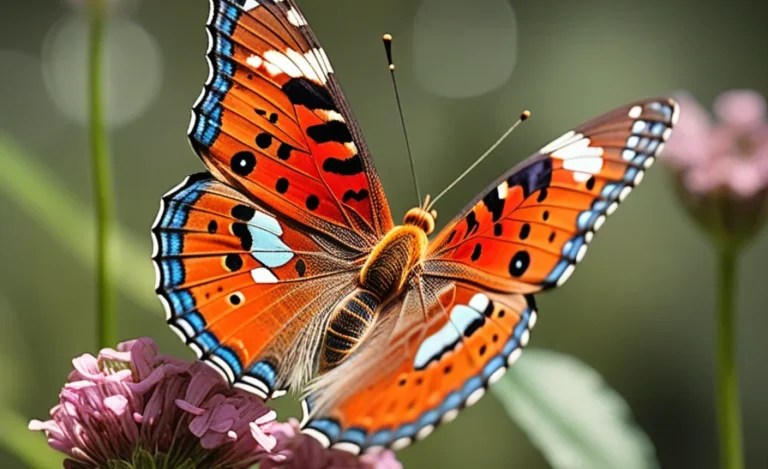
One of the best ways for how to identify common wood-nymph is by looking at their wings. The wings have special patterns. These patterns are like a secret code. They tell us what kind of butterfly it is. Common wood-nymphs have brown and gray wings. The colors help them blend in with the trees. On the wings, you will see dark spots. These spots are called eyespots. They look like eyes. The eyespots can scare away predators. The underside of the wings has a mottled pattern. This means it looks like a mix of colors and shapes. This pattern helps them hide when they are resting. Look closely at the wings. You will see all these special marks. This makes it easier to tell them apart from other butterflies.
- Notice the dark eyespots on the wings.
- Check for mottled brown and gray patterns.
- Observe the wing shape and size.
- Look at the underside for camouflage.
- Compare wing patterns to pictures.
- Note any unique markings or spots.
Learning how to identify common wood-nymph by their wings is like learning a new language. Each mark has a meaning. The more you learn, the better you get at spotting them. Remember to be patient. Butterflies are small and fast. It takes time to see all the details. Use a magnifying glass if you can. This will help you see the small marks. Take pictures of the wings. Then you can look at them later. Compare them to pictures in a book. With practice, you will become a wing expert. You will be able to tell a common wood-nymph from far away.
What Do The Eyespots Look Like?
Imagine tiny eyes staring back at you from the butterfly’s wings. These are called eyespots. Common wood-nymphs have dark eyespots on their wings. The eyespots are like a trick. They make predators think the butterfly is bigger than it is. The spots can scare away birds. The eyespots are usually dark brown or black. They are surrounded by a lighter color. This makes them stand out. Look closely at the number of eyespots. Common wood-nymphs usually have two or three. The eyespots are not always in the same place. They can be different sizes too. This makes each butterfly a little different. The eyespots are an important clue. They help you tell if you have found a common wood-nymph.
How Do The Colors Help?
Have you ever tried to hide in the woods? What colors did you wear? Common wood-nymphs use colors to hide too. Their wings are brown and gray. These colors help them blend in with the trees and leaves. The colors make it hard for predators to see them. The mottled pattern is like camouflage. It breaks up their shape. This makes them even harder to spot. The colors change a little bit. Some butterflies are darker than others. This depends on where they live. But they are always brown and gray. These colors are their secret weapon. They help them stay safe in the wild. So, when you are looking for them, remember to look for brown and gray.
Are There Differences In Patterns?
Think about snowflakes. Each one is a little different. Common wood-nymphs are the same way. Their wing patterns are not exactly the same. Some butterflies have bigger eyespots. Others have darker colors. The patterns can change depending on where they live. Butterflies in one area might look different from butterflies in another area. These differences are small. But they are there. Scientists study these patterns. They learn about how butterflies change over time. They learn about how they adapt to their environment. So, next time you see a common wood-nymph, look closely. You might see something special. You might see a pattern that is unique to that butterfly.
Fun Fact or Stat: The eyespots on a common wood-nymph’s wings can startle predators, giving the butterfly a chance to escape.
Habitat Preferences: Where To Look
Knowing where a common wood-nymph likes to live is very helpful. They have favorite spots. These butterflies love places near the woods. They like the edge of the forest. They also like meadows with tall grasses. These places give them food and shelter. They need sunny spots to warm up. They also need shady spots to hide. Look for them near streams and ponds. They need water to survive. They often rest on leaves and branches. They blend in with the background. This makes it hard to see them. Remember to be patient and quiet. Butterflies are easily scared. The more you know about their habitat, the easier it is to find them. How to identify common wood-nymph starts with knowing where they live.
- Search woodland edges and clearings.
- Explore grassy meadows near forests.
- Check areas with host plants.
- Look near streams or ponds.
- Observe sunny spots with shade.
- Visit during peak flight season.
Understanding how to identify common wood-nymph also means understanding their needs. They need food, water, and shelter. They get food from nectar. They drink nectar from flowers. They need water to stay hydrated. They find shelter in the trees and grasses. They hide from predators. They also hide from the weather. They need a place to lay their eggs. They lay their eggs on host plants. The caterpillars eat these plants. So, the habitat is very important. It provides everything they need to survive. When you are looking for them, think like a butterfly. Where would you go if you were a common wood-nymph? This will help you find them.
Do They Prefer Sunny Or Shady Spots?
Imagine you are a butterfly. Do you like to be warm or cool? Common wood-nymphs like both! They need sunny spots to warm up their wings. They need the sun to fly well. But they also need shady spots to cool down. They don’t want to get too hot. They find a balance between the sun and the shade. They often bask in the sun in the morning. Then they move to the shade in the afternoon. They like places with a mix of sun and shade. This gives them the best of both worlds. So, when you are looking for them, check both sunny and shady spots. You might find them in either place. It depends on the time of day.
Are They Found In Urban Areas?
Have you ever seen a butterfly in your backyard? Common wood-nymphs usually don’t live in cities. They like wild places. They need woods and meadows. They need lots of plants. Cities don’t have enough of these things. But sometimes they can be found in parks. If the park is big enough, they might live there. They need a place to lay their eggs. They need food for the caterpillars. They need shelter from predators. So, it is not common to see them in urban areas. They prefer the countryside. They like places where nature is still wild. But keep an eye out. You never know where you might find one.
How Far Do They Travel?
Think about how far you walk in a day. Common wood-nymphs don’t travel very far. They stay in a small area. They don’t need to go far to find food. They don’t need to go far to find a mate. They usually stay within a few acres. This makes it easier to find them. Once you spot one, you know it will probably stay nearby. They don’t migrate like some butterflies. They stay in the same place all year round. This is because they are good at hiding. They don’t need to move to stay safe. They are happy where they are. So, look carefully in a small area. You might find a whole group of them.
Fun Fact or Stat: Common wood-nymphs are most often found within a few acres of their birthplace, making them relatively local butterflies.
Behavioral Traits: What Do They Do?
Common wood-nymphs have interesting behaviors. They like to bask in the sun. They spread their wings to warm up. This helps them fly better. They also like to rest on leaves. They blend in with the background. This helps them hide from predators. They fly close to the ground. They don’t fly very high. They flutter around in a small area. They are not very active. They spend a lot of time resting. They only fly when they need to find food or a mate. They are good at hiding. They can be hard to spot. Knowing their behaviors helps you find them. How to identify common wood-nymph includes knowing what they do.
- Observe their basking behavior.
- Note their low, fluttering flight.
- Watch for resting on leaves.
- See if they’re near host plants.
- Look for mating behavior in summer.
- Track their movements in sunlight.
Understanding how to identify common wood-nymph also means watching them closely. Pay attention to how they move. Notice where they rest. See what they eat. The more you watch them, the more you learn. They are part of a bigger world. They interact with other insects. They interact with plants. They are important to the ecosystem. They help pollinate flowers. They are food for birds. Everything is connected. When you watch a butterfly, you are watching the whole world. Remember to be respectful. Don’t disturb them. Let them live their lives in peace. They are beautiful creatures. They deserve our respect.
How Do They Interact With Other Insects?
Have you ever seen butterflies near flowers? Common wood-nymphs visit flowers for nectar. Nectar is their food. They share the flowers with other insects. Bees, flies, and other butterflies also drink nectar. They don’t usually fight. There is enough for everyone. They also interact with caterpillars. Caterpillars eat plants. They can compete with other caterpillars for food. But they usually eat different plants. They also interact with predators. Birds, spiders, and other animals eat butterflies. They need to be careful. They use their camouflage to hide. They fly away quickly if they see danger. They are part of a big community. They all depend on each other.
What Is Their Flight Pattern Like?
Imagine a leaf falling from a tree. That’s how a common wood-nymph flies. They have a fluttering flight pattern. They don’t fly in a straight line. They go up and down. They move from side to side. This makes it hard for predators to catch them. They also fly close to the ground. They don’t go very high. They stay near the trees and grasses. This helps them hide. They are not very fast. They don’t fly long distances. They stay in a small area. They are easy to follow if you watch them carefully. Their flight pattern is part of what makes them special. It helps them survive in the wild.
How Do They Find A Mate?
Think about how animals find each other. Common wood-nymphs find mates in the summer. The males fly around looking for females. They use their eyes to find them. They also use their sense of smell. The females release chemicals called pheromones. The males can smell these chemicals. They follow the smell to find the females. When a male finds a female, they do a dance. They fly around each other. They touch wings. If the female likes the male, they mate. Then the female lays eggs. The eggs hatch into caterpillars. The cycle starts all over again. Finding a mate is important. It helps them make more butterflies.
Fun Fact or Stat: The flight pattern of a common wood-nymph is low and fluttery, often close to the ground, which aids in camouflage.
Similar Species: Avoiding Confusion
Sometimes, how to identify common wood-nymph can be tricky. Other butterflies look similar. It is easy to get them mixed up. The wood satyr looks a lot like the common wood-nymph. But there are some differences. The wood satyr has brighter colors. It also has different eyespots. The little wood satyr is smaller. It has fewer eyespots. The Appalachian brown is another similar butterfly. It lives in the mountains. It has darker colors. It also has a different shape. Pay attention to the details. Look at the colors, the spots, and the size. This will help you tell them apart. Use a butterfly guide. It will show you pictures of each butterfly.
- Compare wing patterns carefully.
- Note the size and shape differences.
- Check the number of eyespots.
- Consider the habitat and location.
- Use a butterfly identification guide.
- Consult with experienced observers.
Learning how to identify common wood-nymph takes practice. The more you see them, the easier it gets. Don’t be afraid to make mistakes. Everyone gets confused sometimes. The important thing is to keep learning. Ask questions. Look at pictures. Go outside and watch butterflies. The more you do, the better you will get. Soon, you will be able to tell the difference between all the butterflies. You will be a butterfly expert. Remember to be patient. It takes time to learn. But it is worth it. Butterflies are beautiful creatures. They are fun to watch. The more you know about them, the more you will appreciate them.
How Does It Compare To The Wood Satyr?
Imagine two butterflies sitting side by side. One is a common wood-nymph. The other is a wood satyr. They look similar. But there are differences. The wood satyr is usually brighter in color. It has more orange and yellow. The common wood-nymph is more brown and gray. The wood satyr also has different eyespots. The eyespots are bigger and more distinct. The common wood-nymph has smaller eyespots. The wood satyr also has a different flight pattern. It flies higher and faster. The common wood-nymph flies low and slow. Look closely at the colors and the spots. This will help you tell them apart.
What About The Little Wood Satyr?
Think about a smaller version of the wood satyr. That’s the little wood satyr! It is smaller than the common wood-nymph. It also has fewer eyespots. The little wood satyr only has one or two eyespots. The common wood-nymph usually has two or three. The little wood satyr also has a different shape. Its wings are more rounded. The common wood-nymph has more pointed wings. The little wood satyr also prefers different habitats. It likes wetter areas. The common wood-nymph likes drier areas. So, look at the size, the spots, and the habitat. This will help you tell them apart. Remember, practice makes perfect.
Where Does The Appalachian Brown Fit In?
Imagine a butterfly that lives in the mountains. That’s the Appalachian brown! It is different from the common wood-nymph. It lives in a different place. It also looks different. The Appalachian brown is darker in color. It is almost black. The common wood-nymph is brown and gray. The Appalachian brown also has a different shape. Its wings are longer and narrower. The common wood-nymph has shorter and wider wings. The Appalachian brown also flies differently. It flies higher and faster. The common wood-nymph flies low and slow. So, look at the color, the shape, and the location. This will help you tell them apart. Remember to use a butterfly guide.
Fun Fact or Stat: The common wood-nymph is often confused with similar species like the wood satyr, but subtle differences in wing patterns help differentiate them.
Conservation Status: Are They At Risk?
Common wood-nymphs are not usually at risk. They are still common in many areas. But they face some challenges. Habitat loss is a big problem. People are building houses and roads. This destroys the butterflies’ homes. Climate change is also a threat. The weather is changing. This can affect the plants that the butterflies need. Pollution can also hurt them. Pesticides can kill the butterflies. We need to protect their habitat. We need to reduce pollution. We need to fight climate change. This will help the common wood-nymph survive. How to identify common wood-nymph is important for knowing how many there are.
| Threat | Description | Impact on Wood-Nymph |
|---|---|---|
| Habitat Loss | Destruction of woodlands and meadows. | Reduces breeding and feeding grounds. |
| Climate Change | Changes in weather patterns. | Alters host plant availability. |
| Pesticide Use | Chemicals that kill insects. | Directly poisons butterflies and caterpillars. |
| Pollution | Contamination of air and water. | Harms host plants and butterfly health. |
Understanding how to identify common wood-nymph helps us track their populations. We can see if they are declining. We can take action to protect them. We can plant more flowers. We can create butterfly gardens. We can reduce our use of pesticides. We can support conservation organizations. Every little bit helps. Butterflies are important. They help pollinate flowers. They are part of the food chain. They are beautiful creatures. We need to protect them for future generations. Let’s work together to make sure they survive. They are a part of our world. We need to take care of them.
What Are The Main Threats?
Think about what butterflies need to survive. They need food, water, and shelter. The main threats to common wood-nymphs take these things away. Habitat loss is a big threat. When people build houses and roads, they destroy the butterflies’ homes. Pesticides are also a threat. These chemicals kill insects, including butterflies. Climate change is another threat. It changes the weather patterns. This can affect the plants that the butterflies need. Pollution can also hurt them. It can make their food and water unsafe. These threats make it harder for them to survive. We need to do what we can to protect them.
What Can Be Done To Help?
Imagine you are a superhero for butterflies. What would you do? You can do many things to help common wood-nymphs. You can plant flowers in your garden. This gives them food. You can avoid using pesticides. This keeps them safe. You can support conservation organizations. They work to protect their habitat. You can educate others about butterflies. You can tell your friends and family about the threats they face. You can reduce your carbon footprint. This helps fight climate change. Every little bit helps. Together, we can make a big difference. We can help them survive and thrive.
Are They Protected By Law?
Think about laws that protect animals. Common wood-nymphs are not usually protected by law. They are not endangered. But they still need our help. Some areas have laws that protect their habitat. These laws can help protect the butterflies. It is important to know the laws in your area. You can contact your local government. They can tell you about any protections for butterflies. You can also support organizations that work to protect them. Even if they are not protected by law, we can still help them. We can do our part to protect their habitat and reduce threats.
Fun Fact or Stat: While not typically endangered, the common wood-nymph’s population can be affected by habitat loss and pesticide use.
Summary
The common wood-nymph is a beautiful butterfly. It lives in woodlands and meadows. Knowing how to identify common wood-nymph involves looking for brown and gray wings. They also have dark eyespots. These butterflies prefer sunny spots with some shade. They fly low to the ground. They are most active in the summer. They face threats like habitat loss and pesticide use. We can help by planting flowers and avoiding pesticides. We can also support conservation efforts. By learning about them, we can protect them. These butterflies are an important part of our ecosystem. They deserve our care and attention.
Conclusion
Learning about the common wood-nymph is fun. It helps us appreciate nature. You now know how to identify common wood-nymph. Look for the brown wings and eyespots. Watch for their fluttering flight. Remember their habitat. By knowing these things, you can spot them easily. You can also help protect them. So, go outside and explore. See if you can find a common wood-nymph. Enjoy the beauty of these amazing creatures. They are a gift from nature.
Frequently Asked Questions
Question No 1: What are the key features to look for when trying to identify a common wood-nymph butterfly?
Answer: When trying to identify a common wood-nymph, focus on a few key features. Look for a medium-sized butterfly with a wingspan of about 1.5 to 2 inches. Their wings are typically brown and gray, with a mottled pattern that helps them blend in with their surroundings. One of the most distinctive features is the presence of dark eyespots on their wings, which can vary in number but are usually prominent. Also, consider their habitat; they are commonly found in woodlands and grassy areas. These characteristics make it easier to distinguish them from similar butterfly species.
Question No 2: Where is the best place to find common wood-nymphs?
Answer: The best places to find common wood-nymphs are woodlands, forest edges, and grassy meadows. They prefer habitats with a mix of sunlight and shade, as they often bask in sunny spots to warm their wings but also need shaded areas for protection. Look for them near host plants, such as various grasses, where their caterpillars feed. Additionally, they are often found near streams or ponds, as these areas provide essential resources. Visiting these habitats during their peak flight season in the summer months increases your chances of spotting them.
Question No 3: When is the best time of year to see common wood-nymphs?
Answer: The best time of year to see common wood-nymphs is during the summer months, typically from June to August. This is their peak flight season when they are most active and visible. During this time, the weather is warmer, and their host plants are abundant, providing ample food for the caterpillars and nectar for the adult butterflies. Checking for them on sunny days during this period will significantly increase your chances of spotting these beautiful butterflies in their natural habitats. This is critical for how to identify common wood-nymph.
Question No 4: Are common wood-nymphs harmful or beneficial to the environment?
Answer: Common wood-nymphs are beneficial to the environment. As caterpillars, they feed on various grasses, which helps to maintain the balance of plant growth in their habitats. As adult butterflies, they contribute to pollination by transferring pollen from flower to flower while feeding on nectar. This pollination process is essential for the reproduction of many plant species. Additionally, they serve as a food source for birds and other insectivores, playing a role in the food chain. Therefore, they are an important part of the ecosystem.
Question No 5: What can I do to attract common wood-nymphs to my garden?
Answer: To attract common wood-nymphs to your garden, focus on creating a suitable habitat. Plant a variety of native grasses, as these serve as host plants for their caterpillars. Include nectar-rich flowers that bloom throughout the summer to provide food for the adult butterflies. Avoid using pesticides, as these can harm or kill the butterflies. Provide a shallow dish of water with pebbles for them to drink from. Creating a natural, pesticide-free environment with plenty of food sources will encourage them to visit and stay in your garden. Knowing how to identify common wood-nymph will help you know if your efforts worked!
Question No 6: How do common wood-nymphs protect themselves from predators?
Answer: Common wood-nymphs have several strategies to protect themselves from predators. Their mottled brown and gray wings provide excellent camouflage, allowing them to blend in with the forest floor and vegetation. The dark eyespots on their wings can startle predators, giving the butterfly a chance to escape. Their low, fluttering flight pattern also makes them difficult to catch. By staying close to the ground and remaining still when resting, they minimize their visibility. These combined defenses help them survive in their natural habitats. It is a good idea to observe how to identify common wood-nymph and their behaviours to help you to understand them better.