
Swallowtail Butterfly Facts: The Ultimate Guide

Swallowtail butterflies are large, strikingly beautiful insects known for their graceful flight and distinctive tails on their hindwings. They belong to the family Papilionidae and are found all over the world. These butterflies are important pollinators and indicators of healthy ecosystems, with their presence often signaling a thriving natural environment.
Have you ever been captivated by a butterfly fluttering in your garden, its wings like delicate stained glass? Perhaps it was a swallowtail, one of the most recognizable and beloved butterflies. But beyond their beauty, swallowtails have fascinating lives and play important roles in our environment. Many people are curious about these butterflies, but finding clear, concise information can be a challenge. Don’t worry, we’ll explore the amazing world of swallowtail butterflies together.
In this guide, you’ll discover what makes swallowtails unique, from their life cycle to their feeding habits and the important role they play in nature. You’ll also learn how to identify different species and attract them to your own backyard. Get ready to be amazed by these incredible creatures!
Swallowtail Butterfly Basics
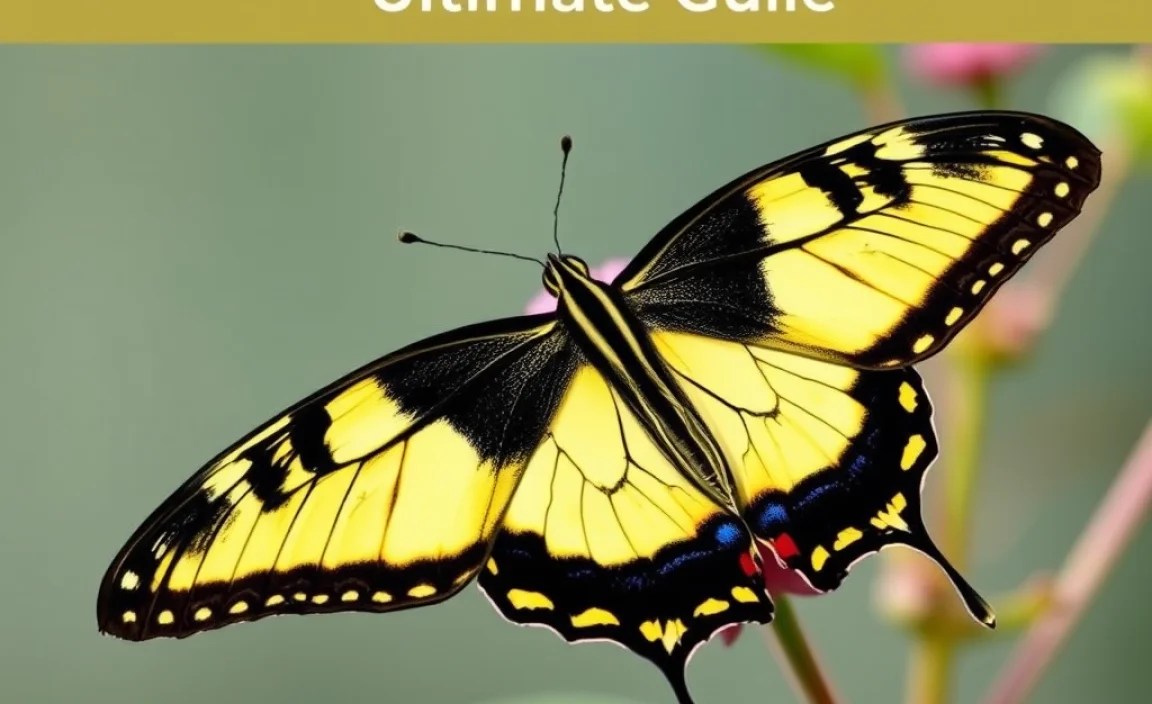
Swallowtail butterflies are part of the Papilionidae family, which includes some of the largest and most stunning butterflies in the world. These butterflies are found on every continent except Antarctica, with a wide variety of species adapted to different climates and habitats.
What Makes Swallowtails Special?
Swallowtails stand out for several reasons:
- Size and Shape: They are generally larger than many other butterfly species, with wingspans ranging from 2 to 6 inches. The “tails” on their hindwings, which give them their name, are a key identifying feature.
- Coloration: Swallowtails come in a dazzling array of colors, from vibrant yellows and oranges to deep blues and blacks. Many species have striking patterns and iridescent scales that shimmer in the sunlight.
- Flight: Their flight is often described as graceful and powerful. They can soar effortlessly and are strong fliers, capable of covering long distances.
Swallowtail Habitats
Swallowtails thrive in diverse environments:
- Tropical Rainforests: Many species are found in the lush rainforests of South America, Africa, and Asia.
- Temperate Woodlands: Others prefer the open woodlands and meadows of North America and Europe.
- Gardens and Parks: Some swallowtails have adapted to urban environments and can be found in gardens and parks.
The Swallowtail Life Cycle
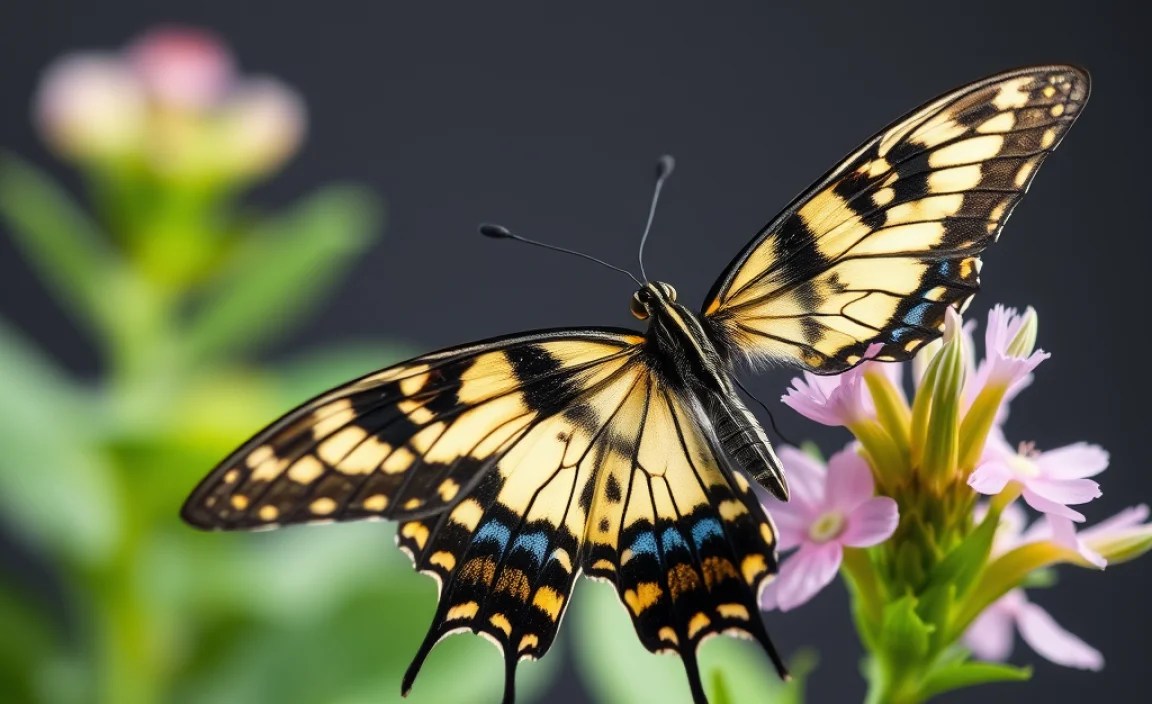
Like all butterflies, swallowtails undergo complete metamorphosis, with four distinct life stages: egg, larva (caterpillar), pupa (chrysalis), and adult.
Egg Stage
Swallowtail eggs are typically laid singly on the host plant, which will serve as food for the caterpillar. The eggs vary in color, from pale green or yellow to brown or black, depending on the species.
Larva (Caterpillar) Stage
The caterpillar stage is all about eating and growing. Swallowtail caterpillars are voracious eaters and can consume large quantities of leaves. They go through several molts, shedding their skin as they grow larger. Some swallowtail caterpillars have remarkable camouflage or mimicry to protect themselves from predators. For example, some resemble bird droppings, while others have false eyespots to startle potential attackers.
Pupa (Chrysalis) Stage
When the caterpillar is fully grown, it transforms into a pupa, also known as a chrysalis. The chrysalis is a protective shell in which the caterpillar undergoes metamorphosis. Swallowtail chrysalises can be green or brown, often blending in with their surroundings. The duration of the pupa stage varies depending on the species and environmental conditions, but it typically lasts for a few weeks.
Adult Stage
Finally, the adult butterfly emerges from the chrysalis. The newly emerged butterfly’s wings are soft and crumpled, and it needs to pump fluids through its veins to expand them. Once the wings are fully expanded and dry, the butterfly is ready to fly and begin its adult life, which is focused on reproduction and nectar feeding.
Swallowtail Butterfly Diet and Feeding Habits

Swallowtail butterflies have different dietary needs at different stages of their lives.
Caterpillar Diet
Swallowtail caterpillars are herbivores and feed on the leaves of specific host plants. The choice of host plant varies depending on the swallowtail species. Some common host plants include:
- Citrus Trees: Many swallowtails, such as the giant swallowtail, feed on citrus leaves.
- Milkweed: Some species use milkweed, although it’s more commonly associated with Monarch butterflies.
- Dill, Fennel, and Parsley: These herbs are favorites of the black swallowtail.
Adult Butterfly Diet
Adult swallowtail butterflies feed primarily on nectar from flowers. They use their long, straw-like proboscis to sip nectar, which provides them with energy. Some favorite nectar sources include:
- Butterfly Bush (Buddleja): A popular choice for attracting many butterfly species.
- Lantana: Provides abundant nectar and comes in various colors.
- Zinnia: Easy to grow and attracts butterflies with its bright colors.
Swallowtail Butterfly Identification
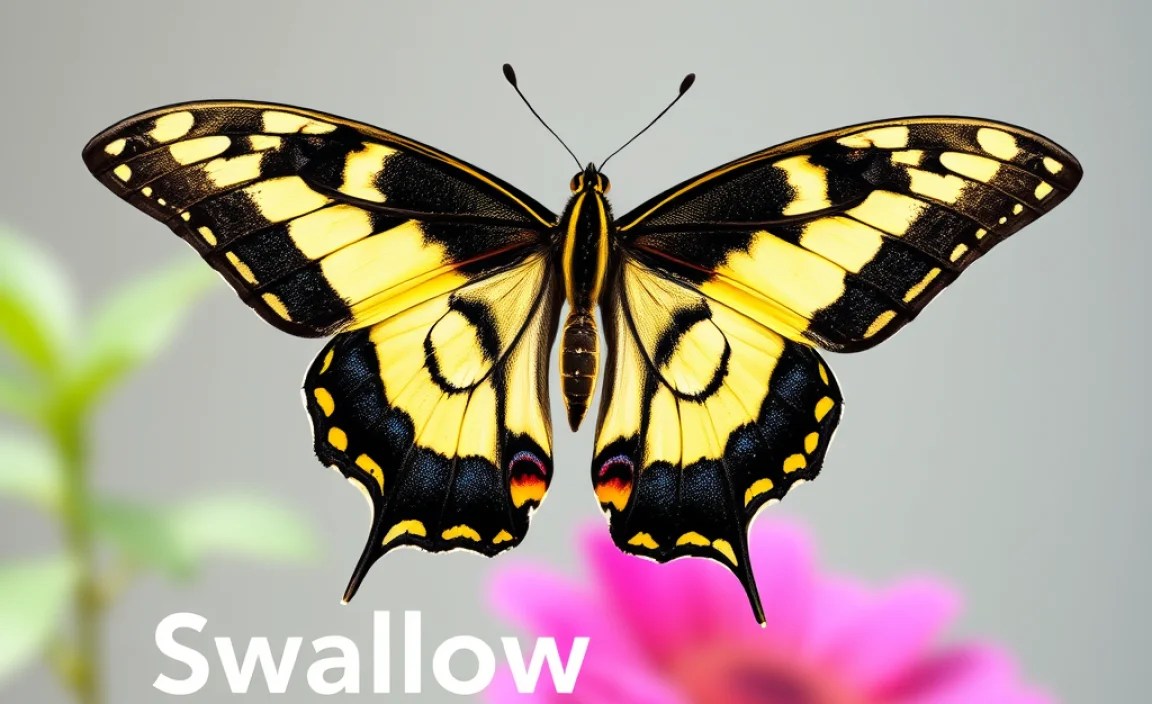
Identifying swallowtail butterflies can be a rewarding experience. Here are some tips for distinguishing different species:
Key Features to Look For
- Wing Shape and Size: Note the overall shape and size of the wings. Some species have more elongated wings, while others have rounder wings.
- Color Patterns: Pay attention to the colors and patterns on the wings. Look for distinctive markings, such as stripes, spots, or bands.
- Tail Length and Shape: Observe the length and shape of the tails on the hindwings. Some species have long, slender tails, while others have short, broad tails.
- Body Markings: Check for any distinctive markings on the body, such as stripes or spots.
Common Swallowtail Species
Here’s a look at some common swallowtail species found in North America:
| Species | Appearance | Habitat | Host Plants |
|---|---|---|---|
| Eastern Tiger Swallowtail (Papilio glaucus) | Yellow with black stripes; females can be yellow or black | Eastern North America | Wild cherry, tulip tree, sweetbay |
| Black Swallowtail (Papilio polyxenes) | Black with yellow spots; blue iridescent scales on hindwings | North America | Dill, parsley, fennel, carrot |
| Giant Swallowtail (Papilio cresphontes) | Brown with yellow markings; largest swallowtail in North America | Southern North America | Citrus trees, prickly ash |
| Pipevine Swallowtail (Battus philenor) | Black with iridescent blue hindwings; red spots on underside | North America | Pipevine |
| Two-tailed Swallowtail (Papilio multicaudata) | Yellow with black stripes; two tails on each hindwing | Western North America | Wild cherry, ash, willow |
Swallowtail Butterfly Conservation
Swallowtail butterflies face several threats, including habitat loss, pesticide use, and climate change. Conservation efforts are essential to protect these beautiful and important insects.
Threats to Swallowtail Butterflies
- Habitat Loss: The destruction of natural habitats, such as forests and meadows, reduces the availability of food and breeding sites for swallowtails.
- Pesticide Use: Pesticides can directly kill butterflies and their caterpillars, as well as contaminate their food sources.
- Climate Change: Changes in temperature and rainfall patterns can disrupt the life cycles of swallowtails and alter the distribution of their host plants.
How to Help Swallowtail Butterflies
There are many things you can do to help swallowtail butterflies:
- Plant Host Plants: Provide food for caterpillars by planting their favorite host plants in your garden.
- Grow Nectar-Rich Flowers: Attract adult butterflies by planting nectar-rich flowers that bloom throughout the growing season.
- Avoid Pesticides: Use natural pest control methods in your garden to protect butterflies and other beneficial insects.
- Create a Butterfly Garden: Design a garden specifically for butterflies, with a variety of host plants, nectar sources, and shelter.
- Support Conservation Organizations: Donate to or volunteer with organizations that work to protect butterfly habitats and promote conservation. For example, the Xerces Society is a great resource for learning about insect conservation.
Attracting Swallowtail Butterflies to Your Garden
Creating a butterfly-friendly garden is a great way to support swallowtail butterflies and enjoy their beauty up close.
Essential Elements of a Butterfly Garden
- Sunlight: Butterflies need sunlight to warm their bodies and fly. Choose a sunny location for your garden.
- Shelter: Provide shelter from wind and rain with shrubs, trees, or fences.
- Water: Butterflies need water to drink. Provide a shallow dish of water with pebbles or sand for them to land on.
- Host Plants: Plant host plants to provide food for caterpillars.
- Nectar Sources: Plant nectar-rich flowers to provide food for adult butterflies.
Best Plants for Attracting Swallowtails
Here are some of the best plants for attracting swallowtail butterflies:
| Plant | Type | Attracts |
|---|---|---|
| Dill (Anethum graveolens) | Herb | Black Swallowtail |
| Fennel (Foeniculum vulgare) | Herb | Black Swallowtail |
| Parsley (Petroselinum crispum) | Herb | Black Swallowtail |
| Citrus Trees (Citrus spp.) | Tree | Giant Swallowtail |
| Butterfly Bush (Buddleja davidii) | Shrub | Various Swallowtails |
| Lantana (Lantana spp.) | Shrub | Various Swallowtails |
| Zinnia (Zinnia spp.) | Annual | Various Swallowtails |
| Milkweed (Asclepias spp.) | Perennial | Various Swallowtails |
Swallowtail Butterfly Symbolism and Cultural Significance
Butterflies, including swallowtails, have long held symbolic and cultural significance in many societies around the world.
Symbolism
- Transformation and Rebirth: The butterfly’s life cycle, with its dramatic metamorphosis, symbolizes transformation, rebirth, and renewal.
- Hope and Beauty: Butterflies are often seen as symbols of hope, beauty, and joy.
- Soul and Spirit: In some cultures, butterflies are believed to represent the human soul or spirit.
Cultural Significance
- Ancient Greece: The Greek word for butterfly, “psyche,” also means soul. Butterflies were often depicted in art as symbols of the soul.
- China: Butterflies are associated with love, joy, and marital bliss. They are often used in wedding decorations and gifts.
- Japan: Butterflies are seen as symbols of joy and longevity. They are also associated with young women and are often used in traditional clothing and art.
- Native American Cultures: Butterflies have different meanings depending on the tribe. Some tribes see them as symbols of transformation and healing, while others associate them with dreams and visions.
Frequently Asked Questions (FAQs)
What is the lifespan of a swallowtail butterfly?
The lifespan of a swallowtail butterfly varies by species but is generally short, ranging from a few weeks to a few months as an adult. The entire life cycle, from egg to adult, can take anywhere from one to two months.
Are swallowtail butterflies poisonous?
Some swallowtail butterflies are poisonous to predators because their caterpillars feed on toxic plants. For example, the pipevine swallowtail caterpillar feeds on pipevine, which contains toxins that make the butterfly unpalatable to birds.
How can I tell the difference between male and female swallowtail butterflies?
In some species, males and females have different color patterns or markings. For example, female eastern tiger swallowtails can be either yellow or black, while males are always yellow. The presence of scent scales on the wings of males in some species can also help distinguish them.
Do swallowtail butterflies migrate?
Some swallowtail butterflies, like the anise swallowtail, undertake local migrations or seasonal movements in response to changes in weather and food availability. However, they do not engage in long-distance migrations like the monarch butterfly.
What should I do if I find a swallowtail caterpillar in my garden?
If you find a swallowtail caterpillar in your garden, the best thing to do is to leave it alone and allow it to feed on its host plant. Avoid using pesticides or other chemicals that could harm the caterpillar. You can also protect the caterpillar from predators by placing a mesh bag over the host plant.
Are swallowtail butterflies endangered?
Some swallowtail butterfly species are threatened or endangered due to habitat loss, pesticide use, and other factors. It’s important to support conservation efforts to protect these vulnerable species.
What is the best time of year to see swallowtail butterflies?
The best time of year to see swallowtail butterflies depends on the species and location. In general, they are most active during the warmer months, from spring to fall. Check local butterfly guides or online resources to find out when different species are flying in your area.
Conclusion
Swallowtail butterflies are truly remarkable creatures, with their stunning beauty, fascinating life cycles, and important ecological roles. By learning about these butterflies and taking steps to protect them, we can help ensure that they continue to grace our gardens and natural landscapes for generations to come. Whether you’re planting host plants, avoiding pesticides, or simply admiring their graceful flight, every action counts in the effort to conserve these incredible insects. So, get outside, explore, and appreciate the wonder of swallowtail butterflies!


