Japanese Butterfly ID: The Ultimate Guide

Quick Summary: Identifying Japanese butterflies involves observing wing patterns, size, and habitat. Key species include the Asian Swallowtail, known for its striking colors, and the Japanese Emperor, recognized by its large size and unique markings. Using field guides, online resources, and local butterfly checklists can greatly assist in accurate identification.
Have you ever been captivated by a beautiful butterfly flitting through a Japanese garden and wondered what its name was? Identifying these delicate creatures can seem daunting, but with a few simple techniques, you can unlock the secrets of their vibrant world. It’s a rewarding journey that connects you more deeply with nature. Don’t worry; this guide breaks down the process into easy-to-follow steps. Get ready to discover the fascinating world of Japanese butterfly identification!
Understanding Butterfly Basics
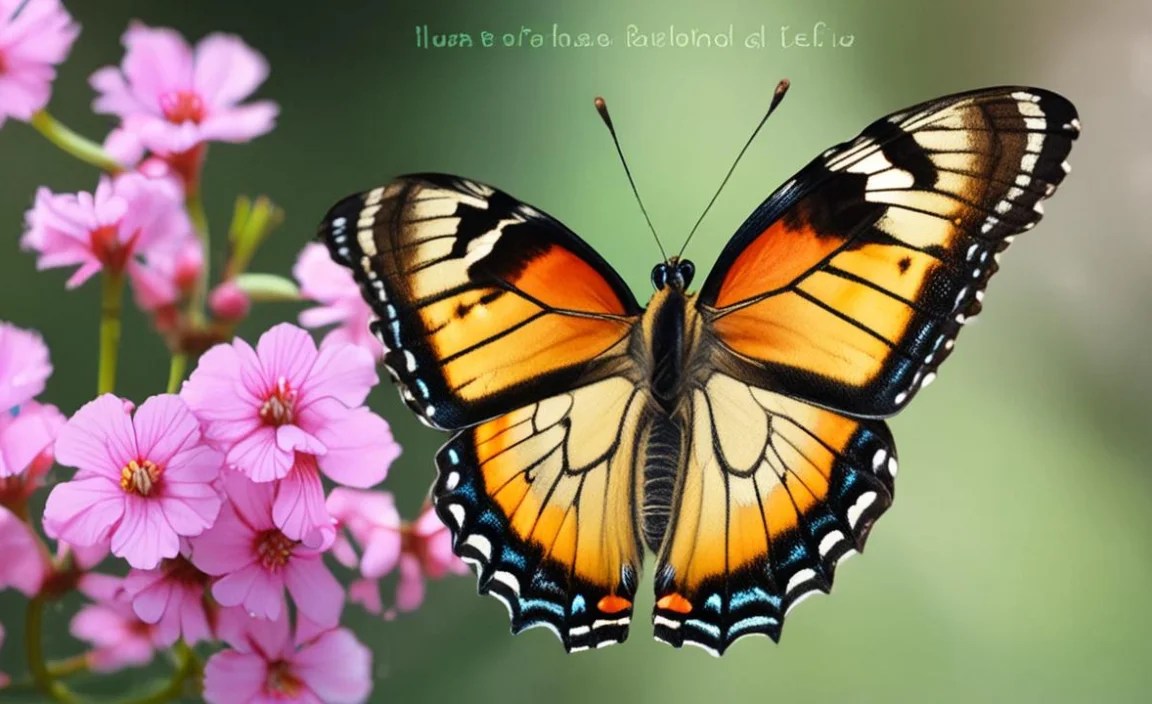
Before diving into specific species, let’s cover some fundamental aspects of butterfly identification. Butterflies belong to the order Lepidoptera, characterized by their scaled wings. These scales create the vibrant colors and patterns that make each species unique.
Butterfly Anatomy
Familiarizing yourself with butterfly anatomy is crucial. Key features include:
- Wings: Forewings and hindwings, each with distinct patterns.
- Body: Composed of the head, thorax, and abdomen.
- Antennae: Used for sensing the environment.
- Legs: Six legs, though some may be reduced in size.
Understanding these parts will help you describe and compare different species accurately.
Butterfly Habitats in Japan
Japan’s diverse geography supports a wide range of butterfly habitats, from subtropical islands to mountainous regions. Common habitats include:
- Forests: Home to many woodland species.
- Grasslands: Preferred by open-field butterflies.
- Gardens: Often attract colorful garden butterflies.
- Riversides: Some species thrive near water sources.
Knowing where to look can significantly narrow down your identification efforts.
Essential Tools for Butterfly Identification
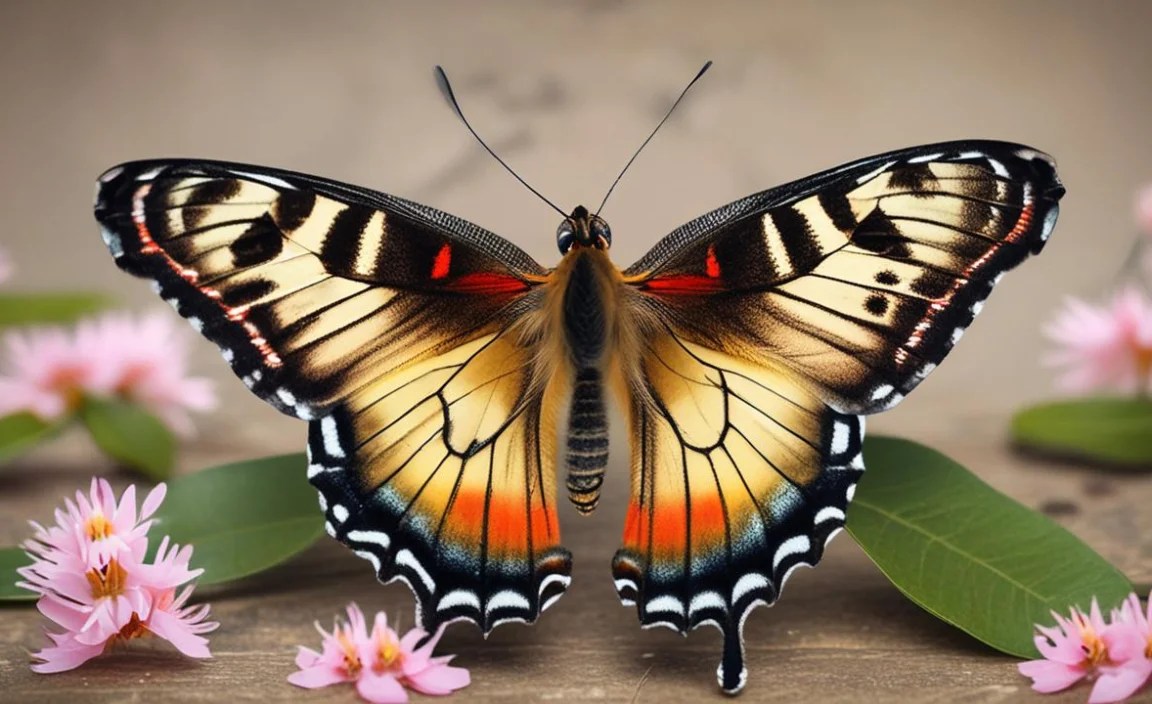
Having the right tools can make butterfly identification much easier and more enjoyable. Here are some essentials:
- Field Guide: A comprehensive guide with detailed descriptions and illustrations.
- Binoculars: For observing butterflies from a distance without disturbing them.
- Camera: To capture clear photos for later identification.
- Notebook and Pen: To record observations, such as location, date, and behavior.
- Magnifying Glass: To examine small details on the wings.
- Butterfly Net: For gentle capture and release to allow for closer inspection (optional and requires careful handling).
Step-by-Step Guide to Japanese Butterfly Identification

Follow these steps to identify Japanese butterflies accurately.
Step 1: Observe Key Characteristics
Start by noting the butterfly’s key characteristics:
- Size: Estimate the wingspan (distance from wingtip to wingtip).
- Color: Describe the dominant colors and patterns.
- Wing Shape: Note the shape of the forewings and hindwings.
- Flight Pattern: Observe how the butterfly flies – is it fast and erratic or slow and graceful?
These initial observations will help you narrow down the possibilities.
Step 2: Consult a Field Guide
A reliable field guide is your best friend. Look for one specifically focused on Japanese butterflies. Some excellent options include:
- “Butterflies of Japan” by Igarashi and Fukuda
- “A Field Guide to Japanese Butterflies” by Tsukiyama
Compare your observations with the illustrations and descriptions in the guide.
Step 3: Use Online Resources
The internet offers a wealth of information. Here are some useful websites:
- Butterfly and Moth Identification (UK): While focused on the UK, it provides general identification tips applicable worldwide. UK Butterflies
- iNaturalist: A citizen science platform where you can upload photos and get help from experts. iNaturalist
- Japanese Butterfly Society: Offers resources and information on Japanese butterflies.
Step 4: Consider Location and Habitat
Knowing the location and habitat can significantly narrow down the possibilities. For example, certain species are only found in specific regions or at certain altitudes.
- Altitude: Some butterflies are only found in mountainous areas.
- Vegetation: Certain species are associated with specific host plants.
- Season: Some butterflies are only active during certain times of the year.
Step 5: Compare with Similar Species
Once you have a potential match, compare it carefully with similar species. Pay close attention to subtle differences in wing patterns, size, and color.
Here’s a table showcasing a comparison of similar butterfly species:
| Species | Size | Color | Wing Pattern | Habitat |
|---|---|---|---|---|
| Asian Swallowtail | Large (10-12 cm) | Black with yellow bands | Prominent tail; yellow spots | Gardens, forests |
| Japanese Emperor | Very Large (12-14 cm) | Brown with white markings | Complex patterns; iridescent | Forests, woodlands |
| White Admiral | Medium (6-8 cm) | Black and white | Distinct white bands | Woodlands, forest edges |
Step 6: Seek Expert Confirmation
If you’re still unsure, don’t hesitate to seek expert confirmation. You can:
- Contact a local butterfly expert: Many nature centers and universities have entomologists who can help.
- Join a butterfly watching group: These groups often organize field trips and provide identification assistance.
- Post photos online: Use platforms like iNaturalist to get feedback from experienced observers.
Common Japanese Butterflies: A Closer Look

Let’s explore some common Japanese butterfly species in more detail.
Asian Swallowtail (Papilio xuthus)
The Asian Swallowtail is one of the most familiar butterflies in Japan. It is known for its striking yellow and black markings and distinctive tail.
- Size: Large, with a wingspan of 10-12 cm.
- Color: Predominantly yellow with black stripes and spots.
- Habitat: Found in gardens, parks, and open woodlands.
- Host Plants: Citrus trees (Rutaceae family).
The Asian Swallowtail is a common sight throughout Japan, and its caterpillars can sometimes be found on citrus trees in gardens.
Japanese Emperor (Sasakia charonda)
The Japanese Emperor is a large and impressive butterfly, known for its iridescent colors and powerful flight.
- Size: Very large, with a wingspan of 12-14 cm.
- Color: Brown with white markings and iridescent blue or purple sheen.
- Habitat: Primarily found in forests and woodlands.
- Host Plants: Celtis sinensis (Chinese hackberry).
The Japanese Emperor is a symbol of Japan and is often featured in art and literature.
White Admiral (Limenitis camilla japonica)
The White Admiral is a beautiful butterfly with a distinctive black and white pattern.
- Size: Medium, with a wingspan of 6-8 cm.
- Color: Black with prominent white bands.
- Habitat: Found in woodlands and forest edges.
- Host Plants: Lonicera japonica (Japanese honeysuckle).
The White Admiral is known for its graceful flight and preference for shady habitats.
Red Admiral (Vanessa indica)
The Red Admiral is a widely distributed butterfly known for its vibrant colors and migratory behavior.
- Size: Medium, with a wingspan of 5-6.5 cm.
- Color: Dark brown with red bands on the forewings and hindwings, and blue eyespots on the hindwings.
- Habitat: Found in a variety of habitats, including gardens, parks, woodlands, and open fields.
- Host Plants: Urtica (nettles) and other plants in the Urticaceae family.
The Red Admiral is known for its strong flight and migratory habits, often seen in both urban and rural environments.
Pale Clouded Yellow (Colias erate)
The Pale Clouded Yellow is a common butterfly species recognized by its yellowish wings and adaptable nature.
- Size: Medium, with a wingspan of 4-5 cm.
- Color: Pale yellow with black borders on the wings. Females may have paler or whitish wings.
- Habitat: Found in grasslands, meadows, agricultural fields, and other open areas.
- Host Plants: Various legumes, including alfalfa and clover.
The Pale Clouded Yellow is often seen flying rapidly in open fields and is an important pollinator in agricultural landscapes.
Indian Fritillary (Argynnis hyperbius)
The Indian Fritillary is a striking butterfly known for its orange wings adorned with black markings.
- Size: Medium to large, with a wingspan of 6-8 cm.
- Color: Bright orange with intricate black patterns on the wings. The underside has silvery spots.
- Habitat: Found in gardens, open woodlands, and grasslands.
- Host Plants: Various Viola species (violets).
The Indian Fritillary is a captivating sight in gardens and open areas, adding beauty to the landscape with its vibrant colors.
Attracting Butterflies to Your Garden

Creating a butterfly-friendly garden is a wonderful way to observe and enjoy these beautiful creatures up close. Here are some tips:
- Plant host plants: Provide food for caterpillars by planting their preferred host plants.
- Plant nectar-rich flowers: Offer a source of energy for adult butterflies.
- Provide a water source: A shallow dish of water with pebbles for butterflies to land on is ideal.
- Avoid pesticides: Pesticides can harm or kill butterflies and other beneficial insects.
- Provide shelter: Plant shrubs and trees to offer protection from wind and predators.
By creating a welcoming habitat, you can attract a variety of butterfly species to your garden.
The Importance of Butterfly Conservation
Butterflies play a crucial role in the ecosystem as pollinators and indicators of environmental health. However, many species are threatened by habitat loss, climate change, and pesticide use.
Supporting butterfly conservation is essential. You can:
- Support conservation organizations: Donate to or volunteer with organizations dedicated to butterfly conservation, such as the Xerces Society. The Xerces Society
- Create butterfly-friendly habitats: Plant native plants and avoid pesticide use in your garden.
- Raise awareness: Educate others about the importance of butterfly conservation.
- Participate in citizen science projects: Contribute to butterfly monitoring programs.
By taking action, we can help protect these beautiful creatures for future generations.
Japanese Butterfly Identification: Advanced Techniques
For those looking to deepen their identification skills, consider these advanced techniques:
- Genital Examination: In some cases, identifying butterflies requires examining their genitalia under a microscope. This is usually done by experts.
- DNA Analysis: Genetic analysis can be used to confirm the identification of closely related species.
- Study of Wing Venation: The pattern of veins on a butterfly’s wings can be a useful identification tool.
These techniques require specialized knowledge and equipment, but they can be valuable for resolving difficult cases.
Documenting Your Butterfly Observations
Keeping a record of your butterfly observations can be a rewarding experience and contribute to scientific knowledge. Consider:
- Creating a Butterfly Journal: Record the date, time, location, species, and any interesting behaviors you observe.
- Using Photography: Take clear photos of the butterflies you encounter.
- Submitting Data to Citizen Science Projects: Share your observations with online platforms like iNaturalist.
Your observations can help researchers track butterfly populations and monitor the health of ecosystems.
FAQ: Japanese Butterfly Identification
What is the best field guide for Japanese butterflies?
A: “Butterflies of Japan” by Igarashi and Fukuda is a highly recommended comprehensive guide.
How can I attract more butterflies to my garden?
A: Plant nectar-rich flowers and host plants, provide a water source, and avoid using pesticides.
What is the difference between a butterfly and a moth?
A: Butterflies typically have slender antennae with clubbed tips, while moths have feathery or comb-like antennae. Butterflies are also generally more active during the day, while moths are often nocturnal.
Where can I find reliable information about Japanese butterflies online?
A: Websites like iNaturalist, the Japanese Butterfly Society, and other entomological resources provide valuable information.
How can I contribute to butterfly conservation?
A: Support conservation organizations, create butterfly-friendly habitats, and raise awareness about the importance of butterfly conservation.
What should I do if I find an injured butterfly?
A: Gently move it to a safe place, provide a sugar-water solution for it to drink, and contact a local butterfly expert or wildlife rehabilitator for further assistance.
Is it okay to collect butterflies for identification purposes?
A: Collecting butterflies should be done responsibly and ethically, with consideration for conservation. In many areas, permits are required for collecting, and it’s best to photograph and observe butterflies whenever possible rather than collecting them.
Conclusion
Identifying Japanese butterflies is an enriching experience that connects you with the beauty and complexity of nature. By following these steps, using the right tools, and continuing to learn, you can unlock the secrets of these delicate creatures. Remember, every observation contributes to our understanding of butterfly ecology and conservation. So grab your field guide, head out into the garden or forest, and start exploring the fascinating world of Japanese butterflies!