
Glasswing Butterfly for Students: Easy Facts!

The glasswing butterfly (Greta oto) is famous for its transparent wings! These amazing butterflies live in Central and South America. Students love them because they’re easy to recognize and their see-through wings are a super cool example of adaptation. They help us learn about nature, camouflage, and the incredible diversity of life on Earth!
Have you ever seen a butterfly and wondered how nature could create something so delicate and beautiful? Glasswing butterflies are extra special! Their clear wings let them almost disappear. It’s like they have a superpower! It might seem tricky to learn about these amazing creatures, but don’t worry! This guide will walk you through everything you need to know, step by step.
We’ll explore where they live, what they eat, and why those see-through wings are so important. Get ready to discover the fascinating world of the glasswing butterfly!
What Makes the Glasswing Butterfly Special?

The glasswing butterfly, scientifically known as Greta oto, is a truly remarkable insect. What sets it apart is, of course, its wings! Unlike most butterflies with colorful, scaled wings, the glasswing butterfly has large transparent patches. This unique adaptation makes it a master of camouflage in its natural habitat.
The Science Behind the See-Through Wings
So, how do the wings become transparent? It’s all about the structure! Normal butterfly wings are covered in tiny scales that reflect light, giving them color. The glasswing butterfly has very few of these scales on the transparent parts of its wings. Also, the scales they do have are arranged in a way that minimizes light reflection. This lets light pass right through, making the wings appear clear. To dive deeper into the science of butterfly wings, check out resources from the Smithsonian Institution.
Where Do Glasswing Butterflies Live?
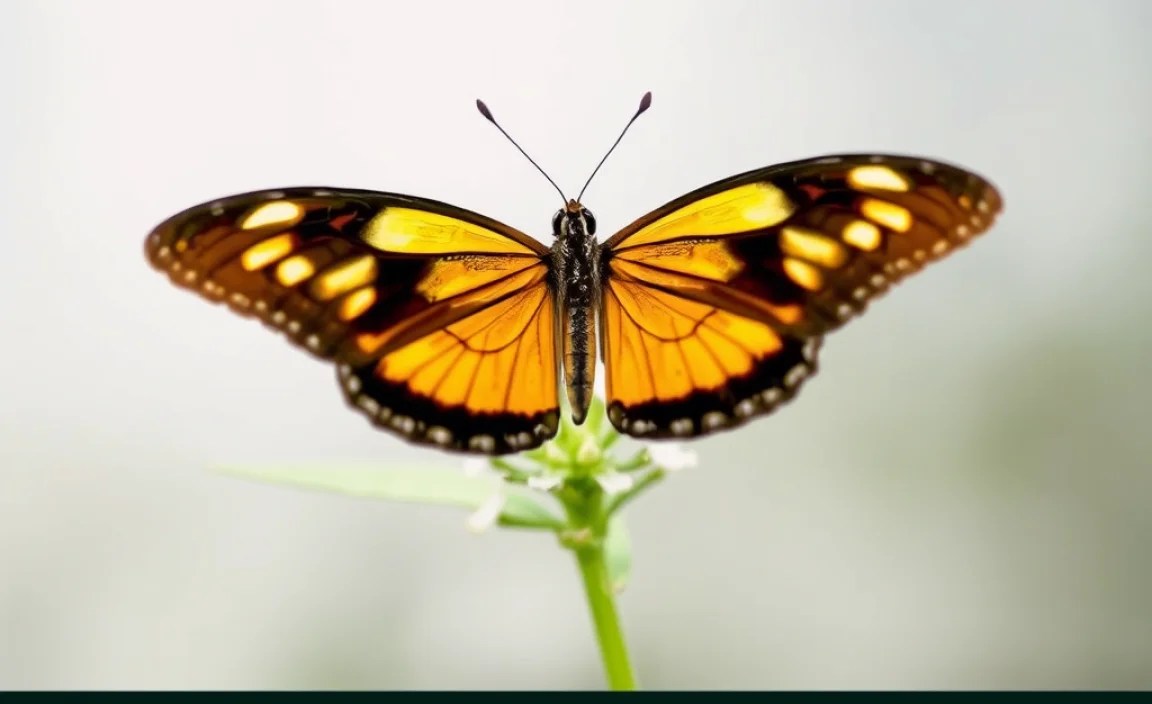
Glasswing butterflies are native to Central and South America. You can find them in rainforests from Mexico to Panama and down through countries like Colombia and Venezuela. They thrive in humid, tropical environments where their host plants are abundant.
Habitat and Distribution
These butterflies prefer the understory of the rainforest, where the filtered sunlight helps them blend in. They are often seen near streams and rivers. Their specific habitat requirements make them sensitive to deforestation and habitat loss. Organizations like the World Wildlife Fund (WWF) are working to protect these vital rainforest ecosystems.
What Do Glasswing Butterflies Eat?

Like all butterflies, glasswings have different diets as caterpillars and adults. The caterpillars are picky eaters, while the adults have a sweet tooth!
Caterpillar Diet
Glasswing butterfly caterpillars primarily feed on plants in the genus Cestrum, which are poisonous nightshades. This diet makes the caterpillars toxic to predators, providing them with a natural defense. This is a great example of how animals adapt to their environment for survival.
- Host Plants: Cestrum species
- Toxicity: Acquired from host plants
- Benefit: Protection from predators
Adult Butterfly Diet
Adult glasswing butterflies feed on nectar from various flowers. However, they also have a unique behavior: they gather nutrients from sources like bird droppings and decaying fruit. This behavior, called “puddling,” helps them obtain essential minerals and amino acids that aren’t readily available in flower nectar.
- Nectar: From various flowers
- Puddling: Minerals from bird droppings and decaying fruit
- Nutrients: Essential minerals and amino acids
Life Cycle of the Glasswing Butterfly

The glasswing butterfly goes through the same four stages of life as all butterflies: egg, larva (caterpillar), pupa (chrysalis), and adult.
Egg Stage
The female glasswing butterfly lays her eggs on the underside of Cestrum leaves. The eggs are small and round, often a pale green color. She carefully selects these plants because they will be the sole food source for her caterpillars.
Larva (Caterpillar) Stage
Once the egg hatches, a tiny caterpillar emerges. It starts munching on the Cestrum leaves right away. The caterpillar grows rapidly, molting (shedding its skin) several times as it gets bigger. The caterpillar is usually a striking color, often with bright stripes or spots, which warn predators of its toxicity.
Pupa (Chrysalis) Stage
After reaching its full size, the caterpillar transforms into a pupa, also known as a chrysalis. The chrysalis of the glasswing butterfly is often metallic silver or gold and hangs upside down from a leaf or stem. Inside the chrysalis, a magical transformation occurs as the caterpillar reorganizes its body into a butterfly.
Adult Stage
After about two weeks, the adult butterfly emerges from the chrysalis. Its wings are crumpled at first, but they quickly expand and dry. Once the wings are ready, the butterfly takes its first flight. The adult glasswing butterfly will spend its time feeding, mating, and laying eggs, continuing the cycle of life. The Xerces Society offers a wealth of information on butterfly life cycles and conservation.
Why are Glasswing Butterflies Important?

Glasswing butterflies, like all insects, play a vital role in their ecosystem.
Pollination
As they feed on nectar, glasswing butterflies help pollinate flowers. Pollination is essential for plant reproduction and the health of the entire ecosystem.
Food Source
Glasswing butterflies and their caterpillars serve as a food source for other animals, such as birds, lizards, and spiders. They are an important part of the food web.
Indicator Species
The presence and health of glasswing butterfly populations can indicate the overall health of their environment. If the butterfly populations are declining, it can be a sign that something is wrong, such as habitat loss or pollution.
How to Study Glasswing Butterflies
Studying glasswing butterflies can be a fun and educational activity for students of all ages.
Observation in the Wild
If you live in or are visiting Central or South America, you may have the opportunity to see glasswing butterflies in their natural habitat. Observe their behavior, note the plants they feed on, and take pictures or draw sketches. Remember to be respectful of their environment and avoid disturbing them.
Butterfly Gardens
Some botanical gardens and butterfly houses display glasswing butterflies. These controlled environments provide a great opportunity to observe them up close and learn about their life cycle. Many butterfly houses also offer educational programs for students.
Research Projects
Students can conduct research projects on glasswing butterflies, even if they don’t live in their native habitat. They can research their diet, habitat, and conservation status. They can also study the science behind their transparent wings and compare them to other butterfly species.
Conservation Efforts for Glasswing Butterflies
Like many insects, glasswing butterflies face threats from habitat loss, pesticide use, and climate change. Conservation efforts are essential to protect these amazing creatures.
Habitat Preservation
Protecting rainforest habitats is crucial for the survival of glasswing butterflies. This can involve creating protected areas, promoting sustainable forestry practices, and supporting local communities that are working to conserve their forests.
Sustainable Agriculture
Reducing pesticide use and promoting sustainable agricultural practices can help protect glasswing butterflies and other beneficial insects. Organic farming and integrated pest management are two approaches that can minimize the negative impacts of agriculture on the environment.
Raising Awareness
Educating people about the importance of glasswing butterflies and their habitat can help raise awareness and support for conservation efforts. Share information with your friends and family, participate in citizen science projects, and support organizations that are working to protect these amazing creatures.
Glasswing Butterfly Facts
Here’s a table of quick facts about the glasswing butterfly:
| Fact | Details |
|---|---|
| Scientific Name | Greta oto |
| Common Name | Glasswing Butterfly |
| Habitat | Rainforests of Central and South America |
| Wingspan | 5.6 to 6.1 cm (2.2 to 2.4 inches) |
| Diet (Caterpillar) | Cestrum species (poisonous nightshades) |
| Diet (Adult) | Nectar, bird droppings, decaying fruit |
| Lifespan | Around 2-3 months |
| Conservation Status | Not currently endangered, but threatened by habitat loss |
Cool Facts about Glasswing Butterflies
- The glasswing butterfly’s scientific name, Greta oto, comes from the Greek muse Erato.
- The transparent wings are not entirely without color; they often have a reddish-brown border.
- Glasswing butterflies can carry up to 40 times their own weight.
- Their transparency helps them avoid predators because they are harder to see.
- They are relatively slow fliers, which also contributes to their camouflage.
The Symbolism of the Glasswing Butterfly
Butterflies, in general, are often seen as symbols of transformation, hope, and new beginnings. The glasswing butterfly, with its unique transparency, adds another layer to this symbolism.
Clarity and Transparency
The clear wings of the glasswing butterfly can represent clarity and transparency in our own lives. They remind us to be honest and open in our interactions with others and to see things as they truly are.
Adaptation and Resilience
The glasswing butterfly’s ability to blend in with its environment can symbolize adaptation and resilience. It reminds us that we too can adapt to changing circumstances and overcome challenges in our lives.
Beauty in Simplicity
The glasswing butterfly’s understated beauty can remind us that true beauty often lies in simplicity. We don’t need to be flashy or extravagant to be beautiful; sometimes, the most remarkable things are the simplest.
FAQ About Glasswing Butterflies
What makes the glasswing butterfly’s wings transparent?
The glasswing butterfly’s wings are transparent because they have very few scales, and the scales they do have are arranged in a way that minimizes light reflection.
Where do glasswing butterflies live?
Glasswing butterflies live in the rainforests of Central and South America, from Mexico to Panama and down through countries like Colombia and Venezuela.
What do glasswing butterfly caterpillars eat?
Glasswing butterfly caterpillars eat plants in the genus Cestrum, which are poisonous nightshades.
Are glasswing butterflies endangered?
Glasswing butterflies are not currently endangered, but they are threatened by habitat loss and pesticide use.
How can I help protect glasswing butterflies?
You can help protect glasswing butterflies by supporting habitat preservation, promoting sustainable agriculture, and raising awareness about their importance.
What is “puddling” behavior in butterflies?
“Puddling” is when butterflies, like glasswings, gather nutrients from sources like bird droppings and decaying fruit to obtain essential minerals and amino acids.
What does the glasswing butterfly symbolize?
The glasswing butterfly often symbolizes clarity, transparency, adaptation, resilience, and beauty in simplicity.
Conclusion
The glasswing butterfly is a truly fascinating creature. Its transparent wings, unique diet, and vital role in the ecosystem make it a wonderful subject for students to study. By learning about these amazing butterflies, we can gain a deeper appreciation for the natural world and the importance of conservation. Whether you’re observing them in the wild, studying them in a butterfly garden, or conducting research projects, the glasswing butterfly offers endless opportunities for learning and discovery. So, go out there and explore the world of these incredible insects. You might be surprised at what you find!


