Glasswing Butterfly in Local Dialects: Discover Names!

The glasswing butterfly, known for its transparent wings, is called by many different names around the world! These names often reflect local languages and cultures. Learning these names can help you connect more deeply with the natural world and appreciate the diversity of languages. Some names highlight the butterfly’s unique features, while others are simply local terms passed down through generations.
Have you ever wondered what the glasswing butterfly is called in different languages? It’s fascinating how various cultures have their own unique names for this incredible insect. Finding this information can be tricky, but don’t worry! This guide will explore the local names for the glasswing butterfly, giving you a glimpse into the linguistic diversity surrounding this beautiful creature. We’ll also discuss why these names are important and how they reflect the butterfly’s significance in different cultures. Let’s dive in and discover the many names of the glasswing butterfly!
What is the Glasswing Butterfly?

Before diving into local names, let’s quickly recap what makes the glasswing butterfly so special. Greta oto, as it’s scientifically known, belongs to the Nymphalidae family. Its most striking feature is its transparent wings, which allow it to blend seamlessly into its environment, providing excellent camouflage. These butterflies are primarily found in the rainforests of Central and South America, from Mexico to Panama and even as far south as Argentina.
Glasswing butterflies play a vital role in their ecosystems. As pollinators, they help plants reproduce, contributing to the overall health and biodiversity of the rainforest. Their unique appearance and behavior also make them a popular subject for scientific study, helping researchers understand more about insect biology and adaptation.
Why Local Names Matter
Local names for plants and animals often carry deep cultural and historical significance. They can reflect traditional knowledge about the species, its uses, and its place in local ecosystems. Understanding these names helps preserve linguistic diversity and connects us to the natural heritage of different communities. For example, a local name might describe a specific behavior of the butterfly or reference a plant it frequently visits. This knowledge can be invaluable for conservation efforts and cultural preservation.
Glasswing Butterfly in Local Dialects
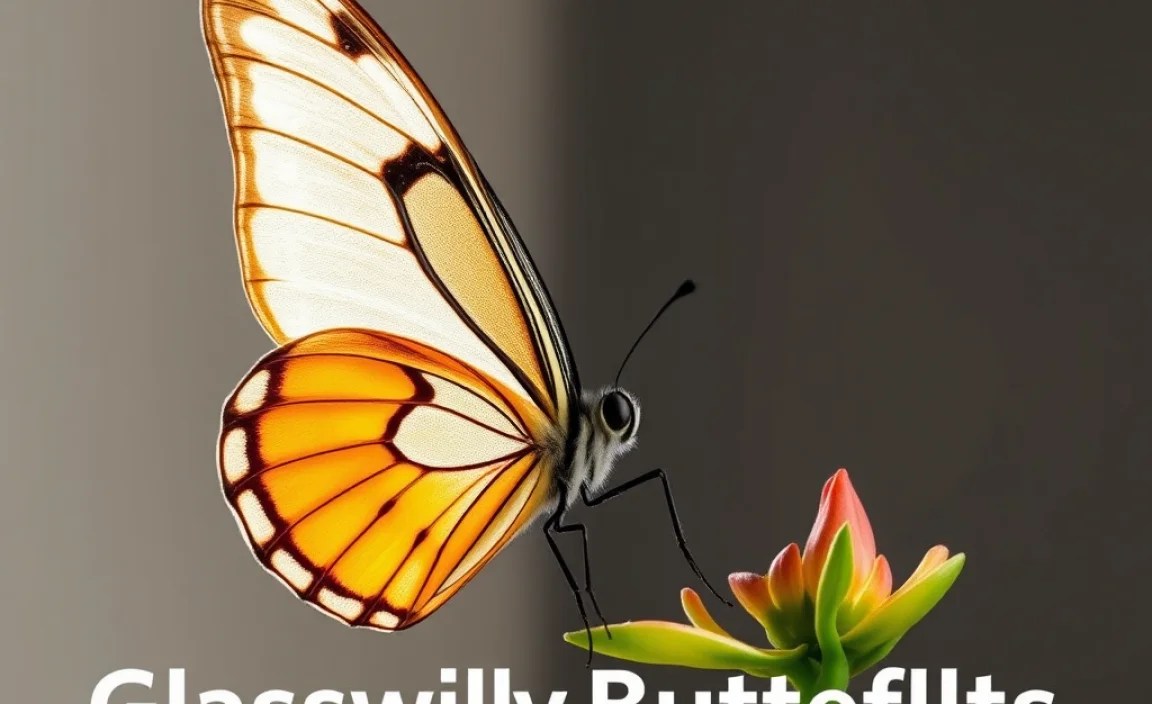
The glasswing butterfly, with its remarkable transparent wings, has captured the imagination of people across different cultures and regions. Here’s a look at some of the local names for this fascinating creature in various dialects:
- Spanish: In many Spanish-speaking countries, the glasswing butterfly is known as “Espejitos,” which translates to “little mirrors.” This name perfectly captures the reflective quality of their transparent wings.
- Portuguese: In Brazil, it’s often called “Asa de Vidro,” meaning “glass wing.” This is a direct translation that highlights the butterfly’s most distinctive feature.
- Nahuatl: Among Nahuatl-speaking communities in Mexico, traditional names may vary, but some relate to the butterfly’s association with forests and spirits, reflecting indigenous beliefs.
- Mayan Languages: In various Mayan languages, specific terms might exist, often linked to local folklore or the butterfly’s role in the ecosystem. However, precise documentation can be scarce, emphasizing the need for further research.
It’s important to note that within these broader language groups, specific communities may have their own unique terms and expressions for the glasswing butterfly. Documenting these names is crucial for preserving cultural heritage and promoting linguistic diversity.
Table of Local Names
Here’s a table summarizing some of the local names for the glasswing butterfly:
| Language | Local Name | Translation |
|---|---|---|
| Spanish | Espejitos | Little Mirrors |
| Portuguese | Asa de Vidro | Glass Wing |
How to Identify a Glasswing Butterfly

Identifying a glasswing butterfly is relatively straightforward due to its unique transparent wings. However, here are some key characteristics to look for:
- Wings: The most obvious feature is the transparent wings. The tissue between the veins is clear, giving the butterfly a glass-like appearance.
- Wing Borders: The borders of the wings are typically outlined with a dark brown or black color. Some species may also have red or orange markings along the edges.
- Size: Glasswing butterflies are medium-sized, with a wingspan ranging from 5.5 to 6.0 cm (2.2 to 2.4 inches).
- Body: The body is usually dark in color, which contrasts with the transparent wings.
- Habitat: They are commonly found in rainforests, particularly in shaded areas where their camouflage is most effective.
Distinguishing from Similar Species
While the transparent wings make the glasswing butterfly quite distinctive, it’s still possible to confuse it with other species. Here are a few tips to help you differentiate:
- Clearwing Moths: Some moths also have transparent wings, but they usually have thicker bodies and different wing shapes. Moths also typically have feathery antennae, while butterflies have clubbed antennae.
- Other Butterflies: Some butterfly species may have partially transparent wings, but the glasswing butterfly’s wings are almost entirely clear.
- Location: Knowing the geographical location can also help. Glasswing butterflies are primarily found in Central and South America.
The Ecology of the Glasswing Butterfly

Understanding the ecology of the glasswing butterfly provides valuable insights into its life cycle, behavior, and role in the ecosystem.
Life Cycle
The life cycle of the glasswing butterfly, like all butterflies, consists of four stages: egg, larva (caterpillar), pupa (chrysalis), and adult.
- Egg: The female glasswing butterfly lays her eggs on host plants, which are specific plants that the caterpillars will feed on.
- Larva (Caterpillar): The caterpillar emerges from the egg and begins feeding on the host plant. Glasswing caterpillars are often green with colorful markings, providing camouflage.
- Pupa (Chrysalis): After several molts, the caterpillar forms a chrysalis. The chrysalis of the glasswing butterfly is often metallic silver or gold, adding to its unique appeal.
- Adult: The adult butterfly emerges from the chrysalis. The transparent wings allow it to blend into its environment, avoiding predators and finding mates.
Diet and Host Plants
Glasswing caterpillars primarily feed on plants in the genus Cestrum, which are toxic. By consuming these plants, the caterpillars become unpalatable to predators. Adult butterflies feed on nectar from various flowers, contributing to pollination.
Habitat and Distribution
Glasswing butterflies are primarily found in the rainforests of Central and South America. They prefer shaded areas where their transparent wings provide effective camouflage. Their distribution ranges from Mexico to Panama and as far south as Argentina. Within these regions, they can be found in a variety of habitats, including primary and secondary forests.
Conservation Status and Threats
While the glasswing butterfly is not currently listed as endangered, it faces several threats that could impact its populations in the future.
Habitat Loss
Deforestation and habitat destruction are major threats to the glasswing butterfly. As rainforests are cleared for agriculture, logging, and urbanization, the butterfly loses its habitat and food sources. This can lead to population declines and local extinctions. According to the Rainforest Alliance, deforestation is one of the most pressing environmental issues in the world. Protecting and restoring rainforest habitats is crucial for the survival of the glasswing butterfly and many other species.
Climate Change
Climate change poses another significant threat. Changes in temperature and rainfall patterns can disrupt the butterfly’s life cycle and affect the availability of host plants and nectar sources. Extreme weather events, such as droughts and floods, can also impact butterfly populations. The Intergovernmental Panel on Climate Change (IPCC) reports that climate change is already affecting ecosystems worldwide, and these effects are expected to worsen in the future.
Pesticide Use
The use of pesticides in agriculture can also harm glasswing butterflies. Pesticides can directly kill butterflies or contaminate their food sources, leading to reduced populations. Integrated pest management practices, which minimize the use of chemical pesticides, can help protect butterflies and other beneficial insects.
Conservation Efforts
Several conservation efforts are underway to protect glasswing butterflies and their habitats. These include:
- Habitat Protection: Establishing protected areas, such as national parks and reserves, can help conserve rainforest habitats and provide refuge for glasswing butterflies.
- Sustainable Agriculture: Promoting sustainable agricultural practices that minimize deforestation and pesticide use can help reduce the impact on butterfly populations.
- Reforestation: Planting trees and restoring degraded habitats can help create new habitats for glasswing butterflies and other wildlife.
- Education and Awareness: Raising awareness about the importance of butterfly conservation can help garner support for conservation efforts and encourage individuals to take action.
Cultural Significance of Butterflies
Butterflies, including the glasswing butterfly, hold significant cultural meaning in many societies. They are often seen as symbols of transformation, beauty, and hope. In some cultures, butterflies are believed to represent the souls of the departed or messengers from the spirit world.
Symbolism in Different Cultures
- Transformation: The butterfly’s life cycle, from caterpillar to chrysalis to butterfly, is a powerful metaphor for personal growth and transformation.
- Beauty: Butterflies are admired for their vibrant colors and delicate wings, making them symbols of beauty and grace.
- Hope: In many cultures, butterflies are seen as symbols of hope and new beginnings.
- Spirituality: Some cultures believe that butterflies are connected to the spirit world and can carry messages from loved ones who have passed away.
Butterflies in Art and Literature
Butterflies have been a popular subject in art and literature for centuries. They are often depicted in paintings, poems, and stories as symbols of beauty, freedom, and transformation. The glasswing butterfly, with its unique transparent wings, has also inspired artists and writers around the world. Its ethereal appearance and delicate nature make it a captivating subject for creative expression.
Attracting Glasswing Butterflies to Your Garden
While glasswing butterflies are primarily found in rainforests, you can still create a butterfly-friendly garden that attracts other butterfly species. Here are some tips:
- Plant Native Flowers: Native flowers provide nectar sources for butterflies and host plants for caterpillars. Choose a variety of flowers that bloom at different times of the year to provide a continuous food source.
- Provide a Water Source: Butterflies need water to drink. You can provide a shallow dish of water with pebbles or stones for them to land on.
- Avoid Pesticides: Pesticides can harm butterflies and other beneficial insects. Use natural pest control methods instead.
- Provide Shelter: Butterflies need shelter from wind and rain. Plant trees and shrubs to provide a protected habitat.
- Sunlight: Butterflies need sunlight to warm their bodies. Make sure your garden has plenty of sunny spots.
Recommended Plants
Here are some plants that attract butterflies:
- Milkweed: Milkweed is the host plant for monarch butterflies.
- Butterfly Bush: Butterfly bush is a popular nectar source for many butterfly species.
- Zinnia: Zinnias are easy to grow and provide a colorful nectar source.
- Lavender: Lavender is a fragrant herb that attracts butterflies and bees.
- Coneflower: Coneflowers are drought-tolerant and provide a long-lasting nectar source.
FAQ About Glasswing Butterflies
What do glasswing butterfly caterpillars eat?
Glasswing butterfly caterpillars primarily feed on plants in the genus Cestrum. These plants contain toxins that make the caterpillars unpalatable to predators.
Where are glasswing butterflies found?
Glasswing butterflies are primarily found in the rainforests of Central and South America, from Mexico to Panama and as far south as Argentina.
How do glasswing butterflies get their transparent wings?
The transparency of glasswing butterfly wings is due to the unique structure of their wing scales. The scales are arranged in a way that minimizes light reflection, allowing light to pass through the wings.
Are glasswing butterflies endangered?
Glasswing butterflies are not currently listed as endangered, but they face threats such as habitat loss, climate change, and pesticide use.
What is the lifespan of a glasswing butterfly?
The lifespan of a glasswing butterfly is relatively short, typically lasting only a few weeks to a couple of months.
How can I help protect glasswing butterflies?
You can help protect glasswing butterflies by supporting conservation organizations, promoting sustainable agricultural practices, and reducing your use of pesticides.
Do glasswing butterflies migrate?
Glasswing butterflies do not typically migrate long distances. They are primarily found in their native rainforest habitats.
Conclusion
Exploring the local names of the glasswing butterfly reveals a rich tapestry of cultural and linguistic diversity. Whether it’s “Espejitos” in Spanish or “Asa de Vidro” in Portuguese, each name reflects a unique connection to this fascinating creature. By understanding these names and the cultural significance they carry, we can deepen our appreciation for the natural world and the importance of preserving both biodiversity and linguistic heritage. Protecting the glasswing butterfly and its habitat is crucial for maintaining the health of our ecosystems and the cultural traditions that celebrate this remarkable insect. So, the next time you encounter a glasswing butterfly, take a moment to reflect on its many names and the stories they tell.