
Glasswing Butterfly Diet: What Makes it Unique?

The glasswing butterfly’s diet primarily consists of nectar from various flowers. They also consume pollen and, in their caterpillar stage, feed on specific host plants like Cestrum. Their transparent wings don’t affect their feeding habits, as they rely on their proboscis to extract nectar. This diet is crucial for their energy and survival.
Have you ever wondered how the magical glasswing butterfly gets its energy? It’s a question I hear all the time! These butterflies, with their see-through wings, are a marvel of nature. Understanding what they eat is key to appreciating their delicate existence and how we can help them thrive.
In this guide, we’ll uncover the fascinating diet of the glasswing butterfly, from caterpillar to adult. We’ll explore their favorite foods, how they find them, and why their diet is so important. Get ready to discover the delicious world of the glasswing!
What Does the Glasswing Butterfly Eat? A Complete Guide

The glasswing butterfly, scientifically known as Greta oto, has a diet that changes throughout its life cycle. From the leafy greens consumed as a caterpillar to the sweet nectar sipped as an adult, each stage has unique dietary needs.
The Caterpillar Stage: A Diet of Host Plants

The glasswing butterfly’s life begins as a tiny egg, usually laid on a specific host plant. When the caterpillar hatches, its primary mission is to eat and grow. These caterpillars are picky eaters, relying on particular plants for their nourishment.
Favorite Host Plants
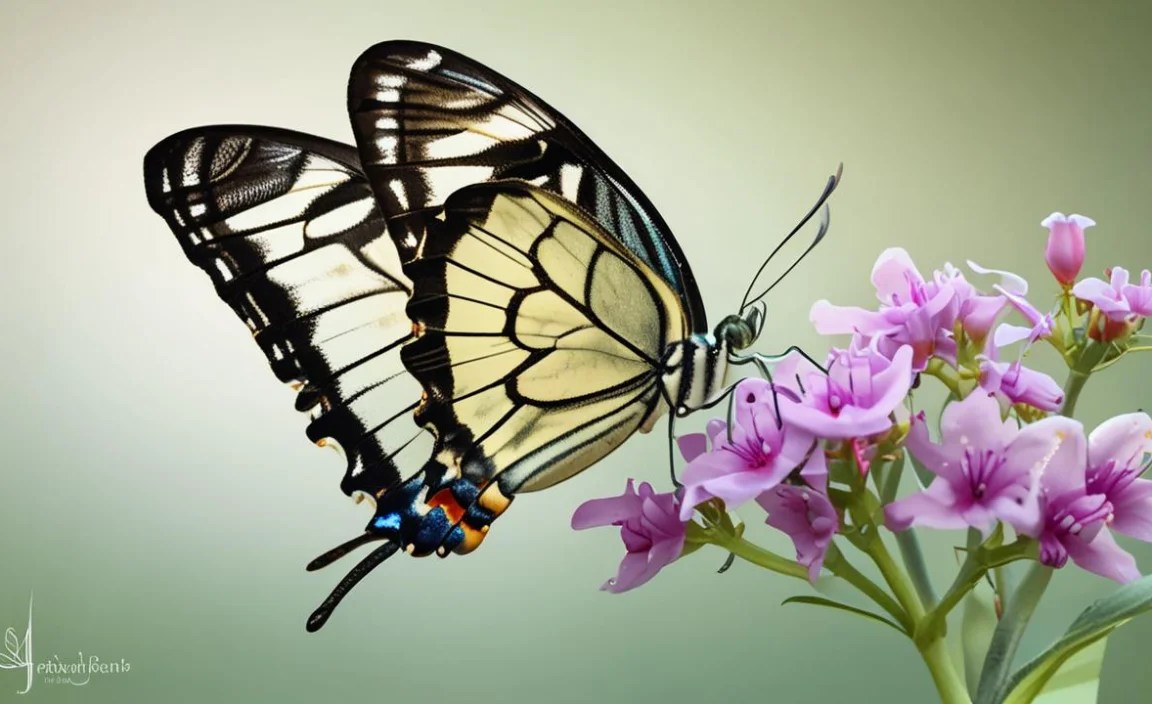
- Cestrum species: These are the most common host plants for glasswing butterfly caterpillars. Cestrum nocturnum (Night-blooming Jessamine) is a popular choice.
- Trevesia palmata: Also known as the Snowflake Aralia, this plant is another favorite.
- Other Solanaceae family members: Some glasswing caterpillars may also feed on other plants in the nightshade family.
These plants contain alkaloids that the caterpillars ingest, making them unpalatable to predators. This is a clever defense mechanism that helps them survive to adulthood.
Nutritional Needs of Caterpillars

Caterpillars need a diet rich in nutrients to support their rapid growth. Host plants provide essential vitamins, minerals, and proteins that fuel their development. They eat almost constantly, growing significantly before forming a chrysalis.
The Adult Stage: A Nectar-Rich Diet

Once the glasswing butterfly emerges from its pupa, its diet shifts dramatically. As adults, they primarily feed on nectar from flowers. This sugary substance provides the energy they need to fly, mate, and reproduce.
Nectar Sources
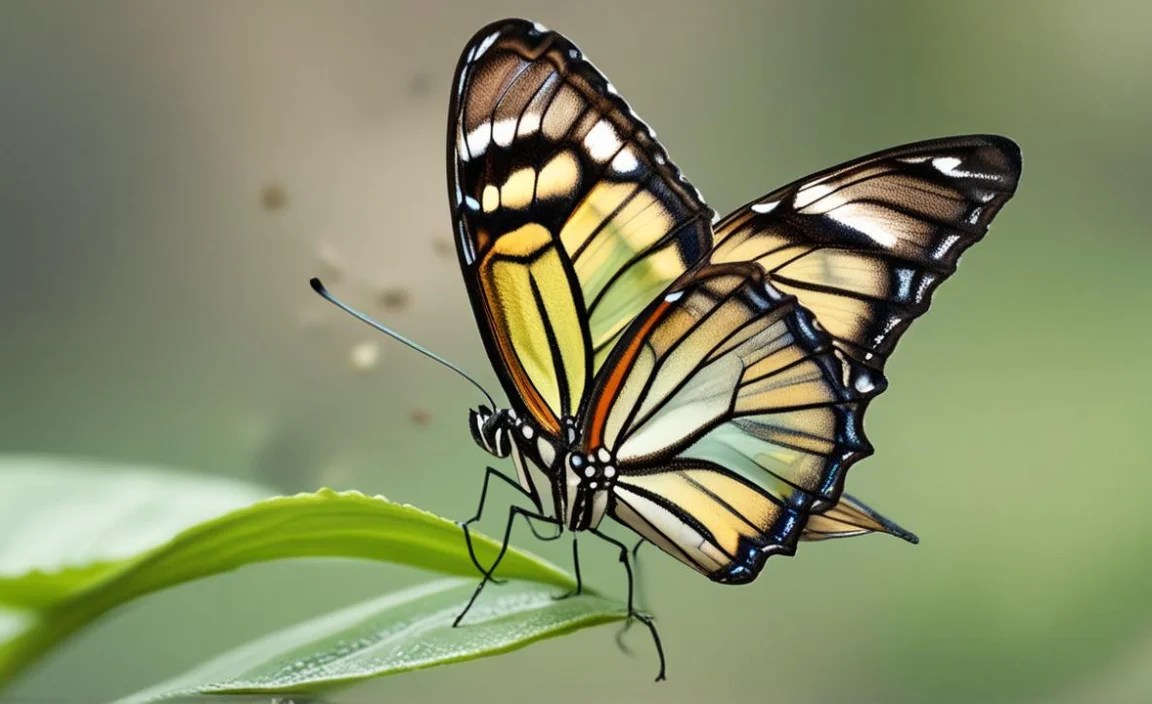
Glasswing butterflies aren’t too fussy and will sip nectar from a variety of flowering plants. Some of their favorites include:
- Lantana: These colorful flowers are a popular choice for many butterflies.
- Salvia: With their long, tubular flowers, salvias provide ample nectar.
- Pentas: These star-shaped flowers are another favorite source of nectar.
- Bougainvillea: Known for their vibrant colors, bougainvilleas attract glasswings.
They use their long, straw-like proboscis to reach deep into the flowers and extract nectar. This is a crucial part of their survival, providing them with the energy needed for flight and reproduction.
According to research from the USDA Forest Service, butterflies are important pollinators and their choice of nectar impacts the health of local ecosystems.
Pollen Consumption
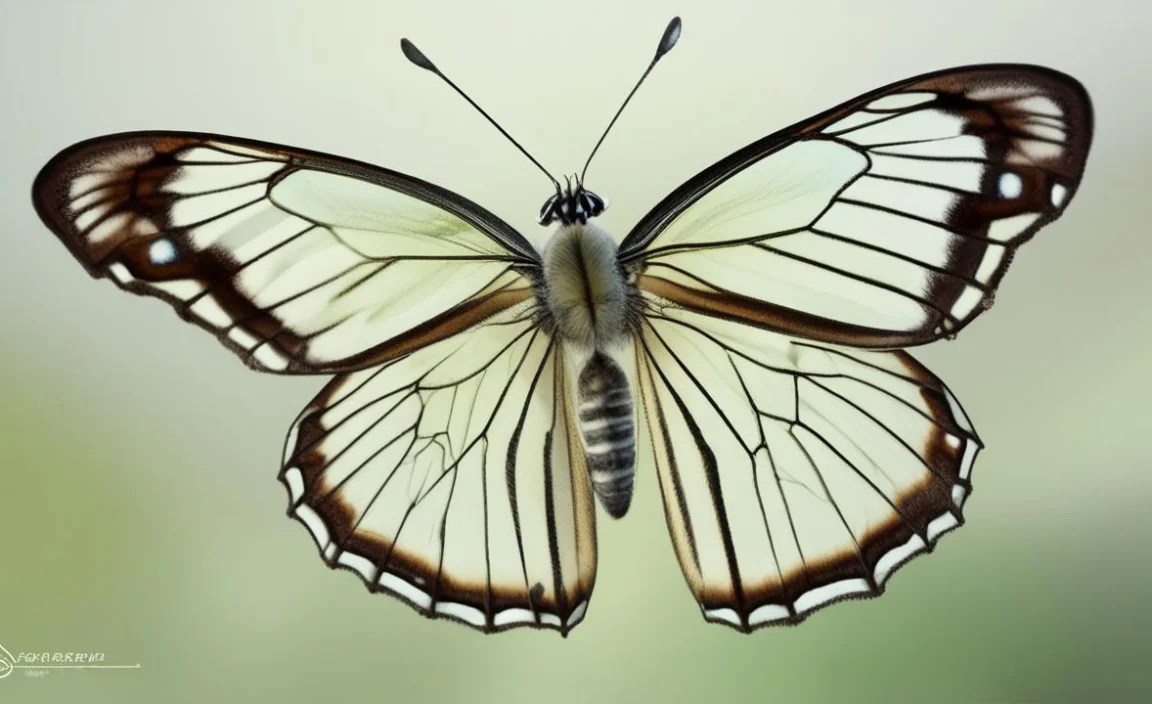
In addition to nectar, adult glasswing butterflies also consume pollen. While nectar provides energy, pollen offers essential amino acids and proteins. This supplemental nutrition helps them stay healthy and strong.
Other Sources of Nutrition

Sometimes, glasswing butterflies may also obtain nutrients from other sources, such as:
- Rotting fruit: The sugars and nutrients in decaying fruit can provide a quick energy boost.
- Animal droppings: While it might sound unappetizing, animal droppings can contain valuable minerals and salts.
- Moist soil: Butterflies sometimes gather around puddles or damp soil to absorb minerals.
How Glasswing Butterflies Find Food

Finding food is essential for the survival of glasswing butterflies. They use a combination of sight and smell to locate their next meal.
Using Sight
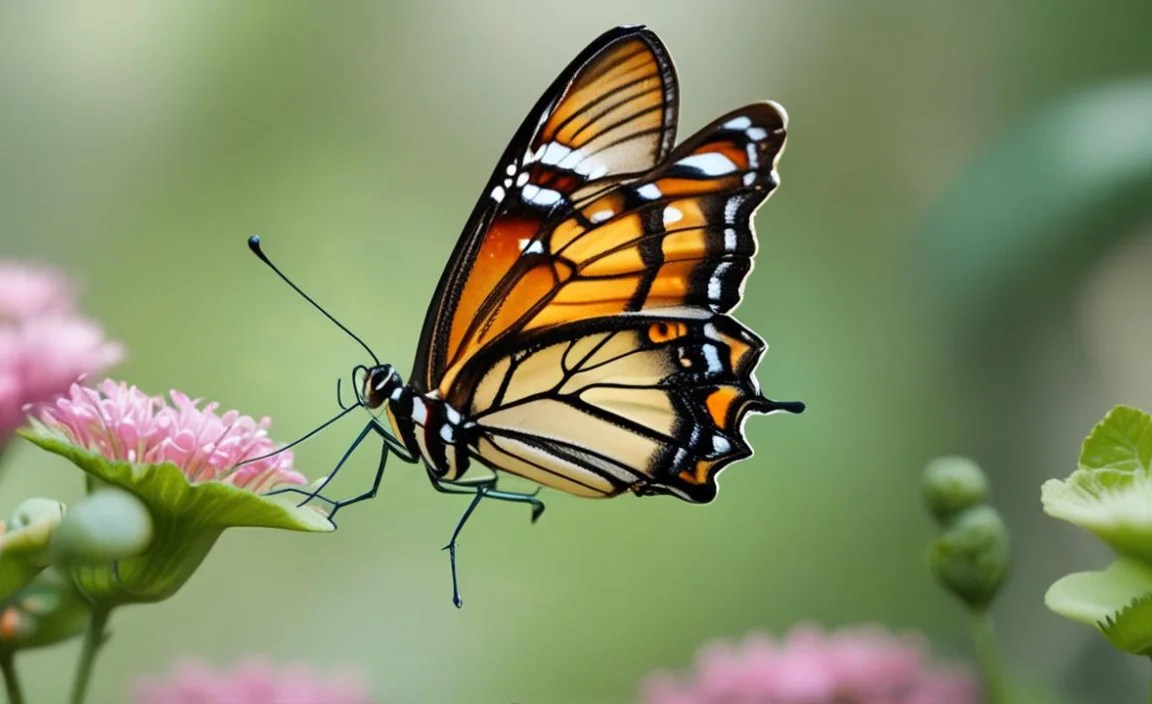
Glasswing butterflies have excellent vision and can spot colorful flowers from a distance. They are particularly attracted to bright colors like red, orange, yellow, and purple. Once they see a promising flower, they fly closer to investigate.
Using Smell
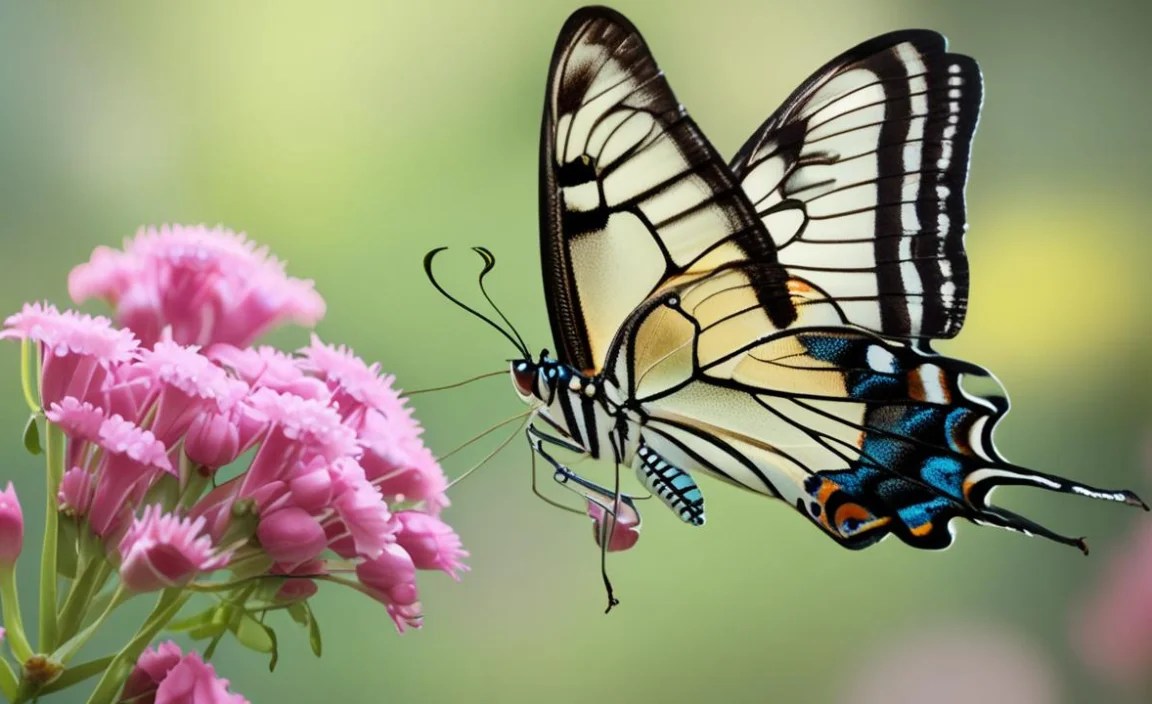
Butterflies also have specialized receptors on their antennae that allow them to detect the scent of nectar. This helps them locate flowers even when they are hidden from view. The combination of sight and smell makes them efficient foragers.
The Importance of Diet for Glasswing Butterflies

The diet of the glasswing butterfly is critical for its survival and reproduction. A healthy diet ensures they have the energy they need to fly, find mates, and lay eggs.
Energy for Flight
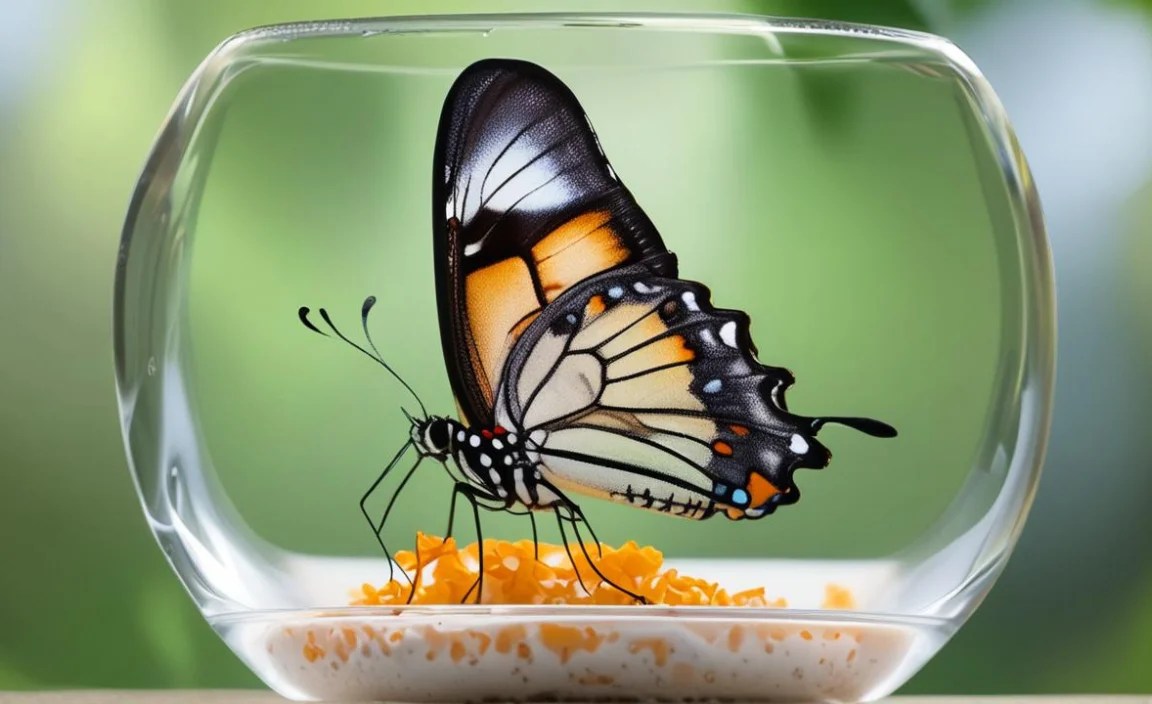
Nectar provides the carbohydrates that fuel their flight. Without enough energy, they cannot travel long distances or escape from predators. A consistent supply of nectar is essential for their daily activities.
Reproduction
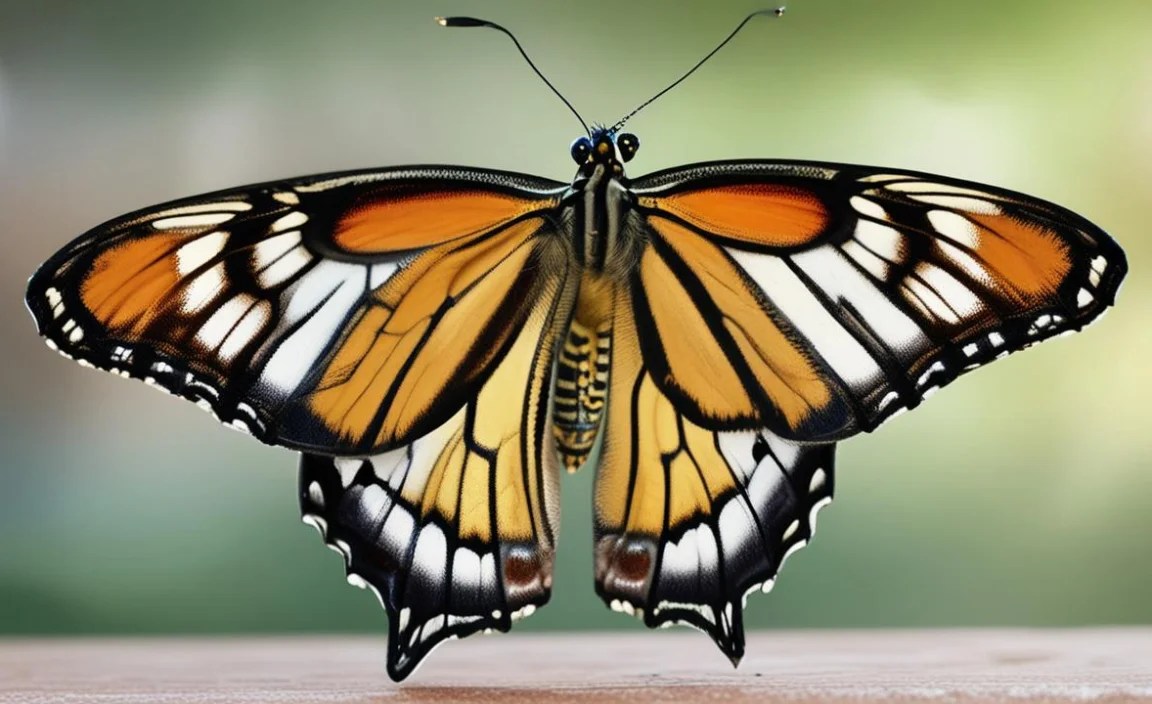
A nutritious diet is also crucial for reproduction. Female butterflies need plenty of energy to produce eggs. The nutrients they obtain from nectar and pollen are transferred to their offspring, ensuring they get a healthy start in life.
Defense Against Predators
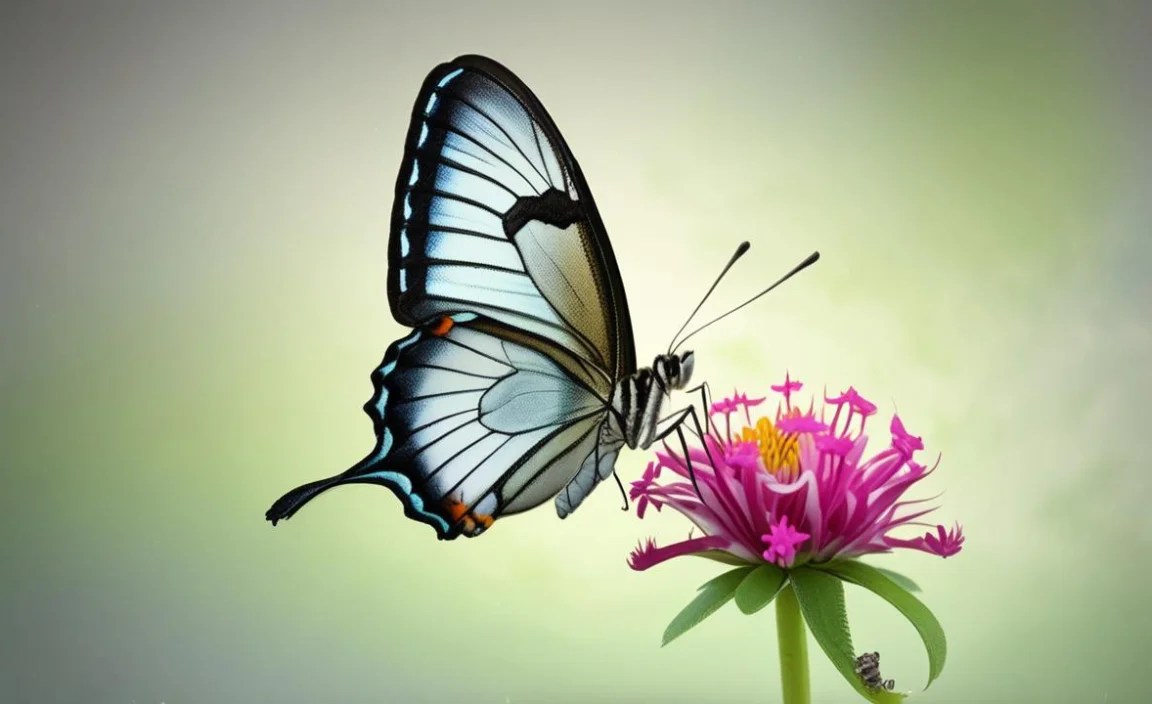
As caterpillars, the alkaloids they ingest from host plants make them unpalatable to predators. This defense mechanism is a direct result of their diet. By consuming these plants, they protect themselves from being eaten.
Creating a Butterfly-Friendly Garden
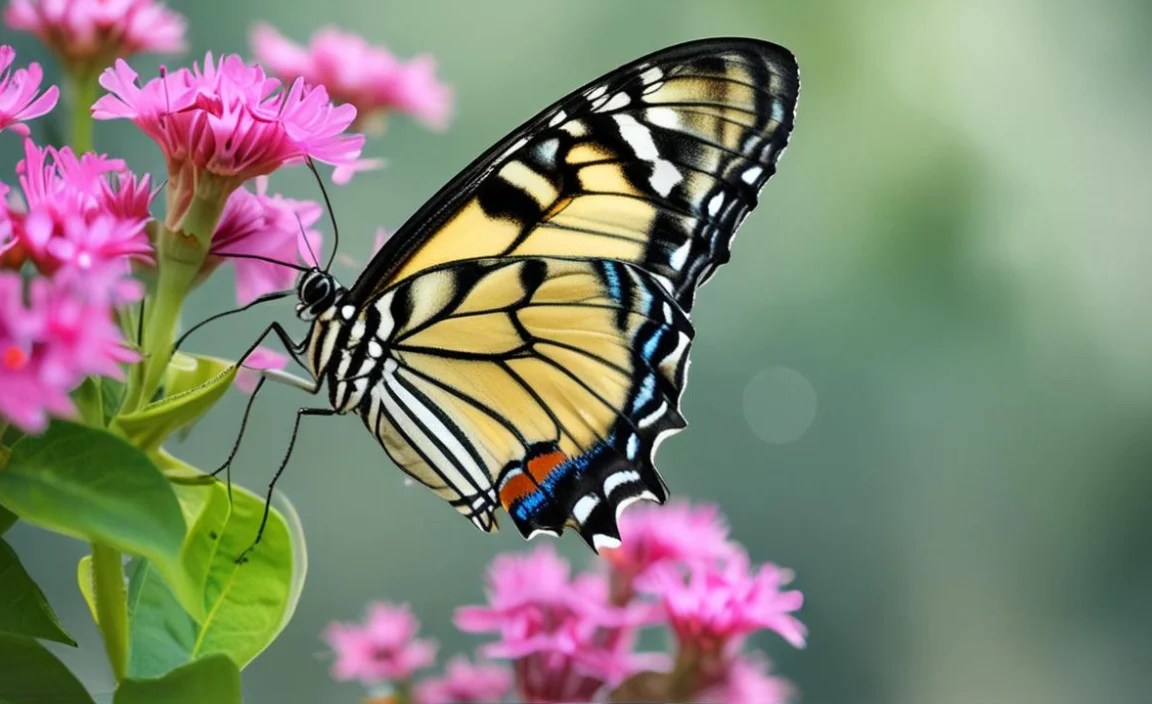
If you want to attract glasswing butterflies to your garden, it’s important to provide them with the right food sources. Here are some tips for creating a butterfly-friendly habitat:
- Plant host plants: Include Cestrum species and other host plants to support the caterpillars.
- Plant nectar-rich flowers: Choose a variety of flowering plants that bloom at different times of the year.
- Avoid pesticides: Pesticides can harm butterflies and other beneficial insects.
- Provide a water source: A shallow dish of water with pebbles can provide butterflies with a place to drink.
- Offer a sunny spot: Butterflies need sunlight to warm their bodies.
By creating a butterfly-friendly garden, you can help support the glasswing butterfly population and enjoy their beauty up close.
Threats to the Glasswing Butterfly’s Diet

Several factors can threaten the glasswing butterfly’s diet, including habitat loss, pesticide use, and climate change.
Habitat Loss
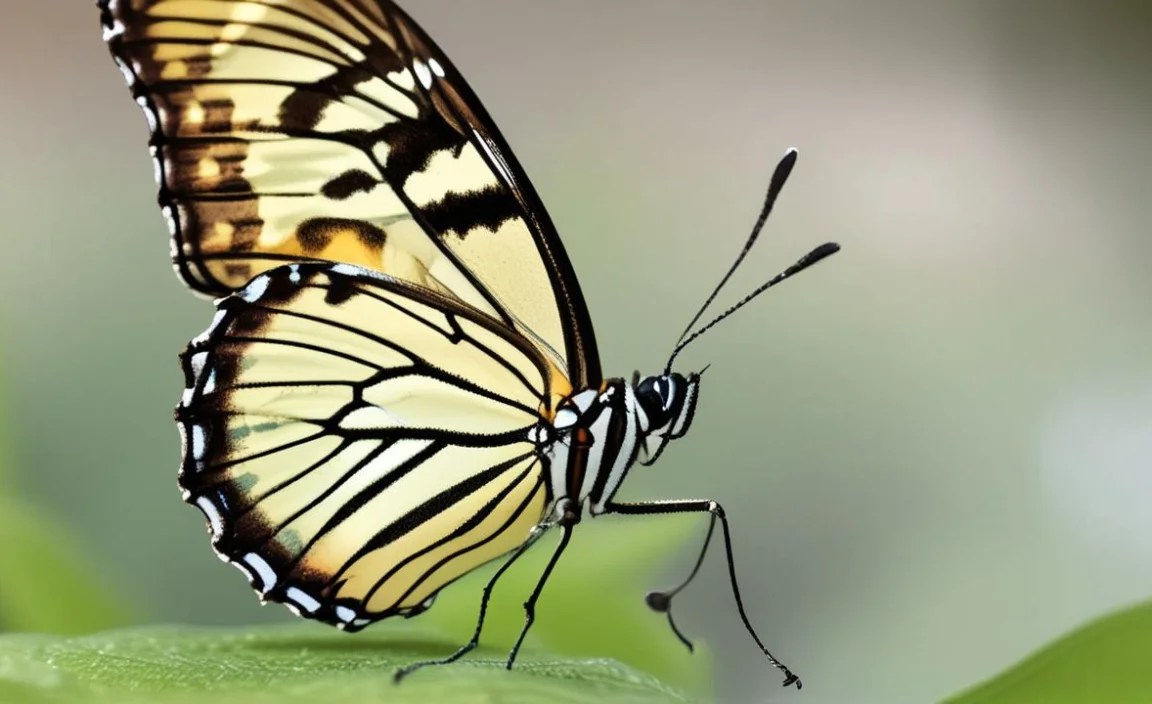
As natural habitats are destroyed, glasswing butterflies lose access to their host plants and nectar sources. This can lead to a decline in their population.
Pesticide Use
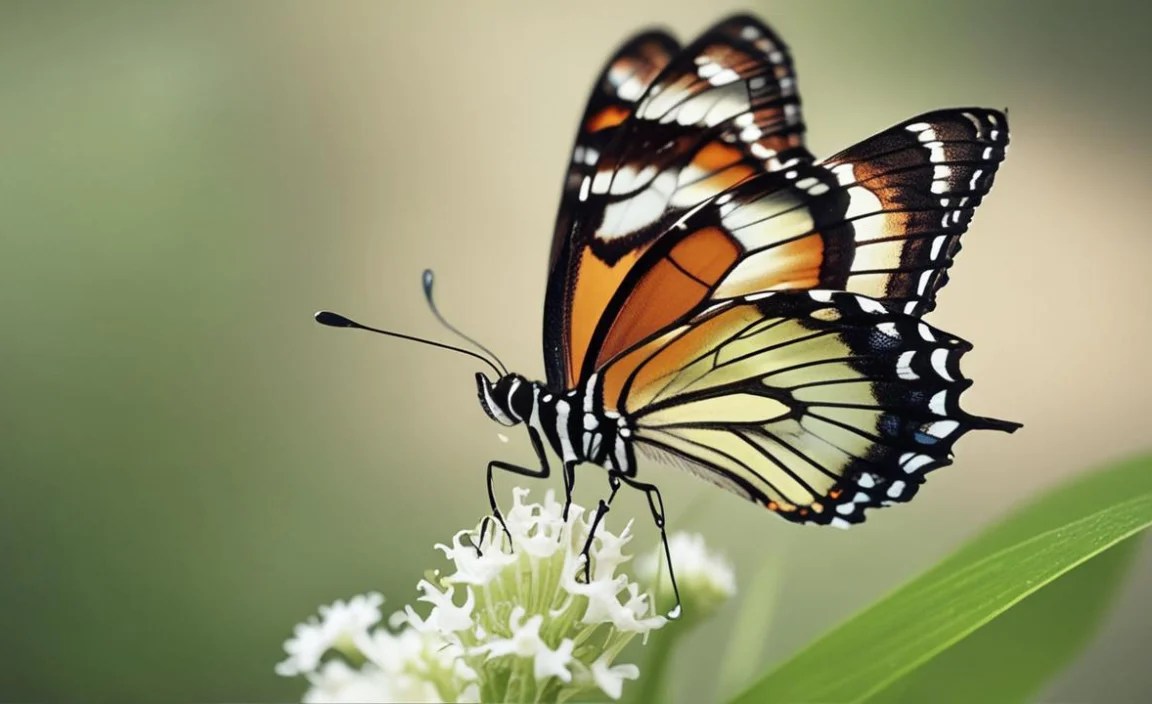
Pesticides can kill butterflies directly or contaminate their food sources. Even small amounts of pesticides can have a devastating impact on butterfly populations.
Climate Change
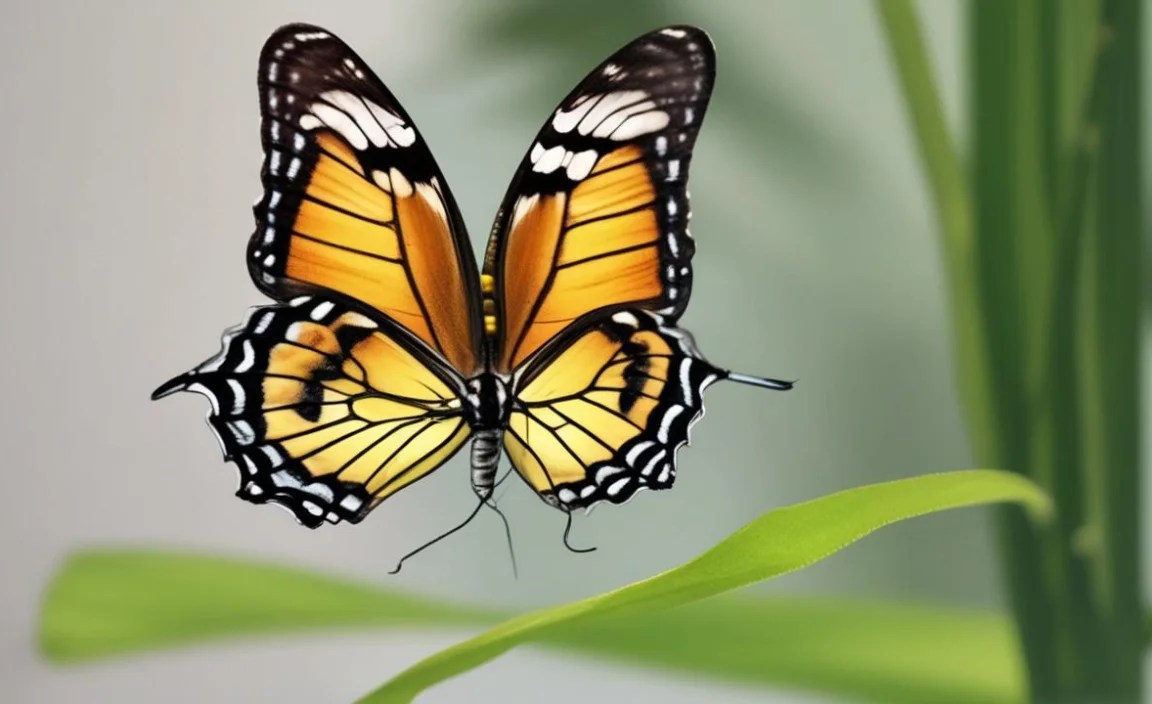
Changes in temperature and rainfall patterns can affect the availability of host plants and nectar sources. This can disrupt the glasswing butterfly’s life cycle and make it harder for them to find food.
Conservation Efforts
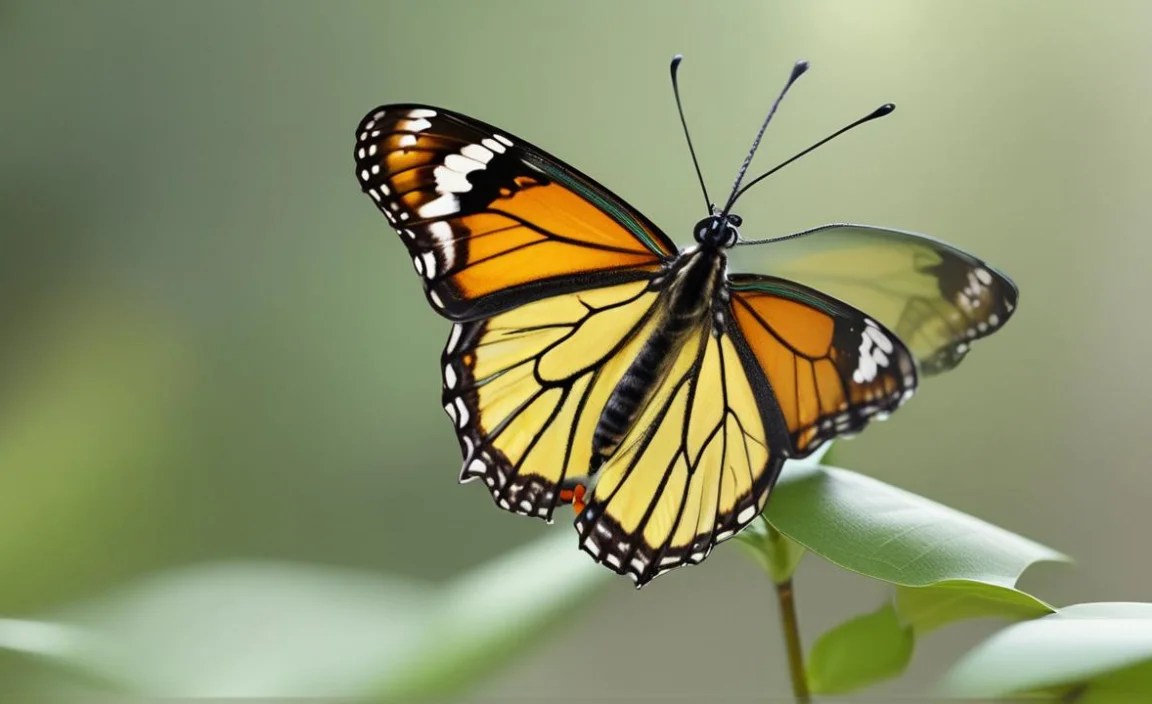
Many organizations are working to protect glasswing butterflies and their habitats. These efforts include:
- Habitat restoration: Restoring degraded habitats by planting native plants.
- Pesticide reduction: Encouraging the use of organic gardening practices.
- Education: Raising awareness about the importance of butterfly conservation.
- Research: Studying butterfly populations and their needs.
You can support these efforts by donating to conservation organizations, planting butterfly-friendly gardens, and spreading the word about the importance of protecting these beautiful creatures.
Glasswing Butterfly Diet: A Summary Table
Here’s a quick summary of the glasswing butterfly’s diet at different life stages:
| Life Stage | Primary Food Source | Nutritional Benefits |
|---|---|---|
| Caterpillar | Host plants (e.g., Cestrum) | Vitamins, minerals, alkaloids (for defense) |
| Adult | Nectar from flowers | Carbohydrates (energy for flight) |
| Adult | Pollen | Amino acids, proteins |
| Adult | Rotting fruit, animal droppings, moist soil (occasional) | Sugars, minerals, salts |
Glasswing Butterfly Conservation Tips:
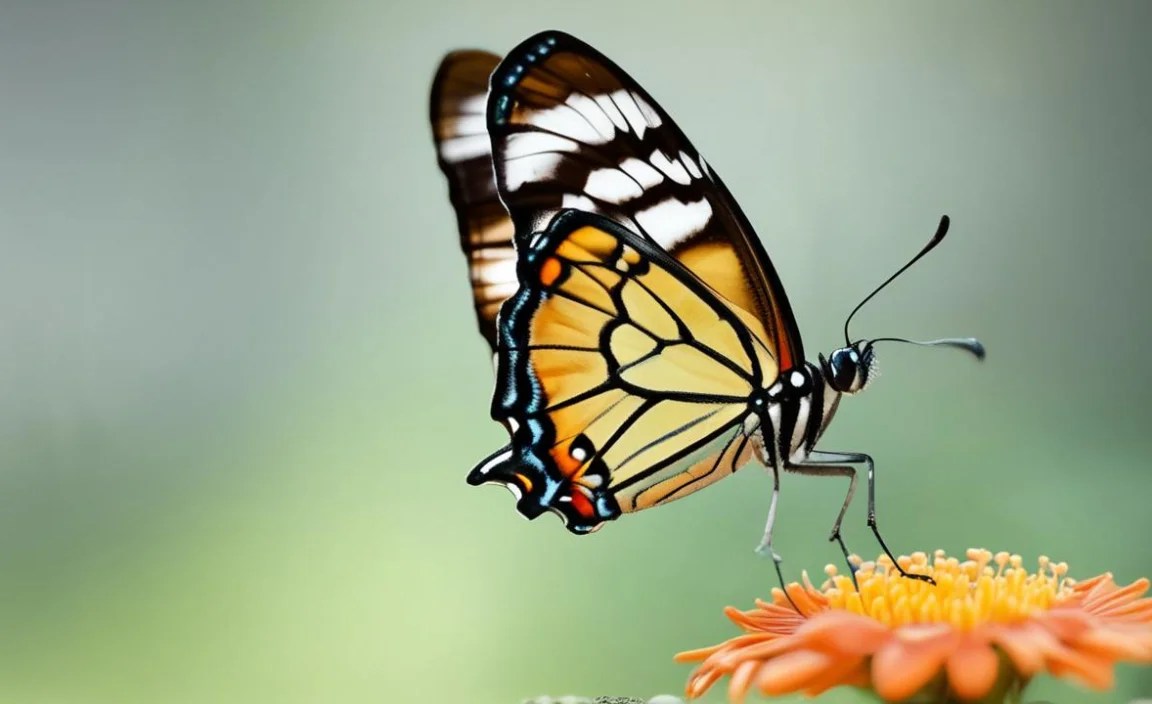
- Plant native host plants like Cestrum.
- Provide nectar-rich flowers such as Lantana, Salvia, and Pentas.
- Avoid using pesticides in your garden.
- Create a shallow water source with pebbles for butterflies to drink.
- Support local conservation organizations working to protect butterfly habitats.
Interesting Facts About Glasswing Butterfly Diets

- Glasswing caterpillars ingest alkaloids from host plants, making them unpalatable to predators.
- Adult glasswings use their long proboscis to reach nectar deep inside flowers.
- Butterflies can taste with their feet, helping them identify suitable food sources.
- The diet of glasswings contributes to their survival, reproduction, and defense mechanisms.
- Creating butterfly-friendly gardens supports local butterfly populations.
FAQ About Glasswing Butterfly Diet
Here are some frequently asked questions about the glasswing butterfly’s diet:
What do glasswing butterfly caterpillars eat?

Glasswing butterfly caterpillars primarily eat the leaves of specific host plants, such as Cestrum species. These plants provide the nutrients they need to grow.
What do adult glasswing butterflies eat?

Adult glasswing butterflies mainly feed on nectar from flowers. They also consume pollen and occasionally get nutrients from rotting fruit or moist soil.
How do glasswing butterflies find food?

Glasswing butterflies use a combination of sight and smell to locate food. They can spot colorful flowers from a distance and detect the scent of nectar with their antennae.
Why is the glasswing butterfly’s diet important?

The diet of the glasswing butterfly is crucial for its survival, reproduction, and defense against predators. A healthy diet ensures they have the energy they need to fly and reproduce.
How can I attract glasswing butterflies to my garden?

You can attract glasswing butterflies by planting host plants for the caterpillars and nectar-rich flowers for the adults. Avoid using pesticides and provide a water source.
Are glasswing butterflies picky eaters?

Glasswing butterfly caterpillars are quite picky, relying on specific host plants. Adult butterflies are more flexible, feeding on nectar from various flowers.
What threats affect the glasswing butterfly’s diet?

Threats to the glasswing butterfly’s diet include habitat loss, pesticide use, and climate change, which can reduce the availability of host plants and nectar sources.
Conclusion
Understanding the glasswing butterfly’s diet is essential for appreciating these delicate creatures and supporting their conservation. From the host plants consumed by caterpillars to the nectar sipped by adults, each stage of their life cycle depends on specific food sources.
By creating butterfly-friendly gardens and supporting conservation efforts, we can help ensure that glasswing butterflies continue to thrive. So, plant some flowers, avoid pesticides, and spread the word about the importance of protecting these beautiful insects. Together, we can make a difference!


