
Monarch Butterfly Flight Speed: How Fast?

Quick Summary: Monarch butterflies typically fly at speeds of 5-12 miles per hour. This helps them travel long distances during their annual migration. Factors like wind, weather, and the butterfly’s health can affect their speed. Their unique flight style combines gliding and flapping, making their journey both efficient and beautiful.
Have you ever watched a monarch butterfly flutter by and wondered how fast it’s really going? It’s a question many of us ask as we marvel at these beautiful creatures. Monarchs undertake incredible journeys, migrating thousands of miles each year. Understanding their flight speed gives us a glimpse into the challenges and triumphs of their epic travels.
In this article, we’ll explore the fascinating details of monarch butterfly flight speed. We’ll look at what influences their speed, how they manage to fly so far, and why it all matters for their survival. Get ready to discover the secrets behind the monarch’s amazing journey!
Understanding Monarch Butterfly Flight Speed
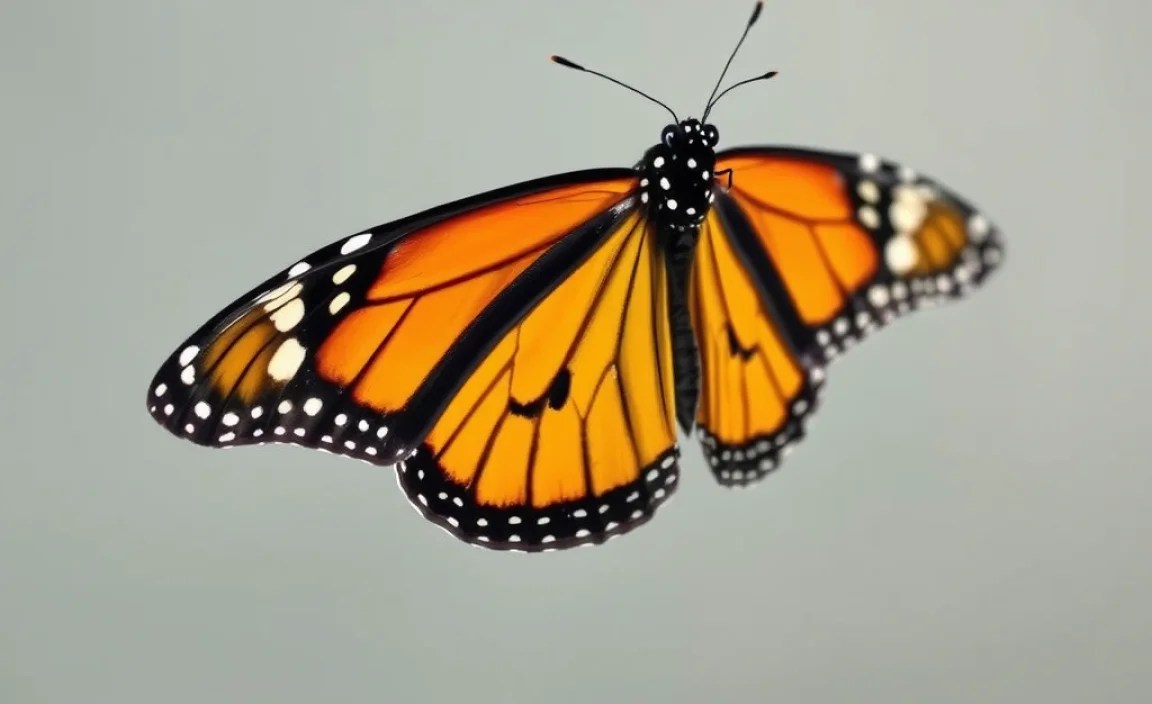
Monarch butterflies are famous for their long migrations. But how fast do they actually fly? Let’s dive into the details of their flight speed and the factors that influence it.
Average Flight Speed
The average flight speed of a monarch butterfly is between 5 and 12 miles per hour (8-19 kilometers per hour). This speed allows them to cover significant distances during their migration. While it may not seem very fast, it’s efficient enough for their long journey.
Factors Affecting Flight Speed
Several factors can affect how fast a monarch butterfly flies:
- Wind: Wind is a major factor. A tailwind can increase their speed, while a headwind can slow them down significantly.
- Weather: Monarchs prefer to fly in warm, sunny conditions. Cold or rainy weather can reduce their flight speed and overall activity.
- Butterfly Condition: A healthy monarch with strong wings will fly faster than one that is weak or damaged.
- Time of Day: Monarchs are most active during the warmest parts of the day. They tend to fly faster when the sun is at its peak.
- Altitude: Higher altitudes can affect air density, which in turn can influence flight speed.
How Monarchs Maximize Their Flight Efficiency
Monarchs use a combination of techniques to make their flight as efficient as possible:
- Gliding: They often glide to conserve energy, especially when traveling long distances.
- Soaring: Monarchs use rising air currents to gain altitude without expending much energy.
- Flapping: They flap their wings to propel themselves forward, adjusting their speed and direction as needed.
The Science Behind Monarch Flight

Let’s explore the scientific principles that govern how monarch butterflies fly and the energy they use during their long journeys.
Aerodynamics of Monarch Flight
The wings of a monarch butterfly are designed for efficient flight. Here are some key aerodynamic features:
- Wing Shape: The shape of their wings provides lift and reduces drag, allowing them to fly with less effort.
- Wing Structure: The veins in their wings provide support and flexibility, which helps them control their flight.
- Wing Angle: Monarchs adjust the angle of their wings to optimize lift and maneuverability.
Energy Expenditure During Flight
Flying requires a lot of energy, especially for a small insect like a monarch. They get their energy from nectar, which they consume along their migration route.
- Nectar Consumption: Nectar provides the necessary sugars for energy. Monarchs must find enough nectar sources to fuel their journey.
- Fat Reserves: They also store fat reserves, which they use when nectar is scarce or during long stretches of flight.
- Metabolic Rate: Monarchs have a relatively high metabolic rate, which means they burn energy quickly. This is why they need to feed regularly.
How Migration Affects Flight Speed
Migration puts additional demands on monarch butterflies. Their flight speed can be affected by the need to conserve energy and find resources along the way.
- Distance: The long distances they travel mean they must fly efficiently to conserve energy.
- Navigation: They need to navigate accurately to stay on course, which can sometimes require adjusting their speed and direction.
- Environmental Conditions: Weather and terrain can vary along their migration route, affecting their flight speed.
Monarch Migration: A Journey of Thousands of Miles

Monarch butterflies are famous for their incredible migration. Let’s take a closer look at their journey and how flight speed plays a role.
Overview of the Monarch Migration Route
Monarch butterflies undertake one of the most impressive migrations in the insect world. Here’s a brief overview:
- Eastern Population: Monarchs east of the Rocky Mountains migrate to central Mexico for the winter.
- Western Population: Monarchs west of the Rocky Mountains migrate to coastal California.
- Distance: Some monarchs travel up to 3,000 miles during their migration.
Role of Flight Speed in Migration Success
Flight speed is crucial for the success of the monarch migration. Here’s why:
- Timeliness: They need to reach their overwintering grounds before the weather turns too cold.
- Energy Conservation: Efficient flight helps them conserve energy for the long journey.
- Resource Acquisition: They need to be able to fly to find nectar sources along the way.
Challenges Faced During Migration
Monarchs face many challenges during their migration, including:
- Habitat Loss: Loss of milkweed and nectar sources along their route.
- Climate Change: Extreme weather events can disrupt their migration.
- Predators: Birds and other predators can prey on monarchs during their journey.
The following table shows the comparison of different challenges faced during migration.
| Challenge | Description | Impact on Flight Speed |
|---|---|---|
| Habitat Loss | Reduction in milkweed and nectar sources | Forces monarchs to fly longer distances to find food, potentially reducing overall speed due to exhaustion |
| Climate Change | Extreme weather events like storms and droughts | Adverse weather can slow down or halt migration, affecting the average flight speed |
| Predators | Increased predation by birds and other animals | Can cause monarchs to alter their flight patterns, potentially slowing them down or diverting them from their course |
How to Observe and Track Monarch Flight

Want to learn more about monarch flight in person? Here are some tips for observing and tracking these amazing butterflies.
Tips for Observing Monarch Flight
Here are some tips for observing monarch butterflies in flight:
- Location: Look for monarchs in areas with milkweed and nectar-rich flowers.
- Timing: The best time to observe them is during the warmest part of the day.
- Patience: Be patient and watch for them to take flight.
Methods for Tracking Monarchs
There are several ways to track monarch butterflies:
- Tagging: Scientists and volunteers tag monarchs with small stickers to track their movements.
- Citizen Science Projects: Participate in citizen science projects like Journey North to report monarch sightings.
- Using Technology: Use apps and online tools to track monarch migration in real-time.
What to Look for When Observing Flight
When observing monarch flight, pay attention to:
- Speed: Estimate their speed by watching how quickly they cover a certain distance.
- Flight Pattern: Notice whether they are gliding, soaring, or flapping their wings.
- Behavior: Observe how they interact with their environment, such as feeding on nectar or avoiding obstacles.
The Impact of Environmental Factors on Monarch Flight

Environmental factors play a crucial role in the flight patterns and success of monarch butterflies. Let’s examine some key influences.
Temperature
Temperature significantly affects monarch flight. Here’s how:
- Ideal Range: Monarchs prefer temperatures between 60°F and 80°F (15°C and 27°C).
- Cold Weather: In colder temperatures, monarchs become less active and their flight speed decreases. They may even become immobile.
- Warm Weather: Warmer temperatures allow them to fly more efficiently and cover greater distances.
Wind Conditions
Wind can either help or hinder monarch flight:
- Tailwinds: Tailwinds can increase their flight speed and help them cover more ground.
- Headwinds: Headwinds can slow them down and require them to expend more energy.
- Calm Conditions: Calm conditions are ideal for monarch flight, as they allow them to fly without added resistance.
Habitat Quality
The quality of their habitat affects their ability to find food and rest, which in turn affects their flight:
- Milkweed Availability: Milkweed is essential for monarch caterpillars. A lack of milkweed can weaken the population.
- Nectar Sources: Nectar-rich flowers provide the energy that monarchs need for flight.
- Shelter: Access to shelter from wind and predators can help monarchs conserve energy.
Here is a table that summarizes how different weather conditions affect monarch flight.
| Weather Condition | Effect on Monarch Flight |
|---|---|
| Warm and Sunny | Optimal conditions for flight. Monarchs are active and can fly efficiently. |
| Cold and Cloudy | Flight speed decreases. Monarchs become less active and may seek shelter. |
| Windy (Tailwind) | Increases flight speed and helps monarchs cover more ground. |
| Windy (Headwind) | Decreases flight speed and requires more energy expenditure. |
| Rainy | Monarchs seek shelter and do not fly. |
How Humans Can Help Monarchs Fly Farther
We can all play a role in helping monarch butterflies thrive. Here are some ways you can help them fly farther and survive their migration.
Planting Milkweed
Milkweed is the only food source for monarch caterpillars. Planting milkweed in your garden or community can help support the monarch population.
- Native Species: Choose native milkweed species that are well-suited to your local climate.
- Avoid Pesticides: Avoid using pesticides on or near milkweed plants, as they can harm monarch caterpillars.
- Maintenance: Provide proper care for your milkweed plants to ensure they thrive.
Creating Nectar Gardens
Nectar-rich flowers provide the energy that adult monarchs need for flight. Creating a nectar garden can help them fuel their journey.
- Variety of Flowers: Plant a variety of flowers that bloom throughout the monarch migration season.
- Native Plants: Choose native plants that are attractive to monarchs.
- Avoid Pesticides: Avoid using pesticides on or near nectar plants.
Supporting Conservation Efforts
Supporting conservation organizations can help protect monarch habitats and promote sustainable practices.
- Donate: Donate to organizations that are working to protect monarch butterflies.
- Volunteer: Volunteer your time to help with monarch conservation projects.
- Advocate: Advocate for policies that protect monarch habitats and promote sustainable land management.
Fun Facts About Monarch Butterfly Flight
Let’s wrap up with some fun and interesting facts about monarch butterfly flight.
Amazing Flight Facts
- Longest Migration: Monarchs undertake one of the longest migrations of any insect.
- Multi-Generational Migration: It takes multiple generations of monarchs to complete the entire migration cycle.
- Navigation: Monarchs use a combination of the sun and the Earth’s magnetic field to navigate.
Cultural Significance of Monarchs
- Symbol of Transformation: Monarchs are often seen as a symbol of transformation and rebirth.
- Day of the Dead: In Mexico, monarchs are associated with the Day of the Dead celebrations.
- Art and Literature: Monarchs have inspired countless works of art and literature.
How Flight Helps Monarchs Survive
- Finding Resources: Flight allows monarchs to find food and suitable breeding grounds.
- Avoiding Predators: Flight helps them escape from predators.
- Adapting to Change: Flight allows them to adapt to changing environmental conditions.
FAQ About Monarch Butterfly Flight Speed
How fast can a monarch butterfly fly?
Monarch butterflies typically fly at speeds between 5 and 12 miles per hour.
What affects the flight speed of a monarch butterfly?
Wind, weather, the butterfly’s health, and time of day all influence flight speed.
How do monarchs fly so far during migration?
They use a combination of gliding, soaring, and flapping to conserve energy during their long journey.
Do monarch butterflies fly faster with a tailwind?
Yes, a tailwind can significantly increase their flight speed, helping them cover more ground.
What is the ideal temperature for monarch flight?
Monarchs prefer temperatures between 60°F and 80°F (15°C and 27°C) for optimal flight.
How does habitat loss affect monarch flight?
Loss of milkweed and nectar sources forces monarchs to fly farther to find food, potentially reducing their overall speed.
Can humans help monarchs fly farther?
Yes, by planting milkweed and nectar-rich flowers, and supporting conservation efforts, we can help monarchs thrive.
Conclusion
Understanding the flight speed of monarch butterflies gives us a deeper appreciation for their incredible migration. These delicate creatures face numerous challenges, from weather conditions to habitat loss, yet they persevere in their annual journey. By learning about their flight and the factors that influence it, we can better understand how to support their survival.
Planting milkweed and nectar gardens, supporting conservation efforts, and educating others are all ways we can help these amazing butterflies. Let’s work together to ensure that future generations can marvel at the sight of monarchs gracefully flying across our landscapes. Every small action counts in protecting these beautiful and vital creatures.


