Butterfly Flashcards for Kids: Fun Learning!

Butterfly flashcards for kids are a fantastic way to introduce children to the beautiful world of butterflies! These cards can help kids learn about different butterfly species, their life cycles, and even the plants they love. They’re fun, educational, and can spark a lifelong interest in nature.
Do you want to help your children learn about the amazing world of butterflies? It can be tough to find engaging and effective ways to teach them. Butterflies are fascinating creatures, and flashcards are a simple and fun tool to introduce them. This guide will walk you through creating and using butterfly flashcards, making learning an enjoyable adventure for your kids. Get ready to watch their knowledge and appreciation for butterflies take flight!
Why Use Butterfly Flashcards for Kids?
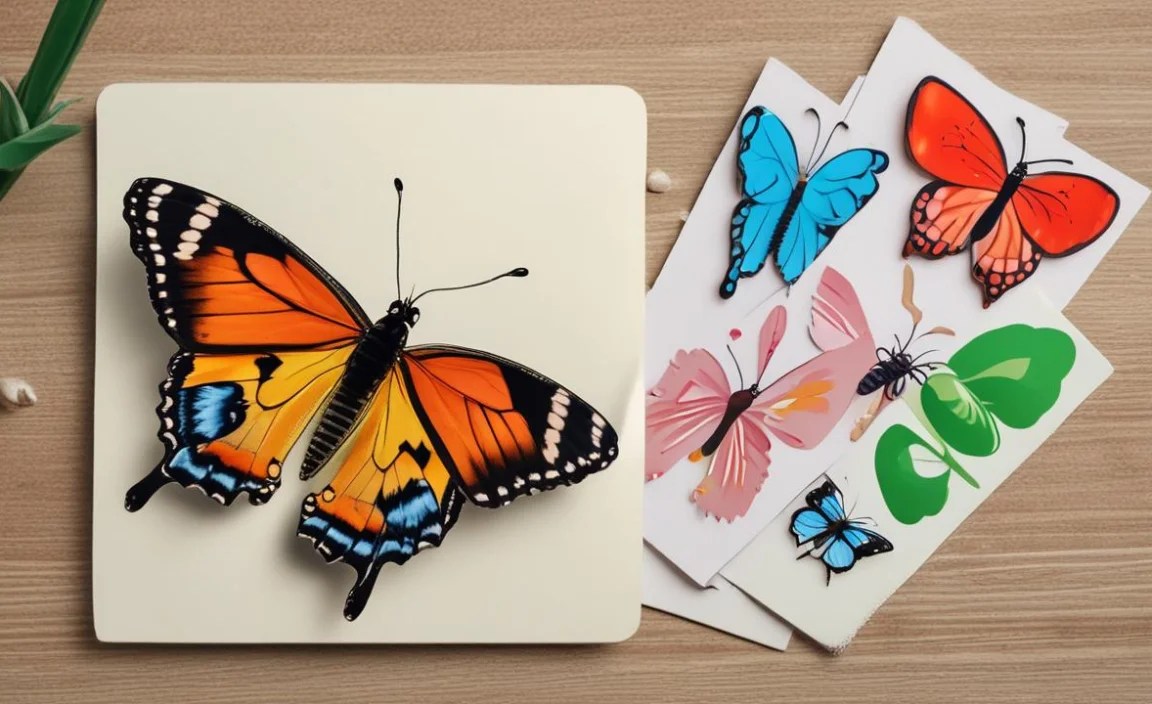
Butterfly flashcards are more than just colorful pictures. They are an engaging tool that can transform learning into an exciting adventure for children. Here’s why they are so effective:
- Visual Learning: Butterflies are visually stunning. Flashcards use bright images to capture kids’ attention and help them remember facts more easily.
- Interactive: Flashcards can be used in many ways – games, quizzes, or simple identification exercises. This keeps kids actively involved in learning.
- Portable: Easy to carry, flashcards can be used anywhere, whether you’re at home, in the garden, or on a nature walk.
- Customizable: You can tailor flashcards to your child’s specific interests and learning level, making the learning experience personal and relevant.
- Foundation for Science: Learning about butterflies introduces kids to basic concepts in biology, ecology, and conservation.
What You’ll Need to Create Butterfly Flashcards

Creating your own butterfly flashcards is a fun and rewarding project. Here’s what you’ll need:
- Cardstock or Heavy Paper: This will make your flashcards durable and long-lasting.
- Butterfly Images: You can find these online (ensure they are copyright-free), in books, or even take your own photos!
- Scissors or a Paper Cutter: For neatly cutting out your flashcards.
- Glue or Tape: To attach the images to the cardstock.
- Markers or Pens: For writing the butterfly names and facts.
- Laminator (Optional): Laminating your flashcards will protect them from wear and tear.
- Hole Punch and Ring (Optional): To keep your flashcards organized.
Step-by-Step Guide to Making Butterfly Flashcards
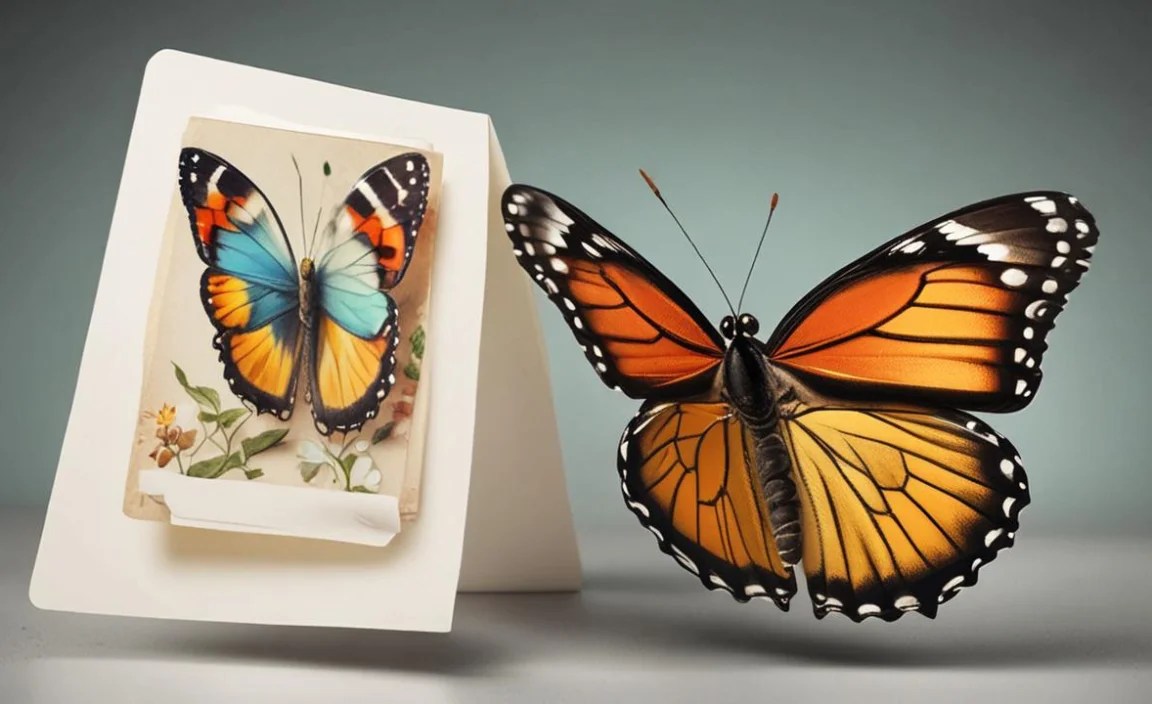
Follow these simple steps to create your own set of butterfly flashcards:
Step 1: Gather Your Butterfly Images
Start by collecting images of different butterfly species. Websites like the U.S. Forest Service offer a wealth of information and images. Choose butterflies that are common in your area or ones that you find particularly interesting. Aim for clear, vibrant photos that showcase the butterfly’s unique features.
Step 2: Prepare Your Cardstock
Cut your cardstock into uniform sizes. A standard size for flashcards is 3×5 inches, but you can adjust this based on your preference. Consistency in size will make them easier to handle and store.
Step 3: Attach the Images
Carefully glue or tape each butterfly image onto a card. Make sure the image is centered and securely attached to avoid peeling.
Step 4: Add the Butterfly Name
On the same side as the image, write the name of the butterfly species clearly. Use a font that is easy for children to read. For younger children, you might want to use capital letters.
Step 5: Include Fun Facts
On the back of each card, write a few interesting facts about the butterfly. This could include its habitat, food preferences, or unique behaviors. Keep the facts concise and age-appropriate. For example:
- Monarch: “Migrates thousands of miles!”
- Swallowtail: “Caterpillars look like bird droppings to avoid predators!”
- Painted Lady: “Can be found on every continent except Antarctica!
Step 6: Laminate (Optional)
If you have a laminator, laminate each flashcard to protect it from damage. This is especially useful if the flashcards will be handled frequently by young children.
Step 7: Organize Your Flashcards
Use a hole punch to make a hole in the corner of each card and thread them onto a ring. This will keep your flashcards organized and easy to flip through.
Butterfly Flashcard Ideas and Themes

To make your butterfly flashcards even more engaging, consider these creative ideas and themes:
- Regional Butterflies: Focus on the butterfly species found in your local area. This helps children connect with the nature around them.
- Butterfly Life Cycle: Create a series of flashcards illustrating the stages of a butterfly’s life – egg, larva (caterpillar), pupa (chrysalis), and adult.
- Host Plants: Include flashcards that show the specific plants each butterfly relies on for food and reproduction. This teaches kids about the importance of plant-butterfly relationships.
- Butterfly Anatomy: Create flashcards that label the different parts of a butterfly, such as the wings, antennae, and proboscis.
- Migration Patterns: Use maps and facts to illustrate the incredible journeys some butterflies, like the Monarch, undertake each year.
Using Butterfly Flashcards: Fun Activities and Games
Now that you have your butterfly flashcards, here are some fun and educational ways to use them:
Butterfly Identification Game
Show your child a flashcard and ask them to identify the butterfly. For beginners, start with a small set of cards and gradually add more as they become more confident.
Butterfly Fact Quiz
Read out a fact from the back of a flashcard and have your child guess which butterfly it describes. This is a great way to reinforce their learning and test their memory.
Butterfly Matching Game
Create two sets of flashcards – one with images and one with names. Have your child match the correct name to each butterfly image.
Butterfly Life Cycle Sequencing
If you have flashcards illustrating the butterfly life cycle, have your child arrange them in the correct order. This helps them understand the stages of metamorphosis.
Butterfly Scavenger Hunt
Take your flashcards on a nature walk and challenge your child to find the butterflies in real life. This combines outdoor exploration with learning.
Enhancing Learning with Butterfly Flashcards
To get the most out of your butterfly flashcards, consider these tips:
- Regular Review: Review the flashcards regularly to reinforce learning and help your child retain the information.
- Make it Fun: Keep the learning environment positive and encouraging. Use games and activities to make it enjoyable.
- Connect to Real Life: Whenever possible, connect the flashcards to real-life experiences. Visit a butterfly garden, watch documentaries, or read books about butterflies.
- Encourage Questions: Encourage your child to ask questions and explore their curiosity about butterflies.
- Adapt to Age: Adjust the complexity of the facts and activities to match your child’s age and learning level.
Examples of Butterfly Flashcards
Here are a few examples of what your butterfly flashcards might look like:
| Butterfly | Image | Fun Fact |
|---|---|---|
| Monarch | [Insert Image of Monarch Butterfly] | Known for its long migration. |
| Swallowtail | [Insert Image of Swallowtail Butterfly] | Has distinctive “tails” on its hindwings. |
| Painted Lady | [Insert Image of Painted Lady Butterfly] | One of the most widespread butterflies in the world. |
| Blue Morpho | [Insert Image of Blue Morpho Butterfly] | Its wings appear iridescent blue due to microscopic scales. |
Resources for Butterfly Information
To ensure the accuracy of your flashcards and to further your own knowledge, here are some reputable resources:
- National Wildlife Federation: Offers information on attracting butterflies to your garden and creating butterfly-friendly habitats.
- The Xerces Society: A non-profit organization dedicated to protecting invertebrates and their habitats.
- Smithsonian Institution: Provides extensive resources on butterflies and other insects.
- National Geographic: Features articles and videos on butterflies and their natural history.
Advanced Flashcard Techniques
Once your child is comfortable with basic butterfly identification, you can introduce more advanced concepts using flashcards:
Butterfly Mimicry
Create flashcards that illustrate how some butterflies mimic the appearance of other species to avoid predators. For example, the Viceroy butterfly mimics the Monarch, which is poisonous to many predators.
Butterfly Camouflage
Show examples of butterflies that use camouflage to blend in with their surroundings. This teaches kids about adaptation and survival strategies.
Butterfly Conservation
Use flashcards to discuss the threats facing butterflies, such as habitat loss and climate change. Encourage children to think about ways they can help protect butterflies, such as planting native plants and avoiding pesticides.
Benefits of Learning About Butterflies
Learning about butterflies offers numerous benefits for children:
- Scientific Knowledge: Introduces them to concepts in biology, ecology, and entomology.
- Environmental Awareness: Fosters an appreciation for nature and the importance of conservation.
- Observation Skills: Encourages them to observe and appreciate the details of the natural world.
- Curiosity and Inquiry: Sparks their curiosity and encourages them to ask questions and explore.
- Connection to Nature: Helps them feel more connected to the natural world and their role in protecting it.
Caring for Your Flashcards
To keep your butterfly flashcards in good condition, follow these tips:
- Store them properly: Keep them in a box or binder to protect them from dust and damage.
- Handle with care: Encourage children to handle the flashcards gently to avoid tearing or bending them.
- Clean as needed: If the flashcards get dirty, wipe them gently with a damp cloth.
- Replace worn cards: If any of the flashcards become damaged beyond repair, replace them to maintain the quality of your set.
Where to Find Inspiration for Flashcard Design
Looking for inspiration? Here are some resources to spark your creativity:
- Pinterest: Search for “DIY flashcards” or “butterfly activities for kids” to find visual inspiration and project ideas.
- Educational Blogs: Many educational blogs offer free printables and templates for flashcards.
- Children’s Books: Look at the illustrations in children’s books about butterflies for ideas on how to depict different species and concepts.
- Museum Websites: Many natural history museums have online collections of butterfly images that you can use for inspiration.
Making Flashcards Accessible for All Learners
Consider these adaptations to make your butterfly flashcards accessible for children with different learning needs:
- Large Print: Use large, clear fonts for children with visual impairments.
- Braille: Add Braille labels for children who are blind or visually impaired.
- Simple Language: Use simple, straightforward language for children with learning disabilities.
- Visual Aids: Include clear, uncluttered images that are easy to understand.
- Multisensory Approach: Incorporate tactile elements, such as textured paper or raised images, to engage multiple senses.
The Future of Butterfly Education
As technology advances, there are exciting new possibilities for butterfly education:
- Interactive Apps: Mobile apps can provide interactive butterfly identification guides, games, and virtual butterfly gardens.
- Augmented Reality: Augmented reality apps can overlay digital information onto real-world images, allowing children to learn about butterflies in their natural habitats.
- Virtual Reality: Virtual reality experiences can transport children to butterfly gardens and other immersive environments where they can learn about butterflies in a hands-on way.
- Online Communities: Online forums and social media groups can connect children with other butterfly enthusiasts, providing opportunities for learning and sharing.
Butterfly Flashcards for Different Age Groups
Adapting flashcards for different age groups ensures effective learning and engagement:
Preschoolers (Ages 3-5)
- Focus: Basic identification and colors.
- Content: Simple images, large text, and basic facts (e.g., “This is a Monarch,” “It is orange and black”).
- Activities: Matching games, simple identification quizzes.
Early Elementary (Ages 6-8)
- Focus: Life cycle, habitats, and basic anatomy.
- Content: Images of different life stages, habitat descriptions, and labeled body parts.
- Activities: Sequencing the life cycle, identifying habitats, and naming body parts.
Upper Elementary (Ages 9-11)
- Focus: Migration, mimicry, and conservation.
- Content: Maps of migration routes, examples of mimicry, and information about conservation efforts.
- Activities: Mapping migration routes, comparing mimic species, and discussing conservation strategies.
Incorporating Technology into Flashcard Learning
Enhance flashcard learning with digital tools and resources:
- Online Flashcard Makers: Use websites like Quizlet or Cram to create digital flashcards with images and text.
- Butterfly Identification Apps: Download apps like iNaturalist or Picture Insect to identify butterflies in the field.
- Educational Videos: Watch videos about butterflies on YouTube or other platforms to supplement flashcard learning.
- Virtual Field Trips: Take virtual field trips to butterfly gardens and museums using online resources.
Frequently Asked Questions (FAQ)
What age is best for butterfly flashcards?
Butterfly flashcards can be used with children as young as three, focusing on simple identification and colors. Adapt the complexity as they grow!
Where can I find butterfly images for my flashcards?
You can find copyright-free images on websites like Pixabay or Unsplash. Also, consider using photos from your own garden!
How do I make the flashcards durable?
Laminating your flashcards is the best way to protect them from wear and tear. If you don’t have a laminator, use thick cardstock and clear packing tape.
What facts should I include on the flashcards?
Include interesting facts about the butterfly’s habitat, diet, unique behaviors, or conservation status. Keep the facts age-appropriate and concise.
How often should we use the flashcards?
Regular review is key! Aim for short, frequent sessions (5-10 minutes) several times a week to reinforce learning.
Can I use these flashcards outdoors?
Yes! Take your flashcards on nature walks to identify butterflies in their natural habitat. It’s a great way to connect learning with real-world experiences.
How can I make learning fun with flashcards?
Turn it into a game! Use the flashcards for matching games, quizzes, or scavenger hunts. Make it interactive and engaging to keep kids interested.
Conclusion
Creating and using butterfly flashcards is a wonderful way to introduce children to the beauty and science of the natural world. By following these steps and incorporating creative ideas, you can transform learning into an engaging and memorable experience. As your children explore the world of butterflies, they’ll not only gain valuable knowledge but also develop a lifelong appreciation for these delicate creatures and the importance of protecting their habitats. So, gather your supplies, unleash your creativity, and watch as your child’s fascination with butterflies takes flight!