
Swallowtail Butterfly Body Parts Names: Ultimate Guide

Swallowtail butterflies have distinct body parts that help them survive. These include antennae for sensing, wings for flying, legs for walking, and a proboscis for feeding. Understanding these parts helps us appreciate these beautiful insects even more.
Have you ever wondered what all those different parts of a swallowtail butterfly are called? It can be a little confusing, but don’t worry! Learning about the body parts of these beautiful creatures is easier than you might think. Knowing their names and functions helps us understand how these butterflies live and thrive in our gardens and beyond.
In this guide, we’ll explore each part of the swallowtail butterfly, from its head to its tail. We’ll discover what each part does and why it’s important. Get ready to take a closer look at these amazing insects!
Understanding Swallowtail Butterfly Anatomy

Swallowtail butterflies, with their vibrant colors and graceful flight, are a joy to observe. But have you ever stopped to consider the intricate anatomy that allows them to perform their amazing feats? Let’s dive into the fascinating world of swallowtail butterfly body parts.
The Head: Sensory Central
The head of a swallowtail butterfly is a sensory powerhouse, packed with essential organs for navigation and feeding.
Antennae: Feelers of the Butterfly World
Swallowtail butterflies use their antennae to sense their environment. These long, slender appendages are covered in tiny sensory receptors that detect chemicals, air currents, and even vibrations. Here’s what they do:
- Detect scents: Antennae help butterflies find nectar sources and potential mates.
- Sense airflow: They assist in maintaining balance during flight.
- Find host plants: Females use them to locate the specific plants their caterpillars need to eat.
Think of antennae as the butterfly’s nose and fingertips all in one!
Eyes: Compound Vision
Swallowtail butterflies have compound eyes, which are made up of thousands of tiny lenses called ommatidia. This gives them a wide field of vision and the ability to detect movement easily. The compound eyes enable them to:
- See in multiple directions: They can spot predators or potential mates from almost any angle.
- Detect UV light: This helps them find nectar guides on flowers that are invisible to the human eye.
- Perceive motion: Essential for evading predators.
While their vision isn’t as sharp as ours, it’s perfectly suited for their needs.
Proboscis: The Nectar Straw
The proboscis is a long, straw-like structure that butterflies use to drink nectar from flowers. When not in use, it’s coiled up neatly under their head. Here’s what you need to know:
- Drinking nectar: The proboscis uncoils and acts like a straw to sip nectar.
- Adaptation: It’s perfectly adapted for reaching into the depths of flowers.
- Unique to butterflies: Only butterflies and moths have a proboscis.
Imagine having a built-in straw that you can carry around wherever you go – that’s the proboscis!
The Thorax: The Butterfly’s Engine Room
The thorax is the middle section of the butterfly’s body, and it’s all about movement. It’s where the wings and legs are attached, making it the center of the butterfly’s locomotion.
Wings: Instruments of Flight
The wings are perhaps the most iconic part of a swallowtail butterfly. They are covered in thousands of tiny scales that give them their color and pattern. Here’s what makes them so special:
- Scales: These tiny scales are modified hairs that overlap like shingles on a roof.
- Flight: The shape and structure of the wings allow for efficient and graceful flight.
- Patterns: The colors and patterns on the wings serve various purposes, including camouflage, mate attraction, and warning predators.
Each wing is a masterpiece of natural engineering!
Legs: Walking and Tasting
Swallowtail butterflies have six legs, just like all insects. But they don’t use all of them for walking. Here’s a closer look:
- Walking: They primarily use their four hind legs for walking.
- Tasting: The front legs have sensory organs that allow them to “taste” with their feet.
- Grooming: Butterflies also use their legs to clean their antennae and wings.
Who knew butterflies could taste with their feet?
| Body Part | Function | Description |
|---|---|---|
| Antennae | Sensing environment | Long, slender appendages |
| Eyes | Vision | Compound eyes with many lenses |
| Proboscis | Feeding | Straw-like structure for drinking nectar |
| Wings | Flight | Covered in colorful scales |
| Legs | Walking, tasting, grooming | Six legs, front pair for tasting |
The Abdomen: Digestion and Reproduction
The abdomen is the tail end of the butterfly, and it’s where the digestive and reproductive organs are located. It’s a vital part of the butterfly’s survival and continuation of its species.
Digestive System: Fueling the Butterfly
The abdomen houses the digestive system, which processes the nectar that the butterfly drinks. Here’s how it works:
- Nectar processing: The digestive system extracts sugars and nutrients from the nectar.
- Waste elimination: Waste products are eliminated through the anus at the end of the abdomen.
- Energy storage: Some nutrients are stored as energy reserves for flight and reproduction.
The digestive system ensures the butterfly has the energy it needs to fly and reproduce.
Reproductive Organs: Ensuring the Next Generation
The reproductive organs are also located in the abdomen. For females, this includes the ovaries, which produce eggs. For males, it includes the testes, which produce sperm. Here’s what you should know:
- Egg production: Female butterflies lay their eggs on specific host plants.
- Fertilization: Males transfer sperm to females during mating.
- Species survival: Reproduction is essential for the continuation of the species.
Without these organs, there would be no future generations of beautiful swallowtail butterflies.
Swallowtail Butterfly Wing Structure
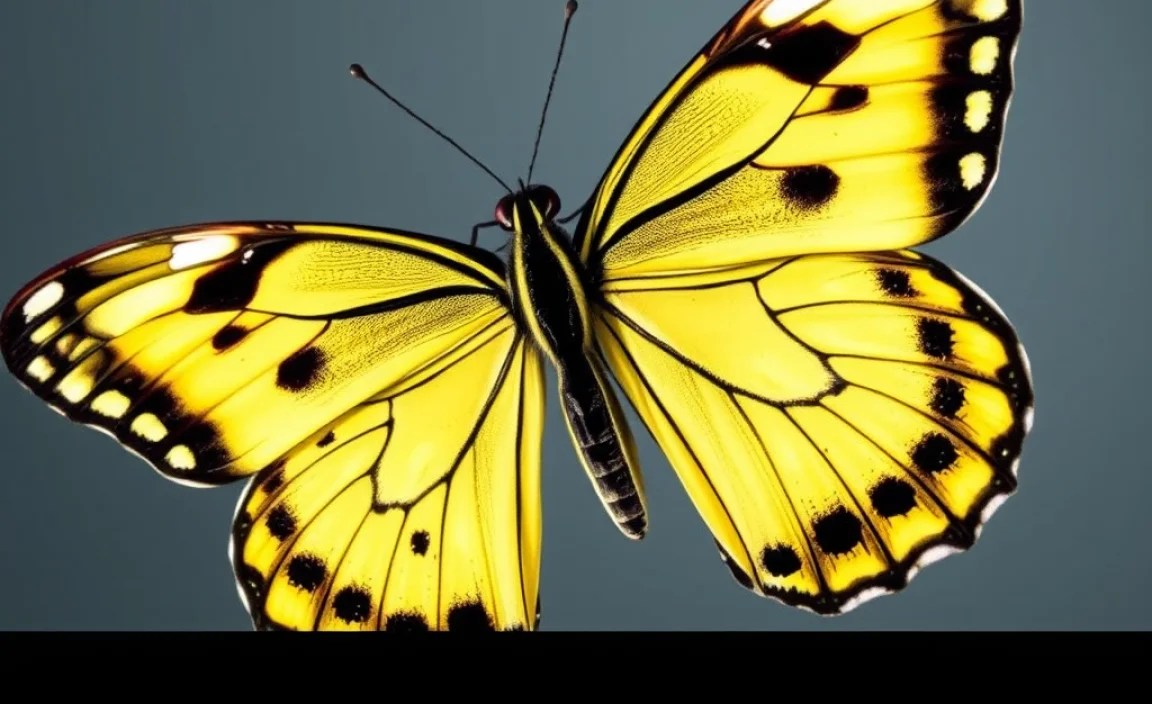
The wings of swallowtail butterflies are not just beautiful; they are also incredibly complex structures. Understanding their anatomy can help us appreciate the intricate design of these insects.
Wing Shape and Size
Swallowtail butterflies have large, triangular wings with distinctive “tails” or extensions on their hindwings. The wing shape and size vary among different species, but they all serve the same basic functions:
- Lift: The broad surface area of the wings provides lift, allowing the butterfly to fly.
- Maneuverability: The shape of the wings allows for precise control and maneuverability in the air.
- Display: The size and shape of the wings can also play a role in attracting mates and deterring predators.
Veins: The Wing’s Framework
The veins in a butterfly’s wings are like the framework of a building. They provide support and structure to the delicate wing membrane. Here’s what they do:
- Support: Veins provide structural support, preventing the wings from tearing during flight.
- Nutrient transport: They carry nutrients and fluids throughout the wing, keeping it healthy.
- Sensory function: Some veins have sensory receptors that help the butterfly detect changes in airflow.
Without veins, the wings would be too fragile to function.
Scales: Color and Protection
The scales on a butterfly’s wings are tiny, overlapping structures that give the wings their color and pattern. They also provide protection to the wing membrane. Key points include:
- Coloration: Scales contain pigments that give the wings their vibrant colors.
- Thermoregulation: Dark-colored scales can absorb sunlight, helping the butterfly regulate its body temperature.
- Protection: Scales protect the delicate wing membrane from damage and abrasion.
Each scale is a tiny piece of art, contributing to the overall beauty of the butterfly.
Swallowtail Butterfly Legs and Feet

While the wings often steal the show, the legs and feet of swallowtail butterflies are equally fascinating. They play important roles in walking, tasting, and grooming.
Leg Structure
Like all insects, swallowtail butterflies have six legs, which are divided into several segments:
- Coxa: The segment that attaches the leg to the thorax.
- Trochanter: A small segment between the coxa and the femur.
- Femur: The largest and strongest segment of the leg.
- Tibia: A long, slender segment that extends from the femur.
- Tarsus: The “foot” of the butterfly, consisting of several small segments.
Each segment is connected by joints, allowing for flexible movement.
Tarsal Claws and Pads
At the end of each tarsus, swallowtail butterflies have a pair of claws and soft pads called pulvilli. These structures help them grip surfaces and walk on smooth or uneven terrain. Here’s how they work:
- Claws: The claws provide a firm grip on rough surfaces, such as tree bark or flower petals.
- Pulvilli: The pulvilli are covered in sticky hairs that allow the butterfly to adhere to smooth surfaces, such as glass or leaves.
- Walking: The combination of claws and pulvilli allows the butterfly to walk on a variety of surfaces with ease.
These tiny claws and pads are essential for the butterfly’s mobility.
Taste Receptors on Feet
One of the most fascinating features of butterfly legs is the presence of taste receptors on their feet. These receptors allow the butterfly to “taste” a plant before laying its eggs on it. Key points include:
- Host plant selection: Female butterflies use their taste receptors to identify the correct host plant for their caterpillars.
- Chemical cues: The receptors detect specific chemicals in the plant that indicate its suitability as a food source.
- Egg-laying: If the plant “tastes” right, the butterfly will lay its eggs on it.
This remarkable adaptation ensures that the caterpillars have a suitable food source when they hatch.
| Leg Segment | Function | Description |
|---|---|---|
| Coxa | Attachment | Attaches leg to thorax |
| Trochanter | Movement | Small segment between coxa and femur |
| Femur | Support | Largest and strongest segment |
| Tibia | Extension | Long, slender segment |
| Tarsus | Grip, taste | “Foot” with claws and taste receptors |
The Abdomen and Internal Organs
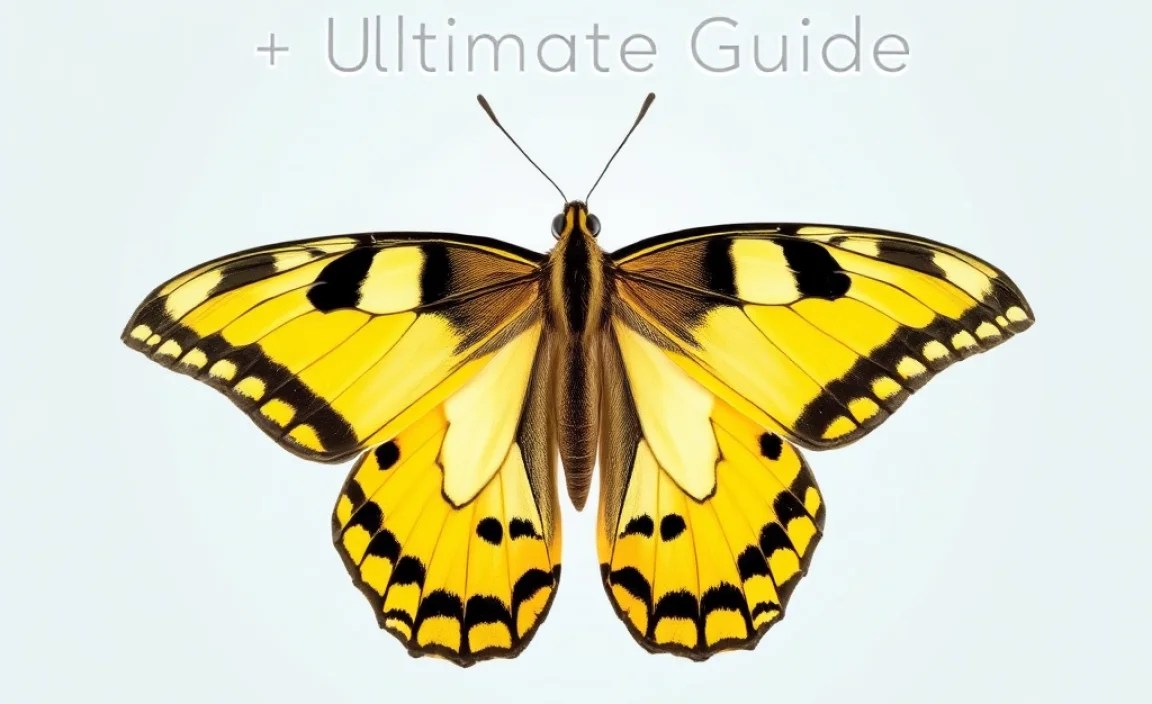
The abdomen is the powerhouse of a swallowtail butterfly, housing essential organs for digestion, reproduction, and respiration. Let’s take a peek inside.
Digestive System
The digestive system of a swallowtail butterfly is relatively simple, but it’s perfectly adapted for processing nectar. Here’s how it works:
- Mouth: Nectar is drawn into the mouth through the proboscis.
- Esophagus: The nectar travels down the esophagus to the crop.
- Crop: The crop is a storage organ where nectar is held until it can be digested.
- Midgut: The midgut is where digestion and absorption of nutrients occur.
- Hindgut: The hindgut is responsible for eliminating waste products.
The digestive system efficiently extracts sugars and nutrients from the nectar, providing the butterfly with the energy it needs to fly and reproduce.
According to research from the University of Florida, butterflies, like the swallowtail, depend heavily on nectar for their energy. They emphasize the significance of nectar sources in butterfly conservation efforts [University of Florida].
Reproductive System
The reproductive system is located in the abdomen and is essential for the continuation of the species. Here’s what you need to know:
- Ovaries (females): The ovaries produce eggs, which are fertilized by sperm from a male butterfly.
- Testes (males): The testes produce sperm, which are transferred to the female during mating.
- Egg-laying: Female butterflies lay their eggs on specific host plants, ensuring that the caterpillars have a suitable food source when they hatch.
The reproductive system is a marvel of natural engineering, ensuring the survival of swallowtail butterflies for generations to come.
Respiratory System
Unlike mammals, butterflies don’t have lungs. Instead, they have a network of tubes called tracheae that carry oxygen directly to their tissues. Here’s how it works:
- Spiracles: Air enters the body through small openings called spiracles, which are located on the sides of the abdomen and thorax.
- Tracheae: The air travels through the tracheae, which branch out into smaller and smaller tubes that reach every cell in the body.
- Gas exchange: Oxygen diffuses from the tracheae into the cells, while carbon dioxide diffuses out.
This efficient respiratory system allows butterflies to get the oxygen they need to fly and perform other activities. You can read more about insect respiration at Science Learning Hub.
Attracting Swallowtail Butterflies to Your Garden

Now that you know all about the body parts of swallowtail butterflies, why not try to attract them to your garden? Here are a few tips to get you started:
Plant Host Plants
Swallowtail caterpillars are picky eaters, so it’s important to plant the right host plants in your garden. Some popular choices include:
- Dill: A favorite of black swallowtail caterpillars.
- Parsley: Another great choice for black swallowtails.
- Fennel: Attractive to anise swallowtail caterpillars.
- Citrus trees: Host plants for giant swallowtail caterpillars.
Planting these host plants will provide food for the caterpillars and encourage the butterflies to lay their eggs in your garden.
Provide Nectar Sources
Adult swallowtail butterflies need nectar to fuel their flight and reproduction. Plant a variety of nectar-rich flowers in your garden to provide them with a constant food source. Some good choices include:
- Butterfly bush: A classic choice for attracting butterflies.
- Zinnia: Colorful and easy to grow.
- Lantana: Produces clusters of bright flowers.
- Salvia: A favorite of hummingbirds and butterflies alike.
Choose flowers with different colors and shapes to attract a wide variety of butterflies.
Avoid Pesticides
Pesticides can be harmful to butterflies and other beneficial insects. Avoid using pesticides in your garden, or choose organic options that are less toxic. Remember, a healthy ecosystem supports a diverse range of species, including swallowtail butterflies.
The Xerces Society offers resources on protecting butterflies and other pollinators from pesticides [The Xerces Society].
FAQ About Swallowtail Butterfly Body Parts Names
Here are some frequently asked questions about swallowtail butterfly body parts names:
What are the main body parts of a swallowtail butterfly?
The main body parts are the head, thorax, and abdomen. The head contains the antennae, eyes, and proboscis. The thorax is where the wings and legs are attached, and the abdomen houses the digestive and reproductive organs.
What do butterflies use their antennae for?
Butterflies use their antennae to sense their environment. They detect scents, air currents, and vibrations, helping them find nectar sources, mates, and host plants for their caterpillars.
How do butterflies drink nectar?
Butterflies drink nectar using a long, straw-like structure called a proboscis. When not in use, it’s coiled up under their head. They uncoil it to sip nectar from flowers.
Do butterflies taste with their feet?
Yes, butterflies have taste receptors on their feet. This allows them to “taste” a plant before laying their eggs on it, ensuring it’s a suitable food source for their caterpillars.
What are butterfly wings made of?
Butterfly wings are covered in thousands of tiny scales. These scales give the wings their color and pattern and provide protection to the wing membrane.
How do butterflies breathe?
Butterflies breathe through small openings called spiracles, which are located on the sides of their abdomen and thorax. Air enters through these spiracles and travels through a network of tubes called tracheae, which carry oxygen directly to their tissues.
Why is it important to know about butterfly body parts?
Knowing about butterfly body parts helps us understand how these creatures live, what they need to survive, and how we can help protect them. It also deepens our appreciation for their beauty and complexity.
Conclusion
Understanding the body parts of swallowtail butterflies gives us a deeper appreciation for these amazing creatures. From their sensory antennae to their nectar-sipping proboscis and intricately patterned wings, each part plays a vital role in their survival. By learning about their anatomy, we can better understand their needs and how to protect them.
So, the next time you see a swallowtail butterfly flitting through your garden, take a moment to admire its intricate design and remember all the fascinating details we’ve discussed. By creating butterfly-friendly habitats and spreading awareness about their importance, we can help ensure that these beautiful insects continue to grace our world for generations to come. Let’s all do our part to protect these delicate creatures and the ecosystems they inhabit.


