
Painted Lady Butterfly Basic Identification: Easy Guide

Have you ever seen a butterfly with orange wings? Did it have brown and white spots? Maybe it was a painted lady butterfly. These butterflies are pretty common. Knowing painted lady butterfly basic identification helps. It lets you know what you are seeing. Imagine finding one in your backyard!
Painted lady butterflies are found all over. They live on many continents. They fly far distances. These butterflies are interesting to learn about. Understanding their look is the first step. Basic identification will make you a butterfly expert.
Learning about butterflies is fun. You can find them in gardens. You can see them in fields. Painted lady butterflies are special. Their colors and patterns are unique. Let’s learn how to spot them. Painted lady butterfly basic identification is easier than you think.
Key Takeaways
- Painted lady butterflies have orange, brown, and white patterns on their wings.
- Look for small white spots inside the black tips of their forewings.
- Painted lady butterfly basic identification includes recognizing their medium size.
- They are found in many places, including gardens and open fields.
- These butterflies migrate long distances, making them world travelers.
Painted Lady Butterfly Basic Identification: Overview
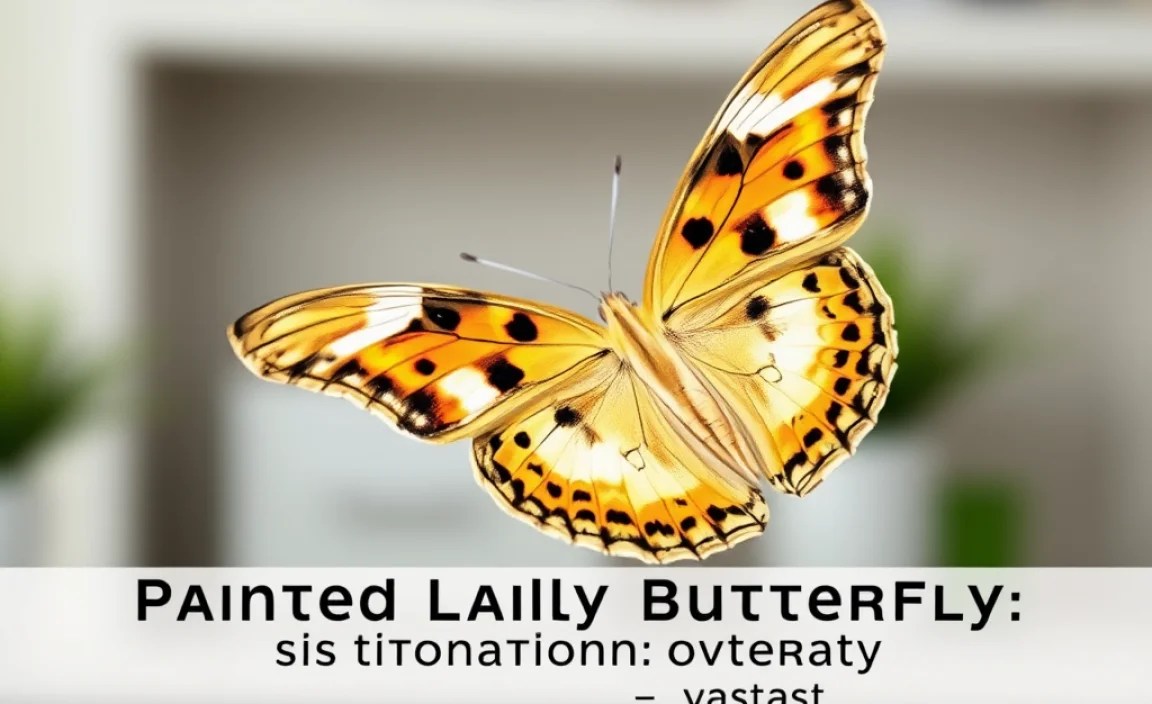
Painted lady butterflies are beautiful insects. They belong to the Nymphalidae family. This family has many kinds of brush-footed butterflies. Knowing their features helps with painted lady butterfly basic identification. These butterflies have distinct markings. Their wings have orange, brown, and black colors. They also have small white spots. These spots are on the tips of their front wings. The painted lady is a medium-sized butterfly. It is not too big and not too small. They are common in many parts of the world. They can be found in gardens, meadows, and fields. They are known for their long migrations. Some travel thousands of miles. Learning to identify them is easy. Just look for their colors and patterns. You’ll be able to spot them anywhere. It’s like becoming a butterfly detective!
- Painted ladies have orange and brown wings.
- They have white spots on black tips.
- These butterflies are medium-sized.
- They live in many places worldwide.
- They are famous for long migrations.
Understanding painted lady butterfly basic identification involves several key features. Their wingspan usually ranges from two to three inches. The upperside of their wings shows a mix of orange, brown, and black. The underside is more muted. It features intricate patterns of brown and gray. The white spots on the forewings are a key identifier. These spots are very helpful for telling them apart from other butterflies. They are active during the day. You often see them flying around looking for nectar. They visit many different flowers. Their caterpillars eat thistle plants. Knowing these details makes identification simple. You can easily recognize them in your garden or local park. It’s like having a secret code to understand nature.
Fun Fact or Stat: Painted lady butterflies can fly up to 100 miles in a single day during their migration!
What Is the Wing Pattern?
Have you ever wondered what makes a painted lady’s wings so special? The wing pattern is a key part of painted lady butterfly basic identification. The top side of the wings has a mix of colors. You’ll see orange, brown, and black. The front wings have black tips. Inside these tips are small white spots. The hindwings have a row of small spots. These spots are usually blue or black. The underside of the wings is different. It has more muted colors. The patterns are complex and intricate. These patterns help the butterfly hide. They blend in with their surroundings. Each part of the wing has a purpose. The colors attract mates. The patterns provide camouflage. Looking closely at the wings tells you a lot about the butterfly. It’s like reading a story written in colors and shapes.
How Big Are They?
Imagine holding a butterfly in your hand. How big would it be? Size is important for painted lady butterfly basic identification. Painted lady butterflies are medium-sized. Their wingspan is usually two to three inches. This is bigger than a small butterfly. It is smaller than a large one. The size helps to tell them apart. Monarch butterflies are larger. Other butterflies are much smaller. When you see a butterfly, think about its size. Is it tiny, medium, or large? This clue helps you identify it. Size is just one part of the puzzle. Look at the colors and patterns too. Together, these clues make identification easy. It’s like using a measuring tape to understand nature.
Where Do They Live?
Have you ever thought about where butterflies live? The habitat is key for painted lady butterfly basic identification. Painted lady butterflies live in many places. They are found on almost every continent. This includes North America, Europe, Asia, and Africa. They like open areas. Gardens, fields, and meadows are perfect. They need places with flowers. The flowers give them nectar to eat. Their caterpillars eat thistle plants. So, they need places with thistles. They migrate long distances. This means they can be found almost anywhere. Look for them in sunny spots. They love to bask in the sun. Knowing where they live helps you find them. It’s like knowing where to look for hidden treasure.
Colors and Markings for Painted Lady Identification

The colors and markings are very important. They are essential for painted lady butterfly basic identification. These butterflies have a mix of orange, brown, and black. The orange color is bright and noticeable. The brown color adds contrast. The black markings are distinct and clear. The white spots on the wing tips are key. They help distinguish them from other butterflies. The patterns on the underside of the wings are complex. They look like a mix of browns and grays. These patterns help them blend in. Each color and marking has a purpose. The bright colors attract mates. The patterns help them hide from predators. Learning these details makes identification easy. It’s like learning a secret code of nature.
- Orange, brown, and black colors are common.
- White spots on the wing tips are key.
- Underside patterns are complex and muted.
- Colors help attract mates.
- Patterns help them hide.
When you look closely, you can see many details. The orange color can vary. Some butterflies are brighter than others. The brown can be dark or light. The black markings are always clear. The white spots are usually small and round. The patterns on the underside are very detailed. They look like tiny lines and curves. These details help the butterfly blend in with its surroundings. They can hide from birds and other predators. The colors and markings work together. They help the butterfly survive. Painted lady butterfly basic identification depends on noticing these details. It’s like being a detective, looking for clues.
Fun Fact or Stat: The patterns on the underside of a painted lady’s wings are unique to each butterfly, like a human fingerprint!
What Does the Top Side Look Like?
Imagine you are looking down at a butterfly’s wings. What do you see? The top side is important for painted lady butterfly basic identification. The top side has orange, brown, and black colors. The front wings have black tips. Inside the black tips are small white spots. These spots are a key identifier. The hindwings have a row of small spots. These spots can be blue or black. The colors are bright and clear. They help the butterfly attract mates. The pattern is distinct and easy to recognize. Look for the orange color. Look for the black tips with white spots. These features make painted lady butterflies stand out. It’s like seeing a beautiful painting in the sky.
What Does the Underside Look Like?
Now, imagine you are looking at the bottom of the wings. What do you see there? The underside is also useful for painted lady butterfly basic identification. The underside has muted colors. You will see browns and grays. The patterns are complex and intricate. They look like tiny lines and curves. These patterns help the butterfly hide. They blend in with leaves and branches. The underside is less colorful than the top. But it is just as important. It helps the butterfly survive. When you see a butterfly, try to look at the underside. You will see a hidden world of patterns and colors. It’s like discovering a secret garden on the wings.
Why Are the Markings Important?
Have you ever wondered why butterflies have markings? Markings are very important for painted lady butterfly basic identification. The markings help butterflies in many ways. They attract mates with bright colors. They hide from predators with camouflage. The white spots on the wing tips are a key identifier. They help tell painted lady butterflies apart from others. The complex patterns on the underside help them blend in. Each marking has a purpose. The markings help them survive. When you see a butterfly, remember the markings. They tell you a lot about the butterfly. It’s like reading a map that shows how to survive.
Size and Shape: Key Identification Points

Size and shape are important clues. They help with painted lady butterfly basic identification. These butterflies are medium-sized. Their wingspan is usually two to three inches. The shape of their wings is also unique. The front wings are triangular. The hindwings are more rounded. The combination of size and shape is very helpful. It helps to tell them apart from other butterflies. Monarch butterflies are larger. Swallowtail butterflies have different shapes. Paying attention to size and shape makes identification easier. It’s like using a ruler and compass to understand nature.
- They are medium-sized butterflies.
- Their wingspan is two to three inches.
- Front wings are triangular in shape.
- Hindwings are more rounded.
- Size and shape help differentiate them.
When you see a butterfly, think about its size. Is it small, medium, or large? Then, look at the shape of the wings. Are they pointy or round? These details can help you identify the butterfly. Painted lady butterflies are not too big and not too small. Their wings are not too pointy and not too round. This combination is unique to them. Remember these details. They will help you spot painted lady butterflies anywhere. Painted lady butterfly basic identification relies on observing these simple traits. It’s like learning a secret code to unlock the identity of each butterfly you see.
Fun Fact or Stat: The wings of a painted lady butterfly are covered in tiny scales that give them their color and pattern!
How Big Are the Wings?
Imagine measuring a butterfly’s wings. How long would they be? Wing size is a key factor for painted lady butterfly basic identification. Painted lady butterflies have a wingspan of two to three inches. This is a medium size. It is bigger than some butterflies. It is smaller than others. The size helps to identify them. When you see a butterfly, estimate its wingspan. Is it about the size of your finger? Or is it much bigger? This clue helps you narrow down the possibilities. Size is just one part of the puzzle. Look at the colors and patterns too. Together, these clues make identification simple. It’s like using a measuring tape to understand nature.
What Is the Wing Shape?
Think about the shape of different butterfly wings. What shapes do you see? Wing shape is important for painted lady butterfly basic identification. Painted lady butterflies have triangular front wings. Their hindwings are more rounded. This combination is unique. It helps to tell them apart from other butterflies. Some butterflies have long, narrow wings. Others have wide, round wings. The shape of the wings helps them fly. It also helps them blend in with their surroundings. When you see a butterfly, notice the shape of its wings. It’s like looking at the blueprint of how they fly.
Why Is Size and Shape Important?
Have you ever wondered why size and shape matter? Size and shape are important for painted lady butterfly basic identification. They help us tell butterflies apart. Size helps us compare them. Shape helps us see unique features. Painted lady butterflies have a medium size and unique wing shapes. These features help us identify them quickly. Without size and shape, it would be harder to know what we are seeing. So, pay attention to these details. They make butterfly identification easier. It’s like having a set of clues to solve a mystery.
Habitat and Location: Where to Find Them

Knowing where to look is key. Habitat and location help with painted lady butterfly basic identification. These butterflies live in many places. They are found on almost every continent. This includes North America, Europe, Asia, and Africa. They like open areas. Gardens, fields, and meadows are perfect. They need places with flowers. The flowers give them nectar to eat. Their caterpillars eat thistle plants. So, they need places with thistles. They migrate long distances. This means they can be found almost anywhere. Look for them in sunny spots. They love to bask in the sun. Knowing where they live helps you find them. It’s like knowing where to look for hidden treasure.
- They live on many continents.
- They like open areas and gardens.
- Caterpillars eat thistle plants.
- They migrate long distances.
- Look for them in sunny spots.
When you go outside, think about the habitat. Are there flowers? Are there thistles? Is it a sunny spot? If so, you might see a painted lady butterfly. They are more common in some areas than others. They are often seen during the summer months. They are less common in the winter. This is because they migrate to warmer places. Knowing when and where to look increases your chances of finding them. Painted lady butterfly basic identification also involves knowing their environment. It’s like understanding the best place to find a rare bird or a special plant.
Fun Fact or Stat: Painted lady butterflies are one of the most widespread butterfly species in the world!
What Kind of Environment Do They Prefer?
Imagine you are a butterfly. Where would you want to live? Painted lady butterflies prefer open environments. They like gardens with lots of flowers. They also like fields and meadows. They need sunny spots to warm their wings. Their caterpillars need thistle plants to eat. So, they need places with thistles. They like places with a mix of plants and flowers. This gives them food and shelter. When you are looking for them, think about these environments. Look for sunny spots with flowers and thistles. It’s like creating the perfect butterfly home in your mind.
What Time of Year Are They Most Common?
Think about the seasons. When do you see the most butterflies? Painted lady butterflies are most common in the summer. This is when the weather is warm. It is also when flowers are blooming. They migrate in the spring and fall. This means you might see them then too. But they are most common in the summer. Look for them on sunny days. They love to fly around and find nectar. Knowing the time of year helps you find them. It’s like knowing when your favorite fruit is ripe.
Do They Migrate?
Have you ever heard of butterflies traveling long distances? Painted lady butterflies are famous for their migrations. They travel thousands of miles. They fly from North Africa to Europe. They also fly across North America. They migrate to find food and warmer weather. This makes them one of the most widespread butterflies. Their migration is amazing. It shows how strong and adaptable they are. When you see a painted lady butterfly, remember its journey. It’s like seeing a tiny traveler from a faraway land.
Food and Diet: What Do Painted Ladies Eat?
What do butterflies eat? Food and diet are important to know. This helps with painted lady butterfly basic identification. Adult painted lady butterflies eat nectar. Nectar is a sweet liquid. It is found in flowers. They use a long, straw-like tongue. This tongue is called a proboscis. They stick it into the flower. Then, they suck up the nectar. Caterpillars eat different things. They eat thistle plants. Thistle plants are prickly. But the caterpillars love them. Knowing what they eat helps you find them. Look for adults near flowers. Look for caterpillars near thistles. It’s like knowing where to find your favorite snacks.
- Adults eat nectar from flowers.
- They use a proboscis to suck nectar.
- Caterpillars eat thistle plants.
- Knowing their food helps find them.
- Look near flowers and thistles.
The food that painted lady butterflies eat provides them with energy. Nectar is full of sugar. This gives them the energy to fly. Thistle plants give caterpillars nutrients. These nutrients help them grow. The diet of a painted lady butterfly changes as it grows. Caterpillars need lots of food to become butterflies. Butterflies need nectar to stay alive. Understanding their diet helps you appreciate them. Painted lady butterfly basic identification includes understanding their needs. It’s like knowing what fuel a car needs to run.
Fun Fact or Stat: A painted lady butterfly can taste with its feet!
What Do Adult Butterflies Eat?
Imagine you are a butterfly. What would you want to eat? Adult painted lady butterflies eat nectar. Nectar is a sweet liquid. It is found in flowers. They use their proboscis to suck up the nectar. They visit many different flowers. They like flowers with bright colors. These colors attract them. They also like flowers with lots of nectar. Some of their favorite flowers are daisies and sunflowers. Knowing what they eat helps you find them. Look for them near these flowers. It’s like knowing where to find your favorite candy.
What Do Caterpillars Eat?
Think about what a caterpillar likes to munch on. What is their favorite food? Painted lady caterpillars eat thistle plants. Thistle plants are prickly. But the caterpillars love them. They eat the leaves of the thistle plant. This gives them the nutrients they need to grow. They eat a lot of thistle leaves. They need to grow big and strong. Without thistle plants, they cannot survive. So, thistle plants are very important. It’s like having the perfect recipe for growing up.
Why Is Their Diet Important?
Have you ever thought about why a diet matters? A diet is very important for painted lady butterflies. It gives them the energy they need. Nectar gives adults energy to fly. Thistle plants give caterpillars nutrients to grow. Without the right food, they cannot survive. Their diet is essential for their life cycle. It helps them grow from eggs to caterpillars to butterflies. Understanding their diet helps you appreciate them. It’s like understanding why we need healthy food to grow.
Life Cycle Stages and Identification Clues
Butterflies change a lot during their lives. Life cycle stages give identification clues. This helps with painted lady butterfly basic identification. They start as eggs. The eggs are small and green. Then, they hatch into caterpillars. Caterpillars eat a lot. They grow quickly. Next, they become pupae. The pupa is in a chrysalis. Inside, the caterpillar changes. Finally, they emerge as butterflies. The butterfly lays eggs. The cycle starts again. Each stage looks different. Knowing the stages helps you identify them. It’s like watching a plant grow from a seed.
- They start as small, green eggs.
- Eggs hatch into caterpillars.
- Caterpillars eat and grow quickly.
- They become pupae in a chrysalis.
- Butterflies emerge and lay eggs.
Each stage in the life cycle has unique features. The eggs are tiny and hard to see. The caterpillars are colorful and have spines. The chrysalis is green or brown. It blends in with its surroundings. The butterfly has bright colors and patterns. By knowing what to look for, you can identify them at any stage. Painted lady butterfly basic identification involves understanding their life cycle. It’s like understanding the different chapters in a book.
| Life Cycle Stage | Description | Identification Clues | Duration |
|---|---|---|---|
| Egg | Small, green, laid on thistle plants | Tiny size, green color, on host plant | 3-5 days |
| Caterpillar | Spiny, variable colors, eats thistle | Spines, thistle diet, growing quickly | 2-4 weeks |
| Pupa (Chrysalis) | Green or brown, hangs upside down | Camouflaged color, immobile | 1-2 weeks |
| Adult Butterfly | Orange, brown, white spots on wings | Distinct wing patterns, nectar diet | 2-4 weeks |
Fun Fact or Stat: The caterpillar of a painted lady butterfly can grow up to 3,000 times its original size!
What Does the Egg Look Like?
Imagine finding a tiny egg on a leaf. What would it look like? Painted lady butterfly eggs are small and green. They are laid on thistle plants. They are hard to see because they are so small. They are usually laid alone. The eggs are the start of the butterfly’s life. They hold the tiny caterpillar inside. When you find an egg, look closely. It might be the start of a beautiful butterfly. It’s like finding a tiny seed that will grow into a flower.
What Does the Caterpillar Look Like?
Think about a caterpillar crawling on a leaf. What does it look like? Painted lady butterfly caterpillars are colorful. They have spines on their bodies. They eat thistle plants. They grow quickly. They shed their skin as they grow. They come in different colors. Some are green, some are brown, and some are black. The caterpillar is the eating stage of the butterfly’s life. It needs to eat a lot to grow big and strong. It’s like a little eating machine that turns into a butterfly.
What Does the Chrysalis Look Like?
Have you ever seen a chrysalis hanging from a branch? What does it look like? The painted lady butterfly chrysalis is green or brown. It hangs upside down from a branch or leaf. It blends in with its surroundings. This helps it hide from predators. Inside the chrysalis, the caterpillar is changing. It is turning into a butterfly. The chrysalis is a safe place for this change to happen. It’s like a secret room where magic happens.
Similar Species: Avoiding Misidentification
Many butterflies look alike. Knowing similar species helps avoid misidentification. This helps with painted lady butterfly basic identification. The American lady butterfly is similar. It also has orange and brown colors. The monarch butterfly is larger. It has different wing patterns. The viceroy butterfly looks like a monarch. But it is smaller and has a black line on its hindwings. Learning the differences helps you identify them correctly. It’s like learning the difference between a dog and a wolf.
- American lady butterflies are similar.
- Monarch butterflies are larger.
- Viceroy butterflies mimic monarchs.
- Learn the differences to avoid mistakes.
- Look for unique markings.
When you see a butterfly, don’t assume it is a painted lady. Look closely at the colors and patterns. Check the size and shape of the wings. Compare it to pictures of other butterflies. This will help you make sure you are right. Painted lady butterfly basic identification requires careful observation. It’s like being a scientist, making sure your observations are accurate.
Fun Fact or Stat: Some butterflies mimic the appearance of poisonous species to protect themselves from predators!
What Is an American Lady Butterfly?
Imagine seeing a butterfly that looks like a painted lady. But is it really? The American lady butterfly is similar to the painted lady. It also has orange and brown colors. But it has two large eyespots on its hindwings. The painted lady has smaller spots. The American lady is also smaller. Knowing these differences helps you tell them apart. It’s like knowing the difference between two similar kinds of flowers.
How Is a Monarch Different?
Think about the big, orange monarch butterfly. How is it different from a painted lady? Monarch butterflies are larger. They have different wing patterns. Their wings have thick black lines. They also have white spots along the edges. Painted lady butterflies have more complex patterns. Monarchs migrate long distances too. But they are easy to tell apart. It’s like knowing the difference between an elephant and a mouse.
What About Viceroy Butterflies?
Have you ever heard of a butterfly that pretends to be another? Viceroy butterflies mimic monarch butterflies. This means they look like monarchs. This protects them from predators. Predators avoid monarchs because they taste bad. Viceroys are smaller than monarchs. They also have a black line on their hindwings. This line is not on monarch wings. Knowing this difference helps you identify them. It’s like knowing the secret code that tells them apart.
Summary
Painted lady butterflies are common and beautiful insects. Painted lady butterfly basic identification involves recognizing their orange, brown, and black wings. Key features include the white spots on the black tips of their forewings. They are medium-sized and found in many places. These butterflies migrate long distances, making them world travelers. Caterpillars eat thistle plants, while adults drink nectar from flowers.
Identifying them also means knowing their life cycle stages. From eggs to caterpillars to pupae to butterflies, each stage is unique. Knowing similar species, like American ladies and monarchs, helps avoid mistakes. By learning these details, you can easily identify painted lady butterflies. You will become a butterfly expert in no time. Observing these beautiful creatures is a fun and rewarding experience.
Conclusion
Learning painted lady butterfly basic identification is fun and easy. You can spot them in your garden or local park. Look for their orange and brown wings. Notice the white spots on the black tips. Remember their medium size. Knowing what they eat and where they live helps too. You can now impress your friends with your butterfly knowledge. Keep exploring the world around you. There are many more amazing things to discover. Happy butterfly watching!
Frequently Asked Questions
Question No 1: What are the key features for painted lady butterfly basic identification?
Answer: The key features include orange, brown, and black wings. They have white spots on the black tips of their forewings. The butterflies are medium-sized. Understanding these features makes it easy to identify them. They are also found in many different habitats. Remember to look for these details when trying to identify a painted lady butterfly. It’s like having a checklist for butterfly identification.
Question No 2: Where can I find painted lady butterflies?
Answer: Painted lady butterflies live in many places. They are found on almost every continent. This includes North America, Europe, Asia, and Africa. Look for them in open areas. Gardens, fields, and meadows are perfect. They need places with flowers. The flowers give them nectar to eat. Their caterpillars eat thistle plants. So, they need places with thistles. They migrate long distances. This means they can be found almost anywhere. They prefer sunny spots. It’s like looking for them where they have their favorite food.
Question No 3: What do painted lady butterflies eat?
Answer: Adult painted lady butterflies eat nectar. Nectar is a sweet liquid found in flowers. They use a long, straw-like tongue called a proboscis. They stick it into the flower and suck up the nectar. Caterpillars eat thistle plants. These plants are prickly. But the caterpillars love them. The caterpillars eat the leaves of the thistle plant. This gives them the nutrients they need to grow. It’s like they have their own special menu.
Question No 4: How can I tell a painted lady butterfly from a monarch?
Answer: Monarch butterflies are larger than painted lady butterflies. They also have different wing patterns. Monarch wings have thick black lines. They have white spots along the edges. Painted lady butterflies have more complex patterns. Their wings have orange, brown, and black colors. They also have white spots on the black tips of their front wings. So, look at the size and wing patterns to tell them apart. It’s like comparing two different kinds of apples.
Question No 5: What is the life cycle of a painted lady butterfly?
Answer: The painted lady butterfly life cycle has four stages. It starts as an egg. The egg hatches into a caterpillar. The caterpillar eats and grows. Then, it becomes a pupa inside a chrysalis. Finally, a butterfly emerges from the chrysalis. The butterfly lays eggs and the cycle starts again. Each stage looks different. Painted lady butterfly basic identification is easier when you know the life cycle. It’s like watching a plant grow from a seed to a flower.
Question No 6: Why is painted lady butterfly basic identification important?
Answer: Knowing how to identify painted lady butterflies helps you appreciate nature. You can learn about their behavior and habits. It also helps you tell them apart from other butterflies. This makes butterfly watching more fun. You can share your knowledge with others. Painted lady butterfly basic identification lets you connect with the natural world. It’s like learning a new language to understand the world around you.


