
European Butterfly Wing Patterns Explained: Ultimate Guide

Butterfly wings display amazing patterns that aren’t just pretty – they’re vital for survival! From camouflage to mimicry, these designs help butterflies hide from predators, attract mates, and regulate their body temperature. Understanding these patterns unlocks a deeper appreciation for these delicate creatures and their role in our ecosystems.
Ever wondered why butterflies have such vibrant and varied wing patterns? It’s not just for show! These patterns play crucial roles in their lives, from defense to attracting a partner. Identifying these patterns can seem tricky, but don’t worry! I’ll guide you through the most common types of wing patterns found on European butterflies. You’ll learn how to identify different strategies like camouflage and mimicry, and gain a deeper understanding of these beautiful insects.
Ready to explore the fascinating world of butterfly wing patterns? Let’s begin!
Understanding Butterfly Wing Anatomy
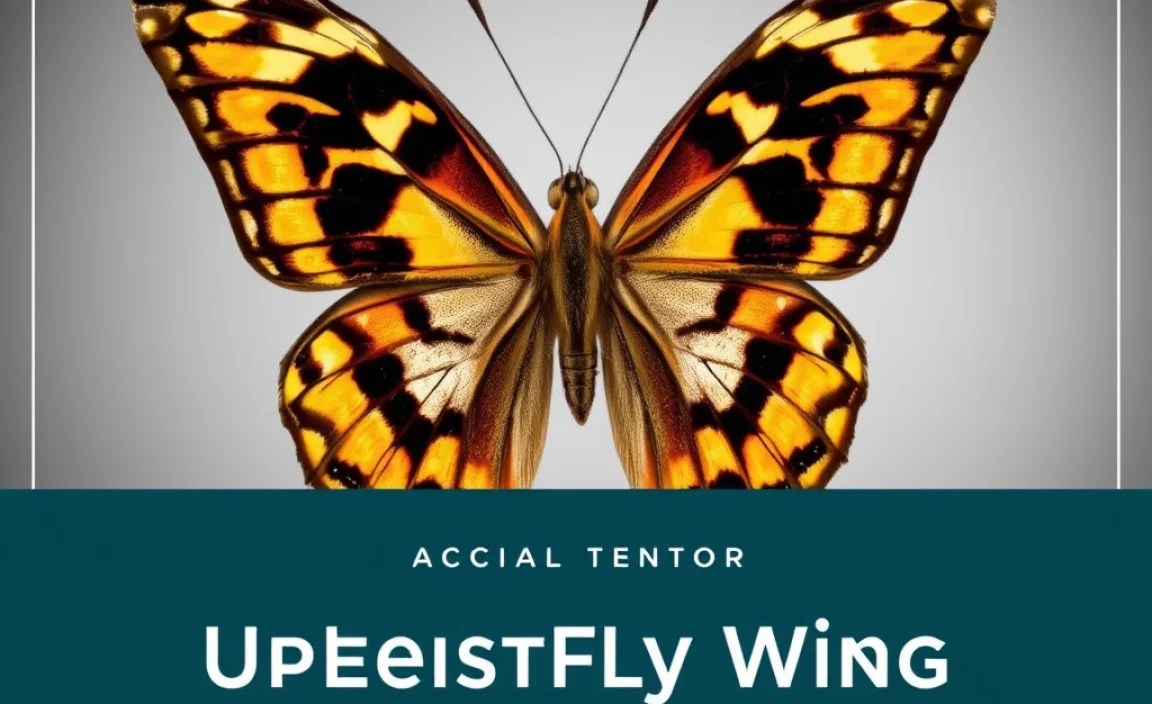
Before we dive into specific patterns, let’s quickly review the basic parts of a butterfly’s wing. Knowing these terms will make it easier to understand how patterns are formed and described.
- Forewing: The front wings, usually larger and more triangular.
- Hindwing: The back wings, often rounder and sometimes with tails.
- Margin: The outer edge of the wing.
- Cell: The central area of the wing, often enclosed by veins.
- Veins: The lines that support the wing structure.
- Spots & Bands: Markings of different shapes and colors.
Common Types of Butterfly Wing Patterns
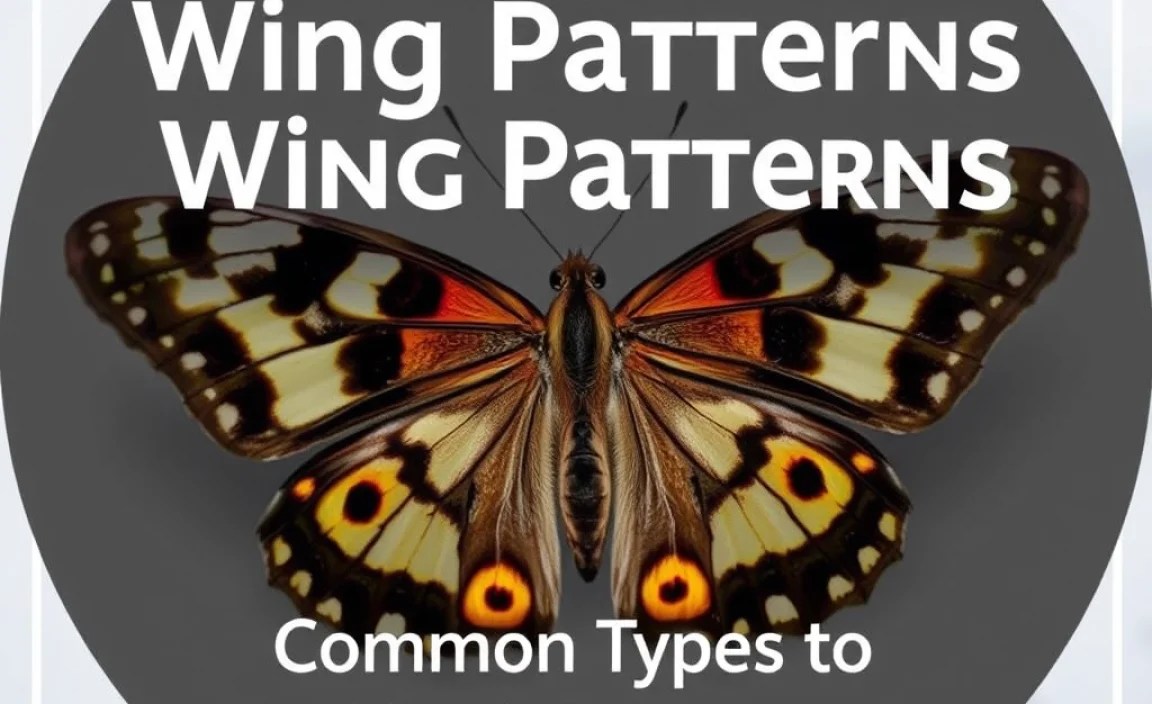
European butterflies showcase a stunning array of wing patterns. Here, we’ll explore some of the most common and fascinating types.
1. Camouflage: Blending In
Camouflage is when a butterfly’s wing patterns help it blend into its environment, making it harder for predators to spot. Butterflies using camouflage often rest with their wings closed, displaying the cryptic undersides.
Examples:
- The Speckled Wood (Pararge aegeria): This butterfly has mottled brown and yellow patterns that mimic dappled sunlight on the forest floor.
- The Willow Emerald (Chalcolestes viridis): This butterfly has green wings that allow it to blend in with foliage.
2. Eyespots: The Startle Effect
Eyespots are circular markings that resemble eyes. These are often located near the edge of the wings. They serve several purposes:
- Deflection: They can distract predators, causing them to attack the wing instead of the body.
- Startle: They can startle a predator, giving the butterfly time to escape.
Examples:
- The Peacock Butterfly (Aglais io): This butterfly has prominent eyespots on its wings, which it flashes to deter predators.
- The Meadow Brown (Maniola jurtina): This butterfly has smaller eyespots, usually more prominent on the underside of the hindwings.
3. Aposematism (Warning Coloration): “I’m Poisonous!”
Aposematism is when bright, contrasting colors signal to predators that the butterfly is poisonous or distasteful. This is a bold strategy, relying on the predator’s learned avoidance.
Examples:
- The Cinnabar Moth (Tyria jacobaeae): Although a moth, it is frequently mistaken for a butterfly, and its bright red and black markings warn predators of its toxicity due to feeding on ragwort.
4. Mimicry: Copying Others
Mimicry is when one butterfly species evolves to resemble another. There are two main types:
- Batesian Mimicry: A palatable (tasty) species mimics an unpalatable (distasteful) one. The mimic benefits from the predator’s learned avoidance of the model.
- Müllerian Mimicry: Several unpalatable species resemble each other. This reinforces the warning signal to predators, benefiting all species involved.
Examples:
- The Scarce Swallowtail (Iphiclides podalirius): While not a perfect mimic, its striped pattern and “tails” on the hindwings bear a resemblance to certain poisonous swallowtail butterflies found outside of Europe.
5. Sexual Dimorphism: Different Looks for Males and Females
Sexual dimorphism is when males and females of the same species have different wing patterns. This can be for mate recognition or to signal reproductive status.
Examples:
- The Orange-tip (Anthocharis cardamines): Males have bright orange tips on their forewings, while females lack this orange coloration.
- The Brimstone (Gonepteryx rhamni): Males are a vibrant yellow, while females are a paler greenish-white.
6. Iridescence: Shimmering Colors
Iridescence is when the wing surface reflects light in a way that creates shimmering, changing colors. This is caused by the microscopic structure of the wing scales, which diffract light.
Examples:
- Certain Morpho butterflies (though not native to Europe, they demonstrate iridescence spectacularly).
Diving Deeper: Specific Patterns and Their Meanings

Now, let’s look at some specific wing pattern elements and what they might indicate:
- Dark Borders: These can provide contrast, making the butterfly more visible to potential mates. They can also serve as a form of disruptive coloration, breaking up the butterfly’s outline.
- Light Patches: These can create the illusion of holes in the wings, making the butterfly look damaged and less appealing to predators.
- Streaks and Lines: These can help the butterfly blend into grassy or wooded environments.
- Color Intensity: Brighter colors often signal stronger toxicity or greater mating fitness.
Identifying Butterflies by Their Wing Patterns: A Step-by-Step Guide
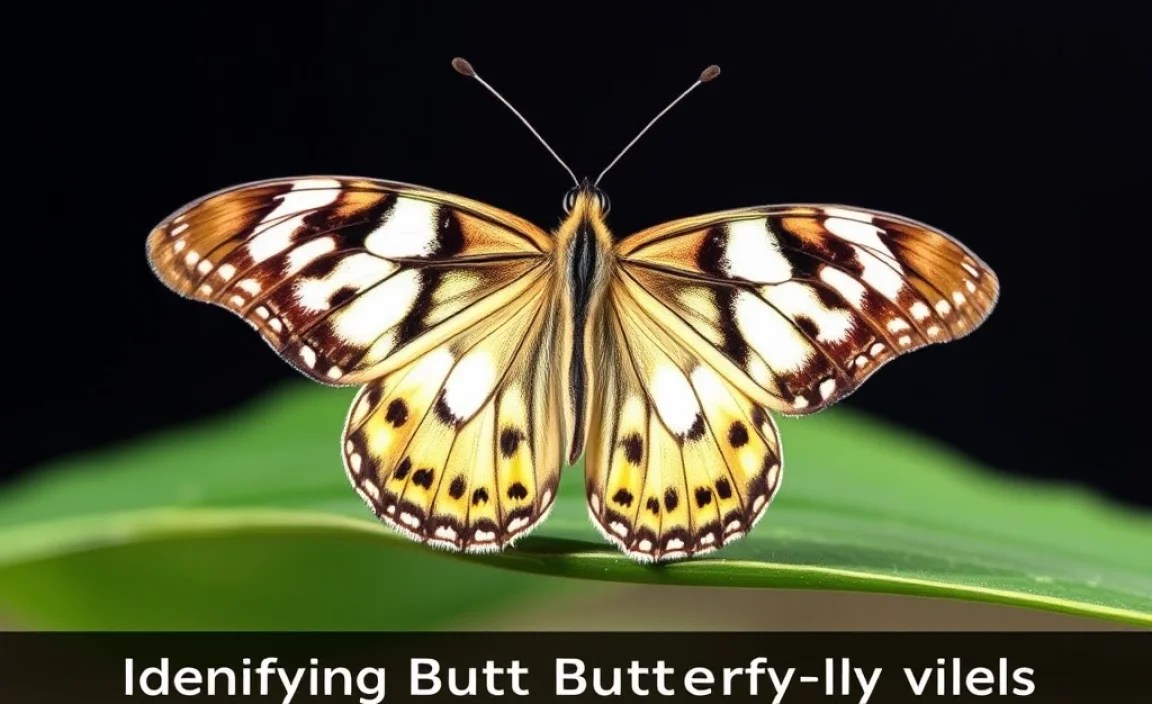
Ready to put your knowledge to the test? Here’s how to identify butterflies using their wing patterns:
- Observe the Overall Shape and Size: Is it a large butterfly or a small one? Are the wings rounded or angular?
- Note the Dominant Colors: What are the main colors on the wings? Are they bright and bold or muted and earthy?
- Identify Key Markings: Look for spots, bands, lines, and eyespots. Where are they located on the wings? What shape are they?
- Consider the Habitat: Where did you see the butterfly? Different species are found in different habitats.
- Consult a Field Guide or Online Resource: Use a reliable field guide or website to compare your observations with known species. Some excellent resources include the Butterfly Conservation Trust and local wildlife organizations.
The Role of Wing Patterns in Butterfly Behavior

Butterfly wing patterns aren’t just about appearance; they play a vital role in behavior. Here’s how:
- Mate Selection: Wing patterns can be a key factor in mate selection. Females may choose males with the most vibrant or elaborate patterns, indicating good genes.
- Thermoregulation: Dark wing patterns absorb more heat, helping butterflies warm up in cooler temperatures. Light patterns reflect heat, preventing overheating. A study published in *Functional Ecology* found that darker butterflies are more common in colder climates.
- Communication: Butterflies use wing patterns to communicate with each other, signaling their presence or warning of danger.
Table: Examples of European Butterflies and Their Wing Patterns
| Butterfly Species | Wing Pattern Description | Function |
|---|---|---|
| Peacock Butterfly (Aglais io) | Large eyespots on both forewings and hindwings. | Startle predators. |
| Speckled Wood (Pararge aegeria) | Mottled brown and yellow patterns. | Camouflage in woodland environments. |
| Orange-tip (Anthocharis cardamines) | Males have orange tips on forewings; females lack this. | Sexual dimorphism, mate recognition. |
| Brimstone (Gonepteryx rhamni) | Males are bright yellow; females are greenish-white. | Sexual dimorphism, mate recognition. |
| Cinnabar Moth (Tyria jacobaeae) | Bright red and black markings. | Aposematism (warning coloration). |
Table: Butterfly Wing Pattern Identification Cheat Sheet
| Wing Pattern | Description | Example | Purpose |
|---|---|---|---|
| Eyespots | Circular markings resembling eyes | Peacock Butterfly | Deter predators by startling or deflecting attacks |
| Camouflage | Patterns that blend with the environment | Speckled Wood | Hide from predators |
| Aposematism | Bright, contrasting colors | Cinnabar Moth | Warn predators of toxicity |
| Sexual Dimorphism | Different patterns for males and females | Orange-tip | Mate recognition |
| Iridescence | Shimmering, changing colors | (Morpho butterflies – not European) | Attract mates, camouflage |
Attracting Butterflies to Your Garden
Want to see these amazing wing patterns up close? Here’s how to attract butterflies to your garden:
- Plant Nectar-Rich Flowers: Butterflies need nectar for energy. Choose a variety of flowers that bloom at different times of the year. Good choices include buddleja (butterfly bush), lavender, and echinacea.
- Provide Host Plants: Butterflies need specific plants for their caterpillars to feed on. Research which butterflies are common in your area and plant their host plants. For example, the Swallowtail butterfly lays its eggs on fennel and rue.
- Create a Sunny Spot: Butterflies need sunlight to warm their bodies. Provide a sunny spot where they can bask.
- Offer Water: Butterflies need water to drink. Provide a shallow dish of water with pebbles for them to land on.
- Avoid Pesticides: Pesticides can harm or kill butterflies and their caterpillars. Choose organic gardening methods.
The Importance of Butterfly Conservation
Butterfly populations are declining worldwide due to habitat loss, pesticide use, and climate change. It’s crucial to protect these beautiful creatures and their habitats.
Here are some ways you can help:
- Create a Butterfly-Friendly Garden: As mentioned above, planting nectar-rich flowers and host plants can make a big difference.
- Support Butterfly Conservation Organizations: Donate to or volunteer with organizations that are working to protect butterflies and their habitats, such as Butterfly Conservation Europe.
- Reduce Your Use of Pesticides: Choose organic gardening methods and avoid using pesticides whenever possible.
- Educate Others: Share your knowledge and passion for butterflies with others. The more people who care about butterflies, the better their chances of survival.
FAQ: Butterfly Wing Patterns Explained
Here are some frequently asked questions about butterfly wing patterns:
1. Why do butterflies have different wing patterns?
Butterfly wing patterns serve various purposes, including camouflage, predator avoidance (through eyespots or warning coloration), mate attraction, and thermoregulation. These patterns have evolved to increase their survival and reproductive success.
2. What are eyespots for?
Eyespots are circular markings that resemble eyes. They can startle predators, causing them to hesitate, or deflect attacks away from the butterfly’s body to the less vital wing.
3. What is the difference between Batesian and Müllerian mimicry?
In Batesian mimicry, a harmless species mimics a harmful one to avoid predators. In Müllerian mimicry, multiple harmful species resemble each other, reinforcing the warning signal to predators.
4. How can I tell the difference between a male and female butterfly?
In many species, males and females have different wing patterns (sexual dimorphism). Males are often more brightly colored or have distinctive markings, while females may be larger or have different patterns.
5. What causes the iridescent colors on some butterfly wings?
Iridescence is caused by the microscopic structure of the wing scales, which diffract light. This creates shimmering, changing colors depending on the angle of the light.
6. Are butterfly wing patterns genetic?
Yes, butterfly wing patterns are largely determined by genetics. However, environmental factors such as temperature during development can also influence wing pattern expression. The Smithsonian Institute has conducted research on this topic.
7. How do butterfly wing patterns help them survive?
Wing patterns help butterflies survive by providing camouflage to hide from predators, warning coloration to signal toxicity, and eyespots to startle or deflect attacks. They also aid in mate selection and thermoregulation, all of which contribute to their overall fitness.
Conclusion: Appreciating the Art and Science of Butterfly Wings
Butterfly wing patterns are a testament to the power of evolution and the beauty of nature. By understanding the different types of patterns and their functions, we can gain a deeper appreciation for these delicate creatures and the vital role they play in our ecosystems.
So, the next time you see a butterfly flitting through your garden, take a moment to admire its intricate wing patterns. Consider the challenges it faces and the strategies it uses to survive. And remember, by protecting butterflies and their habitats, we can ensure that these beautiful creatures continue to grace our world for generations to come. Let’s all do our part to support butterfly conservation and create a world where these amazing insects can thrive.


