
Mimicry in European Butterflies: A Powerful Survival Secret

Mimicry in European butterflies is an amazing survival strategy! Some butterflies evolve to look like other species. This protects them from predators. They might mimic toxic butterflies to avoid being eaten. Others copy butterflies that birds ignore. This clever disguise helps them survive in a dangerous world.
Have you ever noticed how some butterflies look strikingly similar to others, even if they aren’t closely related? It’s not just a coincidence! This fascinating phenomenon is called mimicry, and it’s a crucial survival strategy for many European butterflies. Predators learn to avoid certain patterns and colors, and some butterflies have evolved to take advantage of that.
Understanding mimicry can help you appreciate the incredible adaptations of these delicate creatures. It also highlights the importance of biodiversity. Ready to uncover the secrets of mimicry in European butterflies? Let’s dive in!
What is Mimicry in Butterflies?

Mimicry is when one species evolves to resemble another. For butterflies, this usually means mimicking a species that predators find unpalatable or dangerous. By looking like something to be avoided, the mimic gains protection. There are two main types of mimicry:
- Batesian mimicry: A harmless species mimics a harmful one.
- Müllerian mimicry: Several harmful species mimic each other. This reinforces the warning signal to predators.
Let’s explore some specific examples of mimicry found in European butterflies.
Examples of Mimicry in European Butterflies
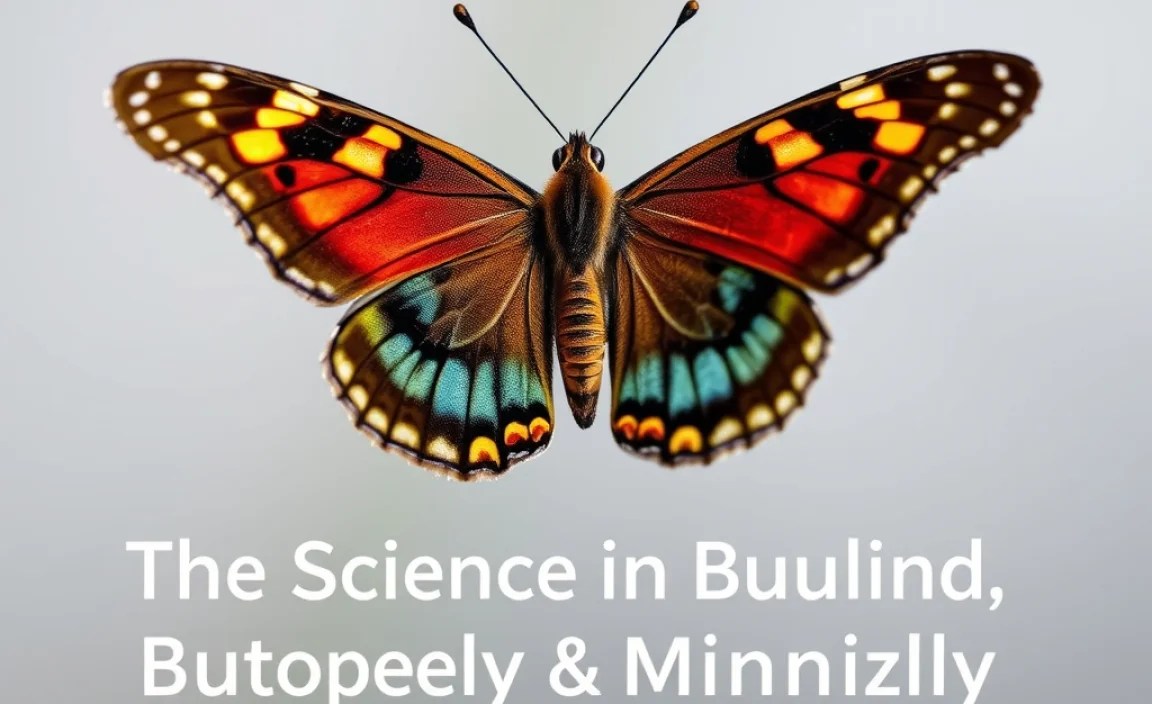
Europe is home to several butterfly species that use mimicry to their advantage. Here are a few notable examples:
The Viceroy Butterfly and the Monarch
Although Monarch butterflies are not found in Europe, the classic example of mimicry between the Viceroy and Monarch butterflies is often cited to explain Batesian mimicry. The Viceroy butterfly, *Limenitis archippus*, mimics the Monarch butterfly, *Danaus plexippus*. Monarchs feed on milkweed, which makes them toxic to many predators. Viceroys, though not toxic themselves, gain protection by looking like Monarchs. Predators that have had a bad experience with a Monarch are likely to avoid anything that looks similar. The Smithsonian Institution provides detailed information on the Monarch butterfly and its life cycle.
Swallowtail Butterflies
Swallowtail butterflies, belonging to the family Papilionidae, exhibit diverse forms of mimicry across the globe. However, in Europe, the focus shifts towards subtle variations and regional adaptations rather than dramatic mimicry complexes seen in other parts of the world. While the classic mimicry examples often highlight Batesian and Müllerian mimicry, European swallowtails demonstrate how environmental pressures can lead to localized mimicry patterns that aid in survival. One example is the scarce swallowtail (*Iphiclides podalirius*) which has evolved patterns similar to those of other less palatable species found in the same geographic regions.
White Admiral and Comma Butterflies
Though not a perfect mimicry example, the White Admiral (*Limenitis camilla*) and Comma (*Polygonia c-album*) butterflies share some similarities in appearance, which might offer a degree of protection. The White Admiral is known for its graceful flight and preference for woodland habitats, while the Comma is recognized by the distinctive white ‘comma’ mark on its underwing. The overlapping habitats and flight periods of these species suggest that there might be a selective advantage in resembling each other, potentially confusing predators or diluting the impact of predation.
Wood White Butterflies
Wood White butterflies (*Leptidea sinapis*) are fragile and delicate butterflies found across Europe. Their pale coloration and weak flight make them vulnerable to predators. While they do not engage in classical mimicry, their appearance helps them blend into their environment, offering a form of camouflage. This camouflage is a form of crypsis, which is a type of adaptation that allows them to avoid detection by predators. The subtle variations in wing patterns among different populations of Wood White butterflies further enhance their ability to remain undetected in diverse habitats.
The Science Behind Butterfly Mimicry

Mimicry is a result of natural selection. Here’s how it works:
- Variation: Within a butterfly population, there are slight differences in appearance.
- Selection: Butterflies that happen to look more like a protected species are less likely to be eaten by predators.
- Inheritance: These butterflies pass on their genes to the next generation.
- Evolution: Over time, the population evolves to more closely resemble the protected species.
This process can take many generations, but the result is a remarkable adaptation that significantly increases the butterfly’s chances of survival. The Xerces Society provides valuable resources on butterfly conservation and the importance of habitat preservation.
Benefits of Mimicry for Butterflies
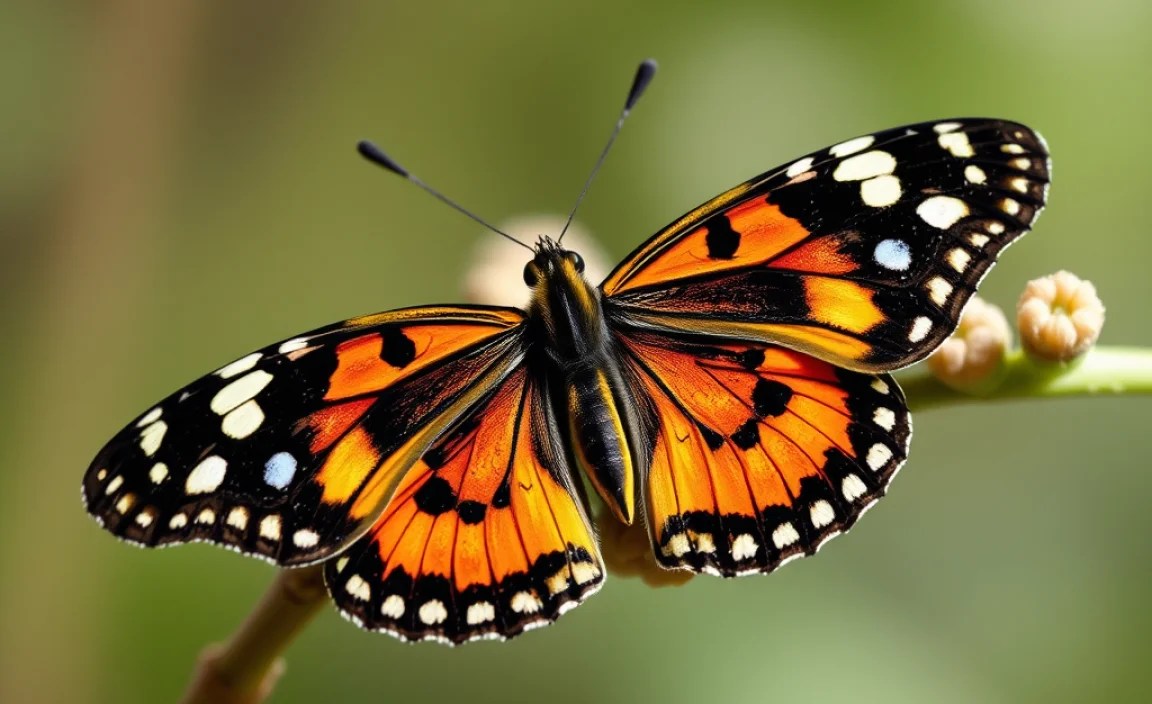
Mimicry offers several key advantages to butterflies:
- Reduced predation: Predators learn to avoid butterflies that look like toxic or unpalatable species.
- Increased survival rate: Mimicry helps butterflies live longer and reproduce more successfully.
- Wider distribution: Mimicry can allow butterflies to expand their range into areas where they might otherwise be vulnerable.
These benefits contribute to the overall health and stability of butterfly populations.
Factors Influencing Mimicry
Several factors influence the evolution and effectiveness of mimicry:
- Predator learning: Predators must learn to associate certain patterns with negative experiences.
- Abundance of the model: Mimicry is more effective when the model species (the one being mimicked) is more common than the mimic.
- Accuracy of the mimicry: The more closely the mimic resembles the model, the better the protection.
- Geographic distribution: Mimicry is most effective when the mimic and model species share the same habitat.
These factors interact in complex ways to shape the evolution of mimicry in butterflies.
How to Identify Mimicry in Butterflies
Identifying mimicry in butterflies can be a fun and rewarding experience. Here’s what to look for:
- Similar patterns and colors: Pay attention to butterflies that have similar wing patterns and colors to other species in the area.
- Behavior: Observe how predators react to the butterfly. Do they avoid it?
- Habitat: Consider whether the butterfly shares its habitat with the species it is mimicking.
Using field guides and online resources can also help you identify mimicry in butterflies.
The Role of Genetics in Mimicry
Mimicry is controlled by genes. Specific genes determine wing patterns, colors, and other traits that contribute to the mimicry. These genes can be complex and may involve multiple loci (locations on a chromosome). Scientists study the genetics of mimicry to understand how these traits evolve and are inherited. Research in this area helps us understand the genetic mechanisms that drive evolutionary adaptation.
Mimicry vs. Camouflage
Mimicry and camouflage are both strategies for avoiding predators, but they work in different ways.
| Feature | Mimicry | Camouflage |
|---|---|---|
| Definition | Resembling another species for protection. | Blending in with the environment to avoid detection. |
| Mechanism | Exploits predator learning and avoidance. | Relies on visual deception to match the background. |
| Example | Viceroy butterfly mimicking the Monarch. | Wood White butterfly blending into foliage. |
While mimicry involves resembling another organism, camouflage involves blending in with the surroundings.
Conservation Implications of Mimicry
Mimicry has important implications for conservation. Protecting the model species is crucial for the survival of the mimic. If the model species declines, the mimic loses its protection and becomes more vulnerable to predation. Habitat loss, pesticide use, and climate change can all threaten both the model and mimic species. Conservation efforts must focus on preserving the entire ecosystem to ensure the survival of these fascinating butterflies. The National Wildlife Federation offers resources for creating butterfly-friendly habitats.
How to Attract Butterflies to Your Garden
Attracting butterflies to your garden is a great way to support these beautiful creatures. Here are some tips:
- Plant host plants: Host plants are the food source for butterfly larvae. For example, milkweed is the host plant for Monarch butterflies.
- Plant nectar plants: Nectar plants provide food for adult butterflies. Choose a variety of plants that bloom throughout the season.
- Provide water: Butterflies need water to drink. A shallow dish of water with pebbles for them to land on is ideal.
- Avoid pesticides: Pesticides can harm or kill butterflies and other beneficial insects.
- Provide shelter: Butterflies need shelter from wind and rain. Plant trees and shrubs to provide a safe haven.
By creating a butterfly-friendly garden, you can help support butterfly populations and enjoy their beauty up close.
The Cultural Significance of Butterflies
Butterflies have long held cultural significance in many societies. They are often seen as symbols of transformation, rebirth, and hope. In some cultures, butterflies are believed to carry the souls of the dead. Their beauty and grace have inspired artists, writers, and musicians for centuries. Appreciating the cultural significance of butterflies can deepen our connection to these remarkable creatures.
The Future of Butterfly Mimicry Research
Research on butterfly mimicry is ongoing. Scientists are using new technologies to study the genetics, behavior, and ecology of mimicry. Future research may focus on:
- Identifying the specific genes responsible for mimicry.
- Understanding how mimicry evolves in response to environmental changes.
- Investigating the role of mimicry in butterfly diversification.
This research will provide valuable insights into the evolution and conservation of butterflies.
Interesting Facts About Butterfly Mimicry
Here are some fascinating facts about butterfly mimicry:
- Some butterflies can mimic multiple species.
- Mimicry can be different in males and females of the same species.
- The accuracy of mimicry can vary depending on the geographic location.
- Mimicry can evolve rapidly in response to changes in the environment.
These facts highlight the complexity and adaptability of butterfly mimicry.
Challenges in Studying Mimicry
Studying mimicry can be challenging due to several factors:
- Complexity of genetic mechanisms: Identifying the specific genes responsible for mimicry can be difficult.
- Environmental variability: Mimicry can be influenced by environmental factors, making it difficult to study in controlled settings.
- Predator behavior: Understanding how predators learn and respond to mimicry requires extensive observation and experimentation.
Despite these challenges, scientists continue to make progress in unraveling the mysteries of mimicry.
How Climate Change Affects Mimicry
Climate change can have significant impacts on mimicry. Changes in temperature, rainfall, and habitat can disrupt the delicate balance between mimics and models. For example, if the range of the model species shifts due to climate change, the mimic may lose its protection in areas where the model is no longer present. Climate change can also alter the behavior of predators, making mimicry less effective. Conservation efforts must consider the potential impacts of climate change on mimicry and other evolutionary adaptations.
FAQ: Mimicry in European Butterflies
What is the main purpose of mimicry in butterflies?
The main purpose of mimicry is to protect butterflies from predators. By resembling a toxic or unpalatable species, the mimic avoids being eaten.
What are the two main types of mimicry?
The two main types of mimicry are Batesian mimicry (a harmless species mimics a harmful one) and Müllerian mimicry (several harmful species mimic each other).
How does mimicry evolve in butterflies?
Mimicry evolves through natural selection. Butterflies that happen to look more like a protected species are less likely to be eaten, and they pass on their genes to the next generation.
What factors influence the effectiveness of mimicry?
The effectiveness of mimicry is influenced by predator learning, the abundance of the model species, the accuracy of the mimicry, and the geographic distribution of the mimic and model.
How can I identify mimicry in butterflies?
Look for butterflies that have similar wing patterns and colors to other species in the area. Observe how predators react to the butterfly, and consider whether the butterfly shares its habitat with the species it is mimicking.
Why is it important to conserve butterflies that use mimicry?
Conserving butterflies that use mimicry is important because it helps maintain biodiversity and protects these fascinating adaptations. Protecting the model species is crucial for the survival of the mimic.
How can climate change affect butterfly mimicry?
Climate change can disrupt the balance between mimics and models by altering their ranges, habitats, and predator behavior. This can make mimicry less effective and threaten the survival of both the mimic and model species.
Conclusion
Mimicry in European butterflies is a testament to the power of evolution. These clever adaptations allow butterflies to survive in a world full of predators. By understanding the science behind mimicry, we can better appreciate the beauty and complexity of the natural world. Protecting these fascinating creatures and their habitats is essential for preserving biodiversity and ensuring that future generations can marvel at the wonders of mimicry. So, next time you see a butterfly, take a closer look – you might be witnessing one of nature’s most ingenious survival strategies!


