
Blue Morpho Effect of Deforestation: See the Impact!

Have you ever seen a butterfly with bright blue wings? That might be a Blue Morpho! These butterflies are beautiful. They live in rainforests. But what happens when those rainforests disappear? The Blue Morpho effect of deforestation is a big problem.
Deforestation means cutting down trees. People cut down trees for farms. They also use the wood for building. When trees disappear, animals lose their homes. The Blue Morpho is one of those animals. Can you imagine losing your home?
Blue Morphos need rainforests to survive. They eat plants that grow there. They also lay their eggs on those plants. If there are no rainforests, where will they live? How will they find food? The Blue Morpho effect of deforestation is serious. It can make these beautiful butterflies disappear forever. We need to protect their homes.
Key Takeaways
- Deforestation destroys the rainforests where Blue Morpho butterflies live.
- The Blue Morpho effect of deforestation includes habitat loss and reduced food sources.
- Blue Morphos rely on specific plants in the rainforest for food and laying eggs.
- Protecting rainforests helps many animals, including the beautiful Blue Morpho.
- We can help by supporting sustainable practices and reducing our use of forest products.
Understanding Blue Morpho Effect of Deforestation
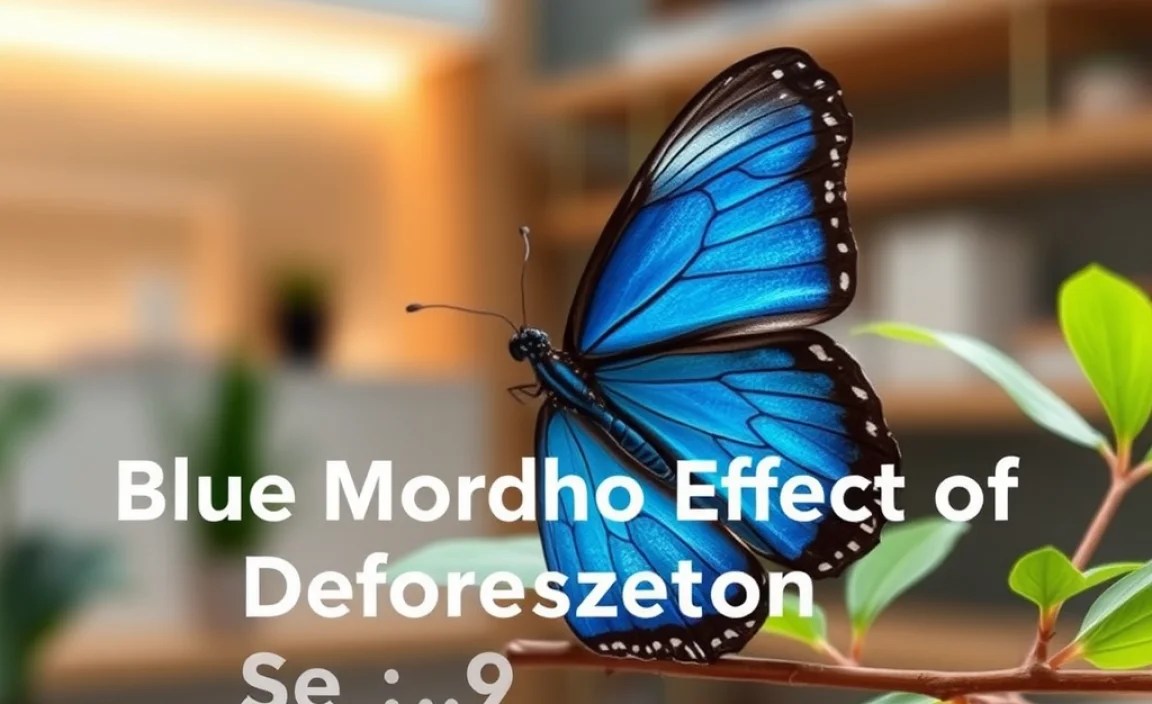
The Blue Morpho butterfly is a stunning insect. It is known for its bright blue wings. These butterflies live in the rainforests of Central and South America. Rainforests are full of life. They have many plants and animals. But rainforests are in danger. People are cutting down trees. This is called deforestation. Deforestation happens for many reasons. Sometimes people need land for farming. Other times, they want to use the wood from the trees. When trees are cut down, the Blue Morpho loses its home. It also loses its food. The Blue Morpho effect of deforestation is a big problem. It can lead to the disappearance of these beautiful butterflies. We must find ways to protect the rainforests. This will help the Blue Morpho and many other animals.
- Deforestation removes the Blue Morpho’s habitat.
- Loss of trees reduces the humidity they need.
- Deforestation disrupts the food chain.
- The butterflies become more vulnerable to predators.
- Their populations decline due to habitat fragmentation.
Imagine a big puzzle. The rainforest is like that puzzle. Each piece is a plant or animal. When we remove trees, we take away pieces of the puzzle. The puzzle becomes incomplete. The rainforest ecosystem is like the puzzle. Everything is connected. When trees are cut down, it affects everything else. The Blue Morpho effect of deforestation shows us this. The butterflies need the trees for food and shelter. When the trees are gone, the butterflies suffer. This also affects other animals. The rainforest is a complex web of life. We must protect it to keep the Blue Morpho and other species safe.
Why is Deforestation Happening?
Why are people cutting down so many trees? There are several reasons. One reason is for farming. Farmers need land to grow crops. They cut down trees to make room for their farms. Another reason is for logging. Loggers cut down trees to sell the wood. The wood is used to make furniture, paper, and other products. Mining is another cause of deforestation. Mining companies need land to dig for minerals. They cut down trees to get to the minerals. Roads also contribute to deforestation. New roads are built through rainforests. This opens up the area for more development. All these activities lead to the destruction of rainforests. This has a big impact on the Blue Morpho and other animals.
How Does Deforestation Affect the Ecosystem?
Deforestation has many negative effects on the ecosystem. One effect is soil erosion. Trees help to hold the soil in place. When trees are cut down, the soil can be washed away by rain. This can lead to landslides and other problems. Deforestation also affects the climate. Trees absorb carbon dioxide from the air. When trees are cut down, this carbon dioxide is released into the atmosphere. This contributes to climate change. Loss of biodiversity is another effect. Rainforests are home to many different species of plants and animals. When rainforests are destroyed, these species can become extinct. The Blue Morpho effect of deforestation is just one example of how deforestation harms the ecosystem.
What Can Be Done to Stop Deforestation?
Stopping deforestation is a big challenge. But there are things we can do. One thing is to support sustainable farming practices. Sustainable farming means growing food in a way that does not harm the environment. Another thing is to reduce our use of wood products. We can use less paper and buy furniture made from recycled materials. We can also support companies that are committed to sustainable forestry. Protecting existing rainforests is also important. Governments can create protected areas where logging and farming are not allowed. Education is also key. We need to teach people about the importance of rainforests. The Blue Morpho effect of deforestation shows us why we need to act. By working together, we can protect these vital ecosystems.
Fun Fact or Stat: Rainforests cover less than 6% of Earth’s surface, but they contain over half of the world’s plant and animal species!
Habitat Loss and Blue Morpho Butterflies

Habitat loss is a major threat to the Blue Morpho butterfly. These butterflies need specific rainforest habitats to survive. They need certain plants for food. They also need trees for shelter. When rainforests are destroyed, the Blue Morpho loses its home. This is called habitat loss. The Blue Morpho effect of deforestation is very clear when we look at habitat loss. Without their habitat, the butterflies cannot survive. They cannot find food or shelter. They cannot reproduce. This can lead to a decline in their population. In some cases, it can even lead to extinction. We need to protect rainforests to prevent habitat loss. This will help the Blue Morpho and other animals that depend on these ecosystems.
- Deforestation causes habitat fragmentation.
- Smaller habitats can’t support large populations.
- Butterflies struggle to find mates.
- They face increased competition for resources.
- Edge effects reduce habitat quality.
- Microclimate changes impact survival.
Imagine your favorite park disappearing. That park is where you play and relax. It’s where you see your friends. Now imagine it’s gone. How would you feel? The Blue Morpho feels the same way when its rainforest home is destroyed. The rainforest is where it finds food and shelter. It’s where it lays its eggs. When the rainforest is cut down, the Blue Morpho has nowhere to go. This is why habitat loss is so devastating. The Blue Morpho effect of deforestation highlights the importance of protecting these habitats. We must find ways to balance human needs with the needs of the environment. This will ensure that the Blue Morpho and other species can continue to thrive.
How Do Butterflies Find Their Habitat?
Butterflies use different ways to find their habitat. Some butterflies use their sense of smell. They can smell the plants they need from far away. Other butterflies use their eyesight. They can see the colors of the flowers they like to feed on. Some butterflies also learn from their parents. The parents show them where to find food and shelter. When a butterfly’s habitat is destroyed, it becomes much harder for them to find a new home. They may not be able to find the plants they need. They may not be able to find a safe place to lay their eggs. This is why habitat loss is such a big problem for butterflies.
What Makes a Good Butterfly Habitat?
A good butterfly habitat has several important things. It needs to have the right plants for the butterflies to eat. These plants are called host plants. The butterflies lay their eggs on these plants. The caterpillars eat the leaves of the host plants. A good habitat also needs to have nectar sources. Nectar is a sweet liquid that butterflies drink for energy. Flowers are a good source of nectar. The habitat also needs to have shelter. Trees and shrubs can provide shelter from the wind and rain. Butterflies also need sunlight to warm their bodies. A good habitat has a mix of sunny and shady areas. Without these things, butterflies cannot survive.
Why is Habitat Fragmentation a Problem?
Habitat fragmentation is when a large habitat is broken up into smaller pieces. This can happen when roads are built through a forest. It can also happen when land is cleared for farming. Habitat fragmentation is a problem for several reasons. Smaller habitats can’t support as many animals. The animals may not be able to find enough food or mates. Habitat fragmentation also makes it harder for animals to move from one place to another. They may have to cross dangerous roads or open fields. This can increase their risk of being killed. The Blue Morpho effect of deforestation is made worse by habitat fragmentation. The butterflies need large areas of rainforest to survive. When the rainforest is broken up, they have a harder time finding what they need.
Fun Fact or Stat: A female Blue Morpho can lay up to 500 eggs in her lifetime!
Food Sources and the Blue Morpho Effect
Food is very important for all living things. The Blue Morpho butterfly is no different. These butterflies need specific food sources to survive. They eat the sap from trees. They also eat rotting fruit. The caterpillars of the Blue Morpho eat the leaves of certain plants. When deforestation occurs, these food sources disappear. This is a big problem for the Blue Morpho. The Blue Morpho effect of deforestation includes the loss of food. Without food, the butterflies cannot survive. They become weak and cannot reproduce. This can lead to a decline in their population. We need to protect the food sources of the Blue Morpho. This means protecting the rainforests where they live.
- Deforestation reduces available tree sap.
- Loss of fruit trees limits food options.
- Caterpillars lose their specific host plants.
- Butterflies can’t get enough energy to fly.
- Reproduction rates decline due to malnutrition.
Imagine you only eat one type of food. Now imagine that food disappears. What would you do? You would be hungry and weak. The Blue Morpho faces a similar problem when its food sources disappear. The caterpillars need specific plants to eat. The butterflies need tree sap and rotting fruit. When these things are gone, they cannot survive. The Blue Morpho effect of deforestation highlights this problem. We need to make sure that the butterflies have access to the food they need. This means protecting the rainforests and the plants and trees that grow there.
What Do Blue Morpho Caterpillars Eat?
Blue Morpho caterpillars are picky eaters. They only eat the leaves of certain plants. These plants are called host plants. Different species of Blue Morpho eat different host plants. Some common host plants include legumes. The caterpillars eat a lot of leaves. They need to grow big and strong. They eat almost constantly. After a few weeks, the caterpillars are ready to pupate. They form a chrysalis. Inside the chrysalis, they transform into butterflies. Without their host plants, the caterpillars cannot survive. This is why it is important to protect these plants.
What Do Adult Blue Morpho Butterflies Eat?
Adult Blue Morpho butterflies have a different diet than their caterpillars. They don’t eat leaves. Instead, they drink liquids. They like to drink the sap from trees. They also eat rotting fruit. The rotting fruit provides them with sugar and other nutrients. Butterflies have a long, straw-like tongue called a proboscis. They use their proboscis to suck up the liquids. They can unroll and roll it up. Butterflies need energy to fly and reproduce. The liquids they drink provide them with this energy. Without these food sources, they cannot survive.
How Does Food Availability Affect Reproduction?
Food availability has a big impact on reproduction. If butterflies don’t have enough food, they can’t reproduce. They need energy to lay eggs. They also need nutrients to make the eggs. If they are malnourished, they may not be able to lay any eggs. The eggs they do lay may not be healthy. This can lead to fewer butterflies in the next generation. The Blue Morpho effect of deforestation includes a decrease in reproduction rates. When food sources disappear, the butterflies can’t reproduce as much. This can lead to a decline in their population. We need to make sure that the butterflies have enough food so they can reproduce.
Fun Fact or Stat: The Blue Morpho’s bright blue color comes from the way light reflects off its wing scales!
Climate Change and Blue Morpho Survival
Climate change is a big problem for the whole world. It also affects the Blue Morpho butterfly. Climate change is causing the Earth to get warmer. This can change the weather patterns. It can also lead to more extreme weather events. These changes can affect the rainforests where the Blue Morpho lives. The butterflies need a specific climate to survive. They need a certain amount of rain and humidity. They also need a certain temperature range. If the climate changes too much, the butterflies may not be able to survive. The Blue Morpho effect of deforestation is made worse by climate change. Deforestation contributes to climate change. This creates a double threat for the butterflies. We need to take action to reduce climate change. This will help the Blue Morpho and other species.
- Rising temperatures stress butterfly populations.
- Changes in rainfall affect host plants.
- Extreme weather events destroy habitats.
- Altered seasons disrupt life cycles.
- Increased CO2 impacts plant nutrition.
Imagine your house getting too hot or too cold. You might not feel very comfortable. You might have trouble sleeping or eating. The Blue Morpho feels the same way when the climate changes. They are used to a certain temperature and humidity. When these things change, they can get stressed. They may have trouble finding food or mates. The Blue Morpho effect of deforestation is linked to climate change. Deforestation releases carbon dioxide into the atmosphere. This contributes to climate change. By protecting rainforests, we can help to reduce climate change and protect the Blue Morpho.
How Does Temperature Affect Butterflies?
Temperature is very important for butterflies. Butterflies are cold-blooded animals. This means that they cannot control their own body temperature. They rely on the environment to stay warm. If it is too cold, they cannot fly. They may even die. If it is too hot, they can overheat. They need to find shade to cool down. Different species of butterflies have different temperature ranges. The Blue Morpho needs a warm and humid climate. If the temperature changes too much, they may not be able to survive.
How Does Rainfall Affect Butterflies?
Rainfall is also important for butterflies. Butterflies need water to survive. They get water from the nectar they drink. They also get water from the air. Rainforests are very humid. This means that there is a lot of water in the air. Butterflies can absorb this water through their skin. Rainfall also affects the plants that butterflies eat. The plants need water to grow. If there is not enough rain, the plants may die. This can lead to a shortage of food for the butterflies. Changes in rainfall patterns can disrupt the life cycles of butterflies.
What Can Be Done to Reduce Climate Change?
Reducing climate change is a big challenge. But there are things we can do. One thing is to reduce our use of fossil fuels. Fossil fuels are coal, oil, and natural gas. When we burn fossil fuels, we release carbon dioxide into the atmosphere. We can use renewable energy sources instead. Renewable energy sources include solar, wind, and water power. Another thing is to conserve energy. We can turn off the lights when we leave a room. We can also use energy-efficient appliances. Planting trees is another way to reduce climate change. Trees absorb carbon dioxide from the air. The Blue Morpho effect of deforestation shows us why it is important to protect rainforests. Rainforests store a lot of carbon dioxide. By protecting rainforests, we can help to reduce climate change.
Fun Fact or Stat: Blue Morphos can see colors that humans can’t, including ultraviolet light!
Conservation Efforts for Blue Morpho Butterflies
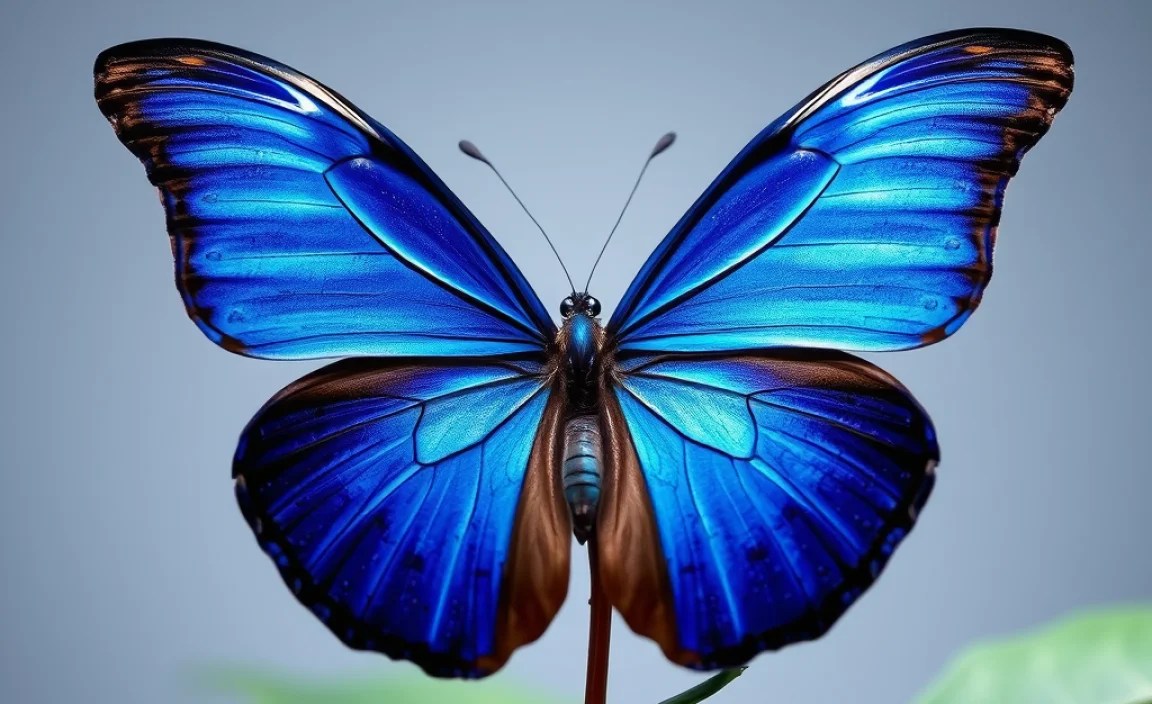
Many people are working to protect the Blue Morpho butterfly. They are trying to stop deforestation. They are also working to restore rainforest habitats. There are several different conservation efforts underway. Some organizations are buying land to create protected areas. These areas are off-limits to logging and farming. Other organizations are working with local communities to promote sustainable farming practices. Sustainable farming helps to protect the environment. Some people are even raising Blue Morpho butterflies in captivity. They release the butterflies into the wild. These conservation efforts are important for the survival of the Blue Morpho. The Blue Morpho effect of deforestation shows us why these efforts are needed. We need to protect these beautiful butterflies for future generations.
- Protected areas prevent habitat destruction.
- Reforestation efforts restore lost habitats.
- Sustainable farming reduces forest clearing.
- Captive breeding programs boost populations.
- Education raises awareness about conservation.
Imagine you are a superhero. Your mission is to save the Blue Morpho butterfly. What would you do? You might start by planting trees. You might teach others about the importance of rainforests. You might support organizations that are working to protect these habitats. Everyone can be a superhero for the Blue Morpho. The Blue Morpho effect of deforestation is a call to action. We need to work together to protect these butterflies and their rainforest homes. Every little bit helps. By making small changes in our lives, we can make a big difference for the Blue Morpho.
What are Protected Areas?
Protected areas are areas of land or water that are set aside for conservation. They are managed to protect their natural resources. Protected areas can be national parks, wildlife refuges, or nature reserves. These areas are off-limits to logging, mining, and other destructive activities. They provide a safe haven for plants and animals. Protected areas are an important tool for conserving biodiversity. They help to protect endangered species and their habitats. They also provide opportunities for recreation and education. Protected areas are essential for the survival of the Blue Morpho. They protect the rainforests where the butterflies live.
How Does Reforestation Help?
Reforestation is the process of planting trees in areas where forests have been destroyed. This can help to restore degraded habitats. Reforestation can also help to combat climate change. Trees absorb carbon dioxide from the air. By planting trees, we can reduce the amount of carbon dioxide in the atmosphere. Reforestation can also improve soil quality. Tree roots help to hold the soil in place. This can prevent soil erosion. Reforestation is an important tool for conserving biodiversity. It can help to restore habitats for endangered species. The Blue Morpho effect of deforestation can be reversed through reforestation. By planting trees, we can provide the butterflies with food and shelter.
How Can People Help the Blue Morpho?
There are many ways that people can help the Blue Morpho butterfly. One way is to support organizations that are working to protect rainforests. You can donate money or volunteer your time. Another way is to reduce your consumption of products that contribute to deforestation. These products include beef, soy, palm oil, and timber. You can also choose to buy products that are certified sustainable. This means that they were produced in a way that does not harm the environment. Educating others about the importance of rainforests is also important. You can talk to your friends and family about the Blue Morpho effect of deforestation. By working together, we can make a difference for these beautiful butterflies.
Fun Fact or Stat: The Blue Morpho’s wingspan can reach up to 8 inches!
Sustainable Practices and Butterfly Protection
Sustainable practices are ways of doing things that do not harm the environment. These practices can help to protect the Blue Morpho butterfly. Sustainable farming is one example. Sustainable farming practices help to conserve soil and water. They also reduce the use of pesticides and fertilizers. Sustainable forestry is another example. Sustainable forestry practices help to protect forests and biodiversity. They also ensure that forests are managed in a way that can be sustained over time. By supporting sustainable practices, we can help to protect the Blue Morpho and its rainforest habitat. The Blue Morpho effect of deforestation highlights the importance of these practices. We need to find ways to balance human needs with the needs of the environment.
| Practice | Benefits for Blue Morpho | How it Works |
|---|---|---|
| Sustainable Farming | Reduces habitat loss, protects water sources | Using crop rotation, reducing pesticide use |
| Sustainable Forestry | Maintains forest cover, protects biodiversity | Selective logging, replanting trees |
| Eco-tourism | Provides economic incentives for conservation | Tourists visit rainforests and support local communities |
| Reforestation | Restores lost habitats, provides food sources | Planting native trees and plants |
Imagine you are building a house. You want to build it in a way that does not harm the environment. You might use recycled materials. You might install solar panels. You might plant trees around your house. These are all examples of sustainable practices. Sustainable practices are important for protecting the Blue Morpho. The Blue Morpho effect of deforestation shows us that we need to find ways to live in harmony with nature. By adopting sustainable practices, we can create a better future for the Blue Morpho and all living things.
What is Sustainable Farming?
Sustainable farming is a way of growing food that does not harm the environment. It involves using practices that conserve soil and water. It also reduces the use of pesticides and fertilizers. Sustainable farmers use crop rotation. Crop rotation is when they plant different crops in the same field each year. This helps to improve soil health. Sustainable farmers also use cover crops. Cover crops are plants that are planted to protect the soil. They also use compost and manure to fertilize their crops. These practices help to reduce pollution and protect biodiversity. Sustainable farming is good for the Blue Morpho. It helps to protect the rainforests and the plants that the butterflies need.
What is Sustainable Forestry?
Sustainable forestry is a way of managing forests that does not harm the environment. It involves using practices that protect forests and biodiversity. It also ensures that forests are managed in a way that can be sustained over time. Sustainable foresters use selective logging. Selective logging is when they only cut down certain trees. They leave the other trees to grow. They also replant trees after they have been cut down. Sustainable foresters also protect water sources. They make sure that logging operations do not pollute streams and rivers. These practices help to protect the rainforests and the animals that live there. The Blue Morpho effect of deforestation can be reduced through sustainable forestry.
How Can Eco-Tourism Help?
Eco-tourism is a type of tourism that is focused on the environment. It involves visiting natural areas and learning about the local culture. Eco-tourism can help to protect the Blue Morpho in several ways. It provides economic incentives for conservation. Local communities can earn money by providing services to tourists. This gives them a reason to protect the rainforests. Eco-tourism also raises awareness about the importance of rainforests. Tourists learn about the Blue Morpho effect of deforestation. They can then share this information with others. Eco-tourism can also help to fund conservation projects. Tourists can donate money to support these projects.
Fun Fact or Stat: The scales on a Blue Morpho’s wings are arranged like tiny shingles on a roof!
Education and Awareness About Deforestation Effects
Education and awareness are very important for protecting the Blue Morpho butterfly. Many people do not know about the Blue Morpho effect of deforestation. They do not realize how their actions can impact these beautiful butterflies. By raising awareness, we can encourage people to make better choices. We can teach them about sustainable practices. We can also teach them about the importance of rainforests. Education can start in schools. Teachers can teach students about the Blue Morpho and its habitat. Education can also take place in communities. Organizations can host workshops and events. These events can teach people about conservation. By raising awareness, we can create a more sustainable future for the Blue Morpho.
- School programs teach children about rainforests.
- Community workshops promote conservation.
- Social media campaigns raise awareness globally.
- Documentaries showcase the beauty of nature.
- Citizen science projects involve the public.
Imagine you are a teacher. You want to teach your students about the Blue Morpho. You might show them pictures of the butterflies. You might read them stories about rainforests. You might even take them on a field trip to a butterfly garden. By teaching your students about the Blue Morpho, you are helping to protect them. The Blue Morpho effect of deforestation is a complex issue. But it is important for people to understand it. By raising awareness, we can inspire people to take action. We can create a world where the Blue Morpho can thrive.
Why is Education Important?
Education is important for many reasons. It helps people to understand the world around them. It also helps them to make better choices. Education can empower people to take action. When people understand the Blue Morpho effect of deforestation, they are more likely to support conservation efforts. They may be more likely to reduce their consumption of products that contribute to deforestation. They may be more likely to donate to organizations that are working to protect rainforests. Education can also inspire the next generation of conservationists. By teaching children about the importance of rainforests, we can ensure that they will continue to protect these ecosystems in the future.
How Can Social Media Help?
Social media can be a powerful tool for raising awareness about the Blue Morpho. Social media platforms like Facebook, Twitter, and Instagram can reach millions of people around the world. Organizations can use social media to share information about the Blue Morpho effect of deforestation. They can also use social media to promote conservation efforts. Individuals can also use social media to raise awareness. They can share articles, photos, and videos about the Blue Morpho. They can also use social media to encourage their friends and family to take action. Social media can help to create a global community of people who are passionate about protecting the Blue Morpho.
What are Citizen Science Projects?
Citizen science projects are projects that involve the public in scientific research. These projects can help to collect data, analyze data, and monitor the environment. Citizen science projects can be a great way to raise awareness about the Blue Morpho. People can participate in projects that track butterfly populations. They can also participate in projects that monitor rainforest health. By participating in these projects, people can learn more about the Blue Morpho and its habitat. They can also contribute to scientific research. Citizen science projects can empower people to take action and protect the Blue Morpho.
Fun Fact or Stat: Some Blue Morpho species can fly up to 20 miles per hour!
Summary
The Blue Morpho butterfly is a beautiful insect that lives in rainforests. Deforestation is a major threat to the Blue Morpho. It causes habitat loss and reduces food sources. Climate change also affects the Blue Morpho. It can change the weather patterns and lead to more extreme weather events. Conservation efforts are underway to protect the Blue Morpho. These efforts include creating protected areas, restoring rainforest habitats, and promoting sustainable practices. Education and awareness are also important for protecting the Blue Morpho. By raising awareness, we can encourage people to make better choices.
The Blue Morpho effect of deforestation is a serious issue. It highlights the importance of protecting rainforests. We need to work together to create a more sustainable future for the Blue Morpho and all living things. By understanding the threats facing the Blue Morpho, we can take action to protect it.
Conclusion
The Blue Morpho butterfly is an important part of the rainforest ecosystem. Deforestation poses a significant threat to these butterflies. Habitat loss, reduced food sources, and climate change all contribute to their decline. We must take action to protect the rainforests. Supporting sustainable practices and raising awareness are key. The Blue Morpho effect of deforestation reminds us of the interconnectedness of life. Protecting these butterflies helps protect the entire rainforest. Together, we can make a difference.
Frequently Asked Questions
Question No 1: What is the Blue Morpho butterfly?
Answer: The Blue Morpho butterfly is a beautiful insect. It is known for its bright blue wings. These butterflies live in the rainforests of Central and South America. They are an important part of the rainforest ecosystem. They help to pollinate plants. They are also a food source for other animals. The Blue Morpho is a symbol of the beauty and diversity of the rainforest.
Question No 2: What is deforestation?
Answer: Deforestation is the clearing of forests. It happens when trees are cut down for farming, logging, or mining. Deforestation is a major problem because it destroys habitats. It also contributes to climate change. Trees absorb carbon dioxide from the air. When trees are cut down, this carbon dioxide is released into the atmosphere. Deforestation can have a devastating impact on the environment. It can lead to soil erosion, loss of biodiversity, and climate change.
Question No 3: How does deforestation affect the Blue Morpho?
Answer: Deforestation has a big impact on the Blue Morpho. It destroys their habitat. The butterflies need rainforests to survive. They need the plants for food. They also need the trees for shelter. The Blue Morpho effect of deforestation includes the loss of food and shelter. Without a habitat, the butterflies cannot survive. Deforestation can also lead to habitat fragmentation. This means that the rainforest is broken up into smaller pieces. This makes it harder for the butterflies to find food and mates.
Question No 4: What can be done to protect the Blue Morpho?
Answer: There are many things that can be done to protect the Blue Morpho. One thing is to stop deforestation. This can be done by creating protected areas. It can also be done by promoting sustainable farming and forestry practices. Another thing is to restore rainforest habitats. This can be done by planting trees. Education and awareness are also important. By raising awareness, we can encourage people to make better choices. The Blue Morpho effect of deforestation can be mitigated through collective action.
Question No 5: How does climate change affect the Blue Morpho?
Answer: Climate change is a big problem for the Blue Morpho. The butterflies need a specific climate to survive. They need a certain amount of rain and humidity. They also need a certain temperature range. If the climate changes too much, the butterflies may not be able to survive. Climate change can also affect the plants that the butterflies eat. If the plants die, the butterflies will not have enough food. The Blue Morpho effect of deforestation is worsened by climate change, making conservation even more critical.
Question No 6: What is sustainable farming?
Answer: Sustainable farming is a way of growing food that does not harm the environment. It involves using practices that conserve soil and water. It also reduces the use of pesticides and fertilizers. Sustainable farmers use crop rotation and cover crops. They also use compost and manure to fertilize their crops. These practices help to reduce pollution and protect biodiversity. Sustainable farming is good for the Blue Morpho. It helps to protect the rainforests and the plants that the butterflies need. Sustainable practices can lessen the Blue Morpho effect of deforestation.


