
Blue Morpho Creative Photo Ideas: Ultimate Guide

Have you ever seen a butterfly so bright it looks like the sky? That might have been a Blue Morpho! These butterflies are famous for their big, blue wings. Taking pictures of them can be super fun. Do you want to learn some Blue Morpho creative photo ideas? Let’s explore how to capture their beauty.
Butterflies are delicate and fast. It can be hard to get a good photo. But don’t worry! We will share tips and tricks. These will help you take amazing photos of Blue Morphos. You can create stunning images that everyone will love.
Key Takeaways
* Explore Blue Morpho creative photo ideas to capture stunning images.
* Use a macro lens to get super close-up shots of the butterfly’s wings.
* Photograph Blue Morphos in their natural habitat for authentic images.
* Focus on capturing the vibrant blue color and iridescence of their wings.
* Be patient and quiet to not scare the butterflies away while shooting.
Blue Morpho Creative Photo Ideas: Getting Started
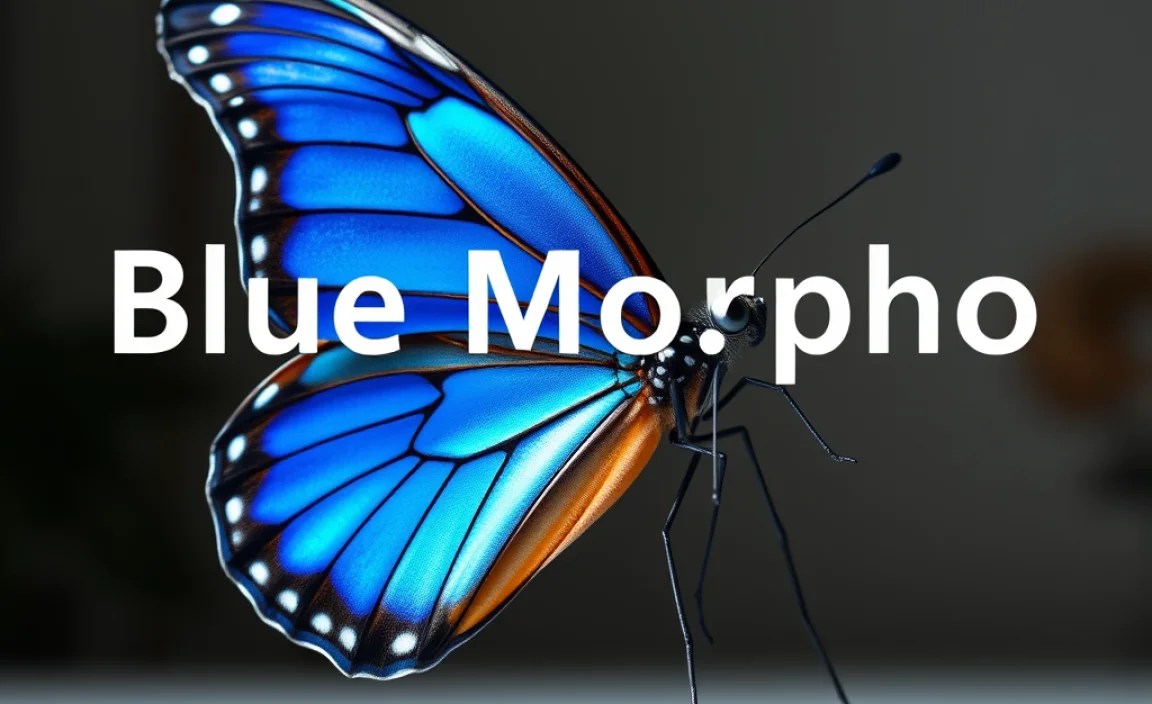
Taking photos of Blue Morphos can be a fun adventure. These butterflies are known for their bright blue color. They live in rainforests. Getting a great photo takes some planning. Think about where you will find them. What equipment do you need? How can you make your photos special? Let’s look at some cool Blue Morpho creative photo ideas. You can try different angles and lighting. You might want to capture them in flight. Or, you can focus on the details of their wings. Remember to be patient. Butterflies can be shy. Respect their home. Your photos can show how amazing these creatures are. Now, are you ready to start snapping?
* Find a good location where Blue Morphos live.
* Use a camera with a zoom lens.
* Wear clothes that blend in with nature.
* Bring water and snacks.
* Be patient and quiet.
Taking pictures of butterflies can be more than just a hobby. It can teach you about nature. You can learn about their life cycle. You can study their habitat. You can also share your photos with others. This can help people appreciate these beautiful creatures. When you take photos, you are telling a story. Your photos can show the beauty of the rainforest. They can inspire others to care about nature. Photography can also be a way to relax. It can help you focus on the present moment. Are you excited to try these Blue Morpho creative photo ideas?
What Camera Settings Work Best?
Choosing the right camera settings is important for taking good photos. When shooting Blue Morphos, use a fast shutter speed. This will help you freeze their motion. Use a wide aperture to blur the background. This makes the butterfly stand out. Adjust the ISO to the lighting conditions. If it is bright, use a low ISO. If it is cloudy, use a higher ISO. Experiment with different settings to see what works best. You can also use manual mode. This gives you more control over your camera. Remember to focus carefully on the butterfly. A sharp image will capture all the details.
How to Find Blue Morphos in the Wild
Finding Blue Morphos in the wild can be tricky. They live in rainforests. These butterflies like warm, humid places. Look for them near streams and flowering plants. They often fly high in the trees. But sometimes they come down to feed. The best time to see them is in the morning. They are most active then. Be patient and keep your eyes open. You might spot one flitting through the trees. When you find one, move slowly. Do not scare it away. Take your time to get the perfect shot.
What Equipment Do You Need?
Having the right equipment can make a big difference. A good camera with a zoom lens is essential. This will allow you to get close to the butterfly. A macro lens is also useful for close-up shots. A tripod can help keep your camera steady. This is important for sharp images. You might also want to bring a flash. This can help you capture more light. But be careful not to scare the butterfly. A diffuser can soften the light. This will make your photos look more natural. Remember to protect your equipment from the rain.
Fun Fact or Stat: Did you know that the Blue Morpho’s wings look brown when they are closed? This helps them hide from predators!
Capturing the Blue Morpho’s Iridescent Wings

The Blue Morpho‘s wings are its most amazing feature. They have a special color that changes in the light. This is called iridescence. It is caused by tiny scales on the wings. These scales reflect light in different ways. To capture this effect, you need to pay attention to the light. Shoot in natural light if you can. Avoid harsh sunlight. This can wash out the colors. Cloudy days are often best. You can also use a reflector. This will bounce light onto the butterfly. Try different angles to see how the light changes. Macro lenses are great for showing off the wing details. When you get it right, your photos will be stunning.
* Use natural light for the best results.
* Avoid shooting in direct sunlight.
* Try using a reflector to bounce light.
* Shoot from different angles.
* Use a macro lens to capture wing details.
* Focus carefully on the wings.
Photographing the iridescent wings of a Blue Morpho is like capturing a piece of magic. The way the light plays on the scales creates a mesmerizing effect. It’s not just about taking a picture; it’s about preserving a moment of natural wonder. Think of each photo as a small window into the rainforest. Imagine showing your photos to someone who has never seen a Blue Morpho. What would they think? What would they feel? Your photos can bring the beauty of the rainforest to them. Do you want to try these Blue Morpho creative photo ideas to capture the magic?
How Does Light Affect the Colors?
Light plays a big role in how we see colors. The Blue Morpho‘s wings change color depending on the light. In bright sunlight, they might look very blue. In shade, they might look more purple. This is because of the way the light reflects off the scales. To capture the true colors, you need to find the right light. Soft, diffused light is often best. This will show the different shades of blue. You can also experiment with artificial light. But be careful not to use too much. This can make the colors look unnatural.
What Makes the Wings Iridescent?
The iridescence of the Blue Morpho‘s wings is caused by tiny structures. These are called scales. The scales are arranged in layers. When light hits the scales, it bounces off in different directions. This creates the shimmering effect. The scales also absorb some colors. This is why the wings look blue. The structure of the scales is very complex. Scientists are still studying how they work. Understanding this can help you take better photos. You can focus on capturing the light and shadows.
Can You See Iridescence in Other Animals?
Yes, iridescence is not unique to Blue Morphos. Many other animals have iridescent colors. Some birds, like hummingbirds, have iridescent feathers. Some insects, like beetles, have iridescent shells. Even some fish have iridescent scales. Iridescence is often used for camouflage. It can also be used to attract mates. It is a beautiful and fascinating phenomenon. Next time you are outside, look for iridescent colors. You might be surprised at what you find.
Fun Fact or Stat: The Blue Morpho’s iridescent wings help them confuse predators by creating a flashing effect as they fly!
Blue Morpho Creative Photo Ideas: Close-Up Magic

Getting close to a Blue Morpho can reveal amazing details. Use a macro lens for super close-up shots. You can see the tiny scales on the wings. You can also see the butterfly’s eyes and antennae. Focus carefully on the details you want to capture. A tripod can help keep your camera steady. Be patient. Butterflies move quickly. You might need to wait for the right moment. Try different angles and compositions. Look for interesting patterns and textures. Close-up photos can show the beauty of the Blue Morpho in a new way.
* Use a macro lens for extreme close-ups.
* Focus carefully on the butterfly’s details.
* Use a tripod for sharp images.
* Be patient and wait for the right moment.
* Try different angles and compositions.
Imagine looking at a Blue Morpho‘s wing so closely that you can see each individual scale. It’s like exploring a tiny, colorful world. Close-up photography lets you share this world with others. Think about the stories you can tell with these photos. You can show the intricate patterns on the wings. You can capture the texture of the butterfly’s body. Each photo can be a work of art. Remember to respect the butterfly. Do not disturb it or its habitat. Your photos can help others appreciate these amazing creatures. Are you ready to try these Blue Morpho creative photo ideas?
What Is a Macro Lens?
A macro lens is a special type of lens. It allows you to take very close-up photos. Macro lenses can magnify small objects. This means you can see details that you would not normally see. Macro lenses are great for photographing insects and flowers. They can also be used for other small objects. When using a macro lens, you need to focus carefully. The depth of field is very shallow. This means only a small part of the image will be in focus. Use a tripod to keep your camera steady.
How Close Can You Get?
The closest you can get to a Blue Morpho depends on your lens. Some macro lenses allow you to get very close. You can fill the frame with just a small part of the butterfly. This can create amazing detail. But be careful not to get too close. You do not want to scare the butterfly. You also do not want to disturb its habitat. Respect the butterfly’s space. Take your time and be patient. You will get the perfect shot eventually.
What Are the Best Settings for Macro Photography?
The best settings for macro photography depend on the situation. Use a small aperture to get a deeper depth of field. This will help keep more of the image in focus. Use a low ISO to reduce noise. Use a fast shutter speed to freeze motion. You might need to use a flash to add light. But be careful not to overexpose the image. Experiment with different settings to see what works best. Practice makes perfect. The more you shoot, the better you will get.
Fun Fact or Stat: Macro lenses can magnify objects to life-size or even larger on your camera sensor!
Photographing Blue Morphos in Their Habitat

Blue Morphos live in rainforests. Their habitat is full of life. Taking photos in their natural environment can add context. It can show how they live. Look for them near flowering plants. They often feed on nectar. Capture them in flight. This can be challenging. But it can also be very rewarding. Show the rainforest in your photos. This can help people appreciate their home. Be respectful of the environment. Do not disturb the plants or animals. Your photos can tell a story about the Blue Morpho and its world.
* Photograph Blue Morphos near flowering plants.
* Capture them in flight for dynamic shots.
* Show the rainforest environment in your photos.
* Be respectful of the environment.
* Do not disturb the plants or animals.
Imagine you are walking through a rainforest. The air is humid. The sounds of insects and birds fill the air. Suddenly, you see a flash of blue. It’s a Blue Morpho! You raise your camera and take a photo. You capture not just the butterfly, but also its home. The lush green plants, the dappled sunlight, the feeling of being in a rainforest. This is what photographing Blue Morphos in their habitat is all about. It’s about telling a story. It’s about showing the connection between the butterfly and its environment. Do you have some Blue Morpho creative photo ideas to share?
What Plants Do Blue Morphos Like?
Blue Morphos like to feed on nectar from flowers. They are especially attracted to red and orange flowers. Some of their favorite plants include hibiscus, lantana, and bougainvillea. They also feed on rotting fruit. This provides them with extra nutrients. When taking photos, look for these plants. You are more likely to find Blue Morphos nearby. Capture them feeding on the flowers. This can create beautiful and interesting photos. Remember to be patient and quiet.
How Does the Rainforest Affect Your Photos?
The rainforest can have a big impact on your photos. The humidity can make your lens fog up. The dense foliage can make it hard to find good light. The rain can ruin your equipment. But the rainforest can also add beauty to your photos. The lush greenery, the colorful flowers, the exotic animals. These can all make your photos more interesting. Be prepared for the challenges. Bring a lens cloth to wipe your lens. Use a waterproof camera bag. Take your time and enjoy the experience.
How to Protect the Rainforest While Taking Photos?
Protecting the rainforest is very important. When taking photos, be mindful of your impact. Stay on marked trails. Do not disturb the plants or animals. Do not leave any trash behind. Support local conservation efforts. Educate others about the importance of the rainforest. Your photos can help raise awareness. They can inspire others to care about the environment. Remember, we all have a responsibility to protect our planet.
Fun Fact or Stat: Rainforests are home to over half of the world’s plant and animal species!
Using Composition Techniques for Blue Morpho Photos

Composition is how you arrange elements in your photo. Good composition can make your photos more interesting. Use the rule of thirds. Imagine your photo divided into nine equal parts. Place the Blue Morpho along these lines. Use leading lines. These can guide the viewer’s eye to the butterfly. Pay attention to the background. A blurry background can make the butterfly stand out. Try different angles. Shoot from above, below, or the side. Experiment with different compositions. This can help you create unique and stunning photos. Use these Blue Morpho creative photo ideas for better shots.
* Use the rule of thirds for balanced compositions.
* Use leading lines to guide the viewer’s eye.
* Pay attention to the background.
* Try different angles and viewpoints.
* Experiment with different compositions.
Think of your camera as a paintbrush. You can use it to create a work of art. Composition is like the way you arrange the elements in your painting. It can make a big difference in how your photo looks. A well-composed photo can be more interesting and engaging. It can tell a story. It can capture a feeling. When you are taking photos of Blue Morphos, think about how you can use composition to make your photos better. What story do you want to tell? What feeling do you want to capture? Remember, practice makes perfect. The more you experiment with composition, the better you will get.
What is the Rule of Thirds?
The rule of thirds is a simple guideline. It can help you create balanced compositions. Imagine dividing your photo into nine equal parts. Do this with two horizontal and two vertical lines. Place the main subject along these lines. Or at the points where the lines intersect. This can create a more interesting and dynamic composition. The rule of thirds is not a hard and fast rule. But it is a good starting point. Experiment with different compositions. See what works best for you.
How Can Leading Lines Help?
Leading lines can guide the viewer’s eye through your photo. They can lead the eye to the main subject. They can also create a sense of depth. Look for lines in the environment. These can be roads, rivers, or fences. Use these lines to draw the viewer into the photo. Leading lines can be straight or curved. They can be real or implied. Experiment with different types of lines. See how they affect the composition.
Why is the Background Important?
The background can have a big impact on your photo. A cluttered background can distract from the main subject. A simple background can make the subject stand out. Pay attention to the colors and textures in the background. Make sure they complement the subject. You can also use a shallow depth of field. This will blur the background. This can help isolate the subject. Experiment with different backgrounds. See how they affect the overall image.
Fun Fact or Stat: The “rule of thirds” is based on the way humans naturally view images!
Table: Comparing Camera Gear for Blue Morpho Photography
Here’s a table to help you choose the right equipment for your Blue Morpho creative photo ideas.
| Gear | Pros | Cons | Best For |
|---|---|---|---|
| DSLR Camera | High image quality, lots of lens options. | Can be heavy and expensive. | Serious photographers. |
| Mirrorless Camera | Lighter than DSLRs, great image quality. | Can be expensive. | Travel and wildlife. |
| Point-and-Shoot Camera | Compact and easy to use. | Lower image quality. | Beginners. |
| Macro Lens | Excellent close-up detail. | Can be expensive. | Detailed wing shots. |
| Zoom Lens | Versatile for different distances. | Can be heavy. | Capturing in flight. |
Choosing the right gear can seem hard. Think about what you want to achieve. A DSLR or mirrorless camera offers the best quality. These are great if you are serious. A point-and-shoot is easy to use for beginners. A macro lens is essential for detailed close-ups. A zoom lens lets you capture butterflies from a distance. Consider your budget and what you want to do. This will help you pick the best equipment for your needs. Experiment with different gear. Have fun exploring your Blue Morpho creative photo ideas.
Fun Fact or Stat: Some professional photographers spend over $10,000 on camera equipment!
Ethical Considerations When Photographing Blue Morphos
It is important to be ethical when photographing wildlife. This means respecting the animals and their habitat. Do not disturb the Blue Morphos. Do not get too close. Do not touch them. Do not damage their environment. Stay on marked trails. Do not leave any trash behind. Support local conservation efforts. Educate others about the importance of ethical photography. Your photos can inspire others to care about nature. Remember, we all have a responsibility to protect these beautiful creatures. Use your Blue Morpho creative photo ideas responsibly.
* Do not disturb the Blue Morphos.
* Do not get too close or touch them.
* Do not damage their habitat.
* Stay on marked trails.
* Do not leave any trash behind.
* Support local conservation efforts.
Imagine you are a guest in someone’s home. You would want to be respectful, right? It’s the same when you are photographing wildlife. You are a guest in their home. You should treat them with respect. Ethical photography is about more than just taking pretty pictures. It’s about doing the right thing. It’s about protecting the environment. It’s about educating others. Think about the impact your photos can have. They can inspire others to care about nature. They can raise awareness about conservation. Use your photos to make a positive difference. Do you think about ethics when using your Blue Morpho creative photo ideas?
Why is Ethical Photography Important?
Ethical photography is important because it protects wildlife. It also protects their habitat. By being ethical, you can help ensure that these animals will be around for future generations. Ethical photography also promotes responsible tourism. It encourages people to visit these places in a sustainable way. This can benefit local communities. It can also help support conservation efforts. Remember, your actions can have a big impact.
How Can You Minimize Your Impact?
There are many ways to minimize your impact when photographing wildlife. Stay on marked trails. Do not disturb the animals. Do not leave any trash behind. Use a telephoto lens to photograph from a distance. Avoid using flash photography. Support local conservation efforts. Educate others about ethical photography. Every little bit helps. Together, we can make a difference.
What Are Some Common Ethical Mistakes?
Some common ethical mistakes include getting too close to the animals. Disturbing their habitat. Using flash photography. Feeding the animals. Leaving trash behind. These mistakes can harm the animals. They can also damage their environment. Be aware of these mistakes. Take steps to avoid them. Remember, your actions have consequences.
Fun Fact or Stat: Many national parks have specific guidelines for wildlife photography to protect the animals!
Summary
Blue Morphos are beautiful butterflies. They can be amazing to photograph. You can use different techniques to capture their beauty. Close-up shots show wing details. Photos in their habitat show their world. Good composition makes your photos stand out. Ethical photography protects these creatures. Remember to respect them and their home. Experiment with different Blue Morpho creative photo ideas. Have fun and be creative. Your photos can inspire others to appreciate nature.
Conclusion
Photographing Blue Morphos is a rewarding experience. You can capture their beauty and share it with the world. Remember to be creative and ethical. Respect the butterflies and their environment. Use different techniques to get the best shots. Experiment with different angles and compositions. Your photos can inspire others to appreciate these amazing creatures. So grab your camera and start exploring Blue Morpho creative photo ideas!
Frequently Asked Questions
Question No 1: What is the best time of day to photograph Blue Morphos?
Answer: The best time to photograph Blue Morphos is usually in the morning. They are most active during this time as they search for food and mates. The light is also softer in the morning. This can help you capture better colors and details. Avoid shooting in the middle of the day when the sun is too harsh. This can wash out the colors and create harsh shadows. Early morning light offers the best conditions for capturing the Blue Morpho’s beauty. Consider visiting their habitat early to take advantage of this prime time.
Question No 2: What kind of lens should I use for Blue Morpho photography?
Answer: The best lens for Blue Morpho photography depends on what you want to capture. A macro lens is great for close-up shots of the butterfly’s wings. It allows you to capture amazing details. A zoom lens is useful for capturing them in flight or from a distance. A wide-angle lens can be used to capture the butterfly in its environment. Experiment with different lenses to see what works best for you. Each lens offers a unique perspective and can enhance your Blue Morpho creative photo ideas.
Question No 3: How can I attract Blue Morphos to my garden?
Answer: You can attract Blue Morphos to your garden by planting their favorite flowers. They are attracted to red and orange flowers, such as hibiscus and lantana. You can also provide them with rotting fruit. This provides them with extra nutrients. Make sure your garden is free of pesticides. These can harm the butterflies. Provide a water source for them. A shallow dish of water with some stones can work well. Creating a butterfly-friendly garden can help you see more Blue Morphos.
Question No 4: How do I focus on a moving Blue Morpho?
Answer: Focusing on a moving Blue Morpho can be challenging. Use continuous autofocus mode on your camera. This will help keep the butterfly in focus as it moves. Use a fast shutter speed to freeze the motion. Use a wide aperture to blur the background. This will help the butterfly stand out. Be patient and take lots of photos. You will eventually get a sharp image. Practice these techniques to improve your chances of capturing stunning Blue Morpho creative photo ideas.
Question No 5: What should I wear when photographing Blue Morphos in the rainforest?
Answer: When photographing Blue Morphos in the rainforest, wear lightweight, breathable clothing. Choose clothes that are light in color. This can help keep you cool. Wear long sleeves and pants to protect yourself from insects. Wear sturdy hiking shoes. Bring a hat and sunscreen. Be prepared for rain. A waterproof jacket is a good idea. Dressing appropriately can make your photography experience more comfortable and enjoyable. This allows you to focus on capturing great Blue Morpho creative photo ideas.
Question No 6: How can I protect my camera equipment in the rainforest?
Answer: Protecting your camera equipment in the rainforest is important. Use a waterproof camera bag to protect your equipment from the rain. Bring a lens cloth to wipe your lens. The humidity can cause your lens to fog up. Use silica gel packets to absorb moisture. Store your equipment in a dry place when you are not using it. Consider using a rain cover for your camera. These simple steps can help keep your equipment safe and dry. This allows you to focus on your Blue Morpho creative photo ideas without worrying about damage.


