
Easy Blue Morpho Display Tips: Wow Your Guests!

Have you ever seen a butterfly so blue it looks like the sky? That might have been a Blue Morpho! These butterflies are famous for their bright blue wings. People love to collect and display them. But, how do you show off these beauties? What are the best Blue Morpho display tips? Let’s find out!
Imagine you caught a glimpse of a Blue Morpho in the rainforest. Its wings flashed like jewels. You would want to keep that memory alive. Displaying these butterflies helps you do just that. It also lets you share their beauty with others. Keep reading to learn how to display them properly.
Many factors can affect how your Blue Morpho looks over time. Light, humidity, and pests are some of them. Proper display methods can protect your butterfly. They also keep its colors vibrant. Good Blue Morpho display tips will make your butterfly last longer.
Key Takeaways
- Proper lighting is key to prevent fading of the Blue Morpho’s vibrant colors.
- Sealed display cases protect butterflies from humidity, dust, and pests.
- Handle Blue Morphos with care to avoid damaging their delicate wings.
- Consider the background color to enhance the Blue Morpho’s iridescent blue.
- Following these Blue Morpho display tips ensures lasting beauty.
Effective Blue Morpho Display Tips
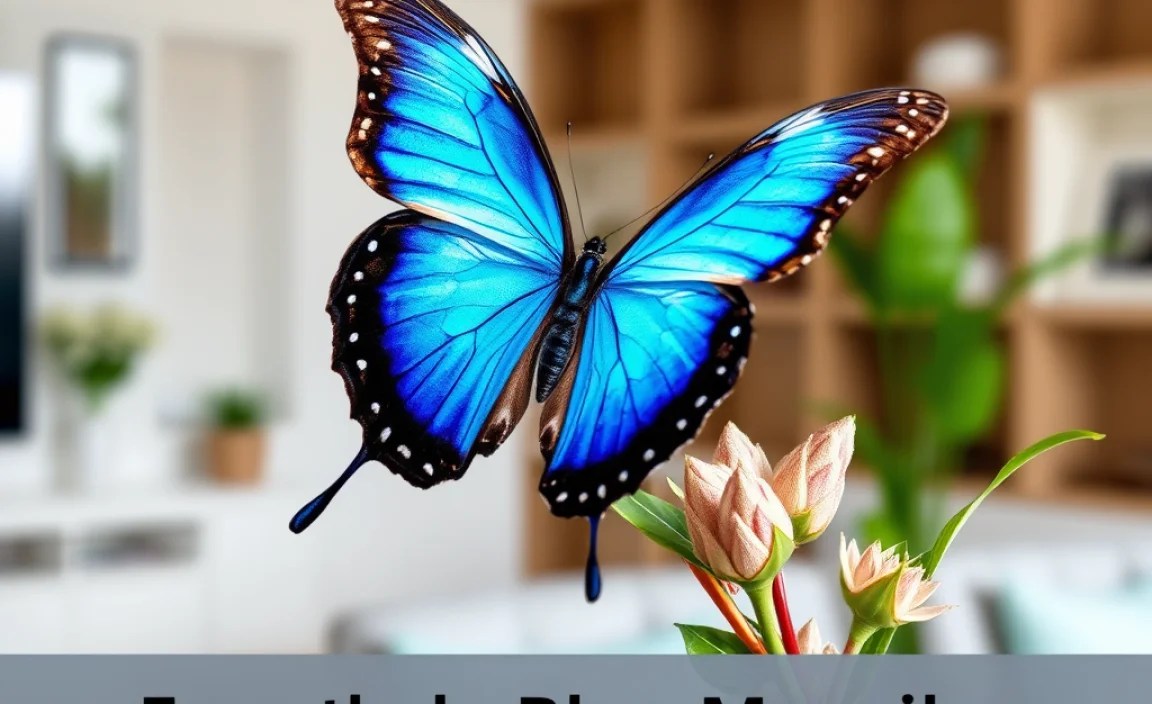
Displaying a Blue Morpho is an art. You want to show off its beauty while keeping it safe. Several things can impact how good your display looks. These include the case, the background, and the lighting. Knowing the best Blue Morpho display tips will help. It will allow you to create a stunning display. A well-displayed butterfly can be a real conversation starter. It can also be a beautiful piece of art in your home. Think about where you want to put it. Then, follow these tips to make it shine.
- Use a shadow box frame to add depth.
- Choose acid-free paper for the background.
- Position the butterfly to show off its wings.
- Avoid direct sunlight to prevent fading.
- Regularly check for pests like moths or beetles.
- Label the display with the butterfly’s name and origin.
Displaying your Blue Morpho is not just about showing it off. It is also about preserving it. Proper display methods protect your butterfly from damage. They also keep its colors bright. With the right care, your Blue Morpho can last for many years. It will remind you of the beauty of nature. Share the wonder of these amazing creatures. Make sure to follow the best practices. This ensures your display looks great and lasts a long time. It also helps educate others about the importance of conservation.
Fun Fact or Stat: Blue Morpho butterflies get their bright blue color from the structure of their wings, not pigment!
Choosing the Right Display Case
Picking the right display case is very important. Do you want a simple frame or a fancy shadow box? The case will protect your Blue Morpho from dust and damage. It also helps to show it off in the best way. Think about the size of your butterfly. Make sure the case is big enough. You don’t want to squash its wings! Also, consider the material. Glass or acrylic are good choices. They let you see the butterfly clearly. A good case will keep your Blue Morpho safe and beautiful for years to come.
Proper Lighting for Display
Lighting can make a big difference in how your Blue Morpho looks. Too much sunlight can fade its colors. But, not enough light can make it look dull. What is the best way to light your display? Use LED lights. They don’t get too hot and won’t damage the butterfly. Position the lights to shine on the wings. This will show off their bright blue color. Experiment with different angles. Find what looks best. Good lighting will bring your Blue Morpho to life.
Background Ideas for Your Display
The background can really make your Blue Morpho stand out. A plain white background can look clean and simple. But, a dark background can make the blue pop. What colors work best? Consider using a natural scene. A picture of a rainforest could be a nice touch. Or, use a textured paper for a more artistic look. Think about what will make your butterfly look its best. The right background will add to the beauty of your display.
Best Frames for Blue Morpho Displays
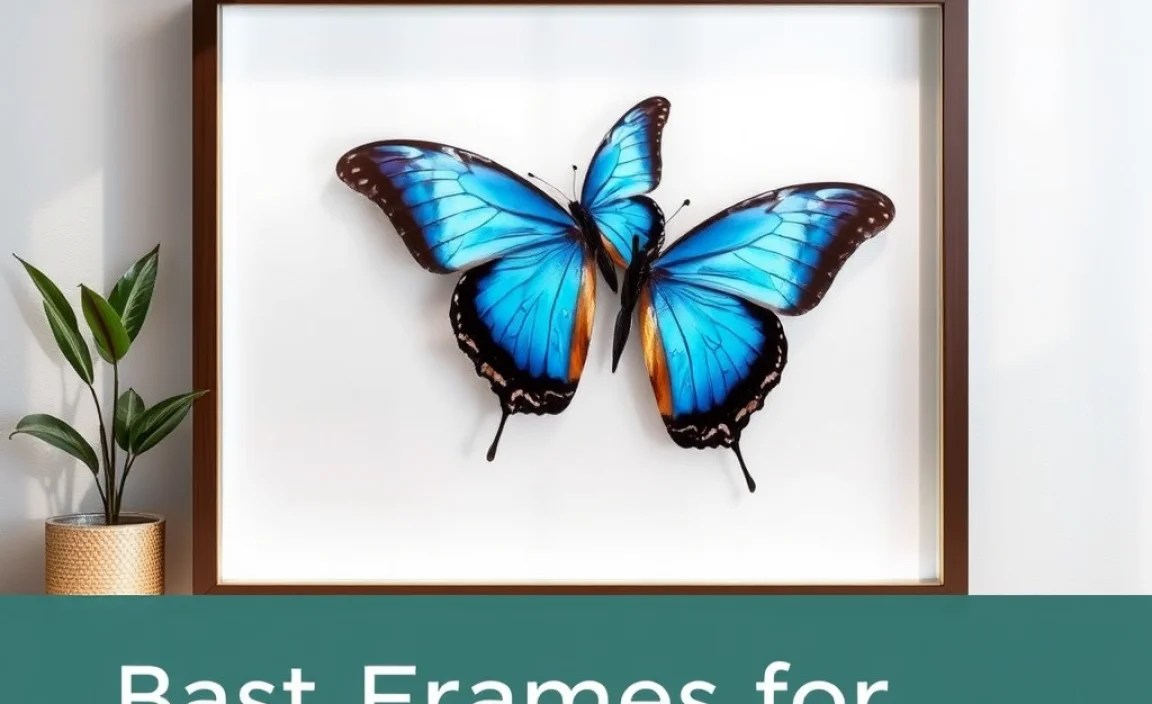
Choosing the right frame is key. The frame protects the butterfly. It also enhances its beauty. Should you pick a wooden frame or a metal one? What about the color? A simple black frame can look elegant. A natural wood frame can give a rustic feel. Consider the style of your home. Pick a frame that matches. The best frame will complement your Blue Morpho. It will also fit in with your decor. This makes your display even more special.
- Wooden frames offer a natural, warm look.
- Metal frames provide a sleek, modern feel.
- Shadow box frames add depth and dimension.
- Consider the size of the frame to fit the butterfly.
- Choose a frame color that complements the butterfly’s blue.
- Make sure the frame is sealed to protect from dust.
Think about the purpose of your display. Is it for education or decoration? A simple frame might be best for a classroom. A more elaborate frame might be better for your living room. The frame should not distract from the butterfly. It should enhance its beauty. Look for frames with UV protection. This will help prevent fading. A good frame is an investment in the long-term beauty of your display. It shows you care about preserving this amazing creature.
Fun Fact or Stat: Some frames are designed to be airtight. This prevents any moisture from getting in and damaging the butterfly!
DIY Frame Ideas
Want to save money and get creative? Try making your own frame! You can use materials you already have at home. An old picture frame can be a great starting point. Decorate it with paint, paper, or fabric. Get the kids involved. It can be a fun family project. A homemade frame adds a personal touch to your display. It shows off your creativity. Plus, it is a great way to recycle old materials. DIY frames make your Blue Morpho display unique.
Where to Buy Frames
Not feeling crafty? No problem! You can buy frames online or at craft stores. Look for frames that are specifically designed for displaying insects. These frames often have a deeper space. This gives the butterfly room. Read reviews before you buy. Make sure the frame is good quality. A well-made frame will protect your butterfly. It will also look great on your wall. Shopping around will help you find the perfect frame.
How to Mount a Blue Morpho in a Frame
Mounting the butterfly correctly is very important. You don’t want to damage its delicate wings. Use special insect pins. These pins are thin and won’t hurt the butterfly. Gently position the butterfly in the frame. Make sure its wings are spread out nicely. Use a soft brush to remove any dust. Be very careful! This is a delicate process. But, with patience, you can create a beautiful display. A well-mounted butterfly looks professional and stunning.
Lighting Tips for Morpho Butterfly Displays
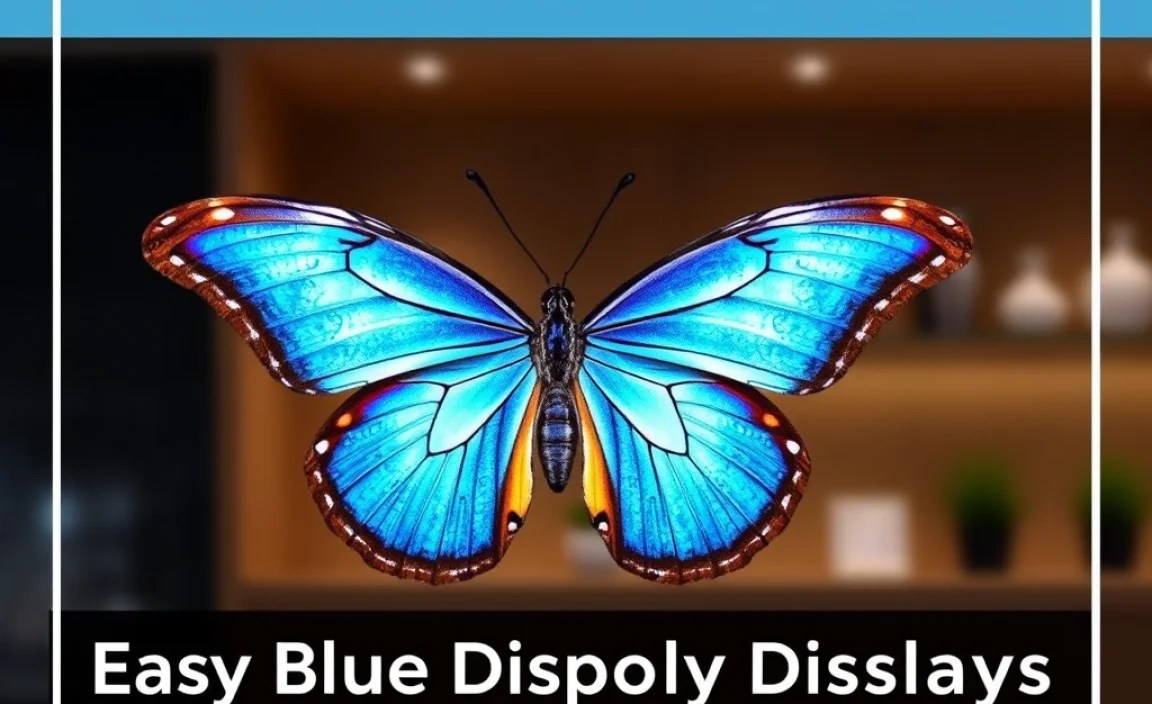
Proper lighting is key for showing off your Blue Morpho. The right light can make its colors pop. The wrong light can fade its wings. How do you find the perfect balance? Natural light is great, but avoid direct sunlight. It can damage the butterfly. LED lights are a good choice. They are gentle and won’t overheat. Position the lights to highlight the blue color. Experiment with different angles. Good lighting will bring your display to life. It will make your Blue Morpho shine.
- Avoid direct sunlight to prevent fading.
- Use LED lights for gentle illumination.
- Position lights to highlight the blue iridescence.
- Consider using a dimmer to adjust the brightness.
- Experiment with different light temperatures.
- Ensure the light source doesn’t generate too much heat.
Think about the overall look you want to achieve. Do you want a bright, vibrant display? Or, a more subtle, elegant one? The lighting can help you create the perfect mood. Consider using a spotlight to focus on the butterfly. Or, use ambient lighting for a softer glow. The right lighting will enhance the beauty of your Blue Morpho. It will also create a stunning visual effect. It is worth taking the time to get it right. Your efforts will pay off with a beautiful display.
Fun Fact or Stat: UV light is especially harmful to butterfly wings. Always use UV-protective glass or acrylic in your display case!
Using LED Lights
LED lights are a great option for displaying butterflies. They are energy-efficient and long-lasting. They also don’t produce much heat. This is important because heat can damage the butterfly’s wings. Choose LED lights with a cool white color. This will show off the blue color of the Morpho. Position the lights carefully. You want to avoid harsh shadows. LED lights are a safe and effective way to illuminate your display.
Avoiding Sunlight
Sunlight is the enemy of butterfly displays. The sun’s rays can fade the colors of the wings. This can ruin your beautiful Blue Morpho. Keep your display away from windows. If you must place it near a window, use curtains or blinds. You can also use UV-protective glass. This will block the harmful rays. Protecting your butterfly from sunlight is essential. It will keep its colors vibrant for years to come.
Adjusting Light Levels
The right light level can make a big difference. Too much light can be harsh. Too little light can make the butterfly look dull. Experiment with different light levels. Use a dimmer switch to adjust the brightness. Observe how the butterfly looks under different lighting conditions. Find the level that shows off its colors best. Adjusting the light level is a simple way to improve your display.
How to Protect Butterflies in Displays

Protecting your Blue Morpho is very important. You want to keep it safe from damage. Dust, pests, and humidity can all harm the butterfly. How do you keep it in good condition? Use a sealed display case. This will keep out dust and pests. Store the display in a cool, dry place. This will prevent humidity from damaging the wings. Handle the butterfly with care. Always hold it by the body, not the wings. Proper care will keep your butterfly looking beautiful for years.
- Use a sealed display case to protect from dust and pests.
- Store the display in a cool, dry place.
- Handle the butterfly with care, holding it by the body.
- Regularly check for signs of pests.
- Use silica gel packets to absorb moisture.
- Avoid touching the wings to prevent damage.
- Clean the display case with a soft, dry cloth.
Think about the environment where you live. Is it humid? If so, you will need to take extra precautions. Use a dehumidifier in the room. This will help keep the air dry. Check the display case regularly for signs of moisture. If you see any, replace the silica gel packets. Preventing damage is easier than repairing it. Take the time to protect your butterfly. It will be worth it in the long run. Your Blue Morpho will stay beautiful and vibrant for many years to come. This will allow you to continue to enjoy its beauty.
Fun Fact or Stat: Moths and carpet beetles are common pests that can damage butterfly collections. Regular inspection is crucial!
Dealing with Humidity
Humidity is a big threat to butterfly displays. It can cause the wings to become brittle. It can also promote mold growth. Keep your display in a dry place. Use silica gel packets to absorb moisture. Consider using a dehumidifier in the room. Monitor the humidity levels regularly. Take action if you see signs of moisture. Protecting your butterfly from humidity is essential.
Preventing Pests
Pests can destroy a butterfly display. Moths and beetles are common culprits. They can eat the butterfly’s wings. Inspect your display regularly for signs of pests. Use mothballs or cedar chips to repel insects. You can also use insecticidal strips. Be careful when using these products. Follow the instructions carefully. Preventing pests is key to preserving your butterfly.
Cleaning the Display Case
A dirty display case can detract from the beauty of your butterfly. Dust and fingerprints can make it look dull. Clean the case regularly with a soft, dry cloth. Avoid using harsh chemicals. They can damage the case or the butterfly. A clean display case will show off your butterfly in the best light. It will also protect it from dust and dirt.
## How to Arrange Blue Morphos in Multiples
One Blue Morpho is beautiful. But, a group of them can be stunning! How do you arrange multiple butterflies in a display? Consider the size of the frame. Don’t overcrowd it. Arrange the butterflies in a pleasing pattern. You can create a symmetrical design. Or, you can go for a more natural, organic look. Use different sizes and shapes of butterflies. This will add interest to the display. A well-arranged group of Blue Morphos is a true work of art. It can be a stunning addition to any home.
| Arrangement Style | Description | Pros | Cons |
|---|---|---|---|
| Symmetrical | Butterflies arranged in a balanced, mirrored pattern. | Visually appealing, orderly, and easy to create. | Can look too formal or predictable. |
| Asymmetrical | Butterflies arranged in an unbalanced, natural-looking pattern. | More dynamic, organic, and interesting. | Requires more planning and a good eye for design. |
| Gradient | Butterflies arranged in a color gradient, from light to dark. | Highlights the color variations in the butterflies. | Requires a collection with a range of colors. |
| Random | Butterflies arranged in a seemingly random, scattered pattern. | Natural look, simple to arrange, good use for odd numbers. | Can look messy if not done carefully. |
Think about the story you want to tell. Are you trying to recreate a natural scene? Or, are you creating an abstract design? The arrangement of the butterflies can help you tell that story. Consider using different types of butterflies. This will add variety to the display. But, make sure the Blue Morphos are the focal point. They are the stars of the show! A well-arranged display will capture the beauty of these amazing creatures. It will also add a touch of nature to your home.
Fun Fact or Stat: Butterfly farms often sell “spread” butterflies, which are already prepared for display!
Creating a Natural Scene
Want to make your display look like a real rainforest? Add some natural elements. Use dried leaves, twigs, and flowers. Arrange them around the butterflies. This will create a more immersive experience. It will also add texture and interest to the display. Be careful not to overcrowd the frame. You still want the butterflies to be the main focus. A natural scene will bring your display to life.
Using Different Butterfly Species
Mixing different butterfly species can create a more interesting display. Choose butterflies that complement the Blue Morphos. Butterflies with similar colors or patterns can work well. But, be careful not to choose butterflies that are too similar. You want to create a contrast. A variety of butterflies will make your display more visually appealing. It will also showcase the diversity of the insect world.
Symmetrical vs. Asymmetrical Arrangements
Symmetrical arrangements are balanced and orderly. They can be pleasing to the eye. But, they can also look a bit formal. Asymmetrical arrangements are more natural and dynamic. They can be more interesting. But, they require more planning. Consider the overall look you want to achieve. Choose the arrangement style that best suits your vision. Both symmetrical and asymmetrical arrangements can be beautiful.
Displaying Blue Morphos with Other Insects
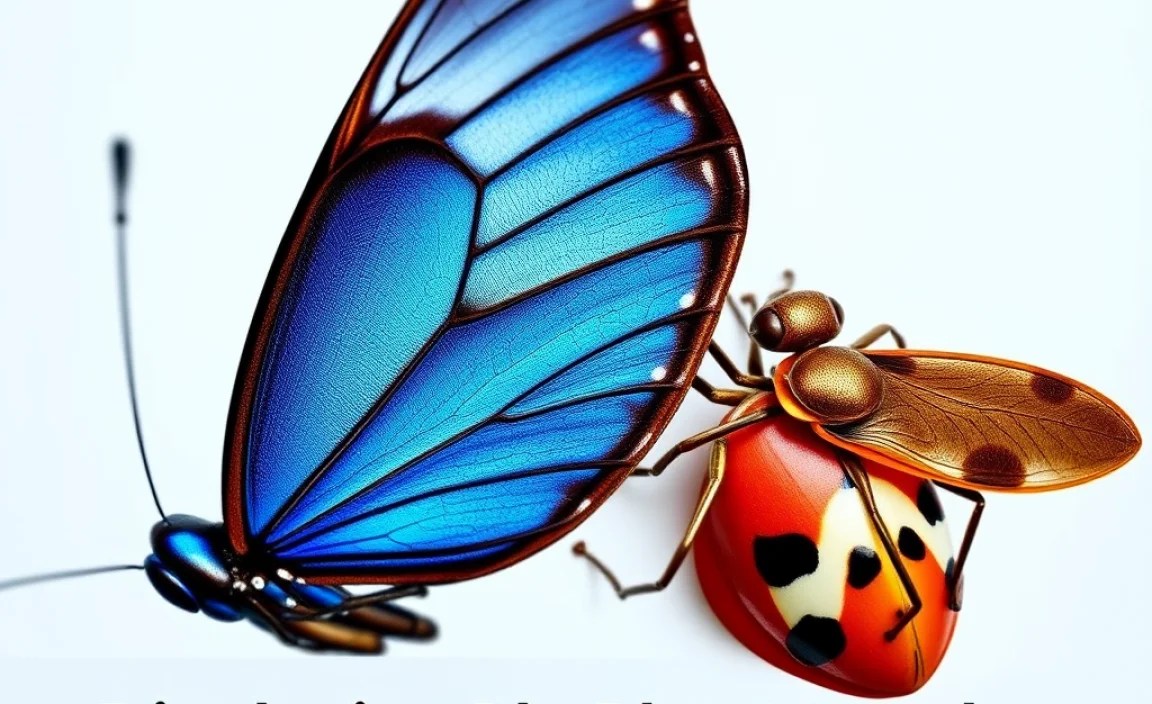
Want to add even more interest to your display? Consider adding other insects. Beetles, moths, and dragonflies can all be beautiful additions. Choose insects that complement the Blue Morphos. Insects with similar colors or textures can work well. Arrange the insects in a pleasing pattern. Be careful not to overcrowd the frame. You still want the butterflies to be the main focus. A well-curated insect display can be a fascinating conversation starter. It can also be a beautiful piece of art.
- Choose insects that complement the Blue Morphos.
- Arrange the insects in a pleasing pattern.
- Avoid overcrowding the display.
- Use insects of different sizes and shapes.
- Consider the colors and textures of the insects.
- Label each insect with its name and origin.
Think about the story you want to tell. Are you trying to create a miniature ecosystem? Or, are you simply showcasing the beauty of insects? The choice of insects can help you tell that story. Consider using insects from the same region as the Blue Morphos. This will create a more cohesive display. A well-planned insect display can be both educational and beautiful. It can also inspire a greater appreciation for the natural world.
Fun Fact or Stat: Some museums use insect displays to teach visitors about biodiversity and conservation!
Choosing Complementary Insects
When choosing insects to display with Blue Morphos, consider their colors and shapes. Beetles with iridescent shells can be a good choice. Moths with intricate patterns can also be beautiful additions. Dragonflies with delicate wings can add a touch of elegance. Choose insects that enhance the beauty of the Blue Morphos. Avoid insects that are too similar in color or shape. You want to create a contrast.
Arranging Insects for Visual Appeal
Arranging the insects is key to creating a visually appealing display. Consider the size and shape of each insect. Arrange them in a way that is balanced and harmonious. Use different levels to create depth. Overlap some of the insects to create a more natural look. Experiment with different arrangements until you find one that you like. A well-arranged insect display is a true work of art.
Labeling Your Insect Display
Labeling your insect display is important for educational purposes. Include the name of each insect. Also, include its origin and any interesting facts. This will help viewers learn more about the insects. It will also make your display more engaging. Use small, discreet labels that don’t detract from the beauty of the insects. A well-labeled insect display is both informative and beautiful.
Summary
Displaying Blue Morpho butterflies is a fun way to show off their beauty. You can use different frames to protect them. Lighting helps to make their colors pop. Be sure to protect them from pests and humidity. Arrange them in a way that is pleasing to the eye. You can even add other insects to your display. Remember to follow the Blue Morpho display tips for the best results. With a little care, your display will be a stunning addition to your home.
Conclusion
Displaying Blue Morpho butterflies can be a rewarding hobby. It allows you to appreciate the beauty of nature. Proper display methods protect the butterflies. They also keep their colors vibrant. Remember to use the right frames and lighting. Protect them from pests and humidity. By following these Blue Morpho display tips, you can create a stunning display. It will bring joy for years to come.
Frequently Asked Questions
Question No 1: How do I prevent my Blue Morpho butterfly from fading?
Answer: Fading is a common concern. To prevent your Blue Morpho from fading, avoid direct sunlight. Sunlight can damage the delicate pigments in its wings. Use UV-protective glass in your display case. This will block harmful rays. LED lighting is also a good choice. It is gentle and doesn’t produce much heat. Store your display in a cool, dark place when possible. These Blue Morpho display tips will help keep your butterfly vibrant for years to come.
Question No 2: What is the best way to clean a Blue Morpho display case?
Answer: Cleaning your display case is important to keep it looking its best. Use a soft, dry cloth to wipe the glass or acrylic. Avoid using harsh chemicals or cleaners. They can damage the case or the butterfly. If you need to use a cleaner, choose one that is specifically designed for glass or acrylic. Spray the cleaner onto the cloth, not directly onto the case. This will prevent any liquid from getting inside and damaging the butterfly. Regular cleaning will keep your display looking pristine.
Question No 3: How do I protect my Blue Morpho from pests?
Answer: Pests can be a serious threat to butterfly displays. Moths and beetles are common culprits. They can eat the butterfly’s wings. To protect your Blue Morpho, use a sealed display case. This will keep pests out. You can also use mothballs or cedar chips to repel insects. Place them inside the display case, away from the butterfly. Inspect your display regularly for signs of pests. Take action immediately if you see any. These Blue Morpho display tips will help keep your butterfly safe from pests.
Question No 4: Where can I buy Blue Morpho butterflies for display?
Answer: You can buy Blue Morpho butterflies from a variety of sources. Butterfly farms are a popular option. They sell butterflies that have been raised specifically for display. Insect suppliers are another option. They sell a wide variety of insects, including butterflies. You can also find butterflies online. Be sure to buy from a reputable source. This will ensure that you are getting a high-quality specimen. Always ensure that the sale and purchase complies with local regulations and conservation efforts.
Question No 5: What should I do if my Blue Morpho’s wings are damaged?
Answer: Damaged wings can be a concern. If your Blue Morpho’s wings are damaged, you may be able to repair them. Use a small amount of clear glue to reattach any loose pieces. Be very careful not to use too much glue. You can also use a small piece of tissue paper to support the wing. If the damage is severe, you may want to consult a professional. They can help you repair the butterfly and restore it to its former glory. However, prevention using correct Blue Morpho display tips is better than cure.
Question No 6: How do I create a natural-looking display for my Blue Morpho?
Answer: Creating a natural-looking display can enhance the beauty of your Blue Morpho. Use natural elements such as dried leaves, twigs, and flowers. Arrange them around the butterfly to create a realistic scene. Consider using a background that resembles a rainforest. This will help to create a more immersive experience. Be careful not to overcrowd the display. You still want the butterfly to be the main focus. A natural-looking display will bring your Blue Morpho to life. Don’t forget to research about the butterfly’s natural habitat.


