
Blue Morpho Egg Incubation Time: The Ultimate Guide

Have you ever seen a butterfly with bright blue wings? It might be a Blue Morpho! These butterflies are famous for their shiny, blue color. But how do these amazing creatures begin their lives? One important part is the Blue Morpho egg incubation time.
The Blue Morpho starts as a tiny egg. The egg sits on a leaf, waiting to hatch. How long does it take for the egg to hatch? Let’s find out about the Blue Morpho egg incubation time and more!
Key Takeaways
- The Blue Morpho egg incubation time is usually about 8 to 10 days.
- Blue Morpho caterpillars eat a lot and grow very quickly.
- These butterflies live in rainforests of Central and South America.
- Adult Blue Morphos mainly drink juices from fruit and tree sap.
- The bright blue wings help them signal and startle predators.
Understanding Blue Morpho Egg Incubation Time
The Blue Morpho egg incubation time is a very important time in the butterfly’s life. It’s when the tiny caterpillar inside the egg grows and gets ready to hatch. The egg incubation time is the period from when the egg is laid until the larva emerges. This period usually lasts about 8 to 10 days. Many things can affect how long it takes. Temperature and humidity are important. Warmer temperatures can make the eggs hatch faster. Cooler temperatures can slow things down. If the air is too dry, the eggs might not hatch at all. So, the right conditions are needed for a healthy Blue Morpho to be born.
- Eggs are usually pale green.
- They are very small and round.
- The eggs are laid on host plants.
- Warm temperatures help them hatch.
- Humidity keeps them from drying out.
After the eggs hatch, small caterpillars come out. These caterpillars are very hungry. They start eating the leaves of the host plant right away. The caterpillars need to eat a lot so they can grow big and strong. As they eat, they shed their skin. This is called molting. They do this several times as they grow. Each time they molt, they get bigger. The caterpillar stage is very important for the Blue Morpho. It’s when they gather all the energy they need to become a beautiful butterfly. Watching them grow is an amazing process.
Fun Fact or Stat: Blue Morpho butterflies are known for their iridescent blue wings, which are actually the result of microscopic scales that reflect light!
What Conditions Affect Hatching?
Have you ever wondered what helps a butterfly egg hatch? Temperature is a big deal. If it’s too cold, the little caterpillar inside won’t grow fast enough. It needs warmth to develop. Think of it like baking a cake. If the oven isn’t hot enough, the cake won’t rise. It’s similar for Blue Morpho eggs. They need the right temperature to hatch on time. Humidity also plays a part. If the air is too dry, the egg can dry out. A dry egg is like a plant that doesn’t get enough water. It can’t grow. So, warmth and moisture are needed for a Blue Morpho egg to hatch successfully.
Why Is Incubation Time Important?
Why do we even care about Blue Morpho egg incubation time? Well, it tells us a lot about the butterfly’s life cycle. Knowing how long it takes for the eggs to hatch helps scientists understand how these butterflies live. It also helps people who raise butterflies. They can make sure the eggs have the right conditions. If something goes wrong during incubation, the butterfly might not survive. So, understanding the incubation time is key to helping these beautiful creatures thrive. The incubation time is like a timer. It tells us when to expect the next stage of the butterfly’s life.
How to Help Blue Morpho Eggs?
What can you do to help Blue Morpho eggs? If you are raising butterflies, keep the eggs in a warm, humid place. You can use a special container to keep the humidity up. Make sure the temperature stays steady. Don’t let it get too hot or too cold. Also, protect the eggs from predators. Other insects might want to eat them. By taking good care of the eggs, you can help more Blue Morphos hatch and grow. You can be a butterfly helper! It’s a fun and rewarding experience to watch them grow from tiny eggs to beautiful butterflies.
Fun Fact or Stat: Blue Morpho caterpillars often eat plants that are toxic to other animals, making them unpalatable to many predators!
Ideal Temperature For Blue Morpho Eggs
The ideal temperature for Blue Morpho egg incubation time is very important. These eggs need a warm and steady environment to develop properly. The best temperature is usually between 75°F and 85°F (24°C and 29°C). If the temperature is too low, the eggs will take longer to hatch. In some cases, they might not hatch at all. If the temperature is too high, the eggs can dry out or the caterpillars inside can get damaged. Keeping the temperature steady is key. You can use a heat lamp or a special incubator to control the temperature. A thermometer will help you keep track of the temperature. By keeping the temperature just right, you can help more Blue Morpho eggs hatch into healthy caterpillars.
- Ideal temperature: 75°F to 85°F.
- Too cold slows down hatching.
- Too hot can damage the eggs.
- Use a thermometer to monitor.
- Keep temperature as steady as possible.
Imagine you are trying to grow a plant. You need to give it the right amount of sunlight and water. It’s the same with Blue Morpho eggs. They need the right temperature to grow. Think of the temperature as the butterfly egg’s sunshine. If they don’t get the right amount, they won’t grow properly. So, if you want to help Blue Morpho eggs hatch, make sure they have the perfect temperature. It’s like giving them a warm hug so they can grow into beautiful butterflies. They need your help to thrive.
Fun Fact or Stat: Blue Morpho butterflies are found in the rainforests of Central and South America, where the climate is naturally warm and humid!
What Happens If It’s Too Cold?
What happens if the temperature is too cold for Blue Morpho egg incubation time? The development of the caterpillar inside the egg slows down. It’s like putting a plant in the shade. It still grows, but not as fast. If it stays cold for too long, the caterpillar might not be strong enough to hatch. It can also make the caterpillar weak. A weak caterpillar might not be able to find food or protect itself. So, keeping the temperature warm enough is very important for the caterpillar’s survival. It’s like giving the caterpillar a head start in life.
What Happens If It’s Too Hot?
Now, what happens if it’s too hot for Blue Morpho egg incubation time? Too much heat can dry out the egg. Imagine leaving a grape in the sun. It shrivels up and becomes a raisin. The same thing can happen to a butterfly egg. If the egg dries out, the caterpillar inside can die. High temperatures can also damage the caterpillar. It’s like cooking an egg too long. The yolk gets hard and rubbery. So, it’s important to keep the temperature just right. Not too hot, not too cold, but just perfect for the caterpillar to grow.
How To Control Temperature?
How can you control the temperature for Blue Morpho egg incubation time? You can use a special incubator. An incubator is like a little house for the eggs. It keeps the temperature steady. You can also use a heat lamp. A heat lamp gives off warmth. Make sure the lamp is not too close to the eggs. You don’t want to cook them! A thermometer is very important. Use it to check the temperature regularly. If it gets too hot or too cold, you can adjust the incubator or heat lamp. Keeping the temperature steady is key to helping the eggs hatch.
Fun Fact or Stat: Some breeders use climate-controlled rooms to precisely regulate the temperature and humidity for Blue Morpho eggs!
Humidity’s Role in Blue Morpho Egg Hatching
Humidity is another very important part of Blue Morpho egg incubation time. Humidity is the amount of water in the air. Butterfly eggs need the right amount of moisture to stay healthy. If the air is too dry, the eggs can dry out and crack. The caterpillar inside needs moisture to grow. Think of it like your skin. If you don’t put on lotion, your skin gets dry and itchy. Butterfly eggs need moisture just like your skin. The ideal humidity for Blue Morpho eggs is around 70% to 80%. You can use a humidifier to add moisture to the air. A hygrometer measures the humidity. Keep the humidity steady so the eggs stay healthy and hatch.
- Ideal humidity: 70% to 80%.
- Dry air can crack the eggs.
- Use a humidifier to add moisture.
- A hygrometer measures humidity.
- Keep humidity as steady as possible.
Imagine you are growing a seed. You need to water it regularly. If you don’t water it, the seed will dry out and won’t grow. Butterfly eggs are similar. They need the right amount of moisture to grow. Think of humidity as the butterfly egg’s water. If they don’t get enough humidity, they won’t hatch. So, if you want to help Blue Morpho eggs hatch, make sure they have the perfect humidity. It’s like giving them a drink of water so they can grow into beautiful butterflies.
Fun Fact or Stat: Blue Morpho butterflies live in rainforests, which are naturally humid environments that support their egg development!
What Happens If It’s Too Dry?
What happens if the air is too dry for Blue Morpho egg incubation time? The egg loses water. It’s like leaving a glass of water out in the sun. The water slowly disappears. If the egg loses too much water, it can shrivel up. The caterpillar inside might not be able to grow. It can also make the shell hard. A hard shell makes it difficult for the caterpillar to break out. So, keeping the air humid is very important for the egg’s survival. It helps the caterpillar grow and hatch.
What Happens If It’s Too Humid?
Now, what happens if it’s too humid for Blue Morpho egg incubation time? Too much humidity can cause mold to grow. Mold is a type of fungus. It can grow on the eggshell. Mold can harm the caterpillar inside. It can also make the egg rot. So, it’s important to keep the humidity just right. Not too dry, not too humid, but just perfect for the caterpillar to grow. You want to keep the eggs healthy and free from mold.
How To Control Humidity?
How can you control the humidity for Blue Morpho egg incubation time? You can use a humidifier. A humidifier adds moisture to the air. You can also use a spray bottle. Lightly mist the eggs with water. Be careful not to spray too much water. You don’t want to make the eggs too wet. A hygrometer is very important. Use it to check the humidity regularly. If it gets too dry or too humid, you can adjust the humidifier or spray bottle. Keeping the humidity steady is key to helping the eggs hatch.
Fun Fact or Stat: Some butterfly breeders use sealed containers with a small dish of water to maintain the correct humidity levels for Blue Morpho eggs!
Blue Morpho Egg Appearance
The appearance of Blue Morpho eggs can tell you a lot about their health and development during the Blue Morpho egg incubation time. Freshly laid eggs are usually a pale green color. They are very small, about the size of a pinhead. The eggs are round or slightly oval in shape. As the egg develops, the color might change. It can become darker or more translucent. This means you can see through it a little. If the egg turns brown or black, it might not be healthy. A healthy egg should stay green or a light color. Look closely at the eggs to see how they are developing. The color and shape can tell you if they are doing well.
- Fresh eggs are pale green.
- They are very small in size.
- Eggs are round or oval shaped.
- Color changes during development.
- Unhealthy eggs turn brown or black.
Imagine you are watching a plant grow. You can tell if it’s healthy by looking at its leaves. If the leaves are green and strong, the plant is doing well. If the leaves are yellow or brown, the plant might be sick. It’s the same with Blue Morpho eggs. You can tell if they are healthy by looking at their color and shape. If they are green and round, they are probably doing well. If they are brown or shriveled, they might not be healthy. So, pay close attention to the appearance of the eggs. It can help you make sure they are growing properly.
Fun Fact or Stat: Blue Morpho eggs are often laid on the underside of leaves to protect them from direct sunlight and predators!
What Does a Healthy Egg Look Like?
What does a healthy Blue Morpho egg look like during the Blue Morpho egg incubation time? A healthy egg is usually a pale green color. It has a smooth, shiny surface. The shape is round or slightly oval. The egg should look full and plump. It should not be shriveled or cracked. If you look closely, you might see tiny veins inside the egg. These veins show that the caterpillar is developing. A healthy egg looks like it is full of life and ready to hatch. It’s like a tiny green jewel waiting to become a butterfly.
What Does an Unhealthy Egg Look Like?
What does an unhealthy Blue Morpho egg look like during the Blue Morpho egg incubation time? An unhealthy egg might be brown or black in color. It might be shriveled or cracked. The surface might look dull and dry. You might see mold growing on the egg. The egg might also be collapsed or misshapen. An unhealthy egg looks like it is decaying or lifeless. It’s like a plant that has dried out and died. If you see an egg that looks unhealthy, it’s probably not going to hatch.
How Does the Egg Change Over Time?
How does the Blue Morpho egg change over time during the Blue Morpho egg incubation time? When the egg is first laid, it is usually a bright green color. Over the next few days, the color might darken slightly. You might see tiny veins inside the egg. These veins show that the caterpillar is growing. Just before the egg hatches, it might become more translucent. This means you can see the caterpillar inside. The egg might also swell slightly as the caterpillar gets bigger. These changes show that the egg is developing normally and is getting ready to hatch.
Fun Fact or Stat: The color and texture of Blue Morpho eggs can vary slightly depending on the specific host plant they are laid on!
Caterpillar Emergence After Incubation
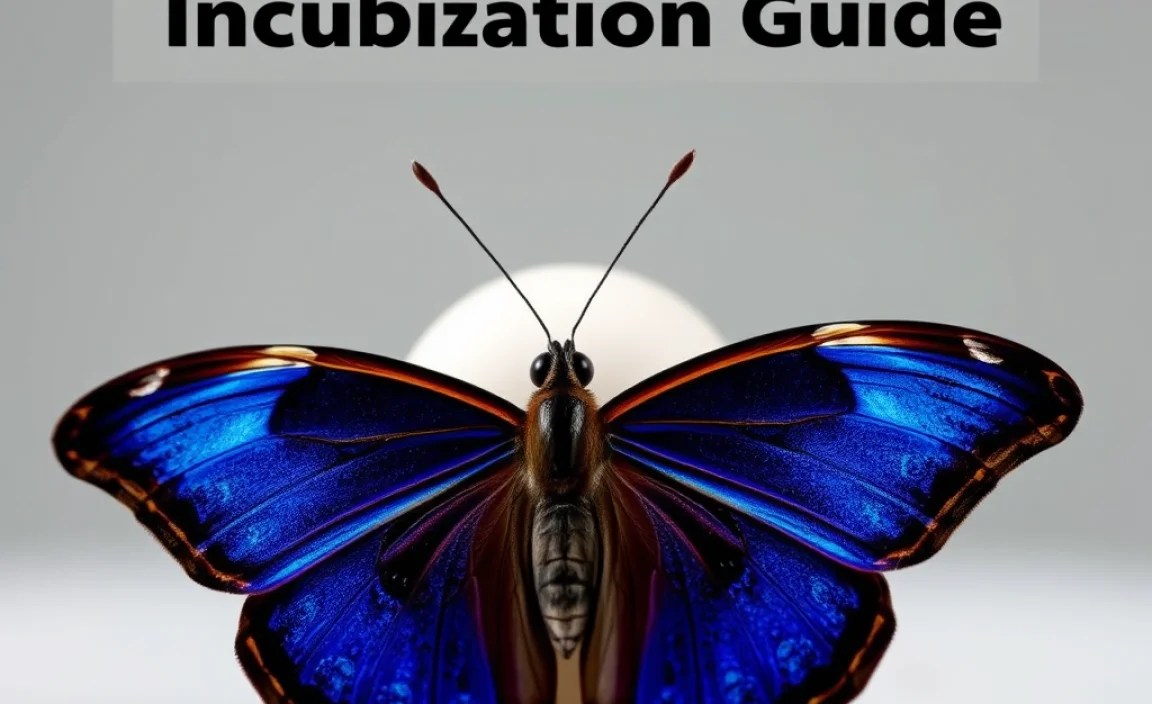
After the Blue Morpho egg incubation time, the caterpillar emerges from the egg. This is a very exciting time! The caterpillar uses its tiny jaws to chew a hole in the eggshell. It slowly wiggles its way out of the egg. The caterpillar is very small when it first hatches. It is usually only a few millimeters long. The caterpillar is very hungry. It starts eating the eggshell right away. This gives it energy to start growing. The caterpillar then moves on to eating the leaves of the host plant. Watching the caterpillar emerge from the egg is an amazing sight. It’s the beginning of a new life.
- Caterpillar chews a hole.
- It wiggles out of the egg.
- Caterpillar is very small at first.
- It eats the eggshell for energy.
- Then it eats leaves of the host plant.
Imagine you are watching a chick hatch from an egg. The chick pecks at the shell until it breaks open. It slowly pushes its way out. It’s the same with a Blue Morpho caterpillar. It uses its jaws to break open the eggshell. It slowly wiggles its way out. It’s like a tiny explorer coming out into the world. The caterpillar is ready to start its life as a leaf-eating machine. It needs to eat a lot to grow big and strong. So, it starts munching on leaves right away.
Fun Fact or Stat: Blue Morpho caterpillars often eat their own eggshells after hatching to recycle nutrients and gain energy!
How Does the Caterpillar Break Out?
How does the Blue Morpho caterpillar break out of the egg after the Blue Morpho egg incubation time? The caterpillar has tiny but strong jaws. It uses these jaws to chew a small hole in the eggshell. The caterpillar then pushes its head through the hole. It wiggles its body until it is completely out of the egg. The eggshell is very thin and brittle. This makes it easier for the caterpillar to break through. The process can take several minutes. It’s a lot of work for such a tiny creature!
What Does the Caterpillar Eat First?
What does the Blue Morpho caterpillar eat first after the Blue Morpho egg incubation time? The first thing the caterpillar eats is its own eggshell. The eggshell is full of nutrients. These nutrients give the caterpillar energy. After eating the eggshell, the caterpillar starts eating the leaves of the host plant. The host plant is the plant that the butterfly lays its eggs on. The caterpillar needs to eat a lot of leaves to grow big and strong. It’s like a baby drinking milk to grow.
How Fast Does the Caterpillar Grow?
How fast does the Blue Morpho caterpillar grow after the Blue Morpho egg incubation time? The caterpillar grows very quickly. It can double in size in just a few days. The caterpillar eats almost constantly. It sheds its skin several times as it grows. This is called molting. Each time it molts, it gets bigger and bigger. The caterpillar needs to grow quickly so it can become a pupa. The pupa is the stage before it becomes a butterfly. It’s like a caterpillar race to become a butterfly.
Fun Fact or Stat: Blue Morpho caterpillars can increase their body weight by thousands of times during their larval stage!
Factors Affecting Incubation Success
Several factors can affect the success of Blue Morpho egg incubation time. Temperature and humidity are very important. The eggs need to be kept at the right temperature and humidity. If it’s too hot or too cold, the eggs might not hatch. If it’s too dry or too humid, the eggs might also not hatch. Predators can also affect incubation success. Other insects might eat the eggs. Diseases can also kill the eggs. Handling the eggs carefully is important. You don’t want to damage them. By controlling these factors, you can increase the chances of the eggs hatching successfully.
- Temperature must be just right.
- Humidity must be well controlled.
- Predators can eat the eggs.
- Diseases can kill the eggs.
- Handle eggs very carefully.
Imagine you are trying to bake a cake. You need to use the right ingredients and follow the recipe carefully. If you use the wrong ingredients or don’t follow the recipe, the cake might not turn out right. It’s the same with Blue Morpho eggs. You need to provide the right conditions for them to hatch. If you don’t, they might not survive. So, pay close attention to the temperature, humidity, predators, and diseases. It will help you ensure that the eggs hatch successfully.
Fun Fact or Stat: The survival rate of Blue Morpho eggs in the wild is often quite low due to predation and environmental factors!
How Do Predators Affect Eggs?
How do predators affect Blue Morpho eggs during the Blue Morpho egg incubation time? Many insects and other animals like to eat butterfly eggs. Ants, spiders, and other small creatures can find the eggs and eat them. This can greatly reduce the number of eggs that hatch. To protect the eggs, you can use a mesh cage. The cage keeps the predators away from the eggs. You can also inspect the eggs regularly to remove any predators. Protecting the eggs from predators is very important for their survival.
How Does Disease Affect Eggs?
How does disease affect Blue Morpho eggs during the Blue Morpho egg incubation time? Diseases can kill the eggs before they have a chance to hatch. Bacteria and fungi can grow on the eggs. These organisms can harm the developing caterpillar. To prevent diseases, keep the eggs clean and dry. Avoid overcrowding the eggs. This can spread diseases more easily. If you see any signs of disease, remove the affected eggs immediately. This can prevent the disease from spreading to other eggs.
How Does Handling Affect Eggs?
How does handling affect Blue Morpho eggs during the Blue Morpho egg incubation time? Butterfly eggs are very delicate. If you handle them too roughly, you can damage them. Avoid touching the eggs unless you have to. If you need to move them, use a soft brush or a pair of tweezers. Be very gentle. Don’t drop the eggs. Even a small drop can damage them. Handle the eggs with care to ensure they hatch successfully. Treat them like precious jewels.
Fun Fact or Stat: Some Blue Morpho breeders use sterile techniques to minimize the risk of disease affecting their eggs!
| Factor | Ideal Condition | Negative Impact |
|---|---|---|
| Temperature | 75°F – 85°F | Too hot or too cold can kill the egg. |
| Humidity | 70% – 80% | Too dry or too humid can prevent hatching. |
| Predators | Absence of predators | Predators eat the eggs. |
| Disease | Disease-free environment | Disease can kill the developing larva. |
Summary
The Blue Morpho egg incubation time is a crucial period in the butterfly’s life cycle. It typically lasts about 8 to 10 days. Several factors can affect the success of the incubation. These factors include temperature, humidity, predators, and diseases. Maintaining the right temperature and humidity is very important. The ideal temperature is between 75°F and 85°F. The ideal humidity is between 70% and 80%. Protecting the eggs from predators and diseases is also important. Handling the eggs carefully can prevent damage. By controlling these factors, you can help more Blue Morpho eggs hatch into healthy caterpillars.
Conclusion
Understanding the Blue Morpho egg incubation time is key to helping these butterflies thrive. We learned about the ideal conditions for hatching. These include temperature and humidity. We also learned about the importance of protecting the eggs. This includes keeping them safe from predators. By taking good care of the eggs, we can help more Blue Morphos grow. They can become beautiful butterflies. The Blue Morpho is a wonderful creature. We can help them by understanding their needs.
Frequently Asked Questions
Question No 1: How long does it take for Blue Morpho eggs to hatch?
Answer: The Blue Morpho egg incubation time is usually around 8 to 10 days. This can depend on the temperature and humidity. If the conditions are right, the eggs will hatch within this time frame. If the conditions are not ideal, it might take longer. Keeping the eggs warm and humid is very important for successful hatching. Remember, patience is key when waiting for these tiny caterpillars to emerge!
Question No 2: What is the best temperature for Blue Morpho eggs?
Answer: The best temperature for Blue Morpho eggs is between 75°F and 85°F (24°C and 29°C). This temperature range helps the caterpillars develop properly inside the eggs. If the temperature is too low, the eggs might not hatch. If the temperature is too high, the eggs can dry out. Keeping the temperature steady is very important for successful hatching. Think of it like Goldilocks and the three bears – not too hot, not too cold, but just right!
Question No 3: How important is humidity for Blue Morpho eggs?
Answer: Humidity is very important for Blue Morpho eggs. The ideal humidity level is between 70% and 80%. If the air is too dry, the eggs can dry out and crack. This can prevent the caterpillars from hatching. Keeping the humidity at the right level is essential for successful incubation. You can use a humidifier or spray bottle to maintain the humidity. Remember, moisture is key to helping these eggs thrive!
Question No 4: What do Blue Morpho caterpillars eat after hatching?
Answer: After hatching, Blue Morpho caterpillars eat their eggshells. The eggshells provide them with nutrients and energy. Then, they start eating the leaves of their host plants. These plants are their main source of food. The caterpillars eat a lot to grow big and strong. They need all that energy to transform into beautiful butterflies. It’s like they are preparing for a very important race to become a butterfly!
Question No 5: How can I protect Blue Morpho eggs from predators?
Answer: You can protect Blue Morpho eggs from predators by keeping them in a safe enclosure. A mesh cage can keep out ants, spiders, and other insects that might eat the eggs. You can also inspect the eggs regularly to remove any predators. Keeping the area around the eggs clean can also help. Protecting the eggs is very important for increasing their chances of survival. Think of yourself as a bodyguard protecting these tiny treasures!
Question No 6: What happens if the Blue Morpho egg incubation time is longer than 10 days?
Answer: If the Blue Morpho egg incubation time is longer than 10 days, it could mean that the temperature is too low or the humidity is not high enough. Check the temperature and humidity levels. Make sure they are within the ideal range. If the conditions are not right, adjust them. It could also mean that the egg is not fertile. In this case, it will not hatch. Be patient and keep monitoring the eggs. Sometimes, it just takes a little longer for them to hatch.


