
Asian Butterfly Crowdsource ID: Get Yours Solved Fast!

Have you ever seen a butterfly? They fly around in gardens. Some butterflies are big and colorful. Others are small and plain. Did you know people help find them? It’s called Asian butterfly crowdsource ID. People share photos of butterflies they see. This helps scientists learn more about them.
Key Takeaways
- Asian butterfly crowdsource ID lets everyone help track butterfly types.
- Scientists use the data to study butterfly habitats and migration.
- Taking part in citizen science is fun and supports real research.
- You can use simple tools like a phone to snap photos of butterflies.
- Knowing more about butterflies helps us protect these fragile insects.
What is Asian Butterfly Crowdsource ID?

Asian butterfly crowdsource ID is a way for people to help scientists. It’s like a team effort to find and name butterflies. People take pictures of butterflies in Asia. Then, they share those pictures with scientists. The scientists use the pictures to learn about butterflies. They can see where the butterflies live. They can also see how many there are. This helps scientists protect butterflies. Anyone can help with Asian butterfly crowdsource ID. You just need a camera or a phone. Then, you can start taking pictures of butterflies!
- It involves taking photos of butterflies.
- People share the photos online.
- Scientists identify the butterflies in the photos.
- This helps track butterfly populations.
- It also helps with conservation efforts.
Imagine you are walking in a park. You see a bright blue butterfly. You take a picture of it with your phone. Then, you upload the picture to a website. Scientists can look at your picture. They can identify the type of butterfly. They can also see where you found it. This information helps them understand butterflies better. It also helps them protect butterfly habitats. Even kids can help with Asian butterfly crowdsource ID. It’s a fun way to learn about nature. It’s also a good way to help the environment.
Why is Crowdsourcing Important?
Have you ever wondered how scientists study so many things? They can’t be everywhere at once! That’s where crowdsourcing comes in. It’s like having a huge team of helpers. These helpers are people like you and me. They share information and pictures. This helps scientists collect data faster. For butterflies, crowdsourcing is very important. Butterflies live in many different places. They also move around a lot. It’s hard for scientists to keep track of them all. But with crowdsourcing, they can get help from many people. This gives them a better idea of where butterflies are and what they are doing. It’s a great way to work together to learn about nature.
How Can Kids Participate?
Do you want to help with Asian butterfly crowdsource ID? It’s easy for kids to join in! All you need is a camera or phone and a love for nature. When you see a butterfly, try to take a clear picture. Make sure the butterfly is in focus. Then, ask a grown-up to help you upload the picture. There are websites and apps that are used for this. You can also learn about different types of butterflies. The more you know, the better you can help. It’s also a great way to spend time outside. You can explore parks and gardens while looking for butterflies. You will be helping scientists and learning about nature at the same time!
What Equipment Do I Need?
You don’t need fancy equipment to help with Asian butterfly crowdsource ID. A simple camera or smartphone will work just fine. The most important thing is to get a clear picture of the butterfly. Try to get close without scaring it away. If you have a camera with a zoom lens, that can be helpful. You can also use a butterfly net to catch the butterfly. But be very careful not to hurt it. Take a quick picture and then let it go. Remember, the goal is to help butterflies, not harm them. So, be gentle and respectful of nature.
Fun Fact or Stat: Did you know that some butterflies migrate thousands of miles each year? The Monarch butterfly is famous for its long journey across North America!
Benefits of Asian Butterfly Data

Collecting data on Asian butterflies has many benefits. Scientists can learn about butterfly habitats. They can see where butterflies live and what plants they need. This helps them protect those areas. They can also study butterfly migration patterns. Butterflies move around to find food and good weather. By tracking them, we can understand how they adapt to changes. The data also helps with conservation. If we know a butterfly is in trouble, we can take steps to help it. This might mean protecting their habitat or helping them breed. Asian butterfly data is important for keeping these beautiful creatures safe.
- Helps track butterfly populations.
- Provides data on butterfly habitats.
- Aids in understanding migration patterns.
- Supports conservation efforts.
- Helps monitor the impact of climate change.
Imagine a world without butterflies. It would be sad, wouldn’t it? Butterflies are important for many reasons. They help pollinate flowers. They also provide food for other animals. Without butterflies, our ecosystems would be very different. That’s why it’s so important to protect them. The data collected through Asian butterfly crowdsource ID helps us do that. By understanding butterflies better, we can make sure they have the resources they need to survive. This benefits not only butterflies, but also the entire planet.
What Can We Learn From Butterfly Data?
Butterfly data is like a puzzle. Each piece of information helps us see the bigger picture. We can learn about butterfly behavior. For example, what flowers do they like to visit? How do they find their way during migration? We can also learn about their life cycle. How long do they live? What conditions do they need to reproduce? Butterfly data can also tell us about the health of the environment. If butterflies are disappearing, it could be a sign that something is wrong. By studying butterfly data, we can learn how to protect our planet.
How Does the Data Help Conservation?
Conservation is all about protecting nature. Butterfly data is a key tool for conservation. It helps us identify areas that are important for butterflies. These areas might be protected from development. The data also helps us monitor the effectiveness of conservation efforts. Are the butterflies doing better? Are their populations growing? If not, we can adjust our strategies. Conservation is a long-term effort. It requires ongoing monitoring and data collection. Asian butterfly data is a valuable resource for making informed decisions.
What are Butterfly Habitats?
Butterfly habitats are the places where butterflies live. These habitats provide everything butterflies need to survive. This includes food, shelter, and places to reproduce. Butterfly habitats can be different types of environments. Some butterflies live in forests. Others live in grasslands. Some even live in cities. Each type of butterfly has its own specific habitat needs. For example, some butterflies need specific types of plants to lay their eggs on. Protecting butterfly habitats is essential for protecting butterflies. When we destroy their habitats, we put them at risk.
Fun Fact or Stat: Some butterfly species are endangered, meaning they are at risk of disappearing forever. Data from crowdsourcing can help protect them!
How to Identify Asian Butterflies

Identifying Asian butterflies can be tricky. There are many different types of butterflies. Some look very similar to each other. But there are some things you can look for. Pay attention to the size and shape of the butterfly. Notice the colors and patterns on its wings. Look at the way it flies. Some butterflies have a fast, erratic flight. Others have a slow, graceful flight. You can also use a butterfly field guide. This book will show you pictures of different butterflies. It will also tell you about their characteristics. With practice, you will become better at identifying butterflies.
- Observe the size and shape of the butterfly.
- Note the colors and patterns on the wings.
- Look at the way the butterfly flies.
- Use a butterfly field guide for reference.
- Compare your photos to online databases.
- Consider the location where you found it.
Imagine you find a butterfly in your garden. It’s small and yellow with black spots. You want to know what kind of butterfly it is. You take a picture of it with your phone. Then, you compare the picture to the pictures in your field guide. You see a butterfly that looks very similar. It’s called a “Common Yellow Swallowtail.” The field guide tells you that this butterfly is common in Asia. It also tells you about its habitat and food. Now you know what kind of butterfly you found! Identifying butterflies can be a fun and rewarding experience.
What are Common Butterfly Features?
Butterflies have several common features. They all have wings covered in tiny scales. These scales give the wings their color and pattern. Butterflies also have six legs. They have two antennae on their head. These antennae help them sense their environment. Butterflies also have a proboscis. This is a long, straw-like tube that they use to drink nectar from flowers. By knowing these common features, you can start to identify butterflies more easily. Look for these features when you see a butterfly.
What Resources Can Help Me Identify Butterflies?
There are many resources to help you identify butterflies. A butterfly field guide is a great resource. It will show you pictures of different butterflies. It will also tell you about their characteristics and habitat. There are also many websites and apps that can help. Some of these websites have databases of butterfly pictures. You can compare your photos to the pictures in the database. There are also online forums where you can ask for help. Experts can help you identify butterflies from your pictures.
Why is Location Important?
Location is important when identifying butterflies. Different butterflies live in different areas. Some butterflies are only found in specific regions. If you know the location where you found the butterfly, it can help you narrow down the possibilities. For example, if you found a butterfly in Asia, you can focus on looking at Asian butterfly species. You can also use online resources that are specific to your location. This will make it easier to identify the butterfly.
Fun Fact or Stat: There are over 20,000 different species of butterflies in the world!
Tools for Asian Butterfly Crowdsourcing

Several tools can help with Asian butterfly crowdsourcing. Smartphones are great for taking pictures. They are easy to carry around. There are also apps that help identify butterflies. These apps use image recognition to match your photo to a database. Websites are used to upload and share photos. Some websites have forums where you can discuss butterflies. Field guides are helpful for identifying butterflies in the field. These tools make it easier for people to participate in crowdsourcing. They also help scientists collect more data.
| Tool | Description | Use |
|---|---|---|
| Smartphone | A mobile phone with a camera. | Taking photos of butterflies. |
| Butterfly ID Apps | Apps that identify butterflies from photos. | Identifying butterfly species. |
| Websites | Platforms for uploading and sharing photos. | Sharing data with scientists. |
| Field Guides | Books with information and pictures of butterflies. | Identifying butterflies in the field. |
| Camera | Digital camera for taking high quality photos. | Taking photos of butterflies. |
- Smartphones for taking photos.
- Butterfly identification apps.
- Websites for uploading photos.
- Field guides for identification.
- Online forums for discussion.
Imagine you are going on a butterfly hunt. You bring your smartphone with you. You also download a butterfly identification app. You see a butterfly and take a picture. You open the app and upload the picture. The app tells you the name of the butterfly. You also upload the picture to a website. The website shares the picture with scientists. You have just used several tools to help with Asian butterfly crowdsourcing. These tools make it easy and fun to participate.
What Apps Help Identify Butterflies?
Several apps can help you identify butterflies. These apps use image recognition technology. You take a picture of a butterfly. The app compares the picture to a database of butterfly images. It then suggests possible matches. Some popular apps include “Picture Insect” and “iNaturalist.” These apps also provide information about the butterfly. This includes its habitat, food, and life cycle. These apps are a great way to learn about butterflies. They also help you contribute to crowdsourcing efforts.
How Do I Choose the Right Website?
Choosing the right website for Asian butterfly crowdsource ID is important. Look for websites that are reputable and well-established. Check if the website is used by scientists and researchers. Make sure the website has a good user interface. It should be easy to upload and share photos. Also, check the website’s privacy policy. Make sure your data is protected. Some popular websites include iNaturalist and Project Noah. These websites are used by people all over the world to share nature observations.
Why Use a Field Guide?
A field guide is a valuable tool for butterfly identification. It provides detailed information about different butterfly species. This includes their physical characteristics, habitat, and behavior. A field guide can help you identify butterflies in the field. It can also help you learn more about them. Look for a field guide that is specific to your region. This will ensure that the information is accurate and relevant. A field guide is a great resource for anyone interested in butterflies.
Fun Fact or Stat: Some butterfly identification apps can identify butterflies with over 90% accuracy!
Challenges in Asian Butterfly Crowdsourcing
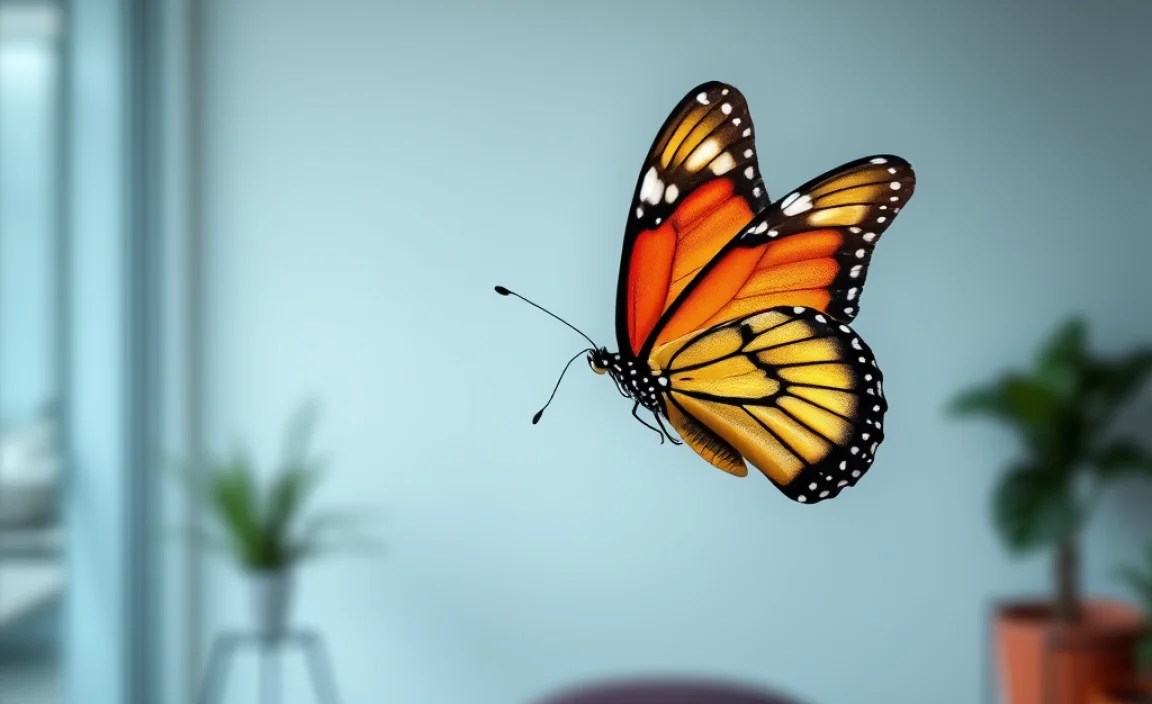
Asian butterfly crowdsourcing faces some challenges. One challenge is image quality. Pictures need to be clear and in focus. It can be hard to identify a butterfly from a blurry picture. Another challenge is misidentification. People might mistake one butterfly for another. This can lead to inaccurate data. Language barriers can also be a challenge. People from different countries might use different names for the same butterfly. This can make it hard to compare data. Despite these challenges, crowdsourcing is still a valuable tool for studying butterflies.
- Poor image quality can hinder identification.
- Misidentification leads to inaccurate data.
- Language barriers can complicate data analysis.
- Limited participation in some regions.
- Need for expert validation of data.
Imagine you are trying to identify a butterfly from a picture. The picture is blurry and the colors are faded. It’s hard to see the details of the butterfly. You might guess the wrong species. This is a common challenge in Asian butterfly crowdsourcing. To overcome this, it’s important to take clear pictures. Make sure the butterfly is in focus and the colors are accurate. You can also ask an expert to help you identify the butterfly. By addressing these challenges, we can improve the accuracy of crowdsourced data.
How Can We Improve Image Quality?
Improving image quality is important for accurate identification. Use a camera with good resolution. Make sure the butterfly is in focus. Take the picture in good lighting. Avoid taking pictures in direct sunlight. This can cause glare. Try to get close to the butterfly. But be careful not to scare it away. You can also use a macro lens. This will allow you to take close-up pictures. By following these tips, you can improve the quality of your butterfly pictures.
How Do We Reduce Misidentification?
Reducing misidentification is crucial for accurate data. Use reliable resources to identify butterflies. This includes field guides and online databases. Compare your pictures to multiple sources. If you are unsure, ask an expert for help. Participate in training workshops. These workshops can teach you how to identify butterflies. Be careful when identifying butterflies from pictures alone. It’s always best to see the butterfly in person. By taking these steps, you can reduce the risk of misidentification.
How Can We Overcome Language Barriers?
Overcoming language barriers is essential for global collaboration. Use standardized terminology. This means using the same names for butterflies in all languages. Translate data into multiple languages. This will make it accessible to more people. Use image recognition technology. This can help identify butterflies regardless of the language. Encourage participation from people all over the world. This will help gather data from different regions. By addressing language barriers, we can make crowdsourcing more inclusive.
Fun Fact or Stat: Experts estimate that up to 20% of crowdsourced data can be misidentified without proper validation!
Future of Asian Butterfly Crowdsource ID
The future of Asian butterfly crowdsource ID is bright. Technology is improving all the time. This will make it easier to collect and analyze data. More people are becoming interested in citizen science. This will lead to increased participation. Scientists are also finding new ways to use crowdsourced data. They are using it to study climate change. They are also using it to track invasive species. Asian butterfly crowdsource ID will play an important role in protecting butterflies in the future.
- Improved technology for data collection.
- Increased participation in citizen science.
- New ways to use crowdsourced data.
- Greater focus on conservation efforts.
- Expansion to new regions and species.
Imagine a future where everyone is a scientist. People all over the world are collecting data on butterflies. They are using their smartphones and computers to share information. Scientists are using this data to understand butterflies better than ever before. They are able to protect butterflies from threats like habitat loss and climate change. This is the future of Asian butterfly crowdsource ID. It’s a future where everyone works together to protect our planet.
How Will Technology Help?
Technology will play a key role in the future. Better cameras will allow for higher-quality pictures. Improved image recognition software will make identification easier. More sophisticated data analysis tools will help scientists find patterns in the data. Mobile apps will make it easier for people to participate in crowdsourcing. These apps will provide information about butterflies. They will also allow users to upload pictures and data. Technology will make Asian butterfly crowdsource ID more efficient and effective.
How Can We Encourage More Participation?
Encouraging more participation is important for expanding the reach of crowdsourcing. Make it easy for people to participate. Provide clear instructions and user-friendly tools. Offer incentives for participation. This could include recognition or small rewards. Partner with schools and community groups. This will help reach a wider audience. Promote the benefits of crowdsourcing. Show people how their contributions can make a difference. By taking these steps, we can encourage more people to get involved.
What New Discoveries Can We Expect?
New discoveries are always exciting. With more data, we can learn more about butterfly behavior. We can also learn about their distribution and migration patterns. We might discover new species of butterflies. We can also learn how butterflies are affected by climate change. This information can help us protect butterflies. It can also help us understand the impact of climate change on other species. Asian butterfly crowdsource ID can lead to many exciting discoveries in the future.
Fun Fact or Stat: The number of citizen scientists participating in environmental monitoring projects has increased by 50% in the last five years!
Ethical Considerations for Butterfly ID
When doing Asian butterfly crowdsource ID, ethics matter. We must respect butterflies and their habitats. Do not disturb or harm butterflies. Take photos from a distance. Do not collect butterflies unless you have a permit. Protect their habitats. Avoid trampling plants or disturbing the soil. Be mindful of the data you collect. Do not share personal information about the location of rare butterflies. By following these ethical guidelines, we can ensure that crowdsourcing benefits butterflies and the environment.
- Respect butterflies and their habitats.
- Avoid disturbing or harming butterflies.
- Take photos from a safe distance.
- Protect butterfly habitats.
- Be mindful of data privacy.
Imagine you are taking pictures of butterflies in a forest. You see a rare butterfly. You want to get a close-up picture. But you know that getting too close might scare the butterfly. You decide to take the picture from a distance. You also avoid trampling the plants around the butterfly. You are being ethical in your approach to crowdsourcing. By respecting butterflies and their habitats, you are helping to protect them.
Why Should We Respect Butterfly Habitats?
Butterfly habitats are important for their survival. These habitats provide food, shelter, and breeding grounds. When we destroy their habitats, we put them at risk. We should avoid trampling plants and disturbing the soil. We should also avoid polluting their habitats. By respecting butterfly habitats, we can help ensure that butterflies have a place to live and thrive. It is the ethical thing to do.
How Can We Avoid Harming Butterflies?
We can avoid harming butterflies by being careful and respectful. Take pictures from a distance. Do not try to catch or handle butterflies. If you need to move a butterfly, do so gently. Avoid using pesticides or other chemicals in butterfly habitats. These chemicals can harm butterflies and other insects. By following these simple guidelines, we can help protect butterflies from harm. Always consider the welfare of the butterfly.
What About Data Privacy?
Data privacy is an important ethical consideration. Do not share personal information about the location of rare butterflies. This information could be used to harm them. Be careful about sharing your own personal information. Do not share your address or other sensitive details. Use secure websites and apps to upload and share data. By protecting data privacy, we can ensure that crowdsourcing is conducted responsibly. The privacy of the butterflies and their locations is important.
Fun Fact or Stat: Many citizen science projects now have ethical guidelines to ensure responsible data collection!
Summary
Asian butterfly crowdsource ID is a powerful way to learn about and protect butterflies. It involves people taking pictures of butterflies and sharing them with scientists. This helps scientists track butterfly populations, understand their habitats, and monitor the impact of climate change. Tools like smartphones, apps, and websites make it easy for anyone to participate. However, there are challenges, such as image quality and misidentification. By improving these aspects and following ethical guidelines, we can make crowdsourcing even more effective. The future of Asian butterfly data looks promising, with technology and increased participation leading to new discoveries and conservation efforts.
Conclusion
Butterflies are beautiful and important creatures. They play a vital role in our ecosystems. Asian butterfly crowdsource ID helps us learn about them. It allows anyone to contribute to science and conservation. By taking pictures and sharing data, we can help protect these fragile insects. Let’s all do our part to support Asian butterfly crowdsource ID. Together, we can make a difference for butterflies.
Frequently Asked Questions
Question No 1: What is Asian butterfly crowdsource ID?
Answer: Asian butterfly crowdsource ID is a way for people to help scientists study butterflies. People take pictures of butterflies they see in Asia. They then share those pictures with scientists. The scientists use the pictures to learn more about the butterflies. This includes what kinds of butterflies there are, where they live, and how many there are. Anyone can participate, even kids! It’s a fun way to learn about nature and help protect butterflies.
Question No 2: How can I participate in Asian butterfly crowdsource ID?
Answer: Participating is easy! First, take a picture of a butterfly you see in Asia. Try to get a clear picture so the butterfly can be identified. Then, upload the picture to a website or app that supports Asian butterfly crowdsource ID. Some popular platforms include iNaturalist and Project Noah. You may need to create an account first. Be sure to include information about where you saw the butterfly, like the city and country. That’s it! You’ve contributed to science.
Question No 3: What kind of equipment do I need to participate?
Answer: You don’t need fancy equipment. A simple camera or smartphone is enough to get started. The most important thing is to get a clear picture of the butterfly. If you have a camera with a zoom lens, that can be helpful for getting closer shots. But even a phone camera can work well. You might also want to bring a notebook and pen to write down where you saw the butterfly. But that’s optional. The main thing is to have a way to take pictures.
Question No 4: Why is Asian butterfly crowdsource ID important?
Answer: It is important because it helps scientists understand butterflies better. Butterflies are important for the environment. They help pollinate flowers and provide food for other animals. But butterfly populations are declining in many areas. By studying butterflies, scientists can learn how to protect them. Crowdsourcing helps scientists collect more data than they could on their own. This data can be used to make informed decisions about conservation. So, by participating, you’re helping to protect butterflies.
Question No 5: What are some challenges in Asian butterfly crowdsource ID?
Answer: One challenge is getting clear pictures. If the picture is blurry, it can be hard to identify the butterfly. Another challenge is misidentification. People might mistake one butterfly for another. This can lead to inaccurate data. Language barriers can also be a challenge. People from different countries might use different names for the same butterfly. Finally, it’s important to respect butterfly habitats and avoid harming them while taking pictures.
Question No 6: How can I learn more about Asian butterflies?
Answer: There are many ways to learn more! You can read books about butterflies. Look for field guides that are specific to Asia. You can also visit websites and online databases. Many of these resources have pictures and information about different butterfly species. You can also join a local butterfly club or organization. These groups often have experts who can help you identify butterflies and learn about their habits. You can also learn by participating in Asian butterfly crowdsource ID and comparing your photos to online resources.


