
Easy Asian Butterfly Field Identification: A Smart Guide

Do you love seeing colorful butterflies? Butterflies are beautiful and fun to watch. Did you know many types live in Asia? Figuring out what kind they are can be tricky. This article will help you with Asian butterfly field identification. Let’s learn how to spot these amazing insects!
Key Takeaways
- Use field guides with pictures to match butterflies you see outside.
- Look at the butterfly’s size, shape, and colors on its wings.
- Note where you saw the butterfly; some live only in certain places.
- Pay attention to how the butterfly flies; some flutter, others glide.
- Asian butterfly field identification gets easier with practice and patience.
Basics of Asian Butterfly Identification

Asian butterfly field identification starts with knowing what to look for. Butterflies have different wing shapes and sizes. Some are small, like your fingernail. Others are big, like your hand! Their colors vary, too. You might see bright reds, yellows, and blues. Some butterflies have patterns like stripes or spots. These patterns help them hide from predators. They also attract mates. To identify a butterfly, you need to look closely at these features. Bring a notebook and a pencil. Draw what you see. Take notes on the colors and patterns. Note the size of the butterfly. Where did you find it? Was it in a forest or a garden? All of these details will help you figure out what kind of butterfly it is.
- Note the butterfly’s size.
- Observe the wing shape.
- Write down the colors.
- Sketch any patterns you see.
- Record where you saw it.
When you’re trying to identify butterflies, remember that it takes time. Don’t get discouraged if you can’t figure it out right away. The more you practice, the better you will get. Start with common butterflies in your area. Learn what they look like. Then, you can start to identify rarer ones. Use books and online resources to help you. There are many guides with pictures of different butterflies. These guides can help you match the butterfly you saw with a picture. Remember, have fun! Butterfly watching is a great way to enjoy nature.
What are Common Butterfly Features?
Butterflies have several key features. These features help us tell them apart. First, look at the wings. How big are they? What shape are they? Are they rounded or pointed? Next, check the colors. Are the wings one color? Or do they have many colors? Look for patterns. Spots, stripes, and lines can be very helpful. Also, notice the body of the butterfly. Is it thick or thin? What color is it? Butterflies also have antennae. These are like little feelers on their heads. The shape of the antennae can also help with identification. Do you know that butterflies taste with their feet? That’s right! They use their feet to find food.
Why Note the Location?
Where you find a butterfly is important. Some butterflies live only in certain places. For example, some like forests. Others prefer gardens. Some live near water. The place where you see the butterfly can give you a clue. It can help you narrow down the possibilities. If you see a butterfly in a mountain area, it’s probably not a type that lives in the desert. Think about the plants around. Some butterflies eat only certain plants. If you see a butterfly on a specific plant, that can help you identify it. Knowing the habitat helps a lot. It makes Asian butterfly field identification much easier.
How Does Behavior Help?
Butterflies act in different ways. Some fly quickly. Others float slowly. Some like to stay in the shade. Others love the sun. Watch how the butterfly moves. Does it flutter its wings a lot? Or does it glide? Does it fly high or low? Does it visit flowers often? Or does it stay on leaves? All of these behaviors can help you. They give you clues about what kind of butterfly it is. Some butterflies are very active. Others are more relaxed. Pay attention to what the butterfly is doing. You might be surprised at how much it tells you.
Fun Fact or Stat: There are over 20,000 species of butterflies in the world!
Essential Tools for Butterfly Watching
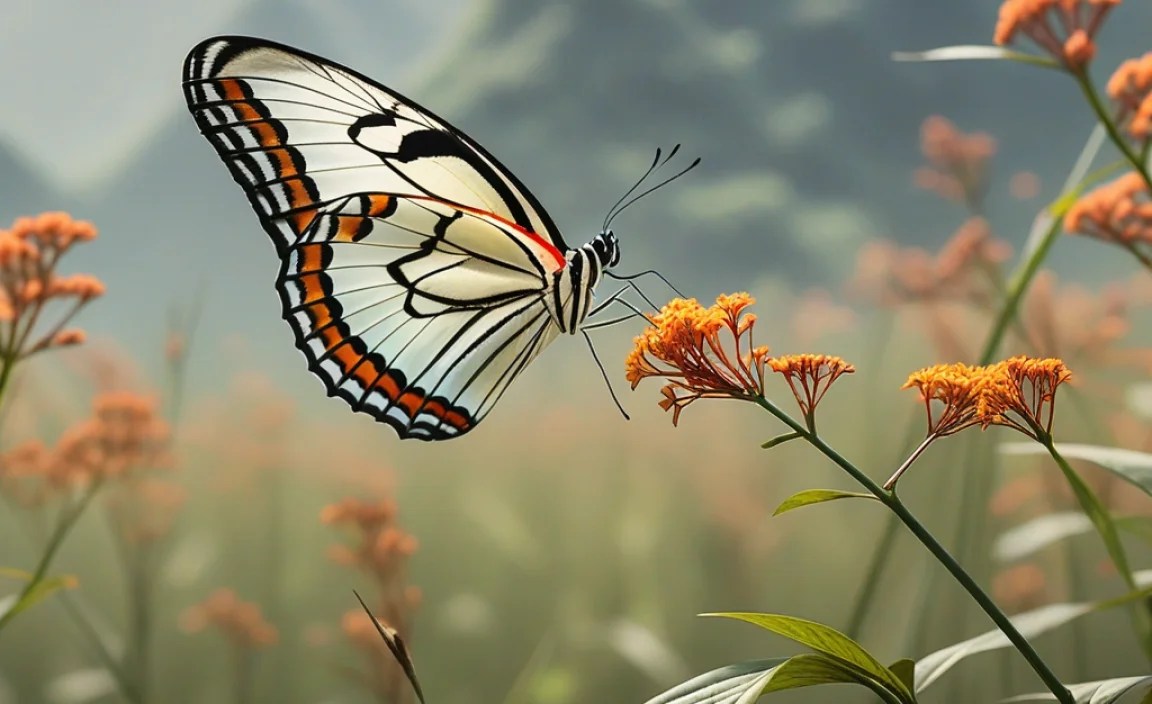
To become a good butterfly watcher, you need some tools. A good field guide is very important. This book has pictures and descriptions of different butterflies. Look for one that focuses on Asian butterflies. Binoculars can help you see butterflies that are far away. A notebook and pencil are useful for taking notes. Write down what you see. Draw sketches of the butterflies. A camera is great for taking pictures. You can use the pictures to help you identify the butterflies later. A magnifying glass can help you see small details. These details can be important for identification. A butterfly net can help you catch butterflies. But be careful! Handle them gently and release them quickly.
- Buy a good field guide.
- Use binoculars for distance.
- Carry a notebook and pencil.
- Bring a camera for photos.
- Use a magnifying glass.
Remember to be patient when you are butterfly watching. It takes time to find and identify butterflies. Don’t get discouraged if you don’t see many butterflies at first. The more you go out, the more you will see. Also, be respectful of nature. Don’t disturb the butterflies or their habitat. Stay on trails and don’t pick flowers. Leave everything as you found it. Butterfly watching is a fun and rewarding hobby. It’s a great way to learn about nature and enjoy the outdoors. With the right tools and a little patience, you can become an expert at Asian butterfly field identification.
Why is a Field Guide Important?
A field guide is your best friend. It has all the information you need. It shows pictures of different butterflies. It describes their colors and patterns. It tells you where they live. It also tells you what they eat. A good field guide will have a key. A key is a series of questions. You answer the questions to identify the butterfly. Field guides are organized by family. Butterflies that are related are grouped together. This makes it easier to find the butterfly you are looking for. A field guide is an essential tool.
How Do Binoculars Help?
Butterflies don’t always stay close. Sometimes, they are high in the trees. Other times, they are far away in a field. Binoculars help you see them better. They bring the butterfly closer to your eyes. You can see the colors and patterns more clearly. This makes it easier to identify the butterfly. Choose binoculars that are lightweight. You don’t want them to be too heavy to carry. Also, make sure they are easy to focus. You want to be able to quickly adjust them. Binoculars are a great addition to your butterfly watching kit.
What About Online Resources?
The internet has many resources for butterfly identification. Websites and apps can help you. Some websites have pictures of different butterflies. You can compare the pictures to the butterfly you saw. Other websites have information about butterfly habitats. This can help you narrow down the possibilities. There are also apps for your phone. You can take a picture of a butterfly and the app will identify it. But be careful! Not all online resources are accurate. Make sure you use reliable sources. Check the information with a field guide.
Fun Fact or Stat: Some butterflies migrate thousands of miles each year!
Understanding Butterfly Wing Patterns
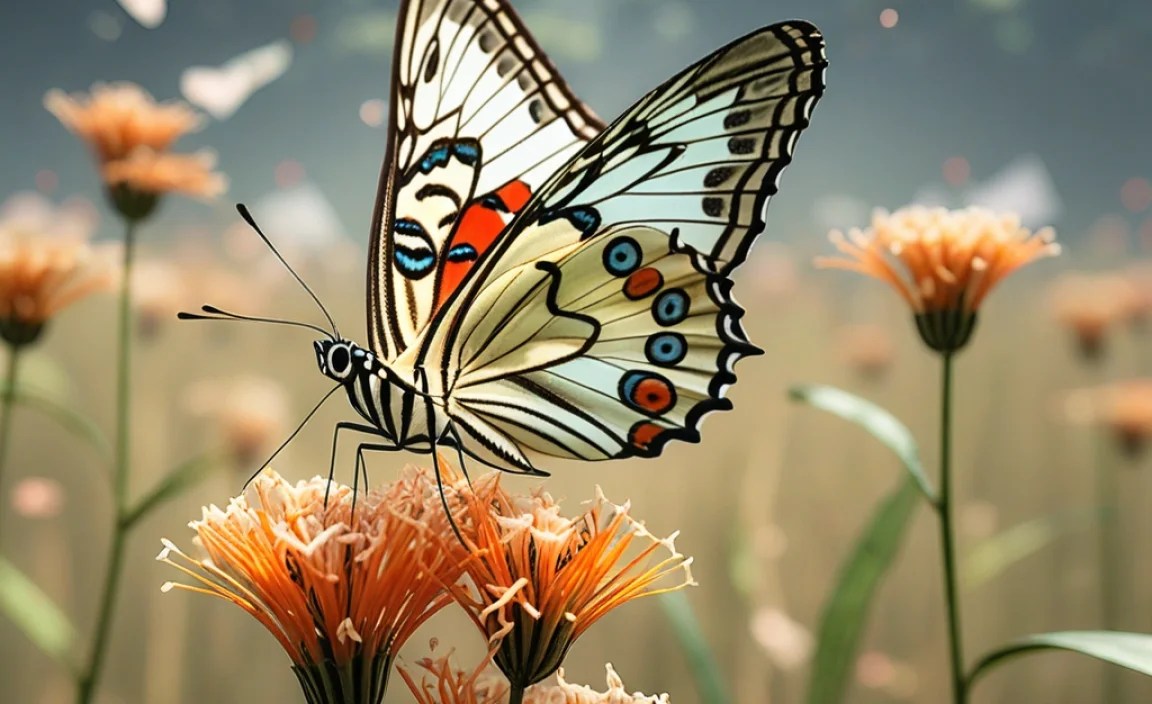
Butterfly wings are amazing. They have many different patterns. These patterns help butterflies in many ways. Some patterns help them hide from predators. They blend in with their surroundings. This is called camouflage. Other patterns warn predators that they are poisonous. These butterflies are brightly colored. Predators learn to avoid them. Some butterflies have patterns that look like eyes. These eye spots scare away predators. The patterns on butterfly wings are also important for attracting mates. Male and female butterflies have different patterns. These patterns help them recognize each other. Understanding wing patterns is key to Asian butterfly field identification.
- Learn about camouflage patterns.
- Recognize warning colors.
- Identify eye spots.
- Understand patterns for attracting mates.
- Notice differences between male and female wings.
When you are looking at butterfly wings, pay attention to the details. Notice the colors and shapes. Are there spots, stripes, or lines? Are the patterns symmetrical? This means that they are the same on both sides of the wing. Or are they asymmetrical? This means that they are different on each side. Also, look at the edges of the wings. Are they smooth or jagged? Do they have tails? All of these details can help you identify the butterfly. Use your field guide to compare the patterns you see with the pictures in the book.
What Are Camouflage Patterns?
Camouflage patterns help butterflies hide. They blend in with their surroundings. This makes it harder for predators to see them. Some butterflies have patterns that look like leaves. They blend in with the trees. Other butterflies have patterns that look like bark. They blend in with the branches. Some butterflies even have patterns that look like bird droppings. This is a very effective way to hide! Camouflage patterns are usually dull colors. Browns, greens, and grays are common. These colors help the butterfly blend in with its environment.
Why Do Some Butterflies Have Warning Colors?
Warning colors tell predators to stay away. These butterflies are poisonous or taste bad. Predators learn to avoid them. Warning colors are usually bright and bold. Reds, yellows, and oranges are common. These colors are easy to see. Predators quickly learn to associate these colors with danger. Monarch butterflies are a good example. They are bright orange and black. They eat milkweed plants. Milkweed makes them poisonous. Birds that eat Monarchs get sick. They learn to avoid Monarchs in the future.
How Do Eye Spots Work?
Eye spots are patterns that look like eyes. They scare away predators. Predators think they are being watched. This gives the butterfly a chance to escape. Eye spots are usually located on the edges of the wings. They are often surrounded by bright colors. This makes them even more noticeable. Some butterflies can even move their wings to make the eye spots look more realistic. This makes them even more effective at scaring away predators.
Fun Fact or Stat: The patterns on butterfly wings are made up of tiny scales!
Common Asian Butterfly Species

Asia is home to many beautiful butterflies. Some common species include the Common Mormon, the Blue Mormon, and the Common Rose. The Common Mormon is black with white spots. The Blue Mormon is black with blue markings. The Common Rose is black with red markings. These butterflies are found in gardens and forests. They are attracted to flowers. Other common species include the Plain Tiger and the Striped Tiger. These butterflies are orange and black. They are found in open areas. Learning about these common species is a great start for Asian butterfly field identification.
- Learn to identify the Common Mormon.
- Recognize the Blue Mormon.
- Spot the Common Rose.
- Identify the Plain Tiger.
- Recognize the Striped Tiger.
When you are trying to identify Asian butterflies, it helps to know their habitats. Some butterflies live in forests. Others live in grasslands. Some live near water. The Common Mormon and Blue Mormon are often found in gardens. They like to feed on nectar from flowers. The Common Rose is found in forests. It prefers shady areas. The Plain Tiger and Striped Tiger are found in open areas. They like sunny spots. Knowing where to look can make identification easier.
What Does the Common Mormon Look Like?
The Common Mormon is a beautiful butterfly. It is black with white spots. The males and females look different. The males have a white spot on their wings. The females can have different patterns. Some females look like other poisonous butterflies. This is called mimicry. It helps them avoid predators. The Common Mormon is found in many parts of Asia. It is a common sight in gardens and parks. It feeds on the nectar of flowers.
How to Identify the Blue Mormon?
The Blue Mormon is another stunning butterfly. It is black with blue markings. The blue markings are very bright. They make the butterfly easy to spot. The Blue Mormon is one of the largest butterflies in Asia. It is found in forests and gardens. It likes to feed on the nectar of flowers. The Blue Mormon is a protected species in some areas. This means it is illegal to catch or harm them.
What Are the Characteristics of the Common Rose?
The Common Rose is a striking butterfly. It is black with red markings. The red markings are very distinct. They make the butterfly easy to identify. The Common Rose is found in forests and gardens. It feeds on the nectar of flowers. The Common Rose is poisonous. It gets its poison from the plants it eats. Birds avoid eating it. This helps protect it from predators.
Fun Fact or Stat: Some butterflies can fly up to 30 miles per hour!
Butterfly Habitats in Asia

Asia has many different habitats. These habitats support a wide variety of butterflies. You can find butterflies in forests, grasslands, and deserts. Some butterflies live in mountains. Others live near the coast. Each habitat has its own unique set of butterflies. Forest butterflies are often colorful. They blend in with the trees and flowers. Grassland butterflies are often brown or orange. They blend in with the grasses. Desert butterflies are often pale colors. They reflect the sunlight. Understanding butterfly habitats is important for Asian butterfly field identification.
- Explore forest habitats.
- Visit grassland habitats.
- Discover desert habitats.
- Look for butterflies in mountain areas.
- Check coastal habitats.
When you are butterfly watching, pay attention to the habitat. This can help you identify the butterflies you see. If you are in a forest, look for forest butterflies. If you are in a grassland, look for grassland butterflies. The habitat can also tell you about the butterfly’s life cycle. Some butterflies lay their eggs on specific plants. These plants are called host plants. The caterpillars eat the host plants. Knowing the host plants can help you find the butterflies.
What Butterflies Live in Forests?
Forests are home to many colorful butterflies. These butterflies are often large and showy. They blend in with the trees and flowers. Some common forest butterflies include the Blue Mormon and the Common Rose. These butterflies feed on the nectar of flowers. They also lay their eggs on forest plants. The caterpillars eat the leaves of these plants. Forests provide shelter and food for butterflies. They are an important habitat for many species.
What Butterflies Live in Grasslands?
Grasslands are home to different butterflies. These butterflies are often smaller and less colorful. They blend in with the grasses. Some common grassland butterflies include the Plain Tiger and the Striped Tiger. These butterflies feed on the nectar of flowers. They also lay their eggs on grasses. The caterpillars eat the grasses. Grasslands provide a different type of habitat for butterflies.
What Butterflies Live in Deserts?
Deserts are a harsh environment. Only a few butterflies can survive there. These butterflies are often pale colors. They reflect the sunlight and stay cool. Some desert butterflies can fly long distances. They need to find food and water. Desert butterflies are adapted to the dry conditions. They are a unique and interesting group of insects.
Fun Fact or Stat: Butterflies are important pollinators, just like bees!
Butterfly Conservation in Asia
Butterflies are important to our ecosystem. They pollinate flowers. They are also a food source for birds and other animals. But butterfly populations are declining in many areas. Habitat loss is a major threat. Deforestation and urbanization are destroying butterfly habitats. Pollution is also a problem. Pesticides can kill butterflies. Climate change is also affecting butterflies. Changes in temperature and rainfall can disrupt their life cycle. We need to protect butterflies and their habitats. Asian butterfly field identification can help raise awareness.
- Protect butterfly habitats.
- Reduce pollution.
- Combat climate change.
- Plant butterfly-friendly gardens.
- Support butterfly conservation organizations.
There are many things you can do to help butterflies. You can plant a butterfly garden. Plant flowers that provide nectar for butterflies. Also, plant host plants for caterpillars. Avoid using pesticides in your garden. You can also support butterfly conservation organizations. These organizations work to protect butterfly habitats. They also educate people about butterflies. By working together, we can help butterflies thrive.
How Does Habitat Loss Affect Butterflies?
Habitat loss is a major threat to butterflies. When forests and grasslands are destroyed, butterflies lose their homes. They also lose their food sources. Many butterflies are specialized. This means they can only live in certain habitats. When these habitats are destroyed, the butterflies disappear. We need to protect butterfly habitats. This means preserving forests, grasslands, and other natural areas. It also means creating new habitats.
What Role Does Pollution Play?
Pollution can harm butterflies in many ways. Pesticides can kill butterflies directly. They can also kill the plants that butterflies need to survive. Air pollution can also harm butterflies. It can damage their wings and make it harder for them to breathe. Water pollution can also affect butterflies. It can contaminate their food sources. We need to reduce pollution to protect butterflies. This means using fewer pesticides. It also means reducing air and water pollution.
How Does Climate Change Impact Butterflies?
Climate change is a growing threat to butterflies. Changes in temperature and rainfall can disrupt their life cycle. Some butterflies are adapted to specific climates. When these climates change, the butterflies can no longer survive. Climate change can also affect butterfly habitats. It can cause forests to dry out. It can cause grasslands to turn into deserts. We need to combat climate change to protect butterflies. This means reducing our carbon emissions. It also means adapting to the changes that are already happening.
| Threat | Impact on Butterflies | Solutions |
|---|---|---|
| Habitat Loss | Loss of homes and food sources | Preserve natural areas, create new habitats |
| Pollution | Direct death, contaminated food | Reduce pesticide use, reduce air and water pollution |
| Climate Change | Disrupted life cycles, altered habitats | Reduce carbon emissions, adapt to changes |
| Over-Collection | Population decline, extinction | Regulate collecting, educate the public |
Fun Fact or Stat: Some butterfly species are endangered due to habitat loss and climate change!
Summary
Asian butterfly field identification involves looking at wing patterns, size, shape, and behavior. Knowing the habitat where you find the butterfly helps too. Tools like field guides and binoculars are very useful. Common Asian butterfly species include the Common Mormon, Blue Mormon, and Common Rose. Understanding their unique characteristics is important. By learning these things, you can become a skilled butterfly identifier.
Remember, butterfly watching is a fun and rewarding hobby. It’s a great way to connect with nature. You can learn about the natural world while enjoying the beauty of butterflies. Protecting butterflies and their habitats is crucial. They play a vital role in our ecosystem. By becoming a butterfly enthusiast, you can help raise awareness about these amazing creatures.
Conclusion
Learning about Asian butterfly field identification is a fun adventure. You can explore nature and learn about amazing insects. Remember to look closely at the wings, colors, and patterns. Use a field guide to help you. Pay attention to where you find the butterfly. By practicing, you can become a butterfly expert. Enjoy the beauty and wonder of Asian butterflies!
Frequently Asked Questions
Question No 1: What is the first step in identifying an Asian butterfly?
Answer: The first step is to observe the butterfly carefully. Look at its size, shape, and colors. Note any patterns on its wings. Take a picture if you can. Write down where you saw it. Was it in a forest or a garden? All of these details will help you identify the butterfly. You can then compare your observations to a field guide or online resources. Remember to be patient. It takes time to learn how to identify butterflies. With practice, you will become better at it. Asian butterfly field identification is a rewarding skill.
Question No 2: What tools do I need for butterfly watching?
Answer: You will need a few basic tools. A good field guide is essential. This book has pictures and descriptions of different butterflies. Binoculars can help you see butterflies that are far away. A notebook and pencil are useful for taking notes. A camera is great for taking pictures. A magnifying glass can help you see small details. These tools will help you become a better butterfly watcher. They will make Asian butterfly field identification easier and more enjoyable. Remember to be respectful of nature. Don’t disturb the butterflies or their habitat.
Question No 3: How can I attract butterflies to my garden?
Answer: You can attract butterflies to your garden by planting butterfly-friendly flowers. Choose flowers that provide nectar for butterflies. Some good choices include butterfly bush, zinnias, and milkweed. Also, plant host plants for caterpillars. These are plants that the caterpillars eat. Some good choices include milkweed for Monarchs and parsley for Swallowtails. Avoid using pesticides in your garden. These can kill butterflies and caterpillars. Provide a water source for butterflies. A shallow dish of water with some stones is perfect. With a little effort, you can create a butterfly haven in your backyard. This will help with Asian butterfly field identification as you see more species.
Question No 4: What should I do if I find an injured butterfly?
Answer: If you find an injured butterfly, you can try to help it. First, gently pick it up. Be very careful not to damage its wings. Place it in a safe place. A small box with air holes is good. Provide it with food. You can mix sugar and water to create a nectar substitute. Place a small dish of the mixture in the box. If the butterfly is unable to fly, you can try to repair its wings. Use a small piece of tape to hold the damaged wing together. If the butterfly is seriously injured, it may be best to take it to a wildlife rehabilitator. They have the expertise to care for injured animals. Remember, handle butterflies with care.
Question No 5: Are all butterflies in Asia colorful?
Answer: No, not all butterflies in Asia are colorful. Some butterflies are brightly colored, while others are more drab. The colors of a butterfly depend on its species and its habitat. Some butterflies use bright colors to warn predators that they are poisonous. Others use camouflage to blend in with their surroundings. Even drab-colored butterflies can be beautiful in their own way. They have intricate patterns on their wings. When you are trying to identify butterflies, don’t just focus on the colors. Pay attention to all of the details. This will help you with Asian butterfly field identification.
Question No 6: How can I learn more about butterfly conservation in Asia?
Answer: There are many ways to learn more about butterfly conservation in Asia. You can visit butterfly gardens and nature centers. These places often have educational programs about butterflies. You can also read books and articles about butterfly conservation. There are many websites and organizations that are dedicated to protecting butterflies. You can also volunteer your time to help with conservation efforts. This is a great way to make a difference. By learning more about butterfly conservation, you can help protect these amazing creatures for future generations. You could even specialize in Asian butterfly field identification for conservation efforts.


