
Sara Longwing Butterfly: Ultimate Guide!

The Sara Longwing butterfly (Heliconius sara) is a striking beauty with its elongated wings and vibrant orange and black patterns. To attract these butterflies to your garden, provide their host plant, the passionflower vine. These butterflies are known for their longevity and fascinating behaviors like pollen feeding.
Have you ever been captivated by a butterfly with exceptionally long wings gracefully fluttering through your garden? Chances are, you’ve encountered the Sara Longwing! These butterflies are not only beautiful but also have intriguing habits that set them apart from other species. Many gardeners and nature enthusiasts are eager to learn more about attracting and supporting these unique creatures.
In this guide, we’ll explore everything you need to know about the Sara Longwing butterfly, from identifying it to creating a butterfly-friendly habitat. You’ll discover the secrets to attracting these beauties and witness their enchanting presence in your garden.
Identifying the Sara Longwing Butterfly
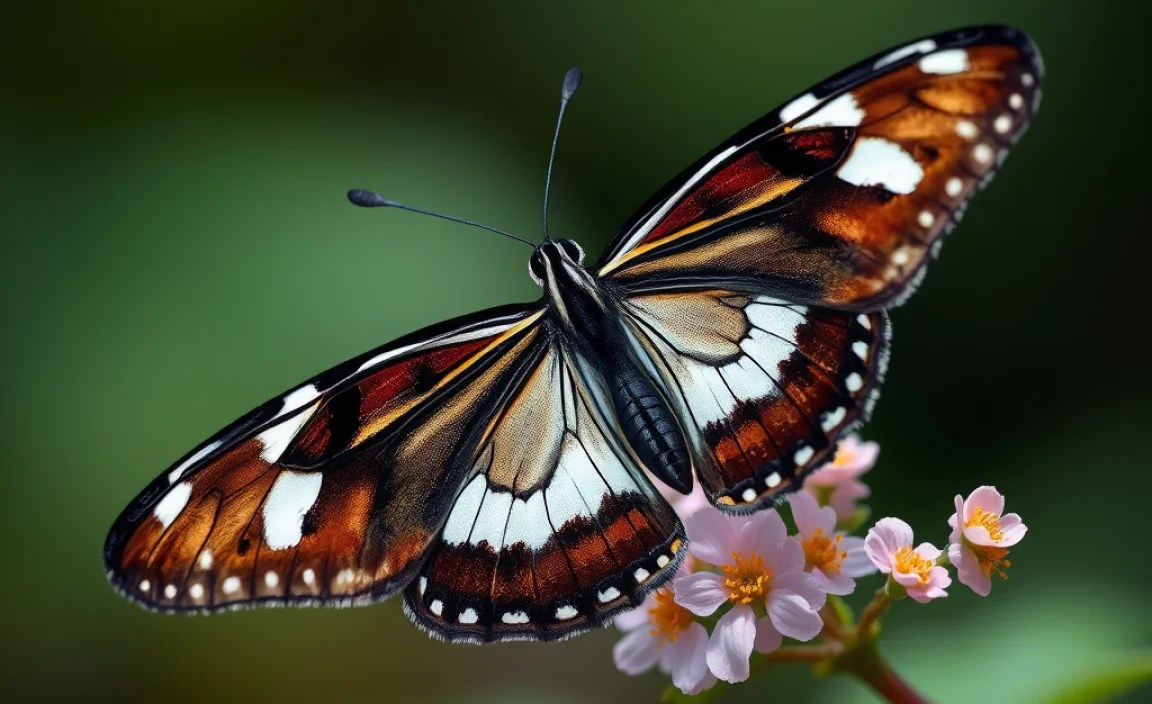
Identifying the Sara Longwing butterfly is relatively straightforward, thanks to its distinctive appearance. Here’s what to look for:
Physical Characteristics
- Wingspan: Typically ranges from 2.8 to 3.9 inches (7 to 10 cm).
- Wing Shape: Elongated wings are a key feature, helping them glide effortlessly.
- Coloration: Predominantly black with striking orange stripes. The intensity and pattern of the orange can vary.
- Distinguishing Marks: Look for a thin red line along the edge of the hindwing and small white spots near the wingtips.
Habitat and Range
The Sara Longwing is commonly found in:
- Geographic Location: Primarily in Central and South America, extending into southern parts of the United States, such as Florida and Texas.
- Preferred Habitats: Thrives in tropical and subtropical forests, gardens, and open woodlands.
- Host Plants: Passionflower vines (Passiflora species) are essential for their survival, as the caterpillars feed exclusively on these plants.
Similar Species
It’s helpful to distinguish the Sara Longwing from similar-looking butterflies:
- The Zebra Longwing (Heliconius charithonia): Has longer, thinner black and yellow stripes.
- The Gulf Fritillary (Agraulis vanillae): Features a brighter orange color with black spots and a more robust body.
Life Cycle of the Sara Longwing Butterfly

Understanding the life cycle of the Sara Longwing is crucial for supporting its population in your garden.
Egg Stage
- Appearance: Small, yellowish eggs laid singly on passionflower vines.
- Location: Usually found on new growth, tendrils, or leaves of the host plant.
- Duration: Hatch in about 3 to 5 days.
Larval Stage (Caterpillar)
- Appearance: Young caterpillars are small and dark, gradually developing orange and black stripes as they mature.
- Feeding Habits: Exclusively feed on passionflower leaves. They can consume a significant amount of foliage.
- Molting: The caterpillar molts several times as it grows, shedding its skin to accommodate its increasing size.
- Duration: This stage lasts approximately 2 to 3 weeks.
Pupal Stage (Chrysalis)
- Appearance: The chrysalis is a mottled brown color, resembling a dead leaf for camouflage.
- Location: Typically hangs from a stem or leaf of the passionflower vine.
- Duration: Lasts about 7 to 10 days.
Adult Stage (Butterfly)
- Emergence: The adult butterfly emerges from the chrysalis, ready to mate and lay eggs.
- Lifespan: Remarkably long-lived for a butterfly, often living for several months.
- Feeding Habits: Feeds on nectar from flowers and also consumes pollen, which provides additional nutrients and contributes to their longevity.
Attracting Sara Longwing Butterflies to Your Garden

Creating a butterfly-friendly garden is essential for attracting Sara Longwings. Here’s how to do it:
Planting Host Plants
Passionflower vines are the key to attracting Sara Longwings. Consider these popular varieties:
- Passiflora incarnata (Purple Passionflower): Native to the southeastern United States, this hardy vine is relatively easy to grow and attracts a variety of butterflies.
- Passiflora lutea (Yellow Passionflower): A less common but equally attractive option, featuring delicate yellow flowers.
- Passiflora caerulea (Blue Passionflower): Known for its striking blue and white flowers, this vine is a favorite among gardeners.
Providing Nectar Sources
Supplement their diet with nectar-rich flowers:
- Lantana: Offers clusters of brightly colored flowers that are highly attractive to butterflies.
- Pentas: Star-shaped flowers that come in various colors, providing a consistent nectar source.
- Salvia: Provides long-lasting blooms and attracts a variety of pollinators.
- Zinnia: Easy to grow and available in a wide range of colors, making them a vibrant addition to any butterfly garden.
Creating a Suitable Habitat
Consider these elements for a thriving butterfly garden:
- Sunlight: Butterflies need sunlight to warm their bodies and fuel their activity.
- Shelter: Provide shrubs and trees for shelter from wind and predators.
- Water Source: A shallow dish of water with pebbles allows butterflies to drink safely.
- Avoid Pesticides: Pesticides can harm or kill butterflies and caterpillars. Opt for organic gardening practices.
Caring for Sara Longwing Caterpillars
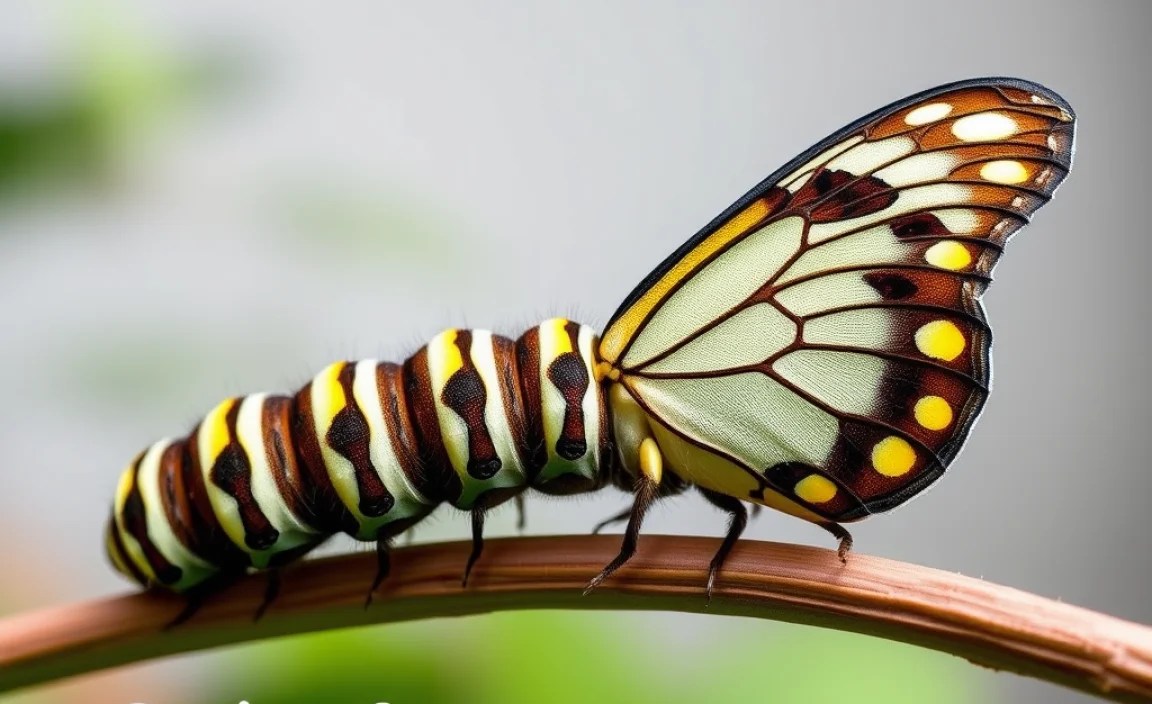
Once Sara Longwing caterpillars appear in your garden, proper care ensures their healthy development:
Monitoring Host Plants
- Regular Inspection: Check passionflower vines regularly for eggs and caterpillars.
- Provide Support: Ensure the vine has adequate support, such as a trellis or fence.
Protecting Caterpillars
- Predator Control: Protect caterpillars from predators like birds and wasps by using netting if necessary.
- Avoid Handling: Handle caterpillars gently and only when necessary, as they are delicate.
Managing Overpopulation
- Thinning: If caterpillars are consuming the passionflower vine too quickly, consider moving some to another vine or a protected enclosure.
- Supplemental Food: If the vine is heavily defoliated, provide supplemental passionflower leaves from a nursery or another garden.
Understanding Sara Longwing Behavior
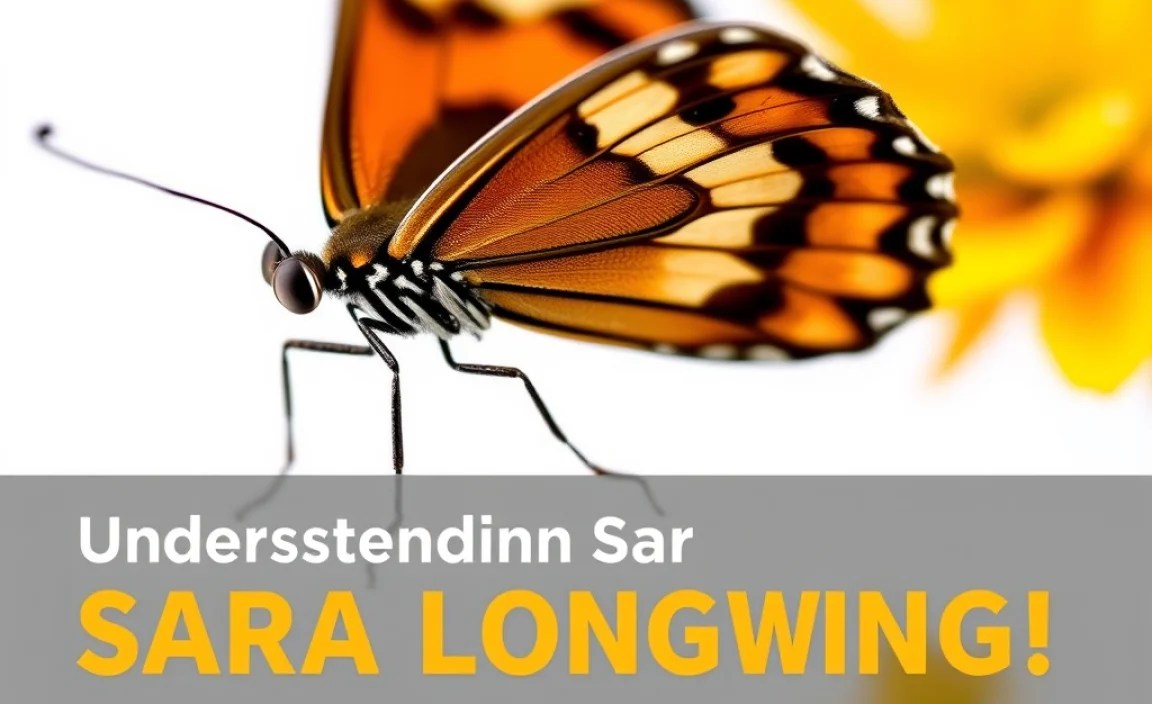
Observing the behavior of Sara Longwing butterflies can be a rewarding experience.
Feeding Habits
- Nectar Consumption: Adult butterflies feed on nectar from various flowers, using their long proboscis to reach deep into the blossoms.
- Pollen Feeding: Unlike many butterflies, Sara Longwings also consume pollen, which provides essential amino acids and nutrients, contributing to their long lifespan.
Mating Rituals
- Courtship: Male Sara Longwings engage in elaborate courtship displays, often involving aerial chases and fluttering around the female.
- Pheromones: Males use pheromones to attract females, signaling their readiness to mate.
Roosting Behavior
- Communal Roosting: Sara Longwings often roost together in groups, providing protection from predators and harsh weather conditions.
- Preferred Locations: They typically roost in sheltered areas, such as dense foliage or under branches.
Conservation Status and Efforts
Understanding the conservation status of the Sara Longwing helps appreciate the importance of protecting their habitats.
Current Status
- IUCN Red List: The Sara Longwing is not currently listed as threatened or endangered.
- Habitat Loss: However, habitat loss due to deforestation and urbanization poses a significant threat.
Conservation Efforts
- Habitat Preservation: Protecting and restoring tropical and subtropical forests is crucial.
- Butterfly Gardens: Creating butterfly-friendly gardens provides essential habitats and food sources.
- Education: Raising awareness about the importance of butterfly conservation can inspire action and support for conservation initiatives.
How You Can Help
- Plant Native Species: Choose native passionflower varieties and nectar plants to support local butterfly populations.
- Avoid Pesticides: Use organic gardening practices to protect butterflies and other beneficial insects.
- Support Conservation Organizations: Donate to or volunteer with organizations dedicated to butterfly conservation.
- Educate Others: Share your knowledge and passion for butterflies with friends, family, and community members.
Common Problems and Solutions
Even with the best efforts, you might encounter some challenges. Here’s how to address them:
Pest Infestations
| Problem | Solution |
|---|---|
| Aphids on Passionflower | Use a strong stream of water to dislodge them, or apply insecticidal soap. |
| Spider Mites | Increase humidity around the plant and use miticides if necessary. |
| Caterpillar Predators (Birds, Wasps) | Cover the passionflower vine with netting to protect caterpillars. |
Disease Prevention
| Problem | Solution |
|---|---|
| Fungal Infections | Ensure good air circulation around the plant and use fungicides if needed. |
| Root Rot | Avoid overwatering and ensure the soil is well-draining. |
Environmental Issues
| Problem | Solution |
|---|---|
| Extreme Weather (Frost, Heat) | Protect passionflower vines with covers during frost or provide shade during intense heat. |
| Poor Soil Quality | Amend the soil with compost and other organic matter to improve fertility and drainage. |
Sara Longwing Butterfly: Fascinating Facts
Delve into some intriguing aspects of the Sara Longwing butterfly:
Longevity
Sara Longwings are known for their long lifespan compared to other butterfly species, often living for several months. This extended lifespan is attributed to their unique pollen-feeding habits, which provide essential nutrients.
Pollen Feeding
Unlike most butterflies that rely solely on nectar, Sara Longwings consume pollen. They use their proboscis to gather pollen grains, which are then digested to extract amino acids and other vital nutrients. This adaptation enhances their overall health and longevity, making them stand out in the butterfly world. National Geographic has highlighted the importance of such unique feeding habits in various butterfly species.
Social Behavior
These butterflies often exhibit communal roosting behavior, gathering in groups at night for protection. This social behavior provides safety from predators and helps maintain body temperature in cooler environments. Observing a group of Sara Longwings roosting together can be a fascinating sight.
Mimicry
Sara Longwings are part of a mimicry complex, where they resemble other distasteful butterfly species to deter predators. This evolutionary adaptation enhances their survival rates by signaling to potential predators that they are not palatable. The Smithsonian Institution has conducted extensive research on mimicry in butterflies, showcasing its significance in their survival strategies.
The Sara Longwing in Culture and Art
Butterflies, including the Sara Longwing, often hold symbolic significance in various cultures and have inspired countless works of art.
Symbolism
- Transformation: Butterflies are often seen as symbols of transformation and rebirth, representing the journey from caterpillar to a beautiful winged creature.
- Hope: In many cultures, butterflies symbolize hope and new beginnings, bringing a sense of optimism and renewal.
- Soul: Some cultures believe that butterflies represent the human soul, embodying its delicate and ethereal nature.
Artistic Representation
- Paintings: Butterflies have been depicted in numerous paintings throughout history, often representing beauty, fragility, and the fleeting nature of life.
- Literature: Butterflies frequently appear in literature, symbolizing change, freedom, and the ephemeral aspects of existence.
- Jewelry: Butterfly motifs are popular in jewelry design, representing grace, elegance, and the beauty of nature.
Frequently Asked Questions (FAQ)
Here are some common questions about the Sara Longwing butterfly:
What do Sara Longwing caterpillars eat?
Sara Longwing caterpillars exclusively feed on the leaves of passionflower vines (Passiflora species). These vines are essential for their growth and development.
How long do Sara Longwing butterflies live?
Sara Longwing butterflies are known for their relatively long lifespan, often living for several months. This is due to their unique habit of feeding on both nectar and pollen.
How can I attract Sara Longwing butterflies to my garden?
To attract Sara Longwings, plant passionflower vines to provide food for the caterpillars and nectar-rich flowers like lantana and zinnia for the adult butterflies. Also, ensure a sunny location, shelter, and a water source.
Are Sara Longwing butterflies endangered?
Currently, Sara Longwing butterflies are not listed as endangered. However, habitat loss due to deforestation and urbanization poses a threat to their populations.
What is the difference between Sara Longwing and Zebra Longwing butterflies?
The Sara Longwing has black wings with orange stripes, while the Zebra Longwing has black wings with thinner, yellow stripes. The Zebra Longwing’s stripes are also more numerous and distinct.
Do Sara Longwing butterflies migrate?
Sara Longwing butterflies are not migratory in the same way as Monarch butterflies. However, they may move locally in search of food and suitable habitats.
Why do Sara Longwing butterflies eat pollen?
Sara Longwing butterflies eat pollen to obtain essential amino acids and nutrients, which contribute to their long lifespan and overall health. This is a unique adaptation among butterflies.
Conclusion
The Sara Longwing butterfly is a fascinating and beautiful creature that can bring immense joy to any garden. By understanding its life cycle, providing the right host plants and nectar sources, and practicing responsible gardening, you can create a welcoming habitat for these butterflies. Remember, even small efforts contribute to the conservation of this remarkable species. So, plant those passionflower vines, watch for the vibrant orange wings, and enjoy the enchanting presence of the Sara Longwing in your garden!


