
Rare Butterflies in Arizona: A Powerful Guide

Have you ever seen a butterfly? They are so pretty. Butterflies fly all around. Did you know some butterflies are very rare? Today, we will learn about rare butterflies in Arizona.
Key Takeaways
- Rare butterflies in Arizona need our help to survive.
- Many things threaten these butterflies, like habitat loss.
- You can help protect butterflies by planting native plants.
- Some Arizona butterflies are only found in small areas.
- Learning about butterflies helps us protect nature.
Discovering Rare Butterflies in Arizona

Arizona is a special place. It has deserts, mountains, and forests. This makes it home to many different animals. Among these are some rare butterflies in Arizona. These butterflies are not found everywhere. They need specific plants and places to live. When their homes are destroyed, they struggle to survive. Learning about these butterflies helps us protect them. We can make sure they have safe places to live. We can also plant the plants they need to eat. By helping these butterflies, we help all of nature. It is important to keep these beautiful creatures around for a long time.
- Arizona has many different habitats.
- Butterflies need specific plants to live.
- Habitat loss hurts butterfly populations.
- We can help protect butterfly habitats.
- Planting native plants helps butterflies.
Imagine a tiny butterfly. It flies through the Arizona desert. This butterfly is very special. It is one of the rare butterflies in Arizona. It depends on a specific plant for food. If that plant disappears, so does the butterfly. That’s why it’s so important to protect their habitat. We need to keep their homes safe. We can also help by planting more of their favorite plants. By doing this, we can make sure these beautiful butterflies stay around for many years to come. Every small action makes a big difference.
Fun Fact or Stat: The Mount Graham woodland butterfly is only found on one mountain in Arizona!
Why Are Butterflies Important?
Have you ever wondered why butterflies matter? They are more than just pretty insects. Butterflies help plants grow. They carry pollen from flower to flower. This helps plants make seeds and fruits. Butterflies are also food for other animals. Birds and lizards eat them. If butterflies disappear, these animals lose a food source. Rare butterflies in Arizona play a vital role in their ecosystems. When we protect them, we protect the whole environment. It is important to remember that everything in nature is connected.
What Threatens Arizona Butterflies?
Many things can hurt rare butterflies in Arizona. One big problem is habitat loss. When people build houses and roads, they destroy butterfly habitats. Climate change is another threat. It can change the weather patterns. This can make it harder for butterflies to find food and shelter. Pesticides can also harm butterflies. These chemicals kill insects, including butterflies. We need to be careful about how we use land and chemicals. By protecting their habitats, we help them survive.
How Can We Help Butterflies?
We can all help rare butterflies in Arizona. One way is to plant native plants. These plants provide food and shelter for butterflies. We can also avoid using pesticides. These chemicals can harm butterflies. Another way to help is to protect butterfly habitats. We can support conservation efforts. These efforts help keep butterfly homes safe. Even small actions can make a big difference. Every little bit helps protect the butterflies.
Identifying Unique Butterfly Species
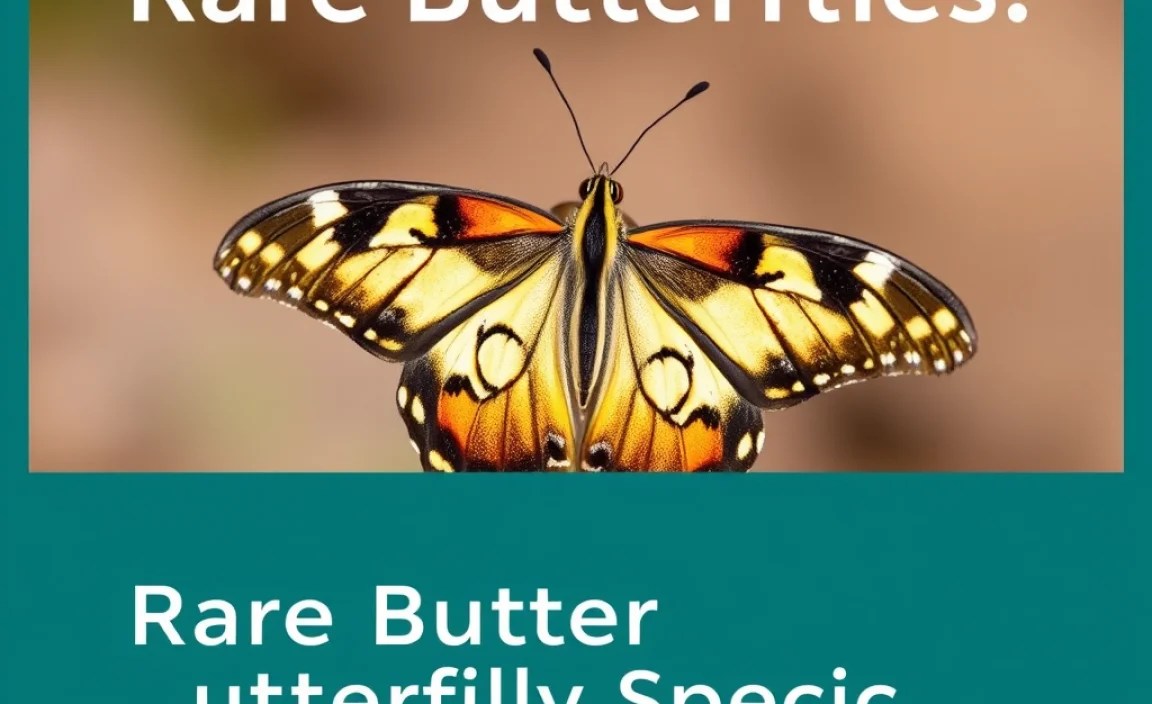
Arizona is home to some truly unique butterflies. Some of these are incredibly rare. The Mount Graham woodland butterfly is one example. It only lives on Mount Graham in Arizona. The Huachuca Mountain swallowtail is another. These rare butterflies in Arizona have special markings. They also have unique behaviors. Learning to identify these butterflies is important. It helps us track their populations. It also helps us protect them. Knowing what butterflies live in Arizona helps us understand the environment better.
- The Mount Graham woodland butterfly is very rare.
- Huachuca Mountain swallowtails are also unique.
- Identifying butterflies helps track populations.
- Unique markings help identify butterfly species.
- Learning about butterflies helps protect them.
Imagine you are hiking in the mountains. You see a beautiful butterfly. It has bright colors and unique patterns. You might wonder what kind of butterfly it is. Learning to identify rare butterflies in Arizona can be fun. There are books and websites that can help. You can also join a butterfly watching group. This way you can learn from experts. Identifying butterflies helps us appreciate their beauty. It also helps us protect them. Every new thing we learn helps.
Fun Fact or Stat: Some butterflies migrate thousands of miles each year!
What Makes a Butterfly Rare?
What does it mean for a butterfly to be rare? A butterfly is rare if there are not many of them. They might only live in a small area. Rare butterflies in Arizona often have specific needs. They might need a certain plant to eat. They might need a certain type of habitat. When these needs are not met, the butterfly population declines. This makes them even more rare. Protecting their habitat is crucial for their survival. We need to make sure they have what they need to thrive.
How Do Scientists Track Butterflies?
Scientists use different methods to track butterflies. They might catch butterflies and put a small tag on them. This tag helps them track where the butterfly goes. Scientists also count butterflies in certain areas. This helps them estimate the population size. They also study butterfly habitats. This helps them understand what butterflies need to survive. Tracking rare butterflies in Arizona is important. It helps us know if their populations are growing or shrinking.
What Can We Learn From Butterflies?
Butterflies can teach us a lot about the environment. They are sensitive to changes in their habitat. If the butterfly population declines, it could be a sign of a problem. Rare butterflies in Arizona can be like an early warning system. They tell us if something is wrong. By studying them, we can learn how to protect the environment. We can also learn how to keep the planet healthy. Every little bit of data matters.
Conserving Butterfly Habitats in Arizona

Conserving butterfly habitats is very important. Habitats are the places where butterflies live. These places provide food, shelter, and breeding grounds. Rare butterflies in Arizona often have very specific habitat needs. When these habitats are destroyed, the butterflies struggle to survive. We can conserve habitats by protecting natural areas. We can also restore damaged habitats. This means planting native plants and removing invasive species. By protecting and restoring habitats, we give butterflies a better chance to thrive.
- Habitats provide food and shelter.
- Butterflies need specific habitats.
- Habitat destruction hurts butterflies.
- We can protect natural areas.
- Restoring habitats helps butterflies thrive.
Imagine a butterfly garden. It is full of colorful flowers. These flowers provide nectar for butterflies to eat. The garden also has plants that caterpillars can eat. This is a perfect example of a butterfly habitat. We can create these habitats in our own backyards. We can also support conservation organizations. They work to protect butterfly habitats in Arizona. Every effort counts toward protecting these butterflies.
Fun Fact or Stat: Butterflies taste with their feet!
What Is Habitat Restoration?
Habitat restoration means bringing back damaged habitats. This could involve planting native plants. It could also involve removing invasive species. Invasive species are plants or animals that don’t belong there. They can take over and harm the native plants. Restoring habitats helps rare butterflies in Arizona. It gives them a place to live and thrive. It also helps the whole ecosystem.
Why Are Native Plants Important?
Native plants are plants that naturally grow in an area. Rare butterflies in Arizona often depend on these plants for food. The caterpillars eat the leaves. The adult butterflies drink the nectar. Non-native plants might not provide the right food. They can even be harmful to butterflies. Planting native plants is one of the best ways to help butterflies.
How Can We Protect Public Lands?
Public lands are areas that belong to all of us. These lands can be important butterfly habitats. We can protect these lands by supporting conservation efforts. We can also advocate for policies that protect the environment. Rare butterflies in Arizona depend on these protected areas. By working together, we can make sure these areas stay safe for butterflies. Every action makes a difference.
The Role of Climate Change

Climate change is a big problem for butterflies. Changes in temperature and rainfall can affect their habitats. Rare butterflies in Arizona are especially vulnerable. They often live in small areas. They also have very specific needs. Climate change can make these areas unsuitable for them. We need to reduce our carbon footprint. This will help slow down climate change. It will also give butterflies a better chance to survive.
- Climate change affects butterfly habitats.
- Temperature changes can harm butterflies.
- Rare butterflies in Arizona are vulnerable.
- We need to reduce our carbon footprint.
- This helps butterflies survive.
Imagine a butterfly that depends on a certain plant. This plant only grows in a cool, moist area. But as the climate changes, the area becomes warmer and drier. The plant starts to disappear. The butterfly loses its food source. This is just one example of how climate change can affect butterflies. We need to take action to protect these fragile creatures. We can all make small changes in our lives to reduce our impact on the environment.
Fun Fact or Stat: Butterflies can see more colors than humans!
How Does Temperature Affect Butterflies?
Temperature plays a big role in a butterfly’s life cycle. Butterflies need certain temperatures to develop properly. If it’s too cold, they might not be able to grow. If it’s too hot, they might overheat. Rare butterflies in Arizona are adapted to specific temperature ranges. When the temperature changes, they struggle to survive. It is important to protect their habitat.
What Is a Carbon Footprint?
A carbon footprint is the amount of carbon dioxide we release into the atmosphere. Carbon dioxide is a greenhouse gas. It traps heat and contributes to climate change. We can reduce our carbon footprint by driving less. We can also save energy at home. Eating less meat can also help. Small changes can add up and make a big difference. Every little bit helps.
How Can We Adapt to Climate Change?
Even if we reduce our carbon footprint, some climate change is already happening. We need to find ways to help butterflies adapt. This could involve creating new habitats. It could also involve helping butterflies move to cooler areas. Rare butterflies in Arizona need our help to survive in a changing world. We can all contribute to these efforts.
Citizen Science and Butterfly Conservation
Citizen science is when regular people help scientists with their research. This is a great way to help rare butterflies in Arizona. You can participate in butterfly counts. You can also report butterfly sightings. This information helps scientists track butterfly populations. It also helps them understand butterfly habitats. Anyone can be a citizen scientist. It’s a fun and easy way to make a difference.
- Citizen science helps scientists.
- You can count butterflies.
- Report your butterfly sightings.
- This helps track populations.
- Anyone can be a citizen scientist.
Imagine you are walking in a park. You see a beautiful butterfly. You take a picture and report it to a citizen science project. This information helps scientists understand where that butterfly lives. It also helps them track its population. Your small action can contribute to important research. Citizen science is a great way to get involved in butterfly conservation. It is a fun way to help.
| Citizen Science Project | What You Do | Why It Helps | How to Join |
|---|---|---|---|
| eButterfly | Report butterfly sightings online. | Tracks butterfly populations. | Visit the eButterfly website. |
| BAMONA | Submit photos of butterflies. | Identifies butterfly species. | Go to the BAMONA website. |
| Local Butterfly Counts | Join a local butterfly count event. | Collects data on local populations. | Search online for local groups. |
| iNaturalist | Record and share your findings. | Creates a large database of observations. | Download the iNaturalist app. |
Fun Fact or Stat: The smallest butterfly in the world is only about half an inch wide!
What Is a Butterfly Count?
A butterfly count is when people go to a certain area and count all the butterflies they see. This helps scientists track butterfly populations over time. Rare butterflies in Arizona are often the focus of these counts. The data collected helps scientists understand how these butterflies are doing. It also helps them identify threats to their survival.
Why Is Reporting Sightings Important?
Reporting butterfly sightings is important because it helps scientists track where butterflies are located. This information can be used to protect butterfly habitats. It can also be used to study butterfly behavior. Rare butterflies in Arizona can be hard to find. Every sighting is valuable. You can help contribute.
How Can Kids Get Involved?
Kids can get involved in citizen science too! They can help count butterflies in their backyard. They can also report their sightings to online projects. Learning about rare butterflies in Arizona can be a fun and educational experience. It can also help kids develop a love for nature. There are many easy ways to get involved.
Education and Awareness for Butterfly Protection
Education and awareness are key to protecting butterflies. When people learn about rare butterflies in Arizona, they are more likely to care about them. They are also more likely to take action to protect them. We can raise awareness by sharing information with our friends and family. We can also support organizations that educate the public about butterflies. Education is a powerful tool for conservation.
- Education is key to protection.
- Learn about rare butterflies in Arizona.
- Share information with others.
- Support educational organizations.
- Education leads to conservation.
Imagine a classroom full of students. They are learning about butterflies. They are learning about the importance of butterflies. They are also learning about the threats that butterflies face. These students are the future of butterfly conservation. By educating them, we are investing in the future. Every student we reach helps.
Fun Fact or Stat: Butterflies can fly up to 30 miles per hour!
Why Is Education Important?
Education helps people understand the importance of butterflies. It also helps them understand the threats that butterflies face. When people are informed, they are more likely to take action. They might plant native plants in their backyard. They might support conservation organizations. Rare butterflies in Arizona need our help to survive. Education is the first step.
How Can We Raise Awareness?
There are many ways to raise awareness about butterflies. We can share information on social media. We can write articles for local newspapers. We can also give presentations to community groups. Rare butterflies in Arizona need our voice. We can help them by spreading the word. Every share helps to spread awareness.
What Resources Are Available?
There are many resources available for learning about butterflies. There are books, websites, and museums. There are also butterfly gardens and nature centers. These resources can help you learn about rare butterflies in Arizona. They can also help you get involved in conservation efforts. Take advantage of these resources.
Summary
Rare butterflies in Arizona are facing many challenges. Habitat loss, climate change, and pesticides all threaten their survival. We can help by protecting their habitats. We can also reduce our carbon footprint. Planting native plants is a great way to provide food and shelter for butterflies. Citizen science projects allow us to track butterfly populations. Education and awareness are also crucial. By working together, we can help these beautiful creatures thrive. Learning about these butterflies is an important step.
Conclusion
Rare butterflies in Arizona are a valuable part of the ecosystem. They need our help to survive. By protecting their habitats, reducing our carbon footprint, and raising awareness, we can make a difference. Every small action counts. Let’s work together to ensure these beautiful butterflies thrive for generations to come. Protecting butterflies helps to protect the environment.
Frequently Asked Questions
Question No 1: Why are some butterflies in Arizona considered rare?
Answer: Some butterflies in Arizona are considered rare because they have small populations. They might only live in specific areas. These areas might be threatened by habitat loss. Climate change also affects them. Rare butterflies in Arizona often need certain plants to survive. If those plants disappear, the butterfly population declines. This makes them even more rare. Conserving their habitat is crucial for their survival.
Question No 2: What can I do to help protect rare butterflies in Arizona?
Answer: You can do many things to help. Plant native plants in your yard. These plants provide food and shelter for butterflies. Avoid using pesticides. These chemicals can harm butterflies. Support conservation organizations. They work to protect butterfly habitats. You can also participate in citizen science projects. This helps scientists track butterfly populations. Even small actions can make a big difference. Educating others is also a good way to help.
Question No 3: How does climate change affect butterflies in Arizona?
Answer: Climate change can change the weather patterns. This can make it harder for butterflies to find food and shelter. Rare butterflies in Arizona are adapted to specific climates. When the climate changes, they struggle to survive. Temperature changes can affect their development. Changes in rainfall can affect their food sources. Reducing our carbon footprint is one way to help. Protecting their habitat is also very important.
Question No 4: What are some examples of rare butterflies in Arizona?
Answer: One example is the Mount Graham woodland butterfly. It only lives on Mount Graham in Arizona. Another example is the Huachuca Mountain swallowtail. These rare butterflies in Arizona have specific needs. They need certain plants and habitats to survive. These butterflies are not found anywhere else. That is why they are so special and important to protect.
Question No 5: What is habitat restoration, and why is it important for butterflies?
Answer: Habitat restoration means bringing back damaged habitats. This could involve planting native plants. It could also involve removing invasive species. Invasive species are plants or animals that don’t belong there. They can take over and harm the native plants. Restoring habitats helps rare butterflies in Arizona. It gives them a place to live and thrive. It also helps the whole ecosystem.
Question No 6: How can kids get involved in butterfly conservation?
Answer: Kids can get involved in many ways! They can plant native plants in their backyard. They can help count butterflies. They can also report their sightings to online projects. Learning about rare butterflies in Arizona can be fun and educational. It can also help kids develop a love for nature. They can also share what they learned with their friends and family.


