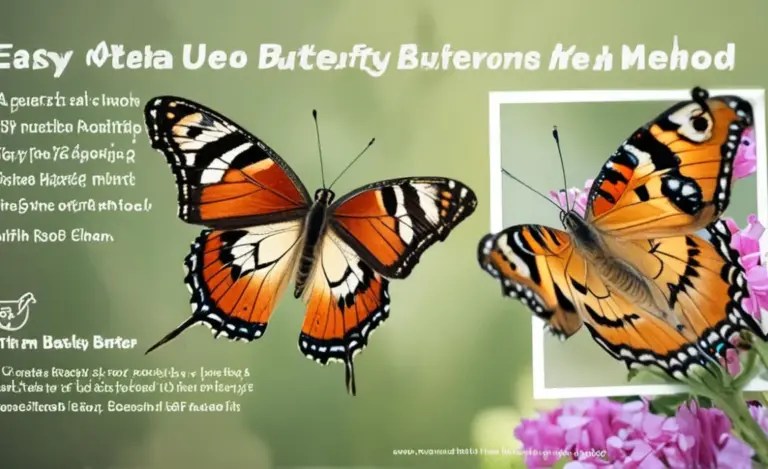
Get Quick Butterfly ID North America: Easy Guide

Have you ever seen a butterfly and wondered what kind it was? Butterflies are beautiful and fascinating. It can be fun to learn their names. Do you want to get quick butterfly ID North America? There are easy ways to find out! Let’s learn how to identify these colorful insects.
Key Takeaways
- Use online guides and apps to get quick butterfly ID North America.
- Look at the butterfly’s size, shape, and color. These are important clues.
- Check the butterfly’s location. Some butterflies live in certain areas.
- Notice the patterns on the wings. Different butterflies have unique designs.
- Take a picture of the butterfly. You can compare it to pictures later.
Easy Butterfly Identification Tips North America

Identifying butterflies can be an exciting adventure. It starts with simple observation. Pay close attention to the butterfly’s appearance. Notice the colors on its wings. Are they bright or dull? Look at the patterns too. Are there spots, stripes, or bands? The size of the butterfly matters as well. Is it small, medium, or large? All these details help narrow down the possibilities. Observe where you found the butterfly. Was it in a garden, forest, or field? Some butterflies prefer specific habitats. Knowing the location can provide important clues. Use these tips to start your butterfly identification journey. With practice, you will become a butterfly expert.
- Look for bright colors on the wings.
- Check for patterns like spots or stripes.
- Notice the size of the butterfly.
- Observe the butterfly’s habitat.
- Take a photo for later comparison.
Identifying butterflies is like solving a puzzle. Each clue helps you find the answer. The more you observe, the easier it becomes. Remember to be patient. Some butterflies look very similar. Don’t be afraid to use resources like books and websites. These can provide valuable information and pictures. Butterfly identification is a rewarding hobby. It connects you with nature and teaches you about the environment. Keep exploring and learning about these amazing creatures. Soon, you’ll be able to name butterflies with ease.
What Colors Are Most Common?
Have you ever wondered which colors are most common on butterflies? Many butterflies have bright colors. These colors help them attract mates. They also warn predators that they are poisonous. Red, orange, yellow, and blue are popular colors. Some butterflies have iridescent colors. These colors change depending on the light. Dark colors like black and brown are also common. These colors help butterflies blend in with their surroundings. The colors of a butterfly can tell you a lot about it. What is your favorite butterfly color?
What About Wing Shape?
The wing shape of a butterfly is very important. Wing shape helps butterflies fly. It also helps them attract mates. Some butterflies have long, narrow wings. These wings help them fly fast. Other butterflies have broad, rounded wings. These wings help them glide through the air. Some butterflies have tails on their wings. These tails can confuse predators. The shape of a butterfly’s wings is unique. It is like a fingerprint for each species. Look closely at the wing shape next time.
Do Patterns Matter?
Do butterfly patterns matter? Yes, they do! Patterns help butterflies in many ways. Some patterns help them hide from predators. These patterns blend in with leaves and bark. Other patterns warn predators to stay away. Bright colors can signal that a butterfly is poisonous. Some patterns attract mates. Butterflies recognize each other by their wing patterns. The patterns on a butterfly’s wings are beautiful and useful. They are a key part of their survival. What patterns do you see on butterflies?
Fun Fact or Stat: There are over 700 species of butterflies in North America!
Online Resources For Butterfly ID North America

The internet is a great tool for butterfly identification. Many websites and apps can help. These resources provide pictures and information. You can search for butterflies by color, size, or location. Some websites have interactive keys. These keys ask you questions about the butterfly. They then suggest possible matches. Apps can use your phone’s camera. You can take a picture of the butterfly. The app will then identify it for you. Online resources make butterfly identification easier. They also make it more accessible. Explore the web and discover the world of butterflies. It is a fun and educational experience.
- Use websites with butterfly pictures.
- Try butterfly identification apps.
- Search by color, size, and location.
- Use interactive keys to narrow results.
- Read descriptions of butterfly species.
Using online resources is like having a butterfly expert in your pocket. You can access information anytime, anywhere. These resources are constantly updated. They include new discoveries and information. Remember to use reliable sources. Look for websites and apps created by experts. These resources are more likely to be accurate. Online resources can enhance your butterfly identification skills. They can also deepen your appreciation for nature. Start exploring today and see what you can find. Learning about butterflies has never been easier.
What Are the Best Websites?
Which websites are best for butterfly identification? Many great websites exist. Some popular choices include the Butterfly Identification website and local nature center pages. These websites have detailed information. They include pictures and descriptions. They also have range maps. Range maps show where butterflies live. Look for websites with clear pictures. Make sure the information is accurate. Some websites have forums. You can ask experts for help. Find the websites that work best for you. Explore and learn about butterflies!
What About Phone Apps?
Have you tried using phone apps to identify butterflies? Phone apps can be very helpful. Some apps use your phone’s camera. You take a picture of the butterfly. The app then identifies it. Other apps ask you questions. They ask about the butterfly’s appearance. They then suggest possible matches. Look for apps with good reviews. Make sure the app is accurate. Some apps are free. Others require a subscription. Try a few apps and see which one you like best.
Are Online Forums Helpful?
Are online forums helpful for butterfly identification? Yes, they can be! Online forums connect you with other butterfly enthusiasts. You can ask questions and share your observations. Experts on the forum can help you identify butterflies. Be sure to post clear pictures. Include as much information as possible. Describe the butterfly’s size, color, and location. Be respectful and patient. Remember that people are volunteering their time. Online forums are a great way to learn. They can also help you connect with others who share your passion.
Fun Fact or Stat: Some butterfly apps can identify butterflies with over 90% accuracy!
Butterfly Field Guides For North America

Field guides are essential for butterfly identification. These books provide pictures and descriptions. They also include information about habitat and behavior. A good field guide covers the butterflies in your region. It should be easy to carry and use. Look for guides with clear pictures. The pictures should show different views of the butterfly. The descriptions should be detailed and accurate. Field guides are a valuable resource for any butterfly enthusiast. They help you learn about and appreciate these beautiful creatures. Take a field guide with you on your next outdoor adventure.
- Choose a field guide for your region.
- Look for clear, detailed pictures.
- Read the descriptions carefully.
- Note the butterfly’s habitat.
- Carry the guide with you outdoors.
Using a field guide is like having a butterfly expert by your side. You can compare your observations to the pictures and descriptions. Field guides often include information about similar species. This helps you avoid confusion. They also provide information about the butterfly’s life cycle. You can learn about caterpillars and chrysalises. Field guides are a great way to deepen your knowledge of butterflies. They can also inspire you to protect these important creatures. Explore the world of butterflies with a field guide.
What Makes a Good Field Guide?
What makes a good field guide for butterflies? Several factors are important. First, the guide should cover your region. It should include all the common butterflies in your area. Second, the pictures should be clear and accurate. They should show different views of the butterfly. Third, the descriptions should be detailed. They should include information about size, color, and habitat. Finally, the guide should be easy to use. It should be organized in a logical way. Look for these qualities when choosing a field guide.
Are Regional Guides Better?
Are regional field guides better than general guides? In many cases, yes. Regional guides focus on the butterflies in a specific area. This means they can be more detailed. They can include more species. They can also provide more specific information about habitat and behavior. General guides cover a larger area. They may not be as detailed. If you are interested in the butterflies in your region, choose a regional guide.
How to Use a Field Guide Effectively?
How can you use a field guide effectively? Start by familiarizing yourself with the guide. Read the introduction and learn how the guide is organized. Then, when you see a butterfly, take note of its appearance. Pay attention to its size, color, and patterns. Also, note its location. Then, use the guide to find butterflies that match your observations. Compare the pictures and descriptions carefully. If you are unsure, consult other resources. With practice, you will become skilled at using a field guide.
Fun Fact or Stat: Some field guides include information on host plants, which are plants that caterpillars eat!
Understanding Butterfly Anatomy For ID North America

Understanding butterfly anatomy can help you identify butterflies. Butterflies have three main body parts. These are the head, thorax, and abdomen. The head has antennae, eyes, and a proboscis. The antennae help butterflies sense their environment. The eyes help them see. The proboscis is a long, straw-like tongue. Butterflies use it to drink nectar. The thorax is the middle part of the body. It has wings and legs. Butterflies have six legs. The abdomen is the back part of the body. It contains the butterfly’s digestive system. Knowing these body parts can help you identify different species. Pay attention to the details of their anatomy.
- Learn the three main body parts.
- Know the function of antennae.
- Understand how butterflies see.
- Recognize the proboscis.
- Note the location of wings and legs.
Butterfly anatomy is fascinating. Each part of the butterfly’s body has a specific function. The wings are covered in tiny scales. These scales give the wings their color and pattern. The legs have taste receptors. Butterflies can taste with their feet! The antennae are covered in sensory cells. These cells help butterflies smell and feel. Understanding these details can deepen your appreciation for butterflies. It can also help you identify them more accurately. Take time to learn about butterfly anatomy. It is a rewarding experience.
What Are Wing Scales?
What are wing scales on a butterfly? Wing scales are tiny, overlapping plates. They cover the butterfly’s wings. These scales give the wings their color and pattern. They also protect the wings. Wing scales are made of chitin. Chitin is a tough, protective material. When you touch a butterfly’s wings, some scales may come off. This does not hurt the butterfly. However, it can damage the wings. Be gentle when handling butterflies. Protect their delicate wings.
How Do Antennae Help?
How do antennae help butterflies? Antennae are sensory organs. Butterflies use them to smell and feel. Antennae have many sensory cells. These cells detect chemicals in the air. Butterflies use their antennae to find food. They also use them to find mates. Antennae help butterflies navigate their environment. They are essential for survival. Pay attention to the antennae when identifying butterflies. They can vary in shape and size.
What is the Proboscis?
What is the proboscis of a butterfly? The proboscis is a long, straw-like tongue. Butterflies use it to drink nectar. When not in use, the proboscis is coiled up. Butterflies uncoil it to drink. The proboscis is adapted for sucking liquids. It allows butterflies to feed on nectar from flowers. The proboscis is a remarkable adaptation. It helps butterflies survive and thrive. Look for the proboscis when observing butterflies. It is a key part of their anatomy.
Fun Fact or Stat: A butterfly’s wings are covered in thousands of tiny scales, each contributing to its unique color and pattern!
Habitats And Ranges For Butterfly ID North America
Knowing the habitats and ranges of butterflies can aid in identification. Butterflies live in different habitats. Some prefer forests. Others live in meadows or gardens. The range of a butterfly is the area where it lives. Some butterflies have a wide range. They can be found in many different places. Others have a limited range. They only live in specific areas. Knowing the habitat and range can narrow down the possibilities. Pay attention to where you find the butterfly. This information can help you identify it correctly. Understanding habitats and ranges is important for butterfly identification.
| Butterfly | Habitat | Range |
|---|---|---|
| Monarch | Fields, meadows, gardens | Across North America |
| Swallowtail | Woodlands, forests, gardens | Eastern North America |
| Painted Lady | Open areas, fields, roadsides | Worldwide |
| Cabbage White | Gardens, fields, urban areas | North America, Europe, Asia |
- Note the butterfly’s habitat.
- Check its geographic range.
- Consider the time of year.
- Look for host plants nearby.
- Use range maps in field guides.
Habitats and ranges are influenced by many factors. Climate plays a big role. Temperature and rainfall affect where butterflies can live. Food availability is also important. Butterflies need specific plants for food. These plants must be present in the habitat. Human activities can also affect habitats and ranges. Habitat destruction and pollution can harm butterflies. Protecting butterfly habitats is crucial. It helps ensure their survival. Learn about the habitats and ranges of butterflies in your area. You can help protect these important creatures.
Why Does Habitat Matter?
Why does habitat matter for butterfly identification? Habitat provides clues about the butterfly’s identity. Different butterflies prefer different habitats. Some butterflies live in forests. These butterflies may have camouflage patterns. Other butterflies live in meadows. These butterflies may have bright colors. The habitat can help you narrow down the possibilities. Pay attention to the surroundings when you see a butterfly. What plants are growing there? What is the weather like? These clues can help you identify the butterfly.
What Are Host Plants?
What are host plants for butterflies? Host plants are plants that caterpillars eat. Butterflies lay their eggs on host plants. When the caterpillars hatch, they feed on the leaves. Different butterflies have different host plants. Monarch butterflies eat milkweed. Swallowtail butterflies eat parsley and dill. Knowing the host plants can help you identify butterflies. Look for host plants near the butterfly. This can provide a clue about its identity. Plant host plants in your garden to attract butterflies.
How Do Ranges Change?
How do butterfly ranges change over time? Butterfly ranges can change due to several factors. Climate change is a major factor. As temperatures rise, butterflies may move to cooler areas. Habitat destruction can also change ranges. When habitats are destroyed, butterflies may be forced to move. Human activities can also introduce new butterflies to an area. These introduced species can compete with native butterflies. Monitoring butterfly ranges is important. It helps us understand how these creatures are adapting to change.
Fun Fact or Stat: Some butterflies migrate thousands of miles each year to find suitable habitats!
Photographing Butterflies For Later ID North America
Photographing butterflies is a great way to identify them later. Take clear, close-up pictures. Focus on the wings and body. Try to capture the butterfly from different angles. This will show different features. Note the date, time, and location of the photo. This information can be helpful for identification. Use a good camera or smartphone. Take multiple pictures. Choose the best ones to use for identification. Photographing butterflies is a fun and rewarding activity. It allows you to study these beautiful creatures up close.
- Take clear, close-up photos.
- Capture different angles of the butterfly.
- Note the date, time, and location.
- Use a good camera or smartphone.
- Take multiple pictures for options.
When photographing butterflies, be patient and respectful. Butterflies are delicate creatures. Avoid disturbing them. Move slowly and quietly. Use a telephoto lens if possible. This will allow you to take pictures from a distance. Be aware of the lighting. Good lighting can make a big difference in the quality of your photos. Photographing butterflies can be challenging. But it is also very rewarding. You will capture beautiful images. You will also learn more about these amazing creatures.
How to Get a Good Shot?
How can you get a good shot of a butterfly? First, be patient. Wait for the butterfly to land. Then, approach slowly and quietly. Use a telephoto lens if possible. This will allow you to take pictures from a distance. Focus carefully on the butterfly. Try to capture its wings and body in sharp detail. Be aware of the lighting. Avoid taking pictures in direct sunlight. This can create harsh shadows. Overcast days are often best for butterfly photography. Take lots of pictures. You can choose the best ones later.
What Camera Settings to Use?
What camera settings should you use for butterfly photography? Use a fast shutter speed. This will help you freeze the butterfly’s motion. Use a small aperture. This will create a shallow depth of field. The butterfly will be in focus. The background will be blurred. Use a low ISO setting. This will reduce noise in your pictures. Experiment with different settings. Find what works best for you. Practice makes perfect.
How to Handle Butterflies?
Should you handle butterflies when photographing them? It is best to avoid handling butterflies. Butterflies are delicate creatures. Handling them can damage their wings. It can also stress them out. If you must handle a butterfly, do so very carefully. Gently cup your hands around it. Avoid touching its wings. Release the butterfly as soon as possible. Treat butterflies with respect. Protect their delicate wings and bodies.
Fun Fact or Stat: Butterflies can see colors that humans cannot, including ultraviolet light!
Summary
Identifying butterflies in North America is a fun and rewarding hobby. You can get quick butterfly ID North America using online resources, field guides, and by understanding butterfly anatomy. Pay attention to the butterfly’s colors, patterns, size, and habitat. Take clear pictures for later identification. Join online forums to connect with other butterfly enthusiasts. Remember to be patient and respectful of these delicate creatures. With practice, you will become a butterfly expert. Enjoy exploring the world of butterflies!
Conclusion
Butterfly identification connects you with nature. It teaches you about the environment. It also encourages you to protect these important creatures. By using the tips and resources we’ve discussed, you can get quick butterfly ID North America. Keep exploring, learning, and appreciating the beauty of butterflies. They are a vital part of our ecosystem. Every effort to protect them matters.
Frequently Asked Questions
Question No 1: What is the easiest way to identify a butterfly?
Answer: The easiest way to identify a butterfly is to take a clear picture of it and use a butterfly identification app or website. These resources often have large databases of butterfly species and can quickly match your photo to a possible identification. Pay attention to the butterfly’s colors, patterns, size, and location. This information will help the app or website narrow down the possibilities. Remember, it is not always possible to get quick butterfly ID North America, but with patience and good photos, you can often find the answer.
Question No 2: What are the most common butterflies in North America?
Answer: Some of the most common butterflies in North America include the Monarch, Cabbage White, Painted Lady, and various Swallowtail species. The Monarch is known for its bright orange wings and long migration. The Cabbage White is a small, white butterfly often found in gardens. The Painted Lady has orange and brown patterns and can be found worldwide. Swallowtails are larger butterflies with distinctive tails on their wings. These butterflies are common in many habitats, making them easier to spot and identify.
Question No 3: How can I attract more butterflies to my garden?
Answer: To attract more butterflies to your garden, plant a variety of nectar-rich flowers and host plants. Nectar-rich flowers provide food for adult butterflies, while host plants provide food for caterpillars. Some popular nectar plants include butterfly bush, coneflowers, and zinnias. Host plants vary depending on the butterfly species. For example, Monarch butterflies need milkweed. Avoid using pesticides in your garden, as these can harm butterflies and other beneficial insects. Providing a water source, such as a shallow dish of water with pebbles, can also attract butterflies. With these steps you can get quick butterfly ID North America candidates in your own backyard!
Question No 4: What should I do if I find an injured butterfly?
Answer: If you find an injured butterfly, handle it very carefully. If the butterfly has a broken wing, you can try to repair it with a small piece of tape or glue. Use a very small amount of adhesive and be careful not to get it on the butterfly’s body. Provide the butterfly with a source of nectar, such as a sugar-water solution. Place the butterfly in a safe, sheltered location away from predators. If the butterfly is severely injured, it may be best to let nature take its course. Remember, butterflies are delicate creatures, so handle them with care.
Question No 5: Are butterflies important to the environment?
Answer: Yes, butterflies are very important to the environment. They are pollinators, meaning they help plants reproduce by carrying pollen from one flower to another. Butterflies also serve as a food source for birds and other animals. They are indicators of a healthy ecosystem. A decline in butterfly populations can signal environmental problems. Protecting butterflies and their habitats is crucial for maintaining biodiversity. Learning how to get quick butterfly ID North America is a great start to appreciating and helping these essential creatures.
Question No 6: Can butterflies be poisonous?
Answer: Yes, some butterflies can be poisonous. Monarch butterflies, for example, are poisonous to predators because their caterpillars feed on milkweed plants, which contain toxins. The toxins accumulate in the butterfly’s body, making it unpalatable to birds and other predators. Other butterflies also have toxins that they acquire from their host plants. Brightly colored butterflies are often poisonous, as their colors serve as a warning to predators. It is always a good idea to observe butterflies from a distance and avoid handling them unnecessarily.