
Blue Morpho “When” Questions? Find Out NOW!

Have you ever seen a butterfly with bright blue wings? These butterflies are called Blue Morphos. They are beautiful and amazing creatures. People often wonder about them. They ask when do Blue Morphos do certain things? When are they most active? Let’s learn all about these cool insects.
Blue Morphos live in rainforests. Rainforests are hot and wet. Many interesting animals and plants live there. Blue Morphos are just one of them. Keep reading to learn more about their lives. You will discover some amazing facts!
Blue Morphos are not always blue. The top side of their wings are blue. The bottom side is brown. This helps them hide. It keeps them safe from predators. The Blue Morpho is truly a master of disguise. Do you want to know when they use their camouflage? Read on to find out!
Key Takeaways
- Blue Morphos are most active during the when the sun is shining brightly.
- They use their bright blue wings to attract mates and confuse predators.
- Caterpillars eat leaves, while adult butterflies drink juices from fruit.
- The brown underside of their wings helps them hide in the rainforest.
- Blue Morphos live in the rainforests of Central and South America.
When Do Blue Morphos Fly?
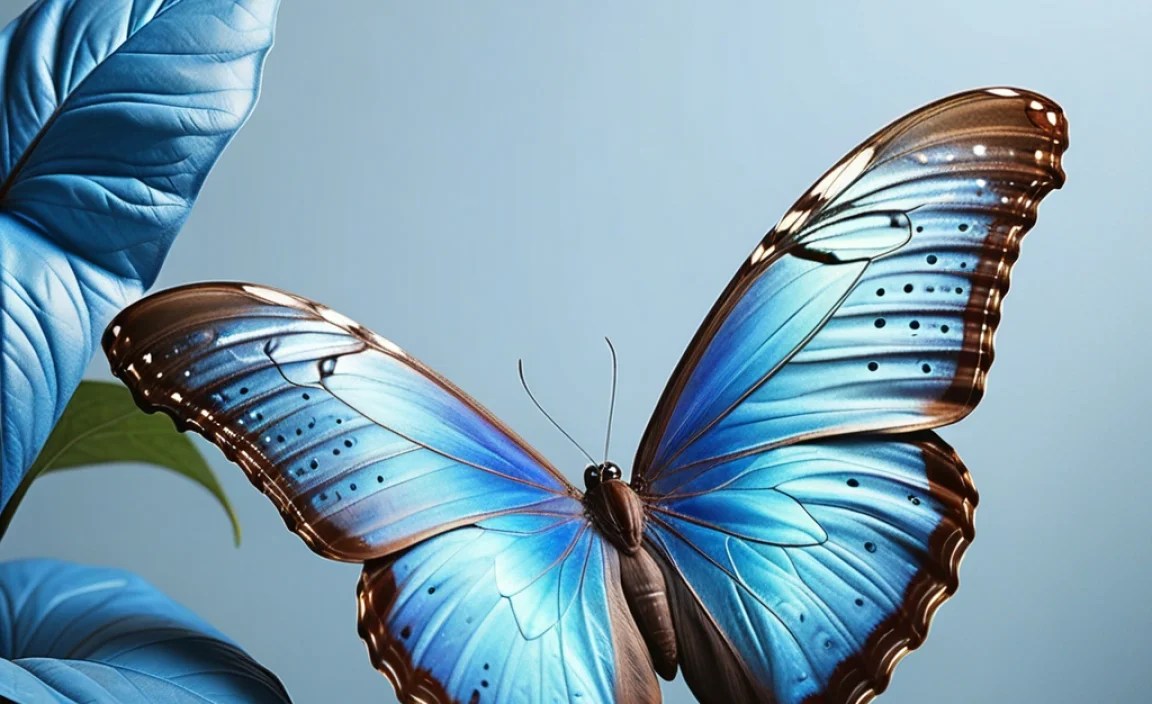
Blue Morphos love the sun. You will often see them flying when the sun is out. They are most active during the warmest part of the day. This is usually between 10 a.m. and 2 p.m. The butterflies need the sun to warm their bodies. When they are warm, they can fly easily. They can look for food and find a mate. If it is cloudy or rainy, they will hide. They stay under leaves. This keeps them safe and dry. They wait for the sun to come back out. Blue Morphos are truly creatures of the sun. They love to show off their beautiful blue wings when the weather is perfect.
- They fly mostly in the daytime.
- Sunny days are their favorite.
- They hide when it rains.
- Warmth helps them fly better.
- They search for food and mates.
When the Blue Morpho flies, it is a beautiful sight. Their bright blue wings flash in the sunlight. This can startle predators. It also attracts other Blue Morphos. They fly in a unique way. It is an erratic, bouncy flight. This makes it hard for predators to catch them. Their flight pattern is not only for defense. It is also a way to show off. Male Blue Morphos will often fly higher. They are trying to attract a mate. Their bright colors and unique flight make them easy to spot. The Blue Morpho is a true spectacle in the rainforest. They are a symbol of beauty and resilience.
What Time of Day?
Have you ever wondered what time of day Blue Morphos are most active? It is usually mid-morning to early afternoon. This is when the sun is at its strongest. The Blue Morphos need this warmth to be energetic. They use this time to find food. They also look for mates. When the sun gets too hot, they find shade. They do this to cool down. They don’t like being too hot. They like the perfect balance of sun and shade. They are very smart about managing their energy. This helps them survive in the rainforest. Knowing when they are active helps us see them.
Why Do They Need Sun?
Why do Blue Morphos need the sun so much? Like other insects, they are cold-blooded. This means they cannot control their own body temperature. They rely on the environment to stay warm. The sun provides the warmth they need. When they are warm, their muscles work better. This helps them fly and move around. Without the sun, they become sluggish. They can’t fly as well. They become easy targets for predators. The sun is essential for their survival. It gives them the energy they need to thrive in the rainforest. So, the sun is their superpower.
When Do They Rest?
Even Blue Morphos need to rest. They usually rest in the late afternoon. This is when the sun starts to go down. They find a safe place to hide. This could be under a leaf or in a tree. They stay there until the next morning. This is when the sun comes out again. Resting helps them save energy. They need energy for flying and finding food. They also rest when it is raining. They don’t like getting wet. They are very careful about their health. They know when to rest and when to be active. This helps them live a long and happy life.
Fun Fact or Stat: Blue Morphos can live for about 115 days in the wild, spending most of that time being active when the sun shines.
When Do Blue Morphos Eat?
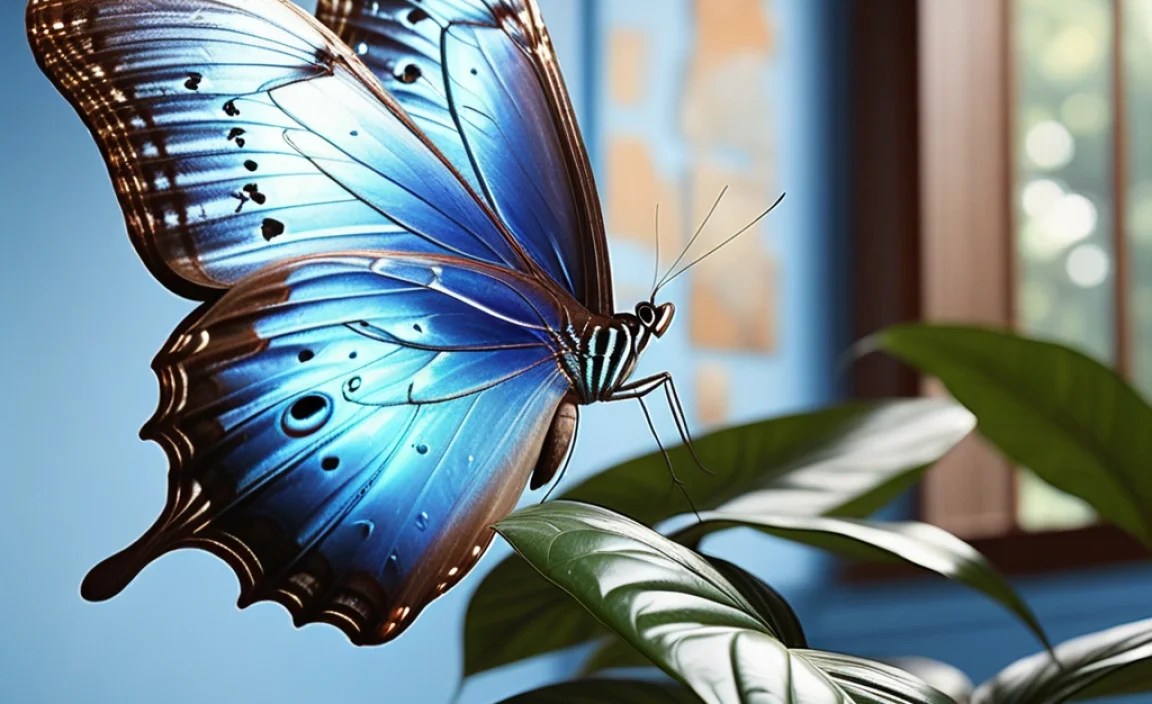
Blue Morphos have different diets as caterpillars and butterflies. When they are caterpillars, they eat leaves. They love to munch on leaves all day long. They need to eat a lot to grow big and strong. When they become butterflies, their diet changes. They no longer eat leaves. Instead, they drink juices. They like the juices from rotting fruit. They also drink sap from trees. Sometimes, they drink nectar from flowers. They use their long tongues to sip the juices. It is like drinking from a straw. They are very picky eaters. They only want the sweetest and most delicious juices. This gives them the energy they need to fly.
- Caterpillars eat lots of leaves.
- Butterflies drink fruit juices.
- They also drink tree sap.
- They sip nectar from flowers.
- Their tongues are like straws.
- They need food for energy.
When a Blue Morpho finds food, it is a happy moment. They fly from flower to flower, looking for the best nectar. When they find a ripe fruit, they land gently. They unroll their long tongues. Then, they start to sip the sweet juices. They can spend a long time eating. They want to get as much energy as possible. They are very careful not to waste any food. They know that food is important for survival. They are grateful for every meal they get. They make sure to enjoy every sip and every bite. Eating is a very important part of their day. It keeps them healthy and strong.
What Do Caterpillars Eat?
What exactly do Blue Morpho caterpillars eat? They are very specific about their food. They like the leaves of certain plants. These plants often contain toxins. These toxins are poisonous to other animals. But the caterpillars can eat them without getting sick. The toxins actually protect them. They make the caterpillars taste bad to predators. This helps them stay safe. They eat a lot of these leaves. They grow very quickly. They need all that energy to transform into butterflies. They are like little eating machines. They are always hungry and always munching.
What Do Butterflies Drink?
When Blue Morphos are butterflies, they drink liquids. They love the juices from rotting fruit. Rotting fruit is soft and easy to drink from. It also contains lots of sugar. This gives them a quick burst of energy. They also like tree sap. This is a sticky liquid that comes from trees. It is also very sweet. They use their long tongues to sip the liquids. They are very good at finding food. They can smell the ripe fruit from far away. They are always on the lookout for a tasty meal. They are like little juice connoisseurs.
How Do They Find Food?
How do Blue Morphos find their food? They use their senses. They have good eyesight. They can see the bright colors of flowers. They can also smell the sweet scent of ripe fruit. They fly around the rainforest. They are always searching for a tasty meal. When they find something, they land gently. They use their antennae to taste the food. This helps them decide if it is good to eat. They are very careful eaters. They don’t want to eat anything that is bad for them. They are like little food detectives.
Fun Fact or Stat: The Blue Morpho caterpillar eats so much that it can grow up to 3,000 times its original size before becoming a butterfly!
When Do Blue Morphos Mate?
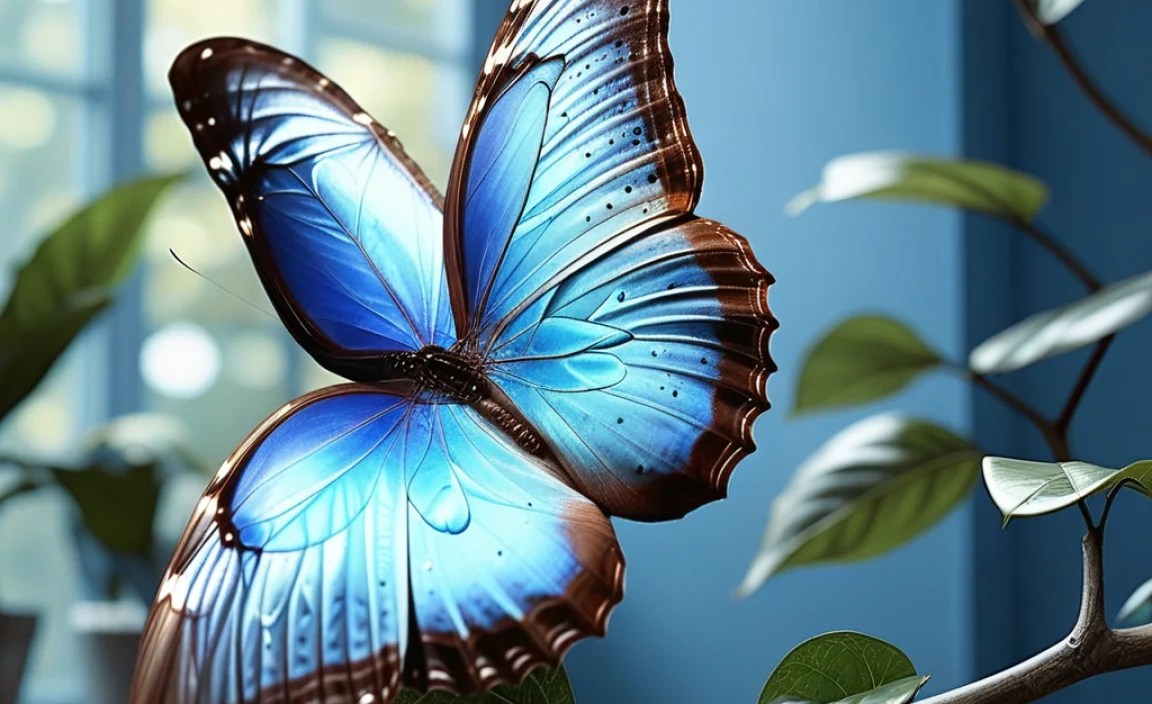
Blue Morphos mate during the rainy season. This is when there is plenty of food and water. The males put on a show to attract the females. They fly around and flash their blue wings. It is like a beautiful dance in the sky. When a female is interested, she will fly closer. The male and female will then mate. They stay together for a short time. Then, the female will lay her eggs. She lays her eggs on plants that the caterpillars can eat. The mating season is a very important time for Blue Morphos. It ensures that there will be more Blue Morphos in the future.
- Mating happens in the rainy season.
- Males show off their blue wings.
- Females choose their mates.
- They mate for a short time.
- Eggs are laid on plants.
When male Blue Morphos are trying to attract a mate, they are very competitive. They will fight with other males. They want to be the one that the female chooses. They will fly around each other. They will try to knock each other out of the air. It is like a boxing match in the sky. The winner gets to mate with the female. The loser has to fly away. The males are very serious about this. They want to pass on their genes to the next generation. They are willing to fight for their chance. This competition ensures that only the strongest and healthiest males get to mate.
How Do Males Attract Females?
How do male Blue Morphos attract females? They use their bright blue wings. The wings reflect light. This creates a shimmering effect. It is like a disco ball in the rainforest. The females are attracted to this flash of color. The males also release pheromones. Pheromones are chemicals that have a scent. The females can smell these chemicals. The scent tells them that the male is healthy. It also tells them that he is a good mate. The males combine sight and smell to attract females. They use all their senses to impress the ladies.
How Do Females Choose a Mate?
How do female Blue Morphos choose a mate? They look for the brightest and most vibrant wings. They also look for the strongest flyers. They want a mate who is healthy and strong. This means he will have good genes. Good genes mean that their babies will also be healthy. They also pay attention to the pheromones. They want a male who smells good. They use all their senses to choose the best mate. They are very picky. They want to make sure they are making the right choice. Their choice will affect the future of their family.
What Happens After Mating?
When the Blue Morphos mate, the female lays eggs. She lays them on the leaves of plants. These plants are food for the caterpillars. The eggs are small and green. They are hard to see. This helps protect them from predators. The female lays many eggs. She wants to make sure that some of them will survive. She does not stay with the eggs. She flies away to find more food. She trusts that the eggs will hatch. She has done her part to create new life. The eggs are now on their own. They will soon become caterpillars.
Fun Fact or Stat: Male Blue Morphos can be very territorial and will fiercely defend their area from other males during mating season!
When Do Blue Morphos Lay Eggs?

Blue Morphos lay their eggs when the leaves are new and fresh. This is usually after a rain. The young caterpillars need soft leaves to eat. The female butterfly searches for the perfect plant. She uses her antennae to taste the leaves. She wants to make sure they are the right kind. She lays her eggs one at a time. She sticks them to the underside of the leaf. This protects them from the sun and rain. She is very careful and precise. She wants to give her babies the best start in life. Laying eggs is a very important job for the female Blue Morpho.
- Eggs are laid on new leaves.
- She tastes leaves with antennae.
- Eggs are placed under leaves.
- This protects them from weather.
- She lays one egg at a time.
When the female Blue Morpho lays her eggs, she is very vulnerable. She is slow and clumsy. Predators can easily catch her. She has to be very careful. She chooses her spot wisely. She looks for a place that is hidden. She also looks for a place that is safe. She wants to protect herself and her eggs. She knows that her eggs are very important. They are the future of her species. She is willing to risk her life to protect them. She is a brave and dedicated mother. She is an inspiration to us all.
What Do the Eggs Look Like?
What do Blue Morpho eggs look like? They are tiny and green. They are about the size of a pinhead. They are round and smooth. They are hard to see. This helps them blend in with the leaves. The green color helps them camouflage. Predators have a hard time finding them. The eggs are very delicate. They need to be protected from the elements. The female butterfly places them carefully on the leaves. She wants to make sure they are safe. She is a very caring mother.
Where Are the Eggs Laid?
When the female lays her eggs, she picks the right spot. She lays them on specific plants. These plants are the only thing the caterpillars eat. She puts them on the bottom of the leaves. This hides them from the sun. It also keeps them safe from rain. She checks each leaf carefully. She wants the best spot for her babies. Her careful choice helps them live longer.
How Many Eggs Are Laid?
How many eggs does a Blue Morpho lay? A female can lay hundreds of eggs. She lays them over several days. She does not lay them all in one place. She spreads them out. This increases their chances of survival. If one plant is eaten, others will still be safe. She is very strategic about her egg laying. She wants to make sure that some of her babies will survive. She is a very smart mother.
Fun Fact or Stat: A female Blue Morpho can lay up to 500 eggs in her lifetime!
When Do Blue Morphos Transform?
Blue Morphos transform through a process called metamorphosis. This happens in stages. First, the egg hatches into a caterpillar. The caterpillar eats and grows. When it is big enough, it forms a chrysalis. The chrysalis is like a protective shell. Inside the chrysalis, the caterpillar changes. It transforms into a butterfly. This process takes several weeks. When the butterfly is ready, it emerges from the chrysalis. It is a beautiful and amazing transformation. It is one of the wonders of nature. When does this happen? It depends on the weather and the food supply.
| Stage | Description | Duration |
|---|---|---|
| Egg | Small, green, laid on leaves | About 1 week |
| Caterpillar | Eats leaves, grows rapidly | Several weeks |
| Chrysalis | Protective shell, transformation | 2-3 weeks |
| Butterfly | Emerges, flies, reproduces | Up to 115 days |
- Metamorphosis has several stages.
- Eggs hatch into caterpillars.
- Caterpillars form a chrysalis.
- Butterflies emerge from it.
- It is a complete transformation.
When the Blue Morpho caterpillar transforms into a butterfly, it is a magical moment. The caterpillar spends its time eating and growing. It sheds its skin several times. This is called molting. When it is ready, it hangs upside down. It forms a hard shell around itself. This is the chrysalis. Inside the chrysalis, amazing things happen. The caterpillar’s body breaks down. It reorganizes itself into a butterfly. This takes several weeks. Finally, the chrysalis cracks open. A beautiful butterfly emerges. It slowly unfolds its wings. It is a new creature. It is ready to fly and explore the world.
How Long Does It Take?
How long does it take for a Blue Morpho to transform? It takes several weeks. The egg stage lasts about a week. The caterpillar stage lasts several weeks. The chrysalis stage lasts two to three weeks. The entire process can take a few months. It depends on the temperature and food. Warmer temperatures speed up the process. Plenty of food helps the caterpillar grow faster. The transformation is a slow but steady process. It is amazing to watch. It shows the power of nature.
What Happens in the Chrysalis?
What happens inside the chrysalis? It is a time of great change. The caterpillar’s body breaks down. It reorganizes itself into a butterfly. This is a complex process. Scientists are still studying it. They don’t know exactly how it works. But they know that it is amazing. The caterpillar’s cells transform. They become the wings, legs, and antennae of the butterfly. It is like magic. The chrysalis is a safe place for this transformation to happen. It protects the caterpillar from the outside world.
What Does the Butterfly Do After?
When the butterfly emerges, it is weak. Its wings are crumpled. It needs time to rest and dry its wings. It pumps fluid into its wings. This makes them expand. It takes several hours for the wings to fully dry. Then, the butterfly can fly. It flies off to find food and a mate. It is a new beginning for the butterfly. It has transformed from a caterpillar into a beautiful creature. It is ready to explore the world. It is a symbol of hope and transformation.
Fun Fact or Stat: During the chrysalis stage, the Blue Morpho caterpillar’s body actually dissolves into a soup-like substance before reforming into a butterfly!
When Are Blue Morphos Most Vulnerable?
Blue Morphos are most vulnerable when they are caterpillars. They are small and slow. They cannot fly away from predators. They rely on camouflage to protect themselves. They also have toxins in their bodies. These toxins make them taste bad to predators. But some predators are not bothered by the toxins. Birds and monkeys will still eat them. The caterpillars are also vulnerable to disease. If they get sick, they can die. The caterpillar stage is a dangerous time for Blue Morphos. They need to be very careful to survive. When they transform into butterflies, they are much safer.
- Caterpillars are small and slow.
- They cannot fly away.
- They rely on camouflage.
- They have toxins in their bodies.
- Birds and monkeys eat them.
- They are vulnerable to disease.
When a Blue Morpho is emerging from its chrysalis, it is also very vulnerable. Its wings are wet and crumpled. It cannot fly. It is an easy target for predators. Birds, lizards, and other animals will try to eat it. The butterfly needs time to dry its wings. It needs to pump fluid into its wings. This makes them expand. This process can take several hours. During this time, the butterfly is helpless. It needs to find a safe place to hide. It needs to be very careful. If it survives this stage, it will be able to fly and protect itself.
Who Are Their Predators?
Who are the predators of Blue Morphos? Many animals eat them. Birds are a major threat. They can spot the butterflies from far away. Lizards also eat them. They are quick and can catch the butterflies easily. Monkeys will eat the caterpillars. They are not bothered by the toxins. Spiders will trap them in their webs. Humans also pose a threat. We destroy their habitat. We also collect them for their beautiful wings. Blue Morphos have many enemies. They need to be very careful to survive.
How Do They Defend Themselves?
How do Blue Morphos defend themselves? As caterpillars, they use camouflage. They blend in with the leaves. They also have toxins in their bodies. These toxins make them taste bad. As butterflies, they use their erratic flight. They fly in a bouncy, unpredictable way. This makes it hard for predators to catch them. They also have eyespots on their wings. These eyespots look like the eyes of a larger animal. This can scare away predators. Blue Morphos have many ways to protect themselves. They are survivors.
What About Habitat Loss?
Habitat loss is a big threat to Blue Morphos. Rainforests are being destroyed. This is happening because of logging and farming. When the rainforest is destroyed, the Blue Morphos lose their home. They also lose their food source. They cannot survive without the rainforest. We need to protect the rainforest. We need to stop deforestation. We need to help the Blue Morphos survive. We can do this by supporting organizations that protect the rainforest. We can also reduce our consumption of products that contribute to deforestation.
Fun Fact or Stat: Up to 60% of rainforest habitats have been destroyed, significantly impacting Blue Morpho populations and their ability to thrive!
When Will You See A Blue Morpho?
You can see a Blue Morpho when you visit a rainforest. They live in Central and South America. You can also see them in butterfly gardens. These gardens have plants that they like. They also have the right climate. When you visit, be patient. Blue Morphos can be hard to spot. They often hide under leaves. They only come out when the sun is shining. Bring your camera. You will want to take pictures. They are very beautiful. Seeing a Blue Morpho is a special experience. It is a reminder of the beauty of nature.
- Visit rainforests in America.
- Go to butterfly gardens.
- Be patient and look closely.
- Bring your camera for photos.
- They like sunny weather.
When you are looking for a Blue Morpho, remember to be respectful. Do not touch or disturb them. They are delicate creatures. They need to be left alone to thrive. Stay on the trails. Do not wander into the rainforest. You could damage the plants. You could also disturb other animals. When you visit the rainforest, be a good guest. Leave no trace behind. Take only pictures. Leave only footprints. Help protect the Blue Morphos and their habitat. They are a treasure to be cherished.
Where Do They Live?
Blue Morphos live in rainforests. These rainforests are in Central and South America. Countries like Brazil, Costa Rica, and Mexico have them. They need warm, wet climates. They also need lots of trees and plants. The rainforest provides them with food and shelter. They are perfectly adapted to this environment. They cannot survive in other places. The rainforest is their home. We need to protect it for them.
What Is a Butterfly Garden?
A butterfly garden is a special garden. It is designed to attract butterflies. It has plants that butterflies like to eat. It also has plants that caterpillars like to eat. It provides shelter for butterflies. It has a warm and sunny climate. Butterfly gardens are a great place to see butterflies. You can learn about their life cycle. You can also help them survive. By planting a butterfly garden, you can make a difference. You can help the Blue Morphos and other butterflies.
How Can You Help Protect Them?
How can you help protect Blue Morphos? You can support organizations that protect the rainforest. You can reduce your consumption of products that contribute to deforestation. You can plant a butterfly garden. You can educate others about the importance of rainforests. You can also be a responsible tourist. When you visit the rainforest, be respectful. Do not disturb the animals. Do not damage the plants. Leave no trace behind. Every little bit helps. Together, we can make a difference. We can help protect the Blue Morphos and their habitat.
Fun Fact or Stat: Some butterfly gardens release Blue Morphos into the wild to help boost their populations!
Summary
Blue Morphos are amazing butterflies. They are known for their bright blue wings. They live in rainforests in Central and South America. When do they fly? They are most active when the sun is shining. They need the warmth to fly. Caterpillars eat leaves. Butterflies drink juices from fruit. They transform through metamorphosis. This includes egg, caterpillar, chrysalis, and butterfly stages. They are vulnerable to predators and habitat loss.
When can you see them? You can see them in rainforests or butterfly gardens. Protecting their habitat is very important. This helps them survive. We must reduce deforestation. We must also support conservation efforts. Blue Morphos are a treasure. We must protect them for future generations. When we protect them, we protect the rainforest too.
Conclusion
Blue Morphos are beautiful and fascinating creatures. They live in rainforests and need our help. We learned about when they fly, eat, and transform. We can protect them by saving their habitat. We can also visit them in butterfly gardens. Let’s work together to keep these amazing butterflies around for a long time. They are a symbol of the beauty and wonder of nature.
Frequently Asked Questions
Question No 1: When are Blue Morphos most active during the day?
Answer: Blue Morphos are most active when the sun is shining brightly. This usually happens between mid-morning and early afternoon. They need the sun’s warmth to help them fly and find food. When it’s cloudy or rainy, they tend to stay hidden under leaves. So, the best time to see them is when the weather is warm and sunny. This is when they are most likely to be out and about, showing off their beautiful blue wings.
Question No 2: What do Blue Morpho caterpillars eat, and when do they eat it?
Answer: Blue Morpho caterpillars primarily eat the leaves of specific plants found in the rainforest. They are not picky eaters, as long as the leaves come from their preferred plants. They eat these leaves throughout the day, whenever they are hungry. Eating is a very important job for them. They need the energy to grow and transform into butterflies. The caterpillars can eat a lot of leaves in a single day! All this eating helps them prepare for their big change.
Question No 3: When do Blue Morphos lay their eggs, and where do they put them?
Answer: Female Blue Morphos lay their eggs on the leaves of plants that the caterpillars can eat. They usually lay their eggs one at a time. They choose spots on the underside of the leaves. This helps protect the eggs from the sun and rain. They lay their eggs when the leaves are new and fresh, usually after a period of rain. The timing is important. It ensures that the caterpillars have soft, nutritious leaves to eat when they hatch. The Blue Morphos know exactly when and where to lay their eggs.
Question No 4: How long does it take for a Blue Morpho to transform from an egg to a butterfly, and when does each stage occur?
Answer: The entire transformation from egg to butterfly takes several weeks. The egg stage lasts about one week. The caterpillar stage lasts several weeks, during which they eat and grow. Then, the caterpillar forms a chrysalis. This stage lasts two to three weeks. Inside the chrysalis, the caterpillar transforms into a butterfly. When the butterfly emerges, it needs time to dry its wings before it can fly. Each stage has its own timeline. When all the stages are complete, a beautiful Blue Morpho emerges.
Question No 5: When are Blue Morphos most vulnerable to predators, and what can be done to protect them?
Answer: Blue Morphos are most vulnerable when they are caterpillars and when they are emerging from their chrysalis. Caterpillars are small and slow, making them easy targets for birds and other animals. Butterflies emerging from their chrysalis cannot fly right away. This also makes them vulnerable. To protect them, we need to protect their habitat. We must also support conservation efforts. Reducing deforestation is very important. When we protect the rainforest, we protect the Blue Morphos.
Question No 6: Is there a specific time of year when Blue Morphos are more commonly seen, and why?
Answer: There isn’t one specific time of year when Blue Morphos are always seen. Their activity depends more on the daily weather conditions than the season. However, they tend to be more active during the rainy season. This is when there is plenty of food available. The rainy season provides the perfect environment for them to thrive. So, while you might see them year-round, your chances might be higher during wetter months. Remember, sunny days are still their favorite whenever they occur!


