How to Identify Silver-Spotted Skipper: Easy Guide

Have you ever seen a butterfly with a shiny silver spot? It might be a silver-spotted skipper! These little butterflies are fast and fun to watch. They zip around gardens and fields. But how to identify silver-spotted skipper butterflies? Let’s find out!
These special butterflies have unique markings. They love to eat plants like locust and wisteria. Learning about them is a fun way to explore nature. Are you ready to become a silver-spotted skipper expert?
These butterflies are not only pretty, but also important. They help pollinate flowers. This helps plants grow. Knowing how to identify silver-spotted skipper butterflies helps us protect them. Let’s discover their secrets!
Key Takeaways
- The silver-spotted skipper has a distinct silver spot on its hindwing, making it unique.
- Look for their brownish-black color and orange markings when learning how to identify silver-spotted skipper.
- These skippers are commonly found in open sunny areas near their host plants.
- Caterpillars feed on plants like black locust, honey locust, and wisteria.
- Adult silver-spotted skippers enjoy nectar from various flowers for energy.
How to Identify Silver-Spotted Skipper Markings
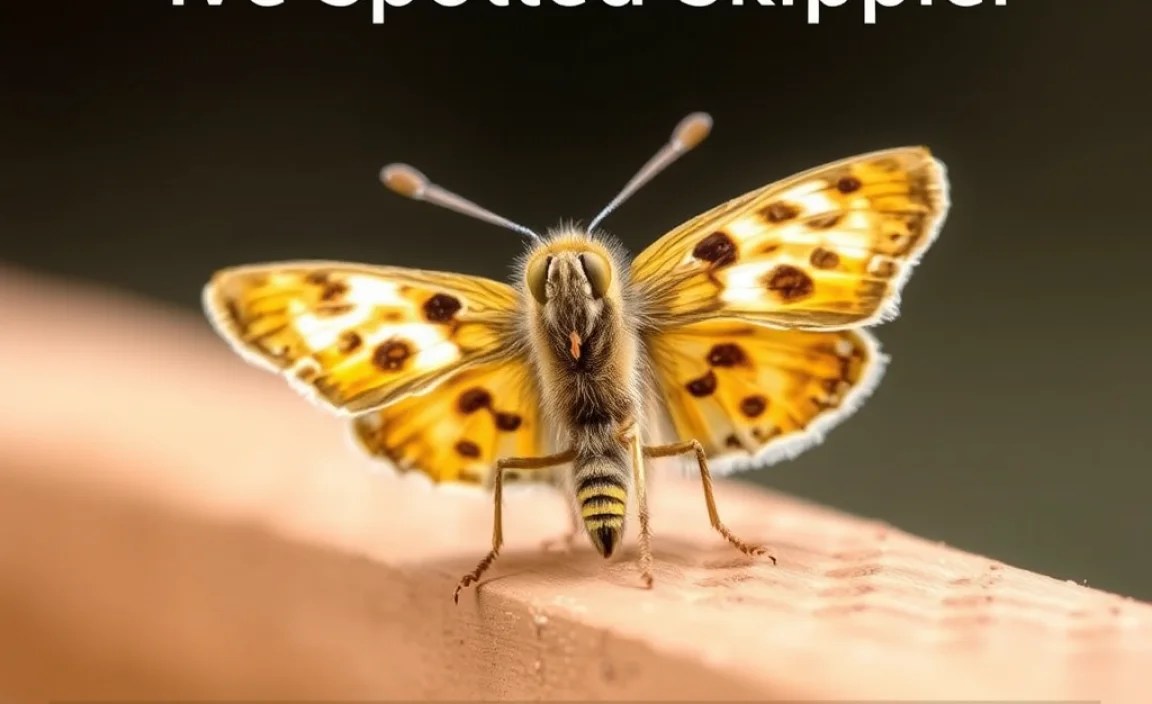
Silver-spotted skippers are easy to recognize if you know what to look for. The most obvious mark is a large, silver-white spot on the underside of their hindwings. This spot is what gives them their name. They are generally brownish-black on top, with some orange or golden markings. The males and females look similar, but females might have slightly more noticeable markings. It’s important to see the silver spot to confirm it is indeed a silver-spotted skipper. Keep an eye out for these small but distinct butterflies in sunny spots. When learning how to identify silver-spotted skipper, also consider the size. They are medium-sized skippers, with a wingspan of about 1.5 to 2.5 inches. They fly quickly, making them fun to watch as they flit from flower to flower. Knowing these key markings will help you spot them easily!
- Look for a large, silver-white spot on the hindwing.
- Check for brownish-black color with orange markings.
- Note the size; they are medium-sized skippers.
- Observe their fast, erratic flight pattern.
- Males and females have similar markings.
Once you know what to look for, spotting a silver-spotted skipper becomes a fun game. These butterflies are active during the day, especially in sunny weather. They often visit flowers to drink nectar. Their quick flight can make them tricky to follow, but the silver spot stands out when they land. Remember to look closely at the hindwings. The silver spot is usually very bright and easy to see. You might find them in gardens, fields, or near wooded areas. The plants that their caterpillars eat, like black locust and wisteria, are good places to start your search. Knowing how to identify silver-spotted skipper butterflies adds a new level of excitement to your outdoor adventures.
What is the Hindwing Spot?
The silver-spotted skipper’s most recognizable feature is the silver-white spot on its hindwing. Why is this spot so important? It helps to identify them quickly and easily. The spot is created by special scales that reflect light. This makes it shine and stand out against the darker background of the wing. Imagine it like a tiny mirror on the butterfly’s wing! This shiny spot is not just for show. It might also help the butterfly confuse predators. When a bird or other animal tries to catch it, the spot could distract them. This gives the skipper a chance to escape. The spot also helps other silver-spotted skippers recognize each other. It’s like a secret code that only they understand. So, the next time you see this butterfly, remember that the silver spot is more than just a pretty mark.
Do Males and Females Differ?
When you are learning how to identify silver-spotted skipper, you might wonder if the males and females look different. In general, they look quite similar. Both males and females have the same brownish-black color and orange markings. They also both have the distinct silver spot on their hindwings. However, if you look very closely, you might notice some slight differences. Females sometimes have slightly more pronounced orange markings than males. This can make them appear a bit brighter or more colorful. Also, the shape of their wings might be a little different. Males tend to have slightly narrower wings compared to females. But these differences are often hard to see unless you have a good eye and a close view. So, for the most part, you can identify both males and females using the same key features.
How Does Size Help Identification?
Size can be a helpful clue when trying to identify a silver-spotted skipper. These skippers are considered medium-sized butterflies. They have a wingspan of about 1.5 to 2.5 inches. This is bigger than some of the smaller skippers but smaller than some of the larger butterflies. If you see a butterfly with a silver spot that is very tiny, it might be a different type of skipper. Similarly, if it is very large, it’s probably not a silver-spotted skipper. It’s good to have a general idea of their size to help narrow down your search. You can compare it to other butterflies you see to get a better sense of its size. Keep in mind that size can vary slightly depending on the individual butterfly. But knowing the general range can be a useful tool when learning how to identify silver-spotted skipper.
Fun Fact or Stat: The silver spot on the silver-spotted skipper’s wing is made of tiny scales that reflect light, making it shimmer!
Understanding Silver-Spotted Skipper Habitat
The habitat of a silver-spotted skipper is important to consider. These butterflies like open, sunny areas. You can often find them in fields, gardens, and along the edges of forests. They need access to both nectar sources for the adults and host plants for the caterpillars. Host plants are the plants that the caterpillars eat. For silver-spotted skippers, these include black locust, honey locust, and wisteria. These plants are often found in disturbed areas or along roadsides. Adult butterflies need flowers that provide nectar. These can be a variety of wildflowers and garden plants. When you are learning how to identify silver-spotted skipper, think about where you are looking. If you are in a shady forest, you are less likely to find them. But if you are in a sunny field with lots of flowers, you have a better chance.
- They prefer open, sunny habitats.
- Look for them in fields and gardens.
- Check near host plants like locust and wisteria.
- They need access to nectar sources.
- Avoid shady, dense forests.
- Roadsides and disturbed areas are good spots.
Knowing the preferred habitat helps you narrow your search. Think about what a silver-spotted skipper needs to survive. They need sunlight to warm their bodies. They need host plants for their young to eat. And they need nectar for energy. These factors influence where they choose to live. For example, a garden with lots of flowers and a nearby locust tree would be a perfect spot. A field with wildflowers and plenty of sunlight would also be ideal. When you are out exploring, keep these habitat preferences in mind. This will increase your chances of spotting a silver-spotted skipper. Understanding their habitat is key to learning how to identify silver-spotted skipper in the wild.
Why Do They Prefer Sunny Areas?
Silver-spotted skippers, like many butterflies, prefer sunny areas. Why is this? Butterflies are cold-blooded. This means they need warmth from the sun to help them move and fly. When they bask in the sun, they raise their body temperature. This allows them to be more active. They can fly faster, find food more easily, and escape from predators. Sunny areas also tend to have more flowers. Flowers are important because they provide nectar. Nectar is the sugary liquid that butterflies drink for energy. Without enough sunlight, butterflies become sluggish and can’t survive. So, when you are looking for silver-spotted skippers, remember to look for sunny spots. That’s where they are most likely to be!
What Role Do Host Plants Play?
Host plants are super important for silver-spotted skippers. These are the plants that the caterpillars eat. The adult butterflies lay their eggs on or near these plants. When the eggs hatch, the caterpillars have a ready supply of food. For silver-spotted skippers, some of the main host plants are black locust, honey locust, and wisteria. These plants provide the nutrients that the caterpillars need to grow and develop. Without these host plants, the caterpillars would not survive. The adult butterflies also benefit from these plants. They often lay their eggs near nectar sources. So, the host plants create a complete habitat for the silver-spotted skippers. When you are learning how to identify silver-spotted skipper, look for these host plants.
How Do They Find Nectar Sources?
Silver-spotted skippers are very good at finding nectar sources. Nectar is a sweet liquid that flowers produce. It gives butterflies the energy they need to fly and live. But how do they find these flowers? Butterflies have special eyes that can see colors that humans can’t. They can see ultraviolet light, which helps them spot flowers from far away. They also use their sense of smell to find flowers. They can smell the sweet scent of nectar from a distance. Once they find a flower, they use their long, straw-like tongue called a proboscis to drink the nectar. They unroll their proboscis and stick it into the flower to suck up the sweet liquid. So, butterflies use both sight and smell to find the nectar they need.
Fun Fact or Stat: Silver-spotted skippers can fly up to 20 miles per hour when trying to escape predators!
Life Cycle Stages of the Silver-Spotted Skipper

Understanding the life cycle is key to how to identify silver-spotted skipper. Like all butterflies, silver-spotted skippers go through four stages: egg, larva (caterpillar), pupa (chrysalis), and adult. The female lays small, greenish eggs on the host plants. These eggs hatch into caterpillars. The caterpillars are usually green or brown with distinctive markings. They eat a lot of leaves to grow bigger. Once the caterpillar is full-grown, it forms a pupa or chrysalis. This is a protective shell where the caterpillar transforms into a butterfly. Inside the chrysalis, amazing changes happen. After a few weeks, the adult butterfly emerges. It flies off to find nectar and mate. Knowing these stages helps you understand where to look for them and what to expect at different times of the year.
- Eggs are laid on host plants.
- Caterpillars eat leaves and grow.
- Pupa forms a protective chrysalis.
- Adult butterfly emerges from pupa.
- Life cycle takes several weeks.
Each stage of the life cycle is important. The eggs need to be laid on the right host plant. The caterpillars need to eat enough to grow. The pupa needs to stay safe from predators. And the adult butterfly needs to find food and a mate. All these things need to happen for the silver-spotted skipper to survive. If you want to help these butterflies, you can plant host plants in your garden. You can also avoid using pesticides that could harm them. By understanding their life cycle, you can take steps to protect them. This helps ensure that we can enjoy these beautiful butterflies for many years to come. Learning how to identify silver-spotted skipper includes knowing its life cycle.
What Do the Eggs Look Like?
The eggs of the silver-spotted skipper are tiny and round. They are usually greenish or yellowish-white in color. They are laid singly on the leaves of the host plant. The female butterfly carefully chooses the right spot to lay her eggs. She wants to make sure the caterpillars will have plenty of food when they hatch. The eggs are very small, so they can be hard to spot. You have to look closely at the leaves of the host plant. Sometimes, you can find them on the underside of the leaves. The eggs are a sign that silver-spotted skippers are nearby. If you see them, it means you are in a good spot to find other stages of their life cycle.
How Do Caterpillars Grow?
Silver-spotted skipper caterpillars are eating machines! They spend most of their time munching on leaves. They need to eat a lot to grow big and strong. As they grow, they shed their skin several times. This process is called molting. Each time they molt, they get a little bigger. The caterpillars are usually green or brown with distinctive markings. They might have stripes or spots on their bodies. These markings help them blend in with the leaves. This makes it harder for predators to find them. The caterpillars can grow quite large before they turn into pupae. They are an important part of the silver-spotted skipper’s life cycle. Without them, there would be no butterflies!
What Happens in the Chrysalis?
The chrysalis is a magical place. It’s where the caterpillar transforms into a butterfly. Inside the chrysalis, the caterpillar’s body breaks down. Then, it rebuilds itself into a new form. This process is called metamorphosis. It’s like a complete makeover! The chrysalis is usually green or brown. It hangs from a branch or leaf. It provides protection for the developing butterfly. The chrysalis stage can last for several weeks. During this time, the butterfly is growing and changing. When it’s ready, the chrysalis splits open. The adult butterfly emerges. It’s a truly amazing transformation. The chrysalis is a vital part of the silver-spotted skipper’s life cycle.
Fun Fact or Stat: The caterpillar of the silver-spotted skipper can eat twice its weight in leaves every day!
Diet and Nutrition for Silver-Spotted Skippers

The diet of a silver-spotted skipper changes as it grows. Caterpillars eat leaves. Adult butterflies drink nectar. Caterpillars need to eat a lot of leaves to grow big and strong. They prefer the leaves of host plants like black locust and wisteria. These leaves provide the nutrients they need to develop. Adult butterflies need nectar for energy. Nectar is a sweet liquid found in flowers. They use their long, straw-like tongue to drink it. Different flowers provide different kinds of nectar. Silver-spotted skippers are not picky eaters. They will visit many different types of flowers. Understanding their diet is important for learning how to identify silver-spotted skipper, because it affects where you find them.
- Caterpillars eat leaves of host plants.
- Adult butterflies drink nectar from flowers.
- Black locust and wisteria are key food sources.
- Nectar provides energy for adults.
- They visit many different flower types.
Providing the right food sources is important for helping silver-spotted skippers. You can plant host plants in your garden to feed the caterpillars. You can also plant flowers that provide nectar for the adults. Choose a variety of flowers that bloom at different times of the year. This will ensure that there is always a food source available. Avoid using pesticides that could harm the butterflies or their food sources. By providing the right diet, you can help silver-spotted skippers thrive. This will make your garden a haven for these beautiful butterflies. Remember, knowing their diet is part of how to identify silver-spotted skipper and support them.
What Do Caterpillars Eat?
Silver-spotted skipper caterpillars have a very specific diet. They mainly eat the leaves of certain host plants. Black locust, honey locust, and wisteria are their favorites. These plants provide the nutrients that the caterpillars need to grow. The caterpillars are not able to eat just any plant. They have evolved to eat these specific types of leaves. The leaves contain special chemicals that the caterpillars can digest. Other plants might be poisonous or not provide enough nutrition. That’s why it’s important to have these host plants available. Without them, the caterpillars would not survive. So, if you want to attract silver-spotted skippers, plant these host plants in your garden.
How Do Adults Drink Nectar?
Adult silver-spotted skippers have a special way of drinking nectar. They use a long, straw-like tongue called a proboscis. The proboscis is normally coiled up under their head. When they want to drink nectar, they unroll it and stick it into the flower. They then suck up the nectar like drinking from a straw. The nectar travels up the proboscis and into their stomach. The proboscis is perfectly designed for reaching the nectar deep inside flowers. It’s a very efficient way to get the energy they need. After they are finished drinking, they coil the proboscis back up. It’s a pretty amazing adaptation that helps them survive.
Which Flowers Are Best?
Silver-spotted skippers are not too picky about which flowers they visit. They will drink nectar from a variety of different flowers. However, they do have some favorites. Flowers with bright colors and a lot of nectar are especially attractive. Some good choices include butterfly bush, zinnias, and milkweed. These flowers provide a lot of energy for the butterflies. They also have a shape that makes it easy for the butterflies to reach the nectar. It’s a good idea to plant a variety of flowers in your garden. This will attract a wider range of butterflies and other pollinators. Choose flowers that bloom at different times of the year. This will ensure that there is always a food source available for the butterflies.
Fun Fact or Stat: A silver-spotted skipper can visit up to 50 flowers in a single day to get enough nectar!
Comparing Silver-Spotted Skippers to Similar Species

When learning how to identify silver-spotted skipper, it helps to compare them to similar species. There are many different types of skippers. Some look very similar to silver-spotted skippers. One common look-alike is the hoary edge skipper. This skipper is also brownish-black with some white markings. However, it does not have the distinctive silver spot on its hindwing. Another similar species is the long-tailed skipper. This skipper has long tails on its hindwings, which silver-spotted skippers do not have. Paying attention to these small differences is important. It helps you correctly identify the silver-spotted skipper. Look for the silver spot, the size, and the overall color pattern.
| Feature | Silver-Spotted Skipper | Hoary Edge Skipper | Long-Tailed Skipper |
|---|---|---|---|
| Silver Spot | Yes | No | No |
| Wing Shape | Rounded | Angled | Rounded with tails |
| Color | Brownish-black with orange | Brownish-black with white | Brown with blue sheen |
| Size | Medium (1.5-2.5 inches) | Small (1-1.5 inches) | Large (2-2.5 inches) |
- Hoary edge skippers lack the silver spot.
- Long-tailed skippers have long tails.
- Size and color patterns differ.
- Wing shape can be a clue.
- Look for the distinctive silver spot.
Using a field guide can be very helpful when identifying skippers. A field guide shows pictures and descriptions of different species. It also points out key features to look for. Practice is also important. The more you look at butterflies, the better you will become at identifying them. Start by looking at pictures in books or online. Then, go outside and try to find some butterflies in your garden or local park. Pay attention to the details. Notice the colors, patterns, and shapes. With practice, you will become an expert at identifying silver-spotted skippers and other butterflies. Remember, knowing the differences helps you with how to identify silver-spotted skipper correctly.
What Makes Hoary Edge Skippers Different?
Hoary edge skippers can sometimes be confused with silver-spotted skippers. They are both brownish-black butterflies that can be found in similar habitats. However, there are some key differences. The most obvious difference is the lack of a silver spot. Hoary edge skippers do not have a silver spot on their hindwings. Instead, they have a white or grayish edge along the outer margin of their wings. This is where they get their name “hoary edge.” They are also generally smaller than silver-spotted skippers. The wing shape is also different. Hoary edge skippers have more angled wings, while silver-spotted skippers have more rounded wings. So, look for these differences when trying to tell them apart.
How Do Long-Tailed Skippers Compare?
Long-tailed skippers are another type of skipper that you might encounter. They are quite different from silver-spotted skippers. The most obvious difference is the long tails on their hindwings. Silver-spotted skippers do not have these tails. Long-tailed skippers are also larger than silver-spotted skippers. They have a more bluish or purplish sheen to their wings. They are often found in warmer climates. They feed on different host plants. So, if you see a skipper with long tails, it’s definitely not a silver-spotted skipper. These tails make them easy to identify.
Why Is Spotting the Silver Spot Important?
The silver spot is the most important feature for identifying a silver-spotted skipper. This spot is a large, silver-white mark on the underside of the hindwing. It is very distinctive and easy to see. No other skipper has a spot quite like it. The spot is made up of tiny scales that reflect light. This makes it shine and stand out. If you see a skipper with a silver spot, you can be pretty sure it’s a silver-spotted skipper. But always double-check other features. This includes the size, color, and wing shape. The silver spot is the key to unlocking their identity. It’s the first thing you should look for when trying to identify them.
Fun Fact or Stat: There are over 3,500 different species of skippers in the world, each with unique markings!
Conservation Status and Threats to Skippers
Silver-spotted skippers are not currently considered endangered. However, like many insects, they face threats. Habitat loss is a big problem. As more land is developed, there is less space for them to live. Pesticide use can also harm them. Pesticides are chemicals used to kill insects. But they can also kill beneficial insects like butterflies. Climate change is another concern. Changes in temperature and rainfall can affect their food sources. It can also change their life cycle. Protecting their habitat is important. Avoiding pesticide use is also crucial. By taking these steps, we can help ensure that silver-spotted skippers thrive for many years. Understanding how to identify silver-spotted skipper helps us protect them.
- Habitat loss is a major threat.
- Pesticide use can harm them.
- Climate change affects their food.
- Protecting their habitat is important.
- Avoid using pesticides.
You can help protect silver-spotted skippers in your own backyard. Plant host plants and nectar sources. Create a butterfly-friendly garden. Avoid using pesticides. Encourage your friends and neighbors to do the same. Educate others about the importance of butterflies. Support organizations that work to protect butterfly habitats. Every little bit helps. By working together, we can make a big difference. We can create a world where silver-spotted skippers and other butterflies can thrive. Remember, even small actions can have a big impact. Let’s all do our part to protect these beautiful creatures. This ensures future generations can learn how to identify silver-spotted skipper too.
How Does Habitat Loss Affect Them?
Habitat loss is a serious threat to silver-spotted skippers. When their habitat is destroyed, they lose their food sources and places to live. This can lead to a decline in their population. Habitat loss can happen for many reasons. Development, agriculture, and deforestation are all major causes. When forests are cut down or fields are paved over, the butterflies have nowhere to go. They need open, sunny areas with host plants and nectar sources. When these areas disappear, the butterflies struggle to survive. Protecting their habitat is essential for their survival. We need to conserve natural areas and create butterfly-friendly gardens.
Why Are Pesticides Harmful?
Pesticides are designed to kill insects. But they can also harm beneficial insects like silver-spotted skippers. Pesticides can kill butterflies directly. They can also kill their food sources. When caterpillars eat leaves that have been sprayed with pesticides, they can get sick or die. Adult butterflies can also be poisoned by drinking nectar from flowers that have been treated with pesticides. Even small amounts of pesticides can be harmful. It’s best to avoid using pesticides altogether. There are many natural ways to control pests in your garden. You can use organic gardening methods. You can also encourage natural predators like birds and ladybugs.
What Role Does Climate Change Play?
Climate change is a growing concern for silver-spotted skippers. Changes in temperature and rainfall can affect their food sources. It can also disrupt their life cycle. If the weather becomes too hot or too dry, their host plants may not grow well. This can lead to a shortage of food for the caterpillars. Changes in temperature can also affect when the butterflies emerge from their chrysalises. If they emerge too early or too late, they may not be able to find food or mates. Climate change is a complex problem. But there are things we can do to help. We can reduce our carbon footprint. We can also support policies that address climate change.
Fun Fact or Stat: Some butterfly species have declined by over 90% in the last few decades due to habitat loss and pesticide use!
Summary
The silver-spotted skipper is a unique butterfly. It has a distinct silver spot on its hindwing. This makes it easy to identify. They live in sunny, open areas. Caterpillars eat locust and wisteria plants. Adult butterflies drink nectar from flowers. Their life cycle includes egg, larva, pupa, and adult stages. These butterflies face threats from habitat loss and pesticides. You can help protect them by planting host plants. You can also avoid using pesticides. Learning how to identify silver-spotted skipper and protect them helps our environment. These small actions can make a big difference. We can ensure they thrive for future generations to enjoy.
Conclusion
Learning about the silver-spotted skipper is fun and important. These butterflies have a unique silver spot. They play a role in our ecosystem. By knowing how to identify silver-spotted skipper, we can appreciate them more. We can also take steps to protect their habitat. Plant host plants in your garden. Avoid using pesticides. Educate others about these beautiful creatures. Together, we can help them thrive. Let’s all do our part to protect these special butterflies. This will ensure they continue to brighten our world for years to come.
Frequently Asked Questions
Question No 1: What is the most reliable way of how to identify silver-spotted skipper?
Answer: The most reliable way to identify a silver-spotted skipper is by looking for the large, silver-white spot on the underside of its hindwing. This spot is very distinctive and sets it apart from other similar skippers. In addition to the silver spot, also consider the butterfly’s size, color, and overall appearance. Silver-spotted skippers are medium-sized butterflies with brownish-black wings and some orange markings. By combining these characteristics, you can confidently identify a silver-spotted skipper. Remember to use a field guide or online resources to compare your observations with accurate descriptions and images.
Question No 2: Where is the best place to find silver-spotted skippers?
Answer: Silver-spotted skippers are most commonly found in open, sunny areas where their host plants grow. Look for them in fields, gardens, and along the edges of forests. They are often seen near black locust, honey locust, and wisteria plants, as these are the primary food sources for their caterpillars. These butterflies are active during the day, especially in warm weather. They often visit flowers to drink nectar. By focusing your search in these types of habitats, you will increase your chances of spotting a silver-spotted skipper. Remember to be patient and observant as you explore these areas.
Question No 3: What do silver-spotted skipper caterpillars eat?
Answer: Silver-spotted skipper caterpillars primarily feed on the leaves of specific host plants, including black locust, honey locust, and wisteria. These plants provide the necessary nutrients for the caterpillars to grow and develop. The caterpillars are specialized to digest the leaves of these plants, which may contain chemicals that other insects cannot tolerate. Female butterflies lay their eggs on or near these host plants to ensure that the newly hatched caterpillars have a readily available food source. If you want to attract silver-spotted skippers to your garden, planting these host plants is a great way to support their caterpillars.
Question No 4: How can I help protect silver-spotted skippers in my yard?
Answer: There are several things you can do to help protect silver-spotted skippers in your yard. First, plant host plants like black locust, honey locust, and wisteria to provide food for the caterpillars. Second, plant a variety of nectar-rich flowers to provide food for the adult butterflies. Avoid using pesticides in your yard, as these chemicals can harm or kill butterflies and other beneficial insects. Provide a shallow dish of water with pebbles for the butterflies to drink from. By creating a butterfly-friendly habitat, you can help support silver-spotted skippers and other pollinators.
Question No 5: Are silver-spotted skippers rare or endangered?
Answer: Silver-spotted skippers are not currently considered rare or endangered. However, like many butterfly species, they face threats from habitat loss, pesticide use, and climate change. While they are not yet endangered, it is important to take steps to protect their populations and ensure their long-term survival. By planting host plants, avoiding pesticides, and supporting conservation efforts, we can help maintain healthy populations of silver-spotted skippers. It’s important to keep learning how to identify silver-spotted skipper to understand where they are and how they are doing.
Question No 6: What is the lifespan of a silver-spotted skipper?
Answer: The lifespan of a silver-spotted skipper varies depending on the stage of its life cycle. The eggs typically hatch in about a week. The caterpillars spend several weeks feeding and growing before forming a chrysalis. The pupa stage lasts for about two weeks. The adult butterfly typically lives for only a few weeks, during which time it feeds on nectar and reproduces. The entire life cycle from egg to adult can take several months. The adult stage is the shortest part of their lives. So, spotting one is a special treat. This is why knowing how to identify silver-spotted skipper is so important.