
Swallowtail Butterfly Tracking & Tagging: Secret’s Out!

Tracking and tagging swallowtail butterflies involves carefully attaching a small, lightweight tag to their wing and recording their movements to study migration patterns, population size, and behavior. This helps scientists understand their life cycle and protect these beautiful creatures.
Have you ever watched a swallowtail butterfly flutter by and wondered where it was going? These beautiful insects travel great distances, and understanding their journeys is key to protecting them. Tracking and tagging might sound complicated, but it’s a fascinating way to learn about these amazing creatures. Whether you’re a seasoned naturalist or just starting to explore the world of butterflies, I’m here to guide you through the process. We’ll cover everything from the tools you’ll need to the ethical considerations of tagging. Get ready to discover the secrets of swallowtail migration!
Why Track and Tag Swallowtail Butterflies?

Tracking and tagging swallowtail butterflies is more than just a fun activity; it’s a vital tool for scientific research and conservation efforts. Here’s why:
- Migration Patterns: Understanding where swallowtails go during different times of the year helps us identify important habitats and migratory routes.
- Population Size: By tracking tagged butterflies, scientists can estimate the size of different populations and monitor changes over time.
- Behavior: Observing tagged butterflies can reveal insights into their feeding habits, mating behavior, and overall life cycle.
- Conservation: This information is crucial for developing effective conservation strategies to protect swallowtails and their habitats.
Getting Started: What You’ll Need

Before you begin tracking and tagging swallowtail butterflies, you’ll need to gather the right equipment. Here’s a list of essential tools:
- Butterfly Net: A lightweight net with a long handle is essential for catching butterflies without harming them.
- Butterfly Tags: These are small, numbered tags that are attached to the butterfly’s wing. They are typically made of lightweight, waterproof material. You can often obtain these from butterfly monitoring programs or research institutions.
- Fine-Tipped Tweezers: Use these to carefully handle the tags and apply them to the butterfly’s wing.
- Tagging Glue: A special adhesive designed for attaching tags to butterfly wings. It should be non-toxic and quick-drying.
- Magnifying Glass: This will help you see the fine details of the butterfly’s wing and ensure that the tag is properly attached.
- Notebook and Pen: To record data such as the date, location, butterfly species, and tag number.
- Camera: To take photos of the tagged butterfly for documentation.
- Release Container: A small, breathable container to hold the butterfly briefly after tagging.
Step-by-Step Guide to Tracking and Tagging
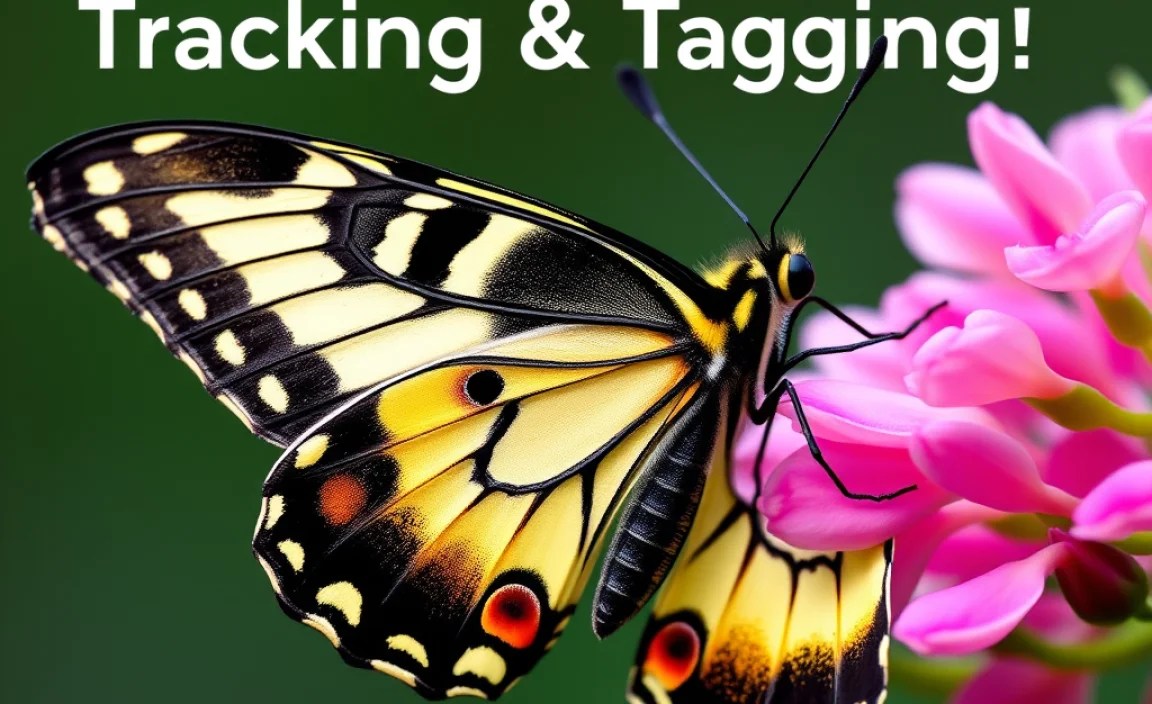
Now that you have your equipment, let’s dive into the process of tracking and tagging swallowtail butterflies. Follow these steps carefully to ensure the safety and well-being of the butterflies.
Step 1: Locating Swallowtail Butterflies
The first step is to find an area where swallowtail butterflies are likely to be present. Look for gardens, meadows, or woodlands with plenty of nectar-rich flowers. Swallowtails are most active during warm, sunny days.
Step 2: Catching the Butterfly
Once you’ve spotted a swallowtail, approach it slowly and carefully. Use your butterfly net to gently capture it. Be sure to swing the net smoothly to avoid injuring the butterfly. Once the butterfly is in the net, gently fold the net closed to prevent it from escaping.
Step 3: Handling the Butterfly
Carefully reach into the net and gently grasp the butterfly by its wings, close to its body. Be very gentle to avoid damaging the wings. Hold the butterfly securely but not too tightly.
Step 4: Identifying the Species
Before tagging, take a moment to identify the species of swallowtail butterfly you’ve caught. This is important for accurate data collection. Use a field guide or online resources to help you identify the butterfly.
Step 5: Applying the Tag
Using fine-tipped tweezers, carefully peel a tag from its backing. Apply a tiny drop of tagging glue to the underside of the tag. Gently attach the tag to the discal cell of the butterfly’s hindwing. The discal cell is the large, central area of the wing. Make sure the tag is securely attached and that it doesn’t interfere with the butterfly’s flight.
Step 6: Recording the Data
In your notebook, record the date, time, location, species of butterfly, and the unique number on the tag. Take a photo of the tagged butterfly for your records.
Step 7: Releasing the Butterfly
After tagging and recording the data, gently place the butterfly in a release container. Allow it a few moments to recover, and then release it back into its habitat. Observe the butterfly as it flies away to ensure that the tag is not hindering its flight.
Ethical Considerations
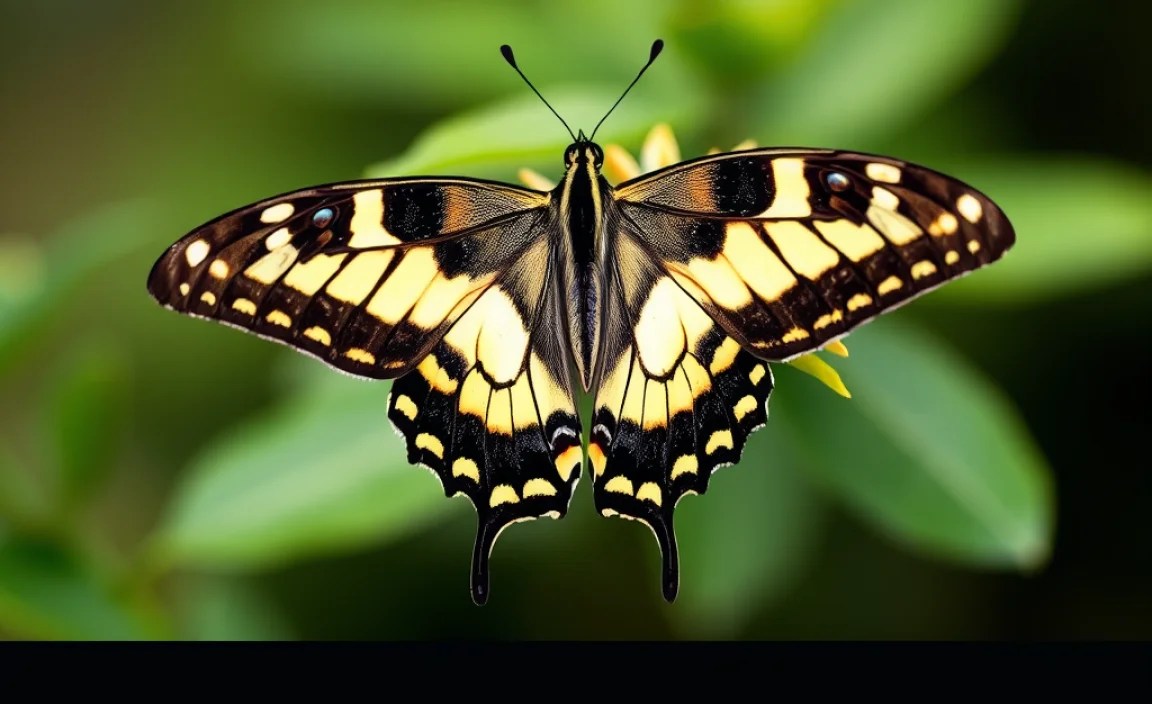
Tracking and tagging butterflies is a valuable research tool, but it’s important to do it ethically and responsibly. Here are some key considerations:
- Minimize Stress: Handle butterflies gently and quickly to minimize stress. Avoid handling them in extreme temperatures or weather conditions.
- Use Lightweight Tags: Choose tags that are as lightweight as possible to avoid interfering with the butterfly’s flight.
- Proper Training: If you’re new to tagging, seek guidance from experienced researchers or conservation organizations.
- Obtain Permits: In some areas, you may need a permit to track and tag butterflies. Check with your local wildlife agency for regulations.
- Respect Habitats: Be mindful of the butterfly’s habitat and avoid disturbing plants or other wildlife.
Joining a Butterfly Monitoring Program

One of the best ways to get involved in swallowtail butterfly tracking and tagging is to join a butterfly monitoring program. These programs often provide training, equipment, and support for volunteers. Here are some benefits of joining a program:
- Learn from Experts: You’ll have the opportunity to learn from experienced researchers and conservationists.
- Access to Resources: Programs often provide tags, nets, and other equipment.
- Contribute to Research: Your data will contribute to important scientific research and conservation efforts.
- Connect with Others: You’ll meet other butterfly enthusiasts and share your passion for nature.
Here are a few reputable organizations that offer butterfly monitoring programs:
- The Xerces Society: A leading organization focused on invertebrate conservation.
- North American Butterfly Association (NABA): Promotes butterfly conservation through education and research.
- Butterflies and Moths of North America (BAMONA): Provides information and resources for butterfly enthusiasts.
Advanced Techniques in Butterfly Tracking
While traditional tagging methods are effective, advancements in technology have opened up new possibilities for tracking butterflies. Here are some advanced techniques that are being used by researchers:
- Radio Telemetry: Attaching tiny radio transmitters to butterflies allows researchers to track their movements over long distances.
- GPS Tracking: GPS loggers can record the precise location of butterflies, providing detailed information about their migration routes.
- Isotope Analysis: Analyzing the chemical composition of butterfly wings can reveal information about their origins and migration patterns.
- Genetic Analysis: Studying the DNA of butterflies can help researchers understand their population structure and evolutionary history.
The Role of Citizen Science
Citizen science plays a crucial role in butterfly tracking and conservation. By involving volunteers in data collection and monitoring, scientists can gather valuable information over a wide geographic area. Here are some ways you can contribute to citizen science projects:
- Report Sightings: Submit your butterfly sightings to online databases such as iNaturalist or BAMONA.
- Participate in Surveys: Join organized butterfly surveys in your area.
- Monitor Habitats: Help monitor butterfly habitats and report any changes or threats.
- Educate Others: Share your knowledge and passion for butterflies with others to raise awareness about conservation.
Creating a Butterfly-Friendly Habitat
One of the best ways to support swallowtail butterflies is to create a butterfly-friendly habitat in your own backyard or community. Here are some tips for creating a welcoming environment for these beautiful creatures:
- Plant Nectar-Rich Flowers: Choose a variety of flowers that provide nectar throughout the growing season. Some favorites of swallowtails include milkweed, butterfly bush, zinnias, and coneflowers.
- Provide Host Plants: Swallowtail caterpillars need specific host plants to feed on. Plant these plants in your garden to support the entire life cycle of the butterfly. Some common host plants for swallowtails include milkweed (for Monarchs), parsley, dill, fennel, and citrus trees.
- Avoid Pesticides: Pesticides can be harmful to butterflies and other beneficial insects. Avoid using them in your garden.
- Provide Water: Butterflies need water to drink. Create a shallow puddle or place a dish of water with pebbles in your garden.
- Provide Shelter: Butterflies need shelter from wind and predators. Plant shrubs and trees in your garden to provide cover.
Understanding Swallowtail Butterfly Migration
Swallowtail butterflies are known for their impressive migrations, with some species traveling hundreds or even thousands of miles. Understanding the factors that drive these migrations is crucial for conservation efforts.
Several factors influence swallowtail migration, including:
- Climate: Butterflies migrate to find suitable climates for breeding and overwintering.
- Food Availability: Butterflies migrate to areas where there is an abundance of nectar and host plants.
- Habitat Loss: Habitat loss can force butterflies to migrate in search of suitable habitats.
Here’s a table showcasing migration patterns of common Swallowtail species:
| Species | Migration Pattern | Key Habitats |
|---|---|---|
| Monarch Butterfly | Long-distance migration from Canada and the US to Mexico and California | Milkweed fields, forests |
| Black Swallowtail | Short-distance migration within North America | Gardens, meadows |
| Eastern Tiger Swallowtail | No significant migration, but some local movements | Woodlands, forests |
The Future of Butterfly Tracking
As technology continues to advance, the future of butterfly tracking looks promising. New tools and techniques are being developed that will allow researchers to gather even more detailed information about butterfly behavior and migration patterns. Here are some exciting developments to watch for:
- Miniaturized Sensors: Smaller, lighter sensors will allow researchers to track even the smallest butterfly species.
- Artificial Intelligence: AI algorithms can be used to analyze large datasets of butterfly sightings and identify patterns that would be difficult for humans to detect.
- Satellite Tracking: Satellite tracking technology could be used to track butterflies over vast distances, providing unprecedented insights into their migration routes.
Common Challenges and Solutions
Tracking and tagging swallowtail butterflies can be challenging. Here are some common issues and their solutions:
| Challenge | Solution |
|---|---|
| Difficulty catching butterflies | Use a lightweight net, approach slowly, and try early morning or late afternoon. |
| Tags falling off | Ensure proper glue application and use appropriate tag size. |
| Data recording errors | Double-check entries and use a standardized data sheet. |
Swallowtail Butterfly Tracking & Tagging: FAQs
Here are some frequently asked questions about tracking and tagging swallowtail butterflies:
- Q: Is tagging harmful to butterflies?
- A: When done correctly, tagging is generally not harmful. Use lightweight tags and handle butterflies gently.
- Q: What kind of glue should I use?
- A: Use a specialized tagging glue that is non-toxic and quick-drying.
- Q: Where should I attach the tag?
- A: Attach the tag to the discal cell of the hindwing, avoiding veins.
- Q: How do I find butterfly monitoring programs?
- A: Check with local nature centers, universities, or conservation organizations.
- Q: What if I find a tagged butterfly?
- A: Record the tag number, location, and date, and report it to the organization that issued the tag.
- Q: Do I need a permit to tag butterflies?
- A: In some areas, a permit may be required. Check with your local wildlife agency.
- Q: What’s the best time of year to track butterflies?
- A: The best time is during their active season, typically spring and summer.
Conclusion
Tracking and tagging swallowtail butterflies is a rewarding way to connect with nature and contribute to scientific research. By following the steps outlined in this guide, you can help us learn more about these amazing creatures and protect them for future generations. Whether you’re a seasoned naturalist or just starting out, there’s a place for you in the world of butterfly conservation. So grab your net, gather your supplies, and get ready to embark on a fascinating journey into the world of swallowtail butterflies! Let’s work together to understand and preserve these beautiful creatures for years to come. Happy tagging!


