
Glasswing Conservation Status: The Vital Facts

Quick Summary:
The conservation status of glasswing butterflies varies by species and location. While many glasswing populations are currently stable, habitat loss due to deforestation and agriculture poses a significant threat. Organizations like the International Union for Conservation of Nature (IUCN) monitor their populations, and conservation efforts are focused on protecting their natural habitats and promoting sustainable practices.
Have you ever wondered about the future of those enchanting glasswing butterflies you see flitting through the rainforest? It’s a question that weighs heavily on the hearts of nature lovers like us. These delicate creatures, with their transparent wings, are more than just beautiful—they’re an important part of our ecosystem. But are they safe? Are their populations thriving, or are they facing challenges that could threaten their existence?
Understanding the conservation status of glasswing butterflies is crucial if we want to protect them. This article will explore the factors that impact their survival, what conservation efforts are in place, and how we can all contribute to ensuring these magical butterflies continue to grace our world for generations to come. Let’s dive in and discover how we can make a difference!
What Exactly Are Glasswing Butterflies?
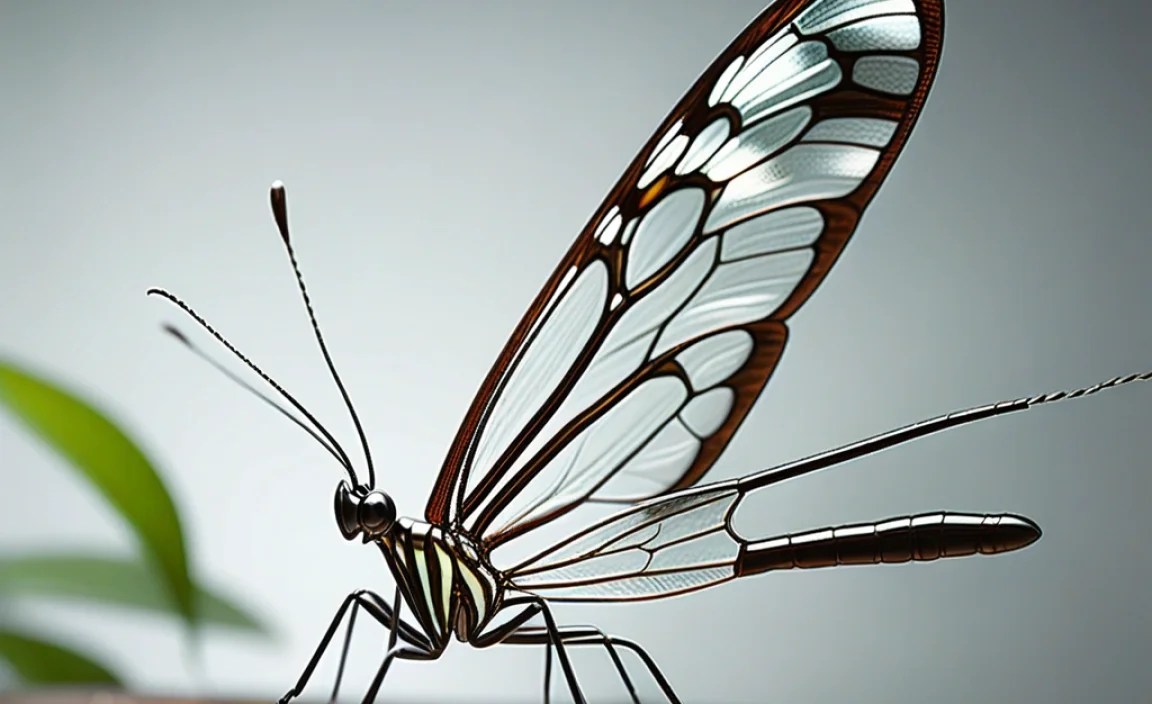
Before we dive into their conservation status, let’s take a closer look at what makes glasswing butterflies so special. These butterflies belong to the Ithomiini tribe of the Nymphalidae family. They are primarily found in Central and South America, fluttering through the understories of lush rainforests.
Key Characteristics
- Transparent Wings: Their most distinguishing feature is, of course, their transparent wings. This remarkable adaptation helps them camouflage effectively in their natural environment.
- Size and Shape: Glasswing butterflies typically have a wingspan ranging from 2.2 to 2.8 inches. Their wing shape varies slightly among different species, but they generally have rounded wings.
- Coloration: While their wings are mostly transparent, they often have colored borders, usually in shades of brown, orange, or red. These borders may also contain white spots, adding to their unique appearance.
- Flight Patterns: They are known for their slow, graceful flight, which helps them avoid predators. Their transparent wings make them difficult to spot as they flutter among the leaves.
Habitat and Distribution
Glasswing butterflies thrive in humid, tropical rainforests. They are commonly found from Mexico to Panama and as far south as parts of South America, including Colombia, Ecuador, and Brazil. They prefer the understory of the forest, where they are sheltered from harsh weather conditions and have access to their host plants.
Ecological Role
Like all butterflies, glasswings play an important role in their ecosystem:
- Pollination: As they feed on nectar, they help pollinate various plant species, contributing to the biodiversity of the rainforest.
- Food Source: They serve as a food source for birds, reptiles, and other insects. Their presence supports the food web within their habitat.
- Indicator Species: Their sensitivity to environmental changes makes them valuable indicator species. Declines in their populations can signal broader ecological problems, such as habitat degradation or pollution.
Understanding Conservation Status

The conservation status of a species is an indicator of its risk of extinction. Several organizations assess and classify species based on factors such as population size, habitat range, and threats to their survival. The most well-known of these is the International Union for Conservation of Nature (IUCN).
The IUCN Red List
The IUCN Red List is the world’s most comprehensive inventory of the global conservation status of biological species. It uses a set of criteria to evaluate the extinction risk of thousands of species. The categories range from “Least Concern” to “Extinct,” providing a clear picture of the challenges different species face.
IUCN Categories
- Extinct (EX): No known individuals remaining.
- Extinct in the Wild (EW): Known only to survive in captivity or as a naturalized population outside its historic range.
- Critically Endangered (CR): Facing an extremely high risk of extinction in the wild.
- Endangered (EN): Facing a very high risk of extinction in the wild.
- Vulnerable (VU): Facing a high risk of extinction in the wild.
- Near Threatened (NT): Close to qualifying for or is likely to qualify for a threatened category in the near future.
- Least Concern (LC): Widespread and abundant.
- Data Deficient (DD): Not enough information to make an assessment of its risk of extinction.
- Not Evaluated (NE): Has not yet been evaluated against the criteria.
Factors Influencing Conservation Status
Several factors can influence a species’ conservation status. These include:
- Habitat Loss: Deforestation, agriculture, and urbanization can destroy or degrade the habitats that species rely on for survival.
- Climate Change: Changes in temperature and rainfall patterns can alter habitats and disrupt species’ life cycles.
- Pollution: Pesticides, herbicides, and other pollutants can directly harm species or contaminate their food sources.
- Invasive Species: Non-native species can outcompete native species for resources or prey on them, leading to population declines.
- Overexploitation: Unsustainable harvesting or hunting can deplete populations, especially for species with slow reproductive rates.
Current Conservation Status of Glasswing Butterflies

The conservation status of glasswing butterflies is not uniformly assessed across all species. Many species have not been individually evaluated by the IUCN, meaning they are listed as “Not Evaluated” (NE). However, the general trends and threats they face can provide insights into their overall conservation outlook.
General Trends
While specific data on individual glasswing species may be limited, here are some general observations:
- Habitat Stability: Glasswing butterflies depend on healthy rainforest ecosystems. The rate of deforestation in Central and South America directly impacts their survival.
- Population Sizes: Most glasswing butterfly populations are considered relatively stable in areas where their habitat remains intact. However, localized declines have been observed in regions with significant habitat loss.
- Threat Levels: The primary threat to glasswing butterflies is habitat destruction. Climate change and pesticide use also pose risks, though their specific impacts are still being studied.
Specific Species Examples
Because comprehensive conservation assessments are lacking for many glasswing species, it’s helpful to look at similar butterfly species and their habitats to infer potential risks.
| Species | Common Name | Habitat | Threats | Conservation Implications |
|---|---|---|---|---|
| Greta oto | Glasswing Butterfly | Rainforests from Mexico to Panama and South America | Habitat loss, climate change, pesticide use | Requires habitat preservation and sustainable practices |
| Ithomia salapia | Clearwing Butterfly | Tropical forests of Central and South America | Deforestation, agricultural expansion | Needs protection of forest habitats and corridors |
| Oleria paula | Glassy-winged Butterfly | Amazon rainforest | Habitat fragmentation, illegal logging | Urgent need for habitat conservation and reforestation |
Regional Variations
The conservation status of glasswing butterflies can vary significantly by region:
- Areas with Protected Forests: In regions with well-managed national parks and reserves, glasswing butterfly populations tend to be more stable.
- Areas with High Deforestation Rates: In areas experiencing rapid deforestation, such as parts of the Amazon basin, glasswing butterflies face a greater risk of decline.
- Areas with Sustainable Practices: Regions promoting sustainable agriculture and ecotourism may provide better conditions for glasswing butterfly survival.
Threats to Glasswing Butterflies
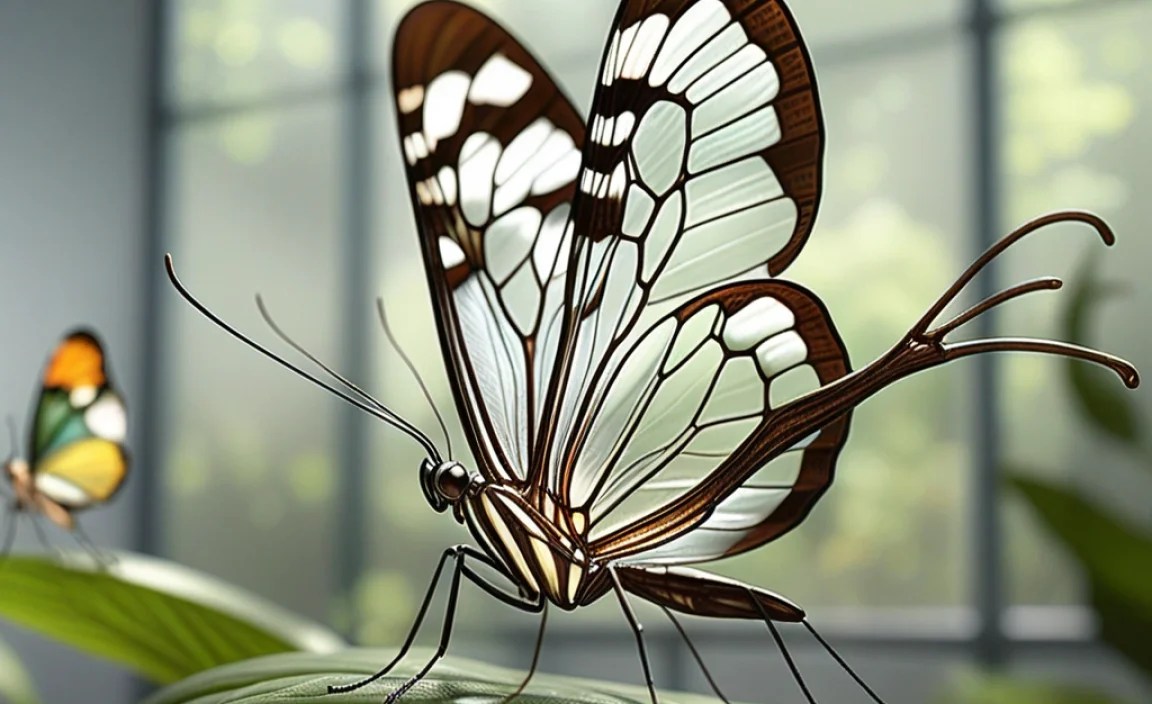
Understanding the specific threats that glasswing butterflies face is essential for developing effective conservation strategies. Here are the primary challenges:
Habitat Loss and Fragmentation
The biggest threat to glasswing butterflies is the destruction and fragmentation of their rainforest habitat. Deforestation for agriculture, cattle ranching, and logging reduces the amount of suitable habitat available.
- Agriculture: Conversion of rainforests into agricultural land for crops like soybeans and palm oil destroys butterfly habitats.
- Cattle Ranching: Clearing forests for cattle pastures is a major driver of deforestation in many parts of Central and South America.
- Logging: Illegal and unsustainable logging practices degrade forest ecosystems, impacting butterfly populations.
- Urbanization: As cities and towns expand, they encroach on natural habitats, further reducing the area available for butterflies.
Climate Change
Climate change poses a growing threat to glasswing butterflies and their habitats. Changes in temperature and rainfall patterns can disrupt their life cycles and alter the availability of their host plants.
- Temperature Changes: Rising temperatures can affect butterfly development and behavior, potentially leading to mismatches between their life cycle and the availability of resources.
- Rainfall Patterns: Changes in rainfall patterns can lead to droughts or floods, impacting the health of rainforest ecosystems and the survival of butterflies.
- Extreme Weather Events: Increased frequency and intensity of extreme weather events, such as hurricanes and droughts, can devastate butterfly populations and their habitats.
Pesticide Use
The use of pesticides in agriculture can have direct and indirect impacts on glasswing butterflies. Pesticides can poison butterflies directly or contaminate their food sources, leading to population declines.
- Direct Exposure: Butterflies can be directly exposed to pesticides through spray drift or by landing on treated plants.
- Food Contamination: Pesticides can contaminate nectar and host plants, poisoning butterflies when they feed.
- Habitat Degradation: Pesticides can harm beneficial insects and other organisms that support healthy ecosystems, indirectly impacting butterfly populations.
Collection and Trade
While not as significant as habitat loss, the collection and trade of glasswing butterflies can pose a threat to certain populations. Butterflies are sometimes collected for display or sold to collectors, which can deplete local populations.
- Over-collection: Unsustainable collection practices can reduce butterfly populations, especially in areas with limited habitat.
- Illegal Trade: The illegal trade of butterflies can further exacerbate the problem, driving populations towards decline.
Conservation Efforts
Fortunately, there are many dedicated individuals and organizations working to protect glasswing butterflies and their habitats. These efforts range from habitat preservation to sustainable development initiatives.
Habitat Preservation
Protecting and restoring rainforest habitats is crucial for the survival of glasswing butterflies. Conservation organizations work to establish and manage protected areas, such as national parks and reserves.
- National Parks and Reserves: These protected areas provide safe havens for butterflies and other wildlife, ensuring their habitats remain intact.
- Reforestation Projects: Planting trees in degraded areas can help restore butterfly habitats and create corridors connecting fragmented forests.
- Sustainable Land Use: Promoting sustainable land use practices, such as agroforestry and ecotourism, can help reduce the pressure on rainforest ecosystems.
Sustainable Agriculture
Promoting sustainable agricultural practices can help reduce the impact of agriculture on butterfly habitats. This includes reducing pesticide use, promoting biodiversity, and adopting eco-friendly farming methods.
- Reduced Pesticide Use: Encouraging farmers to reduce their reliance on pesticides can help protect butterflies and other beneficial insects.
- Biodiversity-Friendly Farming: Promoting farming practices that support biodiversity, such as planting hedgerows and maintaining natural habitats on farms, can benefit butterfly populations.
- Organic Farming: Supporting organic farming can help reduce the use of harmful chemicals and promote more sustainable land management practices.
Community Engagement
Engaging local communities in conservation efforts is essential for long-term success. By involving local people in the protection of their natural resources, conservation organizations can build support for conservation and ensure that efforts are sustainable.
- Education Programs: Educating local communities about the importance of butterfly conservation can help raise awareness and encourage participation in conservation efforts.
- Ecotourism Initiatives: Developing ecotourism initiatives can provide economic incentives for protecting butterfly habitats and promoting sustainable development.
- Community-Based Conservation: Supporting community-based conservation projects can empower local people to manage their natural resources sustainably and protect butterfly populations.
Research and Monitoring
Conducting research and monitoring butterfly populations is essential for understanding their conservation needs and evaluating the effectiveness of conservation efforts.
- Population Monitoring: Tracking butterfly populations over time can help identify trends and detect declines, allowing for timely intervention.
- Habitat Assessments: Assessing the quality and extent of butterfly habitats can help prioritize conservation efforts and identify areas in need of restoration.
- Ecological Research: Studying the ecology of glasswing butterflies can provide valuable insights into their life cycles, habitat requirements, and threats, informing conservation strategies.
How You Can Help
You don’t need to be a scientist or conservationist to make a difference for glasswing butterflies. Here are some simple actions you can take to support their conservation:
Support Sustainable Products
Choose products that are produced sustainably and do not contribute to deforestation or habitat degradation. Look for certifications like the Forest Stewardship Council (FSC) for wood products and the Roundtable on Sustainable Palm Oil (RSPO) for palm oil products.
Reduce Your Carbon Footprint
Climate change is a major threat to glasswing butterflies and their habitats. Reduce your carbon footprint by conserving energy, using public transportation, and supporting renewable energy sources.
Educate Others
Share your knowledge about glasswing butterflies and their conservation needs with friends, family, and colleagues. Raising awareness can help inspire others to take action.
Support Conservation Organizations
Donate to or volunteer with conservation organizations that are working to protect glasswing butterflies and their habitats. Your support can help fund vital research, habitat restoration, and community engagement projects.
Create Butterfly-Friendly Habitats
If you live in an area where glasswing butterflies occur, you can create butterfly-friendly habitats in your garden or community. Plant native host plants and nectar sources, avoid using pesticides, and provide a source of water.
FAQ: Conservation Status of Glasswing Butterflies
Here are some frequently asked questions about the conservation status of glasswing butterflies:
Are glasswing butterflies endangered?
The conservation status varies among glasswing species. Many haven’t been evaluated by the IUCN, but the primary threat is habitat loss. Some localized populations face decline, but overall, they are not yet widely classified as endangered.
What is the biggest threat to glasswing butterflies?
Habitat loss due to deforestation for agriculture, cattle ranching, and logging is the most significant threat. Climate change and pesticide use also pose risks.
Where do glasswing butterflies live?
Glasswing butterflies primarily live in the humid, tropical rainforests of Central and South America, from Mexico to Panama and as far south as Brazil.
What can I do to help protect glasswing butterflies?
Support sustainable products, reduce your carbon footprint, educate others, donate to conservation organizations, and create butterfly-friendly habitats in your garden or community.
Why are glasswing butterflies important?
Glasswing butterflies play a critical role in their ecosystems as pollinators and food sources. They also serve as indicator species, reflecting the health of their environment.
How can sustainable agriculture help glasswing butterflies?
Sustainable agriculture reduces pesticide use, promotes biodiversity, and adopts eco-friendly farming methods, which help protect butterfly habitats and populations.
What is the IUCN Red List?
The IUCN Red List is the world’s most comprehensive inventory of the global conservation status of biological species. It assesses the extinction risk of species using a set of criteria.
Conclusion
As we’ve explored, the conservation status of glasswing butterflies is a complex issue, influenced by a variety of factors. While many species are not yet classified as endangered, the threats they face, particularly habitat loss, are significant and demand our attention. By understanding these challenges and supporting conservation efforts, we can all play a part in ensuring that these enchanting creatures continue to grace our world for generations to come.
Let’s remember that every action, no matter how small, can make a difference. By making informed choices as consumers, supporting sustainable practices, and advocating for the protection of rainforest ecosystems, we can help safeguard the future of glasswing butterflies and the rich biodiversity of our planet. Together, we can create a world where these delicate, transparent-winged wonders continue to flutter through the rainforests, inspiring awe and wonder in all who behold them.


