
Cryptic Speciation in Glasswing: The Secret Unveiled

Quick Summary: Cryptic speciation in glasswing butterflies refers to the existence of multiple, distinct species that look nearly identical. Identifying these “hidden” species requires careful examination of DNA, behavior, and subtle physical differences. Understanding cryptic speciation is crucial for accurate conservation efforts, ensuring that each unique species receives the protection it needs.
Have you ever looked at two glasswing butterflies and thought they were the same, only to find out they’re actually different species? It’s more common than you might think! This fascinating phenomenon, called cryptic speciation, occurs when species look almost identical but are genetically and reproductively distinct. This can be confusing, especially when trying to understand and protect these delicate creatures. But don’t worry! We’ll explore the hidden world of glasswing butterflies and learn how scientists uncover these secret species. Get ready to discover the amazing diversity hidden within these transparent-winged beauties!
What is Cryptic Speciation?
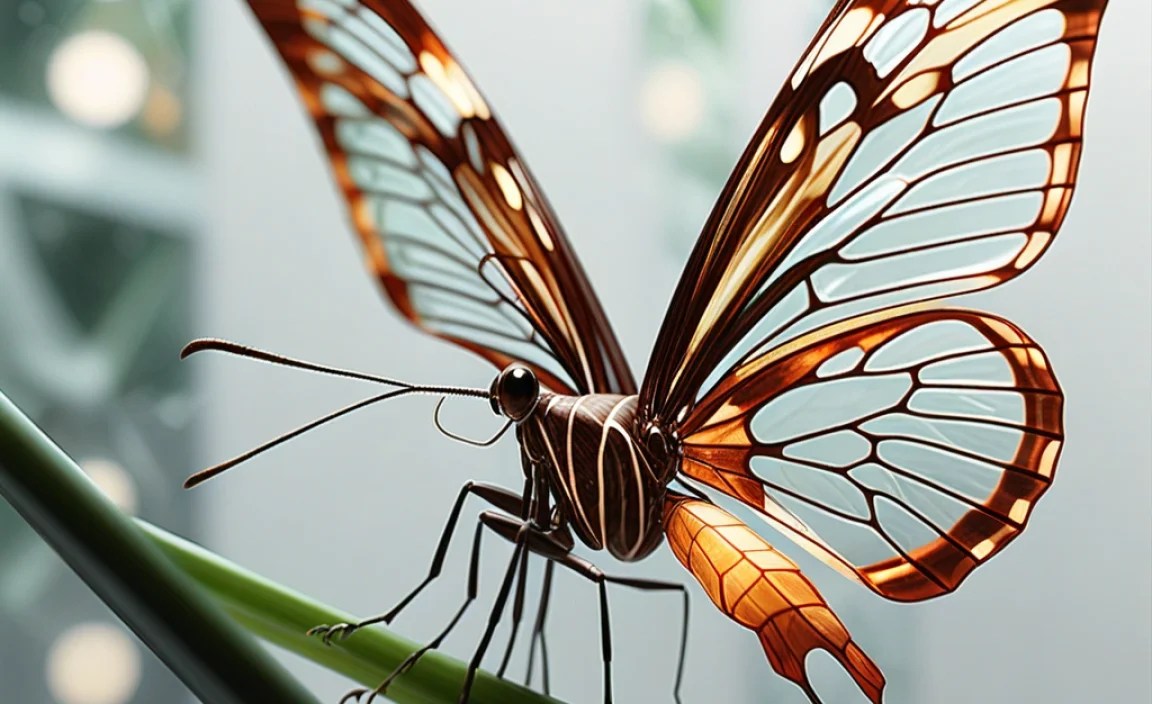
Cryptic speciation is the process by which distinct species evolve that are nearly indistinguishable in appearance. The term “cryptic” refers to something hidden or concealed, and in this case, it’s the true diversity within a group of organisms that is not immediately obvious. These species may live in the same area and appear identical, but they are genetically different and cannot interbreed.
Think of it like this: you might see two people who look like twins, but they have different personalities, preferences, and life goals. Similarly, cryptic species of glasswing butterflies may look alike, but they have unique genetic makeups, behaviors, and ecological roles.
Why Does Cryptic Speciation Occur?
Several factors can contribute to cryptic speciation:
- Natural Selection: Different populations may experience different environmental pressures, leading to genetic divergence despite similar appearances.
- Sexual Selection: Differences in mating rituals or preferences can drive reproductive isolation, even if the species look alike.
- Genetic Drift: Random changes in gene frequencies within isolated populations can lead to divergence over time.
- Hybridization: In some cases, hybridization between closely related species can lead to the formation of new, distinct species.
The Challenge of Identifying Cryptic Species
Identifying cryptic species can be challenging because traditional methods of species identification rely heavily on physical characteristics. When species look virtually identical, scientists must use other tools and techniques to uncover their hidden diversity.
Glasswing Butterflies: Masters of Disguise

Glasswing butterflies (family Nymphalidae, subfamily Ithomiinae) are renowned for their transparent wings, a remarkable adaptation that helps them camouflage in their rainforest habitat. This transparency is achieved by reducing the scales on their wings, making them less visible to predators. However, this adaptation also makes it difficult to distinguish between different species, contributing to the prevalence of cryptic speciation within this group.
The genus Greta is particularly well-known for exhibiting cryptic speciation. These butterflies are found throughout Central and South America, and many species are incredibly similar in appearance. It’s only through careful scientific investigation that we can begin to unravel the true diversity within this group.
Examples of Cryptic Species in Glasswing Butterflies
Several studies have revealed the existence of cryptic species within glasswing butterflies. Here are a few examples:
- Greta oto complex: The well-known glasswing butterfly, Greta oto, was once thought to be a single species. However, genetic and behavioral studies have revealed that it is actually a complex of several distinct species.
- Greta andromica: This species, found in Ecuador and Peru, is very similar in appearance to other Greta species. However, genetic analysis has shown that it is a distinct species with its own unique evolutionary history.
- Other Greta species: Research is ongoing to identify additional cryptic species within the genus Greta and other glasswing butterfly groups.
How to Identify Cryptic Species in Glasswing Butterflies

Identifying cryptic species requires a combination of traditional and modern scientific techniques. Here’s a step-by-step guide to how scientists uncover these hidden species:
Step 1: Morphological Analysis (Careful Observation)
While cryptic species look very similar, subtle differences in their physical characteristics may exist. Scientists carefully examine specimens, looking for variations in wing patterns, body size, and other features. This often involves using high-resolution photography and microscopy to detect minute differences.
- Wing Patterns: Look closely at the veins and markings on the wings. Subtle differences in the shape, size, or color of these features can be indicative of different species.
- Body Size and Shape: Measure the length and width of the body and wings. Small variations in these measurements can be statistically significant.
- Genitalia Morphology: The structure of the genitalia is often highly species-specific. Dissections and microscopic examinations of genitalia can reveal differences that are not apparent in other physical characteristics.
Step 2: Behavioral Studies
Observing the behavior of glasswing butterflies in their natural habitat can provide valuable clues about their species identity. Differences in mating rituals, host plant preferences, and flight patterns can indicate reproductive isolation and species boundaries.
- Mating Rituals: Observe how butterflies attract and court potential mates. Differences in courtship displays, pheromone production, or mating songs can distinguish cryptic species.
- Host Plant Preferences: Identify the specific plants that caterpillars feed on. Cryptic species may specialize on different host plants, indicating ecological divergence.
- Flight Patterns: Note the way butterflies fly, including their speed, altitude, and direction. Differences in flight patterns can reflect adaptations to different habitats or ecological niches.
Step 3: Genetic Analysis
Genetic analysis is the most powerful tool for identifying cryptic species. By comparing the DNA sequences of different populations, scientists can determine whether they are genetically distinct and reproductively isolated.
- DNA Barcoding: This technique uses a short, standardized DNA sequence (usually from the mitochondrial gene cytochrome c oxidase I, or COI) to identify species. Differences in the DNA barcode sequence can indicate distinct species.
- Phylogenetic Analysis: This involves constructing evolutionary trees based on DNA sequence data. If different populations form distinct branches on the tree, it suggests that they are evolving independently and represent different species.
- Genomic Studies: More comprehensive genomic analyses can reveal subtle genetic differences across the entire genome, providing a more detailed picture of species boundaries and evolutionary relationships.
Step 4: Ecological Niche Modeling
Ecological niche modeling uses environmental data to predict the geographic distribution of species based on their ecological requirements. If two populations occupy different ecological niches, it suggests that they are adapted to different environments and may represent different species.
- Climate Data: Use temperature, rainfall, and other climate data to model the suitable habitat for each population.
- Vegetation Data: Identify the types of vegetation that each population relies on.
- Geographic Distribution: Map the geographic distribution of each population and look for areas of overlap or separation.
Step 5: Integrative Taxonomy
Integrative taxonomy combines all available evidence – morphological, behavioral, genetic, and ecological – to make informed decisions about species boundaries. This holistic approach ensures that species are defined based on a comprehensive understanding of their biology.
| Method | Description | Advantages | Disadvantages |
|---|---|---|---|
| Morphological Analysis | Careful examination of physical characteristics | Relatively inexpensive and easy to perform | Can be subjective and may not reveal subtle differences |
| Behavioral Studies | Observation of mating rituals, host plant preferences, and flight patterns | Provides insights into reproductive isolation and ecological divergence | Can be time-consuming and difficult to perform in the field |
| Genetic Analysis | Comparison of DNA sequences | Provides objective and quantitative data on species boundaries | Can be expensive and requires specialized equipment and expertise |
| Ecological Niche Modeling | Prediction of species distribution based on ecological requirements | Provides insights into the environmental factors that shape species boundaries | Requires detailed environmental data and can be computationally intensive |
Why is Understanding Cryptic Speciation Important?

Understanding cryptic speciation is crucial for several reasons:
Conservation
Accurate species identification is essential for effective conservation efforts. If cryptic species are misidentified as a single species, their unique ecological roles and conservation needs may be overlooked. This can lead to inadequate protection and potential extinction.
- Targeted Conservation Strategies: Identifying cryptic species allows conservationists to develop targeted strategies that address the specific threats facing each species.
- Prioritizing Conservation Efforts: Understanding the distribution and abundance of each species helps prioritize conservation efforts and allocate resources effectively.
- Protecting Genetic Diversity: Recognizing cryptic species helps preserve the full range of genetic diversity within a group of organisms.
Ecology
Cryptic species can play different roles in their ecosystems. Misidentifying them can lead to inaccurate ecological assessments and a misunderstanding of how ecosystems function.
- Understanding Food Webs: Cryptic species may have different diets or predators, affecting the structure and stability of food webs.
- Assessing Ecosystem Health: The presence or absence of certain cryptic species can indicate the health of an ecosystem.
- Predicting Ecosystem Responses: Understanding the ecological roles of cryptic species helps predict how ecosystems will respond to environmental changes.
Evolutionary Biology
Studying cryptic speciation provides insights into the processes that drive the formation of new species. It helps us understand how natural selection, sexual selection, and other evolutionary forces can lead to divergence even when species look alike.
- Understanding Speciation Mechanisms: Studying cryptic speciation sheds light on the mechanisms that drive the formation of new species, such as natural selection, sexual selection, and genetic drift.
- Reconstructing Evolutionary History: Identifying cryptic species helps reconstruct the evolutionary history of a group of organisms and understand how they have diversified over time.
- Testing Evolutionary Hypotheses: Cryptic speciation provides a natural experiment for testing evolutionary hypotheses about the role of different factors in speciation.
The Future of Cryptic Speciation Research
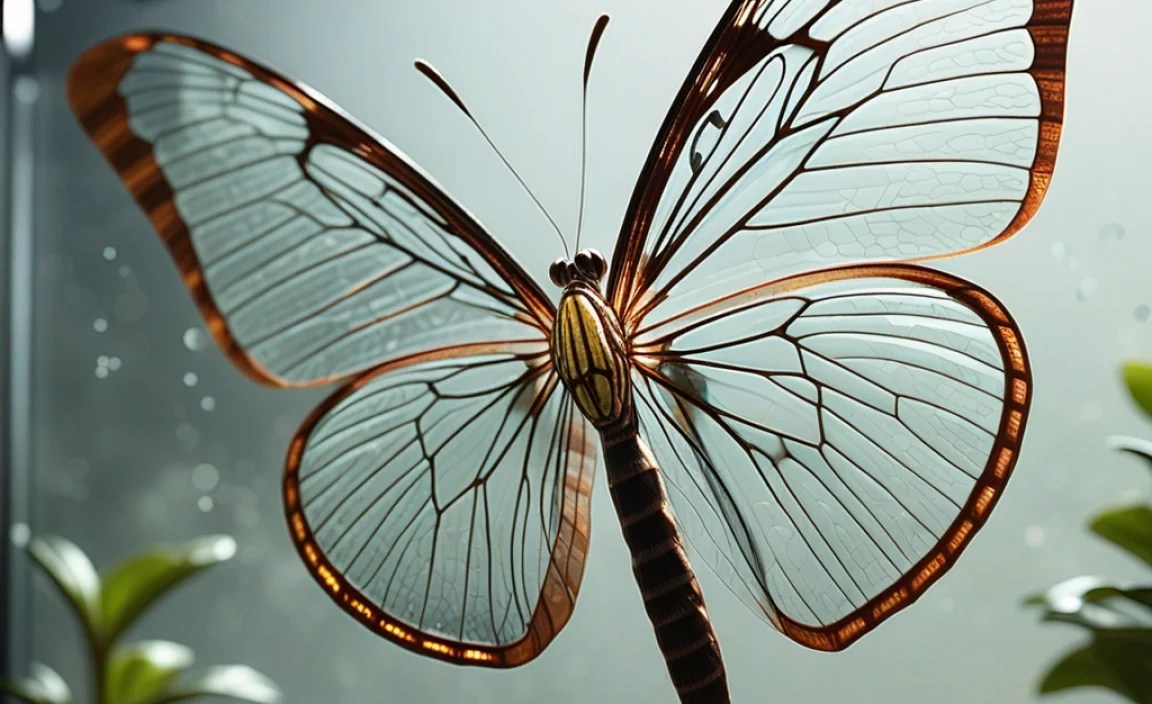
The study of cryptic speciation is an ongoing and rapidly evolving field. As new technologies and techniques become available, we can expect to uncover even more hidden diversity within glasswing butterflies and other groups of organisms.
Advances in Genomics
Advances in genomics are revolutionizing the study of cryptic speciation. With the ability to sequence entire genomes quickly and cheaply, scientists can now identify even the most subtle genetic differences between populations. This will lead to a more complete understanding of species boundaries and evolutionary relationships.
Citizen Science
Citizen science projects are playing an increasingly important role in identifying cryptic species. By engaging the public in data collection and analysis, scientists can gather large amounts of information about the distribution, behavior, and ecology of different populations. This can help identify potential cryptic species and guide further research.
- Butterfly Monitoring Programs: Citizen scientists can participate in butterfly monitoring programs to track the abundance and distribution of different species.
- Photo Identification Projects: Citizen scientists can submit photos of butterflies to online databases, helping experts identify and classify different species.
- Data Analysis Projects: Citizen scientists can help analyze data collected by researchers, identifying patterns and trends that might indicate the presence of cryptic species.
Conservation Implications
As we continue to uncover cryptic species, it is essential to translate this knowledge into effective conservation action. This requires close collaboration between scientists, conservationists, and policymakers to ensure that all species, including cryptic ones, receive the protection they need.
FAQ about Cryptic Speciation in Glasswing Butterflies
What does “cryptic speciation” mean?
Cryptic speciation is when two or more distinct species look almost identical but are genetically different and can’t interbreed. It’s like hidden diversity!
Why is it hard to identify cryptic species?
Because they look so much alike! Traditional methods of species identification rely on physical traits, which are very similar in cryptic species.
How do scientists find cryptic species?
They use a combination of methods: carefully examining physical traits, studying behavior, analyzing DNA, and modeling ecological niches.
Why is it important to know about cryptic speciation?
It’s crucial for conservation! If we don’t realize there are multiple species, we might not protect them properly, potentially leading to extinction.
Are there many examples of cryptic speciation in glasswing butterflies?
Yes, especially in the Greta genus. What was once thought to be a single species is often revealed to be several distinct species through genetic analysis.
Can I help identify cryptic species?
Absolutely! Participate in citizen science projects like butterfly monitoring or photo identification programs. Your observations can contribute to important discoveries.
What’s the future of cryptic speciation research?
It’s an exciting field! Advances in genomics and citizen science are helping us uncover even more hidden diversity and better protect these amazing creatures.
Conclusion
The world of glasswing butterflies is full of surprises, and the phenomenon of cryptic speciation is a testament to the hidden diversity that exists in nature. By understanding how to identify these elusive species and appreciating their unique ecological roles, we can better protect them and the ecosystems they inhabit. As a naturalist, I find it incredibly rewarding to share these discoveries with you. Every time you see a glasswing butterfly, remember that it might be more than meets the eye. Keep exploring, keep learning, and keep advocating for the conservation of these magnificent creatures. The more we understand, the better we can protect the delicate balance of our natural world.


