
European Butterflies in Eastern Europe: A Beautiful Guide

Eastern Europe is a butterfly paradise! You’ll find stunning species like the Scarce Swallowtail, Apollo, and Eastern Festoon flitting through meadows and forests. These butterflies thrive in diverse habitats, from mountains to coastlines. Protecting these areas is essential for their survival, so let’s learn to identify and appreciate these beautiful creatures!
Have you ever wandered through a sun-drenched meadow and been mesmerized by the sight of butterflies dancing among the wildflowers? Eastern Europe is home to a dazzling array of these winged jewels, each with its own unique story and role in the ecosystem. It can be overwhelming to know where to start when identifying them, but don’t worry!
This guide will introduce you to some of the most captivating European butterflies found in Eastern Europe. We’ll explore their habitats, learn how to identify them, and discover ways to protect these delicate creatures for generations to come. Get ready to embark on a butterfly adventure!
Identifying Common European Butterflies in Eastern Europe

Eastern Europe boasts a rich diversity of butterfly species, each adapted to specific habitats and food sources. Let’s explore some of the most commonly encountered and visually striking butterflies you might spot on your travels.
Swallowtail Butterflies (Papilionidae)
Swallowtails are among the largest and most recognizable butterflies, known for their elegant flight and distinctive “tails” on their hindwings.
Scarce Swallowtail (Iphiclides podalirius)
This stunning butterfly is a true beauty of Eastern Europe. The Scarce Swallowtail is a large, striking butterfly with pale yellow wings adorned with bold black stripes. Its graceful flight and distinctive “tails” make it a favorite among butterfly enthusiasts.
- Identification: Pale yellow wings with black stripes, long “tails” on hindwings.
- Habitat: Open woodlands, orchards, and gardens.
- Host Plants: Hawthorn, blackthorn, and fruit trees.
Swallowtail (Papilio machaon)
A classic beauty! The Swallowtail is a vibrant butterfly with yellow and black wings, accented by blue and orange spots. It’s a common sight in gardens and meadows across Eastern Europe. A very adaptable butterfly, found in many different habitats.
- Identification: Yellow wings with black veins and borders, blue and orange spots on hindwings.
- Habitat: Meadows, gardens, and open countryside.
- Host Plants: Carrot, fennel, and other umbellifers.
Apollo Butterflies (Parnassiinae)
Apollo butterflies are majestic creatures with translucent wings and striking red spots, often found in mountainous regions.
Apollo (Parnassius apollo)
A majestic butterfly of high altitudes! The Apollo is a large, white butterfly with distinctive red spots on its hindwings. It’s a symbol of beauty and resilience, often found in mountainous areas.
- Identification: White wings with black markings and distinctive red spots.
- Habitat: Mountain meadows and rocky slopes.
- Host Plants: Stonecrop (Sedum species).
Clouded Apollo (Parnassius mnemosyne)
A rare and ethereal beauty. The Clouded Apollo is a delicate butterfly with translucent white wings and subtle black markings. It’s a protected species, prized for its beauty and rarity. Prefers damp meadows and woodland edges.
- Identification: Translucent white wings with black markings, lacking prominent red spots.
- Habitat: Damp meadows and woodland edges.
- Host Plants: Corydalis species.
Fritillary Butterflies (Nymphalidae: Heliconiinae)
Fritillaries are known for their intricate orange and black patterns and their association with violet host plants.
Silver-washed Fritillary (Argynnis paphia)
A shimmering beauty of woodlands! The Silver-washed Fritillary is a large, orange butterfly with silver streaks on its hindwings. It’s a common sight in woodlands, gliding gracefully through the trees. The males are often brighter than the females.
- Identification: Orange wings with black markings, silver streaks on hindwings.
- Habitat: Woodlands and forest edges.
- Host Plants: Violets (Viola species).
Marbled Fritillary (Brenthis daphne)
A charming butterfly of grasslands. The Marbled Fritillary is a smaller fritillary with a distinctive marbled pattern on its underwings. It’s often found in grasslands and meadows.
- Identification: Orange wings with black markings, marbled pattern on underwings.
- Habitat: Grasslands and meadows.
- Host Plants: Violets (Viola species).
Blues and Coppers (Lycaenidae)
These small but vibrant butterflies add a splash of color to meadows and grasslands, often displaying iridescent blue or copper hues.
Common Blue (Polyommatus icarus)
A widespread and beloved butterfly! The Common Blue is a small, iridescent blue butterfly, common in grasslands and gardens. The females often have brown edges on their wings.
- Identification: Male is bright blue, female is brown with blue dusting, both have white-fringed wings.
- Habitat: Grasslands, meadows, and gardens.
- Host Plants: Bird’s-foot trefoil and other legumes.
Small Copper (Lycaena phlaeas)
A fiery jewel of meadows. The Small Copper is a small, bright orange butterfly with dark spots. It’s a cheerful sight in meadows and gardens, adding a touch of warmth to the landscape.
- Identification: Bright orange wings with dark spots and a copper sheen.
- Habitat: Meadows, gardens, and open areas.
- Host Plants: Common sorrel and sheep’s sorrel.
Other Notable Butterflies
Eastern Festoon (Zerynthia cerisy)
A harlequin of the butterfly world! The Eastern Festoon is a striking butterfly with a complex pattern of black, yellow, and red markings. It’s a true spectacle of nature, found in woodlands and meadows. The bright colors warn predators of its toxicity.
- Identification: Yellow wings with black markings and red spots.
- Habitat: Woodlands and meadows.
- Host Plants: Birthwort (Aristolochia species).
Wood White (Leptidea sinapis)
An ethereal inhabitant of woodlands. The Wood White is a delicate, white butterfly with a graceful flight. It’s a subtle beauty, often overlooked but truly enchanting.
- Identification: White wings with faint grey markings.
- Habitat: Woodlands and forest edges.
- Host Plants: Various legumes.
Butterfly Habitats in Eastern Europe

Eastern Europe’s diverse landscapes provide a range of habitats for butterflies, each supporting unique communities of species. Understanding these habitats is key to finding and identifying butterflies.
Mountains
The Carpathian and Balkan Mountains are home to specialized butterflies like the Apollo and Clouded Apollo, adapted to high-altitude conditions. These butterflies often rely on specific host plants found only in these regions.
Forests
The vast forests of Eastern Europe provide habitat for woodland butterflies like the Silver-washed Fritillary and Wood White. These butterflies thrive in the dappled sunlight and sheltered conditions of the forest understory.
Grasslands and Meadows
Open grasslands and meadows are hotspots for butterfly diversity, supporting species like the Common Blue and Small Copper. These habitats provide abundant nectar sources and host plants for butterfly larvae.
Coastal Regions
The coastal regions of the Black Sea and Baltic Sea offer unique habitats for butterflies, with specialized species adapted to salt marshes and coastal dunes. These areas are often important migration routes for butterflies.
Here is a table summarizing the habitats and the butterflies you might find there:
| Habitat | Common Butterfly Species | Key Features |
|---|---|---|
| Mountains | Apollo, Clouded Apollo | High altitude, rocky slopes, specialized host plants |
| Forests | Silver-washed Fritillary, Wood White | Dappled sunlight, sheltered conditions, diverse flora |
| Grasslands and Meadows | Common Blue, Small Copper | Abundant nectar sources, host plants, open sunny areas |
| Coastal Regions | (Vary depending on specific location), Swallowtail | Salt marshes, coastal dunes, migration routes |
Attracting Butterflies to Your Garden

Creating a butterfly-friendly garden is a rewarding way to support these beautiful creatures and enjoy their presence up close. Here are some tips for attracting butterflies to your garden in Eastern Europe:
- Plant Nectar-Rich Flowers: Choose a variety of flowers that bloom throughout the butterfly season, providing a continuous source of nectar. Good choices include Buddlejas, lavender, and coneflowers.
- Provide Host Plants: Plant the specific plants that butterfly larvae need to feed on. This will encourage butterflies to lay their eggs in your garden and complete their life cycle. Examples include milkweed for Monarchs (though Monarchs are less common in Eastern Europe, it’s still a beneficial plant) and violets for fritillaries.
- Offer a Water Source: Butterflies need water to stay hydrated. Provide a shallow dish of water with pebbles or stones for them to land on.
- Avoid Pesticides: Pesticides can harm or kill butterflies and other beneficial insects. Use natural pest control methods instead.
- Provide Shelter: Plant shrubs and trees to provide shelter from wind and predators.
- Sunlight: Butterflies are cold-blooded creatures and need sunlight to warm up. Make sure your garden has plenty of sunny spots.
Butterfly Conservation in Eastern Europe
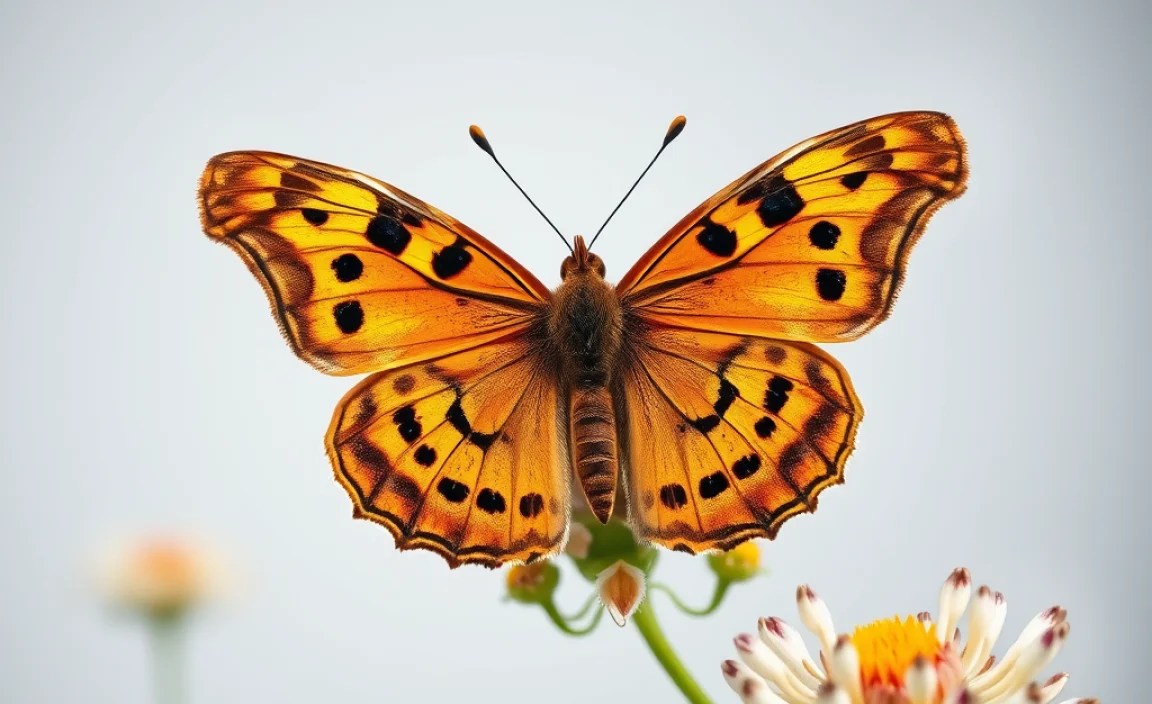
Many butterfly species in Eastern Europe are facing threats from habitat loss, climate change, and pollution. Conservation efforts are crucial to protect these delicate creatures and their habitats.
Habitat Protection
Protecting and restoring butterfly habitats is essential for their survival. This includes preserving natural areas, managing grasslands and forests sustainably, and creating butterfly-friendly gardens.
Monitoring and Research
Monitoring butterfly populations and conducting research on their ecology can help us understand their needs and develop effective conservation strategies. Citizen science projects can play a valuable role in this effort.
Sustainable Agriculture
Promoting sustainable agricultural practices can reduce the negative impacts of farming on butterflies and other wildlife. This includes reducing pesticide use, maintaining hedgerows and field margins, and supporting organic farming.
Raising Awareness
Educating the public about the importance of butterflies and the threats they face can inspire action and support for conservation efforts. Butterfly gardens, nature walks, and educational programs can help raise awareness and foster appreciation for these beautiful creatures.
Here is a table showing the conservation status of some of the butterflies we talked about. Please note that conservation statuses can vary depending on the specific region and assessment criteria used.
| Butterfly Species | IUCN Red List Status (Global) | Regional Conservation Concerns (Eastern Europe) |
|---|---|---|
| Scarce Swallowtail | Least Concern | Habitat loss, climate change |
| Apollo | Near Threatened | Habitat loss, climate change, over-collection |
| Clouded Apollo | Near Threatened | Habitat loss, climate change |
| Eastern Festoon | Not Evaluated | Habitat loss, specific host plant dependence |
| Silver-washed Fritillary | Least Concern | Habitat fragmentation, woodland management practices |
Tools and Resources for Butterfly Identification
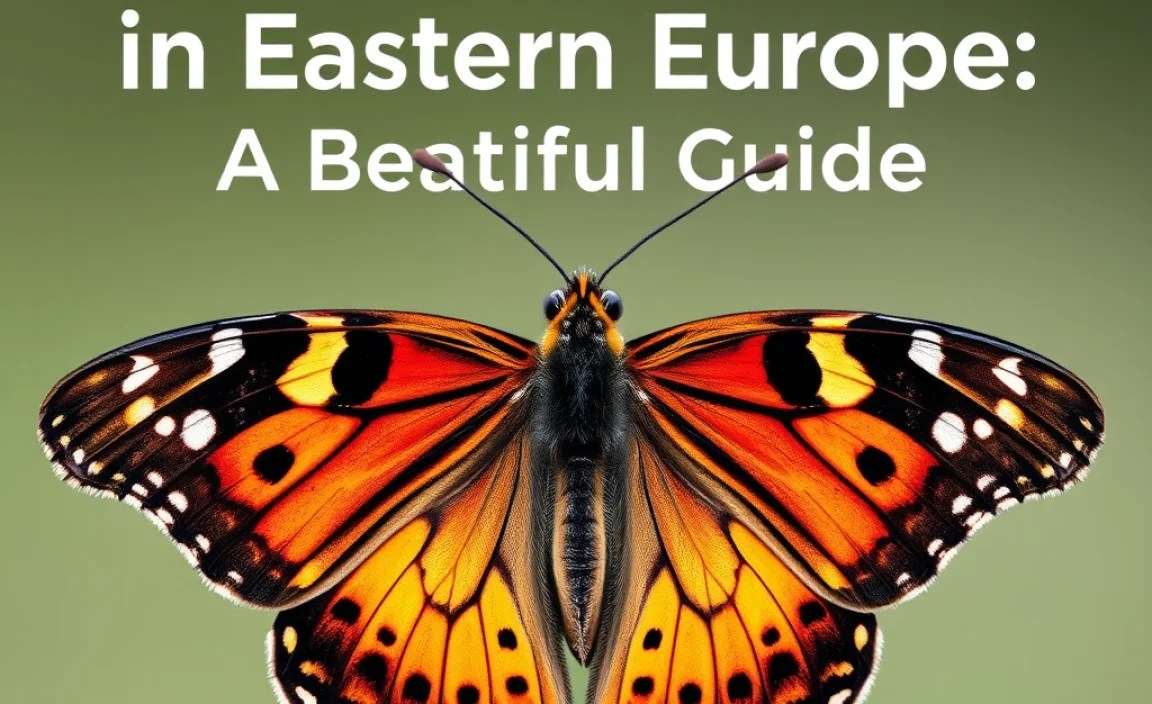
Identifying butterflies can be a challenging but rewarding experience. Here are some tools and resources to help you on your butterfly journey:
- Field Guides: A good field guide is essential for identifying butterflies in your region. Look for guides with detailed descriptions, illustrations, and range maps.
- Butterfly Identification Apps: There are several smartphone apps that can help you identify butterflies based on photos or descriptions. Some popular apps include iNaturalist and Picture Insect.
- Websites: Websites like Butterfly Conservation Trust (UK) Butterfly Conservation Trust and European Butterflies European Butterflies offer a wealth of information on butterfly identification, ecology, and conservation.
- Local Experts: Join a local butterfly club or nature society to learn from experienced butterfly enthusiasts.
- Binoculars: A good pair of binoculars can help you get a closer look at butterflies without disturbing them.
- Camera: Taking photos of butterflies can help you identify them later and share your sightings with others.
Butterfly Symbolism and Cultural Significance
Butterflies have long held symbolic meaning in various cultures, representing transformation, beauty, and the ephemeral nature of life.
- Transformation: The butterfly’s life cycle, from egg to caterpillar to pupa to butterfly, is a powerful symbol of transformation and rebirth.
- Beauty: Butterflies are admired for their delicate beauty and vibrant colors, representing joy, happiness, and the beauty of nature.
- Soul and Spirit: In some cultures, butterflies are believed to represent the human soul or spirit, often associated with departed loved ones.
- Good Luck: In many cultures, seeing a butterfly is considered a sign of good luck or a positive omen.
Butterflies have also inspired countless works of art, literature, and music, reflecting their enduring appeal and cultural significance.
FAQ About European Butterflies in Eastern Europe
-
- What is the best time of year to see butterflies in Eastern Europe?
The best time to see butterflies in Eastern Europe is generally from late spring to early autumn (May to September). The peak season is usually in June and July when many species are actively flying and breeding. Of course, this can vary depending on the specific region and weather conditions.
-
- Where are the best places to go butterfly watching in Eastern Europe?
Eastern Europe offers numerous excellent locations for butterfly watching. Some popular spots include national parks, nature reserves, mountain meadows, and flower-rich grasslands. Some countries with excellent butterfly diversity include Romania, Bulgaria, Poland, and the Baltic states.
-
- How can I identify a butterfly I saw in Eastern Europe?
To identify a butterfly, start by noting its size, color, and wing patterns. Use a field guide or butterfly identification app to compare your observations with known species. Pay attention to the butterfly’s habitat and behavior, as this can also provide clues to its identity.
-
- Are there any endangered butterflies in Eastern Europe?
Yes, several butterfly species in Eastern Europe are considered endangered or threatened due to habitat loss, climate change, and other factors. Species like the Apollo butterfly and some fritillary species are of particular concern. Conservation efforts are underway to protect these vulnerable butterflies and their habitats.
-
- What can I do to help protect butterflies in Eastern Europe?
There are many things you can do to help protect butterflies. Plant butterfly-friendly flowers in your garden, avoid using pesticides, support conservation organizations, and educate others about the importance of butterflies. You can also participate in citizen science projects to monitor butterfly populations.
-
- Do Eastern European butterflies migrate?
While not as well-known as the Monarch migration in North America, some butterfly species in Eastern Europe do undertake migrations or seasonal movements. The Painted Lady is a well-known migrant, and some Swallowtail species may also migrate in response to weather conditions or resource availability.
-
- Are butterflies in Eastern Europe poisonous?
Some butterflies in Eastern Europe, like the Eastern Festoon, contain toxins that make them unpalatable to predators. These butterflies often have bright colors to warn predators of their toxicity. However, most butterflies in the region are not poisonous to humans.
Conclusion
Exploring the world of European butterflies in Eastern Europe is a journey into beauty, diversity, and ecological importance. From the majestic Apollo to the tiny Common Blue, each butterfly has its own story to tell. By learning to identify these butterflies, understanding their habitats, and supporting conservation efforts, we can help ensure that these delicate creatures continue to grace the landscapes of Eastern Europe for generations to come.
So, grab your field guide, head out into nature, and discover the enchanting world of butterflies! You might be surprised by what you find.


