
European Butterfly Species Names in Spanish: FREE Guide

Want to learn the Spanish names for common European butterflies? You’ve come to the right place! This guide provides a simple list matching English butterfly names with their Spanish equivalents. From the vibrant “Mariposa Monarca” (Monarch Butterfly) to the delicate “Blanquita de la Col” (Small White), you’ll expand your butterfly vocabulary in no time. Perfect for nature lovers and language enthusiasts alike!
Butterflies dance through our gardens and meadows, each one a tiny jewel of nature. If you’re like me, you love learning about these fascinating creatures. But what if you want to share your passion with Spanish-speaking friends, or perhaps identify butterflies while traveling in Spain? That’s where knowing the Spanish names for European butterflies comes in handy.
It can sometimes feel tricky to translate directly, but don’t worry! In this guide, I’ll walk you through the Spanish names of some of the most beautiful and common European butterflies. We’ll explore their literal translations and unique characteristics. Get ready to impress your friends with your butterfly knowledge!
Why Learn Butterfly Names in Spanish?

There are many reasons why you might want to learn the Spanish names for European butterflies:
- Travel: If you’re visiting Spain or other Spanish-speaking countries in Europe, knowing the local names will help you identify butterflies you see.
- Communication: Share your love of butterflies with Spanish-speaking friends and family.
- Education: Expand your knowledge of both butterflies and the Spanish language.
- Conservation: Understanding the local names can aid in conservation efforts.
Common European Butterfly Species and Their Spanish Names

Let’s dive into the exciting world of butterflies and their Spanish names. I’ve compiled a list of common European species, along with their Spanish translations. Keep in mind that some names may vary slightly depending on the region.
Table of Butterfly Names
| English Name | Spanish Name | Notes |
|---|---|---|
| Monarch Butterfly | Mariposa Monarca | A well-known migratory butterfly. |
| Small White | Blanquita de la Col | Common in gardens and fields. |
| Peacock Butterfly | Mariposa Pavo Real | Named for its eye-spotted wings. |
| Red Admiral | Almirante Rojo | A migratory butterfly with striking colors. |
| Painted Lady | Bella Dama | Another migratory species found worldwide. |
| Brimstone Butterfly | Mariposa Limón | The male is bright yellow, resembling a lemon. |
| Orange Tip | Punta Naranja | The male has distinct orange tips on its wings. |
| Common Blue | Ícaro / Azul Común | One of the most widespread blue butterflies. |
| Large Blue | Celeste Común / Hormiguera Grande | A protected species with a fascinating lifecycle. |
| Swallowtail Butterfly | Macaón | A large and beautiful butterfly with “tails.” |
| Scarce Swallowtail | Podalirio | Similar to the Swallowtail, but with different markings. |
| Comma Butterfly | Coma | Named for the comma-shaped mark on its wings. |
| Small Tortoiseshell | Tortuguita | A vibrant orange and black butterfly. |
| Speckled Wood | Gris Brunete | Often found in woodland areas. |
| Meadow Brown | Loba Parda | A common brown butterfly of grasslands. |
| Gatekeeper | Ninfa de Linneo | Often seen near hedgerows and grassy areas. |
| Marbled White | Ajedrezada | Stunning black and white patterned wings. |
| Silver-washed Fritillary | Adelanto Plateado | A large fritillary with silver markings on the underside. |
Understanding Butterfly Names: A Closer Look
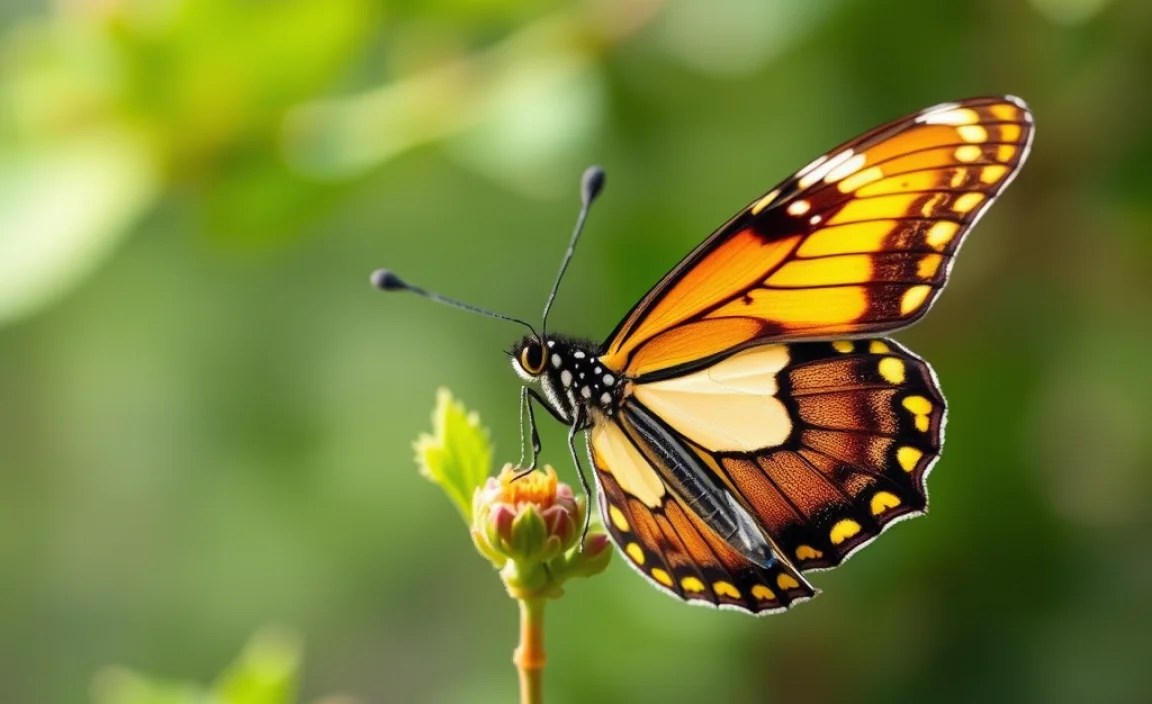
Let’s delve a little deeper into some of these names and explore their literal meanings and the reasons behind them.
Mariposa Monarca (Monarch Butterfly)
The Spanish name, “Mariposa Monarca,” directly translates to “Monarch Butterfly.” The term “Monarch” refers to the butterfly’s regal appearance and impressive migration. The Monarch butterfly is famous for its long journey across North America, a feat of endurance and navigation. Although primarily a North American species, it is occasionally seen in Europe. To learn more about the amazing migration of Monarch butterflies, visit the World Wildlife Fund website.
Blanquita de la Col (Small White)
“Blanquita de la Col” means “Little White of the Cabbage.” This name accurately reflects the butterfly’s small size and its tendency to lay eggs on cabbage and other cruciferous plants. It’s a common sight in gardens, but can be a pest to vegetable growers.
Mariposa Pavo Real (Peacock Butterfly)
The Spanish name “Mariposa Pavo Real” translates to “Peacock Butterfly.” This name refers to the distinctive eye-spots on the butterfly’s wings, which resemble the patterns on a peacock’s feathers. These eye-spots serve as a defense mechanism, startling potential predators.
Almirante Rojo (Red Admiral)
“Almirante Rojo” means “Red Admiral.” The name “Admiral” is thought to be derived from the butterfly’s striking red bands, which were once compared to the uniforms of admirals. The Red Admiral is a migratory butterfly, known for its strong and rapid flight.
Bella Dama (Painted Lady)
“Bella Dama” translates to “Beautiful Lady” or “Pretty Lady.” This name is a testament to the butterfly’s attractive and colorful patterns. The Painted Lady is one of the most widespread butterflies in the world, found on every continent except Antarctica.
Mariposa Limón (Brimstone Butterfly)
“Mariposa Limón” means “Lemon Butterfly.” This name is inspired by the bright yellow color of the male Brimstone butterfly, which closely resembles a lemon. The Brimstone is one of the longest-lived butterflies, with adults often living for over a year.
Ícaro / Azul Común (Common Blue)
“Ícaro” is a reference to Icarus from Greek mythology, while “Azul Común” means “Common Blue.” This butterfly is named for its vibrant blue wings (in males) and its widespread distribution. The Common Blue is a delightful sight in meadows and grasslands.
Macaón (Swallowtail Butterfly)
The Spanish name “Macaón” is derived from Machaon, a figure in Greek mythology who was a son of Asclepius, the god of medicine. The Swallowtail is a striking butterfly with distinctive “tails” on its hindwings, making it a favorite among butterfly enthusiasts.
Ajedrezada (Marbled White)
“Ajedrezada” refers to a chessboard pattern, perfectly describing the Marbled White’s striking black and white wings. This butterfly is a beautiful sight in grasslands and meadows during the summer months.
Tips for Learning Butterfly Names in Spanish
Learning new vocabulary can be fun and rewarding! Here are some tips to help you learn the Spanish names for European butterflies:
- Use Flashcards: Create flashcards with the English name on one side and the Spanish name on the other.
- Label Photos: Find pictures of butterflies and label them with their Spanish names.
- Read Books: Look for books about butterflies in Spanish.
- Watch Videos: Watch documentaries or videos about butterflies in Spanish.
- Practice with a Friend: Find a language partner and practice naming butterflies in Spanish.
- Use Online Resources: There are many websites and apps that can help you learn vocabulary.
- Visit Butterfly Gardens: Go to a butterfly garden and try to identify the butterflies using their Spanish names.
Resources for Butterfly Identification
Identifying butterflies can be challenging, but there are many resources available to help you:
- Field Guides: Purchase a field guide to European butterflies, preferably one with both English and Spanish names.
- Websites: Use websites like Butterfly Conservation (UK) and The Xerces Society (US) for identification tips and information.
- Apps: Download a butterfly identification app for your smartphone.
- Local Experts: Join a local butterfly watching group or contact a local expert for help.
- Online Forums: Participate in online forums and share your photos for identification assistance.
Attracting Butterflies to Your Garden
One of the best ways to learn about butterflies is to attract them to your garden. Here are some tips:
- Plant Nectar-Rich Flowers: Choose flowers that provide nectar for adult butterflies, such as lavender, buddleja (butterfly bush), and Verbena.
- Provide Host Plants: Plant host plants for butterfly caterpillars, such as milkweed for Monarchs and cabbage for Small Whites.
- Avoid Pesticides: Pesticides can harm butterflies and other beneficial insects.
- Provide Water: Butterflies need water, so provide a shallow dish of water with pebbles for them to land on.
- Provide Shelter: Plant shrubs and trees to provide shelter from the wind and sun.
- Create a Sunny Spot: Butterflies need sunlight to warm their bodies.
- Leave Out Fruit: Overripe fruit can attract butterflies.
The Importance of Butterfly Conservation
Butterflies are important pollinators and play a vital role in the ecosystem. Unfortunately, many butterfly species are threatened by habitat loss, climate change, and pesticide use. It’s important to support butterfly conservation efforts to protect these beautiful creatures for future generations. You can help by:
- Creating Butterfly-Friendly Habitats: Plant native flowers and avoid using pesticides in your garden.
- Supporting Conservation Organizations: Donate to or volunteer with organizations that work to protect butterflies and their habitats.
- Educating Others: Share your knowledge and passion for butterflies with others.
- Advocating for Change: Support policies that protect butterfly habitats and reduce pesticide use.
FAQ: European Butterfly Species Names in Spanish
Here are some frequently asked questions about European butterfly species names in Spanish:
What is the Spanish name for Monarch Butterfly?
The Spanish name for Monarch Butterfly is “Mariposa Monarca.”
How do you say “butterfly” in Spanish?
The most common word for “butterfly” in Spanish is “mariposa.”
Are Spanish butterfly names the same in all Spanish-speaking countries?
While many names are consistent, some butterfly names may vary slightly depending on the region or country.
Where can I find more information about European butterflies?
You can find information on websites like Butterfly Conservation, The Xerces Society, and various field guides.
Why are butterflies important?
Butterflies are important pollinators and play a key role in the ecosystem’s food chain.
How can I attract butterflies to my garden?
Plant nectar-rich flowers, provide host plants for caterpillars, and avoid using pesticides.
Is it difficult to learn the Spanish names for butterflies?
Not at all! With practice and the right resources, it can be a fun and rewarding experience.
Conclusion
Learning the Spanish names for European butterflies is a wonderful way to deepen your appreciation for these delicate creatures and expand your linguistic horizons. Whether you’re planning a trip to Spain, connecting with Spanish-speaking friends, or simply seeking to enrich your knowledge, I hope this guide has been helpful.
Remember, every little action counts when it comes to butterfly conservation. By creating butterfly-friendly habitats, supporting conservation organizations, and sharing your passion with others, you can make a real difference in protecting these beautiful insects for generations to come. So, get out there, explore the world of butterflies, and don’t forget to practice your Spanish!


