
European Butterfly Species by Country: Free Guide

Discovering the butterflies of Europe is like opening a treasure chest of natural beauty! Each country boasts its own unique array of butterfly species, influenced by climate, habitat, and geography. From the vibrant swallowtails to the delicate blues, learning about these butterflies country by country offers a fascinating glimpse into the biodiversity of the continent.
Have you ever wondered which butterflies flutter through the meadows of France, or which ones dance in the skies above Spain? Figuring out the sheer variety of European butterflies can feel overwhelming, especially when you’re trying to match a sighting to a specific region. But don’t worry! This guide will walk you through the amazing world of European butterflies, country by country, helping you identify these beauties and understand their habitats.
We’ll explore some standout species from different European nations, offering insights into their characteristics, habitats, and conservation status. By the end of this journey, you’ll have a better understanding of the butterflies gracing each country and the rich biodiversity of the continent.
Exploring European Butterfly Species by Country

Europe is a continent rich in biodiversity, and its butterfly populations are no exception. The butterflies found in each country are influenced by various factors, including climate, altitude, and the availability of host plants for their caterpillars. Let’s take a look at some notable butterfly species found across different European countries.
Butterfly Diversity Across Europe
The distribution of butterfly species varies significantly across Europe. Southern European countries like Spain, Greece, and Italy tend to have a higher diversity due to their warmer climates and varied habitats. Northern and Eastern European countries, while still hosting a variety of butterflies, generally have fewer species due to colder temperatures and shorter growing seasons. Here’s a brief look at the factors influencing butterfly distribution:
- Climate: Warmer climates support a greater diversity of butterfly species.
- Habitat: Diverse habitats, such as forests, meadows, and mountains, offer varied niches for different species.
- Host Plants: The availability of specific plants that caterpillars feed on is crucial for butterfly survival.
Butterflies in the United Kingdom
The United Kingdom, despite its relatively small size, is home to around 59 species of butterflies. Conservation efforts have been crucial in protecting these delicate insects and their habitats. According to Butterfly Conservation, targeted conservation projects have helped to stabilize and even increase populations of some threatened species. Here are a few notable UK butterflies:
- Adonis Blue (Lysandra bellargus): Found on chalk grasslands, the male is a vibrant blue, while the female is brown with blue scales.
- Marsh Fritillary (Euphydryas aurinia): A protected species, it thrives in damp grasslands.
- Small Tortoiseshell (Aglais urticae): A common garden butterfly, known for its bright orange and black markings.
Butterflies in France
France boasts a rich diversity of butterflies, with over 250 species gracing its varied landscapes, from the Mediterranean coast to the Alpine mountains. This high diversity is due to its varied climate and habitats. Here are some butterflies you might spot:
- Swallowtail (Papilio machaon): A large, striking butterfly with yellow and black wings and distinctive tails.
- Large Blue (Phengaris arion): A fascinating species that relies on a specific species of ant for its larval development.
- Berger’s Clouded Yellow (Colias alfacariensis): A bright yellow butterfly often seen in meadows and fields.
Butterflies in Spain
Spain is one of the most butterfly-rich countries in Europe, with over 230 species. Its diverse landscapes, from arid plains to lush mountains, provide habitats for a wide variety of butterflies. Here are a few examples:
- Spanish Festoon (Zerynthia rumina): A beautiful butterfly with distinctive red and black markings, often found near its host plant, the birthwort.
- Two-tailed Pasha (Charaxes jasius): A large and impressive butterfly found in warmer regions, known for its two distinctive tails on each hindwing.
- Cleopatra (Gonepteryx cleopatra): The male has bright orange patches on its wings, while the female is a pale green.
Butterflies in Italy
Italy’s diverse geography, ranging from the Alps to the Mediterranean coast, supports a rich butterfly fauna. With over 280 species, Italy is a hotspot for butterfly diversity in Europe. Here are some butterflies you can find in Italy:
- Italian Festoon (Zerynthia cassandra): Similar to the Spanish Festoon but with subtle differences in markings, found in southern Italy.
- Southern White Admiral (Limenitis reducta): A striking butterfly with white bands on its dark wings, often found in woodlands.
- Scarce Swallowtail (Iphiclides podalirius): Similar to the Swallowtail, but with longer tails and more elongated wing patterns.
Butterflies in Germany
Germany, with its mix of forests, meadows, and mountains, is home to a diverse range of butterfly species. While not as numerous as in southern Europe, Germany still boasts around 190 species. Here are some common species:
- Peacock Butterfly (Aglais io): Easily recognizable by the distinctive eye-like markings on its wings.
- Red Admiral (Vanessa atalanta): A migratory butterfly often seen in gardens and parks.
- Orange-tip (Anthocharis cardamines): The male has bright orange tips on its forewings, while the female has black tips.
Butterflies in Greece
Greece, with its warm climate and diverse habitats, is a haven for butterflies. The country hosts over 250 species, many of which are unique to the region. Here are some of Greece’s butterfly treasures:
- Eastern Festoon (Zerynthia cerisyi): Another member of the Festoon family, with intricate patterns and colors.
- Greek Clouded Yellow (Colias libanotica): A vibrant yellow butterfly found in mountainous regions.
- Southern Comma (Polygonia egea): A butterfly with distinctive jagged wings and a comma-shaped mark on the underside.
Butterflies in Switzerland
Switzerland’s mountainous terrain and varied habitats support a diverse butterfly population. With around 220 species, Switzerland offers a unique butterfly-watching experience. Here are some species you might encounter:
- Apollo (Parnassius apollo): A majestic white butterfly with distinctive red spots, found in high-altitude meadows.
- Mountain Alcon Blue (Phengaris alcon): A blue butterfly associated with specific host plants and ant species.
- Cranberry Blue (Vacciniina optilete): A small blue butterfly found in boggy and heathland areas.
How to Identify European Butterflies

Identifying butterflies can be a rewarding experience. Here are some key characteristics to observe:
- Wing Color and Pattern: Note the colors, patterns, and markings on both the upper and undersides of the wings.
- Size and Shape: Pay attention to the butterfly’s size and wing shape.
- Habitat: Consider the type of habitat where you found the butterfly, as different species prefer different environments.
- Flight Behavior: Observe how the butterfly flies – is it fast and erratic, or slow and fluttering?
Creating Butterfly-Friendly Habitats
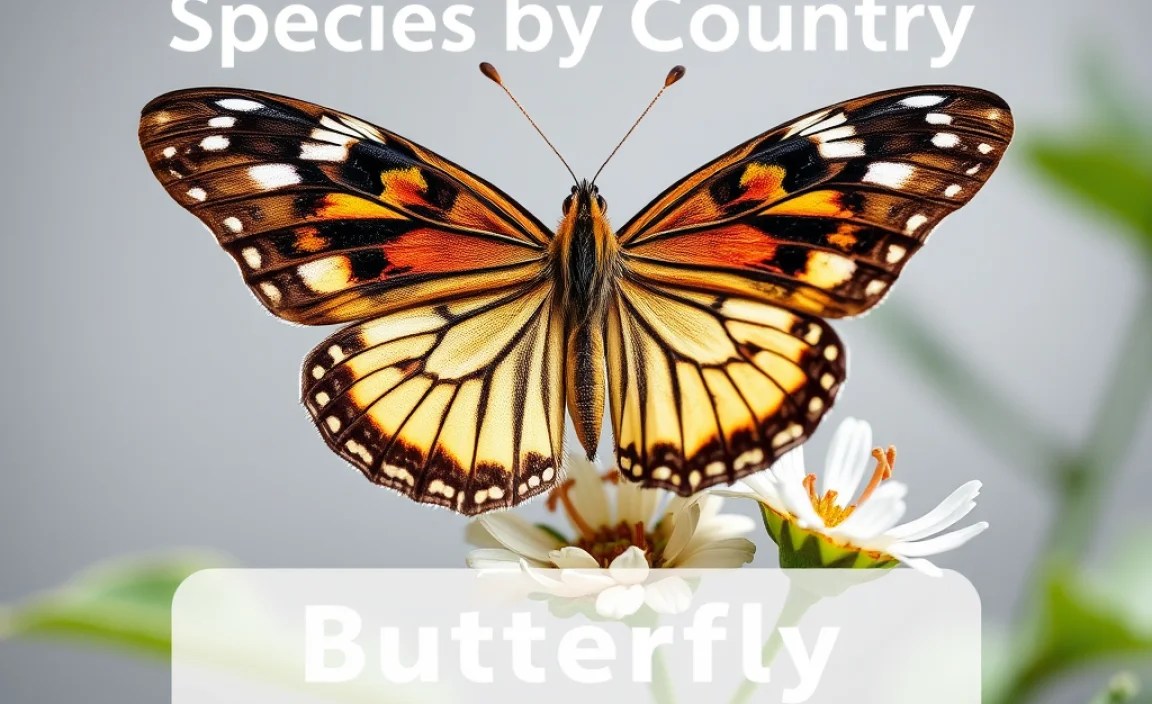
Supporting butterfly populations involves creating habitats that provide food and shelter for both caterpillars and adult butterflies. Here are some steps you can take:
- Plant Native Host Plants: Research which plants are host plants for butterfly caterpillars in your region and include them in your garden.
- Provide Nectar Sources: Plant flowers that provide nectar for adult butterflies, such as lavender, buddleja, and echinacea.
- Avoid Pesticides: Pesticides can harm or kill butterflies and other beneficial insects.
- Offer a Water Source: Provide a shallow dish of water with pebbles for butterflies to land on and drink.
Butterfly Conservation Efforts
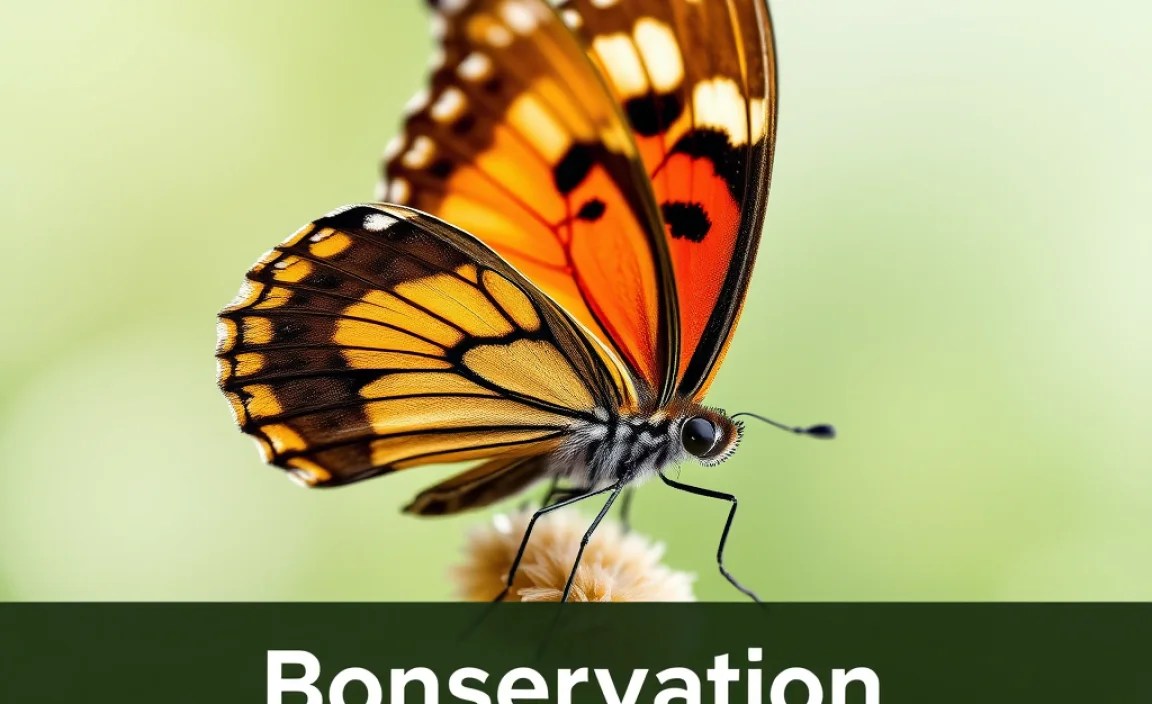
Many butterfly species are facing threats due to habitat loss, climate change, and pesticide use. Conservation efforts are crucial to protect these beautiful insects and their habitats. Here are some ways you can support butterfly conservation:
- Support Conservation Organizations: Donate to or volunteer with organizations dedicated to butterfly conservation.
- Create Butterfly-Friendly Gardens: By creating suitable habitats in your own garden, you can provide valuable resources for butterflies.
- Advocate for Change: Support policies that protect natural habitats and reduce pesticide use.
Table: Selected European Butterfly Species by Country

| Country | Butterfly Species | Habitat |
|---|---|---|
| United Kingdom | Adonis Blue (Lysandra bellargus) | Chalk grasslands |
| France | Swallowtail (Papilio machaon) | Gardens, meadows |
| Spain | Spanish Festoon (Zerynthia rumina) | Woodlands, scrub |
| Italy | Italian Festoon (Zerynthia cassandra) | Southern Italy woodlands |
| Germany | Peacock Butterfly (Aglais io) | Gardens, parks |
| Greece | Eastern Festoon (Zerynthia cerisyi) | Woodlands, hillsides |
| Switzerland | Apollo (Parnassius apollo) | High-altitude meadows |
Table: Butterfly Conservation Status Examples
| Butterfly Species | Conservation Status (Europe) | Threats | Conservation Actions |
|---|---|---|---|
| Marsh Fritillary (Euphydryas aurinia) | Near Threatened | Habitat loss, changes in land management | Habitat restoration, grazing management |
| Large Blue (Phengaris arion) | Near Threatened | Loss of specific grassland habitats, decline in ant populations | Habitat management, reintroduction programs |
| Apollo (Parnassius apollo) | Near Threatened | Habitat loss, climate change, over-collection | Habitat protection, regulation of collection |
Resources for Further Exploration
Want to dive deeper into the world of European butterflies? Here are some valuable resources:
- Butterfly Conservation: butterfly-conservation.org – A leading UK charity dedicated to saving butterflies, moths, and their habitats.
- European Butterflies Website: A comprehensive online resource for identifying and learning about European butterflies.
- Local Natural History Museums: Many museums have butterfly collections and experts who can help with identification.
- Field Guides: A good field guide is an invaluable tool for identifying butterflies in the field.
FAQ: European Butterfly Species by Country
What is the most common butterfly in Europe?
The Small White (Pieris rapae) is one of the most common and widespread butterflies in Europe. You’ll find it fluttering in gardens, fields, and just about anywhere with flowering plants!
Which European country has the most butterfly species?
Italy is often considered to have the highest diversity of butterfly species in Europe, boasting over 280 different kinds thanks to its varied climates and habitats.
Are European butterflies migratory?
Yes, some European butterflies migrate. The Painted Lady (Vanessa cardui) is a well-known migratory species, undertaking long journeys across the continent.
How can I attract more butterflies to my garden?
Planting native nectar-rich flowers and host plants for caterpillars is the best way to attract butterflies. Also, avoid using pesticides, and provide a shallow dish of water.
What is a host plant?
A host plant is a specific plant species that a butterfly caterpillar feeds on. For example, the Monarch butterfly caterpillar feeds exclusively on milkweed.
Are butterflies endangered in Europe?
Yes, several butterfly species are endangered or threatened in Europe due to habitat loss, climate change, and other factors. Conservation efforts are crucial to protect these species.
How can I tell the difference between a butterfly and a moth?
Butterflies typically have slender, club-tipped antennae and hold their wings upright when at rest, while moths have feathery or comb-like antennae and often rest with their wings spread out.
Conclusion
Exploring the European butterfly species by country is a fascinating journey into the continent’s rich biodiversity. Each country offers unique habitats and species, making butterfly watching a rewarding experience. By understanding the factors that influence butterfly distribution and taking steps to create butterfly-friendly habitats, we can all play a part in protecting these beautiful creatures for future generations.
So, grab your binoculars, pack your field guide, and get ready to explore the enchanting world of European butterflies. Happy butterfly watching!


