
European Butterflies Quiz: How Many Do YOU Know?

Ready to test your knowledge of European butterflies? This quiz will challenge you to identify common species, understand their habitats, and learn fascinating facts about their life cycles. Perfect for nature lovers, students, and anyone curious about the beautiful butterflies of Europe. Take the quiz and see how much you know!
Europe is home to a stunning array of butterflies, each with its unique beauty and ecological role. Are you ready to identify these fluttering jewels? Learning about butterflies is more than just knowing their names; it’s about understanding the delicate ecosystems they inhabit and the importance of protecting them. You might be wondering where to start, but don’t worry, this guide will help you test your knowledge with a fun and informative quiz!
This article provides a step-by-step approach to creating and taking a European butterflies quiz. We’ll explore different types of questions, helpful resources, and tips to boost your butterfly identification skills. Get ready to spread your wings and dive into the fascinating world of European butterflies!
Frequently Asked Questions
-
- What is the best way to prepare for a butterfly quiz?
Study field guides, online resources, and visit butterfly gardens to familiarize yourself with different species.
-
- Where can I find reliable information about European butterflies?
Websites like the Butterfly Conservation Europe and field guides by reputable publishers are excellent resources.
-
- Why is it important to learn about butterflies?
Butterflies are important pollinators and indicators of environmental health.
-
- What are some common mistakes to avoid during a butterfly quiz?
Don’t rely solely on color, consider size, wing shape, and markings, as well as habitat.
-
- Are there any apps that can help me identify butterflies?
Yes, apps like iNaturalist and Picture Insect can assist in identifying butterflies using image recognition.
-
- How can I attract more butterflies to my garden?
Plant nectar-rich flowers and host plants for caterpillars, and avoid using pesticides.
-
- What is the best time of year to see the most butterflies in Europe?
Late spring and summer are usually the best times, as many species are active during warmer months.
Understanding European Butterflies

Before diving into a quiz, it’s helpful to understand the basics of European butterflies. Europe boasts a diverse range of butterfly species, each adapted to specific habitats and climates. From the vibrant Peacock butterfly to the elusive Apollo, these creatures play crucial roles in their ecosystems.
Key Characteristics
- Size: Butterflies vary greatly in size, from tiny blues to large swallowtails.
- Color: Wing color and patterns are essential for identification and camouflage.
- Habitat: Different species prefer different habitats, such as meadows, forests, or mountains.
- Flight Period: Knowing when a species is active can aid in identification.
Common Butterfly Families in Europe
European butterflies belong to several families, each with distinct characteristics.
- Nymphalidae (Brush-footed Butterflies): This is one of the largest families, including species like the Red Admiral and Painted Lady. They often have reduced forelegs.
- Lycaenidae (Blues, Coppers, Hairstreaks): These are small, often brightly colored butterflies, with intricate patterns on their wings.
- Pieridae (Whites and Yellows): Known for their white, yellow, or orange wings, these butterflies are commonly seen in gardens and fields.
- Papilionidae (Swallowtails): These are large, striking butterflies with distinctive tails on their hindwings.
- Hesperiidae (Skippers): Small and fast-flying, skippers have hooked antennae and stocky bodies.
Creating Your Own European Butterflies Quiz

Creating your own quiz is a fantastic way to reinforce your knowledge and challenge your friends and family. Here’s how to do it:
Step 1: Choose Your Focus
Decide what aspects of European butterflies you want to cover in your quiz.
- Identification: Focus on recognizing different species based on images or descriptions.
- Habitat: Test knowledge of where specific butterflies are found.
- Life Cycle: Include questions about the stages of butterfly development.
- Behavior: Ask about feeding habits, migration, or other behaviors.
Step 2: Gather Your Resources
Compile the resources you’ll need to create accurate and informative questions.
- Field Guides: Books like “Butterflies of Britain and Europe” by Tom Tolman and Richard Lewington are invaluable.
- Websites: Butterfly Conservation Europe and local conservation organizations offer detailed information.
- Images: Use high-quality photographs of butterflies from reliable sources.
Step 3: Write Your Questions
Craft a variety of question types to keep the quiz engaging.
Types of Questions
- Multiple Choice: Provide several options, with only one correct answer.
- True or False: Test basic facts about butterflies.
- Identification: Show an image and ask participants to name the species.
- Matching: Pair butterfly species with their preferred habitats or food sources.
Example Questions
- Multiple Choice: Which of these butterflies is known for its striking eyespots?
- a) Small Tortoiseshell
- b) Peacock
- c) Brimstone
- d) Common Blue
- True or False: The Apollo butterfly is found in mountainous regions of Europe. (True)
- Identification: (Show an image of a Swallowtail butterfly) What species is shown in this picture? (Swallowtail)
- Matching: Match the butterfly with its habitat:
- a) Adonis Blue – Chalk grasslands
- b) Silver-washed Fritillary – Woodlands
- c) Large Heath – Bogs and moors
Step 4: Design Your Quiz Format
Choose a format that is easy to use and visually appealing.
- Paper-Based: Create a printed quiz with questions and answer spaces.
- Online Quiz: Use platforms like Google Forms, SurveyMonkey, or Quizlet.
- Interactive: Develop a slideshow with images and questions.
Step 5: Test and Refine
Before sharing your quiz, test it yourself and ask others to try it. This will help you identify any errors or areas for improvement.
- Check for Accuracy: Ensure all answers are correct and up-to-date.
- Assess Difficulty: Adjust the questions to suit your target audience.
- Gather Feedback: Ask for suggestions on how to make the quiz more engaging.
Taking a European Butterflies Quiz

Whether you’re taking a quiz created by someone else or one you’ve designed yourself, here are some tips to maximize your learning and enjoyment.
Step 1: Prepare Your Resources
Gather any resources you might need, such as field guides, notebooks, and pens.
Step 2: Read Each Question Carefully
Pay close attention to the wording of each question to avoid misinterpretations.
Step 3: Use the Process of Elimination
If you’re unsure of an answer, eliminate the options you know are incorrect.
Step 4: Consider the Butterfly’s Characteristics
Think about the butterfly’s size, color, markings, and habitat to help you identify it.
Step 5: Don’t Be Afraid to Guess
If you’re truly stumped, make an educated guess. You might be surprised at what you know!
Resources for Butterfly Identification
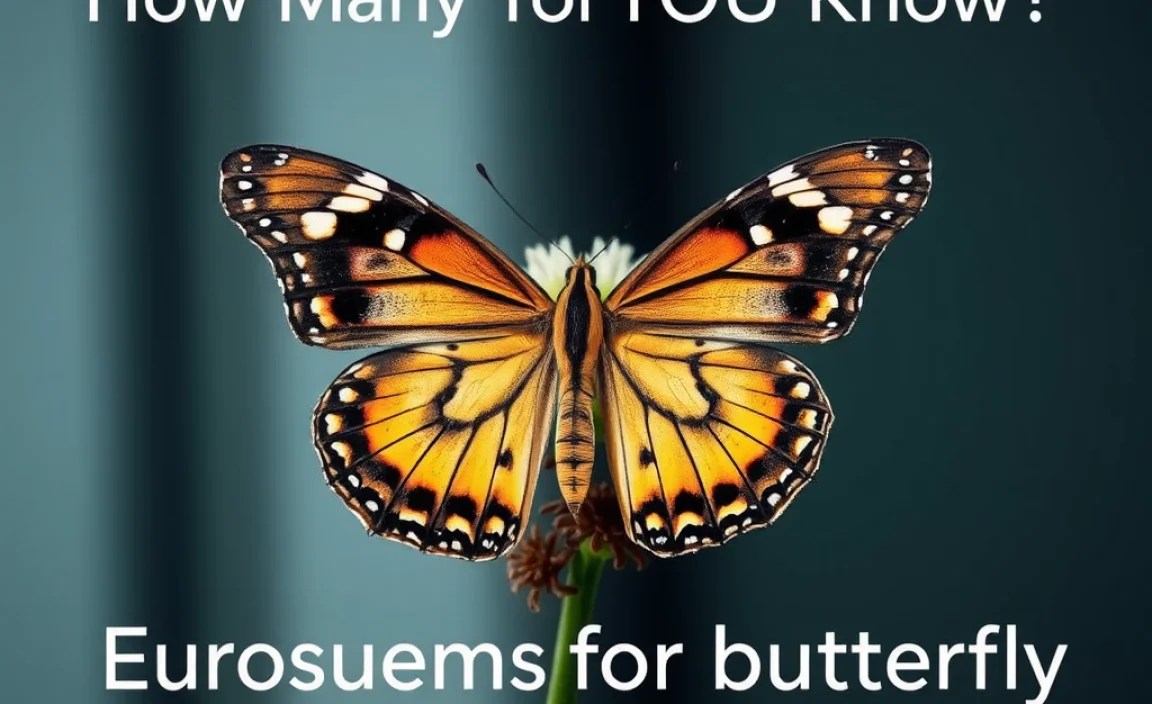
There are many excellent resources available to help you identify European butterflies. Here are some of the best:
Field Guides
| Title | Author(s) | Description |
|---|---|---|
| Butterflies of Britain and Europe | Tom Tolman and Richard Lewington | A comprehensive guide with detailed illustrations and descriptions of butterfly species. |
| Field Guide to the Butterflies of Britain and Europe | Lionel Higgins and Norman Riley | A classic guide with clear descriptions and distribution maps. |
| Pocket Guide to the Butterflies of Great Britain and Ireland | Richard Lewington | A concise and portable guide for quick identification. |
Websites
- Butterfly Conservation Europe: A leading organization dedicated to the conservation of European butterflies.
- UK Butterflies: A comprehensive website with information on British butterflies, including identification guides and distribution maps.
- iNaturalist: A citizen science platform where you can submit photos of butterflies and get help with identification.
- Learn About Butterflies: An educational resource with butterfly facts, identification tips, and conservation information.
Apps
- iNaturalist: Allows you to upload photos and get help identifying species from a community of experts.
- Picture Insect: Uses image recognition to identify insects, including butterflies.
The Importance of Butterfly Conservation

Learning about butterflies is not just a fun hobby; it’s also an important step towards conservation. Butterfly populations are declining due to habitat loss, climate change, and pesticide use. By understanding these threats, we can take action to protect these vital creatures.
How You Can Help
-
- Plant a Butterfly Garden: Create a garden with nectar-rich flowers and host plants for caterpillars.
Here are some nectar-rich plants you can consider:
-
- Buddlejas
- Lavender
- Echinacea
- Avoid Pesticides: Use natural pest control methods to protect butterflies and other beneficial insects.
- Support Conservation Organizations: Donate to or volunteer with organizations that work to protect butterfly habitats.
- Educate Others: Share your knowledge and passion for butterflies with friends, family, and your community.
Butterfly Habitats in Europe
Europe’s diverse landscapes provide habitats for a wide array of butterfly species. Understanding these habitats can help you identify butterflies and appreciate their ecological roles.
Common Habitats
- Meadows and Grasslands: Home to many common species, such as the Meadow Brown and Small Heath.
- Woodlands: Provide shelter and food for butterflies like the White Admiral and Silver-washed Fritillary.
- Mountains: Alpine regions are home to specialized species like the Apollo and Mountain Ringlet.
- Coastal Areas: Coastal habitats support unique species adapted to salt spray and sandy soils.
- Gardens and Parks: Urban green spaces can provide important habitats for butterflies like the Small Tortoiseshell and Red Admiral.
Butterfly Anatomy: A Quick Guide
Understanding the basic anatomy of a butterfly can enhance your identification skills and appreciation for these insects.
Key Body Parts
- Wings: Covered in tiny scales that give butterflies their color and patterns.
- Antennae: Used to sense odors and navigate their environment.
- Proboscis: A long, straw-like tongue used to drink nectar.
- Thorax: The middle section of the body, where the wings and legs are attached.
- Abdomen: The hindmost section of the body, containing the digestive and reproductive organs.
Butterfly Life Cycle
The butterfly life cycle is a fascinating process that involves four distinct stages:
- Egg: Butterflies lay their eggs on specific host plants.
- Larva (Caterpillar): The caterpillar feeds on the host plant and grows rapidly.
- Pupa (Chrysalis): The caterpillar transforms into a pupa, enclosed in a protective chrysalis.
- Adult Butterfly: The adult butterfly emerges from the chrysalis, ready to reproduce and continue the cycle.
Butterfly Migration in Europe
Some European butterflies undertake long migrations, similar to birds. The Painted Lady is one of the most well-known migratory species, traveling thousands of kilometers from North Africa to Europe each year.
Factors Influencing Migration
- Climate: Butterflies migrate to find suitable breeding conditions and avoid harsh weather.
- Food Availability: Migration allows butterflies to access new food sources.
- Habitat Loss: As habitats are destroyed, butterflies may need to migrate to find suitable homes.
Camouflage and Mimicry
Butterflies use camouflage and mimicry to protect themselves from predators.
Camouflage
Some butterflies have wing patterns that blend in with their surroundings, making them difficult to spot.
Mimicry
Other butterflies mimic the appearance of toxic or unpalatable species, deterring predators from eating them. The Viceroy butterfly, for example, mimics the Monarch butterfly, which is poisonous to many predators.
Cultural Significance of Butterflies
Butterflies have been symbols of transformation, beauty, and hope in cultures around the world.
Symbolism
- Transformation: The butterfly’s life cycle is often seen as a metaphor for personal growth and change.
- Beauty: Butterflies are admired for their vibrant colors and graceful flight.
- Hope: In many cultures, butterflies are believed to carry the souls of the departed and represent hope for the future.
Conclusion
Taking a European butterflies quiz is a wonderful way to deepen your appreciation for these incredible insects and the ecosystems they inhabit. By learning to identify different species, understanding their habitats, and supporting conservation efforts, you can play a vital role in protecting these beautiful creatures for future generations. So, spread your wings, embrace the challenge, and enjoy the journey of discovery that awaits you in the fascinating world of European butterflies. Happy quizzing!


