
European Butterflies vs Moths Differences: Easy ID!

European butterflies and moths can be tricky to tell apart! Butterflies are typically active during the day, have slender bodies, and hold their wings upright. Moths are often active at night, have thicker, fuzzy bodies, and rest with their wings spread out. But there are exceptions, so looking at antennae shape and wing patterns helps too!
Have you ever been strolling through a garden, admiring the beautiful winged creatures flitting from flower to flower, and wondered, “Is that a butterfly or a moth?” It’s a common question! Butterflies and moths both belong to the order Lepidoptera, but they have distinct differences. Spotting these differences can sometimes be challenging, but with a few helpful tips, you’ll be able to confidently identify them. This guide will walk you through the key characteristics that set butterflies and moths apart, so you can impress your friends with your newfound knowledge.
Key Differences Between European Butterflies and Moths

Butterflies and moths, though closely related, have evolved to occupy different ecological niches. This has led to several noticeable differences in their appearance and behavior. Let’s explore these differences in detail:
1. Activity Period: Diurnal vs. Nocturnal
One of the most well-known distinctions between butterflies and moths is their activity period. Butterflies are generally diurnal, meaning they are active during the day. This is when they can take advantage of the sunshine to warm their bodies and forage for nectar. Moths, on the other hand, are typically nocturnal, meaning they are active at night. They often rely on scent and moonlight to navigate.
However, there are exceptions to this rule. Some moth species, such as the Hummingbird Hawk-moth (Macroglossum stellatarum), are active during the day. Similarly, some butterfly species are crepuscular, meaning they are most active during twilight hours.
2. Antennae Shape: Clubbed vs. Feathery
The shape of their antennae is a reliable way to tell butterflies and moths apart. Butterflies have slender, club-shaped antennae with a small bulb at the end. This club is used for sensing scents and navigating their environment. Moths, in contrast, usually have feathery or comb-like antennae. These antennae have a larger surface area, which helps them detect pheromones released by potential mates, especially in the dark.
There are, however, exceptions within the moth family. Some moth species have thread-like antennae that are not feathery or comb-like. A good example is the Burnet moth (Zygaena) which has clubbed antennae, similar to those of butterflies.
3. Wing Position at Rest: Upright vs. Spread
When at rest, butterflies typically hold their wings upright and close together above their bodies. This posture helps them regulate their body temperature and protect their wings from damage. Moths, on the other hand, usually rest with their wings spread out flat against a surface or folded tent-like over their bodies. This posture helps them camouflage themselves and conserve energy.
Again, there are exceptions to this rule. Some butterfly species, such as the Skippers (family Hesperiidae), may hold their wings partially open when at rest. Similarly, some moth species may hold their wings upright, resembling butterflies.
4. Body Shape: Slender vs. Stout
Butterflies tend to have slender, smooth bodies, which gives them a more delicate appearance. Moths generally have thicker, more robust bodies that are covered in scales, making them appear fuzzy or hairy. This difference in body shape is related to their activity periods and energy requirements. Moths, being nocturnal, need to conserve energy, and their stout bodies help them do so.
5. Pupal Stage: Chrysalis vs. Cocoon
The pupal stage, during which the larva transforms into an adult, differs significantly between butterflies and moths. Butterflies form a chrysalis, which is a hard, smooth, and often brightly colored casing. The chrysalis is typically suspended from a branch or leaf, exposed to the environment. Moths, on the other hand, usually form a cocoon, which is a silk-wrapped casing that provides insulation and protection. The cocoon is often hidden in leaf litter, underground, or in other sheltered locations.
However, some moth species do not form cocoons. Instead, they pupate in the soil or in a simple, unprotected pupal case. Additionally, some butterfly species may have a silk girdle that helps support the chrysalis, but it is not a true cocoon.
6. Wing Patterns and Colors
While there are no hard and fast rules, butterflies are often associated with brighter, more vibrant colors and intricate patterns. Moths tend to have more muted or camouflaged colors, often in shades of brown, gray, or white. This difference in coloration is related to their activity periods and the need for camouflage. Butterflies, being active during the day, can afford to be more conspicuous, while moths need to blend in with their surroundings to avoid predators.
However, there are many exceptions. Some moth species, such as the Day-flying moths (family Zygaenidae), are brightly colored and patterned. Similarly, some butterfly species may have more subdued colors, especially those that rely on camouflage to avoid predators.
Detailed Comparison Table
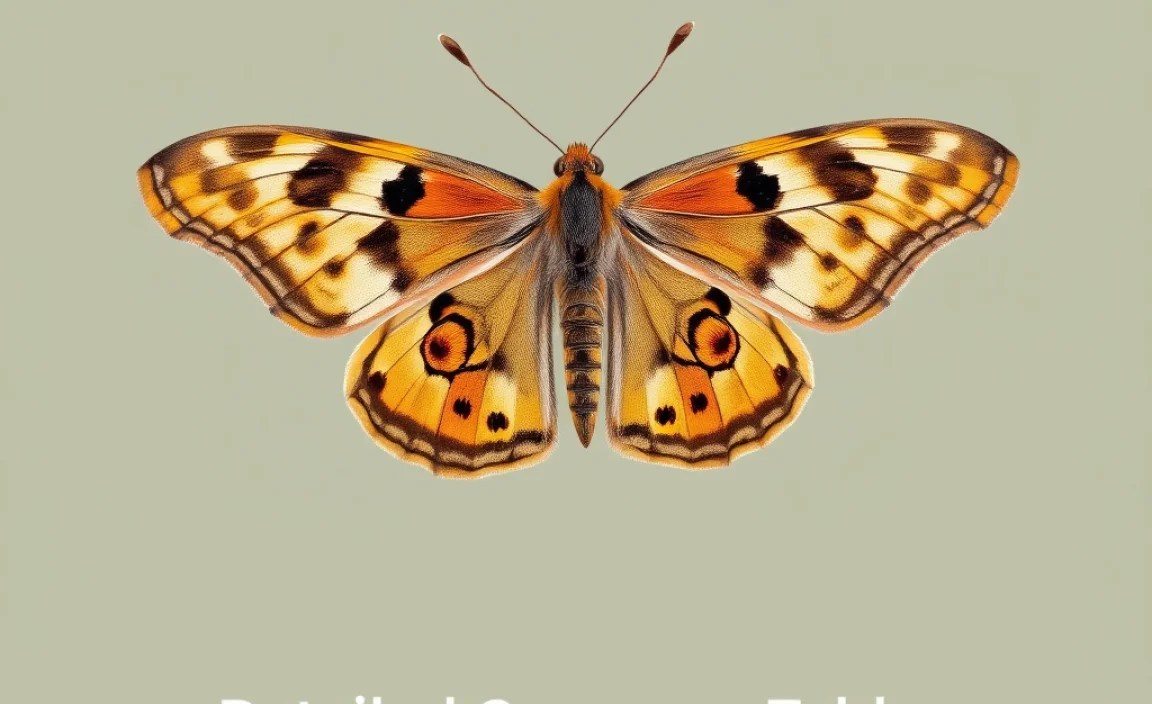
To better illustrate the differences, here is a table summarizing the key characteristics:
| Characteristic | Butterfly | Moth |
|---|---|---|
| Activity Period | Diurnal (daytime) | Nocturnal (nighttime) |
| Antennae Shape | Slender, clubbed | Feathery or comb-like |
| Wing Position at Rest | Upright, closed | Spread out, tent-like |
| Body Shape | Slender, smooth | Stout, fuzzy |
| Pupal Stage | Chrysalis (hard, smooth) | Cocoon (silk-wrapped) |
| Wing Patterns and Colors | Bright, vibrant | Muted, camouflaged |
Examples of European Butterflies and Moths

Let’s look at some specific examples of European butterflies and moths to illustrate these differences:
European Butterflies
- Monarch Butterfly (Danaus plexippus): A well-known butterfly with bright orange wings and black veins. It holds its wings upright when at rest and has clubbed antennae.
- Peacock Butterfly (Aglais io): Recognizable by the distinctive eye-like patterns on its wings. It is active during the day and has slender, clubbed antennae.
- Small Tortoiseshell (Aglais urticae): A common butterfly with orange and black wings. It holds its wings upright and has clubbed antennae.
- Swallowtail (Papilio machaon): A large, striking butterfly with yellow and black wings and distinctive “tails” on its hindwings. It is diurnal and has clubbed antennae.
- Adonis Blue (Polyommatus bellargus): A vibrant blue butterfly (males) with a slender body and clubbed antennae, typically seen during the day.
European Moths
- Hummingbird Hawk-moth (Macroglossum stellatarum): An exception to the rule, this moth is active during the day and hovers like a hummingbird while feeding on nectar. It has a stout body and thread-like antennae.
- Lunar Hornet Moth (Sesia bembiciformis): A day-flying moth that mimics a hornet. It has transparent wings and a stout body.
- Emperor Moth (Saturnia pavonia): A large moth with striking eye-like patterns on its wings. It is nocturnal and has feathery antennae.
- Silver Y Moth (Autographa gamma): A common moth with a distinctive silver “Y” marking on its wings. It is nocturnal and has feathery antennae.
- Garden Tiger Moth (Arctia caja): A strikingly patterned moth with black and orange wings. It is nocturnal and has feathery antennae.
How to Attract Butterflies and Moths to Your Garden

Creating a butterfly- and moth-friendly garden is a rewarding experience. Here are some tips to attract these beautiful creatures to your yard:
For Butterflies:
- Plant nectar-rich flowers: Butterflies feed on nectar, so plant a variety of flowers that provide a continuous source of nectar throughout the growing season. Good choices include Buddleja (Butterfly Bush), lavender, Verbena, and Echinacea.
- Provide host plants: Butterflies lay their eggs on specific host plants, which their caterpillars will feed on. For example, Monarch butterflies lay their eggs on milkweed, and Swallowtail butterflies lay their eggs on parsley, dill, or fennel.
- Offer a water source: Butterflies need water to stay hydrated. Provide a shallow dish of water with pebbles or marbles for them to land on.
- Create a sunny, sheltered spot: Butterflies need sunshine to warm their bodies and protection from strong winds.
- Avoid pesticides: Pesticides can harm or kill butterflies and their caterpillars. Use organic gardening methods instead.
For Moths:
- Plant night-scented flowers: Moths are attracted to flowers with strong, sweet scents, especially those that bloom at night. Good choices include honeysuckle, evening primrose, and Nicotiana.
- Provide host plants: Like butterflies, moths lay their eggs on specific host plants. Research which moth species are common in your area and plant their host plants.
- Leave leaf litter: Many moth species overwinter as pupae in leaf litter. Leave some leaf litter in your garden to provide a safe place for them to develop.
- Reduce light pollution: Artificial lights can disorient moths and disrupt their natural behaviors. Use yellow or red lights instead of white lights, and turn off unnecessary lights at night.
The Ecological Importance of Butterflies and Moths

Butterflies and moths play important roles in the ecosystem. Here are some of their key contributions:
- Pollination: Both butterflies and moths are important pollinators. While butterflies are more well-known for pollinating flowers during the day, moths also play a crucial role in pollinating night-blooming plants.
- Food source: Butterflies and moths, in their various life stages, serve as a food source for a wide range of animals, including birds, bats, reptiles, and amphibians.
- Indicators of environmental health: Butterflies and moths are sensitive to changes in their environment, such as habitat loss, pollution, and climate change. Their presence or absence can indicate the health of an ecosystem.
- Decomposers: Moth larvae consume decaying organic matter, contributing to decomposition and nutrient cycling in ecosystems.
Conservation Efforts
Many butterfly and moth species are facing threats due to habitat loss, pesticide use, and climate change. Here are some ways you can help protect these important creatures:
- Create butterfly- and moth-friendly habitats: Plant native flowers and host plants in your garden to provide food and shelter for butterflies and moths.
- Reduce pesticide use: Use organic gardening methods to avoid harming butterflies and moths.
- Support conservation organizations: Donate to or volunteer with organizations that are working to protect butterfly and moth habitats. A good start is looking up The Xerces Society for Invertebrate Conservation.
- Educate others: Share your knowledge about butterflies and moths with friends, family, and community members to raise awareness about their importance and the threats they face.
FAQ: European Butterflies vs. Moths
Here are some frequently asked questions about the differences between European butterflies and moths:
- Q: Is it always easy to tell a butterfly from a moth?
- A: Not always! There are exceptions to every rule. Some moths are active during the day, and some butterflies have muted colors. It’s best to look at a combination of characteristics to make an accurate identification.
- Q: What is the main difference between butterfly and moth antennae?
- A: Butterflies have slender, club-shaped antennae, while moths usually have feathery or comb-like antennae.
- Q: Do all moths make cocoons?
- A: No, not all moths make cocoons. Some moth species pupate in the soil or in a simple, unprotected pupal case.
- Q: Are butterflies or moths more colorful?
- A: Butterflies are generally more colorful than moths, but there are exceptions. Some moth species are brightly colored, while some butterfly species have more subdued colors.
- Q: How can I attract more butterflies to my garden?
- A: Plant nectar-rich flowers and host plants, provide a water source, create a sunny, sheltered spot, and avoid pesticides.
- Q: Are moths harmful to my garden?
- A: Some moth larvae can damage plants, but many moth species are beneficial pollinators or play other important roles in the ecosystem. It’s important to identify the specific species before taking any action.
- Q: Why are butterflies important?
- A: Butterflies are important pollinators, serve as a food source for other animals, and are indicators of environmental health.
Conclusion
Understanding the differences between European butterflies and moths can deepen your appreciation for these fascinating creatures and the vital roles they play in our ecosystems. While there are exceptions to every rule, the key characteristics—activity period, antennae shape, wing position at rest, body shape, pupal stage, and wing patterns—provide a solid foundation for identification. By creating butterfly- and moth-friendly habitats and supporting conservation efforts, we can help ensure that these beautiful insects continue to thrive for generations to come. So, get outside, observe, and enjoy the enchanting world of butterflies and moths!


