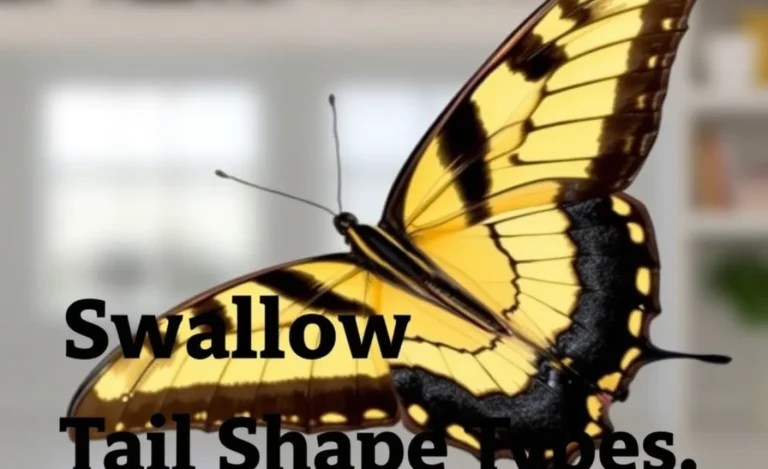
Swallowtail Butterfly vs Moth: Spot the Difference!

Quick Summary: Swallowtail butterflies and swallowtail moths may share a name, but they’re quite different! Butterflies are active during the day, have vibrant colors, and hold their wings upright. Moths are usually nocturnal, often have duller colors, and rest with their wings spread out. Plus, butterflies have slender, clubbed antennae, while moths have feathery or comb-like antennae. Knowing these simple distinctions will make identifying them a breeze!
Have you ever spotted a beautiful winged creature and wondered if it was a swallowtail butterfly or a swallowtail moth? It’s a common question! Both have “swallowtail” in their name, and both are fascinating insects. But don’t worry, telling them apart is easier than you might think. This guide will walk you through the key differences, so you can confidently identify these lovely fliers. Get ready to explore the delightful world of swallowtails!
Swallowtail Butterfly vs. Swallowtail Moth: Unmasking the Differences
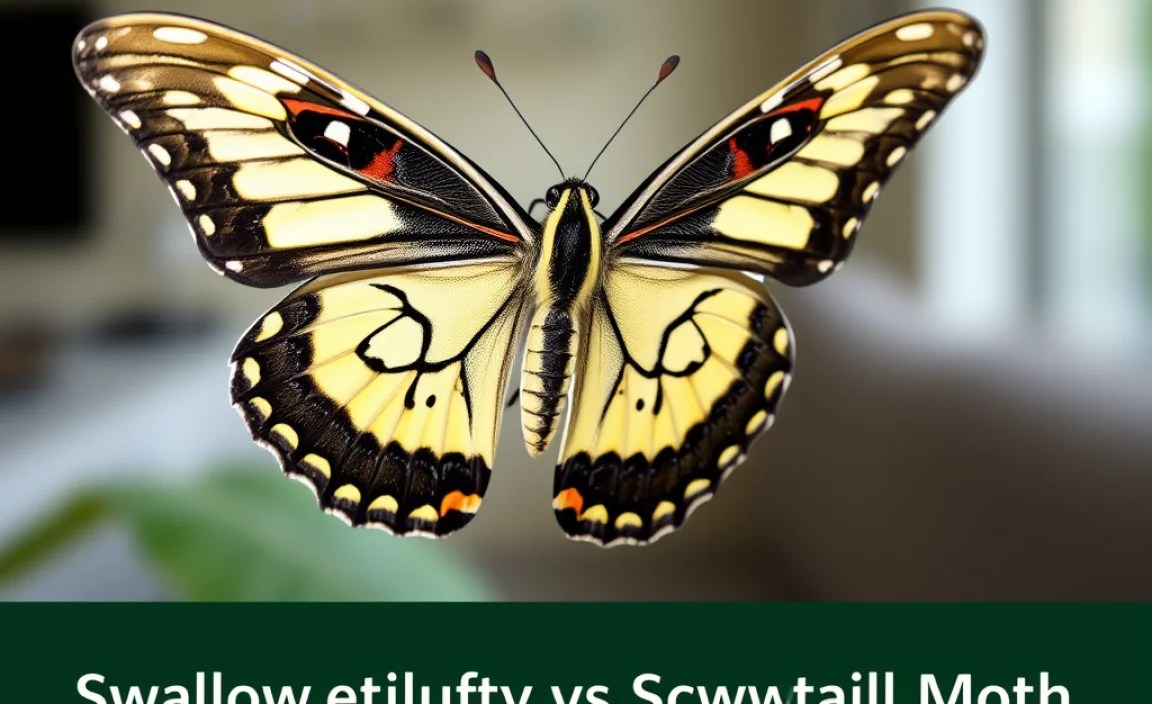
As a naturalist, I’m often asked about the difference between swallowtail butterflies and swallowtail moths. While they share a name that hints at the elegant “tails” on their wings, these creatures belong to different groups within the insect world. Let’s dive into the characteristics that set them apart, making identification simple and fun.
Diurnal vs. Nocturnal: When Are They Active?
One of the most obvious differences lies in their activity patterns:
- Swallowtail Butterflies: These beauties are diurnal, meaning they are active during the day. You’ll find them flitting around in the sunshine, visiting flowers for nectar.
- Swallowtail Moths: Most moths, including swallowtails, are nocturnal. They are active at night, often attracted to lights.
This difference in activity is a great first clue in identifying whether you’re looking at a butterfly or a moth.
Color and Wing Patterns: A Visual Feast
Coloration is another key distinguishing factor. While there are exceptions, butterflies tend to be more vibrant than moths.
- Swallowtail Butterflies: They boast bright, eye-catching colors like yellows, oranges, blacks, and blues. Their wing patterns are often intricate and striking.
- Swallowtail Moths: Generally, moths have more subdued colors, such as browns, grays, and whites. Their patterns are often more camouflaged to blend in with their surroundings.
Consider the color and boldness of the wing patterns as you observe these insects. The University of Florida’s Entomology Department provides great resources on insect identification that can help you further.
Wing Position at Rest: Upright vs. Spread
The way these insects hold their wings when at rest is a helpful identifier:
- Swallowtail Butterflies: Butterflies typically hold their wings upright and closed above their bodies when resting.
- Swallowtail Moths: Moths usually rest with their wings spread out flat, often covering their abdomen.
This difference in wing posture is a reliable way to quickly distinguish between the two.
Antennae Shape: A Subtle but Sure Sign
A closer look at their antennae reveals another key difference:
- Swallowtail Butterflies: Butterflies have long, slender antennae with a club-shaped tip. This club is a distinct characteristic.
- Swallowtail Moths: Moths have antennae that are either feathery or comb-like. This difference helps them detect pheromones in the night air.
While you might need binoculars or a good camera to see this clearly, the antennae are a definitive way to tell them apart.
Body Shape: Slender vs. Stout
The body shape also offers a clue:
- Swallowtail Butterflies: Butterflies tend to have slender, more streamlined bodies.
- Swallowtail Moths: Moths often have thicker, more stout bodies that appear furry or fuzzy.
This difference in body build helps them with their respective lifestyles.
Pupal Stage: Chrysalis vs. Cocoon
The way they transform from a caterpillar to an adult also differs:
- Swallowtail Butterflies: Butterflies form a chrysalis, which is a hard, smooth, and often colorful casing.
- Swallowtail Moths: Moths typically spin a cocoon made of silk, often incorporating leaves and other materials for camouflage.
The pupal stage offers a fascinating insight into their transformation process.
A Closer Look at Swallowtail Butterflies

Swallowtail butterflies are among the most beloved and recognizable butterflies. Their striking colors and graceful flight make them a joy to observe. Let’s explore some fascinating facts about these diurnal beauties.
Habitat and Distribution
Swallowtail butterflies are found all over the world, except for Antarctica. They thrive in a variety of habitats, including:
- Gardens
- Meadows
- Forests
- Tropical rainforests
Their adaptability allows them to inhabit diverse environments, making them relatively common sights in many regions.
Life Cycle
Like all butterflies, swallowtails undergo complete metamorphosis. Here’s a brief overview of their life cycle:
- Egg: The female lays her eggs on specific host plants.
- Larva (Caterpillar): The caterpillar hatches and feeds voraciously on the host plant, growing and molting several times.
- Pupa (Chrysalis): The caterpillar transforms into a chrysalis, a protective casing where the magic of metamorphosis occurs.
- Adult: The adult butterfly emerges from the chrysalis, ready to reproduce and continue the cycle.
Each stage is crucial for the butterfly’s survival and development.
Common Species
Some well-known swallowtail species include:
- Eastern Tiger Swallowtail (Papilio glaucus)
- Black Swallowtail (Papilio polyxenes)
- Giant Swallowtail (Papilio cresphontes)
- Pipevine Swallowtail (Battus philenor)
Each species has its unique beauty and ecological role. The U.S. Forest Service provides detailed information about the life cycles and habitats of these and other butterflies.
Ecological Importance
Swallowtail butterflies play a vital role in their ecosystems:
- Pollination: As they feed on nectar, they transfer pollen from flower to flower, aiding in plant reproduction.
- Food Source: They serve as a food source for birds, lizards, and other predators.
- Indicators of Environmental Health: Their presence or absence can indicate the health of local ecosystems.
Protecting their habitats is crucial for maintaining ecological balance.
Exploring Swallowtail Moths
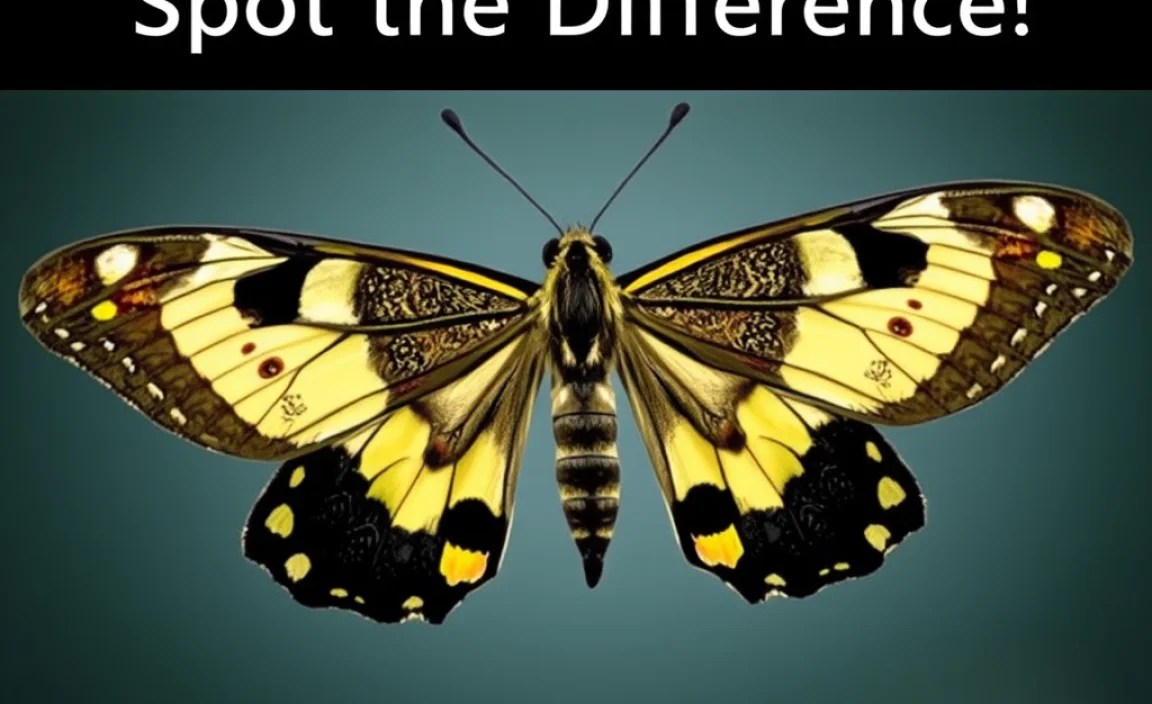
While less commonly discussed, swallowtail moths are equally fascinating. Let’s delve into the world of these nocturnal insects and discover their unique characteristics.
Habitat and Distribution
Swallowtail moths, like butterflies, are found in various habitats worldwide. They often prefer:
- Woodlands
- Forest edges
- Gardens
Their distribution is closely tied to the availability of their host plants.
Life Cycle
The life cycle of a swallowtail moth mirrors that of butterflies, with a few key differences:
- Egg: Eggs are laid on or near the host plant.
- Larva (Caterpillar): The caterpillar feeds and grows, molting as it develops.
- Pupa (Cocoon): The caterpillar spins a silken cocoon, often camouflaged with leaves and twigs.
- Adult: The moth emerges from the cocoon, ready to mate and lay eggs.
The cocoon provides crucial protection during the pupal stage.
Common Species
Some notable swallowtail moth species include:
- Luna Moth (Actias luna)
- Cecropia Moth (Hyalophora cecropia)
- Polyphemus Moth (Antheraea polyphemus)
These moths are known for their large size and striking wing patterns.
Ecological Importance
Swallowtail moths contribute to their ecosystems in several ways:
- Pollination: Some moths are important pollinators, especially for night-blooming plants.
- Food Source: They serve as prey for nocturnal predators like bats and owls.
- Decomposers: Moth caterpillars help break down plant matter, returning nutrients to the soil.
Their role in the food web is essential for maintaining biodiversity.
Key Differences Summarized
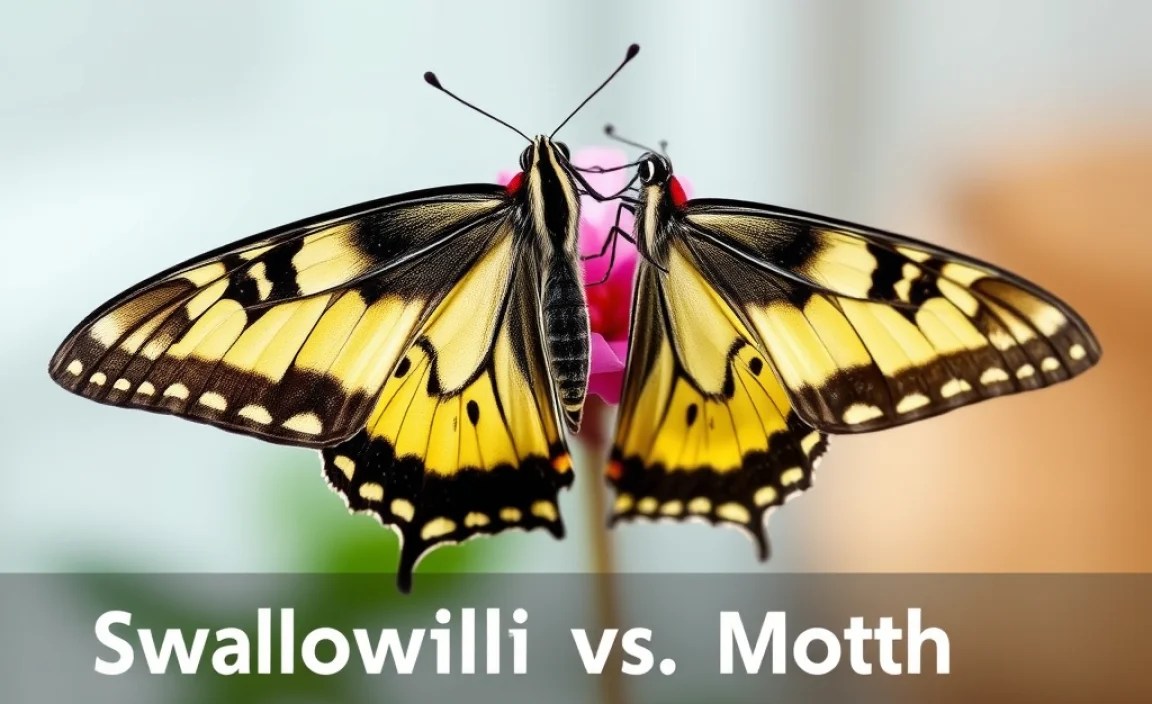
To make it easier, here’s a table summarizing the key differences between swallowtail butterflies and swallowtail moths:
| Feature | Swallowtail Butterfly | Swallowtail Moth |
|---|---|---|
| Activity | Diurnal (daytime) | Nocturnal (nighttime) |
| Color | Bright and vibrant | Subdued and camouflaged |
| Wing Position at Rest | Upright and closed | Spread out flat |
| Antennae | Slender with clubbed tips | Feathery or comb-like |
| Body Shape | Slender | Stout and furry |
| Pupal Stage | Chrysalis (hard and smooth) | Cocoon (silken and camouflaged) |
How to Attract Swallowtails to Your Garden

Whether you’re a butterfly enthusiast or simply want to add beauty to your garden, attracting swallowtails is a rewarding endeavor. Here are some tips to create a swallowtail-friendly habitat:
Plant Host Plants
Swallowtail caterpillars are picky eaters and require specific host plants. Here are some popular choices:
- Black Swallowtail: Plant dill, parsley, fennel, and carrots.
- Eastern Tiger Swallowtail: Provide cherry, tulip poplar, and willow trees.
- Pipevine Swallowtail: Plant pipevine (Aristolochia).
- Giant Swallowtail: Offer citrus trees, Hercules’ club, and prickly ash.
Providing these host plants ensures that swallowtails can complete their life cycle in your garden.
Provide Nectar Sources
Adult swallowtails need nectar for energy. Plant flowers that are rich in nectar, such as:
- Butterfly bush (Buddleja davidii)
- Zinnia
- Lantana
- Salvia
- Coneflowers (Echinacea)
Choose a variety of colors and shapes to attract different species.
Offer a Water Source
Butterflies and moths need water, especially during hot weather. Provide a shallow dish of water with pebbles or marbles for them to land on.
Avoid Pesticides
Pesticides can harm or kill butterflies and moths. Opt for organic gardening practices to protect these beneficial insects. The Xerces Society offers excellent resources on protecting pollinators from pesticides.
Provide Shelter
Plant trees and shrubs to provide shelter from wind and predators. A sheltered garden will be more attractive to swallowtails.
Swallowtail Butterfly vs. Swallowtail Moth: Identification Chart
Here’s a quick reference chart to help you identify swallowtails at a glance:
| Characteristic | Swallowtail Butterfly | Swallowtail Moth |
|---|---|---|
| When you’re likely to see it | During the day, in sunlight | At night, often near lights |
| Typical Colors | Bright yellow, orange, black, blue | Brown, gray, white, muted tones |
| How it holds its wings when resting | Upright, wings closed together | Wings spread out flat |
| Antennae Appearance | Thin, with a club-shaped end | Feathery or comb-like |
| Body Appearance | Slim and smooth | Thick and fuzzy |
| Pupa/Cocoon | Hard chrysalis, may be colorful | Silky cocoon, often hidden |
FAQ: Swallowtail Butterflies and Moths
Here are some frequently asked questions to help you better understand swallowtail butterflies and moths:
1. What does “swallowtail” mean?
The term “swallowtail” refers to the elongated extensions on the hindwings of these insects, which resemble the forked tail of a swallow bird.
2. Are swallowtail moths harmful?
No, swallowtail moths are not harmful. As caterpillars, they feed on plants, but they rarely cause significant damage. As adults, they do not bite or sting.
3. How can I tell if a caterpillar will become a butterfly or a moth?
Identifying caterpillars can be tricky, but generally, butterfly caterpillars are smoother and more colorful, while moth caterpillars are often fuzzier. Observing the caterpillar’s behavior and the host plant it feeds on can also provide clues.
4. Do swallowtail butterflies migrate?
Some swallowtail butterflies, like the Eastern Tiger Swallowtail, may migrate short distances to find better resources or breeding grounds. However, they do not undertake long-distance migrations like Monarch butterflies.
5. What is the lifespan of a swallowtail butterfly?
The lifespan of a swallowtail butterfly varies by species, but most adults live for about two weeks. Their primary focus is on reproduction during this time.
6. Are swallowtail butterflies endangered?
While some swallowtail butterfly populations may be threatened by habitat loss and pesticide use, most species are not currently endangered. However, it’s essential to protect their habitats to ensure their continued survival.
7. Can I raise swallowtail butterflies at home?
Yes, you can raise swallowtail butterflies at home by providing the appropriate host plants and a safe environment. This can be a rewarding experience that allows you to observe their fascinating life cycle up close.
Conclusion
Understanding the differences between swallowtail butterflies and swallowtail moths opens up a new dimension of appreciation for the natural world. While they share a name, their distinct characteristics and ecological roles make each group unique and fascinating. By observing their behavior, coloration, and physical traits, you can confidently identify these beautiful insects and contribute to their conservation. So, go outside, explore your garden or local park, and marvel at the wonders of these winged creatures. Every observation, every effort to protect their habitats, makes a difference. Happy butterflying!