
Butterflies of Atlantic Canada: A Stunning Guide

The butterflies of Atlantic Canada are a diverse group of insects that bring beauty and ecological value to the region. You can identify many species, like the Monarch and Canadian Tiger Swallowtail, by their distinct colors and patterns. By learning about their habitats and life cycles, you can help protect these important pollinators.
Have you ever walked through a garden in Atlantic Canada and been mesmerized by the fluttering wings of butterflies? These delicate creatures are more than just pretty; they’re vital to our ecosystem. Identifying them can seem tricky, but it’s easier than you might think! Knowing which butterflies live here and what they need helps us protect them. Let’s explore the fascinating world of Atlantic Canada’s butterflies together. We’ll cover common species, habitats, and how you can help them thrive.
Butterflies of Atlantic Canada: A Naturalist’s Guide

Welcome, fellow nature enthusiasts! As a lifelong butterfly enthusiast, I’m excited to guide you through the captivating world of butterflies in Atlantic Canada. This region, encompassing Nova Scotia, New Brunswick, Prince Edward Island, and Newfoundland and Labrador, boasts a unique array of butterfly species. Let’s dive in and discover these beautiful insects, understand their habitats, and learn how we can help them flourish.
Common Butterfly Species in Atlantic Canada

Atlantic Canada is home to a variety of butterfly species, each with its own unique characteristics. Here are some of the most commonly seen butterflies in the region:
- Monarch (Danaus plexippus): Famous for its long migration, the Monarch is easily recognized by its orange wings with black veins and white spots.
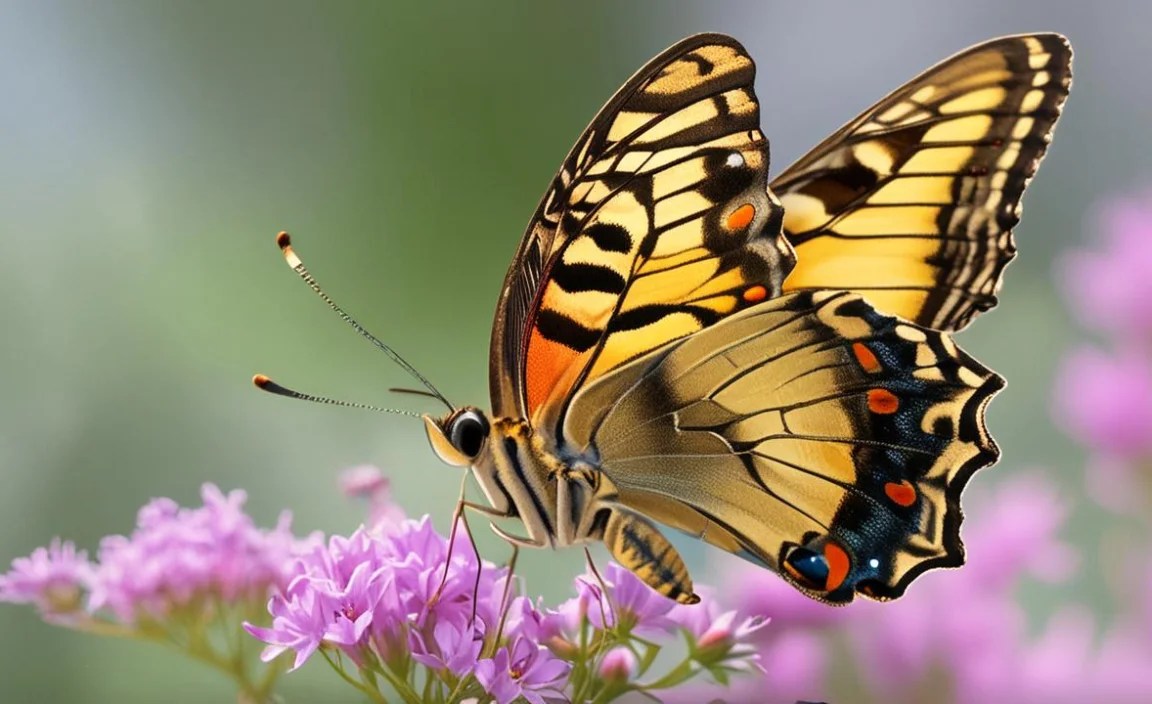
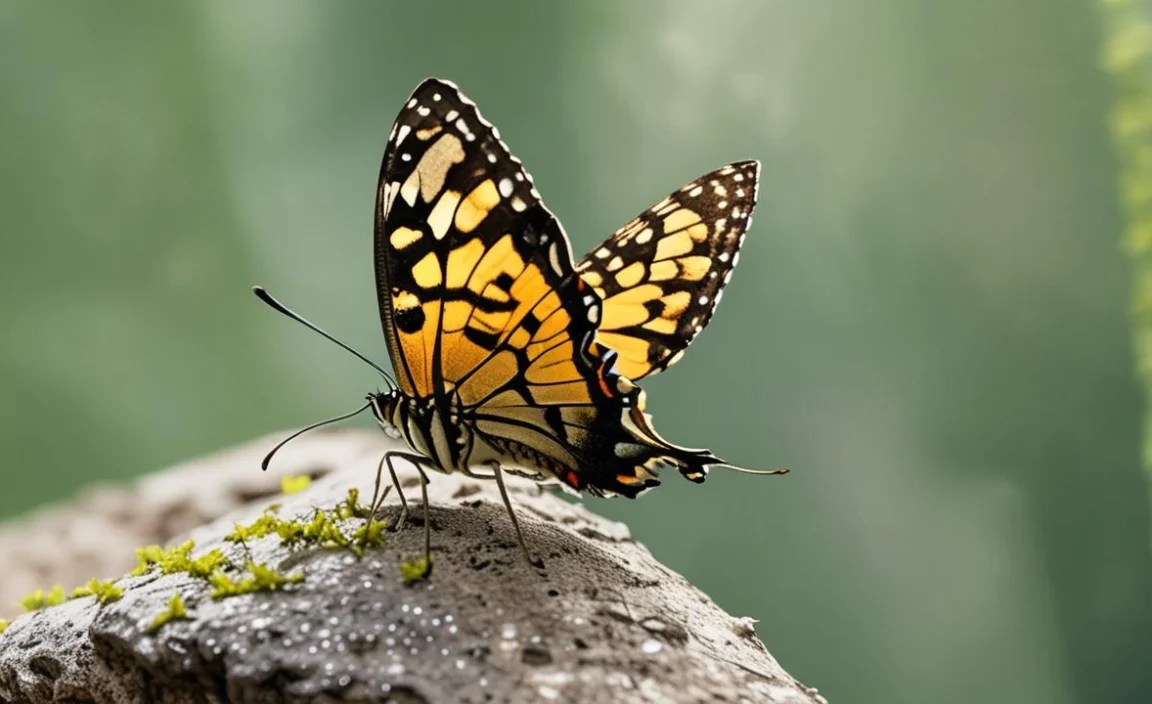
- Canadian Tiger Swallowtail (Papilio canadensis): This large, striking butterfly has yellow wings with black stripes, resembling a tiger.
- White Admiral (Limenitis arthemis arthemis): With its black wings and bold white stripes, the White Admiral is a sight to behold as it glides through the forest.
- Painted Lady (Vanessa cardui): This widespread butterfly has orange and brown wings with black spots and white markings.
- Little Wood-Satyr (Megisto cymela): Small and unassuming, this butterfly has brown wings with small eyespots.
- Spring Azure (Celastrina ladon): A small, delicate butterfly with pale blue wings, often seen in early spring.
Identifying Butterflies: Key Characteristics
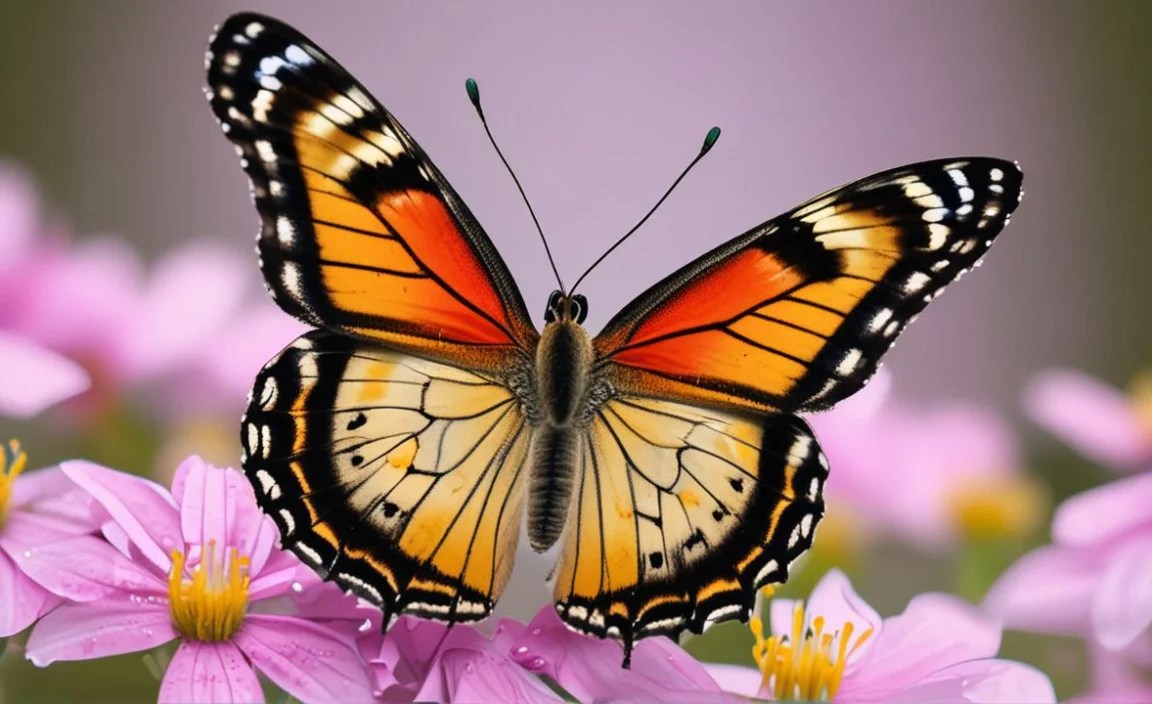
Identifying butterflies can be a fun and rewarding experience. Here are some key characteristics to look for:
- Size: Butterflies range in size from small to large. Note the wingspan to help narrow down the species.
- Color and Pattern: Pay close attention to the colors and patterns on the wings. Are they bright and bold, or muted and subtle? Are there stripes, spots, or other markings?
- Shape: The shape of the wings can also be a helpful identifier. Some butterflies have rounded wings, while others have more angular or pointed wings.
- Flight Pattern: Observe how the butterfly flies. Some butterflies have a fast, erratic flight, while others glide more gracefully.
- Habitat: Where did you spot the butterfly? Different species prefer different habitats, such as forests, meadows, or gardens.
Butterfly Identification Table
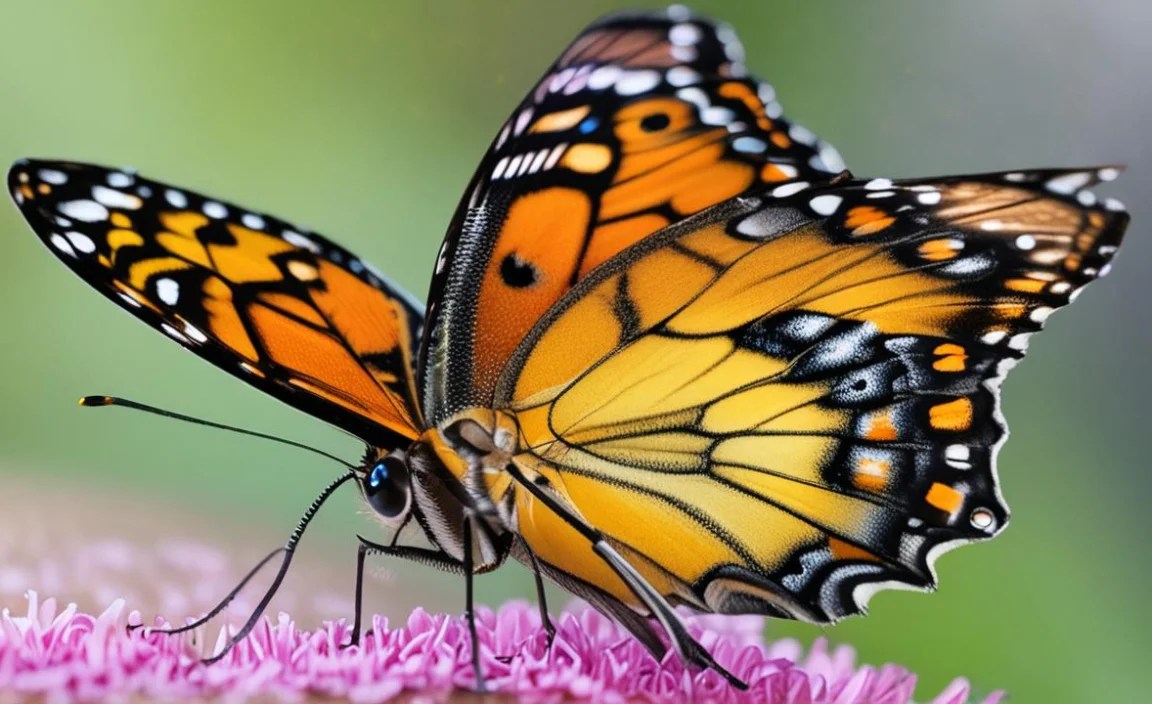
Here’s a quick reference table to help you identify some common butterflies in Atlantic Canada:
| Species | Size | Color and Pattern | Habitat |
|---|---|---|---|
| Monarch | Large (3.5-4 inches) | Orange with black veins and white spots | Fields, meadows, gardens |
| Canadian Tiger Swallowtail | Large (3-4 inches) | Yellow with black stripes | Forest edges, gardens |
| White Admiral | Medium (2-3 inches) | Black with white stripes | Forests |
| Painted Lady | Medium (2-3 inches) | Orange and brown with black spots and white markings | Open areas, gardens |
| Little Wood-Satyr | Small (1-1.5 inches) | Brown with small eyespots | Woodlands |
| Spring Azure | Small (1-1.5 inches) | Pale blue | Woodlands, gardens |
Butterfly Habitats in Atlantic Canada

Butterflies are found in a variety of habitats throughout Atlantic Canada. Understanding their habitat preferences can help you find and identify different species.
- Forests: Many butterfly species, such as the White Admiral and Little Wood-Satyr, are found in forests. These habitats provide shelter, food, and breeding sites.
- Fields and Meadows: Open areas with wildflowers are ideal habitats for butterflies like the Monarch and Painted Lady. These areas offer nectar sources and host plants for caterpillars.
- Gardens: Gardens with butterfly-friendly plants can attract a variety of species. Planting nectar-rich flowers and host plants can turn your garden into a butterfly haven.
- Coastal Areas: Some butterflies are found in coastal habitats, such as dunes and salt marshes. These areas offer unique food sources and microclimates.
Life Cycle of a Butterfly

Butterflies undergo a complete metamorphosis, which means they have four distinct life stages:
- Egg: Butterflies lay their eggs on host plants, which will serve as food for the caterpillars.
- Larva (Caterpillar): The caterpillar hatches from the egg and spends its time eating and growing. It molts several times as it gets larger.
- Pupa (Chrysalis): The caterpillar transforms into a pupa, or chrysalis. Inside the chrysalis, the caterpillar undergoes a remarkable transformation into a butterfly.
- Adult: The adult butterfly emerges from the chrysalis. It feeds on nectar, mates, and lays eggs, continuing the cycle.
Attracting Butterflies to Your Garden

Creating a butterfly-friendly garden is a wonderful way to support these important pollinators. Here are some tips:
- Plant Nectar-Rich Flowers: Choose flowers that provide nectar for adult butterflies. Some good options include butterfly bush, coneflowers, zinnias, and asters.
- Provide Host Plants: Plant host plants for caterpillars. Monarch caterpillars, for example, feed exclusively on milkweed. Black swallowtail caterpillars eat plants in the parsley family.
- Offer a Water Source: Butterflies need water, too. Provide a shallow dish of water with pebbles or marbles for them to land on.
- Avoid Pesticides: Pesticides can harm or kill butterflies and other beneficial insects. Use natural pest control methods instead.
- Provide Shelter: Butterflies need shelter from wind and rain. Plant shrubs and trees to provide them with a safe haven.
Butterfly Conservation in Atlantic Canada
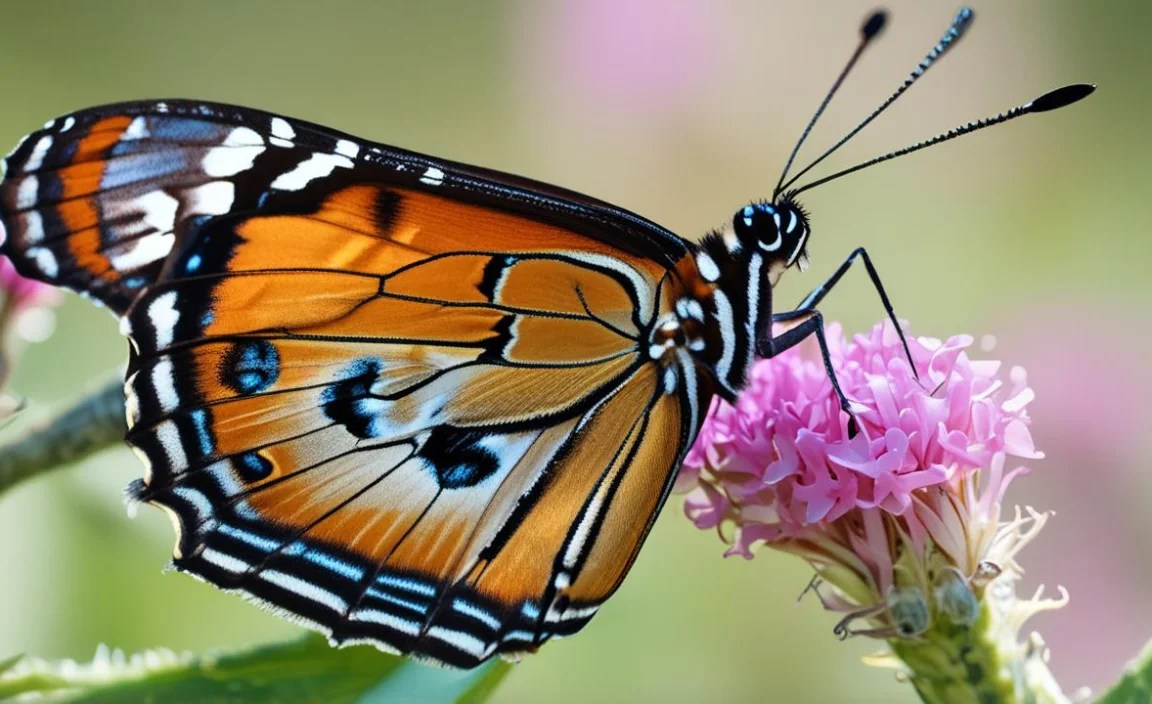
Many butterfly species are facing threats due to habitat loss, climate change, and pesticide use. Here are some ways you can help protect butterflies in Atlantic Canada:
- Create Butterfly-Friendly Habitats: Plant native wildflowers and host plants in your garden or community.
- Support Conservation Organizations: Donate to or volunteer with organizations that work to protect butterfly habitats. The David Suzuki Foundation, for example, has many conservation programs.
- Reduce Pesticide Use: Avoid using pesticides in your garden and encourage others to do the same.
- Educate Others: Share your knowledge about butterflies with friends, family, and neighbors. The more people who care about butterflies, the better their chances of survival.
- Participate in Citizen Science: Contribute to butterfly monitoring programs by recording your sightings. This data can help scientists track butterfly populations and identify threats.
The Monarch Butterfly: A Special Case
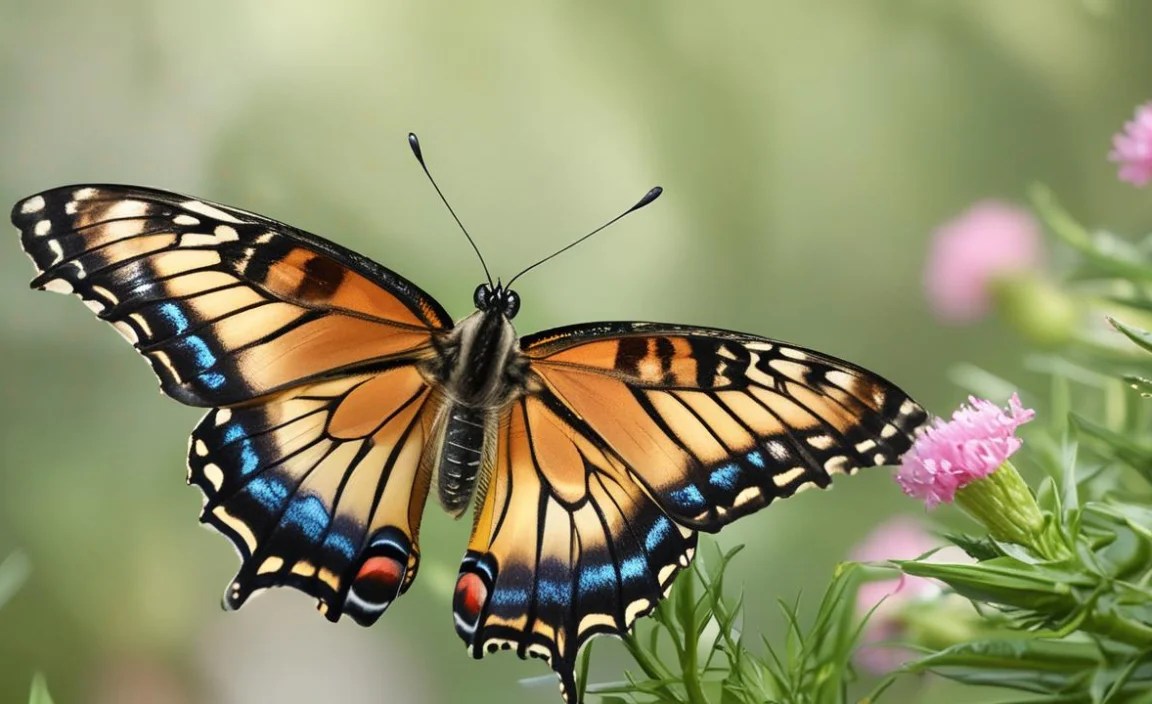
The Monarch butterfly is an iconic species that is facing significant challenges. Its population has declined dramatically in recent years due to habitat loss and climate change. Here’s what you need to know about Monarchs in Atlantic Canada:
- Migration: Monarchs undertake an incredible multi-generational migration from Canada and the United States to Mexico, where they overwinter in oyamel fir forests.
- Habitat Loss: The loss of milkweed, the Monarch caterpillar’s only food source, is a major threat. Habitat loss in their overwintering grounds in Mexico is also a concern.
- Conservation Efforts: Many organizations are working to protect Monarchs by restoring milkweed habitat, reducing pesticide use, and educating the public.
How to Support Monarchs:
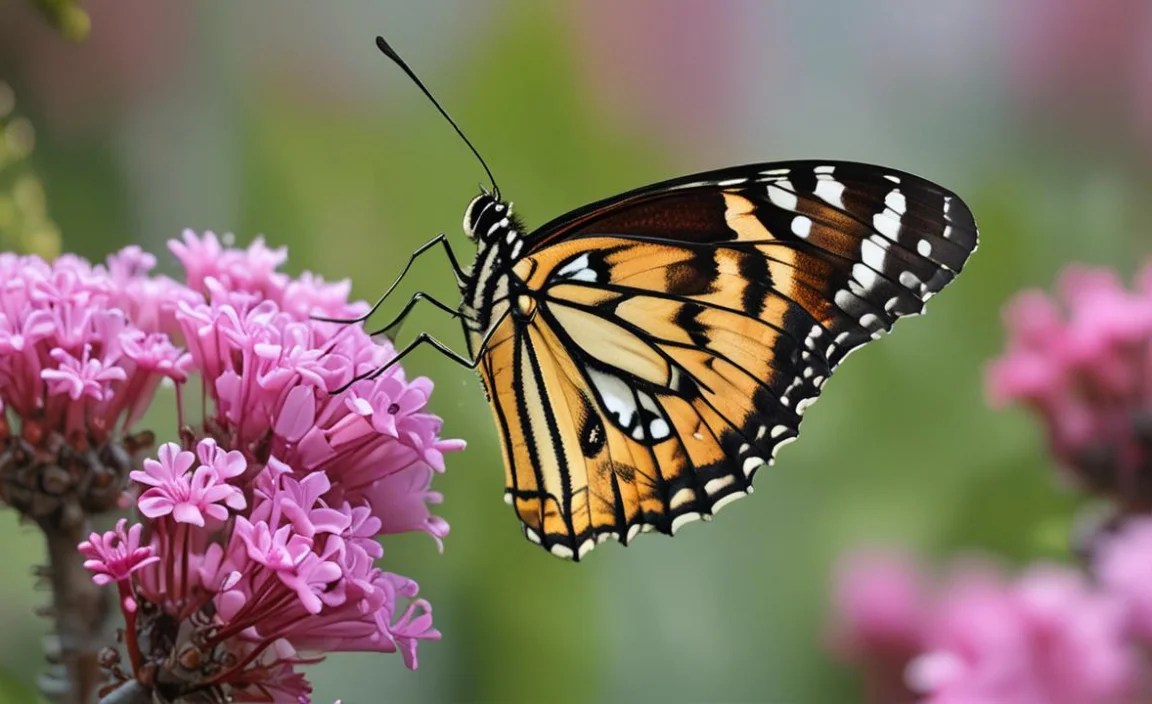
- Plant Milkweed: Plant milkweed in your garden or community. Make sure to choose native milkweed species.
- Avoid Pesticides: Pesticides can harm Monarch caterpillars and adults.
- Support Monarch Conservation Organizations: Donate to or volunteer with organizations that are working to protect Monarchs.
- Report Monarch Sightings: Report your Monarch sightings to citizen science programs to help track their populations.
Butterfly Photography Tips
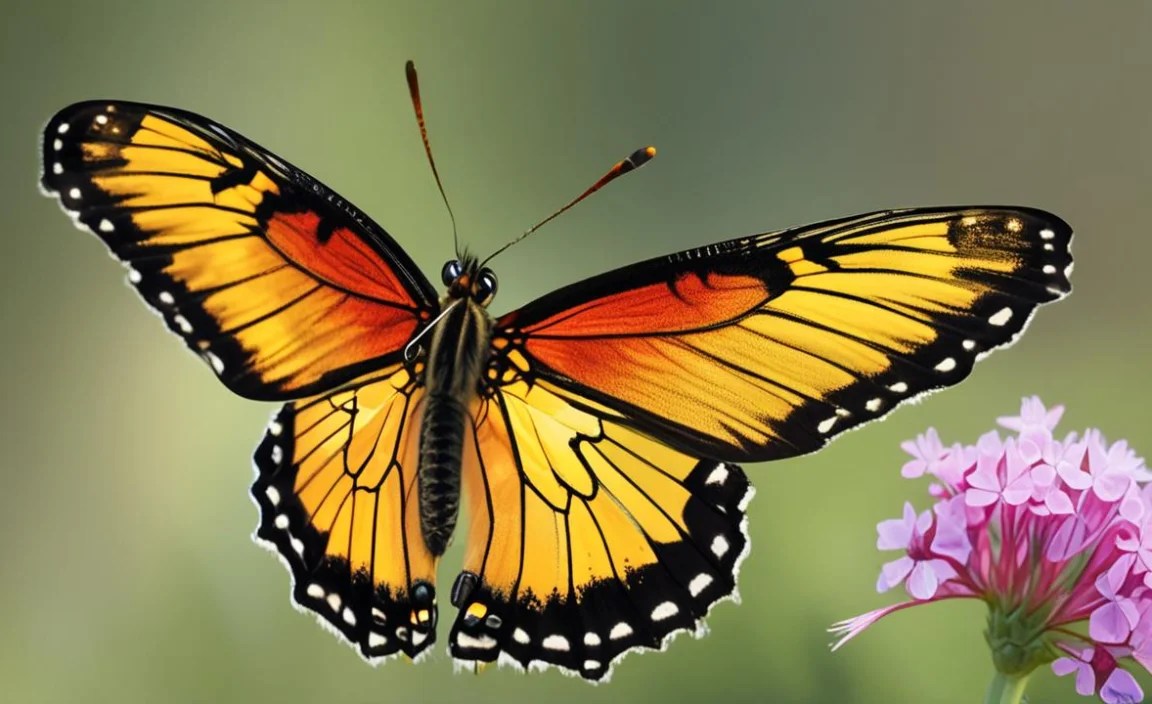
Capturing beautiful photos of butterflies can be a rewarding experience. Here are some tips for taking stunning butterfly photos:
- Use a Macro Lens: A macro lens will allow you to capture close-up details of the butterfly.
- Shoot in Natural Light: Natural light is best for butterfly photography. Avoid using flash, as it can scare the butterfly.
- Focus Carefully: Make sure your focus is sharp on the butterfly’s eyes or other key features.
- Be Patient: Butterflies can be skittish. Be patient and wait for the perfect moment.
- Capture the Environment: Include the butterfly’s surroundings in your photos to tell a story.
Butterfly Symbolism and Cultural Significance

Butterflies have long been symbols of transformation, beauty, and hope in many cultures. Their metamorphosis from caterpillar to butterfly is often seen as a metaphor for personal growth and spiritual rebirth.
- Transformation: The butterfly’s life cycle symbolizes transformation and change.
- Beauty: Butterflies are admired for their beauty and grace.
- Hope: The butterfly is a symbol of hope and new beginnings.
- Spirituality: In some cultures, butterflies are believed to be messengers from the spirit world.
Resources for Butterfly Identification and Information
Here are some resources to help you learn more about butterflies in Atlantic Canada:
- Books: Field guides to butterflies are a great resource for identification.
- Websites: Websites like Butterflies and Moths of North America offer information and photos of butterfly species.
- Local Nature Centers: Nature centers often have exhibits and programs about butterflies.
- Butterfly Clubs: Join a butterfly club to connect with other enthusiasts and learn from experts.
Butterfly-Friendly Plant List for Atlantic Canada

Here is a table of plants that attract butterflies and can be grown in Atlantic Canada:
| Plant Name | Type | Attracts |
|---|---|---|
| Butterfly Bush (Buddleja davidii) | Shrub | Monarchs, Swallowtails, Painted Ladies |
| Coneflower (Echinacea purpurea) | Perennial | Monarchs, Swallowtails, Fritillaries |
| Zinnia (Zinnia elegans) | Annual | Monarchs, Swallowtails, Skippers |
| Aster (Symphyotrichum spp.) | Perennial | Monarchs, Crescents, Ladies |
| Milkweed (Asclepias spp.) | Perennial | Monarchs (Host Plant) |
| Joe-Pye Weed (Eutrochium purpureum) | Perennial | Swallowtails, Fritillaries, Admirals |
Frequently Asked Questions (FAQ)
What is the best time of year to see butterflies in Atlantic Canada?

The best time to see butterflies in Atlantic Canada is during the summer months, from June to August. This is when most species are active and nectar sources are abundant.
How can I tell the difference between a butterfly and a moth?

Butterflies and moths can be distinguished by several characteristics. Butterflies typically have thin antennae with clubbed tips, while moths have feathery or comb-like antennae. Butterflies are usually active during the day, while moths are often active at night. Butterflies also typically hold their wings upright when at rest, while moths hold their wings flat.
What is a host plant?
A host plant is a plant that a butterfly caterpillar feeds on. Different butterfly species have different host plant preferences. For example, Monarch caterpillars feed exclusively on milkweed.
Are butterflies important for the environment?
Yes, butterflies are important pollinators. They help to transfer pollen from one flower to another, which is essential for plant reproduction. They also serve as a food source for birds and other animals.
What should I do if I find an injured butterfly?

If you find an injured butterfly, you can try to help it by providing it with a sugar-water solution. Mix one part sugar with four parts water and place it in a shallow dish or on a sponge. Place the butterfly near the solution and see if it will feed. If the butterfly is severely injured, it may be best to let nature take its course.
How can I attract more butterflies to my yard?

To attract more butterflies to your yard, plant nectar-rich flowers and host plants. Provide a water source and avoid using pesticides. You can also create a butterfly garden with a variety of habitats, such as sunny areas, shady areas, and sheltered areas.
Are there any endangered butterflies in Atlantic Canada?

While specific butterfly species listed as endangered can vary and change, it’s important to be aware of butterfly conservation efforts in the region. Organizations like the Atlantic Canada Conservation Data Centre track rare and at-risk species, and habitat loss remains a significant threat to many butterfly populations.
Conclusion
The butterflies of Atlantic Canada are a treasure to be cherished and protected. By learning about these beautiful insects, creating butterfly-friendly habitats, and supporting conservation efforts, we can help ensure that they continue to thrive for generations to come. So, grab your field guide, head out into nature, and discover the fascinating world of butterflies in Atlantic Canada. Happy butterflying!


