
Butterflies of Bangladesh Sundarbans: A Secret Guide

The Sundarbans in Bangladesh is home to a diverse array of butterflies! This unique mangrove ecosystem hosts many butterfly species, from the striking Common Crow to the dazzling Striped Albatross. Discover their beauty, learn about their habitats, and understand their vital role in this precious environment. Let’s explore the winged jewels of the Sundarbans together!
Have you ever wondered about the butterflies flitting through the lush Sundarbans of Bangladesh? This remarkable mangrove forest, a UNESCO World Heritage site, isn’t just about tigers and tangled roots; it’s also a haven for a stunning variety of butterflies. Identifying these delicate creatures can seem daunting, but it’s a rewarding journey that connects you to the heart of this unique ecosystem.
In this guide, we’ll explore the fascinating world of butterflies in the Sundarbans. We’ll learn how to identify some of the most common species, understand their importance to the ecosystem, and discover what we can do to protect them. Get ready to be amazed by the beauty and diversity of these winged wonders!
Discovering the Butterflies of Bangladesh Sundarbans

The Sundarbans, a sprawling mangrove forest at the delta of the Ganges, Brahmaputra, and Meghna rivers, is a biodiversity hotspot. Among its many treasures are the butterflies, adding splashes of color to the green landscape. Let’s explore some of the most captivating species you might encounter.
Common Butterfly Species in the Sundarbans
Identifying butterflies requires a keen eye and a little knowledge. Here are some of the most common species you’re likely to spot in the Sundarbans:
- Common Crow (Euploea core): This butterfly is dark brown with white spots along the edges of its wings. It’s a common sight throughout the region.
- Striped Albatross (Appias libythea): Known for its striking white and black stripes, this butterfly is a true beauty. The males have more pronounced stripes than the females.
- Tawny Coster (Acraea violae): With its bright orange wings and black spots, the Tawny Coster is easy to identify. It’s a fast flier and can be seen in open areas.
- Lime Butterfly (Papilio demoleus): This butterfly, also known as the chequered swallowtail, has black and yellow markings. It’s a common visitor to gardens and open spaces.
- Common Grass Yellow (Eurema hecabe): As the name suggests, this butterfly is bright yellow and can be found fluttering among the grasses.
Butterfly Identification Guide: Key Features to Look For
To accurately identify butterflies, pay attention to these key features:
- Wing Shape and Size: Note the overall shape of the wings. Are they rounded, pointed, or elongated? Also, consider the size of the butterfly.
- Color and Markings: Observe the colors and patterns on the wings. Are there stripes, spots, or bands? Are the colors vibrant or muted?
- Flight Pattern: How does the butterfly fly? Is it a strong, direct flier, or does it flutter gently?
- Habitat: Where did you see the butterfly? Was it in a forest, a garden, or near water?
- Size: Measure the wingspan.
Table: Common Butterflies of the Sundarbans and Their Characteristics
| Butterfly Species | Appearance | Habitat | Flight Pattern |
|---|---|---|---|
| Common Crow (Euploea core) | Dark brown with white spots | Forests, gardens | Slow, gliding |
| Striped Albatross (Appias libythea) | White with black stripes | Open woodlands | Fast, erratic |
| Tawny Coster (Acraea violae) | Orange with black spots | Open areas | Fast, direct |
| Lime Butterfly (Papilio demoleus) | Black and yellow markings | Gardens, open spaces | Strong, direct |
| Common Grass Yellow (Eurema hecabe) | Bright yellow | Grasslands | Fluttering |
The Ecological Importance of Butterflies in the Sundarbans

Butterflies are more than just beautiful insects; they play a crucial role in the ecosystem of the Sundarbans. Understanding their importance can help us appreciate and protect these delicate creatures.
Pollination: Butterflies as Key Pollinators
Butterflies are important pollinators, transferring pollen from one flower to another as they feed on nectar. This process is essential for the reproduction of many plant species in the Sundarbans. Without butterflies, the plant life in this ecosystem would suffer, affecting the entire food web.
Food Source: A Vital Link in the Food Chain
Butterflies, both as caterpillars and adults, serve as a food source for various animals in the Sundarbans. Birds, reptiles, and other insects rely on butterflies for sustenance. By supporting butterfly populations, we also support the animals that depend on them.
Indicators of Environmental Health
Butterflies are sensitive to changes in their environment, making them excellent indicators of environmental health. A decline in butterfly populations can signal problems such as habitat loss, pollution, or climate change. Monitoring butterfly populations can help us assess the overall health of the Sundarbans ecosystem.
Butterfly Conservation Status
While many butterfly species thrive in the Sundarbans, some face threats due to habitat destruction and climate change. Understanding their conservation status is crucial for implementing effective protection measures.
Threats to Butterfly Populations in the Sundarbans
Several factors threaten butterfly populations in the Sundarbans:
- Habitat Loss: Deforestation and the conversion of natural habitats into agricultural land reduce the areas where butterflies can live and breed.
- Pesticide Use: The use of pesticides in agriculture can directly harm butterflies and their caterpillars.
- Climate Change: Changes in temperature and rainfall patterns can disrupt butterfly life cycles and alter their habitats.
- Pollution: Air and water pollution can negatively affect butterfly health and their food sources.
Conservation Efforts and Initiatives
Various organizations and initiatives are working to protect butterflies in the Sundarbans:
- Habitat Restoration: Efforts to restore degraded habitats and create butterfly-friendly gardens can provide crucial resources for butterflies.
- Sustainable Agriculture: Promoting sustainable agricultural practices that minimize pesticide use can help protect butterflies and other beneficial insects.
- Community Education: Educating local communities about the importance of butterflies and their role in the ecosystem can foster a sense of stewardship and encourage conservation efforts.
- Protected Areas: Strengthening the management of protected areas within the Sundarbans can help safeguard butterfly habitats.
How to Support Butterfly Conservation
There are many ways you can support butterfly conservation, even from afar:
- Support Conservation Organizations: Donate to organizations working to protect butterflies and their habitats.
- Promote Awareness: Share information about the importance of butterflies with your friends and family.
- Advocate for Sustainable Practices: Encourage businesses and governments to adopt sustainable practices that protect the environment.
- Create Butterfly-Friendly Habitats: If you live near the Sundarbans, consider creating a butterfly-friendly garden with native plants.
Creating Butterfly-Friendly Habitats
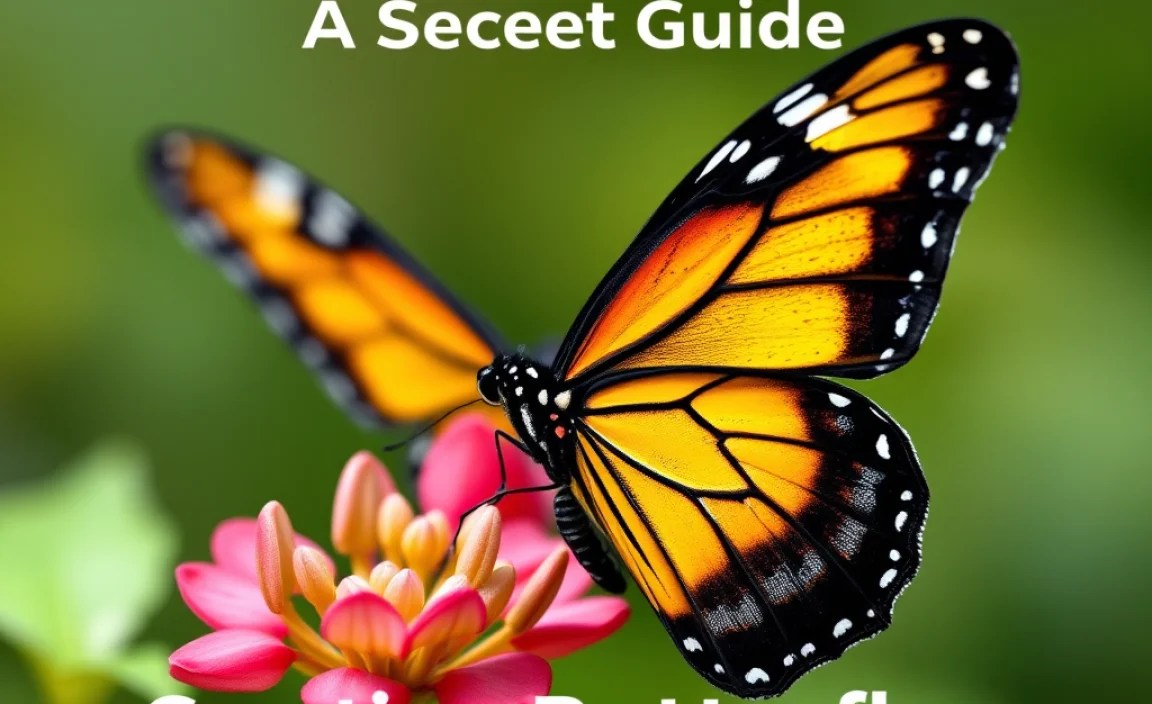
Even if you don’t live in the Sundarbans, you can still contribute to butterfly conservation by creating butterfly-friendly habitats in your own backyard or community.
Planting Native Species
Native plants are the best food sources for butterflies and their caterpillars. Choose plants that are native to your area to provide the most benefit.
Avoiding Pesticides
Pesticides can harm butterflies and other beneficial insects. Avoid using pesticides in your garden, and opt for natural pest control methods instead.
Providing Water Sources
Butterflies need water to survive. Provide a shallow dish of water with pebbles or stones for them to land on.
Creating Shelter
Butterflies need shelter from the elements. Plant trees and shrubs to provide shade and protection from wind and rain.
Butterfly Garden Design Tips
Here are some tips for designing a butterfly garden:
- Choose a sunny location: Butterflies need sunlight to warm their bodies.
- Plant a variety of flowers: Different butterfly species are attracted to different flowers.
- Provide nectar sources: Plant flowers that are rich in nectar to provide food for adult butterflies.
- Provide host plants: Plant host plants that caterpillars can feed on.
- Group plants together: Grouping plants together makes it easier for butterflies to find them.
Table: Butterfly-Friendly Plants for the Sundarbans Region
| Plant Name | Type | Attracts | Notes |
|---|---|---|---|
| Ixora (Ixora coccinea) | Shrub | Many butterfly species | Provides nectar-rich flowers |
| Lantana (Lantana camara) | Shrub | Various butterflies | Easy to grow, attracts many pollinators |
| Hibiscus (Hibiscus rosa-sinensis) | Shrub | Butterflies and hummingbirds | Offers large, colorful flowers |
| Milkweed (Asclepias species) | Herb | Monarch butterflies | Essential host plant for Monarch caterpillars |
| Citrus Trees (Citrus species) | Tree | Lime butterflies | Host plant for caterpillars |
Butterfly Photography in the Sundarbans

Capturing the beauty of butterflies through photography can be a rewarding experience. Here are some tips for photographing butterflies in the Sundarbans.
Essential Equipment for Butterfly Photography
- Camera: A DSLR or mirrorless camera with a macro lens is ideal for capturing close-up shots of butterflies.
- Macro Lens: A macro lens allows you to focus on small subjects and capture intricate details.
- Tripod: A tripod can help stabilize your camera and prevent blurry images, especially in low light conditions.
- Telephoto Lens: A telephoto lens can be useful for photographing butterflies from a distance without disturbing them.
Tips for Capturing Stunning Butterfly Photos
- Be Patient: Butterflies can be elusive, so be patient and wait for the right moment.
- Approach Slowly: Approach butterflies slowly and avoid sudden movements to avoid scaring them away.
- Focus Carefully: Use manual focus to ensure that your images are sharp and detailed.
- Use Natural Light: Natural light is the best for butterfly photography. Avoid using flash, as it can scare butterflies and create harsh shadows.
- Capture Action Shots: Try to capture butterflies in action, such as when they are feeding on nectar or flying.
Ethical Considerations for Wildlife Photography
- Respect Wildlife: Always prioritize the well-being of the butterflies and their habitat.
- Avoid Disturbing Butterflies: Do not touch or handle butterflies, and avoid disturbing their natural behavior.
- Stay on Marked Trails: Stay on marked trails to avoid damaging sensitive habitats.
- Leave No Trace: Pack out everything you pack in, and leave the environment as you found it.
Frequently Asked Questions (FAQ)
Here are some frequently asked questions about the butterflies of the Bangladesh Sundarbans:
- What is the best time to see butterflies in the Sundarbans?
- The best time to see butterflies is during the warmer months, from late spring to early autumn. During this time, the weather is mild, and flowers are in bloom, providing ample food for butterflies.
- Are there any endangered butterfly species in the Sundarbans?
- Yes, some butterfly species in the Sundarbans are threatened due to habitat loss and other factors. Conservation efforts are underway to protect these vulnerable species.
- What do butterflies eat in the Sundarbans?
- Adult butterflies primarily feed on nectar from flowers. Caterpillars feed on the leaves of various plants, depending on the species.
- How can I attract butterflies to my garden?
- You can attract butterflies to your garden by planting native flowers that provide nectar and host plants for caterpillars. Avoid using pesticides, and provide a water source.
- Why are butterflies important to the ecosystem?
- Butterflies are important pollinators, helping to spread pollen from flower to flower. They also serve as a food source for other animals and are indicators of environmental health.
- What should I do if I find an injured butterfly?
- If you find an injured butterfly, you can try to help it by placing it in a safe location and providing it with a sugar-water solution. Contact a local wildlife rehabilitator for further assistance.
- Are butterflies in the Sundarbans poisonous?
- Some butterflies in the Sundarbans are poisonous or toxic, gaining protection from predators through the consumption of specific plants during their larval stage. These toxins make them unpalatable to predators, ensuring their survival. While it’s rare for these butterflies to be harmful to humans, it’s always a good idea to avoid handling them.
Conclusion
Exploring the butterflies of the Bangladesh Sundarbans is a journey into a world of vibrant beauty and ecological importance. From the common species fluttering through the mangroves to the rarer ones facing threats, each butterfly tells a story of resilience and adaptation. By learning to identify these creatures, understanding their role in the ecosystem, and supporting conservation efforts, we can all contribute to protecting these winged jewels for future generations. Whether you’re a seasoned naturalist, a budding photographer, or simply someone who appreciates the wonders of nature, the butterflies of the Sundarbans offer a captivating glimpse into the intricate web of life that makes this region so unique. So, step into the Sundarbans with your eyes open and your heart ready to be amazed by the fluttering beauty that awaits you!


