
Blue Morpho Field Guide: Your FREE ID Guide

Have you ever seen a butterfly with bright blue wings? It might have been a Blue Morpho! These butterflies are beautiful. They live in rainforests. Learning about them is fun. A Blue Morpho field guide can help you. It shows you where they live. It also helps you learn what they eat. Let’s explore the world of these amazing insects!
Have you ever wondered how butterflies get their colors? The Blue Morpho has tiny scales on its wings. These scales reflect light. This makes the wings look bright blue. Wouldn’t it be cool to find one?
Do you want to know more about these butterflies? This article will teach you all about them. We will explore their habitat. We will discover what they eat. You’ll even learn how to spot them. So, grab your Blue Morpho field guide and let’s get started!
Key Takeaways
- Blue Morphos are known for their bright blue, shimmering wings.
- These butterflies live in the rainforests of Central and South America.
- Caterpillars eat many types of leaves, and adults drink tree sap.
- A Blue Morpho field guide helps identify them in their natural habitat.
- They play an important role in their ecosystem as pollinators.
Exploring the Blue Morpho Field Guide
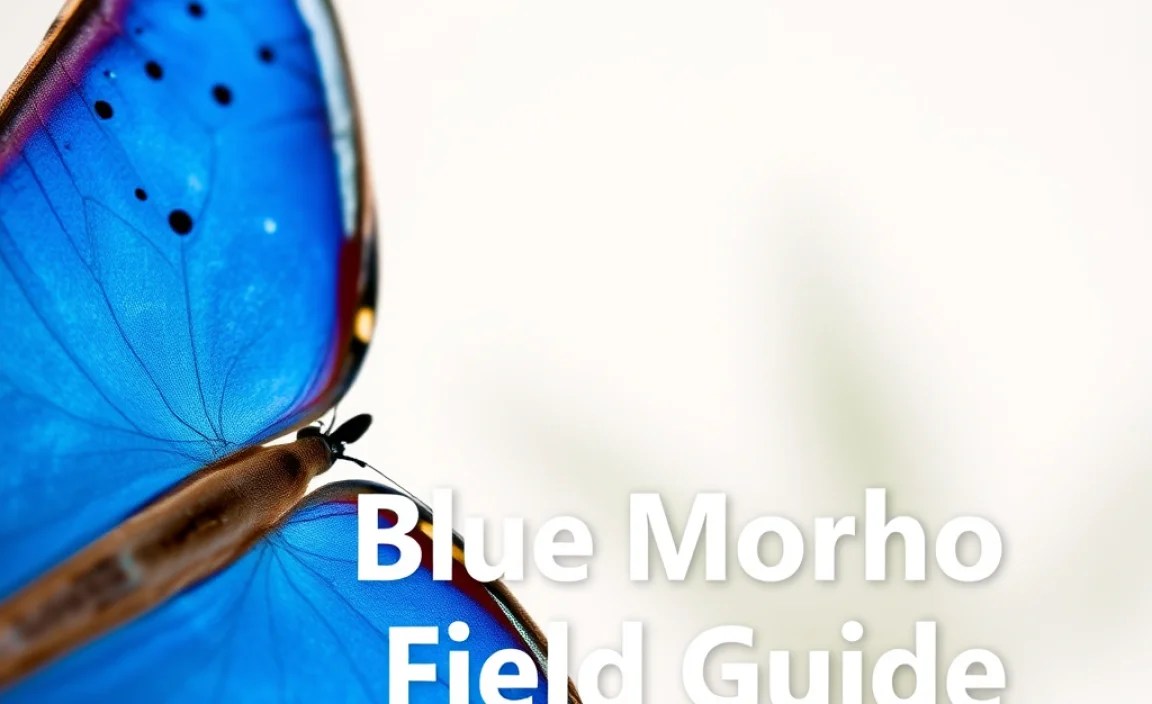
A Blue Morpho field guide is a helpful tool. It can teach you about these amazing butterflies. These guides often have pictures. The pictures show the butterfly at different stages. They show the caterpillar, the chrysalis, and the adult. The guide also tells you where to find them. Blue Morphos live in rainforests. These are warm, wet places with lots of trees. They are found in Central and South America. The guide can also teach you about what they eat. The caterpillars eat leaves. The adult butterflies drink sap from trees. Learning about the Blue Morpho is very exciting. A good field guide can make it even more fun. It can help you become a butterfly expert!
- Field guides show butterfly life stages.
- They explain where Blue Morphos live.
- Guides detail what these butterflies eat.
- They help identify different features.
- Some guides include conservation tips.
Imagine you are walking in a rainforest. You have your Blue Morpho field guide with you. You hear the sounds of birds and monkeys. Suddenly, you see a flash of blue. You quickly look in your guide. You compare the butterfly to the pictures. You realize it is a Blue Morpho! You feel so excited. The field guide helped you identify it. This is why field guides are so useful. They help us learn about the world around us. They make exploring nature even more rewarding. They can also help protect these butterflies.
Fun Fact or Stat: The bright blue color of the Blue Morpho’s wings is caused by tiny scales that reflect light. These scales are arranged in a way that creates the shimmering blue effect.
What Does the Guide Show?
Does a Blue Morpho field guide only show pictures? No, it shows more than that. It shows the different stages of the butterfly’s life. The life cycle starts with an egg. The egg hatches into a caterpillar. The caterpillar eats and grows. Then, it forms a chrysalis. Inside the chrysalis, the caterpillar changes. It becomes a butterfly. The butterfly emerges from the chrysalis. The field guide has pictures of each stage. It also tells you how long each stage lasts. Knowing this helps you understand the butterfly’s life. It also helps you appreciate how amazing nature is. The guide may also tell you how to help protect these butterflies. Protecting their habitat is very important.
Why Is It Called a Field Guide?
Have you ever wondered why it’s called a field guide? The name “field guide” means it’s for using outdoors. You take it with you into the “field.” This could be a forest or a park. The Blue Morpho field guide helps you identify butterflies. You can compare what you see to the pictures in the book. The guide is small and easy to carry. It fits in your backpack. It’s like having a butterfly expert with you. The guide gives you information about the butterfly’s habitat. It tells you where to look for them. It makes your nature walks more fun and educational. So, grab your field guide and explore!
How Accurate Are Field Guides?
How can you trust a Blue Morpho field guide? Most field guides are made by experts. These experts know a lot about butterflies. They study them for many years. They make sure the information is correct. The pictures are also very important. They need to be clear and accurate. Good field guides are updated regularly. This is because scientists learn new things all the time. They might discover a new type of butterfly. Or, they might learn something new about its behavior. So, when you use a field guide, you can be confident. The information is usually very reliable. But it’s always good to check with other sources too.
Identifying Blue Morphos: Field Guide Tips

Using a Blue Morpho field guide can help you identify these butterflies. The most obvious thing is their bright blue color. The top side of their wings is a brilliant, shimmering blue. But the underside is different. It is brown with eye-like spots. These spots help them hide from predators. The field guide will show you these differences. It will also show you the shape of the wings. Blue Morphos have large, broad wings. The guide might also show you the size of the butterfly. They are quite large, with a wingspan of up to eight inches. By looking at all these details, you can be sure you’ve found a Blue Morpho. The field guide is your best friend in the rainforest!
- Note the bright blue color on top.
- Check for brown color underneath.
- Look for eye-like spots for camouflage.
- Observe the large size of the wings.
- Use the guide to compare wing shapes.
- Consider the butterfly’s overall size.
Imagine you are on a nature walk. You think you see a Blue Morpho. You quickly grab your field guide. You carefully compare the butterfly to the pictures. You notice the bright blue color. You also see the brown underside with eye spots. The size and shape of the wings match the guide. You are sure it’s a Blue Morpho! You feel proud of yourself. You used your field guide to identify it correctly. This shows how helpful these guides can be. They give you the tools to explore and learn. Always remember to respect the butterflies’ habitat. Observe them without disturbing them.
Fun Fact or Stat: The underside of the Blue Morpho’s wings has eye spots. These spots scare away predators by making them think the butterfly is a larger animal.
What Are Key Identification Marks?
Want to know the key to identifying a Blue Morpho? First, look for the blue color. It is very bright and shiny. Then, check the underside of the wings. They should be brown with eye spots. The size is also important. Blue Morphos are larger than many other butterflies. Their wingspan can be up to eight inches. The shape of the wings is also unique. They are broad and rounded. A Blue Morpho field guide shows all these features. It helps you learn what to look for. With a little practice, you will become an expert. You’ll be able to spot them easily in the rainforest. Just remember to be patient and observant.
Where Can You Find Them?
Where do Blue Morphos live? They live in rainforests. These rainforests are in Central and South America. Look for them near streams and rivers. They like to fly in sunny spots. They also like areas with lots of trees. The Blue Morpho field guide will tell you specific locations. It might mention certain parks or reserves. It’s important to remember. You should always respect their habitat. Do not disturb the plants or animals. Stay on the trails. Keep a safe distance from the butterflies. Enjoy watching them in their natural environment. This helps protect them for future generations.
How Do They Compare to Other Butterflies?
How can you tell a Blue Morpho from other butterflies? Their bright blue color is a big clue. Many other butterflies are different colors. They might be yellow, orange, or brown. The size is also a good way to tell. Blue Morphos are larger than many other butterflies. Also, look at the shape of the wings. Blue Morphos have broad, rounded wings. Other butterflies might have more pointed wings. The Blue Morpho field guide has pictures of different butterflies. You can compare them side by side. This will help you learn the differences. Remember to look carefully at all the details. This will make you a butterfly expert!
Habitat and Distribution: Blue Morpho Field Guide
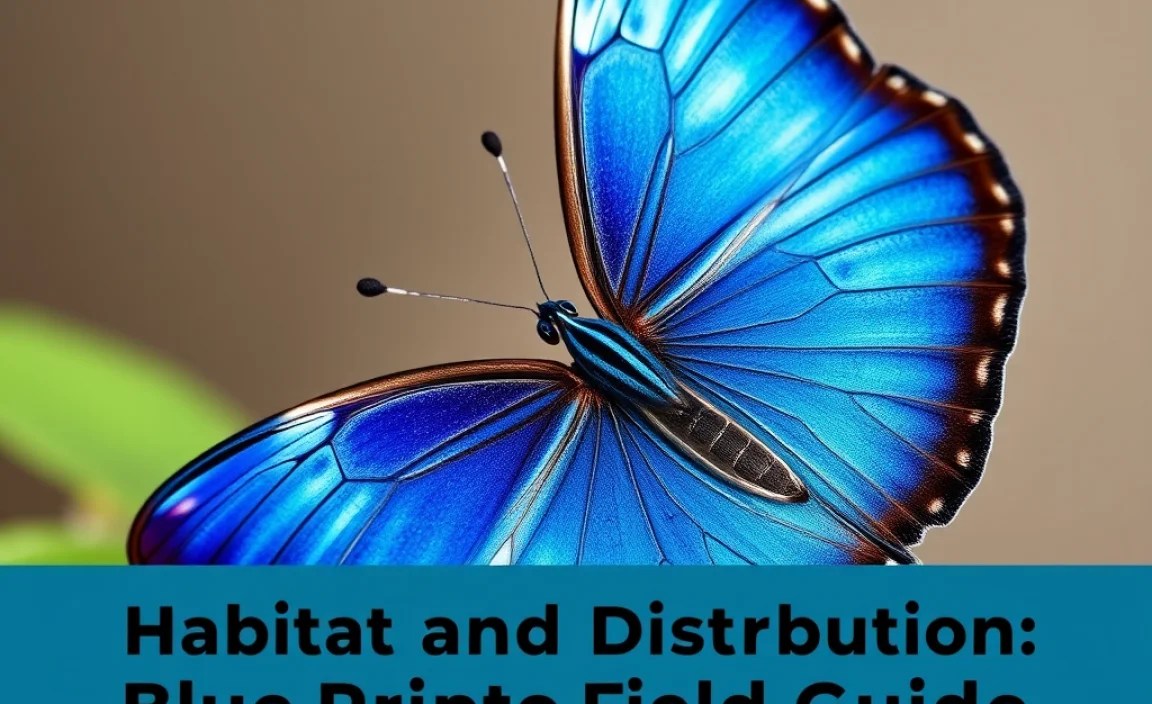
The Blue Morpho field guide tells us about their habitat. These butterflies live in rainforests. Rainforests are warm and wet. They have lots of trees and plants. Blue Morphos are found in Central and South America. They live in countries like Brazil, Costa Rica, and Mexico. The guide will show you a map. The map shows where they live. They like to live near rivers and streams. They also like sunny areas. The caterpillars eat leaves from specific plants. The adults drink sap from trees. They also drink nectar from flowers. Understanding their habitat helps us protect them. We need to protect the rainforests where they live.
- They live in warm, wet rainforests.
- They are found in Central and South America.
- They prefer areas near rivers and streams.
- Caterpillars eat specific plant leaves.
- Adults drink sap and nectar.
Imagine you are an explorer. You are using your Blue Morpho field guide. You are hiking through a rainforest. You are looking for the perfect habitat. You notice the tall trees and thick plants. You hear the sound of running water. You see a sunny clearing. This looks like a good place for Blue Morphos. You carefully scan the trees. Suddenly, you see a flash of blue! You found one! The field guide helped you find the right habitat. This shows how important it is to understand where they live. Protecting their habitat is key to their survival.
Fun Fact or Stat: Blue Morphos are often found near rivers. They need water to survive and to lay their eggs.
What Is Their Ideal Habitat?
What makes a perfect home for a Blue Morpho? They need warm temperatures. They also need lots of rain. The rainforest provides both of these. They need tall trees for shelter. They also need specific plants for food. The caterpillars eat the leaves of these plants. The adults need sap from trees. They also need nectar from flowers. A Blue Morpho field guide will tell you which plants are important. It will also tell you where to find them. Protecting these habitats is very important. We need to make sure they have everything they need to survive. By protecting their habitat, we protect the butterflies.
What Is Their Range?
How far do Blue Morphos travel? They don’t travel very far. They usually stay in the same area. This area is called their range. Their range depends on the availability of food. It also depends on the availability of water. If there is plenty of food and water, they will stay in a small area. If there is not enough food or water, they might travel further. The Blue Morpho field guide might show their range on a map. This helps you understand where they are likely to be found. Remember, they are most common in rainforests. These forests are in Central and South America.
How Does Climate Change Affect Them?
Can climate change hurt Blue Morphos? Yes, it can. Climate change is making the Earth warmer. It is also changing the amount of rainfall. This can affect the rainforests where they live. If the rainforests become too dry, the trees might die. This would mean less food and shelter for the butterflies. The Blue Morpho field guide might talk about climate change. It might suggest ways to help. We can reduce our carbon footprint. We can also support organizations that protect rainforests. By working together, we can help protect these beautiful butterflies. We can make sure they have a home for many years to come.
Life Cycle of the Blue Morpho: A Field Guide View

A Blue Morpho field guide describes their life cycle. It starts with an egg. The female butterfly lays her eggs on a leaf. The egg hatches into a caterpillar. The caterpillar eats and grows. It sheds its skin several times. This is called molting. After a few weeks, the caterpillar forms a chrysalis. The chrysalis is a hard shell. Inside the chrysalis, the caterpillar changes. It becomes a butterfly. This process is called metamorphosis. After a few weeks, the butterfly emerges. The Blue Morpho field guide shows pictures of each stage. It also tells you how long each stage lasts. Understanding their life cycle helps us appreciate them.
- Life cycle starts with an egg.
- Caterpillar eats and grows quickly.
- Caterpillar molts several times.
- Forms a chrysalis to transform.
- Butterfly emerges from chrysalis.
- The cycle repeats.
Imagine you are watching a Blue Morpho life cycle. You see the tiny egg on the leaf. You watch the caterpillar eat and grow. You see it shed its skin. You are amazed when it forms a chrysalis. You wait patiently for the butterfly to emerge. Finally, you see the beautiful blue wings. You are so excited! You learned all about it from your Blue Morpho field guide. This experience shows how amazing nature is. It also shows how important it is to protect these butterflies. By understanding their life cycle, we can help them survive.
Fun Fact or Stat: The caterpillar of the Blue Morpho is not blue. It is usually brown or reddish-brown. This helps it hide from predators.
What Does the Caterpillar Eat?
What is on the menu for a Blue Morpho caterpillar? They eat leaves. But they don’t eat just any leaves. They eat the leaves of specific plants. These plants are often found in rainforests. The Blue Morpho field guide will tell you which plants they prefer. Some of these plants are poisonous to other animals. But the caterpillars can eat them without getting sick. This is because they have special enzymes. These enzymes break down the poison. The caterpillars eat a lot of leaves. They need to grow quickly. They store energy for the next stage of their life cycle. They are very important to the rainforest food web.
How Long Does Each Stage Last?
How long does it take to become a Blue Morpho? The egg stage lasts only a few days. The caterpillar stage lasts a few weeks. During this time, it eats and grows. The chrysalis stage also lasts a few weeks. Inside the chrysalis, the caterpillar transforms. It becomes a butterfly. The adult butterfly lives for a few months. During this time, it mates and lays eggs. The Blue Morpho field guide will give you more specific times. These times can vary depending on the temperature. They also depend on the availability of food. Understanding these times helps us protect them.
What Happens Inside the Chrysalis?
What is the magic inside the chrysalis? Inside, the caterpillar is changing. It is breaking down its body. It is rebuilding itself. It is becoming a butterfly. This process is called metamorphosis. It is one of the most amazing things in nature. The Blue Morpho field guide can explain it. It can show you pictures of the process. The butterfly emerges from the chrysalis. Its wings are wet and crumpled. It takes a few hours for them to dry and harden. Then, the butterfly can fly away. It is ready to start its adult life. This transformation is truly remarkable.
Diet and Feeding Habits: Blue Morpho Field Guide

The Blue Morpho field guide tells us about their diet. The caterpillars and adults eat different things. Caterpillars eat leaves. They eat a lot of leaves. They need to grow big and strong. Adult butterflies drink liquids. They drink sap from trees. They also drink nectar from flowers. They use their long proboscis to suck up the liquids. The proboscis is like a straw. The Blue Morpho field guide might show pictures of them feeding. It will also tell you which plants they prefer. Understanding their diet helps us protect them. We need to make sure they have enough food to survive.
- Caterpillars eat leaves of specific plants.
- Adults drink sap from trees.
- They also drink nectar from flowers.
- Use a long proboscis to suck liquids.
- Diet is essential for survival.
Imagine you are a Blue Morpho. You are hungry. You use your Blue Morpho field guide to find food. If you are a caterpillar, you look for leaves. You find a juicy leaf and start eating. If you are an adult butterfly, you look for sap. You find a tree with sweet sap. You use your proboscis to drink. You also look for flowers with nectar. You fly from flower to flower. You drink the sweet nectar. You are happy and full. The field guide helped you find the perfect meal. This shows how important it is to understand their diet.
Fun Fact or Stat: Adult Blue Morphos cannot eat solid food. They only drink liquids.
What Do Caterpillars Eat?
What is the favorite food of a Blue Morpho caterpillar? They love leaves. But they are picky eaters. They only eat the leaves of certain plants. These plants are often found in rainforests. The Blue Morpho field guide will tell you which plants they prefer. Some of these plants are poisonous to other animals. But the caterpillars can eat them without getting sick. They have special enzymes. These enzymes break down the poison. The caterpillars eat a lot of leaves. They need to grow quickly. They store energy for the next stage of their life cycle. They are very important to the rainforest food web.
How Do Adults Find Food?
How do adult Blue Morphos find their food? They use their eyes. They can see colors and shapes. They look for flowers with bright colors. They also look for trees with sap. They can smell the food from far away. They use their antennae to smell. The Blue Morpho field guide can help you understand how they find food. It can show you pictures of their antennae. It can also explain how they use their eyes. By understanding how they find food, we can help protect them. We can make sure they have enough food to survive.
Why Is Their Diet Important?
Why is their diet so important? Their diet gives them energy. They need energy to fly. They also need energy to mate. The caterpillars need energy to grow. They need energy to transform into butterflies. The Blue Morpho field guide emphasizes the importance of their food sources. If they don’t have enough food, they will die. If they die, the rainforest ecosystem will suffer. They are an important part of the food web. By protecting their food sources, we protect them. We also protect the rainforest ecosystem. Their diet is essential for their survival.
Predators and Defense Mechanisms: Blue Morpho Field Guide
The Blue Morpho field guide explains how they stay safe. Blue Morphos have predators. Birds and lizards like to eat them. But Blue Morphos have ways to defend themselves. One way is their color. The bright blue color scares some predators. The underside of their wings is brown. It has eye spots. These eye spots confuse predators. They think the butterfly is a bigger animal. Blue Morphos also fly quickly. They can escape from predators. The Blue Morpho field guide can show you pictures of their defense mechanisms. It can also tell you how they avoid predators. Understanding their defense mechanisms helps us protect them.
- Bright blue color can scare predators.
- Eye spots confuse predators.
- Quick flight helps them escape.
- Camouflage hides them.
- They often fly in groups.
Imagine you are a Blue Morpho. A bird is chasing you. You use your Blue Morpho field guide to remember your defenses. You flash your bright blue wings. This scares the bird for a moment. You turn your wings over. The eye spots confuse the bird. You fly quickly and erratically. The bird cannot catch you. You escape! The field guide helped you remember how to stay safe. This shows how important it is to understand their defense mechanisms. By knowing how they protect themselves, we can help them survive.
| Predator | Defense Mechanism |
|---|---|
| Birds | Bright blue color, eye spots, quick flight |
| Lizards | Camouflage, quick flight |
| Spiders | Avoiding webs, quick flight |
| Monkeys | Flying high in the trees |
Fun Fact or Stat: Blue Morphos often fly in groups. This makes it harder for predators to target a single butterfly.
How Do They Avoid Predators?
What are the tricks Blue Morphos use to avoid danger? They use their color. The bright blue can startle predators. They use their eye spots. The eye spots make them look bigger. They fly quickly and erratically. This makes it hard for predators to catch them. They also use camouflage. The brown underside of their wings helps them blend in. The Blue Morpho field guide describes these techniques in detail. It emphasizes their importance. By using these techniques, they increase their chances of survival. They are masters of defense.
Why Are They Vulnerable?
Why are Blue Morphos sometimes in danger? They are vulnerable because of habitat loss. Rainforests are being destroyed. This means they have less food and shelter. They are also vulnerable to pollution. Pollution can harm their food sources. The Blue Morpho field guide explains these threats. It emphasizes the need for conservation. We need to protect their habitat. We also need to reduce pollution. By addressing these threats, we can help them survive. They are a vital part of the rainforest ecosystem.
What Can We Do to Help?
How can we help protect Blue Morphos? We can protect their habitat. We can support organizations that protect rainforests. We can reduce our carbon footprint. This helps slow down climate change. The Blue Morpho field guide might suggest other actions. It might suggest planting native plants. These plants provide food for the caterpillars. It might suggest reducing pesticide use. Pesticides can harm the butterflies. By taking these actions, we can make a difference. We can help ensure that Blue Morphos thrive for generations to come. Every little bit helps.
Conservation Status and Efforts: Blue Morpho Field Guide
The Blue Morpho field guide often discusses conservation. Are Blue Morphos in danger? They are not currently endangered. But they face threats. Habitat loss is a big threat. Rainforests are being destroyed for farming and logging. Pollution is also a threat. Pesticides can harm the butterflies. Climate change is another threat. It can change their habitat. Conservation efforts are important. These efforts help protect the butterflies. The Blue Morpho field guide might suggest ways to help. It might suggest supporting conservation organizations. It might suggest reducing your carbon footprint. Every little bit helps.
- Habitat loss is a major threat.
- Pollution can harm them.
- Climate change affects their habitat.
- Conservation efforts are vital.
- Support organizations that protect them.
- Reduce your carbon footprint.
Imagine you are a conservationist. You are using your Blue Morpho field guide. You are working to protect the butterflies. You are planting trees to restore their habitat. You are educating people about the importance of rainforests. You are reducing pollution. You are making a difference! The field guide helps you understand the threats they face. It also helps you understand how to protect them. This shows how important conservation efforts are. By working together, we can ensure their survival. They are a treasure of the rainforest.
Fun Fact or Stat: Many organizations are working to protect rainforests. These organizations help protect Blue Morphos and other rainforest animals.
What Are the Main Threats?
What dangers do Blue Morphos face? The biggest threat is habitat loss. Rainforests are being destroyed for farming and logging. This means they have less food and shelter. Pollution is also a threat. Pesticides can harm the butterflies. Climate change is another threat. It can change their habitat. The Blue Morpho field guide explains these threats in detail. It emphasizes the need for action. We must protect their habitat. We must reduce pollution. We must slow down climate change. By addressing these threats, we can help them survive.
What Conservation Efforts Are in Place?
What is being done to help Blue Morphos? Many organizations are working to protect rainforests. They are planting trees. They are educating people. They are working to reduce pollution. Some organizations are also breeding Blue Morphos. They release them into the wild. The Blue Morpho field guide might describe these efforts. It emphasizes the importance of supporting them. By supporting these efforts, we can make a difference. We can help ensure their survival. They are a treasure of the rainforest.
How Can Individuals Help?
What can you do to help Blue Morphos? You can support organizations that protect rainforests. You can reduce your carbon footprint. You can educate others about the importance of conservation. You can plant native plants in your garden. These plants can provide food for the caterpillars. You can reduce pesticide use. Pesticides can harm the butterflies. The Blue Morpho field guide might suggest other actions. It emphasizes that every little bit helps. By taking these actions, you can make a difference. You can help ensure their survival. They are a treasure of the rainforest.
Summary
The Blue Morpho is a beautiful butterfly. It lives in the rainforests of Central and South America. A Blue Morpho field guide is a great tool for learning about them. It helps you identify them. It also tells you about their habitat, diet, and life cycle. The caterpillars eat leaves. The adults drink sap and nectar. They have predators, but they also have defenses. They are not currently endangered. But they face threats like habitat loss and pollution. Conservation efforts are important to protect them.
You can help by supporting conservation organizations. You can also reduce your carbon footprint. Learning about these butterflies is fun and important. A good Blue Morpho field guide can make it even more rewarding. So, grab your guide and start exploring the world of these amazing insects! Remember to respect their habitat and do your part to protect them.
Conclusion
Blue Morphos are amazing butterflies. They have bright blue wings. They live in rainforests. Learning about them is fun. A Blue Morpho field guide can help you. You can learn about their life cycle. You can also learn about their habitat. It is important to protect them. We must protect their rainforest home. Everyone can help. We can make a difference. Let’s all work together. We can ensure they thrive for years to come.
Frequently Asked Questions
Question No 1: What does a Blue Morpho butterfly eat?
Answer: Blue Morpho caterpillars eat leaves. They eat the leaves of specific plants found in rainforests. Adult butterflies have a different diet. They drink liquids. They drink sap from trees. They also drink nectar from flowers. They use a long, straw-like tongue called a proboscis to suck up the liquids. Their diet is very important for their survival and the Blue Morpho field guide details which food sources are vital to the species.
Question No 2: Where do Blue Morpho butterflies live?
Answer: Blue Morpho butterflies live in rainforests. These rainforests are in Central and South America. They live in countries like Brazil, Costa Rica, and Mexico. They like warm, wet environments. They are often found near rivers and streams. The Blue Morpho field guide has maps that show their range. These butterflies need rainforests to survive. It’s important to protect these habitats. By protecting rainforests, we help protect Blue Morphos.
Question No 3: How can I identify a Blue Morpho butterfly?
Answer: Identifying a Blue Morpho is easy! Look for the bright blue color on the top of their wings. The underside of their wings is brown. It has eye-like spots. These spots help them hide from predators. They are also large butterflies. Their wings can be up to eight inches wide. A Blue Morpho field guide has pictures and descriptions. These will help you identify them correctly. Remember to be respectful when observing them. Do not disturb their habitat.
Question No 4: Are Blue Morpho butterflies endangered?
Answer: Blue Morpho butterflies are not currently endangered. However, they face threats. Habitat loss is a major concern. Rainforests are being destroyed. Pollution can also harm them. Climate change can affect their habitat. It’s important to support conservation efforts. These efforts help protect them. By working together, we can help ensure their survival. The Blue Morpho field guide may include conservation tips.
Question No 5: What is the life cycle of a Blue Morpho butterfly?
Answer: The Blue Morpho butterfly goes through four stages. First, the female lays an egg. The egg hatches into a caterpillar. The caterpillar eats and grows. Then, it forms a chrysalis. Inside the chrysalis, it transforms into a butterfly. The butterfly emerges. It flies off to mate and lay eggs. The Blue Morpho field guide includes details about each stage. The guide also includes images of the different stages of life.
Question No 6: How can I help protect Blue Morpho butterflies?
Answer: There are many ways to help! You can support organizations that protect rainforests. You can reduce your carbon footprint. This helps slow down climate change. You can educate others about the importance of conservation. You can also plant native plants in your garden. These plants provide food for the caterpillars. The Blue Morpho field guide may suggest other actions you can take. Even small actions can make a big difference. Let’s work together to protect these amazing butterflies.


