
Blue Morpho Best Photo Times: Secret Revealed!

Have you ever seen a butterfly so blue it looks like the sky? That might have been a Blue Morpho! These butterflies are famous for their bright, shiny wings. Taking their picture can be tricky. What are the Blue Morpho best photo times? Let’s find out how to capture these beauties on camera.
Key Takeaways
- Understanding Blue Morpho best photo times helps you get stunning pictures.
- Mornings often provide soft, ideal light for photographing butterflies.
- Look for Blue Morphos in rainforests and tropical areas.
- Using a camera with a fast shutter speed is very useful.
- Patience is key; these butterflies are always on the move.
Understanding Blue Morpho Best Photo Times

Do you know why the Blue Morpho’s wings are so blue? It’s not from pigment like paint. The color comes from tiny structures on their wings. These structures reflect light in a special way. This makes them shimmer! Capturing this shimmer in a photo needs the right light. The Blue Morpho best photo times are usually when the light is soft. Harsh sunlight can wash out the color. Early morning or late afternoon often works best. These times give you gentle light. Gentle light shows off the butterfly’s color. It also helps to avoid strong shadows. You will want to capture every detail of this fantastic creature. So, plan your photoshoot accordingly!
- Soft light is best for showing the blue color.
- Avoid taking photos in direct sunlight.
- Early morning and late afternoon are ideal.
- Look for days with some cloud cover.
- Use a diffuser if the sun is too bright.
Imagine you are a photographer waiting for the perfect shot. You are in a rainforest. It is early morning. The air is humid. The sun is just starting to peek through the trees. A Blue Morpho lands on a leaf. Its wings flash blue. You raise your camera. You click! The soft light makes the blue glow. You got the perfect picture! Knowing the Blue Morpho best photo times can make moments like these possible. This knowledge helps you plan your trip. It also helps you set up your camera. Then you can capture the beauty of these amazing butterflies.
Fun Fact or Stat: Blue Morpho butterflies can have a wingspan of up to 8 inches!
Why Morning Light Works Best
Have you ever noticed how the world looks different in the morning? The light is softer and warmer. This is because the sun is lower in the sky. The atmosphere scatters the light. This reduces harsh shadows. For photographing Blue Morphos, morning light is fantastic. It brings out the vibrant blue color. The butterfly’s wings shimmer. This light makes the colors pop. So, why does morning light work so well? The answer lies in how light interacts with the butterfly’s wings. Morning light is gentler. It does not overpower the delicate structures that create the blue color. It’s a perfect time to capture the butterfly.
How Clouds Can Help
Imagine you are trying to take a picture of something shiny. Direct sunlight can create glare. This glare can ruin your photo. Clouds act like a giant softbox. They diffuse the sunlight. This means the light spreads out evenly. There are no harsh shadows. For Blue Morphos, cloudy days can be great for photos. The clouds soften the light. This brings out the true blue color. It also reduces the glare on their wings. So, don’t be disappointed if it’s cloudy. It might be the perfect day for butterfly photos! Do you know how clouds diffuse light?
Best Time of Day for Blue Morpho Photos
So, when is the Blue Morpho best photo time of day? The golden hours are your best bet. These are the hours right after sunrise. They are also the hours right before sunset. During these times, the light is soft. It is also warm. This light enhances the butterfly’s colors. Midday sun can be too harsh. It can wash out the colors. Early morning gives you soft, gentle light. This is perfect for capturing the Blue Morpho’s beauty. Late afternoon also works well. The key is to avoid the bright, direct sunlight.
Locations for Finding Blue Morphos
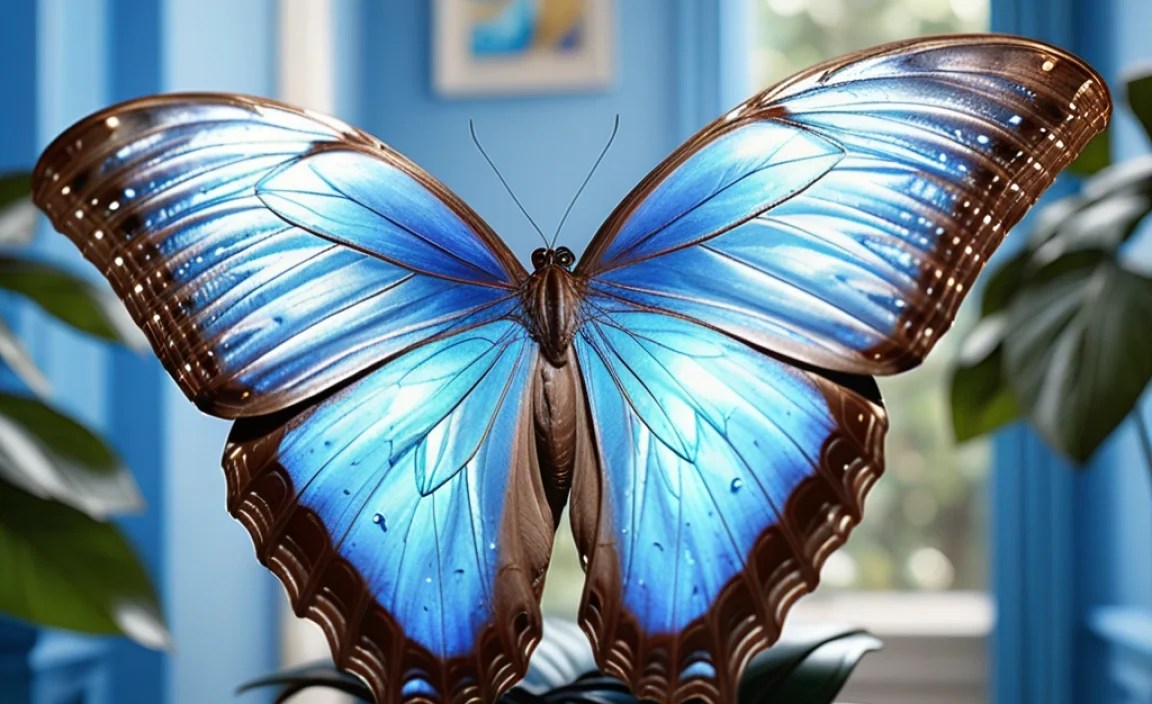
Where do Blue Morphos live? These butterflies love warm, wet places. They are found in rainforests. They live in tropical areas. Central and South America are their homes. Countries like Brazil, Costa Rica, and Mexico have them. To find them, you need to go to these regions. Look for them near rivers. They also like areas with lots of plants. Knowing where to look increases your chances. It helps you capture amazing photos. The Blue Morpho best photo times are useless if you are not where the butterflies are. So, plan your trip wisely.
- Blue Morphos live in rainforests.
- They are found in Central and South America.
- Costa Rica and Brazil are good places to look.
- Look near rivers and streams.
- Tropical areas with lots of plants are ideal.
Think about planning a trip to Costa Rica. You want to photograph Blue Morphos. You research the best locations. You find a rainforest reserve. The reserve is known for its butterfly population. You book your trip. You pack your camera. You arrive at the reserve early in the morning. The guide knows the best spots. You follow him. Suddenly, you see it. A Blue Morpho flits by. Its wings flash blue. You raise your camera. You capture the moment. Knowing the right locations helps you find these beautiful creatures.
Fun Fact or Stat: Blue Morphos taste with sensors on their feet!
Specific Countries to Visit
If you want to see Blue Morphos, certain countries are better. Costa Rica is famous for its rainforests. Brazil has large areas of tropical habitat. Mexico also has Blue Morphos. Panama is another good choice. These countries have protected areas. These areas help to conserve butterflies. They also offer guided tours. These tours help you find the best spots. So, consider these countries when planning your trip. Do you want to visit any of these countries?
Habitats Where They Thrive
Blue Morphos thrive in specific habitats. They love rainforests. These forests have high humidity. They also have lots of plants. The butterflies need these plants. They feed on the nectar. They also lay their eggs on the leaves. Look for areas with dense vegetation. Streams and rivers attract them too. These habitats provide everything they need. So, focus your search on these areas. Have you ever been to a rainforest?
Reserves and Sanctuaries
Many reserves and sanctuaries protect Blue Morphos. These places are great for photography. They offer safe habitats. They also have knowledgeable guides. These guides can help you find the butterflies. Some reserves even have butterfly gardens. These gardens attract Blue Morphos. They make it easier to photograph them. Research reserves in the countries you plan to visit. This can increase your chances of success. Do you know of any butterfly sanctuaries?
Camera Settings for Blue Morpho Photography
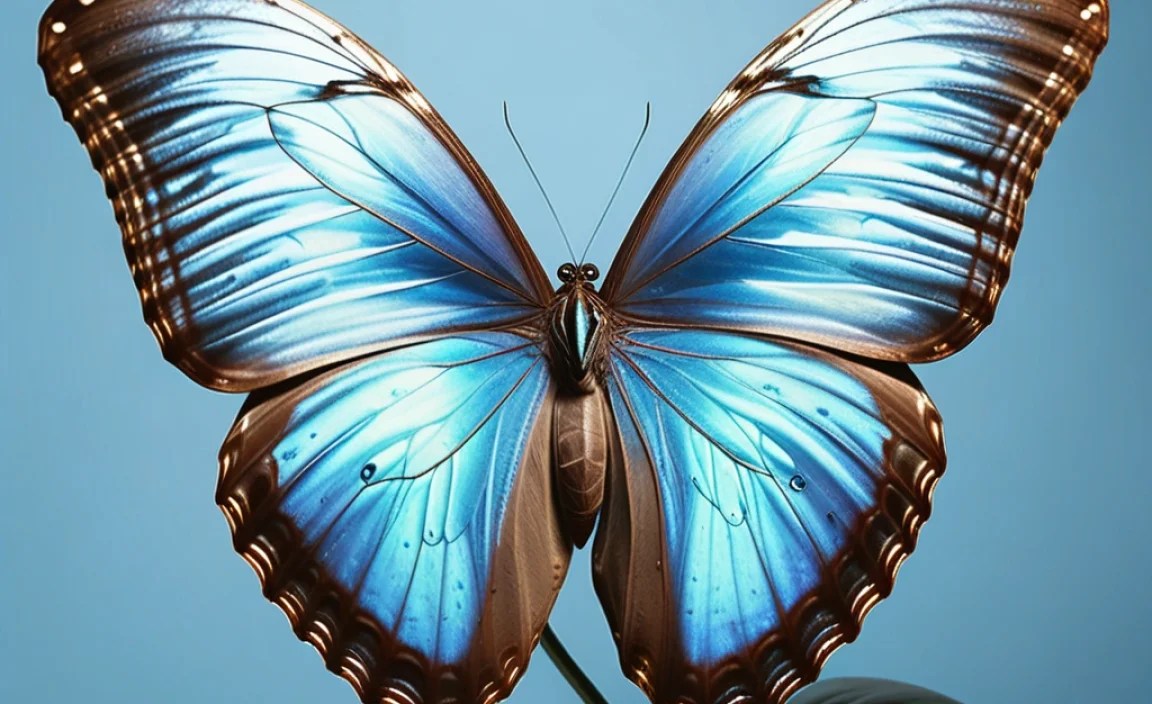
Getting the right camera settings is important. You need a fast shutter speed. This helps you freeze the butterfly’s motion. Blue Morphos move quickly. A slow shutter speed will blur the image. Use a wide aperture for a shallow depth of field. This makes the butterfly stand out. It blurs the background. Adjust your ISO based on the light. Keep it low to reduce noise. Experiment with different settings. See what works best in different conditions. Remember, the Blue Morpho best photo times can vary. So, adjust your settings accordingly.
- Use a fast shutter speed to freeze motion.
- A wide aperture creates a shallow depth of field.
- Keep ISO low to reduce noise.
- Adjust settings based on the light.
- Experiment to find what works best.
Imagine you are setting up your camera. You know Blue Morphos move fast. You set your shutter speed to 1/500th of a second. This will freeze their wings. You want the butterfly to be sharp. You set a wide aperture. This will blur the background. You check the light. It’s a bit dim. You raise your ISO slightly. You take a test shot. It looks good! You are ready for the Blue Morpho. Understanding your camera settings makes a big difference.
Fun Fact or Stat: The underside of a Blue Morpho’s wings is brown with eye spots!
Shutter Speed Tips
Shutter speed is how long the camera’s sensor is exposed to light. For Blue Morphos, use a fast shutter speed. This will freeze their wings. Start with 1/500th of a second. Increase it if needed. If the butterfly is still blurry, go faster. A faster shutter speed needs more light. So, adjust your ISO if needed. Do you know how shutter speed affects your photos?
Aperture and Depth of Field
Aperture controls how much light enters the camera. It also affects depth of field. A wide aperture (like f/2.8) creates a shallow depth of field. This means only a small part of the image is in focus. This is great for isolating the butterfly. A narrow aperture (like f/8) creates a large depth of field. This means more of the image is in focus. Experiment with different apertures. See what works best for your shot. Do you know what aperture is?
ISO Considerations
ISO measures the sensitivity of your camera’s sensor to light. A low ISO (like 100) is best in bright light. It produces the cleanest images. A high ISO (like 3200) is for low light. It can introduce noise. Noise makes the image look grainy. Try to keep your ISO as low as possible. Adjust it only when needed. Remember, the Blue Morpho best photo times will affect your ISO.
Essential Gear for Blue Morpho Photography
Having the right gear can make a big difference. A good camera is essential. A macro lens lets you get close. It captures details. A telephoto lens helps you shoot from a distance. A tripod stabilizes your camera. This is important for sharp images. A flash can add light. But use it carefully. A diffuser softens the flash. It prevents harsh shadows. Don’t forget extra batteries. You don’t want to run out of power. The Blue Morpho best photo times might be short. So, be prepared.
- A good camera is essential.
- A macro lens captures details.
- A telephoto lens helps shoot from afar.
- A tripod stabilizes the camera.
- Extra batteries are a must.
Imagine you are heading out to photograph Blue Morphos. You pack your camera bag. You include your macro lens. You also pack your telephoto lens. You grab your tripod. You check your batteries. They are fully charged. You add a flash and diffuser. You are ready for anything. Having the right gear makes you confident. It helps you capture the best shots. You will get the perfect picture of a Blue Morpho.
Fun Fact or Stat: Blue Morphos are iridescent. This means their color changes depending on the angle you view them from.
Cameras and Lenses
Choose a camera with good image quality. A DSLR or mirrorless camera is a good choice. A macro lens is great for close-ups. It lets you capture fine details. A telephoto lens lets you shoot from a distance. This is helpful if the butterflies are shy. Consider a zoom lens for flexibility. Do you know what kind of camera you want?
Tripods and Stabilizers
A tripod is a must for sharp images. It keeps your camera steady. This is especially important in low light. It also helps when using a long lens. Look for a lightweight tripod. This makes it easier to carry. A monopod is another option. It provides some stability. It is also more portable than a tripod. Have you ever used a tripod?
Flashes and Diffusers
A flash can add light to your photos. But it can also create harsh shadows. A diffuser softens the light. It makes it more natural. Use a flash sparingly. Natural light is often best. If you use a flash, experiment with different settings. See what works best for the butterfly. Do you know how to use a flash?
Techniques for Capturing the Perfect Shot

Patience is key when photographing Blue Morphos. These butterflies are always moving. Approach them slowly and quietly. Avoid sudden movements. This might scare them away. Focus carefully on the butterfly. Use manual focus if needed. This gives you more control. Take lots of photos. Increase your chances of getting a good one. Look for interesting compositions. Try different angles. The Blue Morpho best photo times are fleeting. So, be ready to shoot.
- Be patient and quiet.
- Approach slowly and carefully.
- Focus carefully on the butterfly.
- Take lots of photos.
- Experiment with different angles.
Imagine you are stalking a Blue Morpho. You move slowly. You avoid sudden movements. You hold your breath. The butterfly lands on a flower. You focus carefully. You take a burst of photos. You change your angle slightly. You take more photos. You are patient. You know the perfect shot is coming. Your patience pays off. You capture an amazing photo.
Fun Fact or Stat: Male Blue Morphos are more brightly colored than females.
Patience and Observation
Photographing Blue Morphos requires patience. These butterflies are not always cooperative. They may fly away quickly. They may hide in the shadows. Observe their behavior. Learn their patterns. This helps you predict their movements. Be patient. Wait for the right moment. Do you have the patience to photograph butterflies?
Focusing Techniques
Accurate focus is essential. Use autofocus if it works well. But manual focus gives you more control. This is especially important for macro shots. Focus on the butterfly’s eyes. This makes the photo more engaging. Experiment with different focus points. See what looks best. Do you prefer autofocus or manual focus?
Composition Tips
Composition is how you arrange elements in your photo. Use the rule of thirds. Place the butterfly off-center. This creates a more interesting image. Look for leading lines. These lines draw the viewer’s eye. Experiment with different angles. Try shooting from below. Or shoot from above. Do you know the rule of thirds?
Post-Processing Tips for Blue Morpho Photos
Post-processing can enhance your Blue Morpho photos. Adjust the exposure to brighten the image. Increase the contrast to make the colors pop. Adjust the white balance to correct color casts. Sharpen the image to bring out details. Remove any distractions. Crop the image for a better composition. Use these tools carefully. Don’t overdo it. The goal is to enhance the natural beauty. Even with the Blue Morpho best photo times, you might need to edit.
- Adjust exposure to brighten the image.
- Increase contrast to make colors pop.
- Adjust white balance to correct colors.
- Sharpen the image to bring out details.
- Crop the image for better composition.
Imagine you are sitting at your computer. You are editing your Blue Morpho photos. You adjust the exposure slightly. You increase the contrast. The blue color pops. You sharpen the image. The details are amazing. You crop the image. The composition is perfect. You save the photo. You are proud of your work. Post-processing can transform a good photo into a great one.
Fun Fact or Stat: Blue Morpho caterpillars are cannibalistic. They sometimes eat each other!
Exposure and Contrast
Exposure controls the brightness of your image. Adjust it to make the photo brighter or darker. Contrast is the difference between the light and dark areas. Increasing contrast makes the colors more vibrant. Be careful not to overdo it. Too much contrast can look unnatural. Do you know how to adjust exposure?
White Balance and Color Correction
White balance corrects color casts. Different light sources have different colors. Adjust the white balance to make the colors accurate. Color correction can enhance specific colors. This can make the butterfly’s blue color more vibrant. But be careful not to overdo it. The goal is to enhance the natural colors. Do you know what white balance is?
Sharpening and Noise Reduction
Sharpening brings out details in your image. But too much sharpening can create artifacts. Noise reduction reduces graininess in your image. But too much noise reduction can make the image look soft. Use these tools carefully. Zoom in to check the details. Do you know how to sharpen an image?
Table: Blue Morpho Photography Gear Comparison
| Gear | Pros | Cons | Best Use |
|---|---|---|---|
| Macro Lens | Captures fine details, close-up shots | Limited depth of field, requires close proximity | Detailed shots of butterfly wings and features |
| Telephoto Lens | Shoots from a distance, good for shy butterflies | Can be heavy, requires stable support | Capturing butterflies in their natural habitat |
| Tripod | Stabilizes camera, reduces blur | Can be bulky, limits mobility | Low light conditions, long exposures |
| Flash with Diffuser | Adds light, reduces shadows | Can create harsh light, requires careful adjustment | Overcoming poor lighting, fill-in light |
Summary
Photographing Blue Morphos can be challenging. But it is also rewarding. Understanding the Blue Morpho best photo times is crucial. Soft light, like in the early morning, works best. Knowing the right locations helps you find them. Rainforests in Central and South America are ideal. Using the right camera settings is important. A fast shutter speed freezes their motion. A macro lens captures the details. A telephoto lens shoots from a distance.
Patience is key. Approach them slowly and quietly. Take lots of photos. Experiment with different angles. Post-processing can enhance your photos. Adjust the exposure and contrast. Sharpen the image. By following these tips, you can capture stunning photos of these beautiful butterflies. Remember, the goal is to capture their natural beauty.
Conclusion
Blue Morpho butterflies are truly amazing creatures. Their vibrant blue wings make them a joy to photograph. Knowing the best times and techniques helps. You can capture stunning images of these beauties. Remember to be patient. Use the right gear. Adjust your camera settings. Post-process your photos carefully. With practice, you can master the art of Blue Morpho photography. Knowing the Blue Morpho best photo times gives you a head start. Now go out there and capture some amazing shots!
Frequently Asked Questions
Question No 1: What is the best time of day to photograph Blue Morpho butterflies?
Answer: The Blue Morpho best photo times are generally in the early morning or late afternoon. During these times, the light is softer and more diffused. This soft light helps to bring out the vibrant blue color of their wings. Avoid midday sun. Midday sun can be too harsh and create strong shadows. Also it can wash out the colors. Early morning or late afternoon light enhances the butterfly’s natural beauty. It makes your photos look more stunning. So, wake up early or plan an afternoon shoot for the best results.
Question No 2: What camera settings should I use for Blue Morpho photography?
Answer: When photographing Blue Morpho butterflies, use a fast shutter speed. A fast shutter speed is essential to freeze their rapid wing movements. A shutter speed of 1/500th of a second or faster is recommended. Use a wide aperture. A wide aperture (like f/2.8 or f/4) creates a shallow depth of field. This helps to isolate the butterfly from the background. Adjust your ISO based on the light. Keep it as low as possible to minimize noise. Experiment with different settings to see what works best in your specific situation. Remember, the Blue Morpho best photo times may require different settings.
Question No 3: Where can I find Blue Morpho butterflies to photograph?
Answer: Blue Morpho butterflies are found in rainforests and tropical areas of Central and South America. Countries like Costa Rica, Brazil, and Panama are good places to look. Look for them near rivers and streams. These areas provide the humidity and vegetation they need. Butterfly gardens and reserves are also great places to find them. These gardens often attract Blue Morphos. Remember to respect their habitat. Avoid disturbing them. With a little research, you can find the perfect location. You will capture stunning photos of these beautiful butterflies. Knowing the Blue Morpho best photo times is useful anywhere.
Question No 4: What equipment do I need for Blue Morpho photography?
Answer: For Blue Morpho photography, a good camera is essential. A DSLR or mirrorless camera is a good choice. A macro lens is great for capturing close-up details of their wings. A telephoto lens can help you shoot from a distance. A tripod is useful for stabilizing your camera. This is especially important in low light. A flash with a diffuser can add light. It also softens shadows. Don’t forget extra batteries. You don’t want to run out of power during the Blue Morpho best photo times. Having the right gear can make a big difference. You will capture amazing photos.
Question No 5: How can I improve my Blue Morpho photos in post-processing?
Answer: Post-processing can greatly enhance your Blue Morpho photos. Adjust the exposure to brighten the image. Increase the contrast to make the colors pop. Adjust the white balance to correct any color casts. Sharpen the image to bring out the details. Remove any distractions. Crop the image for a better composition. Use these tools carefully. Don’t overdo it. The goal is to enhance the natural beauty of the butterfly. Even if you shoot during the Blue Morpho best photo times, post-processing can help.
Question No 6: What are some tips for approaching Blue Morpho butterflies without scaring them?
Answer: Approaching Blue Morpho butterflies requires patience and care. Move slowly and quietly. Avoid sudden movements. These movements can scare them away. Observe their behavior. Learn their patterns. This will help you predict their movements. Avoid getting too close. Use a telephoto lens if necessary. Be respectful of their habitat. Don’t disturb them. By being patient and careful, you can get close enough to capture amazing photos. Even the Blue Morpho best photo times are useless if you scare them away.


