
Glasswing Adult Size: Find Your Perfect Fit!

The adult glasswing butterfly (Greta oto) typically has a wingspan of around 5.6 to 6.1 cm (2.2 to 2.4 inches). Their most distinguishing feature is their transparent wings, bordered with a dark brown or orange-red color. This remarkable adaptation helps them camouflage in their natural habitat, the rainforests of Central and South America.
Have you ever wondered how big a glasswing butterfly truly is? It’s a common question! Many people are fascinated by these butterflies with their see-through wings. It can be tricky to imagine their size just from pictures. You might also be curious about how their size relates to their unique ability to blend into their surroundings. Don’t worry; understanding the size of a glasswing butterfly is easy! We’ll explore their dimensions and how they use their transparent wings to thrive in the rainforest.
In this article, we’ll cover everything you need to know about the glasswing butterfly’s size and fascinating characteristics, including:
- The average wingspan of an adult glasswing butterfly.
- How their transparent wings aid in camouflage.
- The glasswing butterfly’s habitat and distribution.
Understanding the Glasswing Butterfly’s Size

Let’s dive into the details of the glasswing butterfly’s size. Knowing these measurements can help you appreciate these delicate creatures even more.
Average Wingspan
The wingspan is the measurement from the tip of one wing to the tip of the other when the butterfly’s wings are fully extended. For the glasswing butterfly, this typically ranges from 5.6 to 6.1 cm (2.2 to 2.4 inches). This makes them a medium-sized butterfly, easily noticeable yet still delicate.
Think of it this way: their wingspan is about the same length as a credit card! This measurement is a good reference point for imagining their actual size.
Body Length
While the wingspan is a key measurement, the body length is also important. The body of the glasswing butterfly is relatively small, typically around 2 to 3 cm (0.8 to 1.2 inches). This compact body size contributes to their agility and maneuverability in flight.
Weight
Glasswing butterflies are incredibly lightweight, which aids in their flight and camouflage. While precise weight measurements can be difficult to obtain, they are among the lighter butterfly species. Their delicate structure allows them to flutter effortlessly through the rainforest canopy.
The Secret Behind Transparent Wings
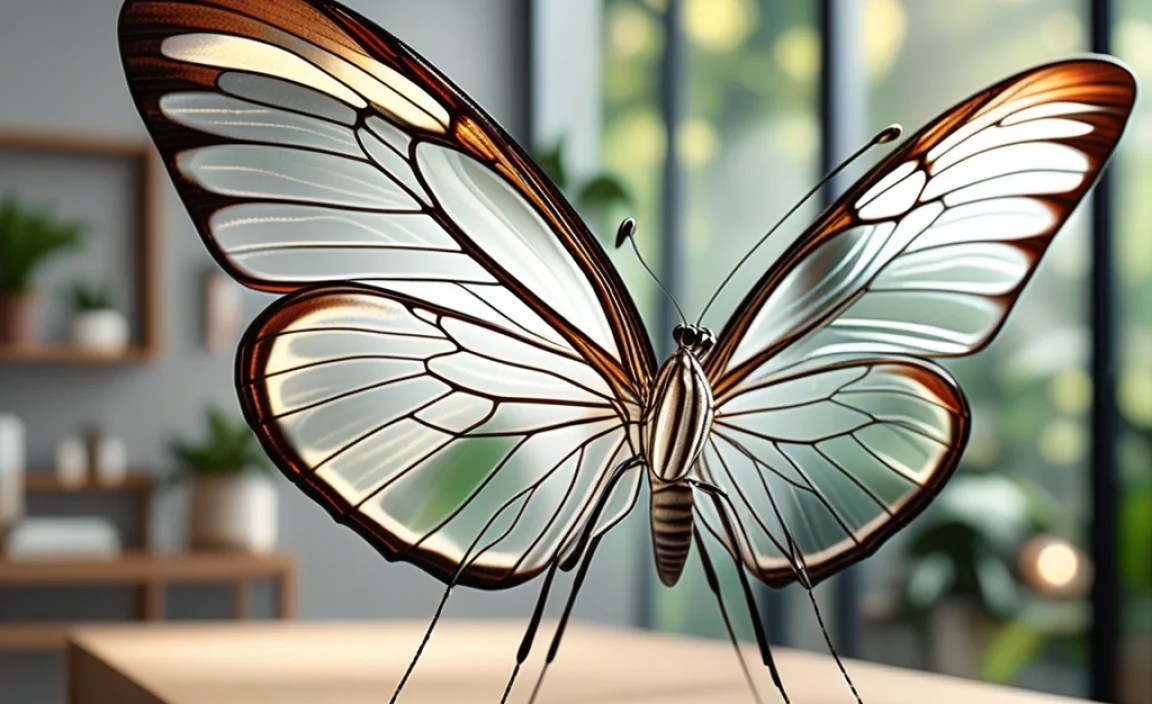
The glasswing butterfly’s most iconic feature is its transparent wings. But how does this transparency work, and what purpose does it serve?
How Transparency Works
Unlike most butterflies, the glasswing butterfly’s wings lack the colorful scales that create vibrant patterns. Instead, their wings have specialized structures that minimize light reflection and scattering. This is achieved through:
- Nanostructures: Tiny structures on the wing surface reduce reflection.
- Scale Arrangement: Sparse and irregular scale arrangement minimizes light scattering.
These unique adaptations allow light to pass through the wings, creating a transparent effect.
Camouflage and Survival
Transparency is a brilliant camouflage strategy. The glasswing butterfly blends seamlessly into its environment, making it difficult for predators to spot them. This camouflage is particularly effective in the dappled light of the rainforest understory.
Here’s how transparency aids in survival:
- Predator Avoidance: Transparent wings make it harder for birds and other predators to see them.
- Habitat Integration: They blend with foliage and light patterns, becoming nearly invisible.
Habitat and Distribution

Understanding where glasswing butterflies live can provide more context to their size and adaptations.
Geographical Range
Glasswing butterflies are native to the rainforests of Central and South America. Their range extends from Mexico to Panama and south through Colombia, Ecuador, and Venezuela. They thrive in humid, tropical environments with dense vegetation.
Preferred Habitats
These butterflies prefer the understory of the rainforest, where they are sheltered from direct sunlight and strong winds. The dappled light conditions in these areas enhance their camouflage, making them even harder to detect.
Specific habitats include:
- Tropical rainforests
- Cloud forests
- Humid woodlands
Life Cycle and Development
The size of the glasswing butterfly changes throughout its life cycle. Let’s explore the different stages.
Egg Stage
Glasswing butterfly eggs are tiny, typically laid on host plants. Their size is minuscule, almost invisible to the naked eye. The eggs are usually laid singly to ensure each larva has enough food.
Larval Stage (Caterpillar)
The larval stage is when the glasswing butterfly grows significantly. The caterpillar feeds voraciously on host plants, molting several times as it increases in size. The size of the caterpillar varies depending on its instar (stage between molts), but they can grow up to a few centimeters in length.
Pupal Stage (Chrysalis)
The pupal stage is a period of transformation. The caterpillar forms a chrysalis, inside which it undergoes metamorphosis. The chrysalis is relatively small, often camouflaged to blend with its surroundings. The size of the chrysalis is a precursor to the adult butterfly’s size.
Adult Stage
As we’ve discussed, the adult glasswing butterfly has a wingspan of about 5.6 to 6.1 cm (2.2 to 2.4 inches). This is the final size, which remains constant throughout its adult life. The adult butterfly focuses on reproduction and nectar feeding.
Attracting Glasswing Butterflies to Your Garden
While glasswing butterflies are native to Central and South America, creating a butterfly-friendly garden can still attract other beautiful species. Here are some tips to make your garden a butterfly haven:
Planting Host Plants
Butterflies need specific host plants for their caterpillars to feed on. Research native butterfly species in your area and plant their preferred host plants. This will encourage butterflies to lay eggs in your garden.
Providing Nectar Sources
Adult butterflies feed on nectar. Plant a variety of flowering plants that provide nectar throughout the growing season. Choose plants with different colors and shapes to attract a wide range of butterfly species. Some good choices include:
- Milkweed
- Butterfly Bush
- Zinnia
- Lantana
Creating a Butterfly-Friendly Environment
Butterflies need more than just food. Provide a safe and welcoming environment by:
- Avoiding Pesticides: Pesticides can harm or kill butterflies and other beneficial insects.
- Providing Water: A shallow dish of water with pebbles for butterflies to land on can be a great water source.
- Offering Shelter: Plant shrubs and trees to provide shelter from wind and predators.
By following these tips, you can create a beautiful and thriving butterfly garden!
Glasswing Butterfly Conservation
Protecting glasswing butterflies and their habitats is crucial. Here are some ways to support butterfly conservation:
Supporting Conservation Organizations
Many organizations are dedicated to protecting butterflies and their habitats. Consider donating to or volunteering with these groups. Some notable organizations include:
- The Xerces Society: Focuses on invertebrate conservation.
- The Butterfly Conservation Society: Dedicated to protecting butterflies and moths.
These organizations work to protect butterfly habitats, conduct research, and educate the public about butterfly conservation.
Promoting Sustainable Practices
Sustainable practices can help protect butterfly habitats and reduce the impact of human activities. Some ways to promote sustainability include:
- Reducing Pesticide Use: Use natural pest control methods in your garden and support organic farming.
- Conserving Water: Use water wisely and avoid polluting waterways.
- Supporting Sustainable Forestry: Choose wood products from sustainably managed forests.
Educating Others
Education is key to conservation. Share your knowledge about butterflies and their importance with others. Encourage friends, family, and community members to take action to protect these beautiful creatures.
Comparing Glasswing Butterfly Size to Other Species
To give you a better sense of the glasswing butterfly’s size, let’s compare it to some other well-known butterfly species.
Monarch Butterfly
The Monarch butterfly (Danaus plexippus) is famous for its long migration. Its wingspan typically ranges from 8.9 to 10.2 cm (3.5 to 4 inches), making it larger than the glasswing butterfly. The Monarch’s bright orange and black wings are easy to spot.
Here’s a quick comparison:
- Glasswing Butterfly: 5.6 to 6.1 cm (2.2 to 2.4 inches)
- Monarch Butterfly: 8.9 to 10.2 cm (3.5 to 4 inches)
Swallowtail Butterfly
Swallowtail butterflies belong to the family Papilionidae and vary in size depending on the species. Some Swallowtails can be quite large, with wingspans ranging from 7.5 to 15 cm (3 to 6 inches). This makes some Swallowtails significantly larger than glasswing butterflies.
Here’s a quick comparison:
- Glasswing Butterfly: 5.6 to 6.1 cm (2.2 to 2.4 inches)
- Swallowtail Butterfly: 7.5 to 15 cm (3 to 6 inches)
Blue Morpho Butterfly
The Blue Morpho (Morpho menelaus) is known for its iridescent blue wings. It is one of the larger butterfly species, with a wingspan ranging from 10 to 12 cm (4 to 4.7 inches). The Blue Morpho is much larger than the glasswing butterfly.
Here’s a quick comparison:
- Glasswing Butterfly: 5.6 to 6.1 cm (2.2 to 2.4 inches)
- Blue Morpho Butterfly: 10 to 12 cm (4 to 4.7 inches)
This table summarizes the size comparisons:
| Butterfly Species | Wingspan (cm) | Wingspan (inches) |
|---|---|---|
| Glasswing Butterfly | 5.6 – 6.1 | 2.2 – 2.4 |
| Monarch Butterfly | 8.9 – 10.2 | 3.5 – 4.0 |
| Swallowtail Butterfly | 7.5 – 15 | 3.0 – 6.0 |
| Blue Morpho Butterfly | 10 – 12 | 4.0 – 4.7 |
Fun Facts About Glasswing Butterflies
Here are some additional fun facts about glasswing butterflies that you might find interesting:
- Toxicity: Glasswing butterflies are toxic to predators due to the host plants their caterpillars consume.
- Slow Flight: Their flight is relatively slow, which helps them blend into their surroundings.
- Communal Roosting: They often roost in groups, providing safety in numbers.
- Fragile Wings: Despite their resilience, their wings are delicate and can be easily damaged.
The Symbolism of Glasswing Butterflies
Butterflies, in general, are often seen as symbols of transformation, rebirth, and hope. The glasswing butterfly, with its unique transparency, carries additional layers of symbolism.
Transparency and Clarity
The transparent wings of the glasswing butterfly can symbolize clarity and honesty. They represent seeing things as they truly are, without illusion or deception.
Adaptability and Resilience
The glasswing butterfly’s ability to blend into its environment through transparent wings highlights adaptability and resilience. They demonstrate the ability to thrive in challenging conditions by adapting to their surroundings.
Uniqueness and Individuality
The glasswing butterfly’s distinctive appearance can also symbolize uniqueness and individuality. They remind us to embrace our differences and celebrate what makes us special.
FAQ About Glasswing Butterfly Size
What is the average wingspan of a glasswing butterfly?
The average wingspan of a glasswing butterfly is about 5.6 to 6.1 cm (2.2 to 2.4 inches).
How big is the body of a glasswing butterfly?
The body of a glasswing butterfly is relatively small, typically around 2 to 3 cm (0.8 to 1.2 inches).
Are glasswing butterflies bigger than monarch butterflies?
No, glasswing butterflies are smaller than monarch butterflies. Monarch butterflies have a wingspan of about 8.9 to 10.2 cm (3.5 to 4 inches).
Why do glasswing butterflies have transparent wings?
Glasswing butterflies have transparent wings as a form of camouflage. The transparency helps them blend into their environment and avoid predators.
Where do glasswing butterflies live?
Glasswing butterflies are native to the rainforests of Central and South America, from Mexico to Panama and south through Colombia, Ecuador, and Venezuela.
What do glasswing butterfly caterpillars eat?
Glasswing butterfly caterpillars feed on various host plants, which make them toxic to predators.
How can I help protect glasswing butterflies?
You can support conservation organizations, promote sustainable practices, reduce pesticide use, and educate others about the importance of butterfly conservation.
Conclusion
Understanding the size of the glasswing butterfly, with its wingspan of approximately 5.6 to 6.1 cm (2.2 to 2.4 inches), gives us a deeper appreciation for this remarkable creature. Their transparent wings, a brilliant adaptation for camouflage, allow them to thrive in the rainforests of Central and South America. By supporting conservation efforts, promoting sustainable practices, and educating others, we can help protect these delicate butterflies and their habitats for future generations. Whether you’re a nature enthusiast, a gardener, or simply curious about the natural world, the glasswing butterfly offers a captivating glimpse into the wonders of evolution and adaptation. Keep exploring, keep learning, and let’s all do our part to protect the beauty and diversity of our planet.


