
Best Time to Photograph Butterflies Asia? Ultimate Guide

Do you love butterflies? They flutter and fly in the sun. Taking photos of them can be fun. But when is the best time to photograph butterflies in Asia? Let’s find out the secrets. Get ready to snap amazing butterfly pictures.
Key Takeaways
- The best time to photograph butterflies in Asia is usually during the warmer months.
- Look for butterflies in the late morning or early afternoon.
- Sunny days are better than cloudy ones for butterfly photography.
- Visit butterfly gardens or natural habitats for more photo chances.
- Be patient and quiet to capture stunning butterfly moments.
Understanding Butterfly Behavior in Asia
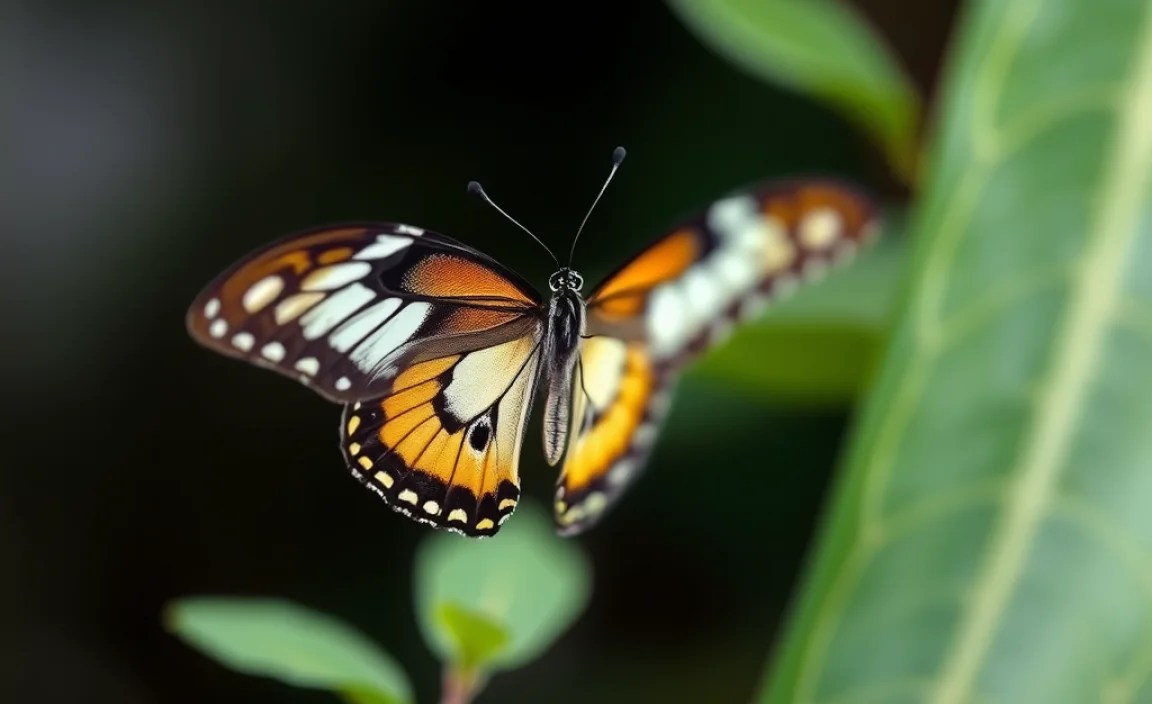
Butterflies are amazing creatures. They love the sun and warmth. In Asia, the best time to photograph butterflies depends on their behavior. Butterflies are most active when it is warm. They need the sun to fly. Cool weather makes them slow. They might even hide. So, sunny and warm days are best. The time of day matters too. Butterflies like to fly in the late morning. They also like early afternoon. This is when the sun is high. They can warm their wings. Understanding their behavior helps you find them. You can take better pictures this way. It also helps you respect their home. Have you ever watched a butterfly wake up? It is like they are charging in the sun.
- Butterflies love warm weather.
- They need sun to fly well.
- Cool days make them slow.
- Late morning is a good time.
- Early afternoon works too.
Knowing where butterflies live is helpful. Many butterflies live in gardens. Some like forests. Others prefer meadows. In Asia, you can find many kinds of habitats. Look for places with lots of flowers. Butterflies eat nectar from flowers. They also lay their eggs on plants. Knowing their habitat makes it easier. You can find them more easily. You will also have better photos. Remember to be gentle. Butterflies are delicate. Do not scare them away. Respect their home. Take only pictures. Leave only footprints. This way, butterflies will stay happy. You can keep taking amazing photos.
Why Warmth Matters
Have you ever felt cold and slow? Butterflies feel the same way. They need warmth to move. Their bodies work best when it is warm. The sun helps them fly. It also helps them find food. Warmth lets them find mates. It helps them lay eggs. Without warmth, they cannot do these things. That is why they love sunny days. It is also why they are active in warm places. Asia has many warm places. This makes it a great place for butterflies. They can thrive there. We can enjoy watching them. We can also take their pictures. So, remember warmth is important. It is key to butterfly life.
Finding Sunny Spots
Imagine you are a butterfly. Where would you go to get warm? You would find a sunny spot. Butterflies do the same thing. They look for places where the sun shines. These spots are often on flowers. They can also be on leaves. Sometimes, they are on rocks. Butterflies like to bask in the sun. This means they spread their wings. They soak up the warmth. You can find them in these spots. Look for bright areas. Also, look for places with little wind. Butterflies do not like wind. It makes them cold. So, sunny and calm places are best. You will find many butterflies there.
Butterfly Gardens in Asia
Asia has many amazing butterfly gardens. These gardens are like paradise. They have lots of flowers. They also have warm sunshine. Butterfly gardens are perfect for photos. You can find many kinds of butterflies. They are all in one place. These gardens also protect butterflies. They give them a safe home. You can learn about butterflies there. You can also support their conservation. Visiting a butterfly garden is fun. It is also helpful. You can take beautiful pictures. You can also help butterflies survive. So, visit a butterfly garden. It is a great way to spend the day.
Fun Fact or Stat: Some butterfly species in Asia migrate thousands of kilometers each year, following the warmth and blooming flowers!
Best Time of Day for Butterfly Photoshoots

The best time to photograph butterflies in Asia is important. It can make a big difference. Late morning is often a good time. The sun is up, but it is not too hot. Butterflies are active. They are looking for food. They are also looking for mates. Early afternoon can also be good. The sun is still high. Butterflies are still active. Avoid the hottest part of the day. Butterflies might hide then. They want to stay cool. Also, avoid early morning. Butterflies might be cold. They need time to warm up. So, late morning and early afternoon are best. Plan your photoshoot then. You will get better pictures.
- Late morning is often ideal.
- Early afternoon can also work.
- Avoid the hottest part of day.
- Early mornings might be too cold.
- Watch the sun’s position.
Weather plays a big role too. Sunny days are always better. Clouds can make butterflies hide. Rain will stop them from flying. Check the weather before you go. Plan for a sunny day. If it is cloudy, you can still try. Look for butterflies in sheltered spots. They might be hiding under leaves. They might be on flowers. Be patient. Sometimes, the sun comes out. Then, the butterflies will fly. Remember, weather can change. Be ready to adapt. You might still get great photos. Even on a cloudy day, you can find beauty.
Late Morning Magic
Have you ever noticed how things wake up slowly? Butterflies are the same. In the late morning, they start to fly. The sun warms their wings. They look for nectar in flowers. This is a great time to take photos. They are active. They are also beautiful. The light is soft. It is not too harsh. This makes the colors pop. You can capture amazing details. The air is often calm. This means your photos will be sharp. There is less wind to blur them. So, aim for late morning. You will not be disappointed. The butterflies will be waiting.
Avoiding Midday Heat
Imagine running around in the hot sun. You would get tired, right? Butterflies do too. When the sun is at its highest, it gets very hot. Butterflies need to protect themselves. They might hide in the shade. They might rest on leaves. This is not a good time for photos. They are not as active. The light is also very harsh. It can wash out the colors. It can also create strong shadows. This makes it hard to take good pictures. So, it is best to avoid midday. Wait for a cooler time. The butterflies will thank you.
The Golden Hour Effect
Photographers love the golden hour. This is the hour after sunrise. It is also the hour before sunset. The light is warm and soft. It makes everything look beautiful. While not ideal for butterflies, it can work. Some butterflies are still active then. You can capture unique photos. The warm light adds a special touch. It can make the colors glow. Try experimenting with the golden hour. You might be surprised. You can get stunning results. Remember to be patient. The butterflies might be less active. But the light is worth it.
Fun Fact or Stat: Butterfly wings are covered in tiny scales that reflect light, creating the vibrant colors we see!
Locations in Asia for Butterfly Photography

Asia has many amazing places. These places are perfect for photographing butterflies. Butterfly gardens are a great choice. They have many kinds of butterflies. They also have lots of flowers. National parks are also good. You can find butterflies in their natural home. Forests and meadows are worth exploring. Look for places with lots of plants. Also, look for sunny spots. Some places are known for specific butterflies. Do some research before you go. Find out what lives there. This will help you plan your trip. You will have better chances of seeing butterflies. Remember to respect their home. Do not disturb them. Take only pictures. Leave only footprints.
- Butterfly gardens are fantastic.
- National parks offer natural habitats.
- Forests and meadows are worth exploring.
- Research specific butterfly locations.
- Respect the butterfly’s environment.
Different regions have different butterflies. Southeast Asia has many colorful species. Countries like Malaysia and Thailand are great. East Asia, like Japan, has unique butterflies. South Asia, like India, is full of diversity. Consider the time of year. Some butterflies are only active in certain seasons. Plan your trip accordingly. This will increase your chances of success. Also, talk to local experts. They can give you tips. They know the best spots. They can also tell you about butterfly behavior. Local knowledge is very valuable. It can help you get the best photos.
Butterfly Gardens Galore
Butterfly gardens are like magical places. They are full of color. They are also full of life. You can find butterflies from all over. They flutter around you. It is an amazing experience. These gardens are designed for butterflies. They have the right plants. They also have the right conditions. This makes it easy to take photos. The butterflies are used to people. They are not as easily scared. You can get close to them. You can capture amazing details. Many gardens also have educational programs. You can learn about butterflies. You can also support their conservation. So, visit a butterfly garden. It is a great way to spend the day.
Exploring National Parks
National parks are huge and wild. They are full of nature. You can find butterflies in their natural home. This is different from a butterfly garden. The butterflies are not used to people. You need to be more careful. You need to be quiet. You also need to be patient. But the rewards are worth it. You can see butterflies in their own environment. You can capture them behaving naturally. This is a very special experience. National parks also have other wildlife. You might see birds or other animals. It is a great way to connect with nature. Remember to follow the rules. Protect the environment. Leave no trace behind.
Hidden Gems in Forests
Forests can be mysterious. They are full of secrets. You can find butterflies in the forest. They like the shade. They also like the flowers. Look for sunny patches. Butterflies will gather there. Forests can be challenging. It can be dark. It can also be humid. But it is worth the effort. You can find rare butterflies. You can also capture unique photos. The forest light is soft. It creates a beautiful mood. Be respectful of the forest. Do not disturb the plants or animals. Stay on the trails. Do not get lost. Forests are amazing places. They are full of wonder.
Fun Fact or Stat: Some butterfly species are masters of camouflage, blending perfectly with leaves and bark to avoid predators!
Essential Gear for Butterfly Photography

Having the right gear is important. It helps you take great butterfly photos. A good camera is essential. A macro lens is very helpful. It lets you take close-up shots. A tripod can keep your camera steady. This is important for sharp pictures. A telephoto lens can also be useful. It lets you photograph butterflies from far away. This is good if they are easily scared. A flash can help in low light. But be careful. Do not scare the butterflies. A diffuser can soften the light. This makes the photos look better. Also, bring water and snacks. You might be out for a long time. Wear comfortable shoes. Be prepared for anything.
- A good camera is essential.
- A macro lens helps with close-ups.
- A tripod keeps your camera steady.
- A telephoto lens allows distant shots.
- A flash can help in low light.
Clothing is also important. Wear clothes that blend in. Bright colors can scare butterflies. Wear long sleeves and pants. This protects you from insects. Also, bring sunscreen and a hat. The sun can be strong. A backpack is useful for carrying your gear. Choose one that is comfortable. Also, bring a notebook. You can write down notes. You can record what you see. This helps you remember your trip. It also helps you learn about butterflies. Remember to be prepared. This will make your photoshoot more enjoyable. You will also get better results.
Camera Choices Explained
Choosing a camera can be hard. There are many options. A DSLR is a good choice. It has many features. It also has good image quality. A mirrorless camera is another option. It is lighter than a DSLR. It also has good image quality. A point-and-shoot camera is simple. It is easy to use. But it might not have all the features you need. Consider your budget. Also, think about what you want to photograph. This will help you choose the right camera. Remember, the best camera is the one you have with you. Practice using it. Learn its features. This will make you a better photographer.
Lens Options for Close-Ups
A macro lens is perfect for close-ups. It lets you capture tiny details. You can see the butterfly’s wings. You can also see its eyes. Macro lenses come in different sizes. A longer focal length is good. It lets you stand further away. This is important. Butterflies can be easily scared. A shorter focal length is also good. It lets you get very close. Experiment with different lenses. See what works best for you. Remember to focus carefully. Macro photography can be tricky. The depth of field is very shallow. This means only a small part of the image will be in focus. Practice makes perfect.
Tripods for Sharp Images
A tripod keeps your camera steady. This is important for sharp images. Especially when using a macro lens. Even small movements can blur the photo. A tripod prevents this. Choose a sturdy tripod. It should be able to hold your camera. It should also be lightweight. You will be carrying it around. Adjust the tripod to the right height. This will make it easier to take pictures. Use a remote shutter release. This prevents you from shaking the camera. A tripod is a valuable tool. It will help you take better photos. It will also make your life easier.
Fun Fact or Stat: Some macro lenses can magnify subjects up to 5 times their actual size!
Techniques for Capturing Stunning Butterfly Photos
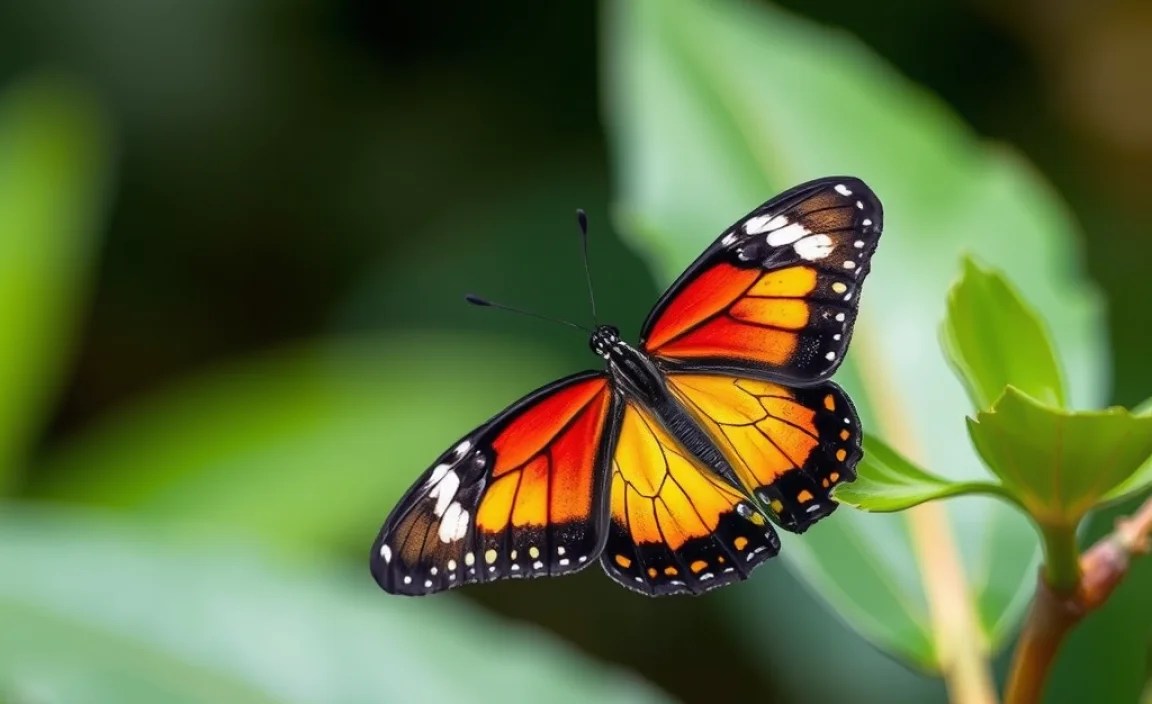
Taking great butterfly photos takes skill. You need to be patient. You also need to be observant. Focus carefully on the butterfly. Make sure it is sharp. Use a shallow depth of field. This blurs the background. It makes the butterfly stand out. Pay attention to the light. Soft light is best. Avoid harsh shadows. Compose your shot carefully. Think about the background. Also, think about the foreground. Try different angles. Get low to the ground. Shoot from above. Experiment with different settings. Use a fast shutter speed. This freezes the butterfly’s motion. Use a low ISO. This reduces noise in the image. Practice these techniques. You will get better over time.
- Focus carefully on the butterfly.
- Use a shallow depth of field.
- Pay attention to the light.
- Compose your shot carefully.
- Experiment with different angles.
Timing is important too. Wait for the right moment. The butterfly might open its wings. It might land on a flower. Be ready to capture that moment. Also, be respectful of the butterfly. Do not disturb it. Do not chase it. Let it come to you. Use natural light whenever possible. Avoid using flash. Flash can scare butterflies. It can also create harsh shadows. If you must use flash, use a diffuser. This softens the light. Remember, practice makes perfect. The more you photograph butterflies, the better you will become. You will learn their behavior. You will also learn how to capture them beautifully.
Mastering Focus Techniques
Focus is key to a great photo. If the butterfly is not sharp, the photo will not be good. Use autofocus to focus on the butterfly. But be careful. Autofocus can sometimes focus on the wrong thing. Use manual focus for more control. Zoom in on the butterfly. Turn the focus ring until it is sharp. Use focus peaking. This highlights the areas that are in focus. Use back-button focus. This separates focusing from the shutter button. Practice these techniques. You will become a focus master. Your photos will be sharp and clear. The butterfly will stand out.
Working with Natural Light
Natural light is beautiful. It can make your photos look amazing. But it can also be tricky. The light changes throughout the day. It is important to understand how it works. Soft light is best. It is gentle and even. It creates beautiful colors. Harsh light can create strong shadows. This can make the photo look bad. Shoot in the shade. This creates soft light. Shoot on a cloudy day. This also creates soft light. Shoot during the golden hour. This is the hour after sunrise. It is also the hour before sunset. The light is warm and golden. It makes everything look beautiful. Experiment with different types of light. See what works best for you. You will learn to love natural light.
Composing for Impact
Composition is how you arrange the elements in your photo. It can make a big difference. A good composition can make the photo more interesting. It can also draw the viewer’s eye. Use the rule of thirds. Divide the photo into thirds. Place the butterfly on one of the lines. Use leading lines. These lines draw the viewer’s eye to the butterfly. Use negative space. This is the empty space around the butterfly. It can make the butterfly stand out. Use symmetry. This creates a balanced composition. Experiment with different compositions. See what works best for you. You will learn to create stunning photos.
Fun Fact or Stat: The depth of field in macro photography can be as shallow as a few millimeters!
Butterfly Species and Their Photography Challenges
Different butterflies have different challenges. Some butterflies are small. They are hard to photograph. Some butterflies are fast. They move around a lot. Some butterflies are shy. They hide in the shadows. Some butterflies are colorful. They are easy to see. Some butterflies are camouflaged. They blend in with their surroundings. Learn about the different species. This will help you prepare. You will know what to expect. You will also know how to overcome the challenges. Each butterfly is unique. Each one is beautiful. They all deserve to be photographed.
| Butterfly Species | Size | Activity | Shyness | Color |
|---|---|---|---|---|
| Monarch | Large | Active | Bold | Bright Orange |
| Swallowtail | Large | Fast | Moderate | Colorful Patterns |
| Blue Morpho | Large | Slow | Shy | Bright Blue |
| Skipper | Small | Very Fast | Moderate | Brown, Camouflaged |
- Small butterflies are hard to spot.
- Fast butterflies are hard to track.
- Shy butterflies hide from cameras.
- Colorful butterflies are easy to see.
- Camouflaged ones blend in well.
Photographing small butterflies requires patience. You need to get very close. Use a macro lens. Also, use a tripod. This will keep your camera steady. Photographing fast butterflies is tricky. Use a fast shutter speed. This will freeze their motion. Also, use continuous autofocus. This will keep them in focus. Photographing shy butterflies requires stealth. Move slowly. Do not make sudden movements. Also, use a telephoto lens. This will let you photograph them from far away. Photographing colorful butterflies is easy. But you need to be careful. The colors can be overexposed. Use a diffuser to soften the light. Photographing camouflaged butterflies is challenging. Look closely. Pay attention to the details. You will find them eventually. Remember, each butterfly is different. Enjoy the challenge.
Photographing Small Butterflies
Small butterflies are like tiny jewels. They are beautiful and delicate. But they can be hard to photograph. They are so small. It is hard to see them. You need to get very close. Use a macro lens. This will magnify them. It will also make them easier to see. Use a tripod. This will keep your camera steady. Even small movements can blur the photo. Be patient. Wait for the butterfly to land. Do not chase it. It will fly away. Focus carefully. The depth of field is very shallow. This means only a small part of the image will be in focus. Practice makes perfect. The more you photograph small butterflies, the better you will become.
Capturing Fast-Flying Species
Fast-flying butterflies are a challenge. They move so quickly. It is hard to keep them in focus. You need to use a fast shutter speed. This will freeze their motion. Use continuous autofocus. This will keep them in focus. Also, use a wide aperture. This will let in more light. It will also create a shallow depth of field. Be prepared. They might fly away at any moment. Practice tracking them with your camera. This will help you keep them in frame. Do not get discouraged. It takes time to master this skill. But it is worth it. You can capture amazing photos of fast-flying butterflies.
Dealing with Shy Butterflies
Shy butterflies are like little secrets. They hide in the shadows. They are afraid of people. You need to be very careful. Move slowly. Do not make sudden movements. Do not talk loudly. Be quiet. Wear clothes that blend in. Do not wear bright colors. Use a telephoto lens. This will let you photograph them from far away. Do not get too close. They will fly away. Be patient. Wait for them to come out. They might trust you eventually. Respect their space. Do not disturb them. They are delicate creatures. They deserve our respect. You can capture beautiful photos of shy butterflies. You just need to be patient and respectful.
Fun Fact or Stat: Some butterfly species can fly up to 30 miles per hour!
Ethical Considerations in Butterfly Photography
It is important to be ethical. We must respect butterflies and their home. Do not disturb them. Do not chase them. Do not touch them. Do not damage their habitat. Stay on the trails. Do not step on plants. Do not litter. Take only pictures. Leave only footprints. Support butterfly conservation. Donate to organizations. Educate others about butterflies. Be a responsible photographer. Show respect for nature. This will help protect butterflies. It will also help protect their environment. We want to enjoy them for years to come.
- Do not disturb butterflies.
- Stay on designated trails.
- Avoid touching the butterflies.
- Support butterfly conservation efforts.
- Educate others about ethical practices.
Consider the impact of your actions. Even small things can make a difference. Do not use flash excessively. It can scare butterflies. Do not remove plants or flowers. Butterflies need them for food and shelter. Do not collect butterflies. They belong in the wild. Be mindful of your surroundings. Be aware of other people. Do not block their view. Do not make too much noise. Be a good example for others. Show them how to respect nature. This will help create a better world. A world where butterflies can thrive. And where we can enjoy their beauty.
Respecting Butterfly Habitats
Butterfly habitats are precious. They are home to many creatures. We need to protect them. Do not damage the plants. Do not disturb the soil. Do not pollute the water. Stay on the trails. Do not wander off. This can damage the environment. Do not collect anything. Leave everything as you found it. Report any damage you see. This will help protect the habitat. Also, support organizations that protect butterfly habitats. They work hard to conserve these areas. We can all do our part to help. Together, we can make a difference.
Avoiding Stress to Butterflies
Butterflies are delicate creatures. They can be easily stressed. We need to be careful. Do not chase them. Do not get too close. Do not touch them. Do not use flash excessively. It can scare them. Move slowly. Do not make sudden movements. Be quiet. Do not make loud noises. Observe them from a distance. Let them come to you. Be patient. They might trust you eventually. If they fly away, do not follow them. Let them go. Respect their space. They will thank you for it. And you will get better photos.
Promoting Conservation Through Photography
Photography can be a powerful tool. We can use it to promote conservation. Share your photos online. Show people the beauty of butterflies. Educate them about their importance. Tell them about the threats they face. Encourage them to take action. Support butterfly conservation organizations. Donate to them. Volunteer your time. Spread the word. Let people know what they can do to help. Together, we can make a difference. We can protect butterflies for future generations. We can create a world where they can thrive.
Fun Fact or Stat: Many butterfly populations are declining due to habitat loss and climate change!
Summary
Finding the best time to photograph butterflies in Asia involves knowing their habits. Butterflies love warmth and sun. Late morning and early afternoon are usually best. Sunny days are also ideal. Locations matter too. Butterfly gardens and national parks are great. Gear like macro lenses helps. Ethical behavior is key. Respect the butterflies and their homes. Asia is a beautiful place. It has many butterfly species. By following these tips, you can capture stunning photos. You can also help protect these amazing creatures.
Conclusion
Photographing butterflies in Asia is a rewarding hobby. It combines nature and art. Understanding butterfly behavior is important. The best time to photograph butterflies in Asia is during warm, sunny days. Respecting their habitat is also crucial. With patience and the right gear, you can capture beautiful images. These images can inspire others. They can also promote conservation. So, grab your camera and explore the world of butterflies.
Frequently Asked Questions
Question No 1: What is the best time of year to photograph butterflies in Asia?
Answer: The best time of year usually aligns with the warmer months. This typically falls during the late spring, summer, and early autumn. During these seasons, butterflies are more active. They are also more abundant due to favorable breeding conditions. Specific months can vary depending on the region within Asia. Some areas might have year-round butterfly activity. Others might have peak seasons. Research the local climate and butterfly activity for the best results. This knowledge helps in planning a successful photoshoot. Remember that weather patterns can influence butterfly behavior. It will also determine their availability for photographs.
Question No 2: What kind of camera gear do I need?
Answer: To capture amazing butterfly photos, consider these items. A DSLR or mirrorless camera is a great start. A macro lens is very important. It allows you to capture close-up details. A telephoto lens can also be useful. It lets you photograph butterflies from a distance. A tripod helps keep your camera steady. This is crucial for sharp images. A flash with a diffuser can help in low light. These tools, combined with your skills, will help you capture beautiful butterfly pictures. Always handle your gear with care. Remember to respect the butterflies and their habitat while you are taking photos. The best time to photograph butterflies in Asia is made even better with the right gear.
Question No 3: How do I find butterflies in Asia?
Answer: Finding butterflies requires some knowledge. Start by looking in butterfly gardens. These gardens have lots of butterflies. They also have lots of flowers. National parks are also great places. You can find butterflies in their natural habitats. Forests and meadows are worth exploring. Look for sunny spots with lots of plants. Research specific locations. Learn about the butterflies that live there. Talk to local experts. They can give you valuable tips. Also, be patient. Butterflies can be hard to find. But the search is worth it. The best time to photograph butterflies in Asia is when you know where to find them.
Question No 4: What are some ethical considerations when photographing butterflies?
Answer: Ethical photography is very important. Do not disturb the butterflies. Do not chase them. Do not touch them. Stay on designated trails. Avoid stepping on plants. Support butterfly conservation efforts. Educate others about ethical practices. Respect their habitat. Do not litter. Be mindful of your surroundings. Avoid using flash excessively. Be a responsible photographer. Show respect for nature. Remember, we are guests in their home. The best time to photograph butterflies in Asia is when you do it ethically and respectfully.
Question No 5: How can I improve my butterfly photography skills?
Answer: Improving your skills takes practice. Start by learning about butterflies. Understand their behavior. Pay attention to the light. Experiment with different settings. Use a fast shutter speed. Use a shallow depth of field. Focus carefully. Compose your shots thoughtfully. Take lots of photos. Review your work. Identify areas for improvement. Watch videos. Read articles. Join photography groups. Share your photos. Get feedback from others. The best time to photograph butterflies in Asia will become clearer as your skills improve.
Question No 6: What are some common mistakes to avoid?
Answer: It is easy to make mistakes. Avoid disturbing the butterflies. Do not get too close. Do not use flash excessively. Avoid harsh shadows. Do not chase them. Do not forget to focus. Do not ignore the background. Do not forget to check your settings. Avoid shooting in bad weather. Do not give up easily. Be patient. Learn from your mistakes. The best time to photograph butterflies in Asia can be ruined by simple errors. Being aware will help you avoid them.


