Biome Conservation Butterflies: Powerful Strategies

Conserving butterflies and their habitats is crucial for maintaining biodiversity. You can help by supporting habitat preservation, planting native plants, reducing pesticide use, creating butterfly gardens, and advocating for butterfly-friendly policies. These actions support entire ecosystems.
Butterflies are beautiful, but they’re also important indicators of a healthy environment. When butterfly populations decline, it tells us something is wrong with their habitat. The good news is that we can all play a part in helping these vital creatures thrive. It might seem daunting, but even small actions can make a big difference.
In this article, we’ll explore simple and effective ways you can contribute to butterfly and biome conservation. We’ll cover practical steps you can take in your own backyard and beyond. Let’s dive in and discover how we can all help protect these fluttering jewels!
Why Biome Conservation Matters for Butterflies

Biomes are large geographic areas characterized by specific climate conditions, animal populations, and plant life. Each biome, from lush rainforests to arid deserts, supports unique butterfly species adapted to those environments. Protecting these biomes is essential for butterfly conservation.
The Interconnectedness of Biomes and Butterflies
Butterflies are integral to the health of their respective biomes. They act as pollinators, transferring pollen from flower to flower, which is vital for plant reproduction. They also serve as a food source for birds, reptiles, and other insects. When a biome is degraded or destroyed, the butterfly populations suffer, and the entire ecosystem can be affected.
- Habitat Loss: Deforestation, urbanization, and agricultural expansion are major threats to butterfly habitats. When forests are cleared or grasslands are plowed, butterflies lose their homes and food sources.
- Climate Change: Shifts in temperature and rainfall patterns can disrupt butterfly life cycles and alter the distribution of their host plants. This can lead to population declines and even extinctions.
- Pollution: Pesticides, herbicides, and other pollutants can directly harm butterflies or contaminate their food sources. Air and water pollution can also degrade butterfly habitats.
Key Biomes for Butterfly Conservation
Certain biomes are particularly important for butterfly conservation due to their high butterfly diversity or the presence of endangered species.
- Tropical Rainforests: Home to an astounding variety of butterfly species, tropical rainforests are biodiversity hotspots. Protecting these forests is crucial for preserving butterfly diversity.
- Temperate Forests: These forests provide important habitat for many butterfly species, including migratory butterflies like the Monarch. Conservation efforts in temperate forests can help support these populations.
- Grasslands and Prairies: Grasslands are home to many specialized butterfly species that depend on native grasses and wildflowers. Preserving these habitats is essential for these butterflies.
- Alpine and Mountain Regions: Some butterfly species are adapted to the harsh conditions of alpine and mountain environments. Protecting these regions from development and climate change is critical.
Practical Steps for Butterfly Conservation
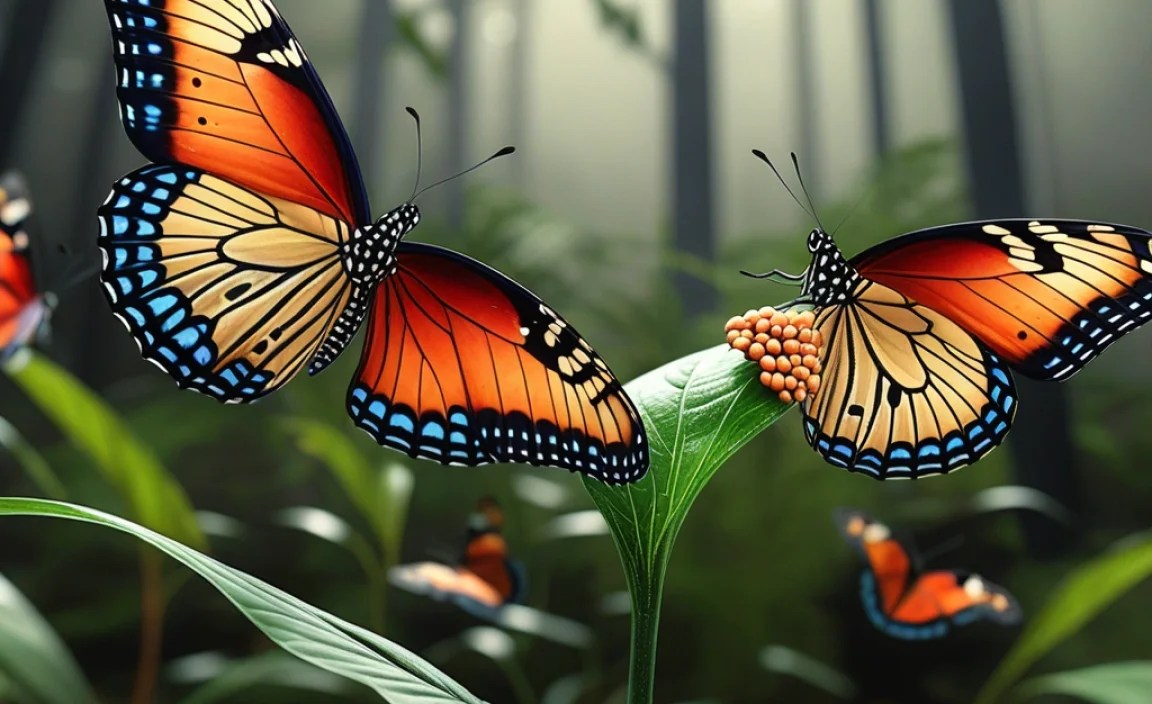
There are many ways you can contribute to butterfly conservation, both in your own backyard and in the broader community.
1. Create a Butterfly Garden
One of the most effective ways to help butterflies is to create a butterfly garden. By planting native plants that provide food and shelter, you can attract butterflies to your yard and create a haven for them.
- Choose Native Plants: Native plants are best because butterflies have evolved to feed on them. Research which plants are native to your area and provide nectar for adult butterflies and food for caterpillars.
- Provide a Water Source: Butterflies need water, but they can’t drink from deep puddles. Provide a shallow dish of water with pebbles or sand for them to land on.
- Offer Shelter: Butterflies need shelter from wind and predators. Plant shrubs and trees to provide cover, and leave some leaf litter on the ground for overwintering butterflies.
- Avoid Pesticides: Pesticides can harm or kill butterflies and other beneficial insects. Use natural pest control methods instead, such as hand-picking pests or using insecticidal soap.
2. Support Habitat Preservation
Habitat loss is a major threat to butterflies, so supporting habitat preservation efforts is crucial. There are many organizations working to protect butterfly habitats, and you can help by donating your time or money.
- Donate to Conservation Organizations: Many organizations are dedicated to protecting butterfly habitats. Consider donating to organizations like The Nature Conservancy, the Xerces Society, or local conservation groups.
- Volunteer Your Time: Many conservation organizations need volunteers to help with habitat restoration, monitoring butterfly populations, and educating the public.
- Advocate for Conservation: Contact your elected officials and let them know that you support policies that protect butterfly habitats.
3. Reduce Pesticide Use
Pesticides can harm or kill butterflies and other beneficial insects. Reducing pesticide use is essential for butterfly conservation.
- Use Natural Pest Control Methods: There are many natural ways to control pests without using harmful chemicals. Try hand-picking pests, using insecticidal soap, or introducing beneficial insects like ladybugs.
- Avoid Broad-Spectrum Pesticides: Broad-spectrum pesticides kill all insects, including beneficial ones like butterflies. If you must use pesticides, choose a selective pesticide that targets only the pest you’re trying to control.
- Read Labels Carefully: Always read the label before using any pesticide, and follow the instructions carefully. Avoid spraying pesticides on flowers that butterflies are likely to visit.
4. Educate Others
Education is key to raising awareness about butterfly conservation. Share your knowledge with others and encourage them to take action.
- Talk to Your Friends and Family: Share your passion for butterflies with your friends and family. Tell them about the importance of butterfly conservation and encourage them to take action.
- Share Information on Social Media: Use social media to share information about butterflies and butterfly conservation. Post photos of butterflies in your garden, share articles about butterfly conservation, and encourage others to get involved.
- Volunteer at Local Schools or Nature Centers: Many schools and nature centers offer educational programs about butterflies. Volunteer to help with these programs and share your knowledge with others.
5. Participate in Citizen Science Projects
Citizen science projects allow you to contribute to scientific research by collecting data on butterflies. This data can be used to track butterfly populations, monitor habitat changes, and assess the effectiveness of conservation efforts.
- Join a Butterfly Count: Many organizations conduct butterfly counts each year. These counts involve identifying and counting butterflies in a specific area. The data collected is used to track butterfly populations and monitor habitat changes.
- Report Butterfly Sightings: Some organizations have online databases where you can report butterfly sightings. This data can be used to track butterfly distribution and monitor the spread of invasive species.
- Monitor Butterfly Gardens: If you have a butterfly garden, you can monitor the butterflies that visit your garden and report your findings to a citizen science project.
Creating Butterfly-Friendly Habitats
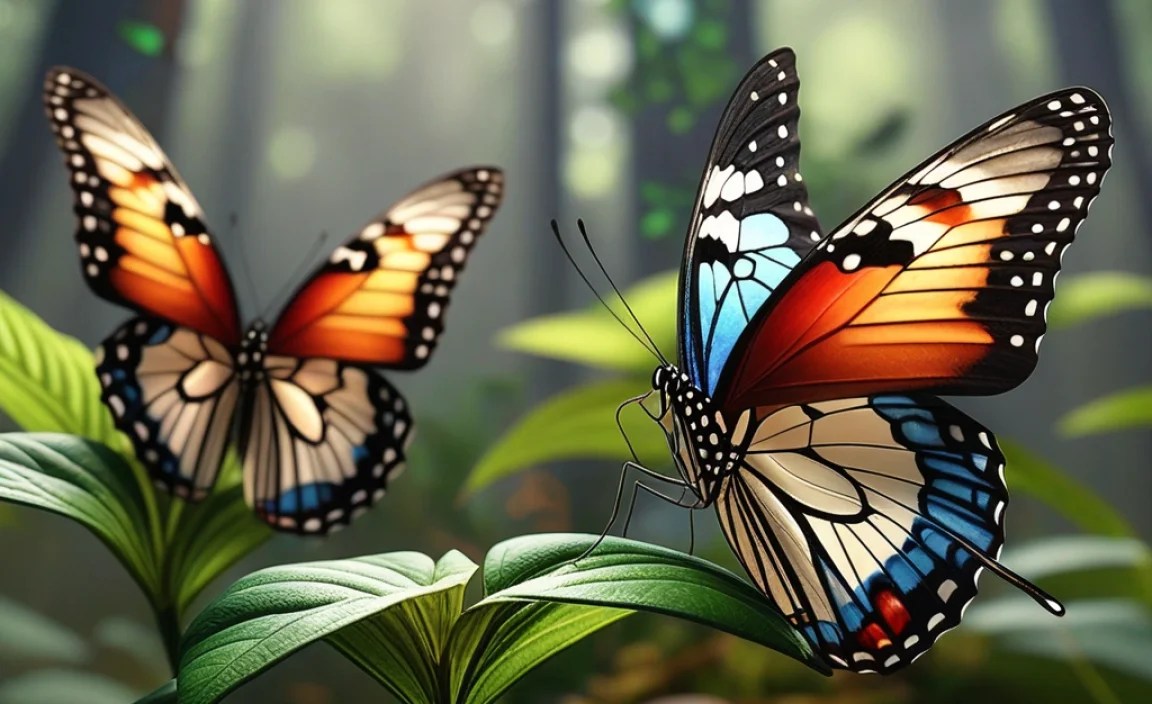
Beyond simply planting a butterfly garden, there are several other ways to create butterfly-friendly habitats.
Provide Host Plants
Host plants are plants that caterpillars feed on. Butterflies are very specific about which plants their caterpillars will eat, so it’s important to provide the right host plants for the butterflies you want to attract.
| Butterfly Species | Host Plant |
|---|---|
| Monarch | Milkweed |
| Black Swallowtail | Parsley, Dill, Fennel |
| Spicebush Swallowtail | Spicebush, Sassafras |
| Painted Lady | Thistle, Mallow |
Offer Nectar Sources
Nectar sources are plants that provide nectar for adult butterflies. Butterflies need nectar to fuel their flight and reproduction. Choose plants that bloom at different times of the year to provide a continuous source of nectar.
- Spring-Blooming Plants: Provide nectar for butterflies emerging from hibernation. Examples include phlox, lilac, and dandelion.
- Summer-Blooming Plants: Provide nectar for butterflies during the breeding season. Examples include butterfly bush, zinnia, and coneflower.
- Fall-Blooming Plants: Provide nectar for butterflies preparing to migrate or overwinter. Examples include asters, goldenrod, and sedum.
Provide a Mud Puddle
Butterflies need minerals and salts, which they can obtain from mud puddles. Create a mud puddle by digging a shallow depression in the ground and filling it with water and a bit of soil. Add a pinch of salt or wood ashes to provide additional minerals.
Avoid Insecticides
Insecticides can harm or kill butterflies and other beneficial insects. Avoid using insecticides in your garden, and encourage your neighbors to do the same.
The Role of Native Plants in Butterfly Conservation
Native plants are plants that have evolved in a particular region over a long period of time. They are adapted to the local climate and soil conditions, and they provide the best food and shelter for native butterflies.
Benefits of Native Plants for Butterflies
- Provide Food for Caterpillars: Native plants are the primary food source for butterfly caterpillars. Butterflies have evolved to feed on specific native plants, and they cannot survive without them.
- Provide Nectar for Adult Butterflies: Native plants provide nectar for adult butterflies. Butterflies need nectar to fuel their flight and reproduction.
- Provide Shelter for Butterflies: Native plants provide shelter for butterflies from wind, rain, and predators.
- Support Biodiversity: Native plants support a wide range of other native insects, birds, and animals.
Choosing Native Plants for Your Area
The best native plants for your area will depend on your local climate, soil conditions, and the butterflies you want to attract. Contact your local native plant society or extension office for recommendations.
Here’s a simple table to guide you:
| Region | Example Native Plants for Butterflies |
|---|---|
| Northeast | Milkweed, New England Aster, Joe-Pye Weed |
| Southeast | Passionflower, Black-Eyed Susan, Butterfly Weed |
| Midwest | Blazing Star, Purple Coneflower, Wild Petunia |
| Southwest | Desert Milkweed, Lantana, Salvia |
| Pacific Northwest | Oregon Sunshine, California Poppy, Douglas Aster |
Advocating for Butterfly Conservation
In addition to taking action in your own backyard, you can also advocate for butterfly conservation at the local, state, and national levels.
Support Conservation Organizations
Many organizations are working to protect butterflies and their habitats. Support these organizations by donating your time or money.
Contact Your Elected Officials
Contact your elected officials and let them know that you support policies that protect butterflies and their habitats. Urge them to support legislation that protects butterfly habitats, reduces pesticide use, and promotes native plant landscaping.
Educate Others
Share your knowledge about butterflies and butterfly conservation with others. The more people who are aware of the importance of butterfly conservation, the more likely we are to protect these beautiful and important creatures.
Frequently Asked Questions (FAQ)
1. Why are butterflies important?
Butterflies are important pollinators, helping plants reproduce. They’re also an important part of the food chain, serving as food for birds and other animals. Plus, they’re indicators of a healthy environment.
2. What is a butterfly garden?
A butterfly garden is a garden specifically designed to attract butterflies by providing food, water, and shelter. It usually includes native plants that provide nectar for adult butterflies and food for caterpillars.
3. How can I attract butterflies to my garden?
Plant native plants that provide nectar and serve as host plants for caterpillars. Provide a water source, offer shelter from wind and predators, and avoid using pesticides.
4. What are host plants?
Host plants are specific plants that butterfly caterpillars eat. Each butterfly species has particular host plants they rely on, such as milkweed for Monarch caterpillars.
5. How can I help butterflies in my community?
Support local conservation organizations, advocate for butterfly-friendly policies, educate others about the importance of butterflies, and participate in citizen science projects.
6. What are some common threats to butterfly populations?
Habitat loss, climate change, pesticide use, and pollution are major threats to butterfly populations. These factors can reduce food sources, destroy habitats, and directly harm butterflies.
7. Why should I avoid using pesticides in my garden?
Pesticides can harm or kill butterflies and other beneficial insects. They can also contaminate food sources. Using natural pest control methods is a safer alternative.
Conclusion
Conserving butterflies and their biomes is a vital task that benefits not only these beautiful creatures but also the entire ecosystem. By creating butterfly gardens, supporting habitat preservation, reducing pesticide use, educating others, and advocating for conservation, each of us can play a significant role in protecting butterfly populations. These actions, however small they may seem, collectively create a powerful force for positive change. As we nurture butterfly habitats, we also enrich our own lives and ensure that future generations can marvel at the beauty and ecological importance of butterflies. Let’s continue to cherish and protect these fluttering jewels, ensuring they thrive for years to come.