
Asian Swallowtail Species: The Ultimate ID Guide

Have you ever seen a butterfly so big it looks like a bird? Some Asian swallowtail species can be that amazing! These butterflies are found in Asia. They come in many colors and patterns. They are truly a sight to behold.
Butterflies are more than just pretty insects. They play an important role in nature. They help pollinate flowers. This helps plants make seeds. Asian swallowtail species are part of this important process.
Did you know that a butterfly starts as a tiny egg? The egg hatches into a caterpillar. The caterpillar eats and grows. Then, it turns into a pupa or chrysalis. Finally, a beautiful butterfly emerges. The Asian swallowtail species go through this amazing change.
Key Takeaways
- Asian swallowtail species are beautiful butterflies found across Asia.
- These butterflies have unique patterns and colors that help them survive.
- Swallowtails start as eggs, become caterpillars, then pupae, and finally butterflies.
- They play a vital role in pollination, helping plants reproduce.
- Protecting their habitats helps ensure these butterflies continue to thrive.
Identifying Asian Swallowtail Species
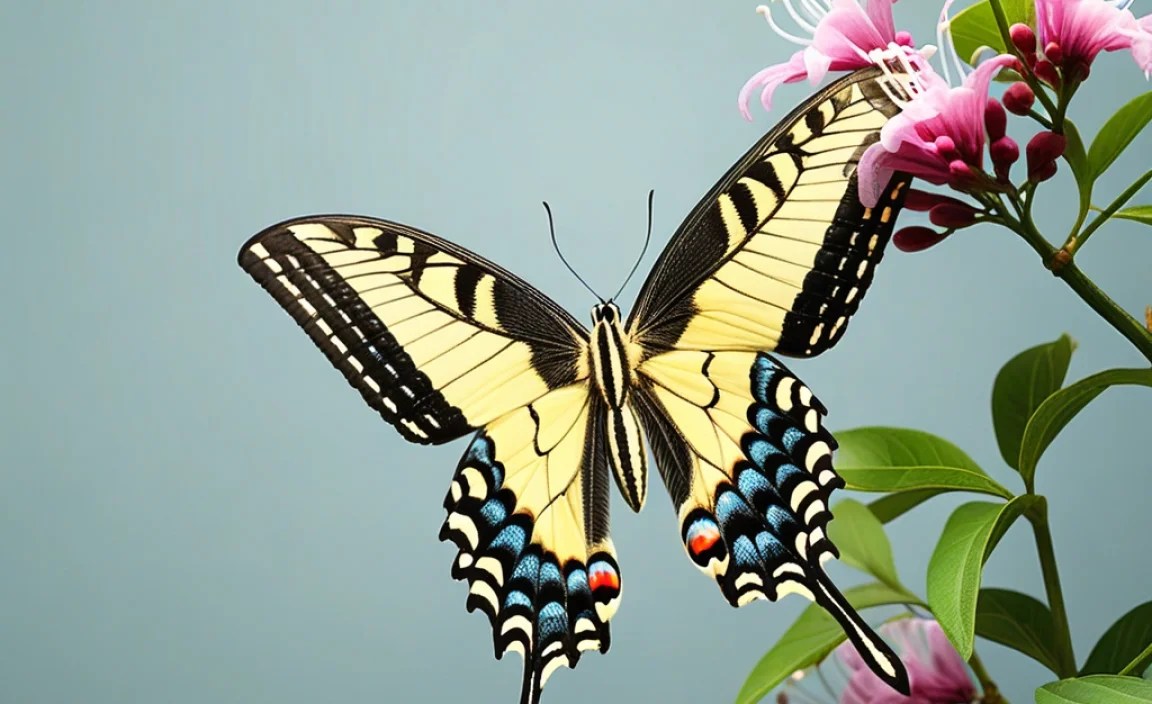
Identifying Asian swallowtail species can be fun. These butterflies have distinct features. Look at their size, color, and wing patterns. Some have long tails on their wings. Others have bright colors to warn predators. The shape of their wings can also vary. Paying attention to these details can help you tell them apart. Different species live in different areas. Knowing where you are can also help. Some species are common, while others are rare. Observing carefully will help you identify these beautiful creatures. They are truly a gift to see in nature. Taking pictures helps too.
- Note the size of the butterfly.
- Observe the color and patterns on the wings.
- Check for tails on the hindwings.
- Consider the butterfly’s location.
- Look for unique markings or spots.
There are many resources to help you identify Asian swallowtail species. Books and websites have pictures and descriptions. Butterfly guides are very useful. Local butterfly experts can also help. They know the species in your area. Joining a butterfly club is a great way to learn. You can go on butterfly walks with experienced people. They can teach you how to identify different species. Remember to be patient and keep practicing. With time, you will become an expert at identifying these butterflies. Always respect the butterflies and their habitat.
Fun Fact or Stat: Some Asian swallowtail species can mimic poisonous butterflies to protect themselves from predators!
What Makes Them Unique?
What makes Asian swallowtail species unique? It’s their amazing colors and patterns. Each species has its own special look. Some have bright yellow and black stripes. Others have iridescent blue or green wings. These colors help them attract mates. They also help them hide from predators. The patterns can break up their outline. This makes it harder for birds to see them. Some even look like dead leaves! Their unique appearance is a result of evolution. Over time, they have adapted to their environment. Their unique beauty makes them a joy to observe. Imagine seeing a butterfly that looks like a jewel!
Where Do They Live?
Do you know where Asian swallowtail species live? They are found all over Asia. From the tropical rainforests to the high mountains. Different species prefer different habitats. Some like warm, humid places. Others can survive in colder climates. You might find them in gardens, parks, and forests. They need plants to feed on. Their caterpillars eat leaves. The adults drink nectar from flowers. Knowing their habitat helps you find them. Look for them in places with lots of flowers and trees. Respect their homes and keep them clean.
How Do They Survive?
How do Asian swallowtail species survive? They have many ways to protect themselves. Their bright colors can warn predators. Some taste bad, so birds avoid them. Others mimic poisonous butterflies. This tricks predators into leaving them alone. Their caterpillars can also defend themselves. Some have spines or hairs that irritate predators. They also have good eyesight. This helps them find food and avoid danger. Their ability to adapt helps them survive. They are a testament to the power of nature.
Life Cycle Of Asian Swallowtail Butterflies

The life cycle of Asian swallowtail species is fascinating. It starts with an egg. The female butterfly lays her eggs on a plant. The egg hatches into a caterpillar. The caterpillar eats and grows. It sheds its skin several times as it grows. This is called molting. After a few weeks, the caterpillar turns into a pupa. The pupa is also called a chrysalis. It hangs from a branch or leaf. Inside the pupa, the caterpillar changes. After a few weeks, a butterfly emerges. The butterfly flies away to find food and a mate. The cycle starts all over again. It’s an amazing transformation.
- Eggs are laid on host plants.
- Caterpillars hatch and eat leaves.
- Caterpillars molt as they grow.
- Pupae form inside a chrysalis.
- Butterflies emerge from the pupae.
- Adult butterflies reproduce and lay eggs.
Understanding the life cycle helps us protect Asian swallowtail species. We need to protect their habitats. This means protecting the plants they need to survive. We can plant butterfly gardens. These gardens provide food and shelter for butterflies. We can also avoid using pesticides. Pesticides can harm butterflies and other insects. By taking care of their environment, we can help them thrive. Every small action makes a difference. Let’s work together to protect these beautiful creatures. They are an important part of our ecosystem. Their beauty enriches our world.
Fun Fact or Stat: The entire life cycle of some Asian swallowtail species can be completed in just one month!
Egg To Caterpillar
Have you ever wondered how an egg turns into a caterpillar? It’s an amazing process. The female Asian swallowtail species lays her eggs on specific plants. These plants are called host plants. The eggs are usually small and round. They can be different colors. After a few days or weeks, the egg hatches. A tiny caterpillar emerges. The caterpillar’s first meal is often its own eggshell. It then starts eating the leaves of the host plant. The caterpillar grows quickly. It sheds its skin several times as it grows. This is a critical stage in the butterfly’s life.
Caterpillar To Pupa
What happens when a caterpillar is ready to turn into a pupa? The caterpillar stops eating. It finds a safe place to pupate. It might hang from a branch or leaf. The caterpillar sheds its skin one last time. This time, the skin forms a hard shell. This shell is called a chrysalis. Inside the chrysalis, the caterpillar changes. Its body breaks down and reforms. This process is called metamorphosis. It’s like a magical transformation. The pupa stage can last for a few weeks or months. It depends on the species and the weather.
Pupa To Butterfly
Imagine the excitement of seeing a butterfly emerge from its pupa! The pupa shell splits open. A wet, crumpled butterfly crawls out. Its wings are soft and folded. The butterfly pumps fluid into its wings. This makes them expand and harden. It takes a few hours for the wings to dry. Once the wings are ready, the butterfly flies away. It looks for food and a mate. The adult butterfly’s main job is to reproduce. The female lays eggs and the cycle starts again. It’s a continuous circle of life.
Habitat And Distribution Of Swallowtails

The habitat and distribution of Asian swallowtail species are quite diverse. These butterflies can be found in many different environments. They live in tropical rainforests, mountain regions, and even urban gardens. Their distribution depends on the availability of their host plants. These are the plants that their caterpillars eat. Some species are found in specific regions of Asia. Others are more widespread. Climate change can affect their habitat. It’s important to protect their natural environments. This will help ensure their survival. By preserving their habitats, we help them thrive.
| Species | Habitat | Distribution |
|---|---|---|
| Common Bluebottle | Tropical and subtropical forests | Southeast Asia, Australia |
| Lime Swallowtail | Gardens, citrus groves | South Asia, Southeast Asia |
| Great Mormon | Forests, woodlands | India, Southeast Asia, China |
| Paris Peacock | Tropical rainforests | Southeast Asia |
- They live in various habitats.
- Tropical forests are a common home.
- Mountains and gardens also host them.
- Distribution depends on host plants.
- Some species are widespread.
- Climate change impacts their homes.
Protecting the habitats of Asian swallowtail species is crucial. We can support conservation organizations. These organizations work to protect natural areas. We can also create butterfly gardens in our own yards. These gardens provide food and shelter for butterflies. Avoid using pesticides and herbicides. These chemicals can harm butterflies and their caterpillars. Educate others about the importance of protecting these beautiful creatures. Every action helps. Together, we can make a difference. Let’s ensure that future generations can enjoy these butterflies. Their beauty is a treasure to cherish.
Fun Fact or Stat: Some Asian swallowtail species migrate long distances to find suitable habitats!
How Climate Affects Them
How does climate affect Asian swallowtail species? Climate change can alter their habitats. Rising temperatures can change the plants they need. Droughts can kill their host plants. Extreme weather events can destroy their homes. Changes in rainfall patterns can also affect them. Some species may be able to adapt. Others may not be so lucky. They might have to move to new areas. This can be difficult if their habitats are fragmented. Protecting their habitats is more important than ever. We need to reduce our carbon footprint. This will help slow down climate change. Every effort counts.
Importance Of Host Plants
Why are host plants so important? Host plants are the plants that caterpillars eat. Without these plants, the caterpillars cannot survive. Asian swallowtail species often have specific host plants. The female butterfly lays her eggs on these plants. When the eggs hatch, the caterpillars have a ready food source. Different species of swallowtails have different host plants. Some eat citrus leaves. Others eat herbs or vines. Protecting these plants is essential for butterfly conservation. We can plant them in our gardens. We can also support organizations that protect natural habitats. Every plant helps sustain these butterflies.
Urban Environments
Can Asian swallowtail species live in urban environments? Yes, they can! They can be found in gardens, parks, and even on balconies. Urban areas can provide food and shelter. Butterfly gardens can attract them. Planting their host plants is a great way to help. Avoiding pesticides is also important. Urban environments can be challenging. There is pollution and habitat loss. But with a little effort, we can make cities more butterfly-friendly. Every garden, no matter how small, can make a difference. Let’s create urban oases for these beautiful creatures.
Diet And Feeding Habits Of Swallowtails

The diet and feeding habits of Asian swallowtail species are interesting. As caterpillars, they eat leaves. They need to eat a lot to grow. Adult butterflies drink nectar from flowers. Nectar is a sweet liquid that provides energy. They use their long tongues to reach the nectar. This tongue is called a proboscis. When they are not feeding, they coil it up. Some species also drink water from puddles. This helps them get minerals. Their feeding habits play a vital role in pollination. They carry pollen from flower to flower. This helps plants reproduce.
- Caterpillars eat leaves to grow.
- Adults drink nectar from flowers.
- They use a proboscis to feed.
- Some drink water from puddles.
- They are important pollinators.
Creating butterfly gardens can help Asian swallowtail species. Plant flowers that provide nectar. Choose a variety of colors and shapes. This will attract different species. Include their host plants. This will provide food for the caterpillars. Provide a water source, like a shallow dish of water. Avoid using pesticides and herbicides. These chemicals can harm butterflies. A butterfly garden is a beautiful and beneficial addition to any yard. It provides food and shelter for butterflies. It also provides beauty for us to enjoy. Let’s create havens for these amazing insects.
Fun Fact or Stat: Some Asian swallowtail butterflies can taste nectar with their feet!
Caterpillar Food Sources
What do Asian swallowtail species caterpillars eat? They eat the leaves of specific plants. These plants are called host plants. Different species have different host plants. Some eat citrus leaves. Others eat parsley or dill. The female butterfly lays her eggs on these plants. This ensures that the caterpillars have food when they hatch. Providing these host plants is important for butterfly conservation. Plant them in your garden to help these butterflies thrive. You can research which plants are best for your local species. Every leaf helps a caterpillar grow.
Adult Butterfly Nectar
Where do adult Asian swallowtail species get their nectar? They get it from flowers. Different flowers provide different amounts of nectar. They prefer flowers with bright colors and strong scents. Some favorite nectar sources include lantana, zinnia, and butterfly bush. Planting these flowers in your garden will attract butterflies. Make sure to choose a variety of flowers. This will provide nectar throughout the growing season. You can also provide a sugar water feeder. This can help them when flowers are scarce. Every flower helps a butterfly thrive.
Water And Mineral Needs
Do Asian swallowtail species need water and minerals? Yes, they do! They get water by drinking from puddles or dew drops. They also get minerals from these sources. Male butterflies often gather in groups around puddles. This is called puddling. They drink the water to get minerals. These minerals help them reproduce. You can create a puddling area in your garden. Simply fill a shallow dish with water and add some rocks. The butterflies can stand on the rocks while they drink. Every drop helps these butterflies survive.
Threats To Asian Swallowtail Populations
There are several threats to Asian swallowtail species populations. Habitat loss is a major threat. As forests and other natural areas are destroyed, butterflies lose their homes. Pollution is also a problem. Pesticides and other chemicals can harm butterflies and their caterpillars. Climate change is another threat. Changes in temperature and rainfall can affect their habitats. Over-collection can also impact populations. Some people collect butterflies for their beauty. It’s important to protect these butterflies from these threats. We can all do our part to help.
- Habitat loss endangers them.
- Pollution harms butterflies and caterpillars.
- Climate change affects their habitats.
- Over-collection impacts populations.
- Pesticide use is a major threat.
We can help protect Asian swallowtail species. Support conservation organizations. These organizations work to protect natural areas. Plant butterfly gardens in your yard. This will provide food and shelter for butterflies. Avoid using pesticides and herbicides. These chemicals can harm butterflies and other insects. Educate others about the importance of protecting these beautiful creatures. Every action helps. Together, we can make a difference. Let’s ensure that future generations can enjoy these butterflies. Their beauty is a treasure to cherish. Protect their habitats and reduce pollution.
Fun Fact or Stat: Some Asian swallowtail species are now listed as endangered due to habitat loss and climate change!
Habitat Loss
Why is habitat loss such a big threat? Asian swallowtail species need specific habitats to survive. They need forests, meadows, and gardens. These habitats provide food and shelter. When these habitats are destroyed, the butterflies have nowhere to live. Habitat loss is caused by many things. Deforestation, urbanization, and agriculture are major factors. We can help reduce habitat loss by supporting sustainable practices. We can also plant trees and create butterfly gardens. Every little bit helps these beautiful creatures.
Pollution Impacts
How does pollution impact Asian swallowtail species? Pollution can harm butterflies in many ways. Pesticides can kill them directly. Herbicides can kill their host plants. Air pollution can damage their wings. Water pollution can contaminate their drinking water. We can reduce pollution by using less chemicals. We can also support clean energy initiatives. Every action helps to clean up the environment for these insects.
Climate Change Effects
What are the effects of climate change? Climate change is causing temperatures to rise. It is also causing changes in rainfall patterns. These changes can affect Asian swallowtail species. They may not be able to survive in their current habitats. They may have to move to new areas. This can be difficult if their habitats are fragmented. We can help reduce climate change by reducing our carbon footprint. We can also support policies that promote clean energy. Every step helps to protect their future.
Conserving Asian Swallowtail Species
Conserving Asian swallowtail species is very important. These butterflies are a part of our natural world. They play a role in pollination. They also add beauty to our environment. We can take many steps to help conserve them. Protecting their habitats is crucial. This means preserving forests and meadows. It also means creating butterfly gardens in our yards. Reducing pollution is also important. This means using less pesticides and herbicides. Educating others about these butterflies is also key. The more people who care, the better their chances of survival.
- Protect their natural habitats.
- Create butterfly gardens.
- Reduce pollution in their areas.
- Educate others about conservation.
- Support conservation organizations.
Everyone can make a difference in conserving Asian swallowtail species. Plant butterfly gardens. Use less pesticides. Support conservation organizations. Educate your friends and family. Even small actions can have a big impact. By working together, we can ensure that these butterflies thrive. They are a valuable part of our ecosystem. Their beauty enhances our world. Let’s protect them for future generations. Their survival depends on our actions. Together we can make a difference and preserve them.
Fun Fact or Stat: Several conservation programs focus specifically on protecting endangered Asian swallowtail species!
Creating Butterfly Gardens
How can you create a butterfly garden? A butterfly garden is a garden that provides food and shelter for butterflies. It should include nectar plants for adult butterflies. It should also include host plants for caterpillars. Choose plants that are native to your area. This will ensure that they thrive. Avoid using pesticides and herbicides. These chemicals can harm butterflies. Provide a water source, such as a shallow dish of water. A butterfly garden is a beautiful and beneficial addition to any yard. It provides food and shelter for butterflies and other beneficial insects.
Reducing Pesticide Use
Why is it important to reduce pesticide use? Pesticides can harm butterflies and other beneficial insects. They can kill them directly. They can also contaminate their food sources. There are many ways to reduce pesticide use. Use natural pest control methods. Plant resistant varieties of plants. Encourage beneficial insects to prey on pests. Remove pests by hand. If you must use pesticides, use them sparingly and carefully. Choose pesticides that are less harmful to butterflies. Every little bit helps to protect these creatures.
Supporting Organizations
Which organizations support Asian swallowtail species conservation? There are many organizations that work to protect butterflies and their habitats. Some of these organizations focus specifically on Asian swallowtail species. You can support these organizations by donating money. You can also volunteer your time. You can also spread the word about their work. Every bit of support helps these organizations achieve their goals. Together we can help them thrive and survive.
Summary
Asian swallowtail species are beautiful and important butterflies. They are found throughout Asia. They have a fascinating life cycle. They face many threats, including habitat loss and pollution. We can help conserve them by protecting their habitats. Creating butterfly gardens is a great way to help. Reducing pesticide use is also important. We can also support conservation organizations. Educating others about these butterflies is key. By working together, we can ensure that these butterflies thrive. They are a valuable part of our ecosystem. Their beauty enriches our world.
Conclusion
Asian swallowtail species are a treasure to behold. They play an important role in the environment. They face many challenges. We must take action to protect them. By creating habitats and reducing pollution, we can help these beautiful creatures thrive. Let’s work together to ensure their survival. They are worth saving for future generations. Every effort counts. Let’s make a difference for these beautiful butterflies.
Frequently Asked Questions
Question No 1: What are some common Asian swallowtail species?
Answer: Some common Asian swallowtail species include the Common Bluebottle, Lime Swallowtail, Great Mormon, and Paris Peacock. These butterflies can be found in various habitats throughout Asia. They vary in size, color, and pattern. They each have unique characteristics that make them special. Learning to identify these species can be a fun and rewarding experience. Their beauty adds to the richness of our natural world. They are worth protecting and cherishing. Their survival depends on our actions to protect their habitats and reduce pollution.
Question No 2: What do Asian swallowtail caterpillars eat?
Answer: Asian swallowtail species caterpillars eat the leaves of specific host plants. Different species of swallowtails have different host plants. For example, the Lime Swallowtail caterpillars eat citrus leaves. The Common Bluebottle caterpillars eat camphor tree leaves. The Great Mormon caterpillars eat curry leaf plants. It is important to provide these host plants in butterfly gardens. This will ensure that the caterpillars have a food source. Providing the right food helps the caterpillars grow and transform into butterflies.
Question No 3: How can I attract Asian swallowtail butterflies to my garden?
Answer: To attract Asian swallowtail species to your garden, plant their favorite nectar plants. These include lantana, zinnia, and butterfly bush. Also, plant their host plants. This will provide food for the caterpillars. Provide a water source, such as a shallow dish of water. Avoid using pesticides and herbicides. These chemicals can harm butterflies. Create a sunny and sheltered spot in your garden. This will provide a comfortable habitat for them. A butterfly garden can be a beautiful and beneficial addition to any yard.
Question No 4: What is the lifespan of an Asian swallowtail butterfly?
Answer: The lifespan of an Asian swallowtail species varies depending on the species. Some species live for only a few weeks. Others can live for several months. The adult butterfly’s main job is to reproduce. The female lays eggs. The cycle starts again. The lifespan of the butterfly is influenced by factors. These include the availability of food and water. It also depends on the presence of predators. Protecting their habitats can help them live longer. This gives them a better chance to reproduce.
Question No 5: How do Asian swallowtail butterflies protect themselves from predators?
Answer: Asian swallowtail species have several ways to protect themselves from predators. Some have bright colors that warn predators. Some taste bad, so birds avoid them. Others mimic poisonous butterflies. This tricks predators into leaving them alone. Their caterpillars can also defend themselves. Some have spines or hairs that irritate predators. They also have good eyesight. This helps them find food and avoid danger. Their ability to adapt helps them survive in a dangerous world.
Question No 6: What role do Asian swallowtail butterflies play in the ecosystem?
Answer: Asian swallowtail species play an important role in the ecosystem. They are important pollinators. They carry pollen from flower to flower. This helps plants reproduce. They also serve as a food source for other animals. Birds and other insects eat them. By protecting these butterflies, we are helping to maintain the health of the ecosystem. Their presence indicates a healthy and balanced environment. Their beauty enriches our world. It’s important to protect these creatures.


