
Easy Asian Butterfly Image Recognition: A Smart Guide

Have you ever seen a butterfly? Butterflies are pretty insects. They fly around in gardens and parks. Did you know we can use computers to learn about them? This is where Asian butterfly image recognition comes in. It helps us know what kind of butterfly we see.
Key Takeaways
- Asian butterfly image recognition helps scientists study and protect different butterfly species.
- Image recognition uses computer programs to identify butterflies from pictures.
- Scientists can learn about where butterflies live and how many there are.
- This technology helps to track changes in butterfly populations over time.
- Anyone can use apps to take a photo and identify butterflies they see.
How Asian Butterfly Image Recognition Works
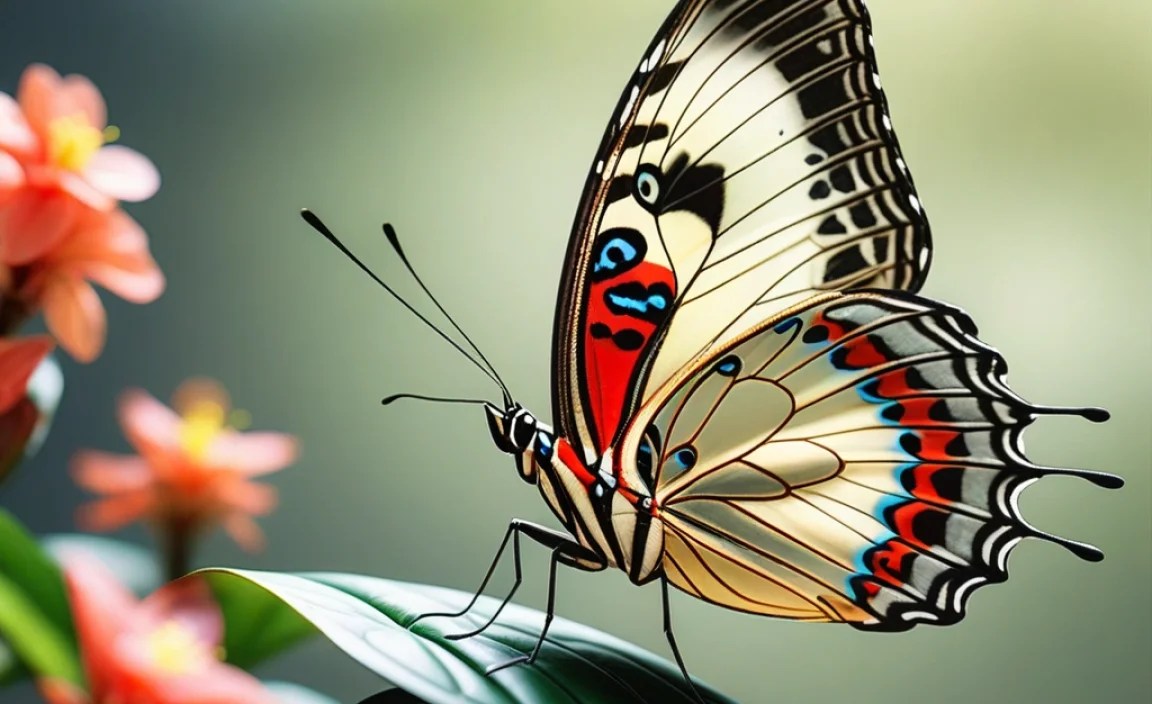
Have you ever wondered how a computer can tell the difference between a dog and a cat? It is like teaching a computer to see. Asian butterfly image recognition works the same way. Scientists show the computer lots of pictures of different butterflies. The computer learns what each type of butterfly looks like. It looks at the colors, shapes, and patterns on the wings. Then, when you show it a new picture, it can guess what kind of butterfly it is. This is helpful because there are many kinds of butterflies. It would take a long time to learn them all yourself.
- Computers learn from many pictures.
- They look at colors and shapes.
- Patterns on wings are important.
- The computer guesses the butterfly type.
- This helps us learn about butterflies faster.
Imagine you are teaching a friend about butterflies. You show them pictures and point out the different parts. You might say, “See how this one has blue wings?” The computer does something similar. It breaks down the picture into small parts. It looks for lines, curves, and colors. Then, it compares these parts to what it already knows. If it finds a match, it tells you the name of the butterfly. This is how Asian butterfly image recognition can help us learn about nature. It makes learning fun and easy.
Fun Fact or Stat: There are over 20,000 different species of butterflies in the world!
Why is Image Recognition Important?
Have you ever tried to count all the stars in the sky? It would take a very long time. Counting butterflies can also be hard. They fly around and move quickly. Asian butterfly image recognition makes this easier. Scientists can take pictures of butterflies. Then, the computer can count and identify them. This helps scientists know how many butterflies there are. It also helps them understand where the butterflies live. This information is important. It helps us protect butterflies and their homes.
How Does the Computer Learn?
Think about learning your ABCs. You start by seeing the letters. Then, you learn what sounds they make. The computer learns in a similar way. It sees many pictures of butterflies. It learns to connect the pictures with the names of the butterflies. The computer uses something called a neural network. This is like a big web of connections. The connections get stronger when the computer sees the same butterfly again and again. This helps it learn to identify butterflies correctly. Asian butterfly image recognition gets better over time as it sees more pictures.
Who Uses This Technology?
Imagine you are a detective. You need to find out about something. You might use clues to solve the mystery. Scientists use Asian butterfly image recognition like a detective. They use it to learn about butterflies. Scientists, researchers, and nature lovers use this technology. They can track butterfly populations. They can also study how butterflies are affected by changes in the environment. This helps us protect these beautiful creatures. Anyone can use this technology to learn more about butterflies.
Fun Fact or Stat: Some butterflies migrate thousands of miles each year!
Benefits of Using Image Recognition for Butterflies
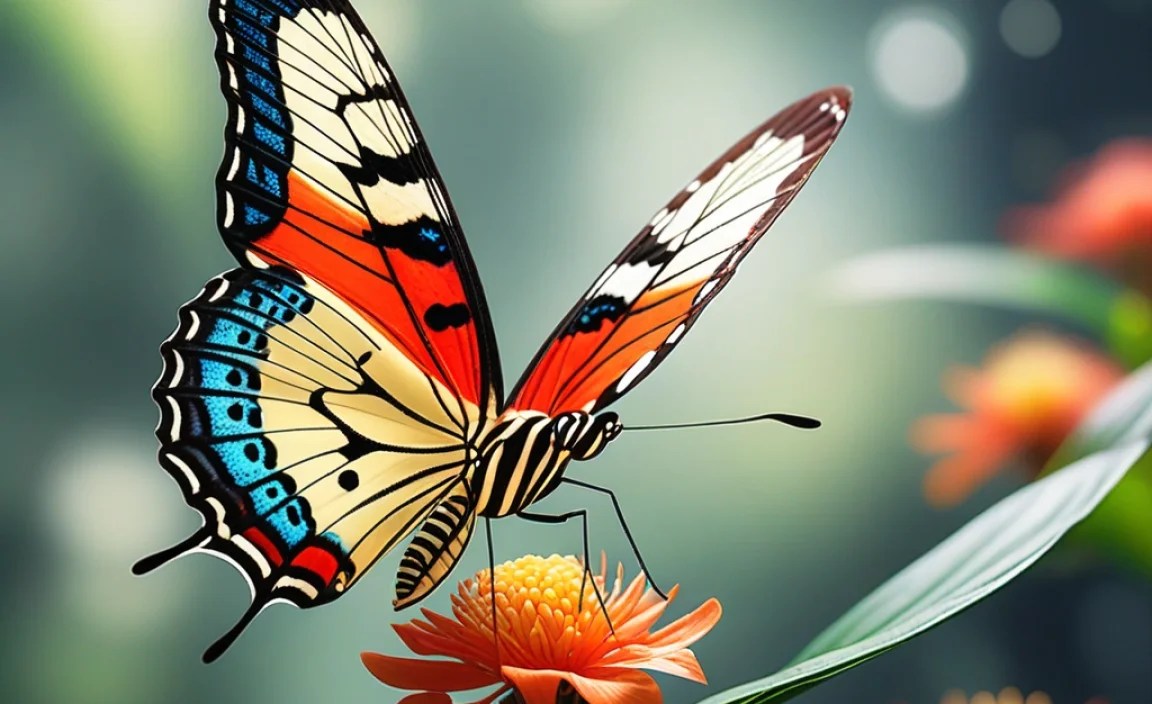
Why is it good to use computers to identify butterflies? Well, it saves a lot of time. Imagine trying to learn all the different types of butterflies yourself. It could take years. Asian butterfly image recognition can do it much faster. It also helps to avoid mistakes. People can sometimes mix up different types of butterflies. A computer can be more accurate. It can help scientists get better information about butterflies. This is important for protecting them and their habitats.
- Saves time compared to manual identification.
- Reduces errors in identifying species.
- Helps track butterfly populations accurately.
- Provides data for conservation efforts.
- Allows more people to study butterflies.
Let’s say you want to know if a certain type of butterfly is becoming rare. You could go out and try to count them. But that would be very hard. Instead, you can use Asian butterfly image recognition. You can take pictures of butterflies in different areas. Then, the computer can identify them and count them. This gives you a much better idea of how many there are. It also shows you where they live. This information helps scientists make plans to protect the butterflies.
Fun Fact or Stat: Butterflies taste with their feet!
Faster Identification
Think about a race. Who would win, a person or a car? The car would win because it is faster. Asian butterfly image recognition is like the car in this race. It can identify butterflies much faster than a person. This is important because scientists need to study many butterflies. They need to know what kinds they are and where they live. Using computers makes this process much faster and easier. This helps them learn more about butterflies in less time.
More Accurate Results
Have you ever made a mistake when trying to draw something? It is easy to do. Identifying butterflies can also be tricky. Some butterflies look very similar. People can sometimes make mistakes. Asian butterfly image recognition is more accurate. It uses special programs to analyze the pictures. This helps to avoid mistakes. The computer can see small differences that people might miss. This means the results are more reliable.
Better Data for Conservation
Imagine you are trying to build a house. You need to know what materials to use. You also need to know how much of each material you need. Scientists need information to protect butterflies. Asian butterfly image recognition helps them get this information. It provides data about butterfly populations. It also shows where butterflies live. This data helps scientists make better plans to protect butterflies and their homes.
Fun Fact or Stat: The largest butterfly in the world has a wingspan of almost 12 inches!
Challenges in Asian Butterfly Image Recognition

Even though Asian butterfly image recognition is helpful, it is not always easy. Sometimes the pictures are not very good. Maybe the butterfly is blurry or far away. This can make it hard for the computer to identify the butterfly. Also, some butterflies look very similar. It can be hard to tell them apart. Scientists are working to make the computer better at these things. They want it to be able to identify butterflies even when the pictures are not perfect.
- Poor image quality can be a problem.
- Similar-looking species are hard to identify.
- Different lighting can affect recognition.
- The angle of the photo matters.
- Rare species have fewer training images.
Imagine you are trying to read a book in the dark. It would be hard to see the words. The same thing can happen with Asian butterfly image recognition. If the picture is too dark or too bright, it can be hard for the computer to see the butterfly clearly. Also, if the butterfly is hiding in the shadows, it can be difficult to identify. Scientists are working on ways to fix these problems. They want the computer to be able to see butterflies even in bad lighting.
Fun Fact or Stat: Butterflies have four wings!
Image Quality Issues
Think about taking a picture with your phone. If your hand is shaky, the picture might be blurry. This is the same with butterfly pictures. If the picture is not clear, it can be hard for the computer to identify the butterfly. Scientists need to make sure the pictures are clear and in focus. This helps the computer do its job better. Good pictures are important for accurate Asian butterfly image recognition.
Similar Species
Have you ever seen twins who look exactly alike? It can be hard to tell them apart. Some butterflies are also very similar. They might have the same colors and patterns. This can make it hard for the computer to identify them. Scientists are teaching the computer to look for small differences. This helps it tell the different butterflies apart. This is important for getting accurate results with Asian butterfly image recognition.
Lighting Conditions
Imagine trying to paint a picture. The colors might look different depending on the light. The same thing happens with butterfly pictures. The colors can look different depending on the lighting. This can make it hard for the computer to identify the butterfly. Scientists are working on ways to correct for different lighting conditions. This helps the computer see the true colors of the butterfly. This makes Asian butterfly image recognition more accurate.
Fun Fact or Stat: A group of butterflies is called a flutter!
Tools and Technologies Used
What tools do scientists use for Asian butterfly image recognition? They use computers, of course. They also use special programs called algorithms. These algorithms help the computer learn from the pictures. One popular algorithm is called a neural network. It is like a big web of connections. Scientists also use databases of butterfly pictures. These databases help the computer learn what different butterflies look like.
- Computers with powerful processors.
- Neural network algorithms for learning.
- Large databases of butterfly images.
- Special software for image analysis.
- Cameras to capture butterfly images.
Imagine you are building a robot. You need to give it a brain. The neural network is like the robot’s brain. It helps the computer learn and make decisions. The more pictures the computer sees, the smarter it gets. The database is like a library of butterfly pictures. It gives the computer lots of examples to learn from. The software helps the computer analyze the pictures. It looks for patterns and colors. All of these tools work together to make Asian butterfly image recognition possible.
Fun Fact or Stat: Butterflies can see red, green, and yellow!
Neural Networks
Think about your brain. It has lots of connections that help you learn. Neural networks are like computer brains. They have lots of connections that help the computer learn. The computer uses these connections to identify butterflies. The more the computer learns, the better it gets. Neural networks are a key part of Asian butterfly image recognition.
Image Databases
Imagine you are learning a new language. You need a dictionary to help you understand the words. Image databases are like dictionaries for computers. They contain lots of pictures of butterflies. The computer uses these pictures to learn what different butterflies look like. The more pictures in the database, the better the computer can learn. These databases are important for Asian butterfly image recognition.
Software and Algorithms
Think about a recipe. It tells you how to make a cake. Software and algorithms are like recipes for computers. They tell the computer how to analyze the pictures. They help the computer find the patterns and colors that identify butterflies. These algorithms are important for accurate Asian butterfly image recognition.
Fun Fact or Stat: Butterflies beat their wings about five times per second!
Applications of Asian Butterfly Recognition
How can we use Asian butterfly image recognition? One way is to track butterfly populations. Scientists can take pictures of butterflies in different areas. Then, the computer can identify and count them. This helps scientists know if the butterfly population is growing or shrinking. This information is important for protecting butterflies. We can also use it to study butterfly migration. We can see where butterflies are traveling and how far they are going.
- Tracking butterfly populations over time.
- Studying migration patterns of butterflies.
- Identifying rare or endangered species.
- Monitoring the impact of habitat loss.
- Helping citizen scientists contribute data.
Imagine you are a detective trying to solve a case. You need to gather information and look for clues. Scientists use Asian butterfly image recognition to gather information about butterflies. They use it to track where butterflies are and how many there are. This helps them understand how butterflies are affected by changes in the environment. This information is important for protecting butterflies and their habitats.
Fun Fact or Stat: Some butterflies can fly up to 30 miles per hour!
Tracking Populations
Think about counting the students in your class. You need to know how many students there are. Scientists need to know how many butterflies there are. Asian butterfly image recognition helps them track butterfly populations. They can see if the population is growing or shrinking. This helps them understand if the butterflies are in danger.
Studying Migration
Have you ever moved from one place to another? Some butterflies migrate, too. They travel long distances to find food or a better place to live. Asian butterfly image recognition helps scientists study butterfly migration. They can see where the butterflies are going and how far they are traveling. This helps them understand why butterflies migrate.
Identifying Rare Species
Imagine you found a rare coin. It would be special because there are not many of them. Some butterflies are also rare. There are not many of them left. Asian butterfly image recognition helps scientists identify rare species. This is important for protecting these butterflies. If we know where they are, we can help them survive.
Fun Fact or Stat: Butterflies live on every continent except Antarctica!
Future of Butterfly Image Recognition
What will Asian butterfly image recognition be like in the future? It will probably get even better. The computers will be able to identify butterflies more accurately. They will also be able to identify butterflies from even bad pictures. More people will be able to use this technology. This will help us learn even more about butterflies. We can use this knowledge to protect them and their habitats.
- More accurate identification of species.
- Improved ability to handle poor images.
- Wider use by citizen scientists.
- Integration with mobile apps.
- Real-time identification in the field.
Imagine you have a magic wand. You can point it at a butterfly and instantly know what kind it is. Asian butterfly image recognition is getting closer to that. In the future, you might be able to use your phone to take a picture of a butterfly. The phone will instantly tell you what kind it is. This will make it easier for everyone to learn about butterflies and help protect them.
Fun Fact or Stat: Butterflies use the sun to help them navigate!
Improved Accuracy
Think about playing a game. You want to get better at it. Scientists want to make Asian butterfly image recognition more accurate. They are working on new ways to teach the computers. They want the computers to be able to identify butterflies even when the pictures are not perfect. This will help us learn more about butterflies.
Wider Accessibility
Imagine you have a special tool that only a few people can use. It would be better if everyone could use it. Scientists want to make Asian butterfly image recognition more accessible. They want more people to be able to use this technology. This will help us gather more data about butterflies. It will also help us protect them.
Real-Time Identification
Have you ever wished you could know something right away? Real-time identification means you can identify a butterfly instantly. You can take a picture and the computer will tell you what kind it is. This will make it easier to learn about butterflies in the field. It will also help scientists track butterfly populations. Asian butterfly image recognition is moving towards real-time identification.
Fun Fact or Stat: Butterflies can only fly if their body temperature is above 86 degrees Fahrenheit!
| Feature | Current Status | Future Goals |
|---|---|---|
| Accuracy | 85-90% | 95%+ |
| Image Quality | Requires high resolution | Works with lower resolution |
| Accessibility | Limited to researchers | Available to everyone |
| Speed | Minutes per image | Real-time |
| Species Coverage | Most common species | All known species |
Ethical Considerations
Is it okay to use computers to study butterflies? Most people think it is. But we need to be careful. We do not want to harm the butterflies. We should not disturb their habitats. We also need to make sure the data is used responsibly. We should use it to protect butterflies, not to harm them. Asian butterfly image recognition can be a powerful tool. But we need to use it wisely.
- Protecting butterfly habitats during data collection.
- Ensuring data privacy and security.
- Using data to benefit butterfly conservation.
- Avoiding harm to butterflies during research.
- Promoting ethical use of AI technology.
Imagine you are visiting a butterfly garden. You want to take pictures of the butterflies. But you do not want to scare them away. You need to be careful not to get too close. You also need to be respectful of their home. The same is true when using Asian butterfly image recognition. We need to make sure we are not harming the butterflies or their habitats. We should use this technology to help them, not to hurt them.
Fun Fact or Stat: Some butterflies are poisonous to protect themselves from predators!
Data Privacy
Think about your personal information. You do not want everyone to know everything about you. The same is true for data about butterflies. We need to protect the data we collect. We should not share it with people who might use it to harm the butterflies. Data privacy is important for ethical Asian butterfly image recognition.
Habitat Protection
Imagine you are building a house. You need to protect the environment around it. We need to protect butterfly habitats when we use Asian butterfly image recognition. We should not disturb their homes. We should also make sure our research does not harm the environment. Habitat protection is important for ethical butterfly research.
Responsible Use
Have you ever used something in a way that it was not intended for? We need to use Asian butterfly image recognition responsibly. We should use it to protect butterflies. We should not use it to harm them. Responsible use is important for ethical butterfly research.
Fun Fact or Stat: Butterflies are important pollinators, just like bees!
Summary
Asian butterfly image recognition is a cool way to learn about butterflies. It uses computers to identify different types of butterflies from pictures. This helps scientists track butterfly populations and study their migration patterns. It also helps us protect rare species. While there are challenges, like poor image quality, the technology is getting better. Soon, anyone will be able to use their phone to identify butterflies in real time. This will help us all learn more about these amazing insects.
This technology relies on neural networks, image databases, and special software. As the technology improves, it is important to use it responsibly. We need to protect butterfly habitats and ensure data privacy. By using Asian butterfly image recognition wisely, we can help protect these beautiful creatures for years to come.
Conclusion
Asian butterfly image recognition is a powerful tool. It helps us learn about butterflies in new ways. It makes it easier to track populations and study migration. As the technology gets better, it will become even more useful. We can use this knowledge to protect butterflies and their homes. By using this technology wisely, we can help these beautiful insects thrive.
Frequently Asked Questions
Question No 1: What is Asian butterfly image recognition?
Answer: Asian butterfly image recognition is a way to use computers to identify butterflies. You take a picture of a butterfly. Then, the computer looks at the picture and tells you what kind of butterfly it is. This helps scientists and nature lovers learn more about butterflies. It is like having a butterfly expert in your pocket!
Question No 2: How does it work?
Answer: The computer learns by looking at lots of pictures of butterflies. It learns to recognize the colors, shapes, and patterns on their wings. When you show it a new picture, it compares the picture to what it already knows. If it finds a match, it tells you the name of the butterfly. It is like teaching a computer to see!
Question No 3: Why is it important?
Answer: It is important because it helps us learn about butterflies. We can use it to track their populations and study their migration patterns. This information helps us protect butterflies and their habitats. Asian butterfly image recognition makes it easier to gather information about these important insects.
Question No 4: What are some challenges?
Answer: One challenge is that sometimes the pictures are not very good. Maybe the butterfly is blurry or far away. Another challenge is that some butterflies look very similar. It can be hard to tell them apart. Scientists are working to make the computer better at these things. They want it to be able to identify butterflies even when the pictures are not perfect. Even with these challenges, Asian butterfly image recognition is a useful tool.
Question No 5: How can I use it?
Answer: You can use it by downloading an app on your phone. Some apps use Asian butterfly image recognition to identify butterflies. You can take a picture of a butterfly and the app will tell you what kind it is. This is a fun way to learn about butterflies and contribute to science. You can help scientists track butterfly populations by sharing your pictures.
Question No 6: What is the future of Asian butterfly image recognition?
Answer: The future is bright! Scientists are working to make it even more accurate. They want to make it easier for everyone to use. Soon, you might be able to point your phone at a butterfly and instantly know what kind it is. This will help us all learn more about these amazing insects. Asian butterfly image recognition will continue to help us protect butterflies for years to come.


