
Easy Swallowtail Butterfly Caterpillar Care Guide

Taking care of swallowtail butterfly caterpillars involves providing them with their specific host plants, protecting them from predators, and creating a safe environment for them to grow and pupate. By ensuring these needs are met, you can successfully raise these beautiful butterflies.
Have you ever dreamed of watching a beautiful swallowtail butterfly emerge from its chrysalis? Raising swallowtail caterpillars can be an incredibly rewarding experience. However, it can also feel a little daunting at first. What do they eat? How do you keep them safe? Don’t worry, it’s simpler than you might think! With a few basic steps, you can provide a safe and nourishing environment for these amazing creatures. We’ll cover everything from identifying their favorite foods to protecting them from predators, so you can watch them transform into stunning butterflies.
What You Need to Know About Swallowtail Butterfly Caterpillars

Swallowtail butterfly caterpillars are among the most striking and recognizable caterpillars you can find in your garden. They are known for their vibrant colors and distinctive patterns. Understanding their needs is key to successfully raising them.
Identifying Swallowtail Caterpillars
Different species of swallowtail caterpillars have unique appearances, but there are some common characteristics to look for:
- Color: Young caterpillars often look like bird droppings. As they mature, they develop bright colors like green, yellow, black, and white.
- Patterns: Many have stripes, spots, or false eyespots to deter predators.
- Osmeterium: All swallowtail caterpillars have an osmeterium, a forked, brightly colored gland that they can extend from behind their head when threatened. It emits a strong odor that repels predators.
Different Species of Swallowtail Caterpillars
Here are a few common species you might encounter:
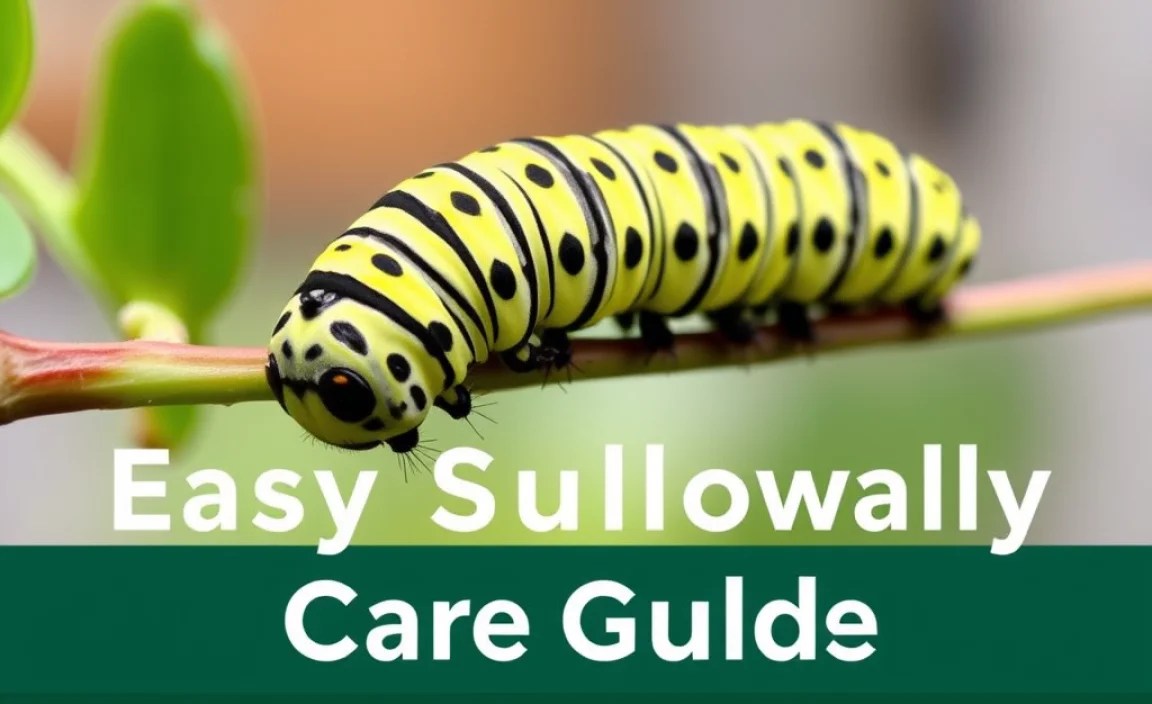
- Eastern Black Swallowtail (Papilio polyxenes): These caterpillars are green with black bands and yellow spots. They feed on plants in the parsley family, such as dill, parsley, fennel, and carrot tops.
- Tiger Swallowtail (Papilio glaucus): Young caterpillars resemble bird droppings. Older caterpillars are green with a yellow and black eyespot on their thorax. They feed on a variety of trees, including cherry, tulip poplar, and birch.
- Giant Swallowtail (Papilio cresphontes): These caterpillars look like bird droppings when small. As they grow, they become mottled brown and white. They feed on citrus and rue plants.
- Pipevine Swallowtail (Battus philenor): These caterpillars are dark with orange tubercles (small, rounded bumps). They feed exclusively on pipevine plants (Aristolochia species).
Life Cycle of a Swallowtail Butterfly
Understanding the life cycle can help you better care for the caterpillars:
- Egg: The female butterfly lays eggs on or near the host plant.
- Caterpillar (Larva): The caterpillar hatches and spends its time eating and growing. It molts (sheds its skin) several times as it grows larger.
- Pupa (Chrysalis): Once the caterpillar is fully grown, it pupates, forming a chrysalis. Inside the chrysalis, the caterpillar transforms into a butterfly.
- Adult Butterfly: The butterfly emerges from the chrysalis. It will fly off to reproduce, continuing the cycle.
Step-by-Step Guide to Swallowtail Butterfly Caterpillar Care

Here’s a detailed guide to help you care for your swallowtail caterpillars:
Step 1: Identify the Host Plant
The most important step in caring for swallowtail caterpillars is identifying their host plant. Swallowtail caterpillars are very specific about what they eat, and they will only feed on certain plants. Using the wrong plant can cause them to starve. Here’s how to identify the correct host plant:
- Observe the Mother Butterfly: If you see a swallowtail butterfly laying eggs on a plant, that’s a good indication that it’s a host plant.
- Check Local Resources: Consult local butterfly guides or websites to find out which plants are host plants for swallowtails in your area. The Xerces Society is a great resource.
- Look for Chewed Leaves: If you find caterpillars on a plant with signs of feeding, it’s likely a host plant.
Here’s a quick reference table for common swallowtail species and their host plants:
| Species | Host Plants |
|---|---|
| Eastern Black Swallowtail | Dill, Parsley, Fennel, Carrot Tops, Rue |
| Tiger Swallowtail | Cherry, Tulip Poplar, Birch, Willow, Ash |
| Giant Swallowtail | Citrus (Orange, Lemon, Grapefruit), Rue |
| Pipevine Swallowtail | Pipevine (Aristolochia species) |
Step 2: Provide Fresh Host Plant Material
Once you’ve identified the host plant, make sure the caterpillars have a constant supply of fresh leaves. Here’s how:
- Cut Fresh Stems: Cut stems of the host plant and place them in a jar of water. This will keep the leaves fresh for a longer period.
- Replace Regularly: Replace the stems every day or two, or as needed, to ensure the caterpillars always have fresh food.
- Wash the Leaves: Gently wash the leaves to remove any pesticides or contaminants. Be sure to dry them before giving them to the caterpillars.
- Consider Growing Host Plants: Plant host plants in your garden to provide a natural and continuous food source for the caterpillars.
Step 3: Create a Safe Enclosure
To protect the caterpillars from predators and provide a controlled environment, you’ll need a suitable enclosure. Here are some options:
- Mesh Cage: A mesh cage is ideal because it provides good ventilation and allows you to easily observe the caterpillars. You can purchase these online or at garden centers.
- Butterfly Tent: A butterfly tent is a larger version of a mesh cage, providing more space for the caterpillars and host plants.
- Plastic Container: A plastic container can be used, but it’s important to provide adequate ventilation by drilling small holes in the lid and sides.
When setting up the enclosure:
- Line the Bottom: Line the bottom of the enclosure with paper towels or newspaper for easy cleaning.
- Place the Host Plant Inside: Arrange the fresh host plant stems in the enclosure, making sure they are secure and accessible to the caterpillars.
- Maintain Humidity: Mist the leaves lightly with water every day to maintain humidity. Avoid over-watering, as this can lead to mold growth.
Step 4: Maintain a Clean Environment
A clean environment is crucial for the health of the caterpillars. Here’s how to keep their enclosure clean:
- Remove Frass: Frass is caterpillar poop. Remove it daily to prevent the buildup of bacteria and mold.
- Change the Lining: Change the paper towel or newspaper lining every day or two, or as needed.
- Clean the Enclosure: Periodically clean the entire enclosure with mild soap and water. Rinse thoroughly and allow it to dry completely before returning the caterpillars.
Step 5: Protect from Predators
Caterpillars are vulnerable to a variety of predators. Here’s how to protect them:
- Keep Indoors: Keeping the caterpillars indoors in a secure enclosure is the best way to protect them from predators.
- Check for Parasites: Inspect the caterpillars regularly for signs of parasites, such as small white eggs on their bodies. Remove any parasites you find.
- Monitor for Diseases: Watch for signs of disease, such as lethargy, discoloration, or unusual behavior. Isolate any sick caterpillars to prevent the spread of disease.
Common predators of swallowtail caterpillars include:
- Birds
- Spiders
- Wasps
- Ants
- Parasitic Flies
Step 6: Observe and Monitor
Regularly observe and monitor the caterpillars to ensure they are healthy and thriving. Here’s what to look for:
- Feeding: Make sure the caterpillars are actively feeding on the host plant.
- Growth: Watch for signs of growth, such as molting (shedding their skin). Caterpillars will molt several times as they grow.
- Behavior: Observe the caterpillars’ behavior. Healthy caterpillars will be active and responsive.
If you notice any problems, such as lack of feeding, unusual behavior, or signs of disease, take action immediately. This might involve changing the environment, providing fresh host plant material, or isolating sick caterpillars.
Step 7: Prepare for Pupation
When the caterpillar is ready to pupate, it will stop feeding and begin to search for a suitable spot to form its chrysalis. Here’s how to prepare for pupation:
- Provide Support: Make sure there are twigs or other supports in the enclosure for the caterpillar to attach to.
- Maintain Humidity: Maintain a slightly higher humidity level to help the caterpillar pupate successfully.
- Avoid Disturbing: Avoid disturbing the caterpillar during the pupation process.
The caterpillar will attach itself to a twig or the side of the enclosure and shed its skin one last time, revealing the chrysalis. The chrysalis will harden and change color over time.
Step 8: Care for the Chrysalis
Once the caterpillar has formed a chrysalis, it’s important to continue providing a safe and stable environment. Here’s how:
- Maintain Humidity: Continue to mist the chrysalis lightly with water every day to maintain humidity.
- Avoid Direct Sunlight: Protect the chrysalis from direct sunlight, which can cause it to dry out.
- Monitor for Emergence: Watch for signs of emergence. The chrysalis will become transparent shortly before the butterfly emerges.
The length of time the chrysalis will remain in this state varies depending on the species and environmental conditions. It can range from a week to several weeks.
Step 9: Release the Butterfly
When the butterfly emerges from the chrysalis, it will need some time to dry its wings. Here’s how to help:
- Provide a Perch: Provide a perch, such as a twig or a piece of paper towel, for the butterfly to climb onto.
- Avoid Touching the Wings: Avoid touching the butterfly’s wings, as this can damage them.
- Release Outdoors: Once the butterfly’s wings are dry and it is able to fly, release it outdoors in a safe location with plenty of nectar sources.
Release the butterfly on a warm, sunny day, preferably in an area with flowering plants that provide nectar. This will give the butterfly the best chance of survival.
Troubleshooting Common Issues
Even with the best care, you may encounter some issues when raising swallowtail caterpillars. Here are some common problems and how to address them:
| Issue | Possible Cause | Solution |
|---|---|---|
| Caterpillars Not Eating | Incorrect host plant, contaminated leaves, illness | Ensure correct host plant, wash leaves, isolate sick caterpillars |
| Caterpillars Dying | Disease, parasites, poor environment | Maintain clean environment, monitor for parasites, isolate sick caterpillars |
| Mold Growth | Excessive humidity, poor ventilation | Improve ventilation, reduce humidity, clean enclosure |
| Chrysalis Drying Out | Low humidity, direct sunlight | Maintain humidity, protect from direct sunlight |
Frequently Asked Questions
What do swallowtail caterpillars eat?
Swallowtail caterpillars are picky eaters! They only eat specific host plants. For example, Black Swallowtails love dill, parsley, and fennel, while Tiger Swallowtails prefer cherry and tulip trees.
How do I keep my caterpillars safe from predators?
Bringing them indoors is the best way! Keep your caterpillars in a mesh cage or container with good ventilation to protect them from birds, wasps, and other predators.
How often should I clean the caterpillar enclosure?
Daily maintenance is key! Remove caterpillar droppings (frass) every day and replace the lining of the enclosure every one to two days to prevent mold and bacteria growth.
How do I know when a caterpillar is ready to pupate?
They’ll give you clues! When a caterpillar is ready to pupate, it will stop eating and start searching for a safe spot to form its chrysalis. It might also change color slightly.
What do I do when the butterfly emerges from the chrysalis?
Give it space to dry! Provide a perch, like a twig, for the butterfly to climb on. Once its wings are dry and it can fly, release it outdoors on a warm, sunny day near nectar-rich flowers.
Is it okay to touch the caterpillars?
Handle with care! It’s best to avoid unnecessary handling. If you need to move a caterpillar, do so gently and wash your hands before and after.
How can I attract more swallowtail butterflies to my garden?
Plant their favorite foods! Plant host plants like dill, parsley, cherry trees, and citrus to attract swallowtail butterflies. Also, provide nectar sources like butterfly bush, zinnias, and milkweed for the adult butterflies.
Conclusion
Raising swallowtail butterfly caterpillars is a truly magical experience. By providing the right host plants, a safe environment, and a little bit of care, you can witness one of nature’s most incredible transformations firsthand. Remember to identify the specific needs of your local swallowtail species and be patient as you watch them grow, pupate, and emerge as beautiful butterflies. By supporting these amazing creatures, you’re contributing to the health of our ecosystems and enjoying the beauty of nature right in your own backyard. Happy butterflying!


