
Swallowtail Butterfly Myths Debunked: Ultimate Guide

Swallowtail butterflies are often surrounded by myths! Many believe they’re poisonous, only live a day, or are impossible to attract to your garden. These are simply untrue. Swallowtails are beautiful, beneficial, and relatively easy to support with the right plants and knowledge. Let’s explore and debunk these common misconceptions!
Aren’t swallowtail butterflies gorgeous? From the Giant Swallowtail with its impressive wingspan to the vibrant colors of the Eastern Tiger Swallowtail, these butterflies captivate us. But, like many fascinating creatures, swallowtails are often the subject of myths and misunderstandings. It’s easy to stumble upon incorrect information, which can lead to confusion and even prevent us from fully appreciating these amazing insects. This guide will clear up the common myths, giving you the real facts about swallowtail butterflies and how to attract them to your backyard. You’ll learn about their life cycle, preferred plants, and the truth behind those persistent rumors!
Common Swallowtail Butterfly Myths Debunked

Let’s dive into some of the most common myths about swallowtail butterflies and set the record straight:
Myth #1: Swallowtail Butterflies are Poisonous
This is one of the most widespread misconceptions. While some butterflies, like the Monarch, are poisonous due to the toxins they ingest as caterpillars, most swallowtails are not poisonous. Some swallowtail caterpillars, such as the Pipevine Swallowtail, feed on plants containing toxins (in this case, pipevine). This makes the caterpillars and butterflies unpalatable to some predators. However, this toxicity is the exception, not the rule, for swallowtails.
Many swallowtail caterpillars employ other defense mechanisms, such as:
- Camouflage: Blending in with their surroundings.
- Mimicry: Resembling bird droppings when young or other, toxic butterflies when older.
- Osmeterium: A forked, foul-smelling organ that the caterpillar protrudes from its head when threatened.
These strategies help them avoid predators without being poisonous themselves.
Myth #2: Swallowtail Butterflies Only Live for a Day
This myth likely stems from the general belief that butterflies have very short lifespans. While it’s true that butterflies don’t live for years, swallowtails typically live for two weeks to a month as adults. Their lifespan depends on various factors such as:
- Species
- Weather conditions
- Availability of nectar
- Predator presence
During their adult lives, swallowtails focus on reproduction, feeding on nectar, and finding suitable host plants for their eggs.
Myth #3: Swallowtail Butterflies are Rare and Endangered
While some swallowtail species may be of conservation concern in specific regions, many swallowtail species are relatively common and widespread. The Eastern Tiger Swallowtail, for instance, is found throughout eastern North America and is a frequent visitor to gardens. Factors like habitat loss and pesticide use can impact swallowtail populations. However, many species are still thriving.
You can contribute to swallowtail conservation by:
- Planting native host plants and nectar sources
- Avoiding pesticide use in your garden
- Supporting local conservation efforts
Myth #4: You Can’t Attract Swallowtail Butterflies to Your Garden
This is absolutely false! Swallowtail butterflies can be readily attracted to gardens with the right plants. The key is to provide both host plants for the caterpillars and nectar plants for the adults. Here’s a simple guide:
- Host Plants: These are the plants that swallowtail caterpillars feed on. Common examples include milkweed (for Monarchs, though some swallowtails use it too!), dill, parsley, fennel, citrus trees, spicebush, and tulip trees, depending on the swallowtail species in your area.
- Nectar Plants: These plants provide nectar, the energy source for adult butterflies. Good choices include zinnias, butterfly bush (Buddleja), coneflowers (Echinacea), and lantana.
By offering these resources, you can create a welcoming habitat for swallowtail butterflies in your backyard.
Myth #5: Swallowtail Butterflies are Only Found in Tropical Regions
While it’s true that swallowtails are diverse and abundant in tropical regions, they are also found in temperate and even some colder climates. In North America, swallowtail species range from southern Canada to Florida and from the East Coast to the West Coast. Different species are adapted to different climates and habitats.
Myth #6: Swallowtail Caterpillars are Always Green
While many swallowtail caterpillars are green, they can also come in a variety of colors and patterns, depending on the species and their stage of development (instar). Some caterpillars mimic bird droppings when they are young and then become brightly colored as they mature. For example, Spicebush Swallowtail caterpillars can be green, yellow, or even reddish-brown. Black Swallowtail caterpillars are green with black stripes and yellow or orange spots.
Myth #7: Swallowtail Butterflies Don’t Migrate
While not all swallowtail species migrate, some do engage in migratory behavior, though not as extensively or famously as Monarch butterflies. For example, some populations of Two-tailed Swallowtails in the western United States undertake seasonal movements in response to resource availability and weather conditions. These migrations are less about escaping cold temperatures and more about following the best food sources.
Understanding Swallowtail Butterfly Life Cycle
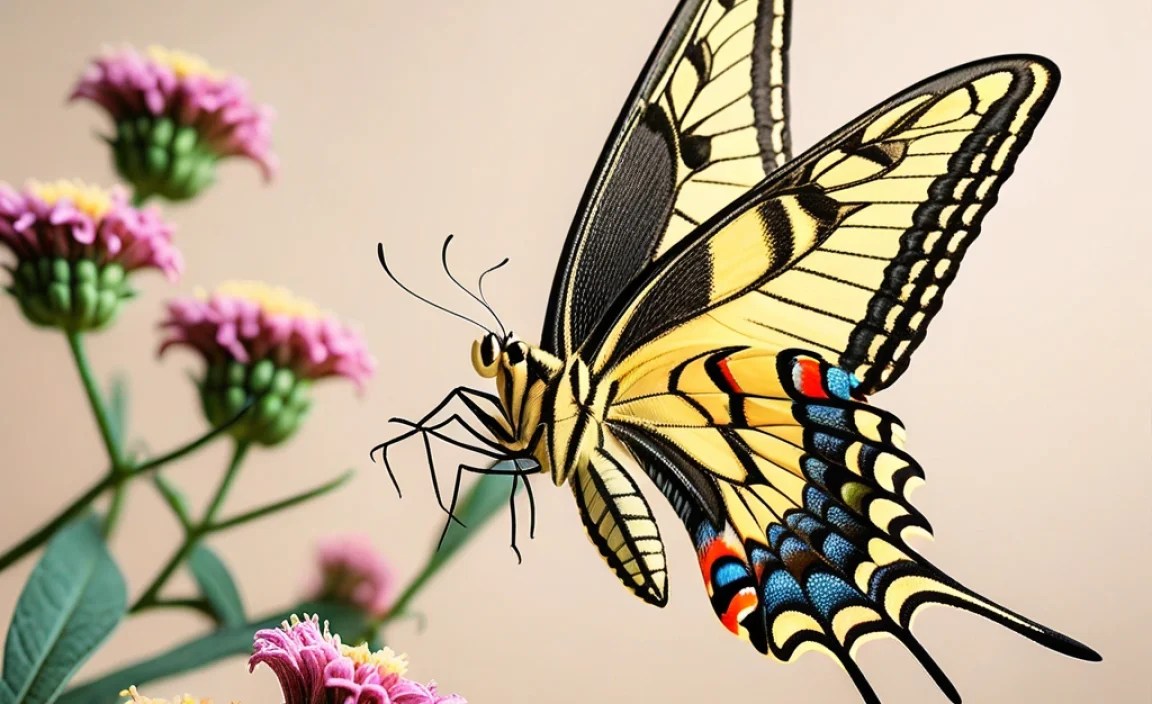
To better appreciate and support swallowtail butterflies, it’s helpful to understand their life cycle:
- Egg: Swallowtail butterflies lay their eggs on or near their host plants. The eggs are often small and round, and their color varies depending on the species.
- Larva (Caterpillar): The caterpillar hatches from the egg and begins feeding on the host plant. It goes through several molts (instars) as it grows, shedding its skin each time.
- Pupa (Chrysalis): Once the caterpillar is fully grown, it forms a chrysalis. The chrysalis can be green or brown, depending on the species and the surrounding environment.
- Adult Butterfly: Inside the chrysalis, the caterpillar undergoes metamorphosis and transforms into an adult butterfly. When the butterfly is ready, it emerges from the chrysalis, pumps fluid into its wings to expand them, and then flies off to reproduce.
Attracting Swallowtail Butterflies to Your Garden: A Step-by-Step Guide

Ready to create a butterfly haven in your backyard? Here’s how:
Step 1: Identify Local Swallowtail Species
Before you start planting, research which swallowtail species are native to your area. This will help you choose the right host plants and nectar sources. Resources like the U.S. Forest Service and local butterfly organizations can provide valuable information.
Step 2: Plant Host Plants
Provide the food that swallowtail caterpillars need to thrive. Some popular options include:
- Black Swallowtail: Parsley, dill, fennel, rue
- Eastern Tiger Swallowtail: Tulip tree, wild cherry, ash, willow
- Spicebush Swallowtail: Spicebush, sassafras
- Pipevine Swallowtail: Pipevine (Aristolochia)
- Giant Swallowtail: Citrus trees, Hercules’ Club
Step 3: Plant Nectar Sources
Offer a variety of nectar-rich flowers to attract adult butterflies. Choose plants with different bloom times to provide a continuous food source throughout the season. Some excellent choices include:
- Zinnias
- Butterfly bush (Buddleja)
- Coneflowers (Echinacea)
- Lantana
- Salvia
- Asters
- Milkweed (also a host plant for Monarchs!)
Step 4: Provide a Water Source
Butterflies need water, too! Create a “puddling” area by filling a shallow dish with water and adding some pebbles or marbles for the butterflies to land on. Keep the dish filled with fresh water.
Step 5: Avoid Pesticides
Pesticides can harm or kill butterflies and other beneficial insects. Avoid using pesticides in your garden, or choose organic options that are less harmful.
Step 6: Provide Shelter
Butterflies need shelter from wind and rain. Plant shrubs and trees to provide them with places to rest and hide.
Step 7: Observe and Enjoy!
Once you’ve created your butterfly garden, take the time to observe and enjoy the beautiful butterflies that visit. You’ll be rewarded with a colorful and vibrant ecosystem right in your backyard.
Swallowtail Butterfly Identification: A Quick Guide
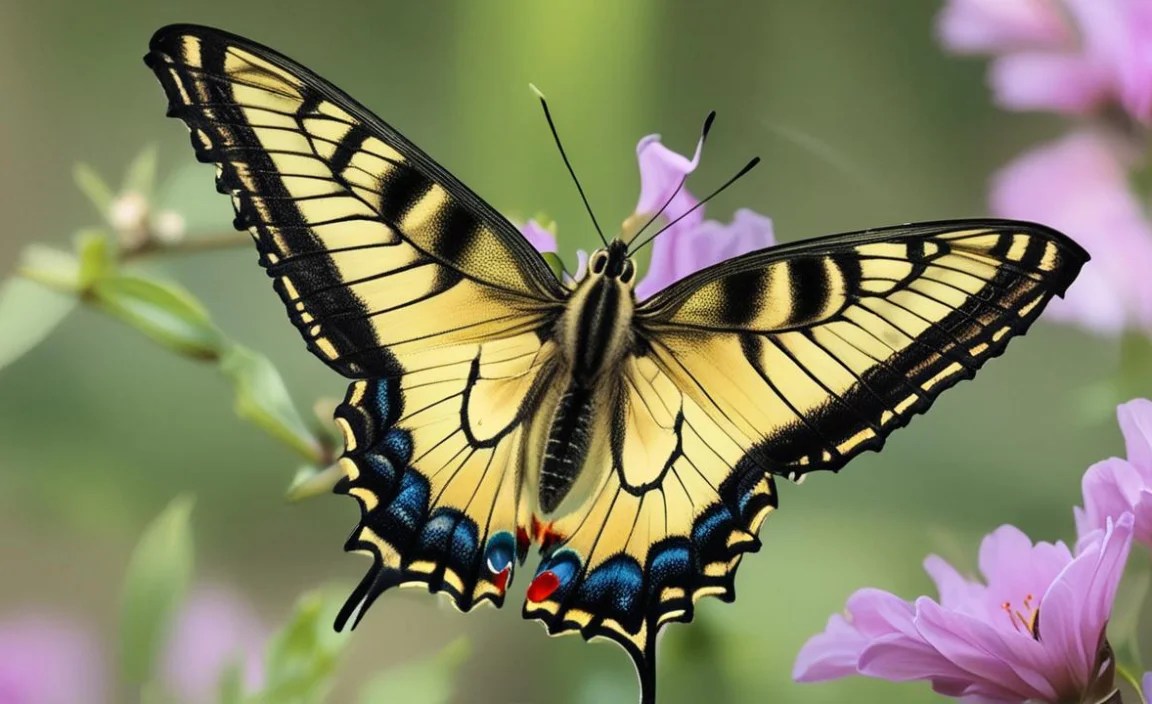
With so many different swallowtail species, it can be challenging to identify them. Here’s a quick guide to some of the most common North American species:
| Species | Appearance | Host Plants | Range |
|---|---|---|---|
| Eastern Tiger Swallowtail (Papilio glaucus) | Yellow with black stripes (females can be yellow or black) | Tulip tree, wild cherry, ash, willow | Eastern North America |
| Black Swallowtail (Papilio polyxenes) | Black with yellow spots and blue iridescent markings | Parsley, dill, fennel, rue | North America east of the Rockies |
| Spicebush Swallowtail (Papilio troilus) | Black with blue-green iridescent markings and orange spots | Spicebush, sassafras | Eastern North America |
| Pipevine Swallowtail (Battus philenor) | Black with iridescent blue hindwings | Pipevine (Aristolochia) | Southern United States, spreading northward |
| Giant Swallowtail (Papilio cresphontes) | Brown with yellow markings | Citrus trees, Hercules’ Club | Southern United States, occasionally northward |
Conservation Efforts for Swallowtail Butterflies
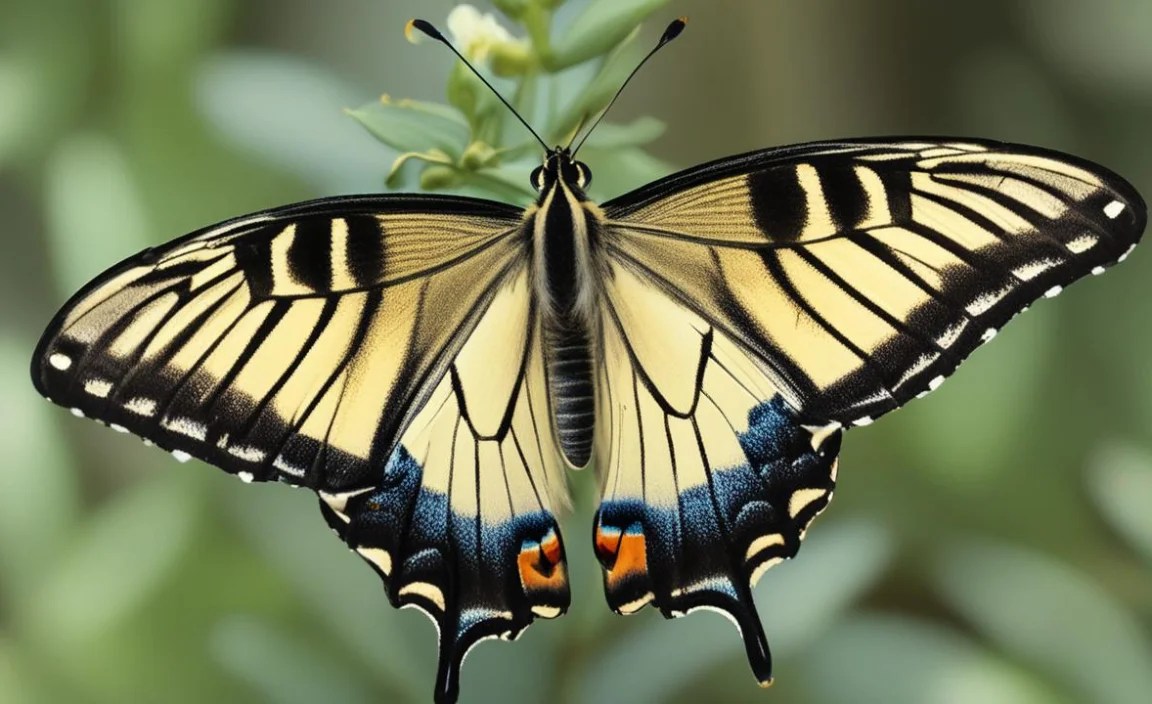
While many swallowtail species are not currently endangered, it’s important to be aware of the threats they face and to support conservation efforts. Habitat loss, pesticide use, and climate change can all impact swallowtail populations. Here are some ways you can help:
- Plant Native Plants: Providing native host plants and nectar sources is one of the most effective ways to support swallowtail butterflies.
- Avoid Pesticides: Choose organic gardening practices and avoid using pesticides that can harm butterflies and other beneficial insects.
- Support Local Conservation Organizations: Donate to or volunteer with organizations that are working to protect butterfly habitats.
- Educate Others: Share your knowledge about swallowtail butterflies with friends, family, and neighbors. The more people who care about these beautiful creatures, the better.
- Create Butterfly Gardens in Schools and Public Spaces: Encourage schools, parks, and other public spaces to create butterfly gardens to provide habitat and educate the public.
The Symbolism of Swallowtail Butterflies

Beyond their ecological importance, swallowtail butterflies also hold symbolic meaning in many cultures. Butterflies, in general, are often seen as symbols of:
- Transformation and change
- Hope and new beginnings
- Beauty and grace
- The soul or spirit
- Resurrection and rebirth
The specific symbolism of swallowtail butterflies can vary depending on the culture. In some cultures, they are associated with good luck, prosperity, and happiness. In others, they are seen as messengers from the spirit world.
FAQ: Swallowtail Butterfly Myths and Facts
Here are some frequently asked questions about swallowtail butterflies:
Are swallowtail butterflies poisonous to touch?
No, swallowtail butterflies are not poisonous to touch. While some caterpillars may have defense mechanisms like the osmeterium, they are not harmful to humans.
What do swallowtail caterpillars eat?
Swallowtail caterpillars eat the leaves of their host plants. The specific host plant varies depending on the species of swallowtail.
How can I tell the difference between a male and female swallowtail butterfly?
In some species, males and females have different color patterns or markings. For example, female Eastern Tiger Swallowtails can be either yellow or black, while males are always yellow. Size can also be a factor with females often larger. Wing shape is the most reliable way to tell the difference with males having claspers at the end of their abdomen for mating.
How long does it take for a swallowtail butterfly to emerge from its chrysalis?
The time it takes for a swallowtail butterfly to emerge from its chrysalis varies depending on the species and the temperature. It typically takes between one and two weeks.
Do swallowtail butterflies sleep?
Butterflies don’t sleep in the same way that humans do, but they do have periods of inactivity. They typically rest at night or during cloudy weather, often hanging upside down from a branch or leaf.
What is the best time of day to see swallowtail butterflies in my garden?
Swallowtail butterflies are most active during the warm, sunny part of the day. Mid-morning to mid-afternoon is usually the best time to spot them.
Are swallowtail butterflies good pollinators?
Yes, swallowtail butterflies are good pollinators. As they feed on nectar, they transfer pollen from flower to flower, helping to fertilize plants.
Conclusion
By debunking common myths and understanding the real facts about swallowtail butterflies, we can better appreciate and support these incredible creatures. Providing host plants and nectar sources in your garden, avoiding pesticides, and supporting conservation efforts are all ways you can help swallowtail butterflies thrive. So, get out there, plant some flowers, and enjoy the beauty of these amazing insects!


