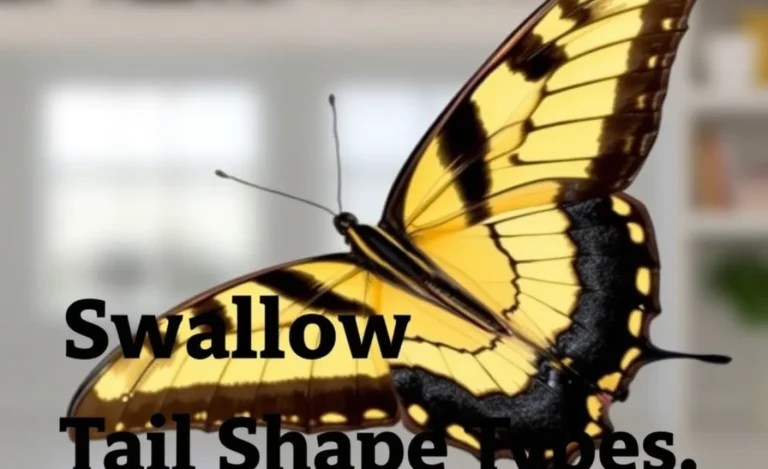
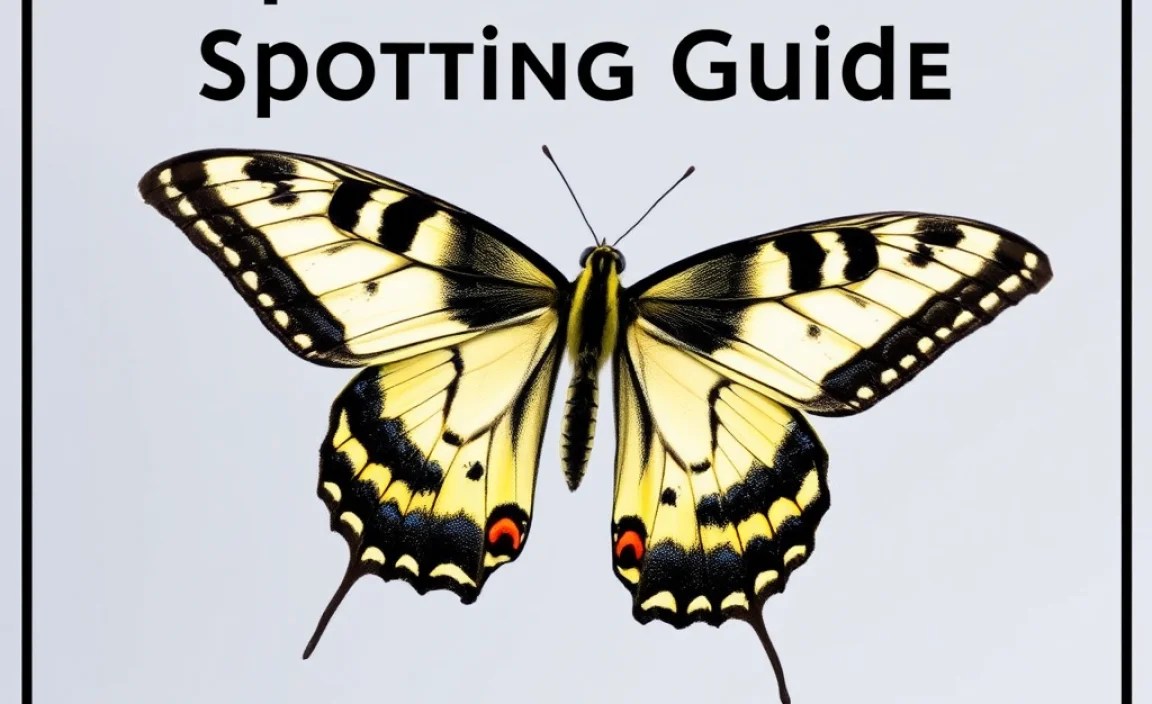
Swallowtail Butterfly Spotting Guide: The Ultimate How-To

Spotting swallowtail butterflies involves knowing their preferred habitats, host plants, and flight seasons. Look for them in open meadows, gardens with nectar-rich flowers like milkweed and zinnias, and near wooded areas. Pay attention to their large size, distinctive tails, and vibrant colors as they flutter around!
Have you ever been captivated by the sight of a large, colorful butterfly gracefully fluttering through the air? Chances are, you’ve spotted a swallowtail! These magnificent creatures, with their distinctive tails and vibrant patterns, are a joy to observe. However, finding them can sometimes feel like a challenge. Don’t worry! This guide will provide you with everything you need to know to successfully spot swallowtail butterflies, from understanding their habitats to identifying different species. Get ready to embark on your swallowtail spotting adventure!
Understanding Swallowtail Butterflies
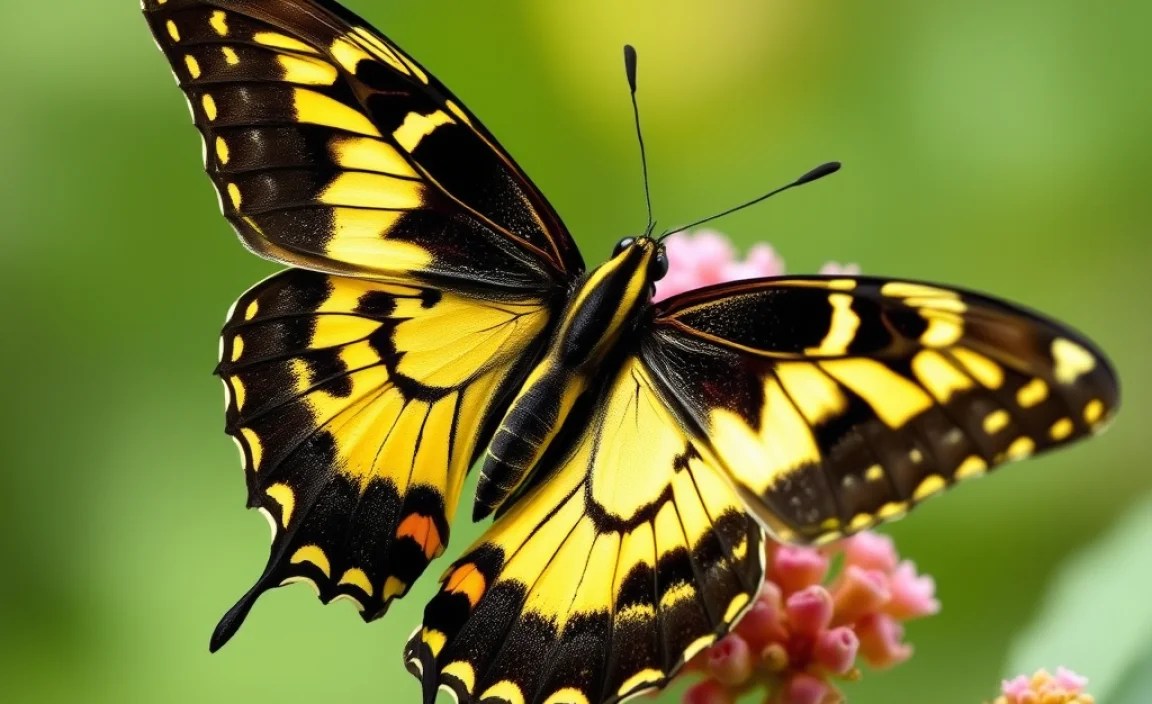
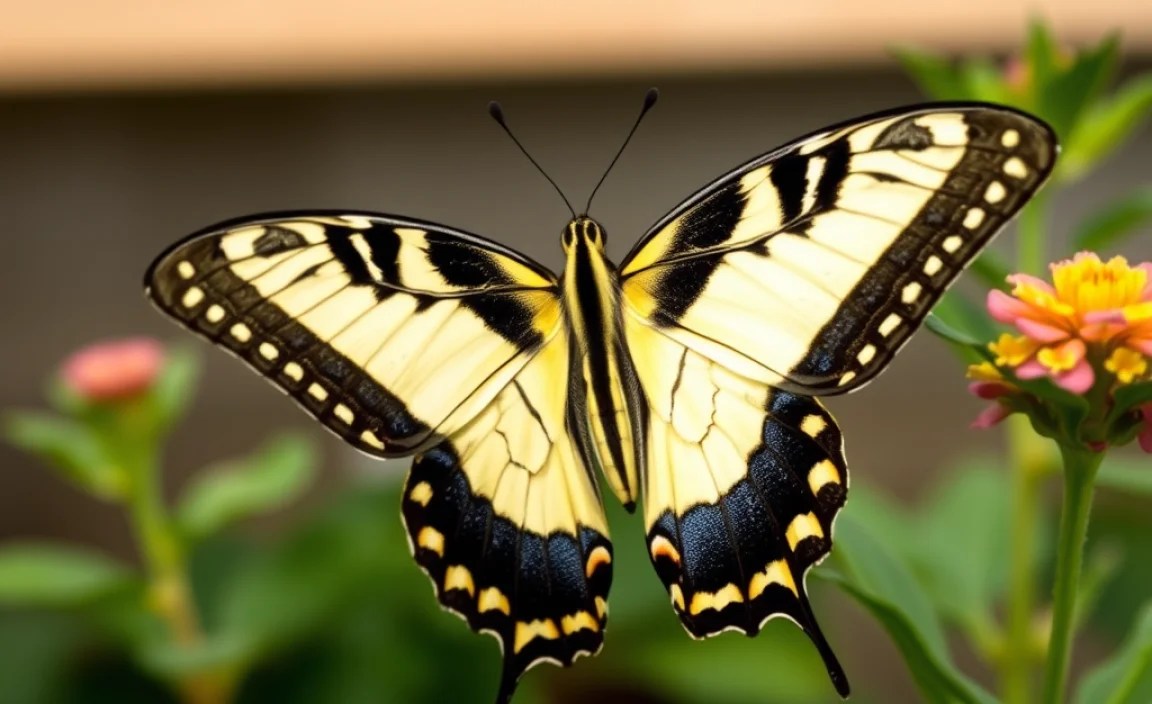
Swallowtail butterflies belong to the family Papilionidae, one of the most recognizable and admired butterfly families. They are found all over the world, except for Antarctica, and are known for their large size and the distinctive “tails” on their hindwings, which resemble the tails of swallows. These butterflies play an important role in the ecosystem as pollinators, and their beauty adds a touch of magic to our natural world.
Key Characteristics of Swallowtails
- Size: Swallowtails are generally large butterflies, with wingspans ranging from 2 to 6 inches.
- Tails: The most distinctive feature of swallowtails is the presence of tails on their hindwings. These tails can vary in length and shape depending on the species.
- Coloration: Swallowtails exhibit a wide range of colors and patterns, including black, yellow, orange, blue, and green. Their vibrant colors often serve as a warning to predators.
- Flight: Swallowtails are strong fliers, capable of soaring and gliding through the air. They often have a distinctive, erratic flight pattern.
Swallowtail Habitats
Swallowtail butterflies can be found in a variety of habitats, including:
- Open Meadows: These areas provide ample sunlight and a variety of nectar-rich flowers.
- Gardens: Butterfly gardens with host plants and nectar sources are excellent places to spot swallowtails.
- Wooded Areas: Some swallowtail species prefer the shelter and food sources found in woodlands.
- Fields: Agricultural fields, especially those with host plants like dill or parsley, can attract swallowtails.
- Marshes and Wetlands: Certain swallowtail species are adapted to wetland environments.
Step-by-Step Swallowtail Spotting Guide
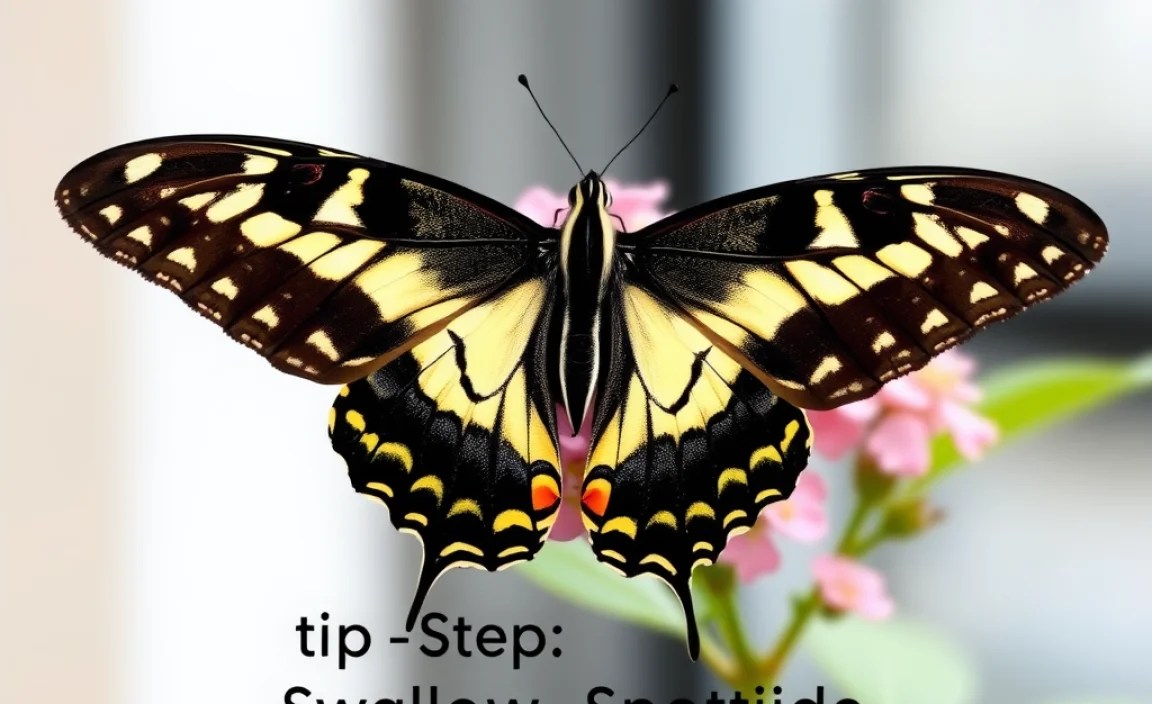
Ready to find some swallowtails? Follow these steps to increase your chances of a successful sighting:
Step 1: Know Your Swallowtails
Before you head out, familiarize yourself with the swallowtail species that are common in your area. This will help you identify them more easily when you see them. Some common North American swallowtails include the Eastern Tiger Swallowtail, Black Swallowtail, Giant Swallowtail, and Pipevine Swallowtail.
| Species | Appearance | Host Plants | Habitat |
|---|---|---|---|
| Eastern Tiger Swallowtail (Papilio glaucus) | Yellow with black stripes (females can be black) | Wild cherry, tulip tree, sweetbay | Deciduous forests, woodlands, gardens |
| Black Swallowtail (Papilio polyxenes) | Black with yellow spots (males) or blue scaling (females) | Dill, parsley, carrot, fennel | Open areas, gardens, fields |
| Giant Swallowtail (Papilio cresphontes) | Brown with yellow markings | Citrus trees, rue, prickly ash | Citrus groves, woodlands, gardens |
| Pipevine Swallowtail (Battus philenor) | Black with iridescent blue hindwings | Pipevine (Aristolochia species) | Woodlands, gardens, thickets |
Step 2: Choose the Right Time
Swallowtail butterflies are most active during warm, sunny days. The best time to spot them is typically mid-morning to mid-afternoon when temperatures are at their peak. Avoid searching on cloudy or rainy days, as butterflies tend to be less active during inclement weather.
Step 3: Find the Right Location
As mentioned earlier, swallowtails can be found in a variety of habitats. Focus your search on areas with plenty of nectar-rich flowers and host plants. Butterfly gardens, open meadows, and woodland edges are all good places to start. Consider visiting local parks, nature reserves, or botanical gardens.
Step 4: Look for Host Plants
Host plants are plants that swallowtail caterpillars feed on. Knowing the host plants for the swallowtail species in your area can greatly increase your chances of finding them. For example, if you’re looking for Black Swallowtails, search near dill, parsley, or carrot plants. If you’re searching for Pipevine Swallowtails, look for pipevine plants. Here are some common host plants for various swallowtail species:
- Eastern Tiger Swallowtail: Wild cherry, tulip tree, sweetbay
- Black Swallowtail: Dill, parsley, carrot, fennel
- Giant Swallowtail: Citrus trees, rue, prickly ash
- Pipevine Swallowtail: Pipevine (Aristolochia species)
Step 5: Observe Nectar Sources
Nectar sources are plants that provide food for adult butterflies. Swallowtails are attracted to flowers with bright colors and abundant nectar. Some popular nectar sources for swallowtails include:
- Milkweed (Asclepias species)
- Zinnias (Zinnia elegans)
- Butterfly Bush (Buddleja davidii)
- Lantana (Lantana camara)
- Salvia (Salvia species)
Step 6: Be Patient and Observant
Finding swallowtail butterflies requires patience and a keen eye. Take your time, scan the area carefully, and pay attention to any movement. Look for butterflies fluttering around flowers, basking in the sun, or flying near host plants. Bring a pair of binoculars to get a closer look without disturbing the butterflies.
Step 7: Use Butterfly Lures
Consider using butterfly lures to attract swallowtails to your area. Butterfly lures are commercially available or can be made at home using a mixture of overripe fruit, sugar, and water. Place the lure in a shallow dish or sponge and hang it in a sunny location near nectar sources.
Step 8: Track Your Sightings
Keep a record of your swallowtail sightings, including the date, time, location, and species. This information can be valuable for monitoring butterfly populations and understanding their distribution. You can use a notebook, a smartphone app, or an online platform to track your sightings. Consider submitting your data to citizen science projects like eButterfly to contribute to butterfly research and conservation efforts.
Essential Gear for Butterfly Spotting
Having the right gear can enhance your butterfly spotting experience. Here are some essential items to bring with you:
- Binoculars: A good pair of binoculars will allow you to observe butterflies from a distance without disturbing them. Look for binoculars with a magnification of 8x or 10x and a wide field of view.
- Butterfly Net (Optional): A butterfly net can be useful for catching butterflies for closer examination, but it should be used with care. Always handle butterflies gently and release them as soon as possible.
- Camera: A camera will allow you to capture beautiful photos of the swallowtail butterflies you encounter. A macro lens is ideal for close-up shots.
- Field Guide: A field guide to butterflies will help you identify different species and learn about their life cycles and behavior.
- Notebook and Pen: A notebook and pen are essential for recording your sightings and taking notes on butterfly behavior and habitat.
- Water and Snacks: Bring plenty of water and snacks to stay hydrated and energized during your butterfly spotting adventure.
- Sunscreen and Insect Repellent: Protect yourself from the sun and insects by applying sunscreen and insect repellent before heading out.
Attracting Swallowtails to Your Garden

Want to enjoy swallowtail butterflies in your own backyard? Here’s how to create a butterfly-friendly garden that will attract these beautiful creatures:
Plant Host Plants
Provide host plants for swallowtail caterpillars to feed on. This is the most important step in attracting swallowtails to your garden. Choose host plants that are native to your area and that are suitable for your climate.
Provide Nectar Sources
Plant a variety of nectar-rich flowers that will provide food for adult butterflies. Choose flowers with bright colors and long bloom times. Plant flowers in clusters to make them more attractive to butterflies.
Offer a Water Source
Butterflies need water to stay hydrated. Provide a shallow dish of water with pebbles or marbles for them to land on. You can also create a mud puddle by wetting a patch of soil.
Provide Shelter
Butterflies need shelter from wind and predators. Plant shrubs and trees to provide them with a safe haven. You can also create a butterfly house or leave piles of leaves and twigs for them to hide in.
Avoid Pesticides
Pesticides can harm or kill butterflies and other beneficial insects. Avoid using pesticides in your garden, or choose organic alternatives.
Provide Sunlight
Butterflies need sunlight to warm their bodies. Plant your butterfly garden in a sunny location that receives at least six hours of sunlight per day.
Swallowtail Conservation
Swallowtail butterflies, like many other insects, face numerous threats, including habitat loss, pesticide use, and climate change. By taking steps to protect and conserve these beautiful creatures, we can ensure that future generations will be able to enjoy their presence in our natural world. Here are some ways you can help:
- Create Butterfly-Friendly Habitats: Plant host plants and nectar sources in your garden or community.
- Avoid Pesticides: Use organic gardening practices to protect butterflies and other beneficial insects.
- Support Conservation Organizations: Donate to or volunteer with organizations that are working to protect butterfly habitats. The Xerces Society is a great resource for information and conservation efforts.
- Educate Others: Share your knowledge and passion for butterflies with friends, family, and community members.
- Advocate for Butterfly Conservation: Contact your elected officials and urge them to support policies that protect butterfly habitats and reduce pesticide use.
Swallowtail Butterfly Symbolism
Throughout history and across cultures, butterflies have been symbols of transformation, hope, and beauty. Swallowtail butterflies, with their distinctive tails and vibrant colors, often carry special symbolic meanings. Here are some common interpretations:
- Transformation: The butterfly’s life cycle, from caterpillar to chrysalis to butterfly, represents the process of transformation and personal growth.
- Hope: The butterfly’s ability to emerge from its chrysalis symbolizes hope and the possibility of new beginnings.
- Beauty: The butterfly’s delicate wings and vibrant colors represent beauty and the appreciation of nature.
- Soul: In some cultures, butterflies are believed to represent the human soul, either in life or after death.
- Freedom: The butterfly’s ability to fly freely symbolizes freedom and independence.
Frequently Asked Questions (FAQ)
What is the best time of day to spot swallowtail butterflies?
The best time to spot swallowtail butterflies is typically mid-morning to mid-afternoon on warm, sunny days, when they are most active.
Where is the best place to find swallowtail butterflies?
Look for swallowtail butterflies in open meadows, gardens with nectar-rich flowers, near wooded areas, and anywhere their host plants are found.
What are some common host plants for swallowtail caterpillars?
Common host plants include dill, parsley, carrot, fennel (for Black Swallowtails), wild cherry, tulip tree, sweetbay (for Eastern Tiger Swallowtails), and citrus trees (for Giant Swallowtails).
How can I attract swallowtail butterflies to my garden?
Plant host plants and nectar-rich flowers, provide a water source, avoid pesticides, and ensure your garden receives plenty of sunlight.
What should I bring with me when butterfly spotting?
Bring binoculars, a camera, a field guide, a notebook, water, snacks, sunscreen, and insect repellent.
Are swallowtail butterflies endangered?
Some swallowtail species are threatened or endangered due to habitat loss and other factors. It’s important to support conservation efforts to protect these beautiful creatures.
What is the difference between a butterfly and a moth?
Butterflies are typically active during the day, have brightly colored wings, and hold their wings upright when at rest. Moths are often active at night, have duller colored wings, and hold their wings flat when at rest. Butterflies also have clubbed antennae, while moths have feathery or comb-like antennae.
Conclusion
Spotting swallowtail butterflies is a rewarding experience that connects us to the beauty and wonder of the natural world. By understanding their habitats, host plants, and behaviors, you can increase your chances of encountering these magnificent creatures. Whether you’re exploring a local park, tending to your butterfly garden, or simply taking a stroll through a meadow, keep your eyes open for the vibrant colors and graceful flight of swallowtail butterflies. And remember, every effort you make to protect their habitats and support conservation efforts contributes to the preservation of these beautiful pollinators for generations to come. Happy butterfly spotting!