
Swallowtail Butterfly Evolutionary History: Uncover Secrets

Swallowtail butterflies evolved over 56 million years ago, diversifying into over 550 species across the globe. Their evolutionary history showcases remarkable adaptations like mimicry, specialized host plant relationships, and striking color patterns. Understanding their origins helps us appreciate the incredible biodiversity and resilience of these beautiful insects.
Have you ever wondered how swallowtail butterflies became so diverse and beautiful? It’s a fascinating journey through millions of years of evolution! Understanding their history helps us appreciate their beauty even more. It also gives us clues about how they adapt to different environments. In this article, we’ll explore the origins and evolution of swallowtail butterflies, step by step. We’ll uncover the secrets of their wings, their diets, and their survival strategies. Get ready to discover the amazing story of these winged wonders!
What You’ll Learn
- The ancient origins of swallowtail butterflies.
- How they diversified into so many different species.
- The unique adaptations that help them survive.
- The importance of swallowtails in ecosystems.
Unveiling the Evolutionary History of Swallowtail Butterflies

Swallowtail butterflies, belonging to the family Papilionidae, are among the most admired and well-studied butterflies in the world. Their evolutionary journey is a testament to the power of adaptation, natural selection, and the intricate relationships between species and their environments. Let’s dive into the fascinating story of how these magnificent creatures came to be.
Tracing the Origins: When Did Swallowtails Emerge?

The evolutionary history of swallowtail butterflies stretches back millions of years. Scientists use fossil records, molecular data, and comparative anatomy to piece together their story. Here’s what we know:
- Fossil Evidence: While butterfly fossils are relatively rare, some discoveries provide clues about early butterfly evolution. Though direct swallowtail fossils from the earliest periods are scarce, related butterfly fossils help scientists estimate their origin time.
- Molecular Data: By analyzing the DNA of modern swallowtail butterflies, scientists can estimate when different species diverged from a common ancestor. Molecular clock studies suggest that the Papilionidae family originated around 56 million years ago during the Paleocene epoch.
- Geographic Distribution: The current distribution of swallowtail species across the globe also provides insights into their evolutionary history. The presence of certain species in specific regions suggests ancient connections and dispersal patterns.
The Paleocene epoch, following the extinction of the dinosaurs, was a time of significant environmental change. This period likely provided the conditions necessary for the early diversification of swallowtail butterflies.
The Great Diversification: How Did Swallowtails Become So Diverse?

Today, there are over 550 species of swallowtail butterflies found on every continent except Antarctica. This incredible diversity is the result of several evolutionary factors:
1. Host Plant Specialization
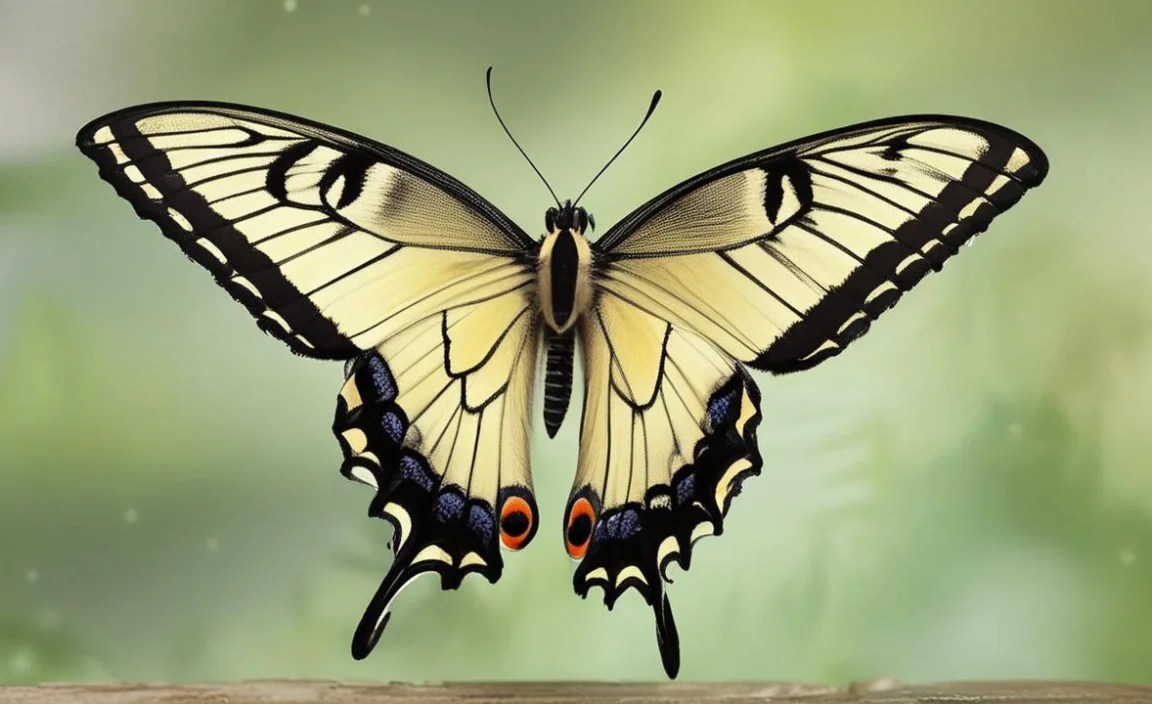
One of the primary drivers of swallowtail diversification is their specialization on specific host plants. Swallowtail caterpillars feed on the leaves of various plants, and different species have evolved to utilize different plant families. This specialization leads to:
- Reduced Competition: By feeding on different plants, swallowtail species avoid direct competition with each other.
- Adaptation to Plant Defenses: Plants produce toxins to defend themselves against herbivores. Swallowtail caterpillars have evolved mechanisms to tolerate or even sequester these toxins for their own defense.
- Geographic Isolation: As different host plants are found in different geographic regions, swallowtail populations become isolated, leading to the formation of new species.
2. Mimicry and Camouflage
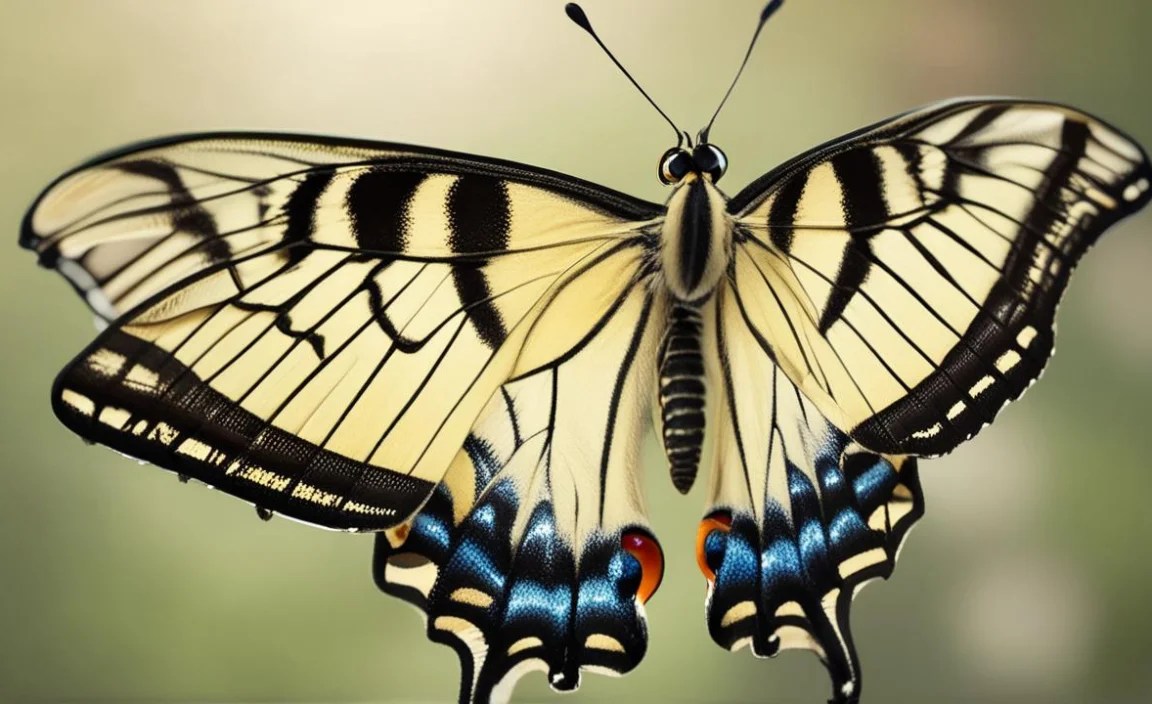
Swallowtail butterflies are masters of disguise. Many species employ mimicry and camouflage to avoid predators:
- Batesian Mimicry: Some palatable swallowtail species mimic the appearance of toxic or unpalatable species. For example, the female tiger swallowtail (Papilio glaucus) has a dark form that mimics the poisonous pipevine swallowtail (Battus philenor).
- Müllerian Mimicry: In some cases, multiple unpalatable swallowtail species resemble each other, reinforcing the warning signal to predators.
- Camouflage: Some swallowtail caterpillars and pupae have evolved to resemble bird droppings, leaves, or twigs, making them difficult for predators to detect.
These strategies significantly enhance their survival rates and contribute to their diversification.
3. Genetic Drift and Natural Selection
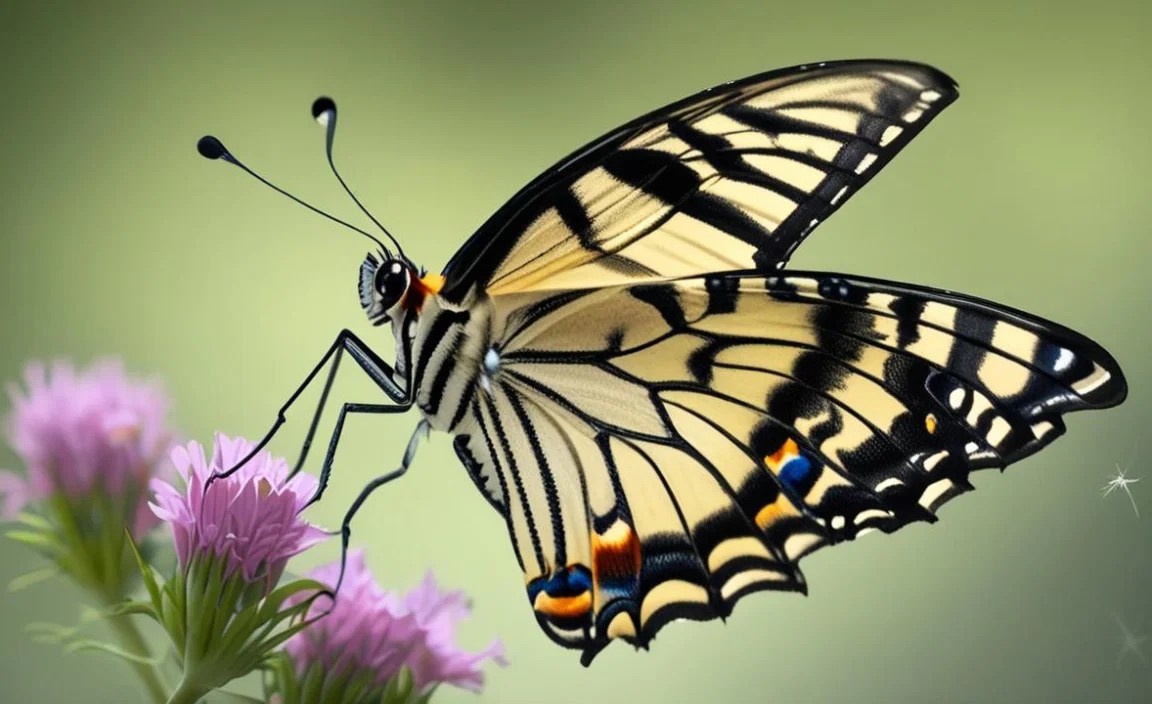
Genetic drift, the random change in the frequency of gene variants (alleles) in a population, and natural selection, the process by which organisms better adapted to their environment tend to survive and reproduce more successfully, also play crucial roles in swallowtail evolution:
- Genetic Drift: In small, isolated populations, genetic drift can lead to the fixation of certain traits, even if they are not necessarily beneficial.
- Natural Selection: Environmental pressures, such as climate change, habitat loss, and the introduction of new predators or diseases, can drive natural selection, favoring individuals with traits that enhance survival and reproduction.
Together, these factors have shaped the incredible diversity of swallowtail butterflies we see today.
Key Evolutionary Adaptations of Swallowtail Butterflies

Swallowtail butterflies exhibit a range of fascinating adaptations that have allowed them to thrive in diverse environments. Here are some notable examples:
1. Osmeteria
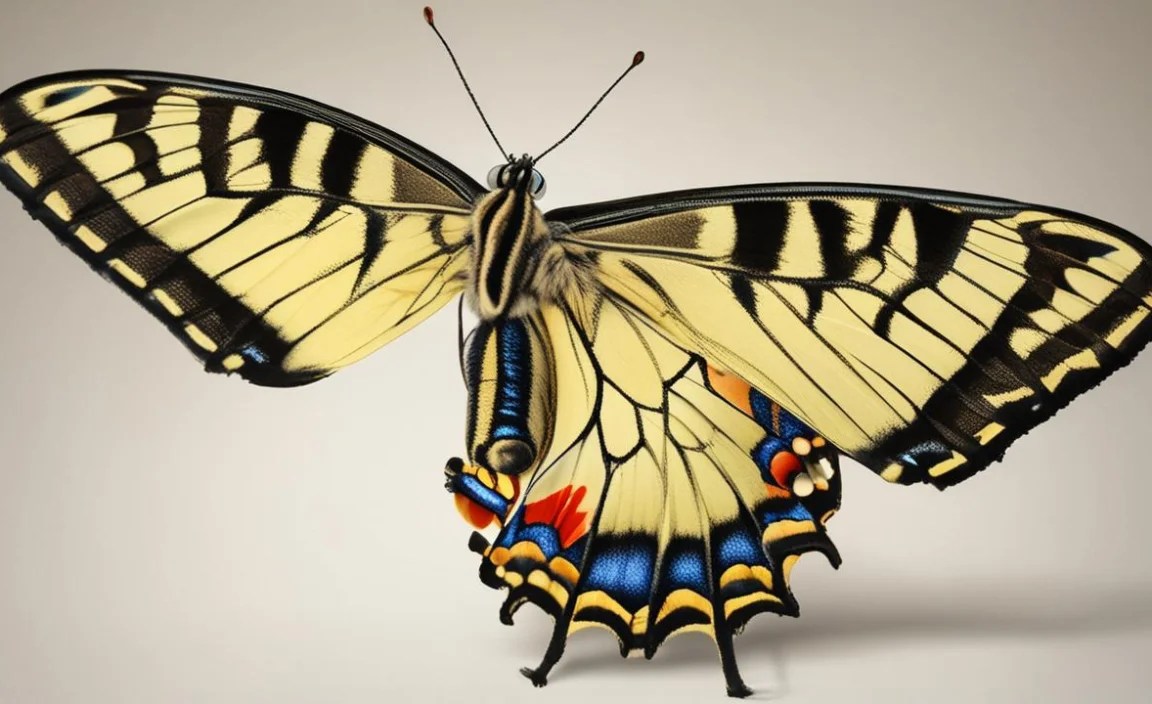
Swallowtail caterpillars possess a unique defensive organ called the osmeterium. This forked, fleshy structure is located behind the head and can be everted when the caterpillar feels threatened. The osmeterium emits a foul-smelling chemical that deters predators such as birds and insects.
2. Wing Patterns and Colors
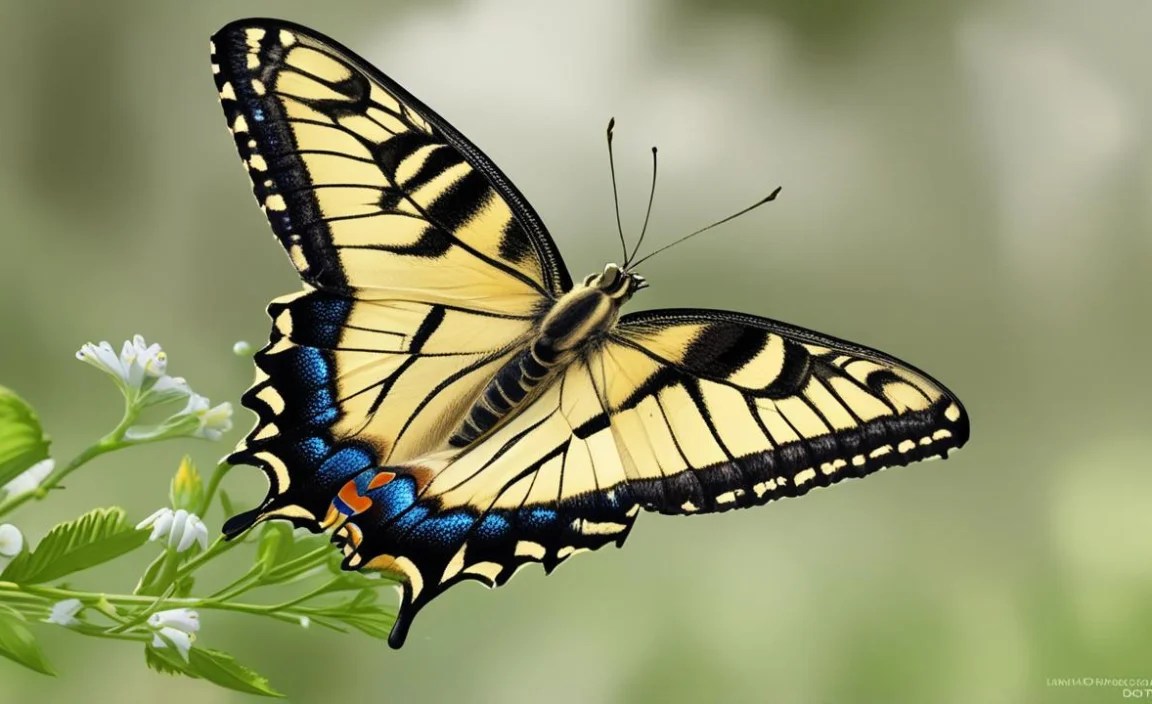
The vibrant colors and intricate patterns on swallowtail wings serve multiple purposes:
- Mate Attraction: Male and female swallowtails use visual cues to recognize and attract potential mates.
- Thermoregulation: Dark wing colors can help butterflies absorb heat from the sun, allowing them to be active in cooler temperatures.
- Warning Signals: Bright colors and patterns can serve as a warning to predators, indicating that the butterfly is toxic or unpalatable.
3. Flight Capabilities
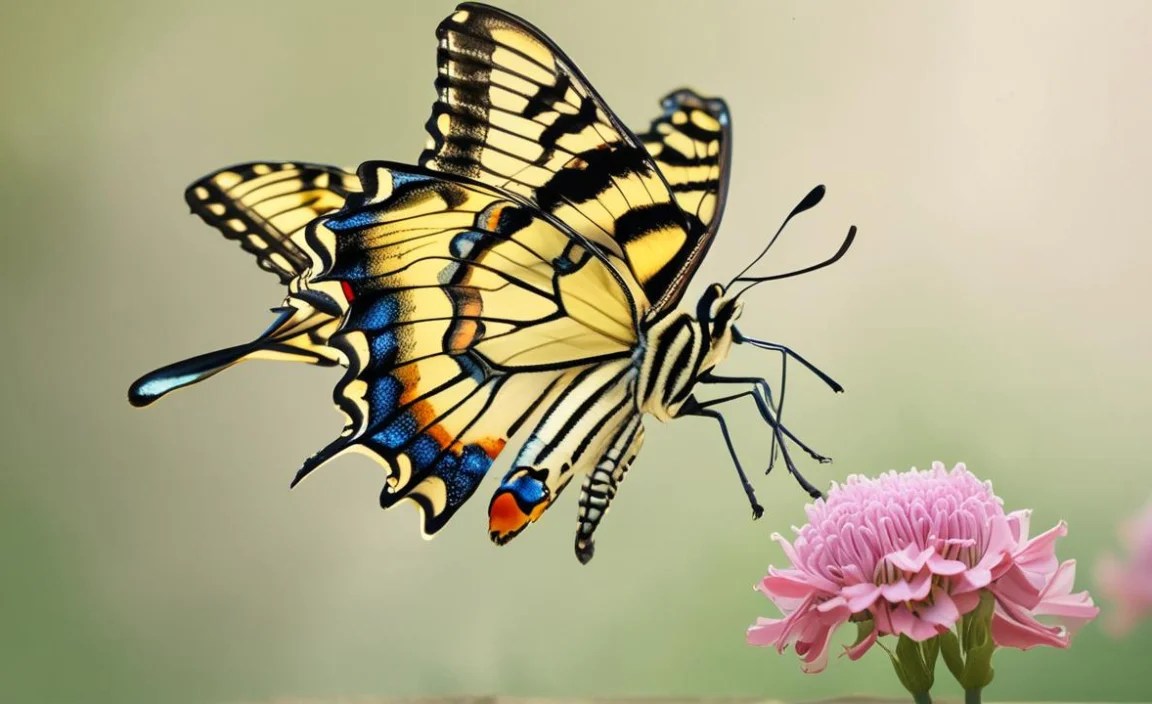
Swallowtail butterflies are strong fliers, capable of long-distance migrations and rapid escape maneuvers. Their large wings and powerful flight muscles allow them to navigate diverse landscapes and evade predators.
4. Detoxification Mechanisms
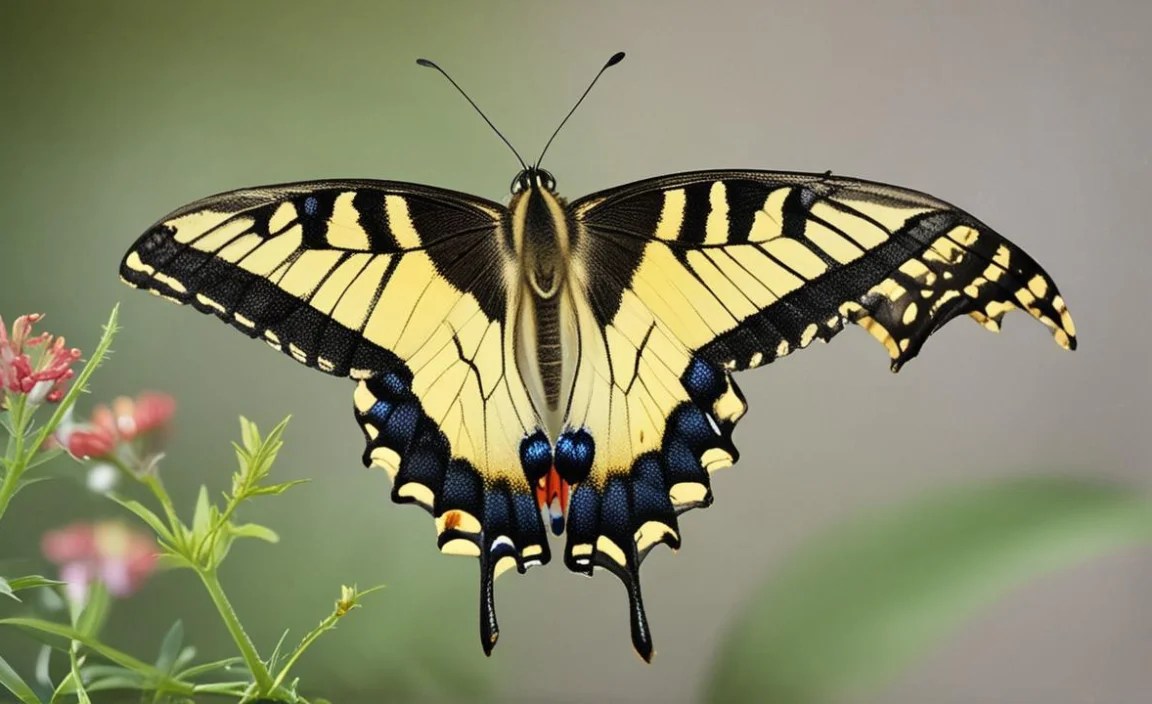
As mentioned earlier, swallowtail caterpillars have evolved sophisticated mechanisms to tolerate or sequester plant toxins. Some species can even convert these toxins into defensive compounds that protect them from predators.
These adaptations highlight the remarkable evolutionary innovations that have allowed swallowtail butterflies to flourish.
Swallowtail Butterfly Classification
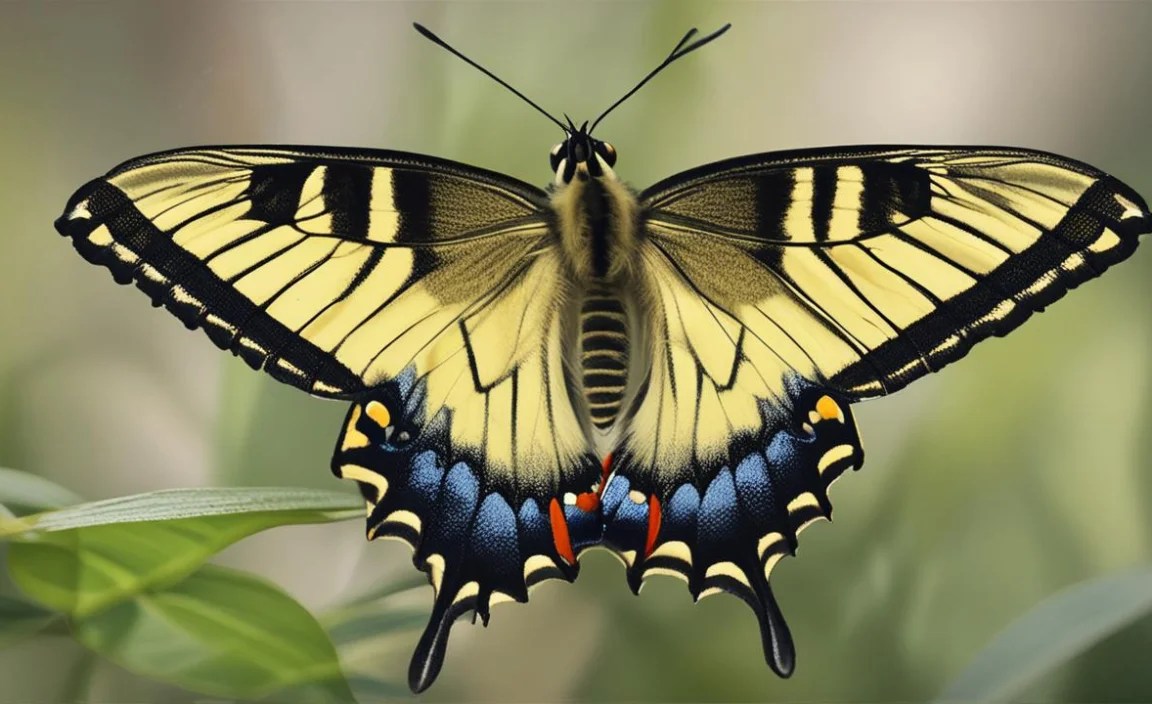
The family Papilionidae (Swallowtail butterflies) is classified into three subfamilies: Baroniinae, Parnassiinae, and Papilioninae.
- Baroniinae: This subfamily contains a single species, Baronia brevicornis, found in Mexico.
- Parnassiinae: These swallowtails are often white or pale-colored and are found in mountainous regions of North America and Eurasia.
- Papilioninae: The largest subfamily, including most of the familiar swallowtail species.
Here is a table summarizing the classification:
| Subfamily | Description | Examples |
|---|---|---|
| Baroniinae | Contains only one species. | Baronia brevicornis |
| Parnassiinae | Pale-colored, mountainous regions. | Apollo butterflies |
| Papilioninae | Largest subfamily, diverse species. | Tiger swallowtails, Pipevine swallowtails |
The Role of Swallowtails in Ecosystems

Swallowtail butterflies play several important roles in the ecosystems they inhabit:
- Pollination: Adult swallowtails visit flowers to feed on nectar, transferring pollen from one plant to another. While they are not as efficient pollinators as bees, they contribute to the reproductive success of many plant species.
- Food Source: Swallowtail caterpillars and butterflies serve as a food source for birds, reptiles, amphibians, and other insects.
- Indicator Species: The presence or absence of swallowtail butterflies can indicate the health of an ecosystem. Because they are sensitive to habitat loss, pollution, and climate change, their populations can serve as an early warning sign of environmental degradation.
Protecting swallowtail butterflies and their habitats is essential for maintaining biodiversity and ecosystem health.
Conservation Status and Threats
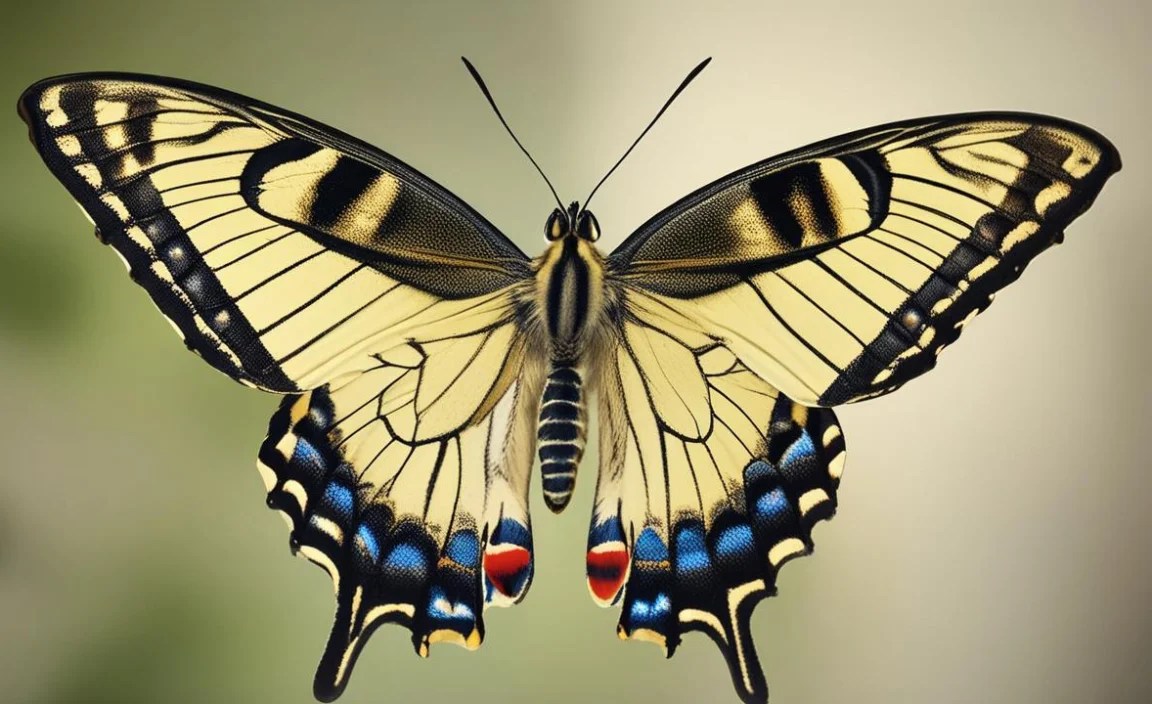
While many swallowtail species are common and widespread, others face significant threats to their survival. Some of the major challenges include:
- Habitat Loss: The destruction and fragmentation of forests, grasslands, and wetlands due to agriculture, urbanization, and logging is a major threat to swallowtail butterflies.
- Pesticide Use: Insecticides and herbicides can directly kill swallowtail caterpillars and butterflies or indirectly affect them by reducing the availability of host plants and nectar sources.
- Climate Change: Changes in temperature and precipitation patterns can disrupt swallowtail life cycles, alter the distribution of host plants, and increase the frequency of extreme weather events.
- Collection: Over-collection of rare swallowtail species for commercial purposes can also threaten their populations.
Several conservation efforts are underway to protect swallowtail butterflies and their habitats. These include:
- Habitat Restoration: Restoring degraded habitats by planting native host plants and nectar sources.
- Sustainable Agriculture: Promoting farming practices that reduce pesticide use and conserve natural habitats.
- Protected Areas: Establishing and managing protected areas, such as national parks and wildlife refuges, to safeguard swallowtail populations.
- Public Education: Raising awareness about the importance of swallowtail butterflies and the threats they face.
By supporting these efforts, we can help ensure that these beautiful creatures continue to thrive for generations to come.
Examples of Swallowtail Butterflies

Here are a few examples of swallowtail butterflies, with interesting facts about their evolution and adaptations:
| Species | Habitat | Description | Evolutionary Notes |
|---|---|---|---|
| Eastern Tiger Swallowtail (Papilio glaucus) | Eastern North America | Yellow with black stripes; females may be black. | The black female form is a mimic of the Pipevine Swallowtail. |
| Pipevine Swallowtail (Battus philenor) | North and Central America | Black with iridescent blue hindwings. | Caterpillars feed on toxic pipevine plants, making them unpalatable to predators. |
| Old World Swallowtail (Papilio machaon) | Eurasia and North America | Yellow with black wing margins and a red eye spot on the hindwing. | One of the most widespread swallowtail species, found in diverse habitats. |
| Giant Swallowtail (Papilio cresphontes) | North and South America | Large, brown with yellow markings. | Caterpillars resemble bird droppings to avoid predation. |
How to Attract Swallowtail Butterflies to Your Garden

Creating a butterfly-friendly garden is a great way to support swallowtail butterflies and enjoy their beauty up close. Here are some tips:
- Plant Host Plants: Provide food for swallowtail caterpillars by planting their host plants. Some popular choices include milkweed for Monarchs, dill and parsley for Black Swallowtails, and citrus trees for Giant Swallowtails.
- Provide Nectar Sources: Plant a variety of flowering plants that provide nectar for adult butterflies. Choose plants with different bloom times to ensure a continuous supply of food throughout the growing season. Good options include butterfly bush, zinnias, and coneflowers.
- Avoid Pesticides: Use organic gardening practices to avoid harming swallowtail caterpillars and butterflies.
- Provide Water: Butterflies need water to stay hydrated. Create a shallow puddle or place a dish of water with pebbles in your garden.
- Offer Shelter: Provide shrubs and trees where butterflies can take shelter from the wind and rain.
By following these tips, you can create a welcoming habitat for swallowtail butterflies in your own backyard.
Frequently Asked Questions
Here are some common questions about swallowtail butterfly evolutionary history:
1. When did swallowtail butterflies first appear?
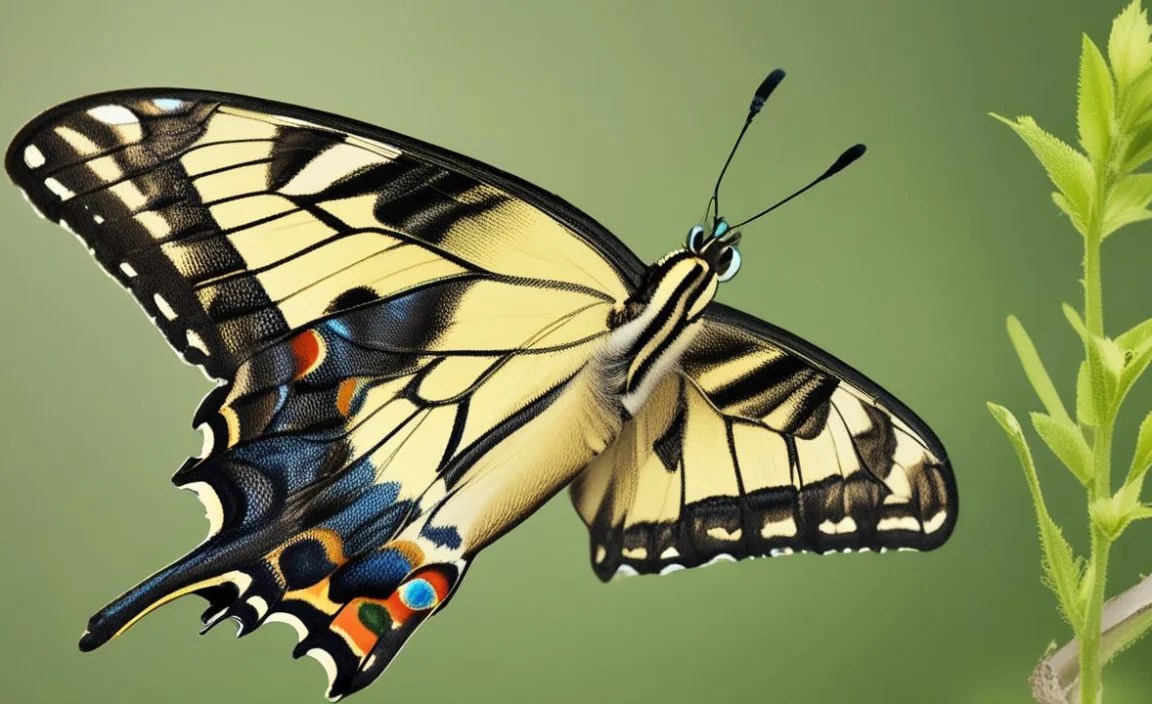
Swallowtail butterflies originated approximately 56 million years ago during the Paleocene epoch.
2. What makes swallowtail butterflies so diverse?

Their diversity is due to host plant specialization, mimicry, genetic drift, and natural selection.
3. What is an osmeterium?
An osmeterium is a defensive organ in swallowtail caterpillars that emits a foul-smelling chemical to deter predators.
4. How do swallowtail butterflies contribute to ecosystems?

They serve as pollinators, a food source for other animals, and indicators of ecosystem health.
5. What are the main threats to swallowtail butterflies?

Habitat loss, pesticide use, climate change, and over-collection are the primary threats.
6. How can I help protect swallowtail butterflies?

You can help by restoring habitats, supporting sustainable agriculture, protecting natural areas, and raising public awareness.
7. What are some examples of swallowtail butterfly adaptations?

Examples include mimicry, camouflage, specialized detoxification mechanisms, and unique color patterns for mate attraction and thermoregulation.
Conclusion
The evolutionary history of swallowtail butterflies is a captivating story of adaptation, diversification, and resilience. From their ancient origins to their modern-day adaptations, these magnificent creatures have evolved in remarkable ways to thrive in diverse environments. By understanding their history and the challenges they face, we can take action to protect swallowtail butterflies and the ecosystems they inhabit. So, go out there, plant some host plants, and watch these incredible insects flutter by, knowing you’re part of their ongoing story.


