
Rare Butterflies in France: Spotting Guide!

Have you ever seen a butterfly? They flutter around in gardens. They are very pretty and colorful. But some butterflies are hard to find. These are rare butterflies in France. Let’s learn about these special insects. We can discover where they live. We will also find out why they are rare.
Butterflies are important. They help flowers grow. They also make the world more beautiful. So, it’s good to know about them. Are you ready to explore? Let’s start our butterfly adventure! We will learn cool facts.
France has many different habitats. These habitats are home to unique butterflies. Some of these butterflies are very rare. They are not found in many other places. This makes them special and interesting. People want to protect these rare butterflies in France. They want to make sure they don’t disappear.
Learning about these butterflies is fun. It also helps us protect nature. Each butterfly has a role in its environment. When we protect them, we protect everything. This includes the plants and animals around them. So, let’s learn more and help these butterflies.
Key Takeaways
- Protecting rare butterflies in France helps preserve the natural beauty of the country.
- Several factors threaten butterfly populations, including habitat loss and climate change.
- Notable species include the Apollo butterfly and the Large Blue butterfly.
- Conservation efforts aim to protect butterfly habitats and promote sustainable practices.
- Learning about butterflies raises awareness and encourages support for conservation.
Discovering Rare Butterflies in France

France is a beautiful country with lots of nature. It has mountains, forests, and fields. These places are home to many rare butterflies in France. Some butterflies are very colorful. Others are very small and hard to see. They all have a special job in nature. They help flowers make seeds. This helps new plants grow. But many of these butterflies are in danger. Their homes are being destroyed. The weather is also changing. This makes it hard for them to live. People are working hard to protect them. They are making sure these butterflies have a safe place to live. It is important to learn about these butterflies. Then we can help protect them too.
- Butterflies are important for pollination.
- Habitat loss threatens butterfly populations.
- Climate change affects butterfly habitats.
- Conservation efforts protect butterfly habitats.
- Education raises awareness about butterflies.
Many people love butterflies. They are beautiful and graceful. They fly from flower to flower. But rare butterflies in France need our help. We can help by planting flowers they like. We can also protect their homes. This means keeping forests and fields safe. When we help butterflies, we help the whole world. We make sure that future generations can enjoy them. Learning about butterflies is the first step. Then we can all work together to protect them.
Why Are Butterflies Important?
Have you ever wondered why butterflies matter? They are more than just pretty insects. Butterflies help flowers make seeds. This is called pollination. When a butterfly drinks nectar, it carries pollen. Pollen is like flower dust. It helps flowers make new flowers. Without butterflies, many plants would not grow. This would affect other animals too. They need plants for food and shelter. So, butterflies play a big role in nature. They help keep everything in balance. That is why it is important to protect them.
What Threatens Butterflies?
Imagine your home is being destroyed. This is what happens to butterflies. Their homes are called habitats. These include forests, fields, and meadows. When people build houses or farms, they destroy these habitats. This leaves butterflies with nowhere to live. Climate change also hurts butterflies. The weather is getting hotter or colder. This makes it hard for butterflies to find food. Pollution also harms them. It makes their food and homes dirty. So, many things threaten rare butterflies in France. We need to help protect them from these dangers.
How Can We Help?
Want to be a butterfly hero? There are many ways to help! You can plant butterfly gardens. Use flowers that butterflies love. You can also protect butterfly habitats. This means keeping forests and fields clean. Tell your friends and family about butterflies. The more people know, the more they can help. Support organizations that protect butterflies. Even small actions can make a big difference. Together, we can help rare butterflies in France survive. We can make the world a better place for them.
Fun Fact or Stat: Did you know that some butterflies migrate thousands of miles, just like birds? The Monarch butterfly is famous for its long journey!
Key Habitats for Rare Butterflies

Rare butterflies in France live in special places. These places are called habitats. Some like mountains. Others prefer forests or meadows. The Pyrenees Mountains are home to the Apollo butterfly. This butterfly is big and white with red spots. It is very beautiful and rare. The Cevennes National Park is another important habitat. It has forests and grasslands. These areas are perfect for many butterfly species. The Camargue region has wetlands. These wetlands are home to unique butterflies. Protecting these habitats is very important. It helps the butterflies survive. It also helps other plants and animals that live there. We need to keep these places safe and healthy.
- Mountains provide cool, high-altitude habitats.
- Forests offer shelter and diverse food sources.
- Meadows are filled with wildflowers for nectar.
- Wetlands support unique butterfly species.
- National parks protect important butterfly areas.
Imagine a butterfly flying through a field of flowers. This is what we want to protect. Rare butterflies in France need these places to live. They need food, shelter, and space to fly. When we protect their habitats, we give them what they need. This helps them grow and have babies. It also helps the whole ecosystem. Everything in nature is connected. When we protect one thing, we protect everything. So, let’s work together to keep these special places safe. Let’s help the butterflies thrive.
The Pyrenees Mountains
Have you ever seen a mountain range? The Pyrenees Mountains are very tall. They are on the border of France and Spain. These mountains are home to the Apollo butterfly. This butterfly likes the cool, high altitude. The mountains provide a perfect habitat. There are many wildflowers for them to eat. The Apollo butterfly is a symbol of these mountains. Protecting its habitat is very important. This helps other mountain animals too. We need to keep these mountains clean and safe.
The Cevennes National Park
Imagine a park that is huge and wild. That is the Cevennes National Park. It is in the south of France. This park has forests, grasslands, and rivers. Many rare butterflies in France live here. The park protects their homes. It also helps other animals and plants. People can visit the park. They can learn about nature. They can also help protect it. The Cevennes National Park is a special place. It shows how we can live with nature.
The Camargue Region
Picture a place with lots of water. That is the Camargue region. It is in the south of France. This region has wetlands and salt marshes. These areas are home to unique butterflies. They are also home to birds and other animals. The Camargue is a protected area. People work hard to keep it clean. This helps the butterflies and other wildlife. The Camargue is a special place. It shows how important wetlands are.
Fun Fact or Stat: Some butterfly habitats are protected by law. This means people can’t build or destroy these areas.
Threats to French Butterfly Populations

Rare butterflies in France face many dangers. These dangers can make it hard for them to survive. One big threat is habitat loss. This happens when people destroy forests and fields. They build houses, farms, and roads. This leaves butterflies with nowhere to live. Another threat is climate change. The weather is changing, and it is getting hotter. This makes it hard for butterflies to find food. Pollution is also a problem. Chemicals can poison butterflies and their food. Invasive species can also cause harm. These are animals or plants that don’t belong there. They can eat butterfly food or destroy their habitats. Protecting butterflies means fighting these threats.
- Habitat loss reduces butterfly living spaces.
- Climate change alters butterfly environments.
- Pollution poisons butterflies and their food.
- Invasive species harm butterfly habitats.
- Pesticide use affects butterfly health.
Think about a butterfly trying to find a home. If all the fields are gone, where will it live? This is why we need to protect butterfly habitats. We can do this by planting trees and flowers. We can also support farms that use less chemicals. We can help stop climate change by using less energy. Every little bit helps. Rare butterflies in France need our help to survive. By working together, we can make a difference. We can create a safer world for them.
Habitat Destruction
Imagine someone taking away your home. This is what happens when habitats are destroyed. Forests and fields are cleared for buildings. This leaves butterflies with nowhere to live. They cannot find food or shelter. Habitat destruction is a big problem. It affects many butterfly species. We need to protect these habitats. We can do this by supporting conservation efforts. We can also plant trees and flowers. This will help create new habitats for butterflies.
Climate Change Impacts
Have you noticed the weather changing? Climate change is affecting butterflies. The weather is getting hotter and drier. This makes it hard for butterflies to find food. It also changes their life cycle. Some butterflies are disappearing. They cannot adapt to the new conditions. We need to reduce climate change. We can do this by using less energy. We can also support renewable energy sources. This will help protect rare butterflies in France.
Pollution and Pesticides
Picture a butterfly drinking from a flower. But the flower is covered in chemicals. This is what happens with pollution and pesticides. These chemicals can poison butterflies. They can also kill their food sources. Pollution comes from cars and factories. Pesticides are used on farms. We need to reduce pollution. We can also use less pesticides. This will help protect butterflies from harm.
Fun Fact or Stat: Some pesticides can stay in the environment for many years, harming butterflies long after they are used.
Conservation Efforts for Butterflies
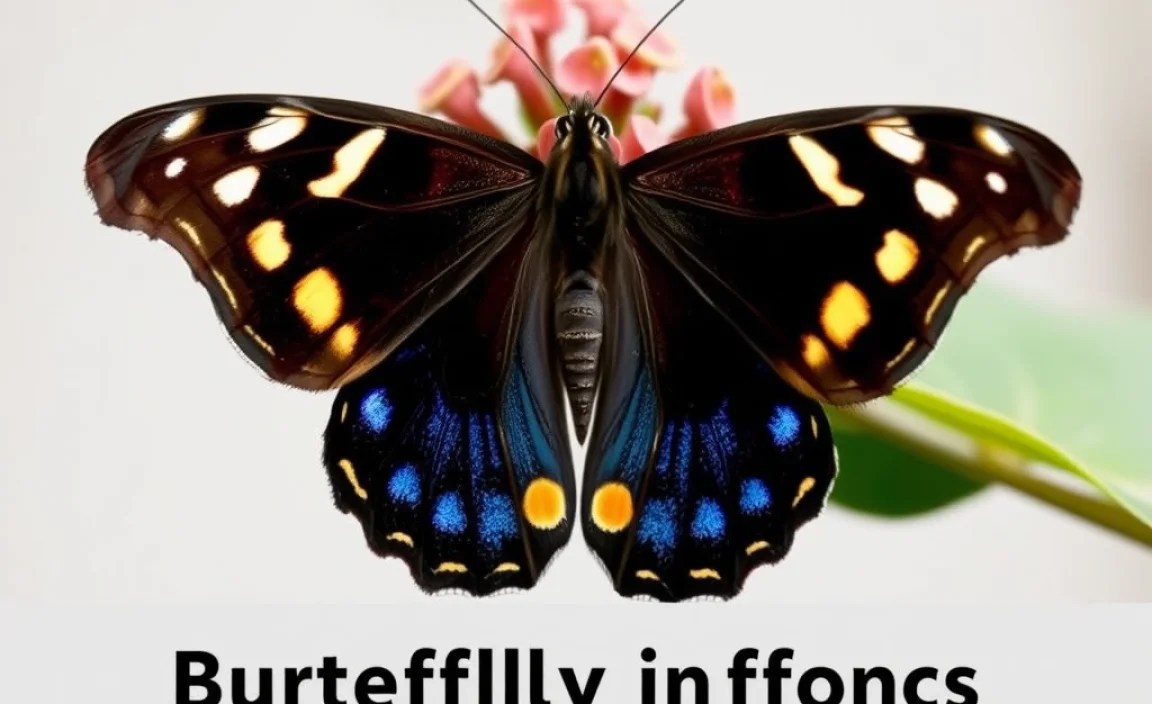
People are working hard to protect rare butterflies in France. These efforts help butterflies survive and thrive. One important effort is habitat restoration. This means fixing damaged habitats. People plant trees and flowers. They also clean up polluted areas. Another effort is creating protected areas. These are places where butterflies can live safely. National parks and reserves are examples. Education is also important. When people learn about butterflies, they want to protect them. Scientists study butterflies to learn more about them. This helps them find the best ways to help. Conservation is a team effort. Everyone can play a role in protecting butterflies.
- Habitat restoration improves butterfly living spaces.
- Protected areas offer safe havens for butterflies.
- Education raises awareness about butterfly conservation.
- Scientific research informs conservation strategies.
- Community involvement supports butterfly protection.
Imagine a group of people planting flowers. They are creating a butterfly garden. This is an example of conservation in action. Rare butterflies in France need these efforts to survive. We can support conservation by volunteering our time. We can also donate to conservation organizations. We can make small changes in our lives. Using less chemicals in our gardens helps. Supporting sustainable farming practices helps too. Every action makes a difference. Together, we can protect these beautiful creatures.
Habitat Restoration Projects
Have you ever helped clean up a park? Habitat restoration is like that. It means fixing damaged habitats. People plant trees and flowers. They remove invasive species. They clean up polluted areas. These projects help butterflies and other wildlife. They create healthy places for them to live. Habitat restoration is a big job. But it is very important. It helps bring nature back to life.
Protected Areas and Reserves
Picture a place where butterflies are safe. That is what protected areas are. These are places where people cannot build or destroy habitats. National parks and reserves are examples. These areas protect rare butterflies in France. They also protect other plants and animals. Protected areas are very important. They help keep nature healthy and wild.
Education and Awareness
Learning about butterflies is the first step. When people know about butterflies, they care about them. Education raises awareness. It teaches people about the importance of butterflies. It also teaches them how to help. Schools, museums, and nature centers can help. They can teach people about rare butterflies in France. The more people know, the more they can help.
Fun Fact or Stat: Some conservation organizations use drones to monitor butterfly populations and habitats.
Notable Rare Butterfly Species
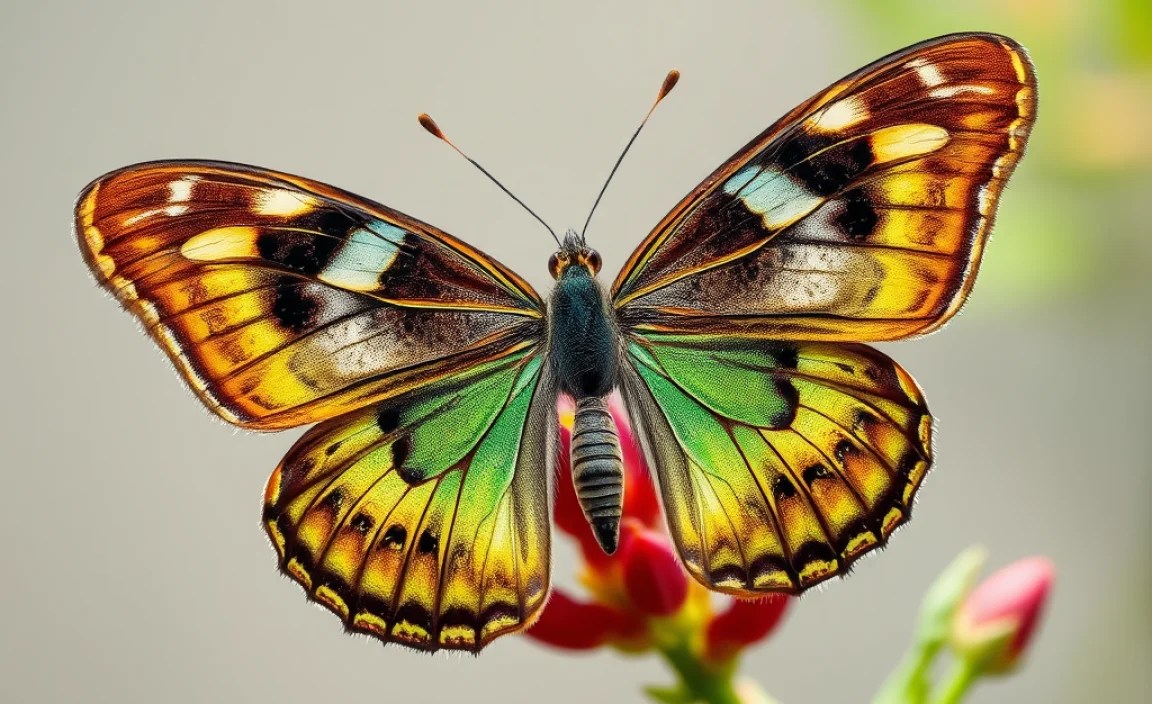
France is home to many unique butterflies. Some of these are very rare. The Apollo butterfly is one example. It is a large, white butterfly with red spots. It lives in the mountains. The Large Blue butterfly is another rare species. It has beautiful blue wings. It lives in grasslands. The Scarce Copper butterfly is also special. It has copper-colored wings. It lives in wetlands. These rare butterflies in France are important. They are part of the country’s natural heritage. Protecting them helps protect the whole environment. Each butterfly has a role to play in nature.
- The Apollo butterfly is large and white with red spots.
- The Large Blue butterfly has beautiful blue wings.
- The Scarce Copper butterfly has copper-colored wings.
- Each species has unique habitat requirements.
- Protecting these butterflies preserves biodiversity.
Imagine seeing a rare butterfly in your garden. It would be a special moment. Rare butterflies in France are like treasures. They are beautiful and unique. We need to protect them for future generations. We can do this by supporting conservation efforts. We can also learn more about these butterflies. The more we know, the more we can help. Let’s work together to keep these butterflies flying.
Apollo Butterfly
Have you ever seen a butterfly as big as your hand? The Apollo butterfly is one of the largest in Europe. It is white with black and red spots. It lives high in the mountains. The Apollo butterfly is very sensitive to pollution. It is also threatened by habitat loss. Protecting its mountain habitat is very important. This helps the Apollo butterfly survive. It also helps other mountain species.
Large Blue Butterfly
Picture a butterfly with bright blue wings. That is the Large Blue butterfly. It is a very special butterfly. It has a unique life cycle. The caterpillar lives in ant nests. It eats ant larvae. The Large Blue butterfly is very rare. It needs specific habitats to survive. Protecting grasslands and ant colonies is important. This helps the Large Blue butterfly thrive.
Scarce Copper Butterfly
Imagine a butterfly with shiny copper wings. That is the Scarce Copper butterfly. It lives in wetlands and marshes. The Scarce Copper butterfly is very sensitive to habitat changes. Draining wetlands can destroy its habitat. Protecting wetlands is very important. This helps the Scarce Copper butterfly survive. It also helps other wetland species.
Fun Fact or Stat: The Apollo butterfly is named after the Greek god of the sun, Apollo!
How Climate Change Affects Butterflies
Climate change is a big problem for rare butterflies in France. The weather is changing, and it is getting warmer. This affects butterflies in many ways. It changes their habitats. Some butterflies cannot find food. Others cannot reproduce. Climate change also causes extreme weather events. These events can destroy butterfly habitats. Droughts can dry up their food sources. Floods can wash away their homes. Butterflies are very sensitive to these changes. They need specific temperatures and conditions to survive. Protecting butterflies means fighting climate change. We need to reduce our carbon footprint. We can do this by using less energy. We can also support renewable energy sources.
- Climate change alters butterfly habitats.
- Rising temperatures affect butterfly life cycles.
- Extreme weather events destroy butterfly habitats.
- Droughts reduce butterfly food sources.
- Conservation efforts must address climate change.
Think about a butterfly trying to find a home in a changing world. It is not easy. Rare butterflies in France need our help to adapt. We can help by planting trees and flowers. This creates new habitats. We can also reduce our impact on the environment. Using less plastic and recycling helps. Supporting policies that fight climate change is important. Every action makes a difference. Together, we can help butterflies survive in a changing world.
Changes in Butterfly Habitats
Have you noticed the seasons changing? Climate change is making habitats different. Some places are getting drier. Others are getting wetter. This affects the plants that butterflies need. It also affects the butterflies themselves. Some butterflies cannot survive in the new conditions. They need specific habitats to thrive. Protecting and restoring habitats is very important. This helps butterflies adapt to climate change.
Impacts on Butterfly Life Cycles
Picture a butterfly emerging from its chrysalis. This is part of its life cycle. Climate change is affecting these cycles. Butterflies are emerging earlier or later than usual. This can disrupt their food sources. It can also affect their ability to reproduce. Scientists are studying these changes. They are trying to find ways to help butterflies adapt. Understanding butterfly life cycles is very important.
Extreme Weather Events
Imagine a big storm destroying your home. This is what extreme weather events do to butterflies. Droughts can dry up their food sources. Floods can wash away their habitats. These events are becoming more common. Climate change is making them worse. We need to reduce climate change to protect butterflies. We can also create more resilient habitats. This will help butterflies survive these events.
Fun Fact or Stat: Some butterfly species are moving to higher altitudes to escape warmer temperatures.
Butterfly-Friendly Gardening in France
You can help rare butterflies in France in your own backyard. Butterfly-friendly gardening is a great way to support them. Plant flowers that butterflies love. These flowers provide nectar for them to eat. Avoid using pesticides. These chemicals can harm butterflies. Provide water sources for butterflies. A shallow dish of water with pebbles works well. Create shelter for butterflies. Trees and shrubs provide protection from the weather. By creating a butterfly-friendly garden, you can help these beautiful creatures thrive. You can also enjoy their beauty up close.
- Plant nectar-rich flowers to feed butterflies.
- Avoid pesticides to protect butterfly health.
- Provide water sources for butterflies.
- Create shelter with trees and shrubs.
- Choose native plants to support local butterflies.
Imagine your garden filled with butterflies. They are fluttering from flower to flower. This is the joy of butterfly-friendly gardening. Rare butterflies in France need these gardens to survive. We can all create these gardens. Even a small balcony garden can help. Choose plants that are native to France. These plants are best for local butterflies. Learn about the butterflies in your area. This will help you choose the right plants. Together, we can create a network of butterfly-friendly gardens.
Choosing the Right Plants
Have you ever picked your favorite flower? Butterflies have favorite flowers too. They like flowers with lots of nectar. Choose plants that bloom at different times of the year. This will provide food for butterflies all season long. Native plants are best. They are adapted to the local climate. They also support local butterflies. Ask your local nursery for advice. They can help you choose the right plants.
Avoiding Pesticides
Picture a butterfly landing on a flower. But the flower is covered in chemicals. This can harm the butterfly. Pesticides are used to kill insects. But they can also kill butterflies. Avoid using pesticides in your garden. There are other ways to control pests. Use natural methods instead. Attract beneficial insects. These insects eat pests. This will help keep your garden healthy without harming butterflies.
Providing Water and Shelter
Imagine a butterfly getting thirsty. It needs water to survive. Provide a shallow dish of water in your garden. Add pebbles or stones. This gives butterflies a place to land. They can drink without falling in. Butterflies also need shelter. Trees and shrubs provide protection from the weather. They also give butterflies a place to rest. Providing water and shelter is easy. It makes your garden a welcoming place for butterflies.
Fun Fact or Stat: Butterfly gardens can attract more than just butterflies. They can also attract bees, hummingbirds, and other pollinators!
| Butterfly-Friendly Gardening Tips | Description |
|---|---|
| Plant Native Flowers | Choose flowers that are native to your region to attract local butterflies. |
| Avoid Pesticides | Use natural pest control methods instead of chemicals that can harm butterflies. |
| Provide Water | Offer a shallow dish of water with pebbles for butterflies to drink from. |
| Offer Shelter | Plant trees and shrubs to offer shelter to butterflies from extreme weather. |
| Plant a Variety of Flowers | Plant different flowers that bloom throughout the season to sustain butterflies. |
Summary
Rare butterflies in France are facing many challenges. Habitat loss, climate change, and pollution are major threats. However, people are working hard to protect them. Conservation efforts include habitat restoration, protected areas, and education. Notable species like the Apollo butterfly, Large Blue butterfly, and Scarce Copper butterfly are being carefully monitored. Climate change is altering butterfly habitats and life cycles. This requires adaptive conservation strategies. Butterfly-friendly gardening is a great way to support these beautiful creatures in your own backyard. By planting native flowers, avoiding pesticides, and providing water and shelter, you can make a difference. Protecting these butterflies helps preserve France’s natural heritage.
Conclusion
Rare butterflies in France are precious. They are a sign of a healthy environment. They face many threats, but we can help. By learning about them and taking action, we can make a difference. We can support conservation efforts and create butterfly-friendly gardens. Every small action counts. Let’s work together to protect these beautiful creatures. We can ensure they thrive for generations to come. Let’s make France a safe haven for butterflies.
Frequently Asked Questions
Question No 1: What makes a butterfly “rare” in France?
Answer: A butterfly is considered “rare” when its population is very small. Also if it only lives in a few specific places. This can happen because of habitat loss. It can also happen because of climate change. Sometimes, pollution can make a butterfly rare. Rare butterflies in France are often specially protected. People work to keep them safe. These butterflies might have unique needs. They might need certain plants to eat. Protecting their homes is also important. This helps them survive and grow.
Question No 2: Where can I see rare butterflies in France?
Answer: You can see rare butterflies in France in several places. The Pyrenees Mountains are home to the Apollo butterfly. The Cevennes National Park has many butterfly species. The Camargue region is good for wetland butterflies. These areas have protected habitats. This helps the butterflies survive. When you visit, be respectful of nature. Stay on trails and don’t disturb the butterflies. You can also visit butterfly gardens. These gardens are designed to attract butterflies. They are a great place to see them up close. Remember to bring your camera!
Question No 3: How does climate change affect rare butterflies?
Answer: Climate change is a big threat to rare butterflies in France. The weather is getting warmer, and habitats are changing. Butterflies need specific temperatures to live. When the weather changes, they can’t survive. Climate change also causes droughts and floods. These events can destroy butterfly habitats. Some butterflies are moving to new areas. They are trying to find cooler places. But this is not always possible. Reducing climate change is important. This will help protect butterflies and other wildlife.
Question No 4: What can I do to help protect rare butterflies in France?
Answer: There are many ways you can help! Plant a butterfly garden. Use native plants that butterflies love. Avoid using pesticides. These chemicals can harm butterflies. Support conservation organizations. They work to protect butterfly habitats. Educate your friends and family. Tell them about the importance of butterflies. Reduce your carbon footprint. Use less energy and recycle. Even small actions can make a big difference. Together, we can help rare butterflies in France survive.
Question No 5: Are there laws in place to protect rare butterflies in France?
Answer: Yes, there are laws to protect rare butterflies in France. Some butterflies are protected by national laws. This means it is illegal to harm them or their habitats. Protected areas are also important. These areas are managed to protect butterflies and other wildlife. The government works with conservation organizations. They create plans to protect butterflies. These plans include habitat restoration and education programs. These laws and efforts help keep butterflies safe.
Question No 6: What are some easy plants I can grow to attract butterflies?
Answer: There are many easy plants you can grow. Lavender is a great choice. It smells nice and attracts butterflies. Butterfly bush is another popular option. It has lots of flowers that butterflies love. Daisies and sunflowers are also good choices. They are easy to grow and provide lots of nectar. Plant these flowers in a sunny spot. Water them regularly. Soon, you will have a beautiful butterfly garden. Remember to choose plants that are native to France. These plants are best for local butterflies.


