
Rare Butterflies Camouflage Strategies: Secret Revealed!

Have you ever seen a butterfly disappear? Some butterflies are masters of disguise. They use camouflage to hide from danger. This helps them survive in the wild. Learning about rare butterflies camouflage strategies is super cool.
Butterflies need to hide from birds and other predators. Their bright colors can attract attention. But some butterflies have amazing ways to blend in. Let’s explore their secret world. We can discover how they stay safe.
Camouflage is like a superhero power for butterflies. It helps them trick their enemies. Some butterflies look like leaves. Others look like tree bark. This helps them hide in plain sight. Ready to learn more about these amazing creatures?
Key Takeaways
- Rare butterflies camouflage strategies help them survive in their habitats.
- Some butterflies mimic leaves or bark to blend into their surroundings.
- Coloration and patterns are key elements of butterfly camouflage.
- Certain butterfly species use disruptive coloration to break up their outline.
- Understanding camouflage helps protect these amazing insects.
Understanding Butterfly Camouflage
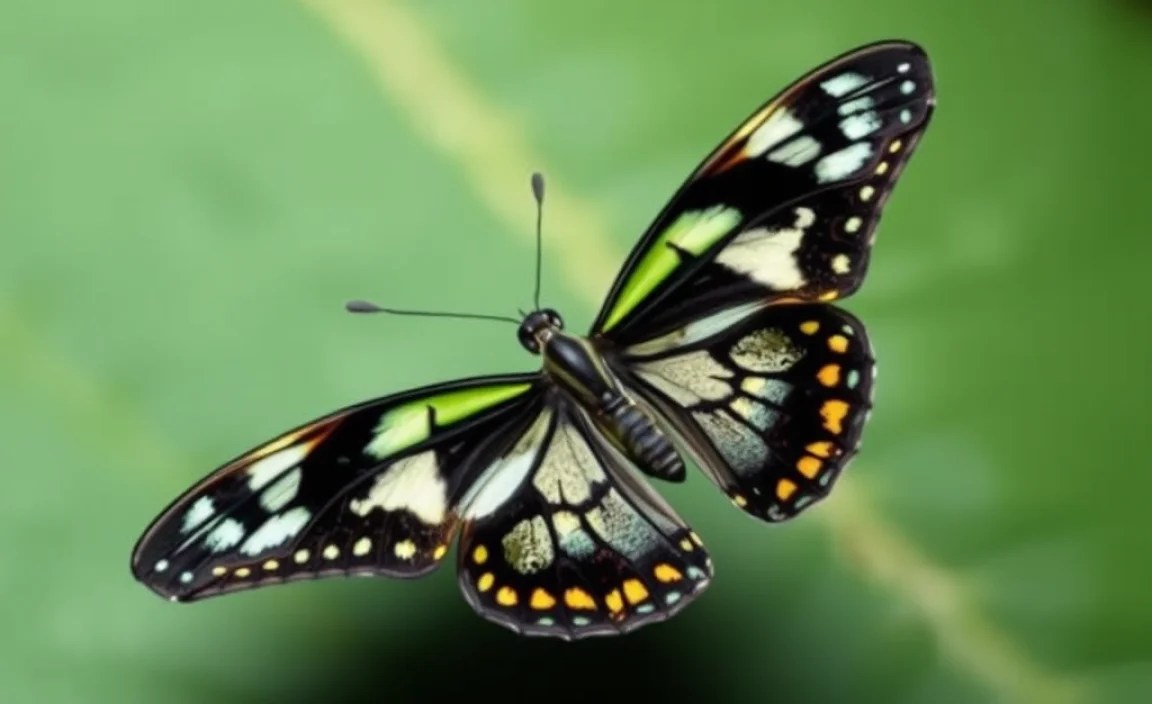
Butterflies are beautiful, but they are also prey. Many animals want to eat them. That’s why camouflage is so important. It helps butterflies hide from predators. They can blend in with their environment. This makes it harder for enemies to find them. Different butterflies use different camouflage techniques. Some look like leaves. Others look like twigs. Some even look like bird droppings! This helps them stay safe. The rare butterflies camouflage strategies are truly amazing. They show how nature helps creatures survive. By understanding these strategies, we can better appreciate the beauty and complexity of the natural world. We must also work to protect these fragile creatures and their habitats. After all, every butterfly plays a vital role in our ecosystem.
- Camouflage helps butterflies hide from predators.
- Some butterflies look like leaves or bark.
- Mimicry helps them imitate other objects.
- Coloration is crucial for blending in.
- Patterns disrupt their outline.
Camouflage is a vital survival tool. It allows butterflies to avoid becoming lunch. Butterflies have evolved many different ways to blend in. Some butterflies have wings that look just like leaves. When they land on a tree, they disappear! Others have wings that look like the bark of a tree. This helps them hide when they are resting. Some butterflies even have patterns that look like bird droppings. This is a clever way to avoid being eaten! The rare butterflies camouflage strategies are essential for their survival. Without it, they would be much easier targets for predators. Learning about camouflage helps us appreciate the amazing adaptations of these insects. It also reminds us of the importance of protecting their habitats.
Fun Fact or Stat: The dead leaf butterfly looks so much like a leaf that even scientists were fooled for a long time!
How Butterflies Use Color
Color is a powerful tool for butterflies. They use it to blend in with their surroundings. Green and brown are common colors for camouflage. These colors help butterflies hide in forests and grasslands. Some butterflies have bright colors on the top of their wings. But the underside is dull and drab. When they land, they close their wings. This hides the bright colors. It reveals the camouflage underneath. Some rare butterflies camouflage strategies involve using different colors at different times. They might change color slightly to match the changing seasons. This helps them stay hidden all year round. Color is a key element in the butterfly’s survival kit. It is a beautiful and effective way to stay safe.
Butterfly Wing Patterns
Wing patterns are more than just pretty designs. They can also help butterflies hide. Some patterns look like the veins of a leaf. This helps the butterfly blend in with foliage. Other patterns create an optical illusion. They break up the butterfly’s outline. This makes it harder for predators to see the butterfly’s shape. Some butterflies have patterns that look like eyes. These “eyes” can startle predators. They might think the butterfly is a larger animal. This gives the butterfly a chance to escape. The rare butterflies camouflage strategies often rely on intricate wing patterns. These patterns are a testament to the power of evolution. They show how butterflies have adapted to survive in a dangerous world.
Camouflage and Habitat
A butterfly’s habitat plays a big role in its camouflage. Butterflies that live in forests need different camouflage than those in grasslands. Forest butterflies often have brown and green colors. This helps them blend in with trees and leaves. Grassland butterflies might have yellow and brown colors. This helps them blend in with grasses and flowers. The rare butterflies camouflage strategies are often specific to their habitat. A butterfly that is well-camouflaged in one place might be very visible in another. This is why it is so important to protect different habitats. Each habitat supports unique species of butterflies. And each species has its own unique camouflage adaptations. Protecting these habitats helps protect the butterflies that live there.
Mimicry in Rare Butterflies

Mimicry is another amazing camouflage strategy. Some butterflies mimic other things in their environment. This could be leaves, twigs, or even other animals. The viceroy butterfly mimics the monarch butterfly. Monarchs are poisonous to many predators. So, predators avoid eating them. The viceroy is not poisonous. But it looks like the monarch. This tricks predators into leaving it alone. Some rare butterflies camouflage strategies involve mimicking insects that are dangerous. This could be wasps or ants. Predators are less likely to attack something that looks dangerous. Mimicry is a clever way for butterflies to stay safe. It is a testament to the power of evolution and adaptation. By mimicking other things, butterflies can increase their chances of survival.
- Mimicry is copying the appearance of something else.
- The viceroy butterfly mimics the monarch.
- Some butterflies mimic poisonous insects.
- This tricks predators into avoiding them.
- Mimicry increases their chances of survival.
Mimicry is like a costume party for butterflies. They dress up as something else to avoid being eaten. The viceroy butterfly is a great example. It looks almost exactly like the monarch butterfly. But the viceroy is not poisonous. It just pretends to be. This is called Batesian mimicry. Another type of mimicry is called Müllerian mimicry. This is when two poisonous species look alike. This helps predators learn to avoid them both. Some rare butterflies camouflage strategies involve mimicking dead leaves. This helps them hide on the forest floor. Mimicry is a fascinating adaptation. It shows how butterflies have evolved to survive in a dangerous world. It is also a reminder of the interconnectedness of all living things.
Fun Fact or Stat: The viceroy butterfly was once thought to be a Batesian mimic of the monarch. Scientists now believe it is a Müllerian mimic because it is also slightly poisonous!
Batesian Mimicry
Batesian mimicry is when a harmless species mimics a harmful one. The viceroy butterfly is a classic example. It mimics the poisonous monarch butterfly. Predators avoid monarchs because they taste bad and can make them sick. The viceroy benefits from this. Predators mistake it for a monarch and leave it alone. This is a great example of how mimicry can help a species survive. Other butterflies mimic poisonous caterpillars or beetles. The rare butterflies camouflage strategies often involve looking like something dangerous. This helps them avoid becoming a meal. Batesian mimicry is a clever way to trick predators. It shows the power of evolution in action.
Müllerian Mimicry
Müllerian mimicry is when two or more harmful species mimic each other. This benefits all the species involved. Predators learn to avoid the shared pattern or color. This reduces the risk for all the mimicking species. Some butterflies and moths use Müllerian mimicry. They have similar colors and patterns. This warns predators that they are poisonous or distasteful. The rare butterflies camouflage strategies can include Müllerian mimicry. This helps protect multiple species at once. Müllerian mimicry is a great example of cooperation in nature. It shows how different species can work together to survive.
Aggressive Mimicry
Aggressive mimicry is when a predator mimics a harmless species. This allows the predator to get close to its prey. Some insects use aggressive mimicry to attract other insects. They might mimic a flower or a source of food. This lures the prey closer. Then, the predator strikes. Aggressive mimicry is less common in butterflies. But some butterfly larvae might use it to attract ants. The ants protect the larvae from other predators. In return, the larvae might provide the ants with food. The rare butterflies camouflage strategies are diverse and fascinating. They show the many ways that animals can adapt to survive. Aggressive mimicry is a reminder that not everything is as it seems.
Disruptive Coloration in Butterfly Camouflage

Disruptive coloration is a type of camouflage. It breaks up the outline of an animal. This makes it harder for predators to see the animal’s shape. Butterflies use disruptive coloration on their wings. They have spots, stripes, or blotches. These patterns break up their outline. This makes it harder for predators to recognize them as butterflies. Some rare butterflies camouflage strategies rely heavily on disruptive coloration. The patterns create an optical illusion. They make the butterfly seem to disappear into the background. Disruptive coloration is a clever way to avoid detection. It is a testament to the power of natural selection. By breaking up their outline, butterflies can increase their chances of survival.
- Disruptive coloration breaks up an animal’s outline.
- Butterflies use spots and stripes for this.
- This makes it harder to see their shape.
- It creates an optical illusion.
- This helps them blend into the background.
Imagine trying to find a butterfly in a field of flowers. It would be difficult if the butterfly had disruptive coloration. The spots and stripes would break up its outline. This would make it blend in with the flowers. Disruptive coloration is like a visual puzzle. It makes it harder for predators to see the butterfly. The rare butterflies camouflage strategies often include a combination of disruptive coloration and mimicry. This makes them even harder to detect. Disruptive coloration is a powerful tool for survival. It helps butterflies stay safe in a dangerous world. By breaking up their outline, they can avoid becoming a meal.
Fun Fact or Stat: Zebras use disruptive coloration to confuse predators. Their stripes make it difficult for lions to single out one zebra from the herd!
Spots and Stripes
Spots and stripes are common elements of disruptive coloration. They create visual confusion. They break up the butterfly’s outline. This makes it harder for predators to see its shape. Some butterflies have large spots on their wings. These spots can startle predators. They might think the spots are eyes. This gives the butterfly a chance to escape. Other butterflies have stripes that run across their wings. These stripes can help them blend in with grass or leaves. The rare butterflies camouflage strategies often involve a combination of spots and stripes. This creates a complex pattern that is difficult to see.
Edge Disruption
Edge disruption is another important aspect of disruptive coloration. It involves breaking up the edges of the butterfly’s wings. This makes it harder to see the butterfly’s outline. Some butterflies have jagged edges on their wings. These edges help them blend in with leaves and twigs. Other butterflies have patterns that extend to the edge of their wings. These patterns disrupt the smooth outline of the wing. The rare butterflies camouflage strategies often include edge disruption. This helps them disappear into their surroundings. By breaking up their edges, butterflies can become almost invisible.
Countershading
Countershading is a type of camouflage where the upper parts of an animal are darker than the lower parts. This helps to flatten out the animal’s shape. It makes it harder to see in different lighting conditions. Some butterflies use countershading on their wings. The upper surface of the wing is darker than the lower surface. This helps the butterfly blend in when viewed from above or below. The rare butterflies camouflage strategies sometimes include countershading. This helps them stay hidden in different environments. Countershading is a common camouflage technique in the animal kingdom. It is used by fish, birds, and mammals, as well as butterflies.
Seasonal Camouflage Adaptations

The seasons change, and so does the environment. Some butterflies adapt their camouflage to match the changing seasons. This is called seasonal camouflage. Butterflies might change color or pattern. They do this to blend in with the new surroundings. Some butterflies have different forms for different seasons. The summer form might be brightly colored. The winter form might be dull and drab. This helps them stay hidden year-round. The rare butterflies camouflage strategies can include seasonal adaptations. This allows them to survive in changing environments. Seasonal camouflage is a remarkable adaptation. It shows how butterflies can respond to changes in their surroundings.
- Some butterflies change camouflage with the seasons.
- They might change color or pattern.
- Summer forms can be brightly colored.
- Winter forms can be dull and drab.
- This helps them stay hidden year-round.
Imagine a butterfly that lives in a forest. In the summer, the forest is green and lush. The butterfly might have green wings to blend in with the leaves. But in the fall, the leaves change color. They turn red, yellow, and brown. The butterfly might change its wing color to match the fall foliage. This is an example of seasonal camouflage. The rare butterflies camouflage strategies often involve complex changes in color and pattern. These changes are triggered by changes in temperature or day length. Seasonal camouflage is a remarkable adaptation. It allows butterflies to survive in environments that change dramatically throughout the year. It also shows the incredible adaptability of nature.
Fun Fact or Stat: The Arctic fox changes its fur color from brown in the summer to white in the winter to blend in with the snow!
Color Changes
Color changes are a key part of seasonal camouflage. Butterflies can change their wing color to match the changing environment. This is often triggered by changes in temperature or day length. Some butterflies have genes that control wing color. These genes are turned on or off depending on the season. Other butterflies might change color by absorbing pigments from their food. The rare butterflies camouflage strategies often involve complex color changes. These changes can be subtle or dramatic. But they always help the butterfly blend in with its surroundings. Color changes are a remarkable adaptation. They show the power of genetics and the environment.
Pattern Variations
Pattern variations are another way that butterflies adapt to the changing seasons. Some butterflies have different wing patterns for different seasons. The summer pattern might be more complex than the winter pattern. This helps them blend in with the diverse foliage of summer. The winter pattern might be simpler and more subdued. This helps them blend in with the bare branches and snow of winter. The rare butterflies camouflage strategies can include complex pattern variations. These variations help them stay hidden year-round. Pattern variations are a testament to the adaptability of nature.
Diapause and Camouflage
Diapause is a period of dormancy or inactivity. Some butterflies enter diapause during the winter. They might hide under leaves or in crevices. During diapause, their metabolism slows down. They conserve energy until the spring. Camouflage is especially important during diapause. It helps protect the butterfly from predators while it is vulnerable. The rare butterflies camouflage strategies are crucial for survival during diapause. Butterflies might have dull colors and patterns. This helps them blend in with their surroundings. Diapause is a remarkable adaptation. It allows butterflies to survive harsh conditions. Camouflage helps them stay safe during this vulnerable period.
Camouflage Failure and Consequences
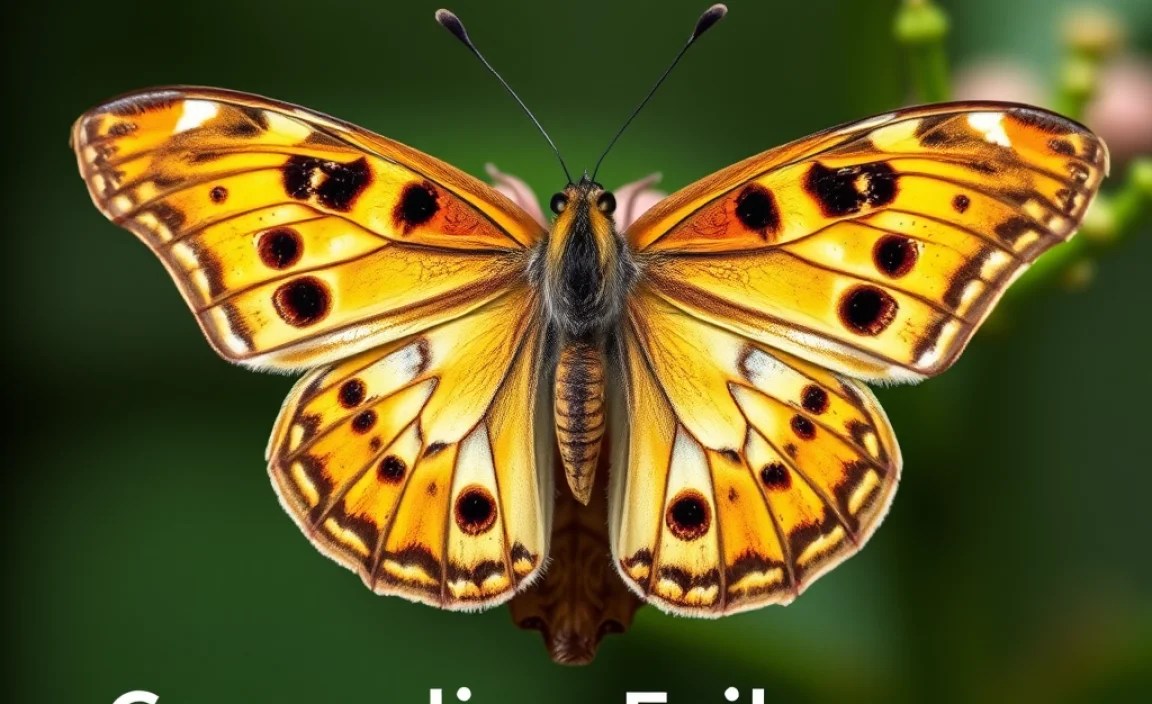
Even with the best camouflage, butterflies can sometimes fail to blend in. This can have serious consequences. If a butterfly is too visible, it is more likely to be eaten by a predator. Camouflage can fail for many reasons. The environment might change. The butterfly might be in the wrong place at the wrong time. Or the butterfly might have a genetic mutation that affects its camouflage. The rare butterflies camouflage strategies are not always perfect. Sometimes, butterflies are simply unlucky. Camouflage failure is a reminder of the constant struggle for survival in the natural world. It also highlights the importance of protecting butterfly habitats. When habitats are destroyed, butterflies have fewer places to hide.
- Camouflage can fail for various reasons.
- Changes in the environment can expose them.
- They might be in the wrong place.
- Genetic mutations can affect camouflage.
- Failure increases the risk of predation.
Imagine a butterfly with bright green wings. It is perfectly camouflaged in a lush green forest. But what happens when the leaves start to turn brown in the fall? The butterfly’s green wings become very visible. It is now an easy target for predators. This is an example of camouflage failure. The rare butterflies camouflage strategies are not foolproof. Sometimes, butterflies are simply out of luck. Camouflage failure can have serious consequences. It can lead to injury or death. It also highlights the importance of maintaining healthy ecosystems. When ecosystems are healthy, butterflies have a better chance of survival.
Fun Fact or Stat: Some butterflies have evolved to fly faster to escape predators when their camouflage fails!
Environmental Changes
Environmental changes can have a big impact on camouflage. Climate change, deforestation, and pollution can all affect butterfly habitats. These changes can make it harder for butterflies to blend in. For example, if a forest is cut down, the butterflies that live there will lose their camouflage. They will become more vulnerable to predators. The rare butterflies camouflage strategies are threatened by environmental changes. It is important to protect butterfly habitats. This will help ensure that butterflies can continue to survive.
Genetic Mutations
Genetic mutations can also affect camouflage. Mutations can change the color or pattern of a butterfly’s wings. This can make it harder for the butterfly to blend in. Some mutations are beneficial. They might create new camouflage patterns. But other mutations are harmful. They can make the butterfly more visible to predators. The rare butterflies camouflage strategies are constantly evolving. Mutations play a role in this evolution. But harmful mutations can be a threat to butterfly survival.
Predator Learning
Predator learning can also lead to camouflage failure. Predators can learn to recognize camouflage patterns. They can learn to spot butterflies even when they are well-hidden. This is especially true for common camouflage patterns. Predators become familiar with these patterns. They are better able to find the butterflies. The rare butterflies camouflage strategies are often more effective because they are less common. Predators are less likely to have learned to recognize them. Predator learning is a constant challenge for butterflies. They must continue to evolve new camouflage patterns to stay one step ahead.
Conservation of Rare Butterfly Habitats
Protecting rare butterfly habitats is essential for their survival. Many butterfly species are threatened by habitat loss and degradation. When habitats are destroyed, butterflies lose their homes and food sources. This can lead to population declines and even extinction. Conserving butterfly habitats involves protecting forests, grasslands, and wetlands. It also involves restoring damaged habitats. The rare butterflies camouflage strategies are only effective if butterflies have places to hide. By protecting their habitats, we can help ensure that these amazing creatures continue to thrive.
- Protecting habitats is crucial for survival.
- Habitat loss threatens butterfly populations.
- Conservation involves protecting natural areas.
- Restoring damaged habitats is also important.
- This helps butterflies thrive.
Imagine a world without butterflies. It would be a sad and empty place. Butterflies are important pollinators. They help to spread pollen from flower to flower. They are also a food source for many animals. But butterflies are facing many threats. Habitat loss, climate change, and pollution are all putting pressure on butterfly populations. The rare butterflies camouflage strategies are not enough to protect them from these threats. We need to take action to conserve butterfly habitats. This means protecting forests, grasslands, and wetlands. It also means reducing pollution and fighting climate change. By working together, we can create a better future for butterflies.
Fun Fact or Stat: Butterflies are important indicators of environmental health. Their presence or absence can tell us a lot about the health of an ecosystem!
Habitat Restoration
Habitat restoration is an important part of butterfly conservation. It involves restoring damaged or degraded habitats. This can include planting native trees and flowers. It can also include removing invasive species. Habitat restoration can create new homes and food sources for butterflies. It can also improve the overall health of an ecosystem. The rare butterflies camouflage strategies are more effective in healthy habitats. Butterflies have more places to hide and more food to eat. Habitat restoration is a long-term process. But it is essential for the survival of many butterfly species.
Reducing Pesticide Use
Reducing pesticide use is another important step in butterfly conservation. Pesticides can kill butterflies and other beneficial insects. They can also pollute butterfly habitats. Reducing pesticide use can protect butterflies from these harmful effects. This can involve using organic farming methods. It can also involve using pesticides more carefully and selectively. The rare butterflies camouflage strategies are less effective when butterflies are exposed to pesticides. Pesticides can weaken butterflies and make them more vulnerable to predators. Reducing pesticide use is a win-win for butterflies and the environment.
Creating Butterfly Gardens
Creating butterfly gardens is a great way to help butterflies in your own backyard. Butterfly gardens provide food and shelter for butterflies. They can also provide a safe place for butterflies to lay their eggs. To create a butterfly garden, plant native flowers that attract butterflies. Provide a source of water, such as a birdbath. Avoid using pesticides. The rare butterflies camouflage strategies can be observed in butterfly gardens. You can watch how butterflies blend in with their surroundings. Creating a butterfly garden is a fun and rewarding way to help these amazing creatures.
| Conservation Action | Description | Benefits for Butterflies |
|---|---|---|
| Habitat Protection | Preserving natural areas like forests and grasslands. | Provides homes and food sources. |
| Habitat Restoration | Restoring damaged or degraded habitats. | Creates new homes and improves ecosystem health. |
| Reducing Pesticides | Using organic farming and careful pesticide use. | Protects butterflies from harmful chemicals. |
| Butterfly Gardens | Planting native flowers and providing water. | Offers food, shelter, and a safe place to lay eggs. |
Summary
Butterflies use amazing camouflage strategies to survive. They blend in with their surroundings. This helps them hide from predators. Some butterflies mimic leaves or bark. Others use disruptive coloration to break up their outline. Seasonal camouflage helps them adapt to changing environments. However, camouflage can fail due to environmental changes or genetic mutations. Protecting butterfly habitats is crucial. Habitat restoration, reducing pesticide use, and creating butterfly gardens can all help. The rare butterflies camouflage strategies are fascinating. They show the power of evolution and adaptation. By understanding and protecting these creatures, we can ensure their survival for generations to come.
Conclusion
Butterflies are masters of disguise. They use camouflage to survive in a dangerous world. Their strategies are diverse and fascinating. They mimic leaves, use disruptive coloration, and adapt to the seasons. Protecting their habitats is essential. We must work to conserve forests, grasslands, and wetlands. Reducing pesticide use is also important. By taking these steps, we can help ensure that these amazing creatures continue to thrive. The rare butterflies camouflage strategies are a testament to the power of nature.
Frequently Asked Questions
Question No 1: What is camouflage and why do butterflies need it?
Answer: Camouflage is a way for animals to blend in with their surroundings. It helps them hide from predators and sneak up on prey. Butterflies need camouflage to protect themselves from birds, lizards, and other animals that want to eat them. Without camouflage, they would be much easier targets. The rare butterflies camouflage strategies are especially important for species that are already vulnerable. These strategies allow them to survive in challenging environments. Camouflage is a vital survival tool for butterflies, allowing them to thrive in a world full of danger.
Question No 2: How do butterflies use camouflage?
Answer: Butterflies use several different camouflage techniques. Some mimic leaves, twigs, or bark. They have wings that look just like these objects. This helps them blend in with their surroundings. Other butterflies use disruptive coloration. They have spots, stripes, or blotches on their wings. This breaks up their outline. It makes it harder for predators to see their shape. The rare butterflies camouflage strategies are diverse and fascinating. They show how butterflies have adapted to survive in different environments. Camouflage helps butterflies stay safe and thrive in the wild.
Question No 3: What is mimicry and how does it help butterflies?
Answer: Mimicry is when an animal copies the appearance of another animal or object. This can help butterflies in several ways. Some butterflies mimic poisonous species. Predators avoid eating them because they look dangerous. Other butterflies mimic harmless objects, like leaves or twigs. This helps them blend in with their surroundings. The rare butterflies camouflage strategies can involve complex mimicry techniques. This helps them avoid detection by predators. Mimicry is a clever way for butterflies to stay safe in a dangerous world. It allows them to thrive even when they are surrounded by enemies.
Question No 4: What is disruptive coloration and how does it work?
Answer: Disruptive coloration is a type of camouflage that breaks up an animal’s outline. This makes it harder for predators to see the animal’s shape. Butterflies use disruptive coloration on their wings. They have spots, stripes, or blotches. These patterns create an optical illusion. They make the butterfly seem to disappear into the background. The rare butterflies camouflage strategies often rely on disruptive coloration. This helps them avoid detection by predators. Disruptive coloration is a powerful tool for survival. It allows butterflies to stay safe even when they are in plain sight.
Question No 5: How do environmental changes affect butterfly camouflage?
Answer: Environmental changes can have a big impact on butterfly camouflage. Climate change, deforestation, and pollution can all affect butterfly habitats. These changes can make it harder for butterflies to blend in. For example, if a forest is cut down, the butterflies that live there will lose their camouflage. They will become more vulnerable to predators. The rare butterflies camouflage strategies are threatened by environmental changes. It is important to protect butterfly habitats. This will help ensure that butterflies can continue to survive.
Question No 6: What can I do to help protect butterflies and their camouflage?
Answer: There are many things you can do to help protect butterflies and their camouflage. You can plant a butterfly garden. This will provide food and shelter for butterflies. You can reduce your use of pesticides. Pesticides can harm butterflies and other beneficial insects. You can support organizations that are working to conserve butterfly habitats. You can also educate others about the importance of butterflies and their camouflage. The rare butterflies camouflage strategies are worth protecting. By taking action, we can help ensure that these amazing creatures continue to thrive for generations to come.


