
Luzon Peacock Swallowtail Info: The Ultimate Guide!

Have you ever seen a butterfly so bright, it looks like a jewel? Some butterflies are special. They live in only one place. One such beauty is the Luzon peacock swallowtail. It is a rare butterfly. We will learn all about it.
These butterflies are truly amazing. They are a gift to our world. Let’s explore their world. We can learn how to help them. Are you ready to discover more? Let’s jump into the bright world of this butterfly.
Key Takeaways
- Luzon peacock swallowtail info includes their endangered status and need for protection.
- These butterflies have vibrant colors, making them easy to spot in the wild.
- They live only on Luzon Island in the Philippines, nowhere else.
- The butterfly’s habitat is forests, which are under threat.
- Conserving forests is key to their survival as a species.
About Luzon Peacock Swallowtail Info
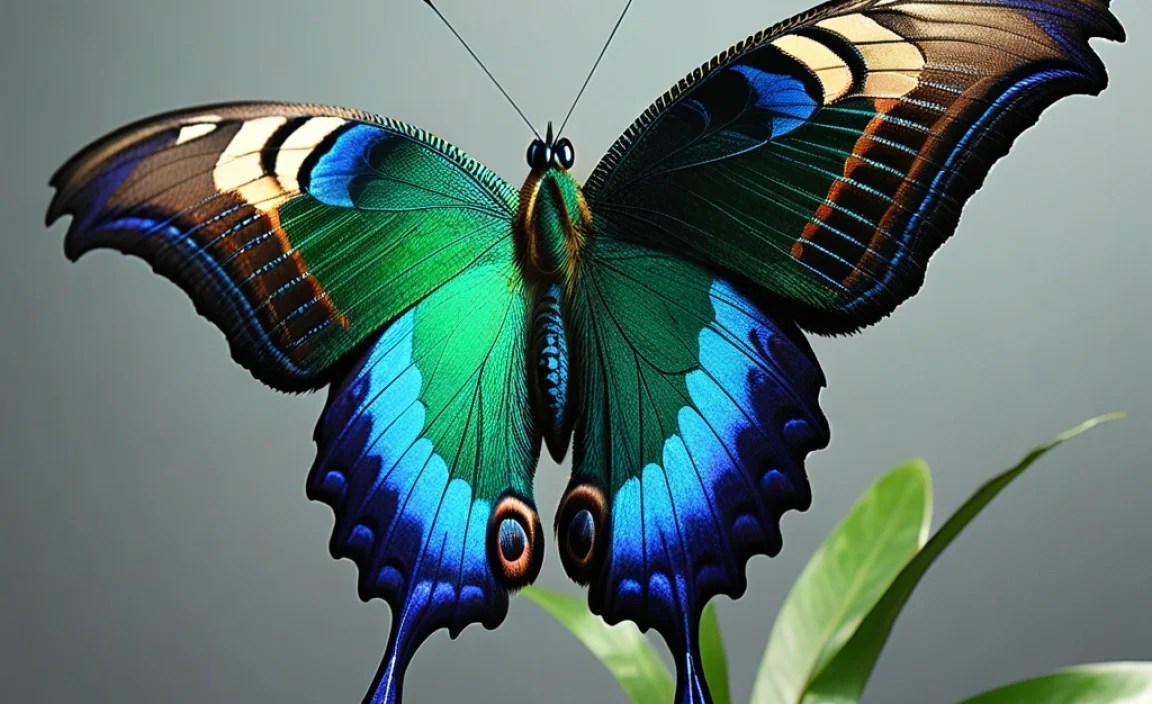
The Luzon peacock swallowtail is a sight to behold. It’s also known as Papilio chikae. This butterfly is special for many reasons. First, its colors are stunning. The wings shimmer with blues and greens. These bright colors warn predators. They are saying, “I don’t taste good!”
This butterfly is also special because of where it lives. It lives only on the island of Luzon in the Philippines. That makes it an endemic species. That means it is found nowhere else on Earth. Sadly, this butterfly is endangered. Its home is being destroyed. We need to help protect it. Learning about Luzon peacock swallowtail info is the first step.
These butterflies are not just pretty. They also play a role in their ecosystem. They help pollinate flowers. When they fly from flower to flower, they carry pollen. This helps plants make seeds. Without butterflies, some plants might disappear. Imagine a world without these colorful creatures. It would be a sadder place.
- They are found only on Luzon Island.
- Their bright colors warn predators.
- They help pollinate flowers.
- They are an endangered species.
- Habitat loss is a big threat.
- They are also called Papilio chikae.
Protecting the Luzon peacock swallowtail is important. We can do many things to help. We can support organizations that protect forests. We can also educate others about these butterflies. The more people who know about them, the better. Together, we can make a difference. We can ensure these butterflies fly for years to come.
Fun Fact or Stat: Only about 500-1,000 Luzon peacock swallowtail butterflies are estimated to remain in the wild!
What Makes It So Special?
What makes the Luzon peacock swallowtail so special? It is more than just its pretty colors. Its rarity makes it special. It is only found in one place. That makes it vulnerable. If something happens to its habitat, it could disappear forever. This butterfly is also special because of its beauty. Its shimmering wings are like living art. People travel from far away just to see it. It shows us how amazing nature can be.
Why Is It Endangered?
Have you ever wondered why some animals are endangered? The Luzon peacock swallowtail is endangered because its forest home is disappearing. People cut down trees for wood and to make space for farms. This destroys the butterfly’s habitat. Without a place to live and food to eat, the butterflies struggle to survive. We need to find ways to protect their forest. We can help them thrive again.
How Can We Help?
How can kids like you help the Luzon peacock swallowtail? There are many ways to make a difference. You can learn more about them and tell your friends. You can support groups that protect forests. You can even plant native plants in your yard. These plants can provide food for butterflies. Every little bit helps. Together, we can help save this beautiful butterfly. Remember, even small actions can make a big difference.
Luzon Peacock Swallowtail Habitat
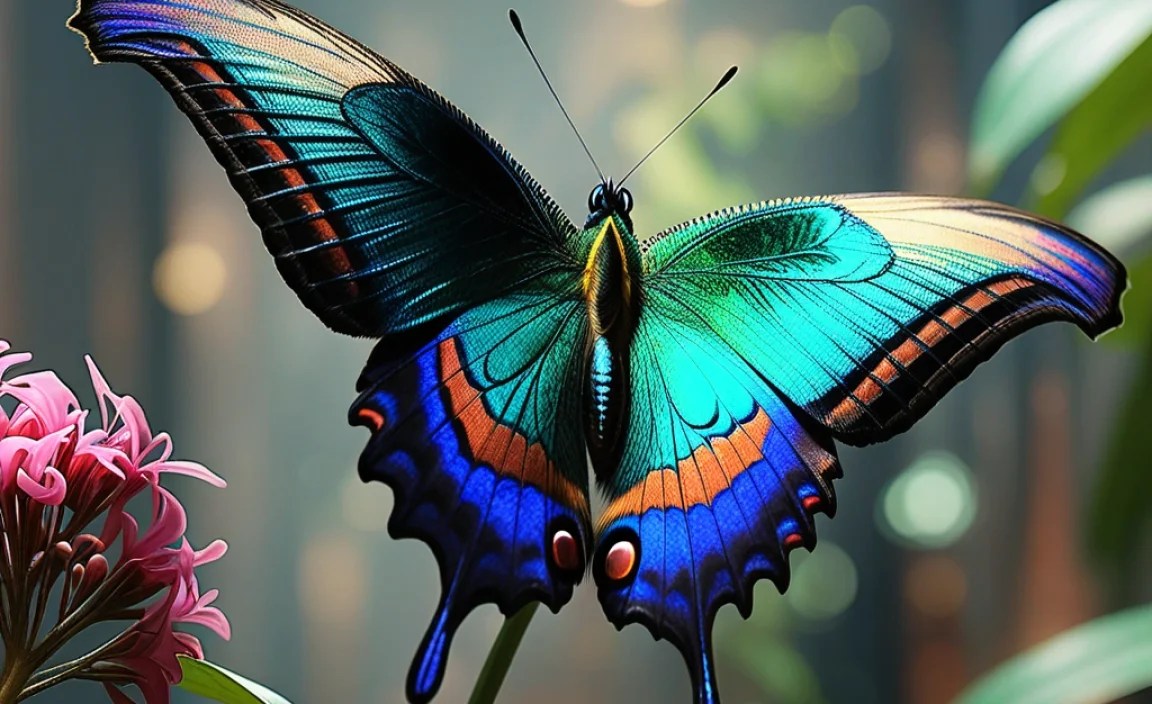
The Luzon peacock swallowtail’s habitat is very specific. It lives in the mountain forests of Luzon Island. These forests are cool and misty. They are home to many kinds of plants and animals. The butterflies need these forests to survive. They need the trees for shelter. They also need certain plants to lay their eggs on. If the forests disappear, so will the butterflies.
The forests where these butterflies live are under threat. People are cutting down trees for wood and to make space for farms. This is called deforestation. Deforestation is a big problem for many animals. It destroys their homes and makes it hard for them to find food. We need to find ways to protect these forests. We can help the butterflies and other animals that live there.
Protecting the Luzon peacock swallowtail’s habitat is key to its survival. We can support organizations that work to protect forests. We can also educate others about the importance of forests. When we protect forests, we protect the butterflies. We also protect the many other plants and animals that call these forests home.
- They live in mountain forests.
- Forests provide shelter and food.
- Deforestation is a big threat.
- Protecting forests is important.
- Many animals live in these forests.
- They need specific plants to lay eggs.
Imagine the forest as a big house. The trees are the walls and roof. The plants are the furniture. The animals are the family. If someone starts tearing down the house, the family will have nowhere to live. That is what is happening to the Luzon peacock swallowtail. We need to help rebuild their house. We can plant trees and protect the forests.
Fun Fact or Stat: The Luzon rainforests are among the most biodiverse ecosystems on Earth!
What Is Deforestation?
What is deforestation? It is when people cut down forests. They do this for many reasons. Sometimes they want to use the wood. Sometimes they want to make space for farms or buildings. Deforestation can have bad effects. It destroys habitats for animals. It also releases carbon dioxide into the air. This can contribute to climate change. We need to find ways to use land without destroying forests.
Why Are Forests Important?
Have you ever thought about why forests are important? They do more than just provide wood. They also clean the air we breathe. They help regulate the climate. They provide homes for many animals. Forests also help prevent soil erosion. Without forests, the soil can wash away. This can make it hard to grow crops. Protecting forests is important for many reasons.
How Can We Stop Deforestation?
How can we stop deforestation? There are many things we can do. We can use less wood. We can recycle paper. We can support companies that use sustainable practices. We can also plant trees. Planting trees helps replace the ones that have been cut down. We can also educate others about the importance of forests. Together, we can make a difference.
Life Cycle Of Luzon Peacock Swallowtail

The Luzon peacock swallowtail goes through a fascinating life cycle. It starts as an egg. The egg is laid on a special plant. When the egg hatches, a caterpillar comes out. The caterpillar eats leaves and grows bigger. After a while, the caterpillar turns into a pupa. The pupa is also called a chrysalis. Inside the pupa, the butterfly is changing. Finally, the butterfly emerges from the pupa. It flies off to find a mate and lay its own eggs.
Each stage of the life cycle is important. The caterpillar needs to eat a lot to grow. The pupa needs to be protected from predators. The butterfly needs to find food and a mate. If something goes wrong at any stage, the butterfly might not survive. That is why it is important to protect their habitat. We need to make sure they have everything they need to complete their life cycle.
Understanding the life cycle of the Luzon peacock swallowtail helps us protect it. We know what plants they need to lay their eggs on. We know what they need to eat. We can use this knowledge to create safe habitats for them. By protecting their life cycle, we can help ensure their survival.
- It starts as an egg.
- The egg hatches into a caterpillar.
- The caterpillar eats leaves and grows.
- It turns into a pupa (chrysalis).
- The butterfly emerges from the pupa.
- It flies off to mate and lay eggs.
| Life Stage | Description | Duration | Importance |
|---|---|---|---|
| Egg | Small and laid on specific plant leaves | Few days | Beginning of new life |
| Caterpillar | Eats leaves, grows, and molts | Several weeks | Gains energy for pupa stage |
| Pupa (Chrysalis) | Transformation inside a protective shell | Several weeks | Butterfly develops |
| Adult Butterfly | Flies, feeds on nectar, reproduces | Few weeks | Reproduction and pollination |
Imagine the Luzon peacock swallowtail as a tiny actor in a play. Each stage of its life is a different act. The egg is the opening scene. The caterpillar is the rising action. The pupa is the climax. The butterfly is the resolution. If one act is missing, the play cannot be completed. We need to make sure all the acts are there. We can protect their habitat and ensure their survival.
Fun Fact or Stat: The caterpillar of the Luzon peacock swallowtail eats only specific species of plants, making it highly vulnerable to habitat changes!
What Do They Eat?
What do Luzon peacock swallowtail caterpillars eat? They are picky eaters. They only eat the leaves of certain plants. These plants are called host plants. The butterflies lay their eggs on these plants. When the caterpillars hatch, they have food right away. The caterpillars need to eat a lot to grow big and strong. Without these host plants, they cannot survive.
How Long Do They Live?
Have you ever wondered how long butterflies live? The Luzon peacock swallowtail lives for a few weeks as an adult. During that time, they need to find a mate and lay eggs. They also need to find food. They drink nectar from flowers. Nectar is a sweet liquid that gives them energy. Their short lives are busy and important.
Where Do They Lay Eggs?
Where do Luzon peacock swallowtail butterflies lay their eggs? They lay their eggs on specific host plants. These plants provide food for the caterpillars. The butterflies choose these plants carefully. They want to make sure their babies have enough to eat. The eggs are small and hard to see. They blend in with the leaves.
Threats To Luzon Peacock Swallowtail

The Luzon peacock swallowtail faces many threats. The biggest threat is habitat loss. People are cutting down forests to make space for farms and buildings. This destroys the butterfly’s home. Another threat is illegal collecting. Some people catch these butterflies to sell them. This can reduce their numbers. Climate change is also a threat. It can change the weather patterns. This can make it hard for the butterflies to find food and survive.
These threats are serious. They could lead to the extinction of the Luzon peacock swallowtail. We need to take action to protect them. We can support organizations that protect forests. We can also educate others about the threats these butterflies face. The more people who know about the problem, the better.
Protecting the Luzon peacock swallowtail is not just about saving a butterfly. It is also about protecting the entire ecosystem. When we protect the butterflies, we protect the forests they live in. We also protect the other plants and animals that share their home.
- Habitat loss is the biggest threat.
- Illegal collecting reduces their numbers.
- Climate change affects their survival.
- Deforestation destroys their home.
- They are vulnerable to extinction.
- Protecting them helps the ecosystem.
Imagine the Luzon peacock swallowtail as a small boat in a stormy sea. The threats are like the waves. Habitat loss is a big wave that can capsize the boat. Illegal collecting is a sneaky wave that can pull it under. Climate change is a rising tide that can flood it. We need to calm the sea. We can protect their habitat and stop illegal collecting. We can also fight climate change.
Fun Fact or Stat: Illegal collecting of rare butterflies can fetch high prices on the black market, further endangering the Luzon peacock swallowtail!
What Is Illegal Collecting?
What is illegal collecting? It is when people catch animals or plants without permission. They might sell them for money. This is against the law. It can harm the environment. Illegal collecting can reduce the numbers of rare species. It can even lead to their extinction. We need to stop illegal collecting. We can report it to the authorities.
How Does Climate Change Affect Them?
Have you ever wondered how climate change affects butterflies? Climate change can change the weather patterns. This can make it hard for butterflies to find food. It can also change the timing of their life cycle. For example, plants might bloom earlier. This means the caterpillars might not have enough to eat. Climate change can also cause extreme weather events. These events can destroy butterfly habitats.
What Can We Do About It?
What can we do about the threats to the Luzon peacock swallowtail? We can support organizations that protect forests. We can also educate others about the importance of these butterflies. We can reduce our carbon footprint. We can use less energy and recycle more. We can also avoid buying products that come from deforested areas. Every little bit helps.
Conservation Efforts For Luzon Peacock Swallowtail
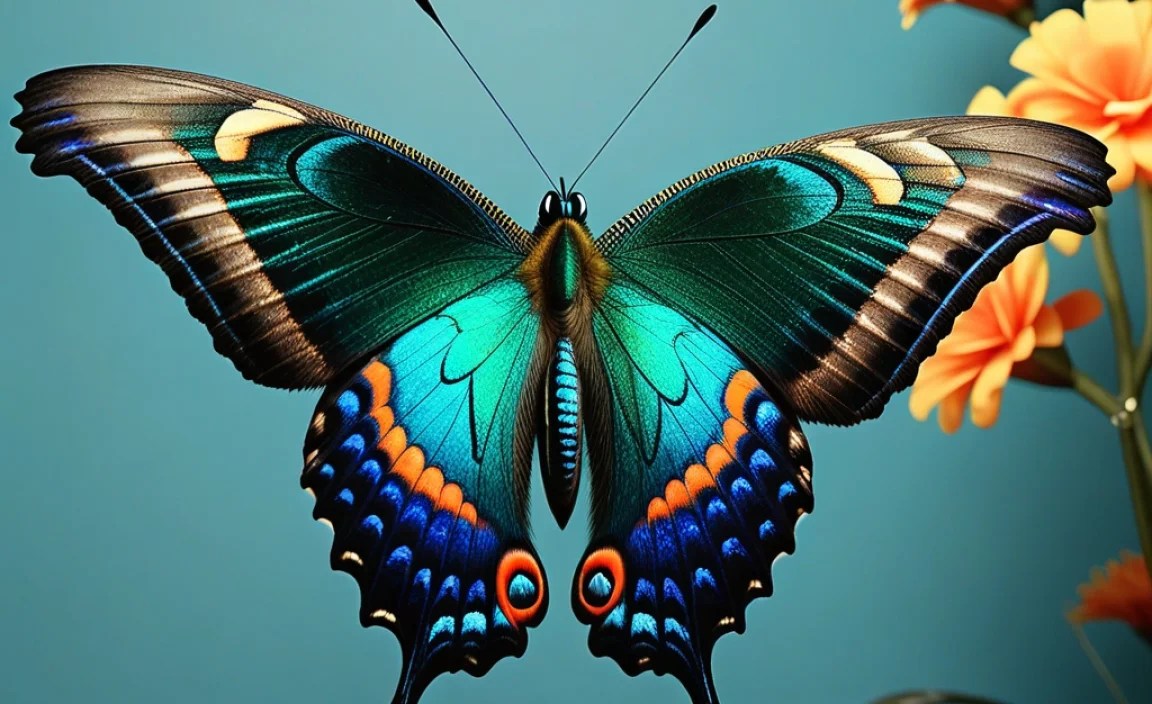
There are many conservation efforts to help the Luzon peacock swallowtail. Some organizations are working to protect their habitat. They are planting trees and stopping deforestation. Other organizations are working to educate people about these butterflies. They are teaching people about the importance of protecting them. Some organizations are also working to stop illegal collecting. They are working with the government to enforce the laws.
These conservation efforts are important. They are helping to protect the Luzon peacock swallowtail from extinction. But more needs to be done. We need to support these organizations. We can donate money or volunteer our time. We can also spread the word about these butterflies. The more people who know about them, the better.
Protecting the Luzon peacock swallowtail is a team effort. It requires the help of scientists, conservationists, and the local community. Together, we can make a difference. We can ensure these butterflies fly for generations to come. Remember, even small actions can have a big impact.
- Protecting their habitat is key.
- Educating people about them is important.
- Stopping illegal collecting helps.
- Planting trees restores their habitat.
- Supporting conservation groups helps.
- Community involvement is crucial.
Imagine the conservation efforts as a safety net. The scientists are weaving the net. The conservationists are holding it up. The local community is helping to catch the butterflies before they fall. If any part of the net is missing, the butterflies might fall through. We need to make sure the net is strong and complete.
Fun Fact or Stat: Some conservation programs involve local communities in raising and releasing Luzon peacock swallowtail butterflies to boost their population!
What Is Habitat Restoration?
What is habitat restoration? It is when people try to fix damaged habitats. They might plant trees or remove invasive species. Invasive species are plants or animals that don’t belong in an area. They can harm the native plants and animals. Habitat restoration helps to create a healthy environment for the Luzon peacock swallowtail.
How Do Scientists Study Them?
Have you ever wondered how scientists study butterflies? They use many different methods. They might catch butterflies and tag them. This helps them track their movements. They might also study their DNA. This helps them understand their genetics. Scientists also study their habitat. They look at the plants and animals that live there.
How Can Communities Help?
How can local communities help protect the Luzon peacock swallowtail? They can protect the forests where the butterflies live. They can also stop illegal collecting. They can also educate others about the importance of these butterflies. They can also participate in habitat restoration projects. The local communities are the key to their survival.
What To Do If You See One
If you are lucky enough to see a Luzon peacock swallowtail, what should you do? First, take a moment to admire its beauty. These butterflies are rare and special. Second, do not try to catch it. They are protected by law. Third, take a photo if you can. But be careful not to disturb it. Fourth, report your sighting to a local conservation organization. This will help them track the butterfly’s population.
Seeing a Luzon peacock swallowtail is a special experience. It is a reminder of the beauty and fragility of nature. It is also a reminder that we need to protect these butterflies. We can all play a role in their survival.
Remember, these butterflies are a treasure. Treat them with respect. Protect their habitat. Educate others about them. Together, we can ensure they continue to fly for years to come.
- Admire its beauty.
- Do not try to catch it.
- Take a photo if you can.
- Report your sighting.
- Respect their habitat.
- Educate others about them.
Imagine seeing a Luzon peacock swallowtail as finding a hidden gem. You would not want to keep it for yourself. You would want to share it with others. You would also want to protect it. That is how we should treat these butterflies. They are a precious gift.
Fun Fact or Stat: Documenting sightings of Luzon peacock swallowtail butterflies helps researchers understand their distribution and monitor population trends!
Why Should We Not Catch Them?
Why should we not catch Luzon peacock swallowtail butterflies? They are protected by law. It is illegal to catch them. Also, catching them can harm them. It can also disrupt their life cycle. We need to let them live their lives in peace. We can admire them from a distance.
How Can We Take Good Photos?
Have you ever tried to take a photo of a butterfly? It can be tricky. They move around a lot. Here are some tips. Use a camera with a zoom lens. This will allow you to take photos from a distance. Be patient. Wait for the butterfly to land. Try to get a close-up shot. But be careful not to disturb it.
Who Should We Report Sightings To?
Who should we report sightings of Luzon peacock swallowtail butterflies to? You can report them to a local conservation organization. You can also report them to the government’s environmental agency. They will use the information to track the butterfly’s population. This will help them protect them.
Future Of Luzon Peacock Swallowtail
The future of the Luzon peacock swallowtail is uncertain. They face many threats. But there is also hope. Conservation efforts are helping to protect them. More people are becoming aware of their plight. With continued effort, we can ensure their survival.
The key to their future is protecting their habitat. We need to stop deforestation. We need to restore damaged habitats. We also need to stop illegal collecting. We need to work together to create a safe environment for these butterflies.
The Luzon peacock swallowtail is a symbol of the beauty and fragility of nature. By protecting them, we are protecting our planet. We are ensuring that future generations can enjoy these amazing creatures.
- Their future is uncertain.
- Conservation efforts offer hope.
- Protecting their habitat is key.
- Stopping deforestation is crucial.
- Community involvement is essential.
- Education is important.
Imagine the future of the Luzon peacock swallowtail as a garden. If we take care of the garden, it will flourish. The butterflies will thrive. But if we neglect the garden, it will wither. The butterflies will disappear. We need to tend to the garden. We can plant trees and protect their habitat.
Fun Fact or Stat: Long-term monitoring and research are vital for understanding the impact of conservation efforts on the Luzon peacock swallowtail population!
What Can Future Generations Do?
What can future generations do to help the Luzon peacock swallowtail? They can continue to support conservation efforts. They can also become scientists or conservationists. They can also educate others about these butterflies. They can also make sustainable choices. They can use less energy and recycle more.
How Can Technology Help?
Have you ever wondered how technology can help protect butterflies? Scientists can use drones to monitor their habitat. They can use GPS to track their movements. They can also use computers to analyze data. Technology can help us understand these butterflies better. This can help us protect them more effectively.
What Is Sustainable Living?
What is sustainable living? It is living in a way that does not harm the environment. It means using resources wisely. It means reducing our carbon footprint. It means making choices that protect the planet. We can all live more sustainably. We can use less water and energy. We can recycle more. We can also eat less meat.
Summary
The Luzon peacock swallowtail is a rare and beautiful butterfly. It lives only on the island of Luzon in the Philippines. It faces many threats, including habitat loss and illegal collecting. Conservation efforts are underway to protect it. These efforts include protecting their habitat, educating people, and stopping illegal collecting.
We can all play a role in protecting this butterfly. We can support conservation efforts. We can educate others about it. We can also make sustainable choices. By working together, we can ensure that the Luzon peacock swallowtail continues to fly for generations to come. Learning about Luzon peacock swallowtail info and sharing it with others is a great first step.
Conclusion
The Luzon peacock swallowtail is a treasure. Its bright colors and rarity make it special. It needs our help to survive. We must protect its forest home. We should support conservation groups. We can educate our friends and family. By taking action, we can secure the future of this amazing butterfly. The Luzon peacock swallowtail can thrive with our help.
Frequently Asked Questions
Question No 1: What is the Luzon peacock swallowtail?
The Luzon peacock swallowtail is a rare butterfly. It is only found on the island of Luzon in the Philippines. It is known for its bright colors. It is also known for being endangered. Protecting it is very important. The butterfly’s scientific name is Papilio chikae. It is a member of the swallowtail family. People come from all over to see it. They are truly beautiful creatures.
Question No 2: Where does the Luzon peacock swallowtail live?
The Luzon peacock swallowtail lives in the mountain forests of Luzon Island in the Philippines. These forests are its only home. It needs these forests to survive. The forests provide food and shelter. They also provide a place to lay eggs. The butterfly is very picky about where it lives. That makes it vulnerable. If something happens to its habitat, it could disappear. Deforestation is shrinking their habitat rapidly.
Question No 3: Why is the Luzon peacock swallowtail endangered?
The Luzon peacock swallowtail is endangered for several reasons. The biggest reason is habitat loss. People are cutting down forests for wood and to make space for farms. This destroys the butterfly’s home. Illegal collecting is also a threat. Some people catch these butterflies to sell them. Climate change can also affect their survival.
Question No 4: What can we do to help the Luzon peacock swallowtail?
There are many things we can do to help the Luzon peacock swallowtail. We can support organizations that protect forests. We can also educate others about these butterflies. We can reduce our carbon footprint. Every little bit helps. It is important to understand Luzon peacock swallowtail info to help. We can use less energy and recycle more. We can also avoid buying products that come from deforested areas.
Question No 5: What does the Luzon peacock swallowtail eat?
The caterpillar of the Luzon peacock swallowtail eats the leaves of specific plants. These plants are called host plants. The butterfly lays its eggs on these plants. When the caterpillar hatches, it has food right away. The adult butterfly drinks nectar from flowers. Nectar is a sweet liquid that gives it energy. They need specific host plants to survive as caterpillars.
Question No 6: How can I learn more about the Luzon peacock swallowtail?
You can learn more about the Luzon peacock swallowtail by visiting websites of conservation organizations. You can also read books and articles about butterflies. You can also watch documentaries about nature. You can also visit museums and zoos. Talking to experts is also a great idea. Knowing more Luzon peacock swallowtail info helps us protect it. It also helps to share information with friends and family.


